Why Some California Gardeners Water Houseplants With Rainwater
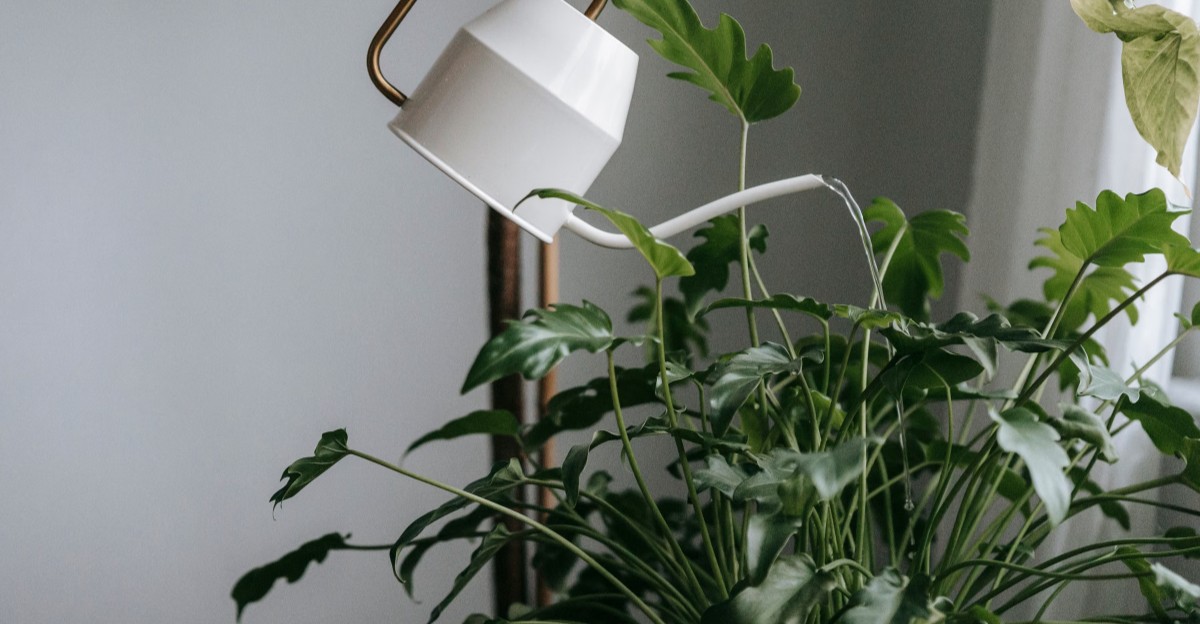
A single inch of rain falling on a 1,000-square-foot roof yields roughly 600 gallons of water. Almost none of it carries the calcium, magnesium, or chloramine that flows from many kitchen faucets.
I didn’t expect that difference to matter to a houseplant. Then my prayer plant started growing crispy brown leaf tips, and I couldn’t figure out why. I tried fresh soil and a new spot away from the window, but nothing helped.
Funny thing is, the fix was sitting outside in a bucket the whole time. Turns out my stubborn plant was simply tired of what I was pouring into its pot. Plenty of gardeners across California have quietly reached the same conclusion, especially those living with hard municipal water.
What is actually in your tap water, and which plants notice it most? The answers surprised me, and they might change how you fill your watering can.
That Crispy Brown Leaf Tip Is Sending You A Message
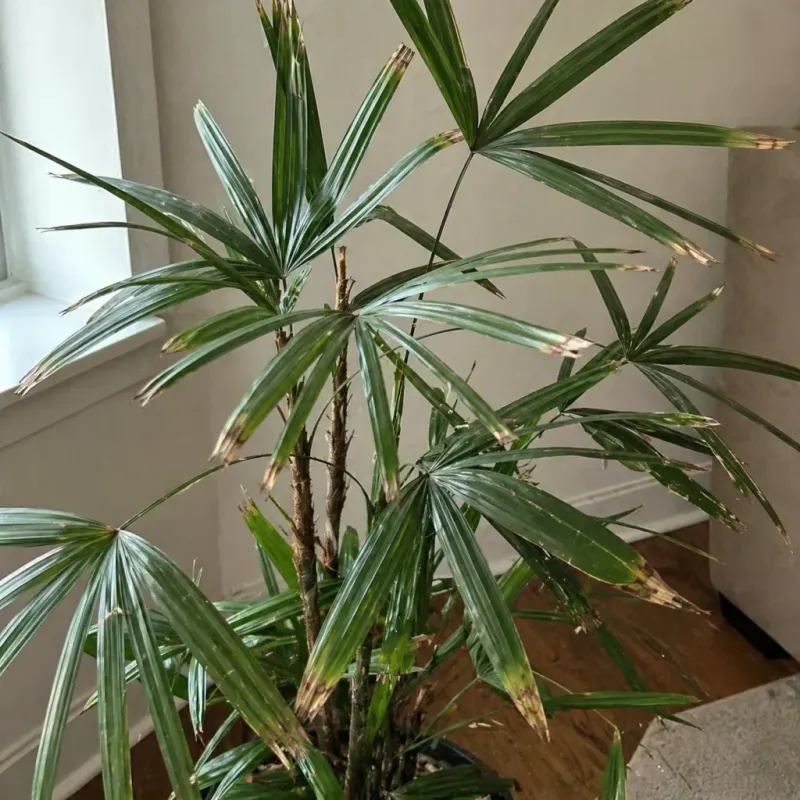
Brown, papery leaf edges are one of the most common houseplant complaints out there. Most people blame low humidity or a missed watering, and sometimes they’re right.
Still, there is another suspect hiding in plain sight. The water itself can be the problem, especially when it carries salts, minerals, and treatment chemicals that build up in the pot over time.
Plant roots soak up water and leave many dissolved salts behind in the soil. As those salts pile up, roots have a harder time pulling in moisture. The leaf tips sit farthest from the roots, so they show stress first by browning and curling.
University extension experts point to salt buildup as a frequent cause of tip burn on indoor plants. Fluoride in treated water can also cause tip damage on sensitive plants like dracaenas and spider plants.
I’ll say this much: it took me months to connect the dots. My plant had good light and steady care, yet the tips kept getting worse.
Before switching anything, check the basics. Look at humidity, drainage, and how often you fertilize. If those look fine and the browning continues, your faucet deserves a closer look, and that is where rain starts to make sense.
Chloramine In California Tap Water Doesn’t Fade Overnight
Old gardening advice says to let tap water sit out overnight before watering. That trick worked well back when most cities used plain chlorine, which escapes into the air fairly quickly.
Many large water systems in the state now rely on chloramine instead. The Metropolitan Water District of Southern California, the Los Angeles Department of Water and Power, and the San Francisco Public Utilities Commission all use it to keep drinking water safe.
Chloramine is a blend of chlorine and ammonia. It lasts much longer in pipes, which is great for public health. It also means a bucket left on the counter overnight still holds most of it.
For people, chloramine at these levels is considered safe to drink. For delicate potted plants, the story is less clear. Some growers report fussier foliage, though research on houseplants is limited, so treat this as one possible factor rather than a proven cause.
Not going to lie, I was annoyed when I learned my overnight bucket trick wasn’t doing much. You can look up your local water report online to see which treatment your utility uses.
Rain skips this question entirely. It falls from the sky with no added disinfectant at all.
White Crust On Your Pots Points To Hard Water Minerals
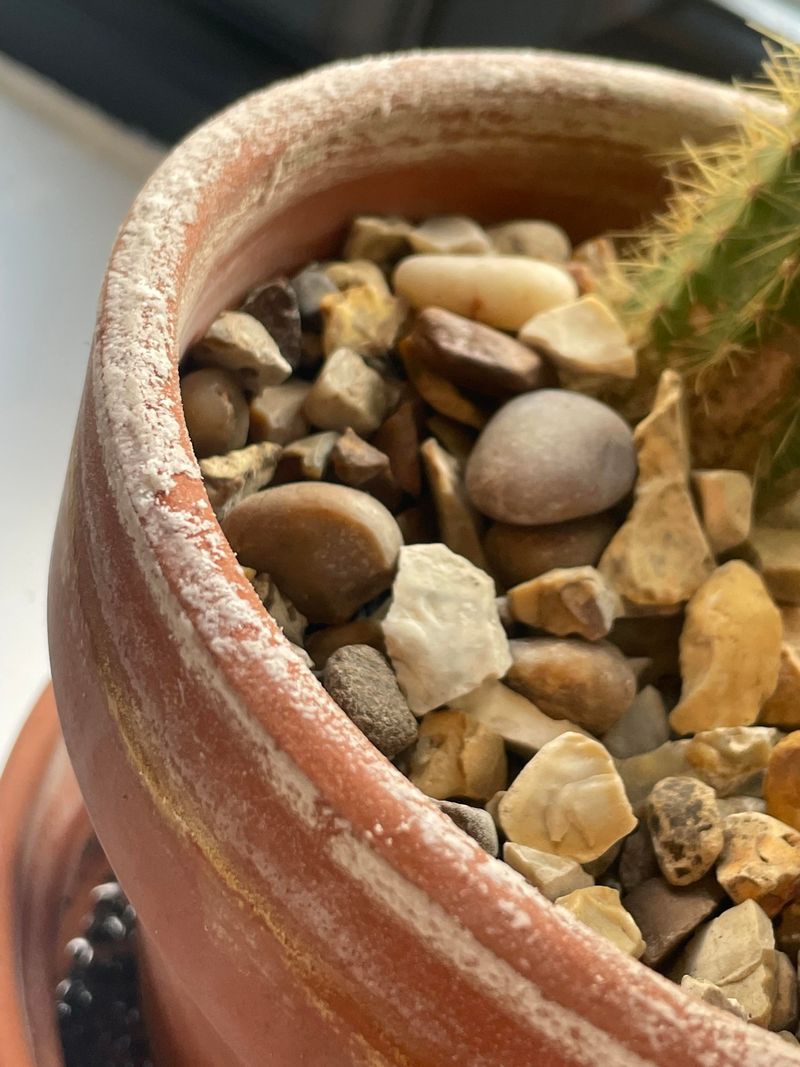
Ever notice a chalky white ring creeping up the side of a clay pot? That crust is mostly dissolved minerals left behind after water evaporates.
Hard water is common in many parts of the state, especially in Southern California communities that receive Colorado River water. It carries plenty of calcium and magnesium, which leave mineral deposits on faucets, shower doors, and yes, your plant pots.
Over months, those minerals can push soil pH higher. When potting mix turns more alkaline, roots may struggle to take up iron, manganese, and zinc. Yellowing between leaf veins is one common sign.
Home water softeners add another twist. Many swap calcium for sodium, and sodium is hard on plant roots. Extension specialists generally advise against using softened water on plants.
Guilty as charged, I once watered everything from the softened kitchen tap for a full year. My pothos sulked the entire time.
Try this quick fix. Every few months, flush each pot by running a generous amount of water through it until it pours from the drainage holes. Scrape off surface crust too. Using rain for that flush helps even more, because it carries almost no minerals to begin with.
Soft Rain Gives Thirsty Roots A Cleaner Drink
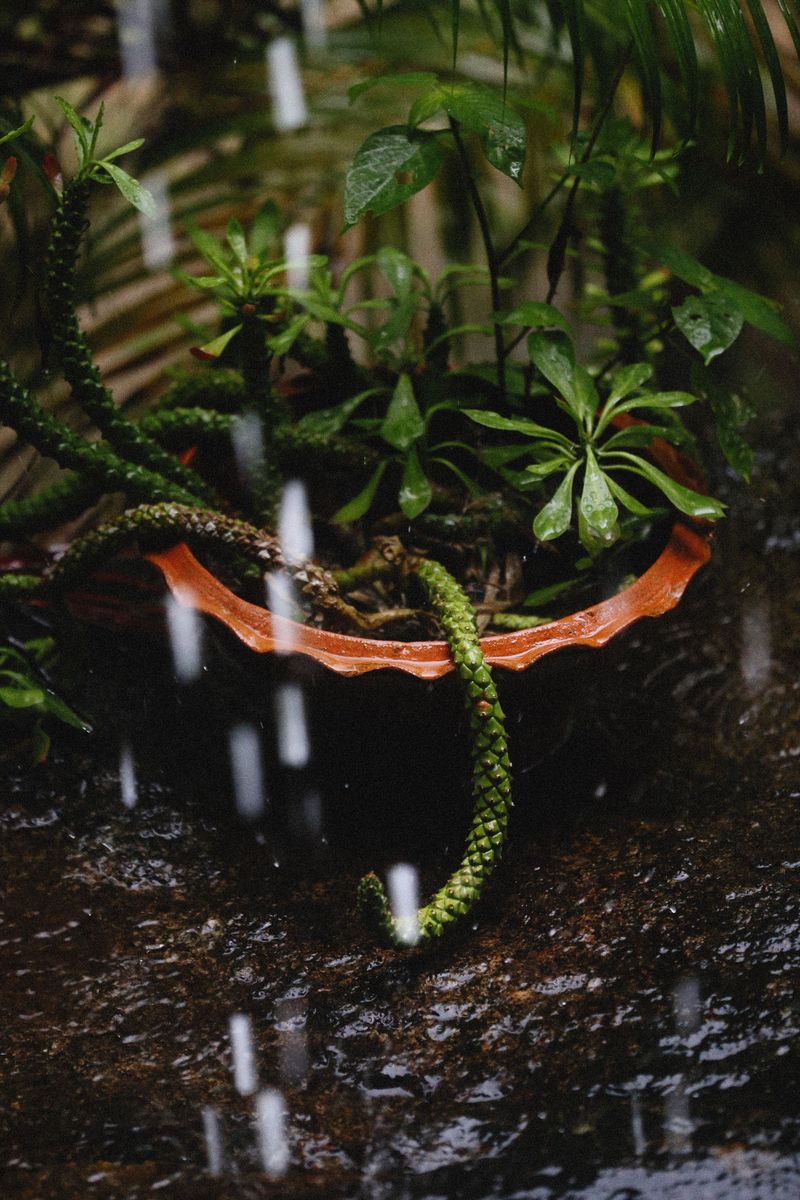
Rain is basically nature’s distilled water with a few bonus extras. As water evaporates from oceans and land, it leaves salts and minerals behind, so what falls back down is naturally soft.
Clean rain usually has a pH around 5.6, which is slightly acidic. That happens because rain absorbs a bit of carbon dioxide from the air. Many tropical houseplants prefer slightly acidic conditions, so this suits them nicely.
Rain also picks up small amounts of nitrogen from the atmosphere in the form of nitrate and ammonium. The amount is modest, so it won’t replace fertilizer. Still, it gives plants a tiny nudge with each watering.
Fun fact: lightning helps create some of that nitrogen. The intense heat splits nitrogen gas in the air, and the pieces combine into compounds plants can use.
Don’t expect miracles overnight. Most gardeners notice gradual changes, like fewer crispy tips and less crust on the soil.
One honest caution matters here. Rain that runs off a roof can pick up dust, bird droppings, and bits of roofing material. Collected rain is soft, but not sterile, so how you catch and store it makes a real difference.
Calatheas, Ferns, And Orchids Notice The Difference First
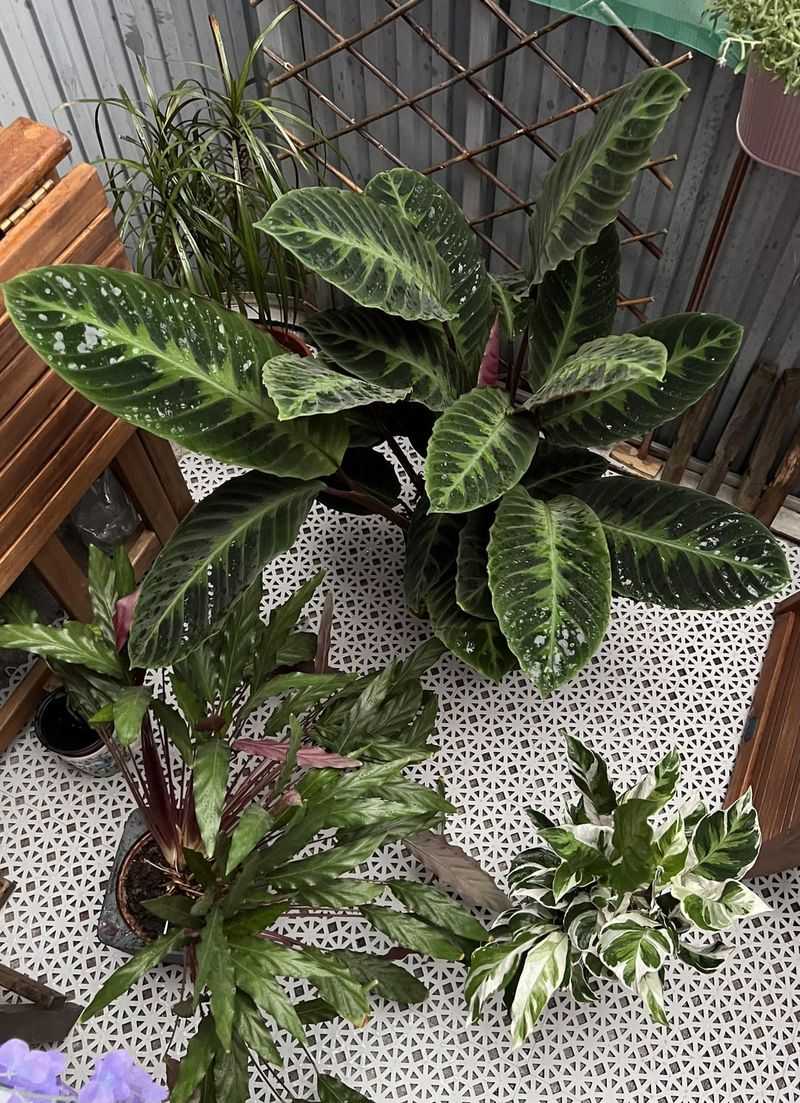
My calathea is a drama queen, and I mean that with love. One wrong move and it curls its leaves like it’s insulted.
Some houseplants shrug off tap water for years. Pothos, snake plants, and ZZ plants rarely complain. Others are far more sensitive and tend to show stress quickly.
Calatheas and other prayer plants top the list. Ferns, peace lilies, and many orchids also react to salt buildup with brown edges or slow growth. Dracaenas and spider plants are known for tip burn linked to fluoride.
Carnivorous plants are the pickiest of all. Venus flytraps, pitcher plants, and sundews grow naturally in mineral-poor bogs. Experts generally recommend only rain, distilled, or reverse osmosis water for them, since minerals can harm their roots.
You don’t need to switch every pot at once. Start with your fussiest plants and keep using tap water for the tough ones. Saving rain for the plants that truly care helps a small supply stretch much further.
Watch for changes over the next couple of months. New leaves are the best clue, since old damage won’t reverse. Fresh growth with clean edges tells you the switch is working.
Catching Rain From Your Downspout Is Perfectly Legal Here
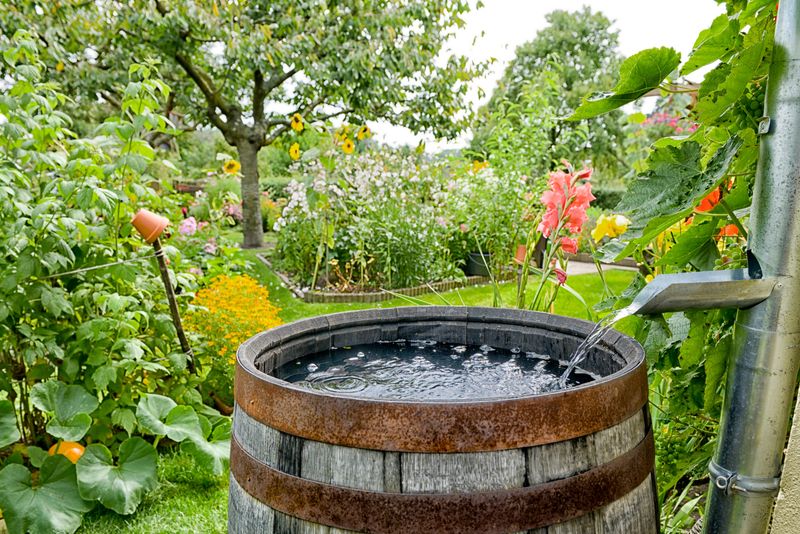
Years ago, some Western states put strict limits on capturing rain. California took a friendlier approach with the Rainwater Capture Act of 2012, which allows homeowners to collect rain from rooftops for uses like watering plants.
Most simple setups, like a rain barrel under a downspout, need no permit. Larger tanks or systems tied into household plumbing may have local rules, so check with your city or county before going big. Many water agencies even offer rebates on rain barrels.
Timing is the tricky part. Most of the state gets nearly all its rain between roughly November and March, with long dry summers in between. Northern areas collect far more than the desert south.
Fair warning: a single barrel fills faster than you’d expect. An inch of rain on a modest roof section can overflow a 50-gallon barrel in one storm.
For houseplants, that small amount goes a long way. Even a few clean buckets set out during a storm can supply sensitive plants for weeks.
Plan to collect generously during wet months. Then ration that supply carefully for your pickiest plants as the dry season settles in.
A Covered Rain Barrel Keeps Mosquitoes And Algae Away
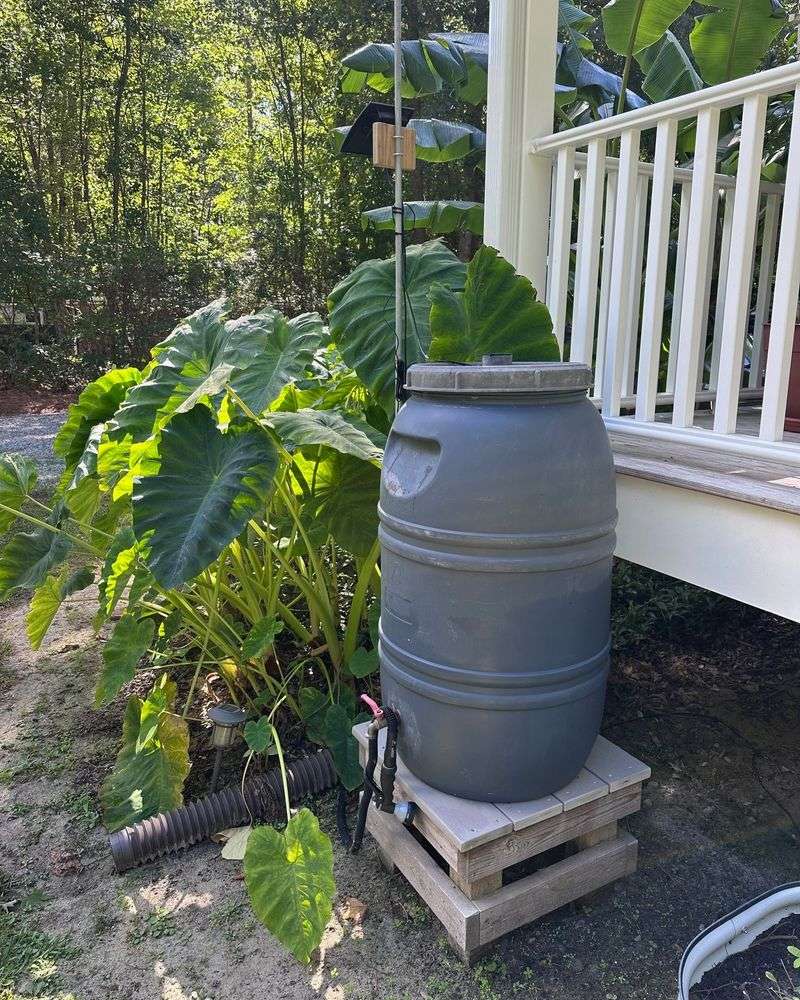
Standing water attracts mosquitoes fast. Females can lay eggs on calm water, and those eggs can become biting adults in about a week during warm weather.
Local vector control districts across the state ask residents to seal or screen rain barrels. A tight lid plus fine mesh over any openings keeps mosquitoes out while still letting water flow in.
Light causes a different headache. Clear containers let sunlight inside, and algae quickly turns the water green and slimy. Opaque barrels or dark containers solve that problem nicely.
A first flush diverter is worth considering too. It sends the first gallons of runoff away, along with the dust and debris that collected on the roof during dry weeks. A simple mesh filter on the downspout catches leaves.
I’m the first to admit my early setup was a lidless bucket. It turned into a mosquito nursery within days, and I felt pretty silly.
For indoor use, transfer some water to clean, covered jugs and store them somewhere cool and dark. Use stored water within a few weeks if possible. If it smells sour or looks cloudy, pour it on outdoor beds instead and refill.
Room-Temperature Rain In The Watering Can Works Best
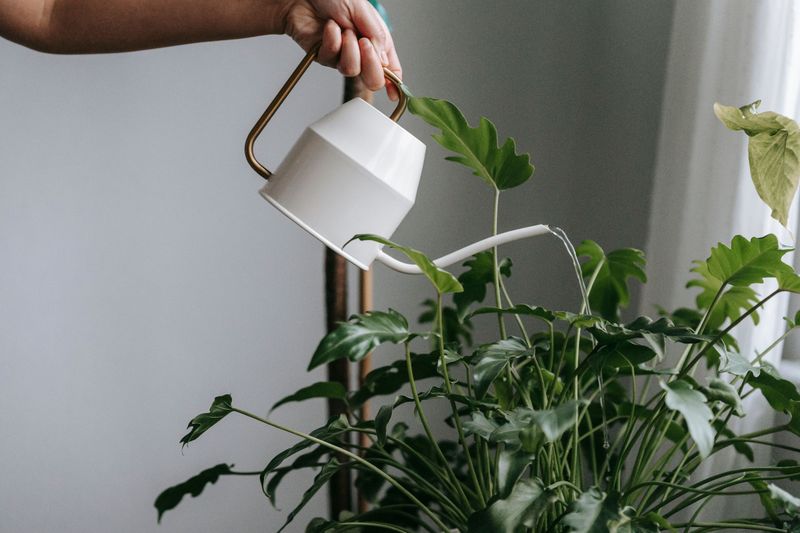
Cold water straight from an outdoor barrel can shock tropical roots. Many houseplants come from warm forests, and an icy splash after a chilly winter storm isn’t their idea of a treat.
Bring a jug inside and let it sit for several hours before watering. Once it feels comfortable to your hand, it’s ready to pour.
Rain helps a lot, yet it isn’t a cure-all. Overwatering still causes more houseplant trouble than almost anything else. Check that the top inch or so of soil feels dry before watering most common plants.
Fertilizer still matters too. That small natural nitrogen boost is nice, but potted plants need a regular feeding during spring and summer growth. A diluted balanced fertilizer every few weeks usually works well.
Running short on rain by late summer? Distilled water or reverse osmosis water makes a solid backup for your fussiest plants. Mixing rain with tap water also dilutes minerals and stretches your supply.
Trust me on this one: small changes add up. Clean water, good drainage, and a little patience can turn a sulking plant into a happy one. Your calathea may finally stop curling its leaves at you.