The California Compost Habit That Can Invite Rodents Without Gardeners Realizing
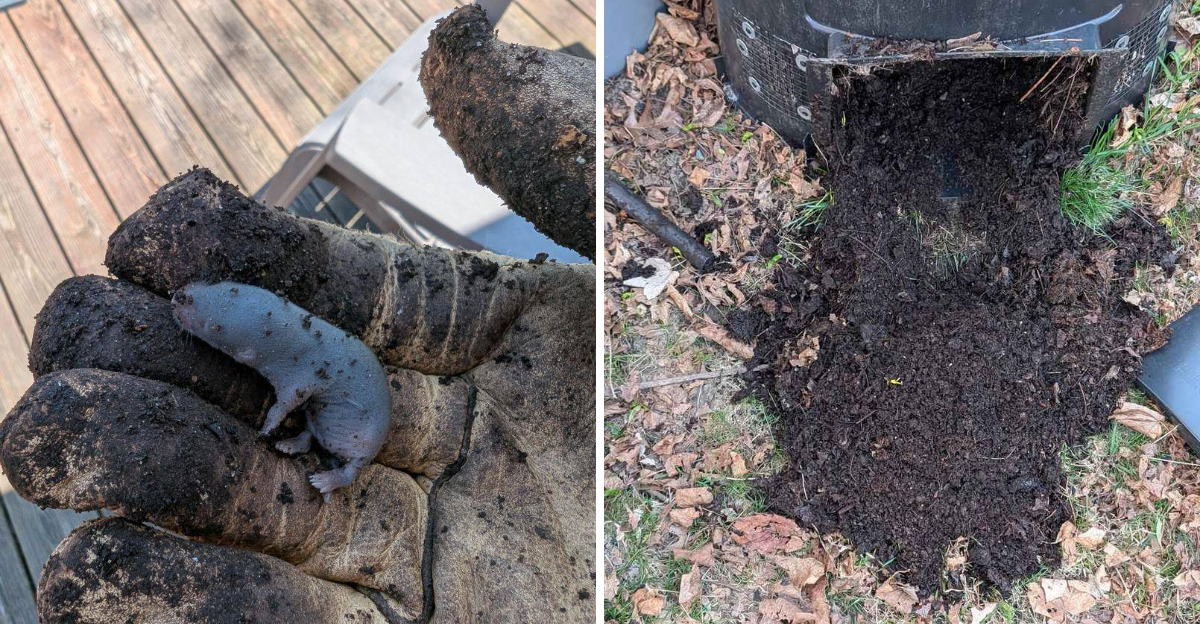
A California compost pile can look perfectly normal during the day and become surprisingly busy after dark.
Nothing obvious changes. The lid still sits in place. Vegetable scraps disappear beneath the browns. The pile keeps shrinking, and the garden benefits from every finished batch.
Then you notice a tunnel beside the bin.
Maybe there are small droppings near the fence. Maybe the lid shifts overnight. Maybe scratching starts somewhere you would rather not hear it.
So what turned a soil-building habit into a nighttime attraction?
The answer is usually not composting itself.
A few small routines can change how strongly a pile smells, how easy it is to enter, and how much shelter surrounds it. Some seem harmless because they barely affect decomposition at first.
Rodents notice them differently.
Once food, moisture, and cover line up in the same place, a compost area can become worth revisiting.
The good news is that most of those invitations are easy to cancel before a regular route becomes a backyard habit each night.
Stop Adding Meat And Fish To Compost
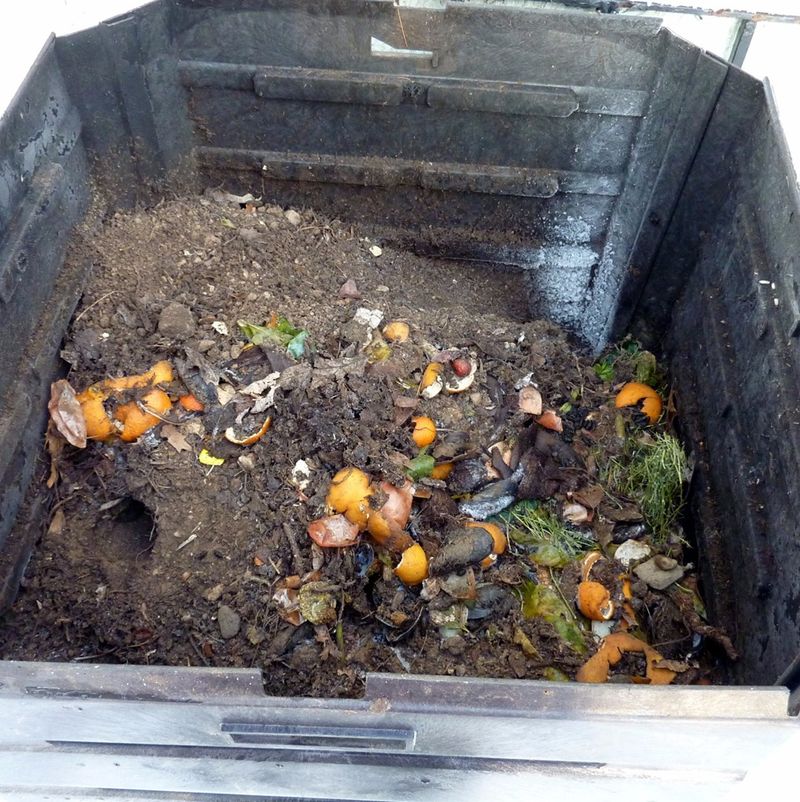
A few dinner scraps can change the character of a backyard pile overnight.
Meat, fish, bones, and heavily food-coated animal scraps break down differently from leaves and vegetable trimmings. In a typical home compost system, they can produce strong odors and remain recognizable long enough to reward a rat or mouse that investigates.
That is the habit to stop first.
Keep those materials out of an ordinary open pile or simple backyard bin. California gardeners with access to a curbside organics program can check local rules and send accepted food scraps there instead.
Commercial systems often handle a wider range of material than a home pile can manage comfortably.
Do not assume burying a chicken bone deeply makes it disappear from a rodent’s nose. Rats are persistent foragers, and one successful visit can turn the compost corner into part of a regular route.
Plant-based kitchen scraps are much easier to manage at home. Fruit and vegetable trimmings, coffee grounds, and similar materials break down well when balanced with dry carbon-rich ingredients.
A backyard compost pile does not need to smell like dinner to make excellent soil.
Keep animal scraps out, and you remove one of the strongest food rewards before the neighborhood night shift discovers where the bin is.
Keep Dairy And Greasy Scraps Out
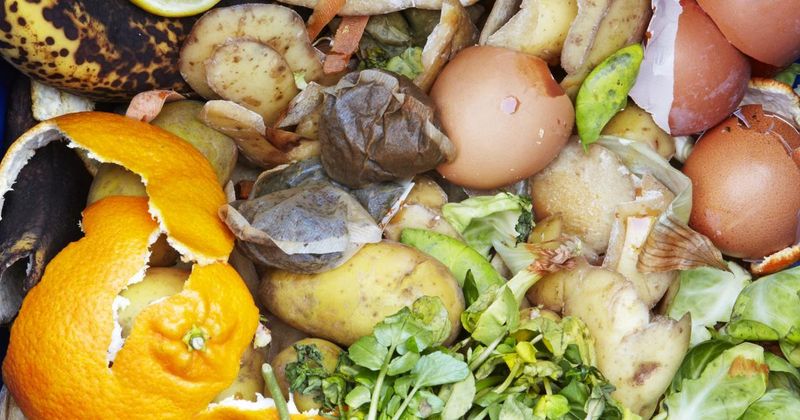
A spoonful of sauce does not look like much when it disappears beneath a pile of leaves.
Grease, dairy, oily leftovers, and rich cooked foods can still make a backyard compost system much more attractive to rodents.
Fats break down slowly in many home piles and can coat surrounding material, reducing airflow while producing lingering food odors.
That combination causes two problems at once.
The pile becomes less efficient, and a foraging rat gets a stronger reason to investigate it.
Cheese, butter, creamy sauces, oily takeout leftovers, and similar scraps are better kept out of a basic backyard pile. Where a local organics collection program accepts them, that system is usually the cleaner destination.
Your California Garden Changes Every Week. Your Plan Should Too.
Gardening in California changes quickly throughout the season. Every Friday you’ll receive a simple weekly plan showing exactly what to plant, prune, fertilize, harvest, and protect so you never miss the right timing.
Do not pour cooking oil into compost either. It can create soggy, anaerobic pockets rather than helping decomposition.
A well-managed pile should smell earthy, not like yesterday’s kitchen.
Stick with plant trimmings and balance moist greens with dry leaves, shredded cardboard, or other appropriate browns. That keeps air moving and gives microbes conditions that favor steady decomposition.
The less time recognizable, fragrant food sits in the pile, the fewer rewards it offers curious rodents.
Compost can be rich without containing rich food.
Save the butter for the kitchen and let the bin work on ingredients it can process without broadcasting the menu across the yard.
Skip Eggs In Rodent Prone Compost Piles
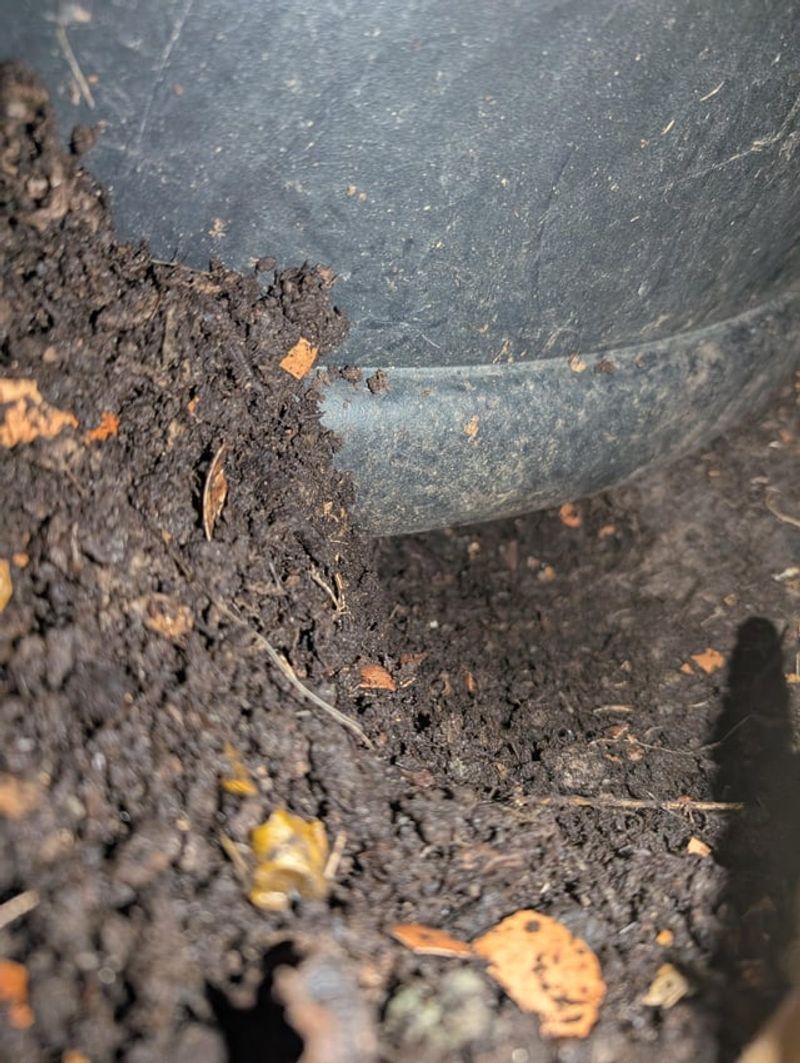
An eggshell and a leftover scrambled egg do not belong in the same compost category.
Clean shells are generally a minor issue. They contain little food once the egg residue is gone and can be crushed into a backyard pile, although they break down slowly.
Whole eggs and cooked egg scraps are different.
Yolk and white provide protein and fat, and those food residues can create odors as they decompose. In a yard where rats or mice are already active, adding them gives the pile another edible reward.
Keep cooked eggs and broken raw eggs out of a basic backyard compost system. Check local organics rules for another disposal route where available.
Eggshells can stay, but scrape or rinse away obvious residue first when rodent pressure is a concern. Letting them dry before crushing also makes them less messy to store and add.
Do not expect shells to meaningfully boost garden calcium right away. They decompose gradually, so their presence is more about using a mineral-rich waste product than quickly changing soil fertility.
The important distinction is food residue.
A dry crushed shell is very different from half an omelet hidden beneath grass clippings.
When the goal is keeping rodents uninterested, remove the part that smells and tastes like food.
The compost microbes will manage perfectly well without breakfast.
Cover Kitchen Scraps With Brown Material
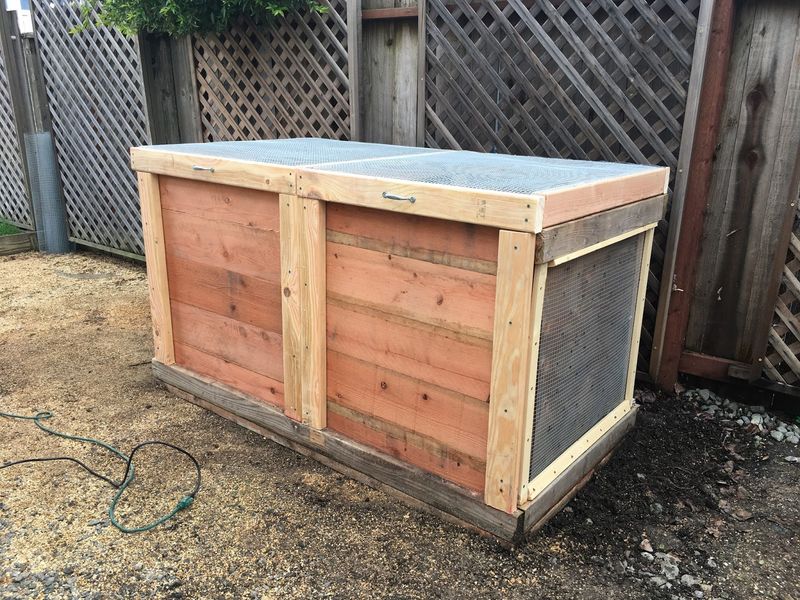
The easiest scraps for a rat to find are the ones sitting right on top.
Banana peels, melon rinds, apple cores, and vegetable trimmings may be perfectly reasonable compost ingredients, but leaving them exposed turns the pile into an easy feeding station. Visibility matters less than access and odor.
Bury fresh kitchen material in the active center of the pile.
Then cover it with a generous layer of dry leaves, shredded cardboard, straw, or another carbon-rich brown. That helps contain odor, discourages flies, and improves the balance between wet nitrogen-rich scraps and dry carbon material.
Keep a container of browns beside the compost area so this step never becomes inconvenient.
Every kitchen addition should end with coverage rather than a bright layer of scraps across the surface.
Do not pack the covering layer so tightly that air cannot move. Compost still needs oxygen. The goal is a loose carbon blanket, not a compressed lid made of wet cardboard.
This habit also makes decomposition more efficient because food scraps spend more time inside the biologically active part of the pile rather than drying or fermenting at the surface.
Rodents are opportunists.
A pile that requires digging through dry, uninteresting material offers less of an immediate payoff than one topped with yesterday’s produce trimmings.
Put the food where the microbes can reach it first, then cover your tracks.
Keep The Pile Moist Without Soaking It
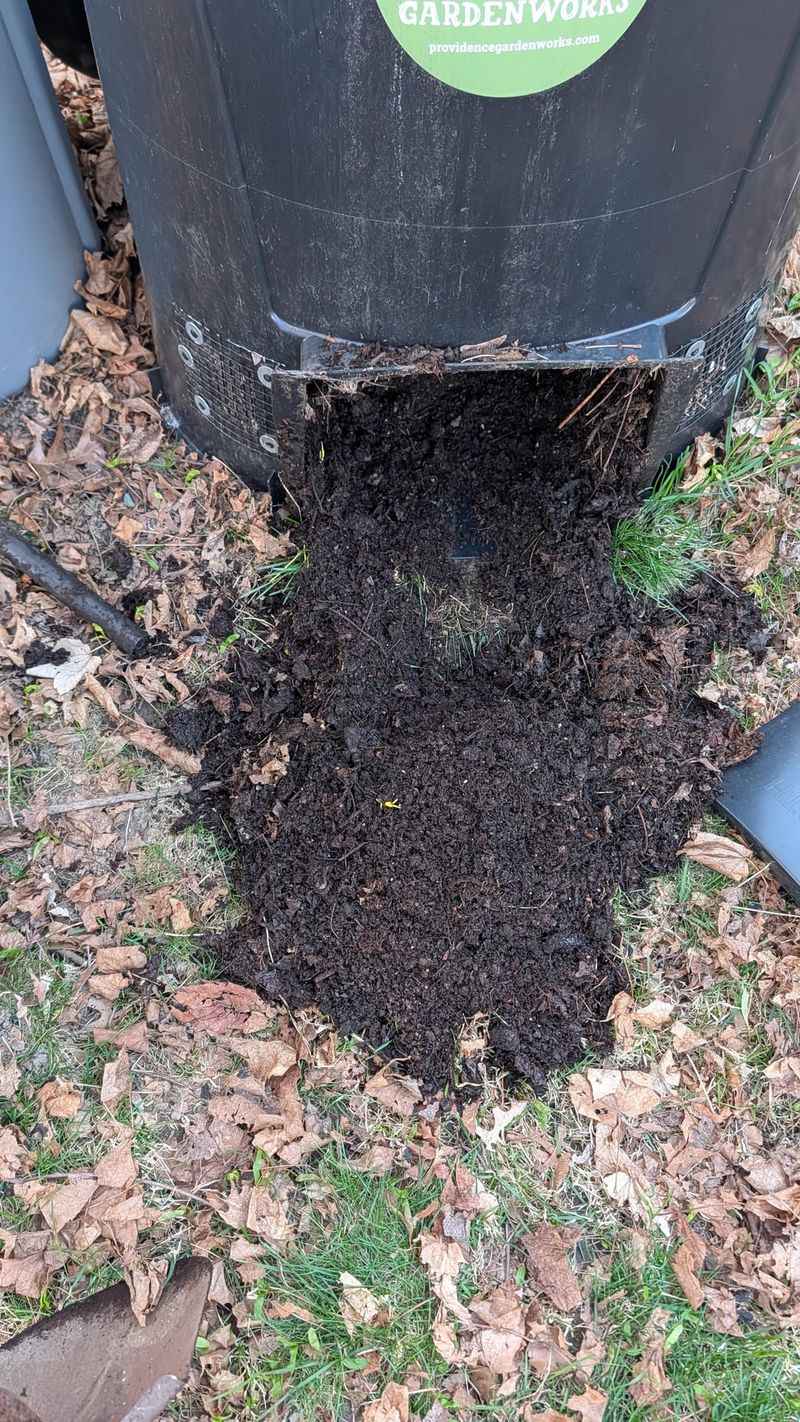
A compost pile should feel damp enough to work, not wet enough to squish underfoot.
Too much moisture pushes air from the spaces between materials. Once oxygen drops, decomposition can shift toward sour, unpleasant odors and a slower process.
Persistent dampness around the bin can also create the kind of sheltered water source rodents may investigate.
Aim for the feel of a wrung-out sponge.
A handful of compost should be moist throughout without releasing a stream of water when squeezed.
During California’s dry months, that may require occasional watering. During rainy stretches, a lid or cover can keep the pile from becoming saturated.
Watch the ground around the bin too.
Leaking hoses, irrigation overspray, and water trapped beneath a container can create a damp zone even when the compost itself is balanced. Fix those sources rather than assuming they are harmless because the pile needs moisture.
When material smells sour or feels slimy, add dry browns and turn the pile to restore air. When it is dusty and inactive, add modest moisture as you mix.
The goal is steady decomposition with an earthy smell.
Rodent prevention works best when the compost area offers neither a concentrated food reward nor a dependable puddle.
Keep the microbes hydrated.
Do not accidentally open a backyard watering station for everything that forages after sunset.
Turn Compost Before Odors Build
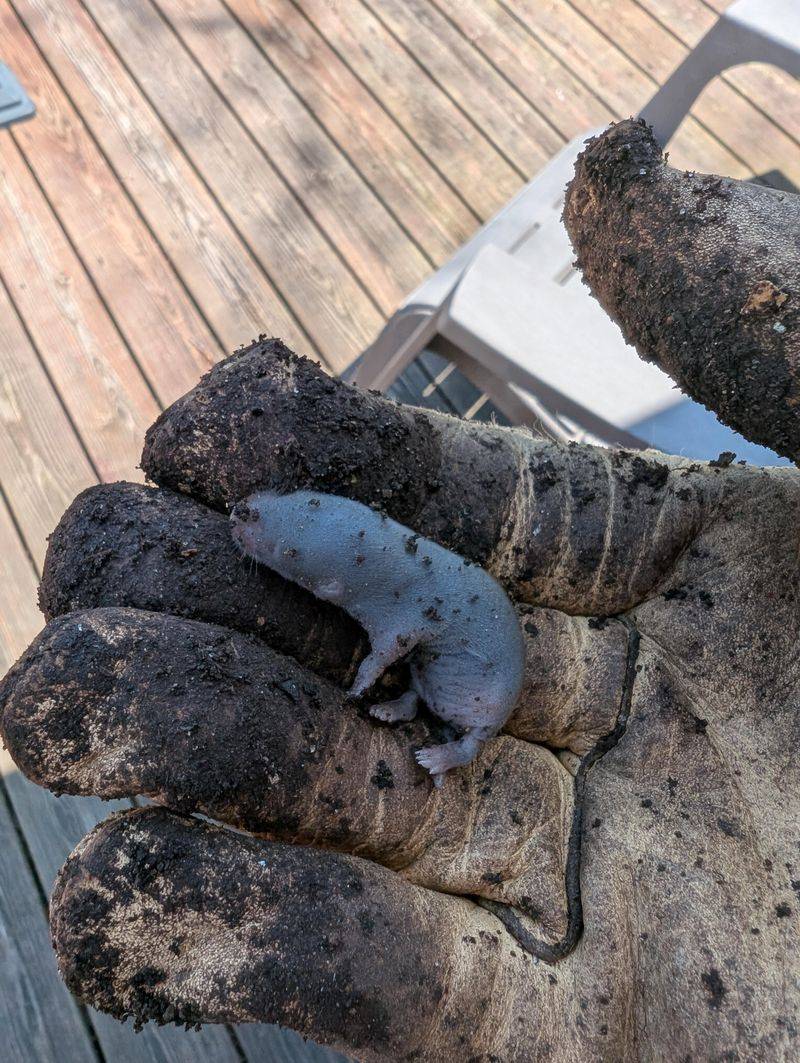
A pile that sits untouched for months can become valuable real estate for more than decomposers.
Turning introduces oxygen, mixes wet and dry pockets, and moves fresher material into the active center. It also makes the pile a less stable place for an animal looking for quiet shelter.
You do not need to churn it constantly.
The right turning schedule depends on how quickly you want finished compost and how the pile behaves. When odors develop, materials mat together, or the center becomes soggy, mixing is a useful correction.
Use a fork or compost aerator to loosen dense sections and redistribute moisture.
Add dry browns at the same time when the pile feels wet. Add a little water when everything is dusty and decomposition has nearly stopped.
Regular disturbance has another practical benefit.
You notice problems sooner. Gnaw marks, tunnels, droppings, or food scraps that are not breaking down become much easier to spot when you actually open and inspect the pile.
Do not rely on turning as rodent control by itself. A rat with access to rich food can tolerate plenty of inconvenience.
Pair aeration with appropriate ingredients and a secure container when activity is already present.
An active compost pile should keep changing.
When it becomes an undisturbed heap with edible scraps inside, it starts offering exactly the combination of shelter and food that gardeners would rather not provide.