8 California Evergreen Cuttings You Can Turn Into Winter Decor For Free
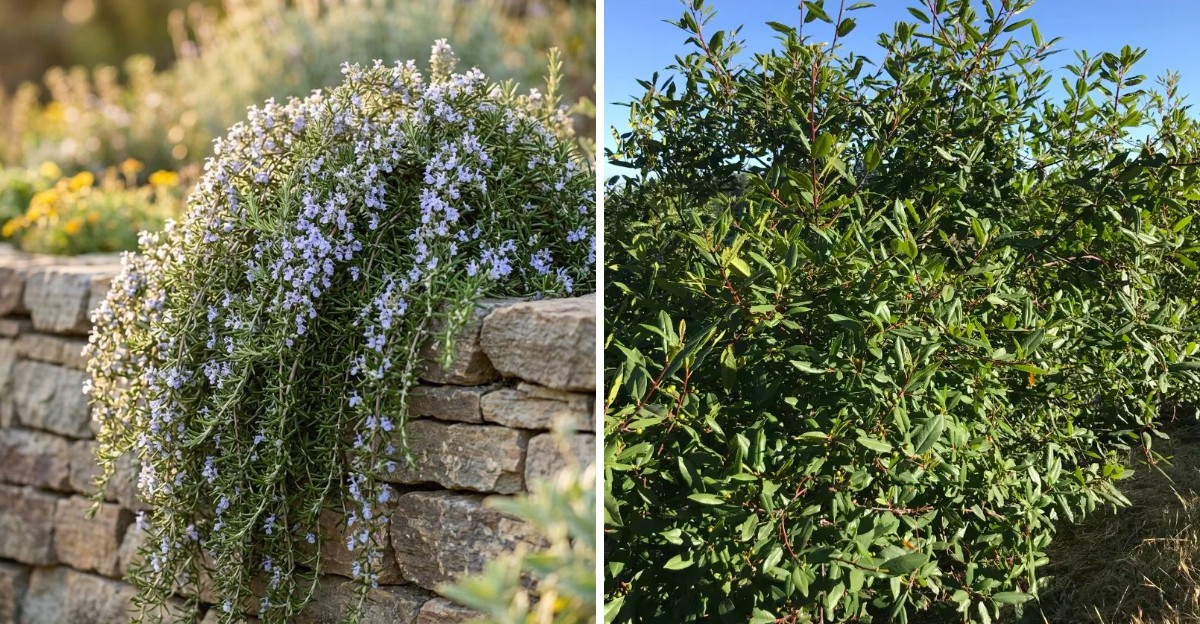
Bright red berry clusters start ripening on certain native California shrubs right as stores roll out pricey holiday greenery. Nature’s version comes with a much friendlier price tag.
Our local evergreens hide some wild trivia. One mountain pine drops cones that can stretch past a foot and a half, the longest of any pine on Earth. Holding one feels like lifting a giant, sticky baguette.
Between you and me, last December my mantel looked like a boutique display, and it cost me nothing but a few snips and a sore back. A little rule-checking matters, though. California law protects one berry shrub from cutting on land you don’t own without written permission.
Free decor that smells like a mountain trail sounds too good to be true. Your own yard, or a generous friend’s, might already hold enough greenery to dress every door and table in the house.
1. Toyon
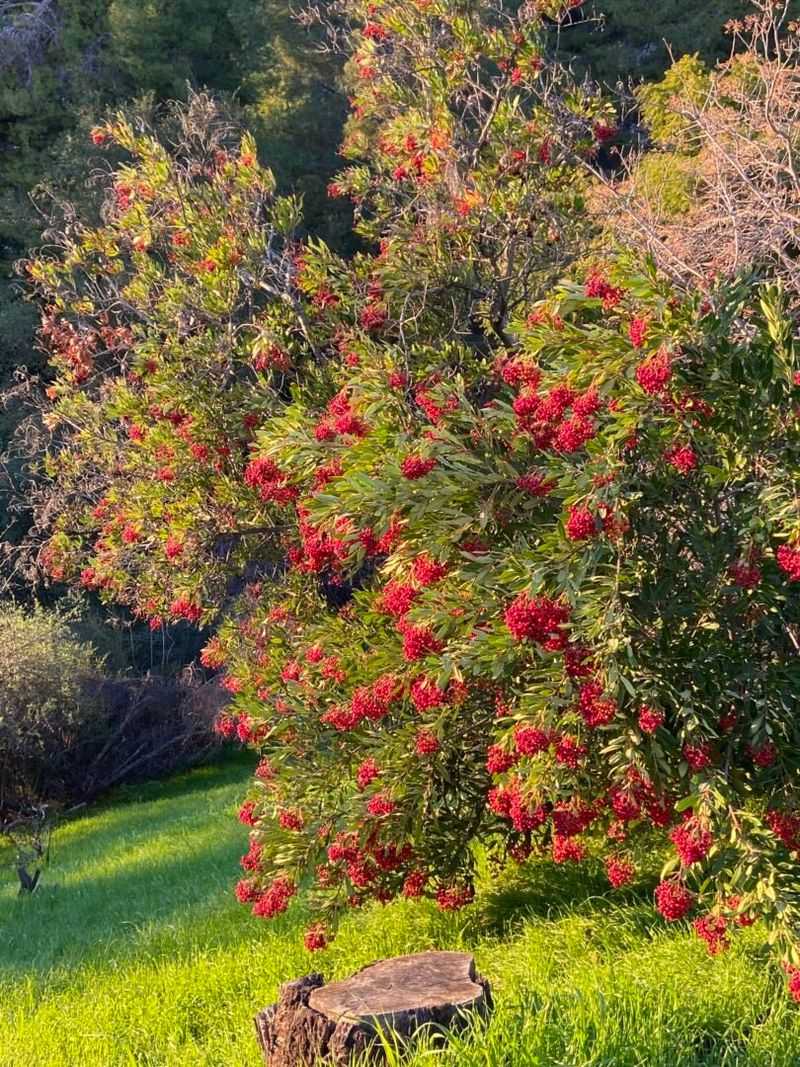
Few shrubs dress up for the holidays quite like toyon, which bursts with scarlet berry clusters right on schedule. Birds like cedar waxwings and robins often strip those berries fast, so I try to snip a few early.
Toyon, or Heteromeles arbutifolia, grows as a large shrub or small tree, usually reaching six to fifteen feet. Its leathery, toothed leaves stay green all year and look a lot like holly from across the yard.
Small white flowers appear in early summer, and the berries turn red from late fall into early winter. That timing makes it one of the easiest native plants for adding natural color to wreaths and swags.
You need to know one legal detail before grabbing pruners on a hike along public land. State law protects toyon from cutting on land you do not own, unless you have the owner’s written permission.
Your own shrub is fair game, and winter is a fine time for light shaping cuts. Cut branches just above a leaf node, keeping the plant’s natural rounded form instead of shearing it flat.
Personally, I tuck berry sprigs into a simple grapevine wreath and mist them every few days for freshness. The berries usually hold color for a week or two indoors, especially away from heaters and sunny windows.
Keep the berries away from curious kids and pets, since the seeds contain compounds that can upset stomachs. Once the holidays end, toss the clippings into your compost pile and let nature handle the rest.
2. California Bay Laurel
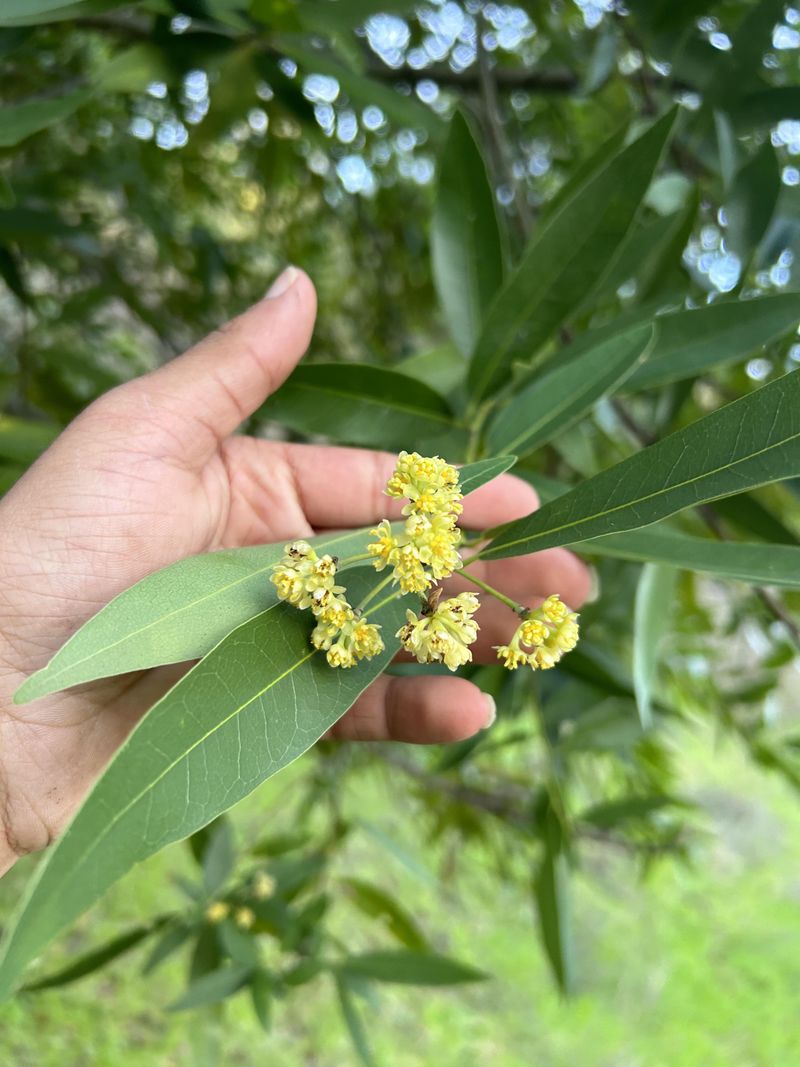
One crushed leaf of bay laurel can make your eyes water, and that bold scent fills a room fast. I love tucking a few sprigs into a garland because the whole hallway suddenly smells like a mountain trail.
California bay, known scientifically as Umbellularia californica, is a native evergreen tree found from coastal canyons to foothill slopes. In the wild it can top eighty feet, though garden trees often stay much smaller with regular pruning.
Its glossy, lance-shaped leaves stay deep green through winter, and they dry slowly without curling up too much. That makes bay one of the longest-lasting cuttings you can use for wreaths or long tabletop runners.
You might notice that the scent is much stronger than the Mediterranean bay used in most kitchens. Some people get headaches from sniffing the leaves up close, so place arrangements where air moves freely.
Pruning works best during the cool months, when the tree is less active and new growth is minimal. Take branches from the outer canopy and cut back to a side shoot, which keeps the shape natural.
For a quick project, bundle five or six sprigs with twine and hang them upside down near your door. Within a couple of weeks they dry into a fragrant swag that can last all season long.
Bay laurel can carry Phytophthora ramorum, a plant pathogen, so keep cuttings local instead of shipping them far away. I simply compost the leftovers at home, which keeps things tidy and avoids spreading any unwanted plant troubles.
3. Manzanita
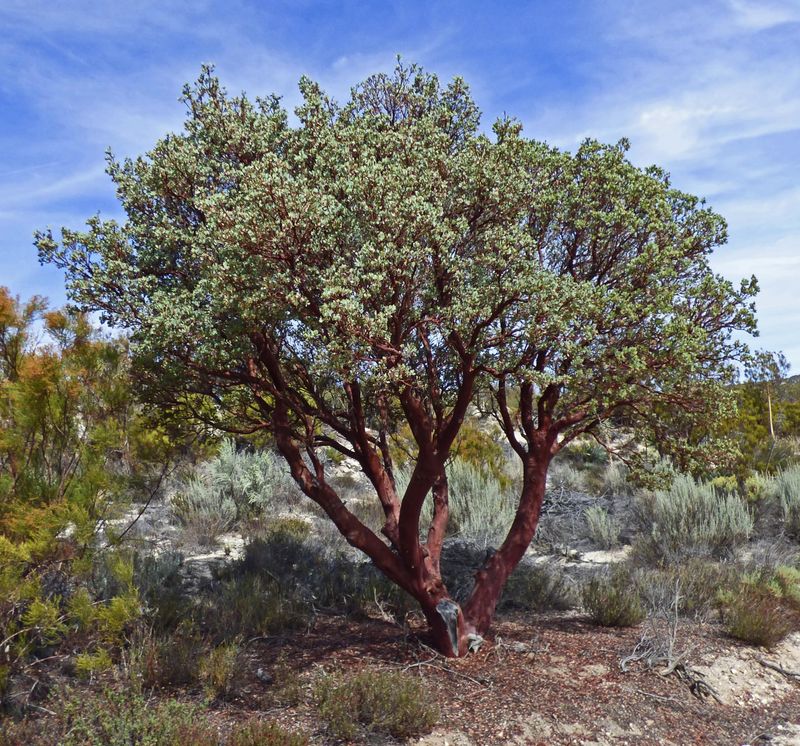
Manzanita branches look like someone polished them, with smooth mahogany bark that feels cool and silky in your hand. I have to admit that a single twisted stem in a vase gets more compliments than any store ornament.
The name means little apple in Spanish, a nod to the tiny berries that follow its spring blooms. Botanists group these shrubs under Arctostaphylos, and dozens of species grow wild across the state’s hills and mountains.
Many manzanitas bloom in winter, covering branches with clusters of white or pale pink bells that hummingbirds visit. Snipping a flowering stem gives you instant seasonal decor that also smells faintly sweet up close.
You need to be careful, though, because many manzanitas dislike heavy pruning and resprout poorly from bare wood. Take only small side branches, and make clean cuts just above a leafy junction to protect the plant.
Late winter or early spring after blooming is a common time for light shaping on garden plants. Fallen branches around your own yard also work beautifully, especially pieces with interesting curves and peeling bark.
For a simple display, anchor one branch in a jar of river rocks and hang tiny paper stars. The bark color glows under warm lamp light, and the leathery leaves stay firm for a good while in water.
Please leave manzanitas in parks and wildlands alone, since collecting there usually requires a special permit. Your own garden or a friend’s pruning pile is the easiest, kindest source for these sculptural treasures.
4. Incense Cedar
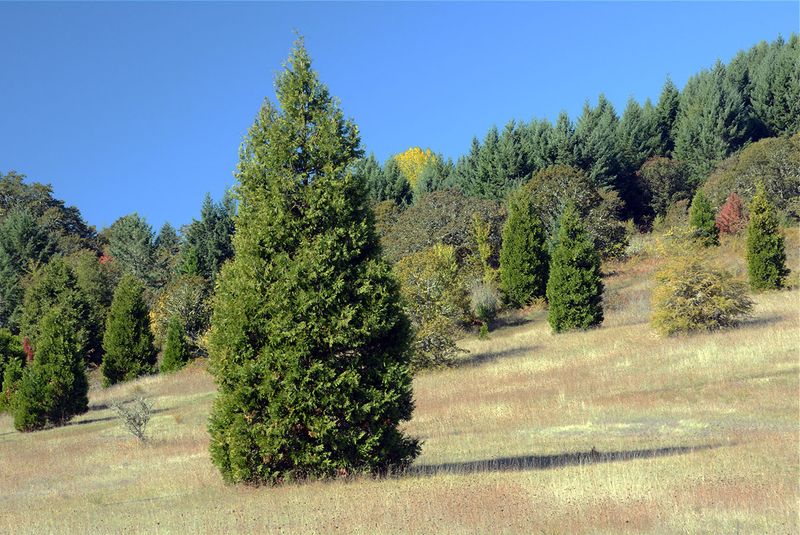
Every wooden pencil you sharpened in school may have come from incense cedar, a tree prized for smooth, fragrant wood. Its flat green sprays smell just as nice in a wreath, with a clean, slightly spicy aroma.
Calocedrus decurrens grows naturally in mountain forests and foothills, often reaching fifty to one hundred fifty feet tall. The cinnamon-colored bark becomes deeply furrowed with age, and it looks wonderful on trunks in winter light.
What surprises me most is how flat the foliage grows, almost like someone pressed each spray in a book. That shape lies neatly against wreath frames and layers nicely along mantels without looking messy or bulky.
Small cones hang from branch tips and open into a shape many people say resembles a duck’s bill. Those little cones add charming texture, so keep a few attached when you trim branches for decorations.
Trees in home landscapes can handle light trimming of lower limbs during the cool, dormant part of the year. Cut back to a branch collar instead of leaving stubs, which helps the tree seal its wound naturally.
Personally, I soak fresh sprays in a bucket of water overnight before building anything with them. That long drink helps the foliage stay green and fragrant for several weeks indoors on cool tables.
Collecting greens in national forests usually requires a permit, so check with your local ranger district first. Plenty of neighbors with big cedars will gladly share trimmings if you offer to haul them away.
5. Rosemary
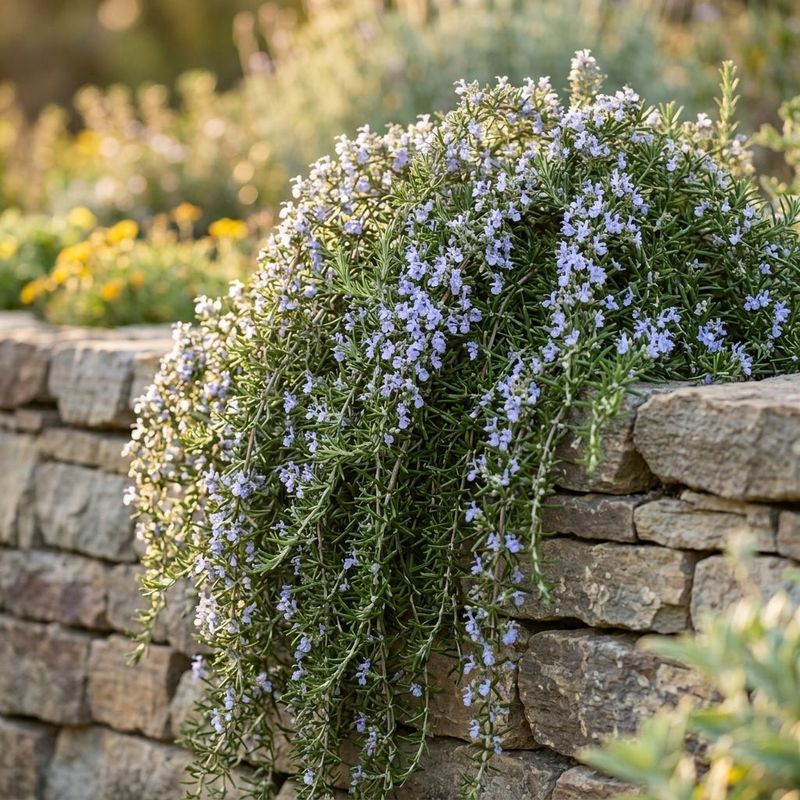
Rosemary might be the only decor you can snip for a wreath and then toss into tonight’s roast potatoes. Brush your hand across a branch and that piney, savory scent instantly follows you into the kitchen.
This Mediterranean shrub, now called Salvia rosmarinus, thrives across much of the state thanks to dry summers and mild winters. Upright types reach four to six feet, while trailing kinds spill over walls like soft green waterfalls.
I love how its pale blue flowers often show up in winter, when few other plants are blooming. Bees appreciate those flowers on sunny days, so leave some blossoms on the shrub for your hardworking visitors.
Rosemary handles regular trimming well, as long as you cut into green leafy stems rather than bare wood. Old woody stems rarely sprout new growth, so take tips that are six to eight inches long.
Long upright stems bend easily into tiny wreaths, which make sweet napkin rings or gift tags for presents. Wrap the ends with thin floral wire, then let the wreaths dry slowly in a shaded room.
You can also tuck fresh sprigs between pine boughs to add a soft, grayish color and lovely scent. The needle-like leaves hold up well, though they gradually dry and become brittle after a couple weeks.
Keep any herbs you plan to eat free of glitter, spray paint, and other decorative coatings. Grow it in full sun with fast-draining soil, and it will reward you with greenery all year.
6. Sugar Pine
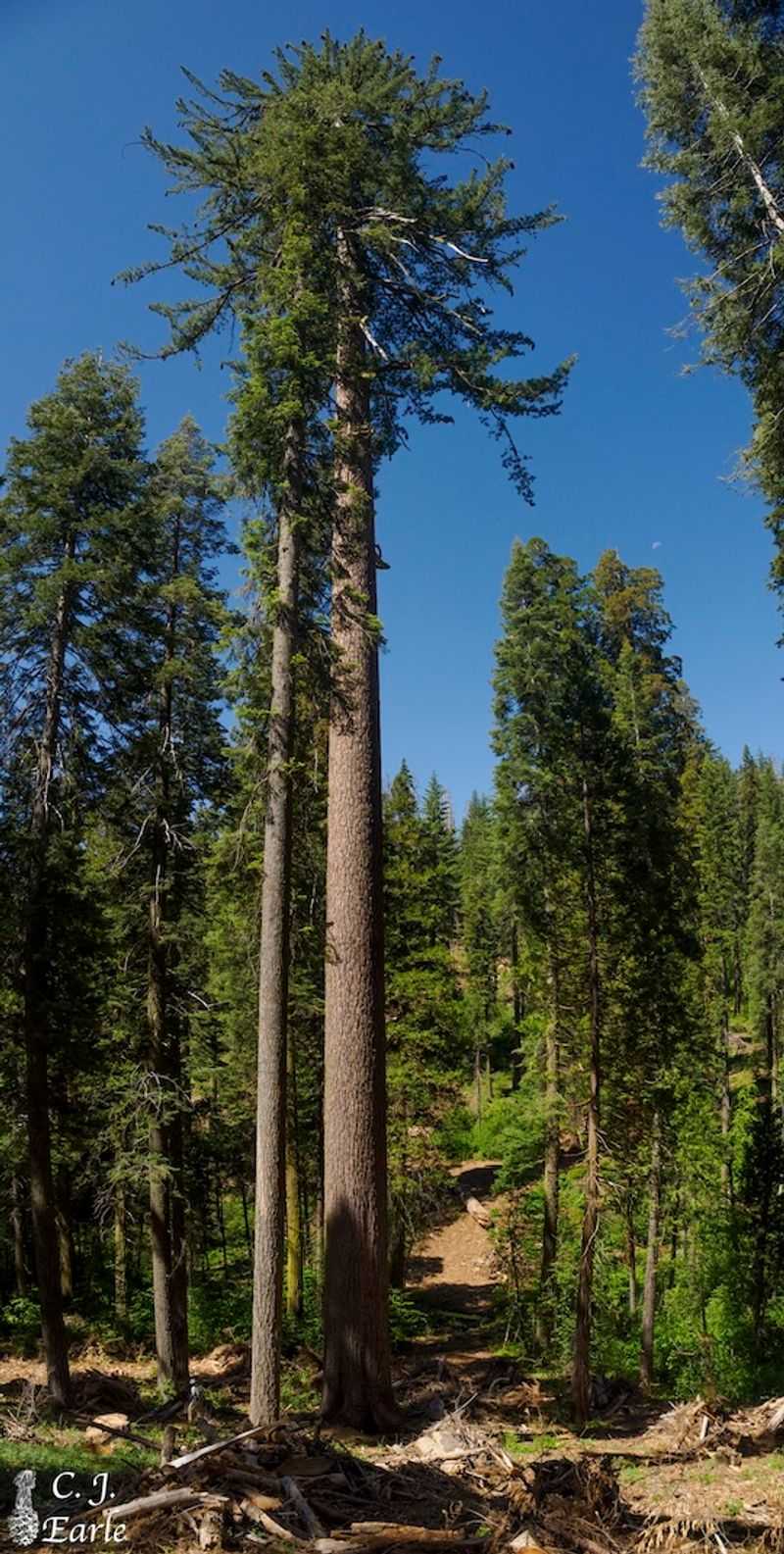
Sugar pine cones can stretch past eighteen inches, making them the longest cones of any pine in the world. Holding one feels a bit like lifting a giant, woody pickle covered in pale, sticky resin.
John Muir called Pinus lambertiana the king of the conifers, and the tree earns that royal nickname easily. Mature trees in mountain forests often reach one hundred seventy-five to two hundred feet tall with long, horizontal limbs.
Its soft needles grow in bundles of five, each about two to four inches long with a bluish-green tint. The name comes from a sweet sap that oozes from wounds, which people once compared to maple sugar.
You’re in for a big surprise if you expect this tree in a typical suburban yard. Most sugar pines grow in the Sierra Nevada and other mountains, not in small city gardens near the coast.
That means fallen cones are usually the easiest free treasure, especially after autumn winds knock them down. Many national forests allow limited cone gathering for personal use, but rules vary, so call the district office.
Rinse cones gently, then bake them on foil at a low temperature to dry resin and evict insects. A single long cone laid across a mantel makes a bold centerpiece, no extra ornaments needed at all.
Personally, I pair one sugar pine cone with a few incense cedar sprays for a simple mountain look. The contrast between the huge cone and the delicate greenery usually gets guests asking where I found it.
7. Coast Redwood

Coast redwoods hold the record for the tallest trees on Earth, with one giant measuring roughly 380 feet. Their feathery branches feel surprisingly soft, and they smell like a damp forest after a foggy morning.
Sequoia sempervirens grows naturally in a narrow strip along the northern and central California coast, where fog helps cool summers. Many homeowners statewide planted them decades ago, so trimmings are often easier to find than you’d expect.
The flat, needle-like leaves line each twig neatly, giving sprays a lacy look that drapes beautifully over doorways. Tiny round cones, about one inch long, add sweet little accents when you leave them attached.
I have to admit that redwood greens dry faster than some others, especially in warm, dry rooms. Soak cut branches overnight and mist them often, and they usually stay attractive for one to two weeks.
Garden redwoods tolerate light trimming of lower branches, and cooler months are a sensible time to do it. Make cuts at the branch collar, and skip topping the tree, which leaves weak, crowded new growth.
Fallen branchlets after winter storms work great too, since redwoods naturally shed small twigs throughout the year. Gather them quickly while they still look green, and give them a good rinse before bringing them indoors.
Please leave redwoods in state and national parks untouched, because collecting plant material there is generally prohibited. A friend’s backyard tree or your own pruning pile gives you plenty of lush greenery without breaking any rules.
8. California Coffeeberry
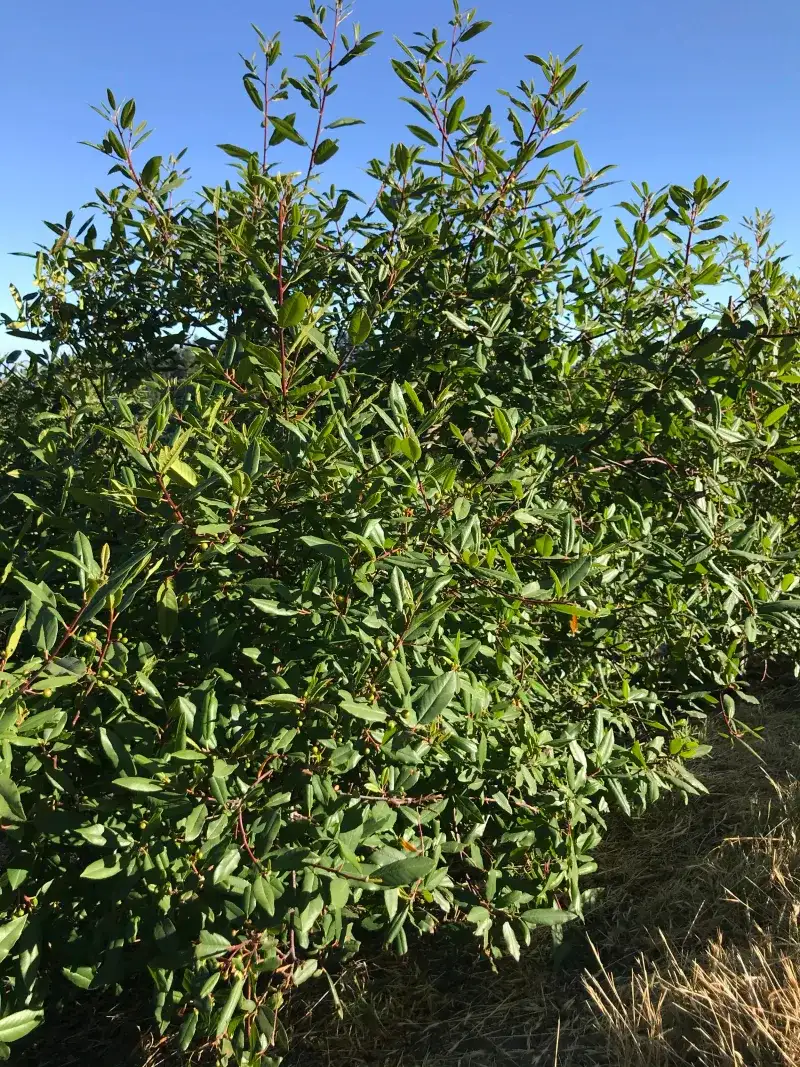
Coffeeberry got its name from seeds that look like coffee beans, though nobody should try brewing them. I like how this underrated shrub mixes shiny leaves with berries that shift colors as they ripen.
Known as Frangula californica, coffeeberry is a native buckthorn that grows from coastal bluffs to inland chaparral and woodlands. Most plants reach four to fifteen feet tall, though compact varieties like Mound San Bruno stay much shorter.
Its berries move from green to red and finally purple-black, often during late summer and fall. Any fruit still hanging in early winter adds deep, moody color that looks rich against brighter greenery.
Birds and other wildlife eat those berries eagerly, so I take only a few branches each season. Leaving most fruit on the shrub feeds thrushes and other visitors during the leaner winter months.
Coffeeberry handles pruning well, and light shaping in late winter can encourage denser, bushier growth by spring. Cut stems just above a leaf, choosing branches that cross or crowd the center of the plant.
The dark green leaves stay firm in water for days, making them handy filler for wreaths and vases. Pair them with toyon berries for a bright contrast that feels both festive and naturally local.
Keep berries away from kids and pets, since buckthorn fruits can cause stomach upset if eaten. Planting one now in well-drained soil gives you free decor and happy birds for many winters ahead.