California HOA Landscaping Rules That Matter Most For Water-Wise Yard Redos
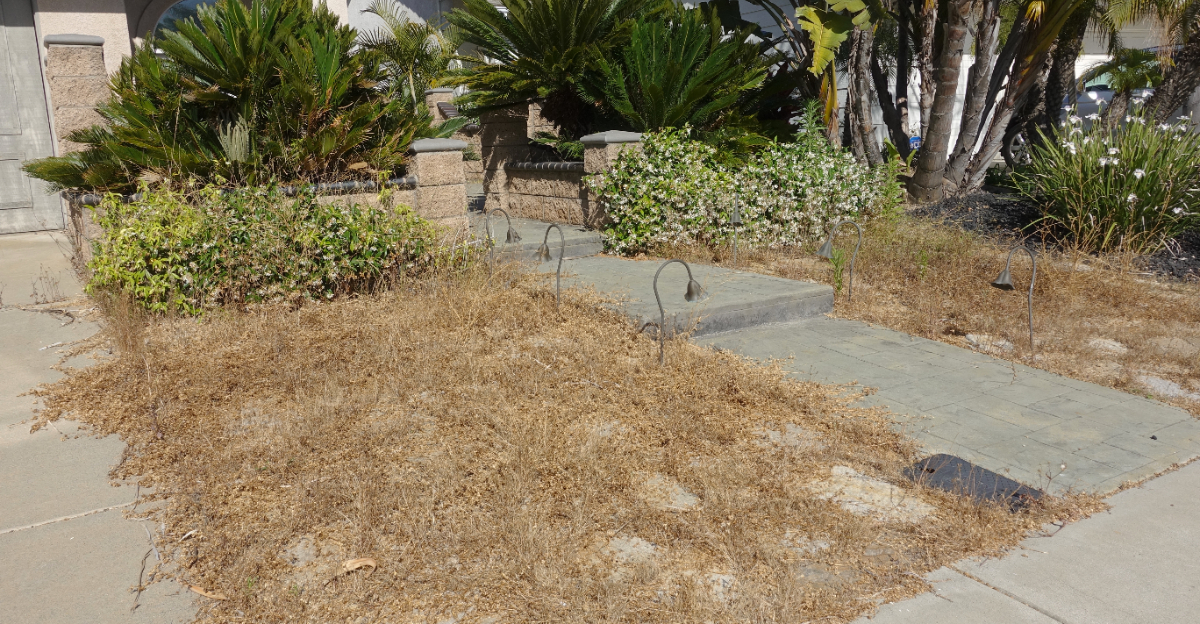
A yard redo gets a lot more complicated the minute an HOA enters the picture. You may be ready to swap out thirsty plants, cut back on waste, and give the front yard a smarter California look, but one stack of rules can change the whole plan fast.
That is where many homeowners get tripped up. The water-wise ideas make sense, the design feels right, and then the fine print starts raising questions.
Still, this is not a reason to put the project on hold. It is a reason to get strategic before money gets spent and plants go in the ground.
Some HOA rules shape what you can remove, what you can replace, and how the finished yard needs to look once the work is done.
That balance between saving water and staying within the rules is where the real challenge begins. A few details matter much more than people expect, and missing them can turn a smart redo into a frustrating backtrack.
1. The End Of The Mandatory Lawn
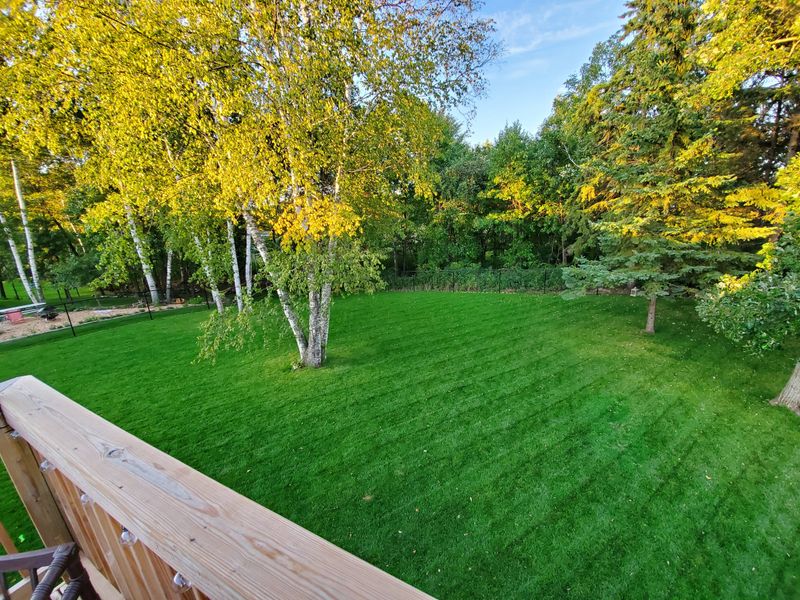
For decades, HOAs across California told homeowners to keep the grass green or face a fine. That era is officially over.
California Civil Code Section 4735 does not say HOAs can never require a traditional lawn, but it does make HOA rules void and unenforceable when they prohibit low water-using plants as a group, replacement of existing turf, artificial turf, or compliance with water-efficient landscape ordinances and certain water-use restrictions.
This law means your HOA cannot reject a landscaping plan simply because it replaces turf with something more water-efficient. Gravel, mulch, native ground covers, and low-water plants are all fair game under state protection.
The HOA still gets a say in how your yard looks overall, but they cannot demand you keep a thirsty lawn alive.
Homeowners in places like Sacramento, Fresno, and the Coachella Valley have already taken full advantage of this protection. Many have swapped out their water-hungry grass for beautiful, low-maintenance alternatives that actually thrive in California’s dry climate.
If your HOA sends you a letter demanding you restore your lawn, you now have a legal shield to push back. Keep a copy of Civil Code Section 4735 handy, because knowing this rule by name puts you in a position of real strength during any dispute.
2. Native Plants: Your Legal Armor
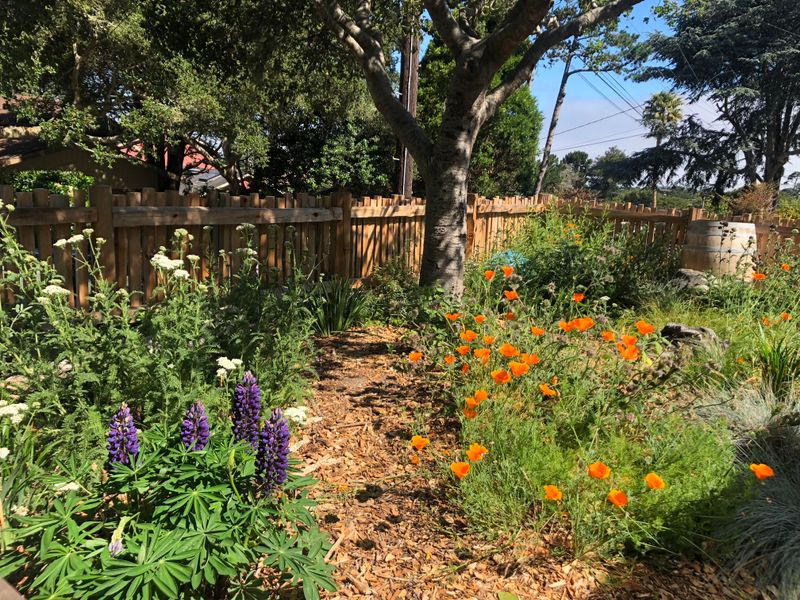
California law does not give blanket protection to every native plant just because it is native.
What it does protect is the use of low water-using plants as a group, along with turf replacement and other water-wise landscaping choices covered under Civil Code Section 4735.
That is a powerful protection most homeowners do not even know they have.
Plants like California poppy, coyote brush, and many sages may fit within these protections when they qualify as low water-using choices, but the law does not automatically protect every plant on a case-by-case basis.
If an HOA plant list effectively blocks low water-using plants as a group or prevents lawful turf replacement, that part of the rule can be unenforceable.
Your California Garden Changes Every Week. Your Plan Should Too.
Gardening in California changes quickly throughout the season. Every Friday you’ll receive a simple weekly plan showing exactly what to plant, prune, fertilize, harvest, and protect so you never miss the right timing.
You are legally allowed to choose water-wise natives even if they are not on your HOA’s preferred roster.
There is a practical side to this too. Native plants are adapted to California’s weather patterns, so they need far less water and maintenance once they are established.
That means lower water bills and less weekend work for you. Communities throughout the Central Valley and Southern California have seen homeowners transform their yards with stunning native landscapes that actually boost curb appeal.
Knowing that state law backs your plant choices gives you confidence to plan boldly. Just make sure you document everything and submit your plans properly before you start planting.
3. The New $100 Fine Ceiling
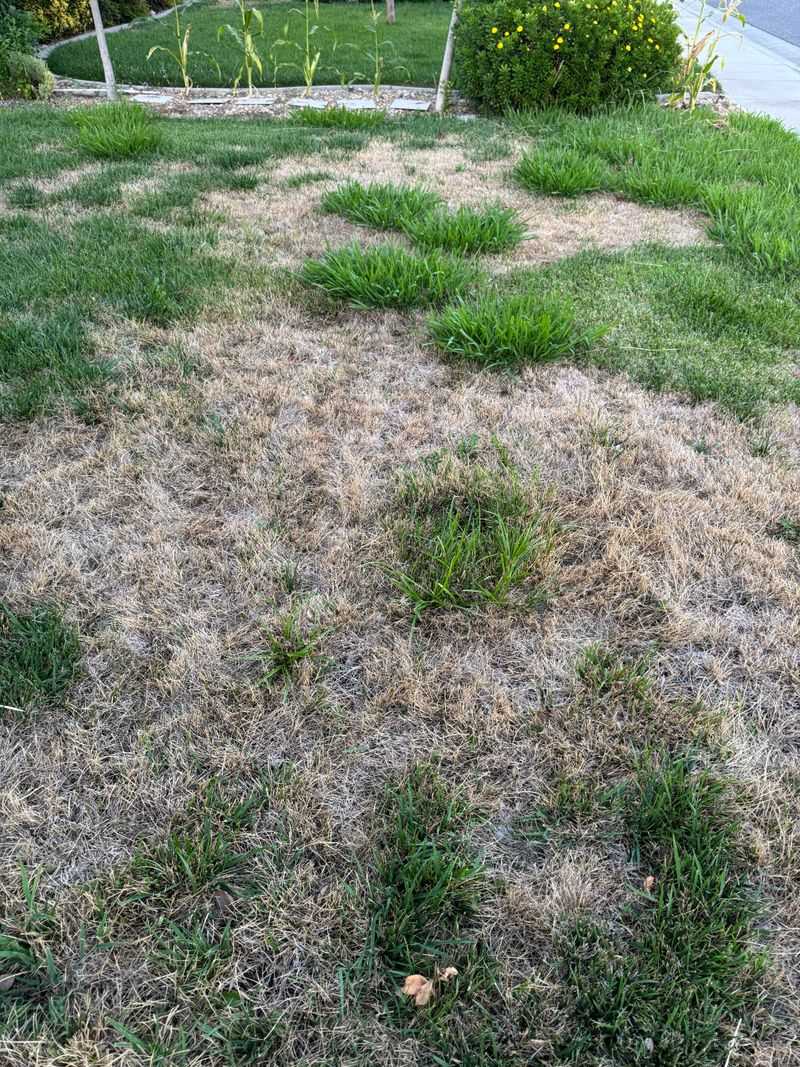
Back in the day, some California HOAs handed out fines that spiraled into the thousands over relatively minor landscaping disputes. A withered patch of grass or an unapproved shrub could turn into a financial nightmare.
Assembly Bill 130, which took effect in 2025, put a hard cap on that kind of punishment.
Under AB 130, California HOAs generally may not impose monetary penalties above the lesser of the amount set in their fine schedule or $100 per violation, except in certain health or safety situations.
That cap is broader than landscaping disputes and is not written only for water-efficient yard changes.
The fine ceiling is designed to prevent associations from using money as a weapon against homeowners who are simply trying to do the right thing for the environment.
This is especially meaningful for homeowners in high-cost areas like the Bay Area or Los Angeles, where HOA disputes can get expensive fast. Knowing that your maximum exposure is capped at $100 gives you real breathing room.
That said, you should still try to get approval before making changes. Staying within the process keeps things clean and protects you from any fines at all, even small ones.
4. Synthetic Grass? High Quality Is Required
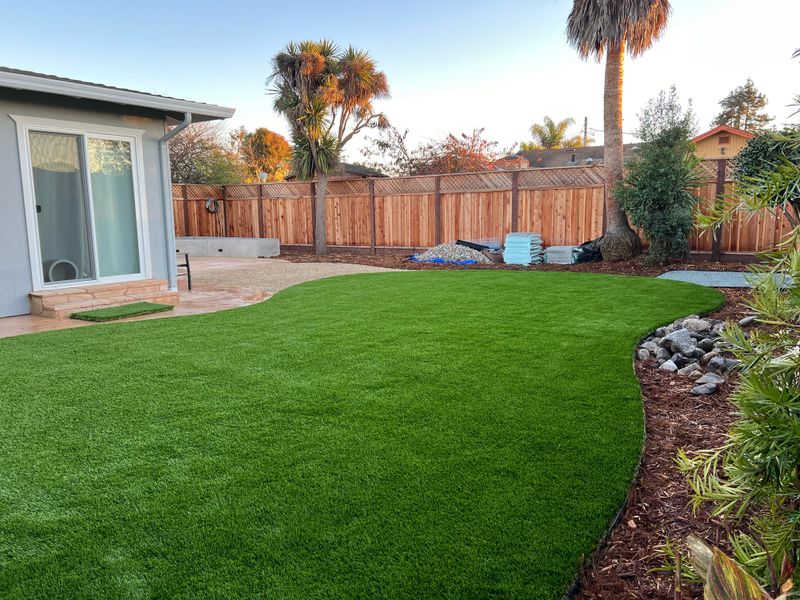
Artificial turf has become a popular solution for California homeowners who want a green-looking yard without the water bill. State law says HOAs cannot ban synthetic grass outright.
However, that does not mean they have zero control over it.
HOAs are allowed to set quality standards for artificial turf. They can require that it look realistic, meaning no obviously fake plastic-looking surfaces that clash with the neighborhood’s appearance.
Some HOAs may have their own standards for synthetic turf, but California’s main statewide protection here is that HOAs cannot prohibit artificial turf as a group.
Separately, California has adopted product rules restricting covered surfaces that contain regulated PFAS, which is one reason buyers should check current product compliance before installing artificial turf.
California has been pushing hard to phase them out.
Before you order any synthetic grass product, check with your HOA about their specific standards. Ask for the requirements in writing.
When you shop for turf, check your HOA’s written standards first and make sure the product complies with current California rules.
It is also smart to choose a residential product with a realistic look and installation specs that match any valid HOA design requirements.
Getting the right product from the start saves you from having to rip it out and start over, which nobody wants to deal with after spending money on installation.
5. Why You Still Need The Green Light
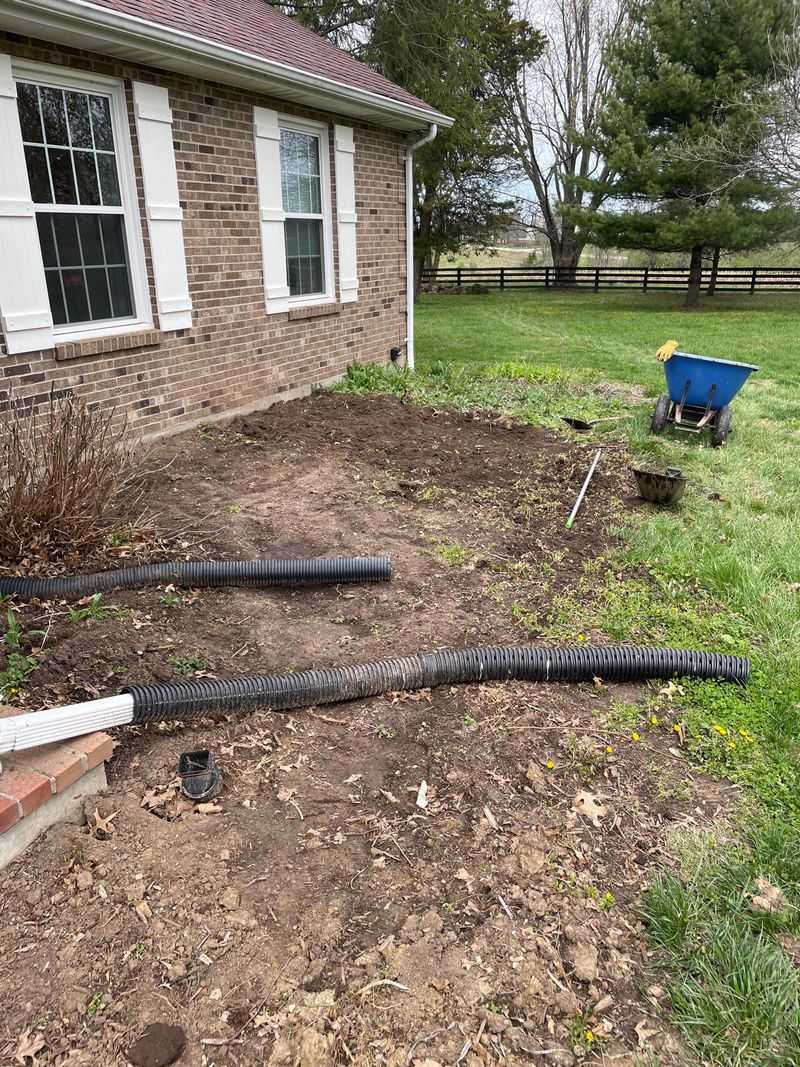
State law protects your plant choices, but it does not let you skip the HOA’s approval process. This is a mistake a lot of homeowners make, and it can cost them even when they are technically in the right.
Your HOA still has the authority to require you to submit plans before you start any major landscaping project.
The approval process usually involves an architectural review form, a plan or sketch, and details about the materials or plantings you want to use.
California law requires HOAs to use a fair, reasonable, and expeditious written procedure with stated deadlines, but the exact response timeline depends on the association’s governing documents and published process.
Skipping this step, even with perfectly legal plants and materials, can give the HOA grounds to require you to undo your work. That is an expensive and frustrating outcome that is entirely avoidable.
Think of the approval process as getting a receipt before you leave the store. It proves you followed the rules and protects you if anyone challenges your project later.
Keep copies of everything you submit and every response you receive from the HOA.
6. Drought-Proofing Without The Penalties
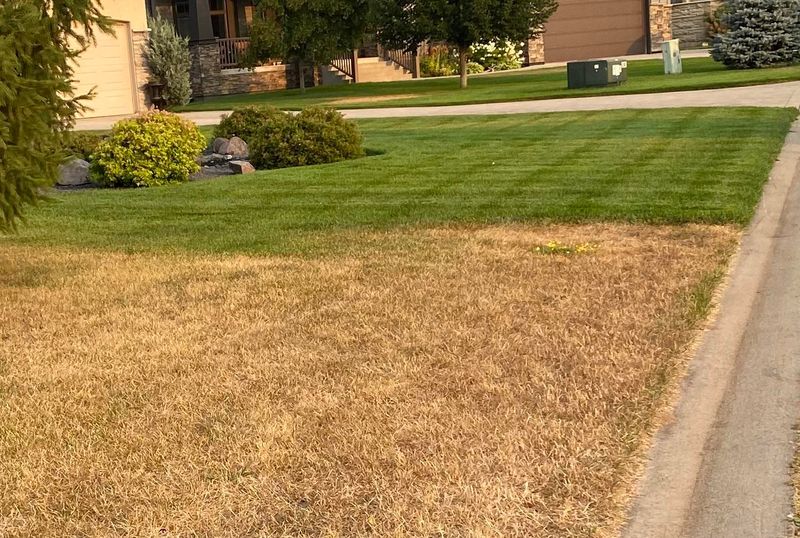
California has faced serious droughts in recent years, and the state has taken steps to make sure homeowners are not punished for following water conservation rules.
Civil Code Section 4735 specifically protects homeowners from HOA fines during declared drought emergencies when they reduce or stop watering their lawns.
If the governor declares a drought emergency or your local water agency issues mandatory restrictions, your HOA legally cannot fine you for having a brown lawn. This protection is automatic, meaning you do not need to apply for it or ask for an exemption.
The law recognizes that forcing people to water grass during a water crisis is both wasteful and unreasonable.
Even outside of formal emergencies, California encourages homeowners to reduce water use year-round.
Switching to drip irrigation, using mulch to retain moisture, and choosing drought-tolerant plants all help you stay within any watering restrictions your local water district might set.
Homeowners in water-stressed regions like the Antelope Valley or parts of the San Joaquin Valley have found that proactive water-wise landscaping eliminates the stress of worrying about both HOA fines and water agency penalties at the same time. Planning ahead is always the smartest move you can make.
7. Aesthetic Control Vs. Plant Choice
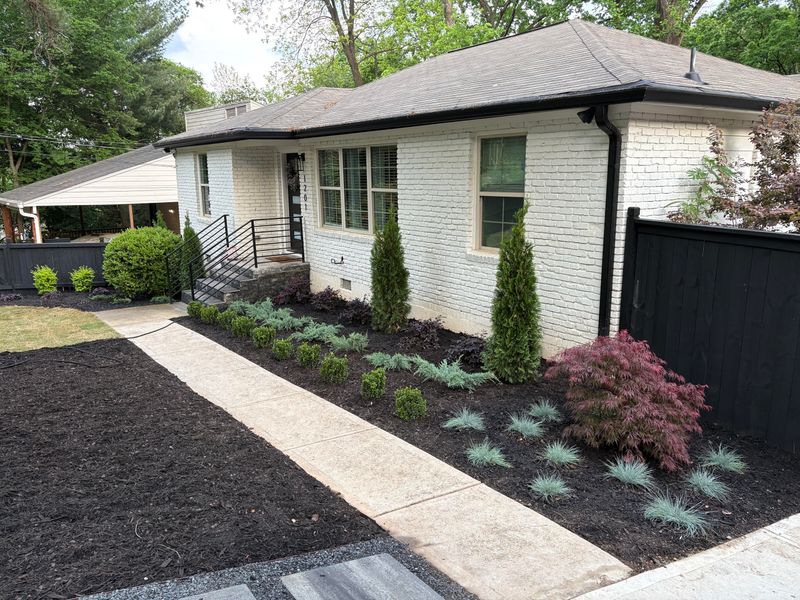
Here is something that trips up a lot of homeowners: an HOA may still enforce valid design and landscaping rules, including appearance standards, plant placement, and maintenance expectations.
What it cannot do is enforce rules that prohibit low water-using plants as a group, block turf replacement, ban artificial turf as a group, or interfere with protected water-saving choices under state law.
The HOA can set the frame, but you get to choose what goes inside it.
For example, your HOA might require that plants along your front walkway stay below a certain height, or that you maintain a clear sightline from the street. Those are aesthetic and safety-related rules, and they are generally enforceable.
But if they tell you that your low hedge must be a boxwood and nothing else, that is where state law steps in to protect your right to choose a different plant that meets the same aesthetic requirement.
This distinction matters a lot when you are planning a yard renovation. You can use it to negotiate with your HOA if they push back on your plant selections.
Show them that your chosen plants will meet all the size, placement, and maintenance standards they care about. In most cases, that is all they are actually trying to protect.
Communities across California have resolved many landscaping conflicts simply by having this conversation early in the planning process.
8. Use The Common Area Precedent
Assembly Bill 1572 is a law that does not directly regulate your private yard, but it is still one of the most useful tools you have when talking to your HOA about landscaping changes.
Starting January 1, 2029, this law bans the use of potable water to irrigate nonfunctional decorative grass in HOA common areas across California.
That means your HOA is already required by law to move away from thirsty decorative turf in shared spaces. You can use that fact as a very reasonable starting point in any conversation about your own yard.
If the state is requiring the HOA to reduce potable-water use on nonfunctional turf in common areas, that can strengthen the practical case for more water-wise landscaping throughout the community. Still, AB 1572 applies to common areas and does not directly create the same rights for private lots.
Think of AB 1572 as your negotiating partner. When you present your drought-tolerant yard renovation plan, you can point to the common area changes already underway in your community as proof that this direction is both legal and expected.
It can still be a useful talking point when you are discussing a renovation with your HOA, especially in communities already moving toward lower-water landscapes.
Just be careful not to present AB 1572 as a direct rule for private-yard approvals, because that is not what the law does.
Knowing your laws, and using them smartly, is the best landscaping tool you own.