8 California Garden Tasks To Do Now To Make Winter Pruning Easier
Every test gets easier with a cheat sheet.
Winter in the garden is one big test. Bare branches everywhere. Twigs that all look the same. Pruners in one hand, a mug of coffee in the other, and plenty of guesswork in between.
Which branch stays? Which one goes? Which ones are taking a nap?
January rarely hands out answers. Fall, on the other hand, is full of them. Right now, leaves still tell stories that disappear the moment they drop. Plants still show where they struggle, where they crowd, and where they thrive.
So how much of that information are you about to lose?
A little prep over the next few weeks can turn winter chores into something quick and confident. Some of these tasks take minutes. A few involve items you already own. One or two might surprise you.
The payoff? Fewer mistakes, safer cuts, and a lot less time in the cold.
Ready to write your own cheat sheet? Grab a notebook and your phone. Class starts now.
1. Remove Brittle Wood While It Still Stands Out
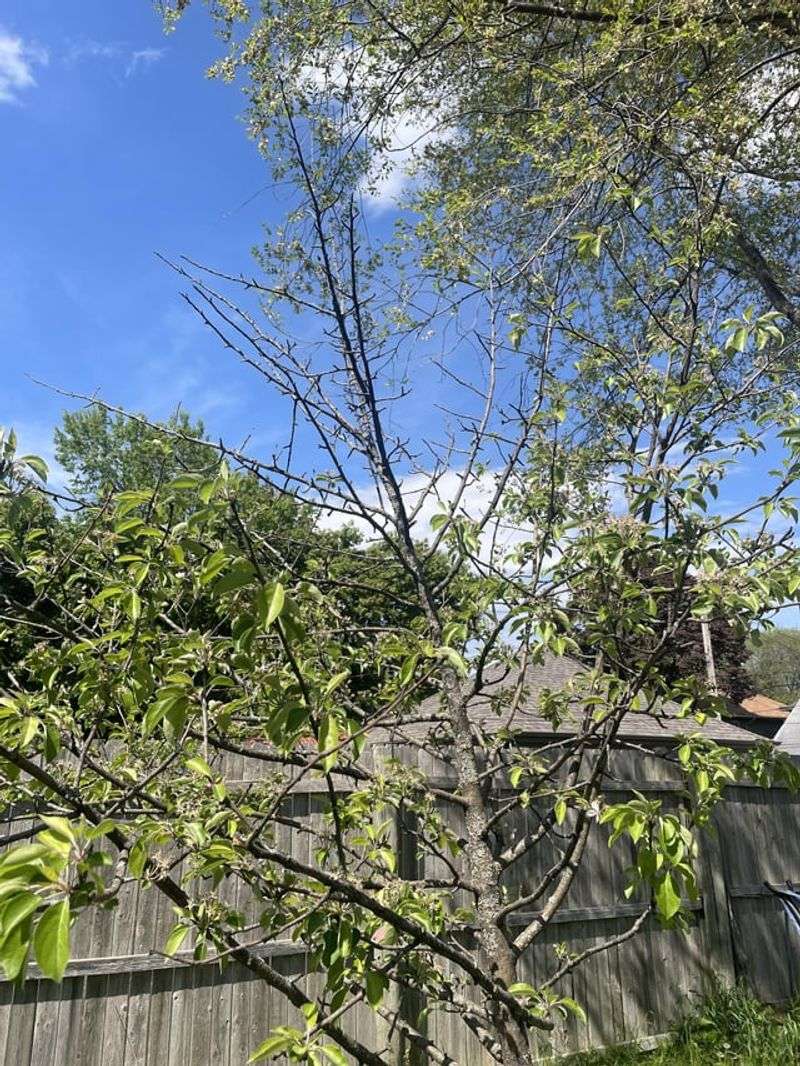
Late summer and early fall hand you a rare gift. Branches past their prime stick out like sore thumbs. Healthy stems wear green leaves, while spent ones sit bare, brittle, and gray. Once winter strips a deciduous tree, every branch looks bare, and that easy contrast vanishes.
Broken, diseased, or spent wood can come off at almost any time of year. That makes it a smart early task. Cut back to healthy wood or to the branch collar. That is the slightly swollen ring where a branch meets the trunk. Skip stubs, since they invite decay.
Now try a quick scratch test, and all you need is a thumbnail. Gently scrape the bark on a questionable twig. Green or creamy tissue underneath means it is alive and well. Brown, dry tissue means that twig has retired for good.
A few safety notes matter here. Large brittle limbs over roofs, fences, or power lines belong to a certified arborist, not a ladder and a hand saw.
Signs of disease, such as fire blight on pears or apples, need extra care. Clean tools between cuts so the problem does not spread.
This early cleanup shrinks the winter to-do list. When dormant season arrives, you can focus on shape and airflow instead of a hunt for brittle branches.
Your future self will stand in the January cold with pruners in hand and a big smile. Possibly even a second cup of coffee.
2. Mark Branch Structure Before Leaves Drop
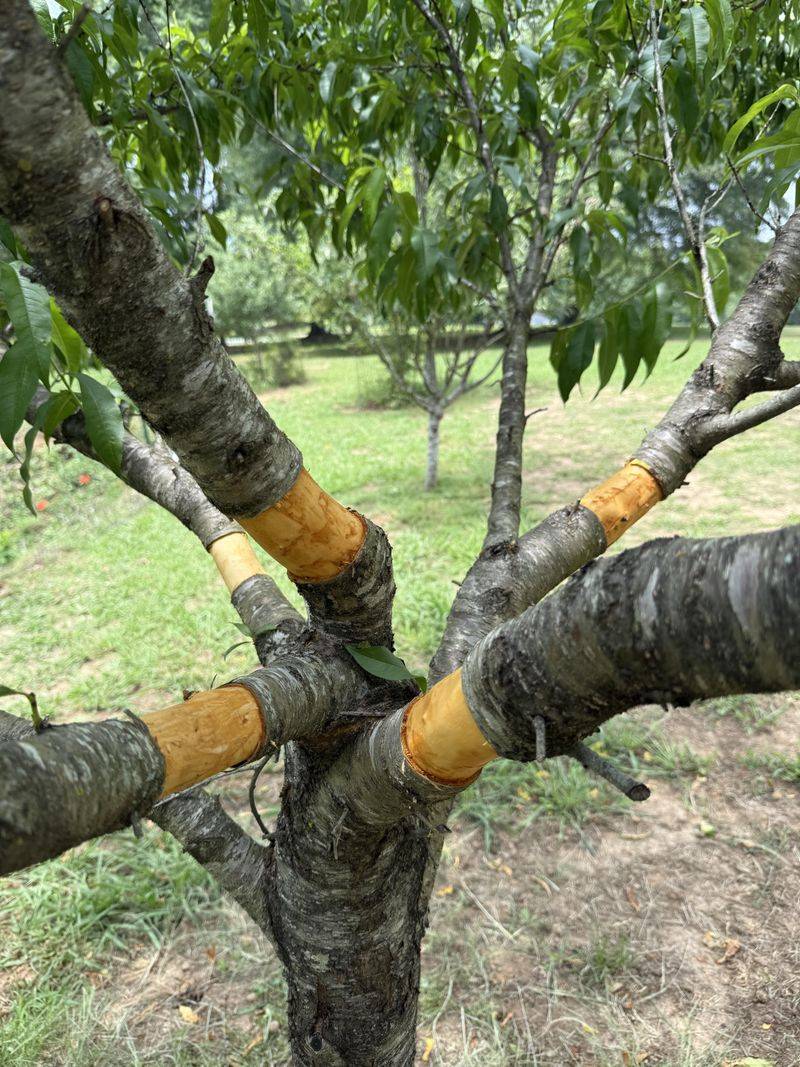
Orchard growers have leaned on one simple trick for generations: a roll of bright ribbon. While your trees still wear their leaves, crowded, shady, or rubbing branches are easy to spot.
Leaves act like a map. They show where the tree puts its energy and where sunlight falls short.
Branches that cross and rub top the list of trouble spots. So do limbs that grow back toward the center and narrow crotch angles that could split.
Your California Garden Changes Every Week. Your Plan Should Too.
Gardening in California changes quickly throughout the season. Every Friday you’ll receive a simple weekly plan showing exactly what to plant, prune, fertilize, harvest, and protect so you never miss the right timing.
Watch for pockets so dense that inner leaves look pale or sparse. An open canopy lets in light and air, and foliage makes those shady spots obvious.
Now for the fun part, and it requires zero artistic talent. Tie a strip of bright tape or soft cloth on each branch you plan to remove or shorten.
Some gardeners use two colors, one for definite cuts and another for maybes. Skip wire or tight ties that could dig into bark as the branch grows.
Many deciduous fruit trees in California respond best to cuts during dormancy. Cuts heal well then, and the structure shows clearly. Marks made now let you respect that schedule without loss of the clues summer provides.
Come winter, you walk out to a tree already labeled like a treasure map. No squints, no second guesses, just clear markers that point to each cut.
X marks the spot. Luckily, this treasure hunt ends with a healthier tree instead of a pirate chest.
3. Clean And Sharpen Tools Now Not Later
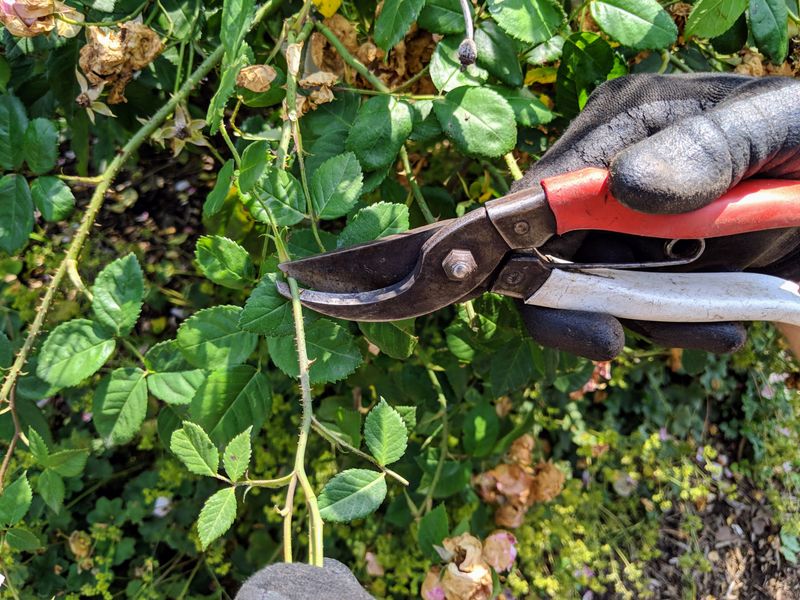
A dull knife turns a ripe tomato into mush. Dull pruners do something similar, except the tomato is a living branch that has to heal. Tired blades crush and tear bark, which leaves ragged wounds that close slowly and can let decay in.
Early fall is perfect for a tool spa day. Scrub off sap and dirt with warm, soapy water and a stiff brush. Dry everything well. Steel wool or fine sandpaper can remove light rust spots.
Next, sharpen bypass pruners and loppers with a whetstone or diamond file. Follow the original bevel angle. Only the beveled edge needs work, not the flat side. Saw blades are trickier, so many gardeners simply replace them once they dull.
Now for a clean that goes beyond looks, because germs can hitch a ride on blades. Disinfect tools, especially around diseased plants.
Isopropyl solution at about 70 percent works well and stays gentle on metal. A diluted bleach solution works too, but it can corrode blades over time.
Finish with a light coat of oil to keep rust away through damp winter months.
While you are at it, check for loose bolts, worn springs, and cracked handles. Order replacement parts now, before winter demand picks up.
On trim day, you will grab tools that glide through wood cleanly. The job goes faster, and your plants heal better.
Your pruners get the royal treatment, and honestly, they might be the best-groomed thing in the garage.
4. Take Reference Photos Of Each Plant’s Shape
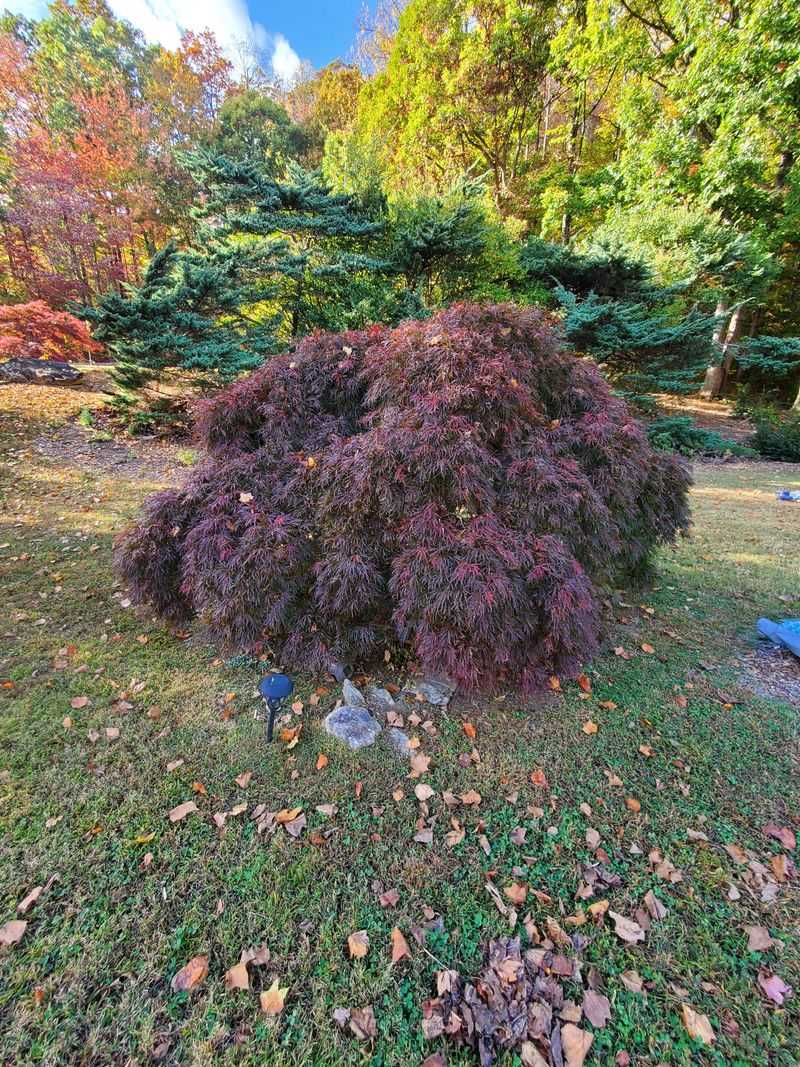
Your phone might be the most underrated garden tool you own. A quick photo of each plant in full leaf captures details your memory will lose by January. That picture works like a before shot that guides every cut later.
Walk the yard and photograph each tree and shrub from at least two or three sides. Stand far enough back to capture the whole shape. Then grab a few closer shots of crowded areas, lopsided sections, or branches that block walkways and windows. Include any tape markers in the frame too.
Photos help in surprising ways. They show which side of a plant grows fastest and where the canopy looks thin. They also reveal how far a plant spreads over a patio or fence.
Winter can play tricks on the eyes. Bare branches may look sparse and tempt you to cut too little. Or they may look tangled and tempt you to cut too much.
Now for a habit that turns you into a garden pro over time. Create a phone album for each plant. Add a short note, like “shades the patio” or “rubs the roof.”
Next year, compare photos and see how the plant responded to your cuts. That growing record builds confidence season after season.
These images also make great proof when a neighbor asks how your roses got so full. You will have the whole glow-up documented, no filter required.
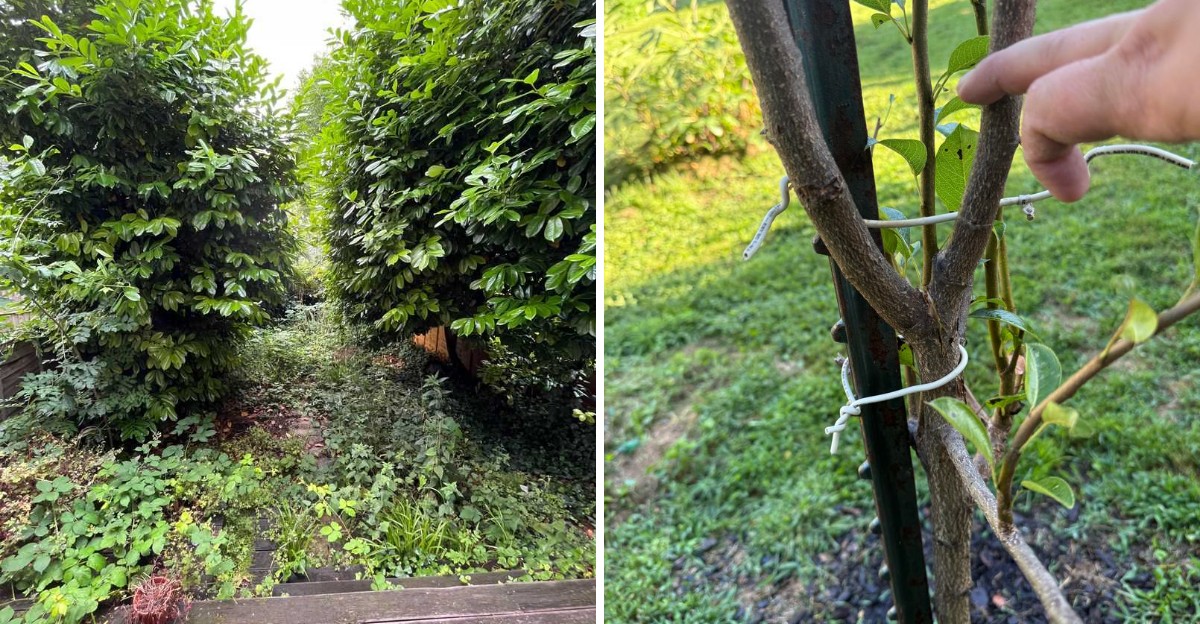
5. Clear Access Paths Around Overgrown Areas
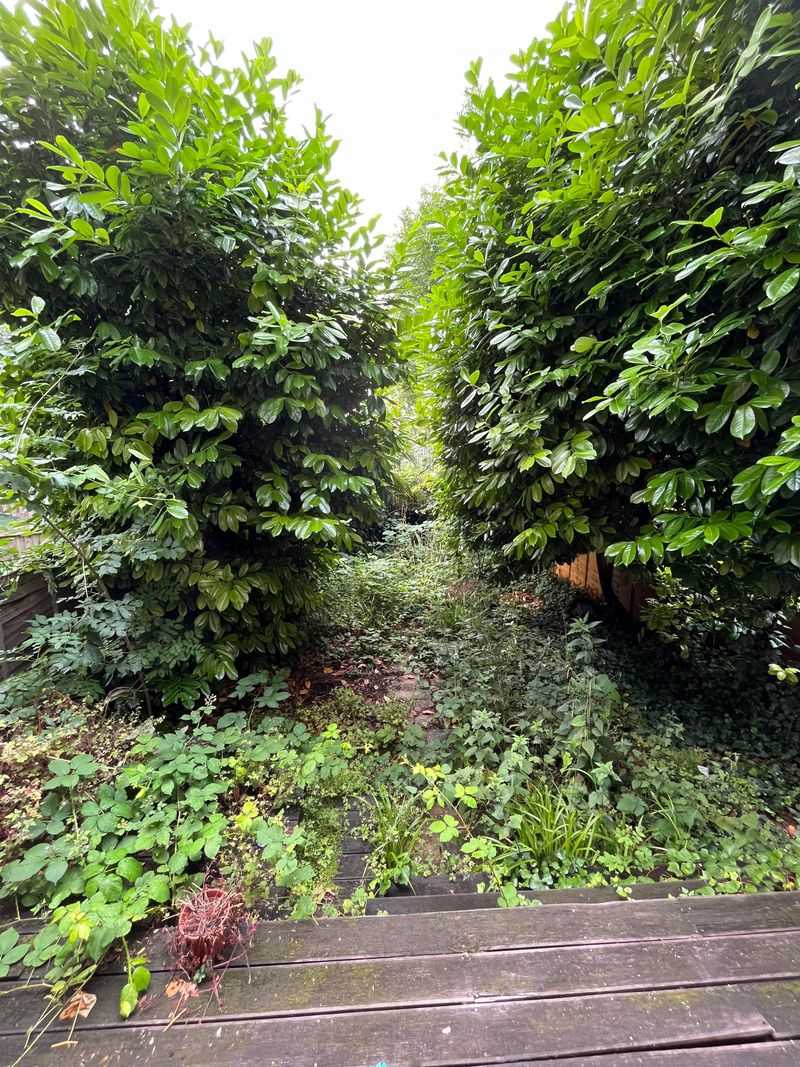
Ivy tangles, hidden hoses, and sharp tools make a terrible combination. Yet that is exactly the scene on many winter trim days. The plants that need attention sit buried behind a small jungle. A little cleanup now keeps that day smooth and safe.
Walk to each plant on your list. Make sure you can stand comfortably on all sides. Pull weeds, rake up debris, and move pots, furniture, or stored items out of the way.
Trim back aggressive groundcovers or vines that creep over paths. Keep this light, since it is tidy-up work, not structural cuts.
Now give some thought to ladders, because they are picky about where they stand. Orchard ladders and stepladders need firm, level ground to stay stable.
Soft or cluttered soil can make them wobble. Mark flat spots near taller trees. Clear enough room for a three-legged orchard ladder, which tends to feel steadier on uneven ground.
Plan where the trimmings will go too. A tarp, a green waste bin, or a chip pile saves you from a drag through flower beds. Many California towns set size limits for green waste pickup, so check yours ahead of time.
A clear yard also lowers fire risk near structures, a real bonus in many parts of the state.
Safer steps, faster cleanup, and fewer scratches all add up. Your shins will be especially grateful. They have met that hidden hose one too many times.
6. Remove Suckers And Watersprouts Early
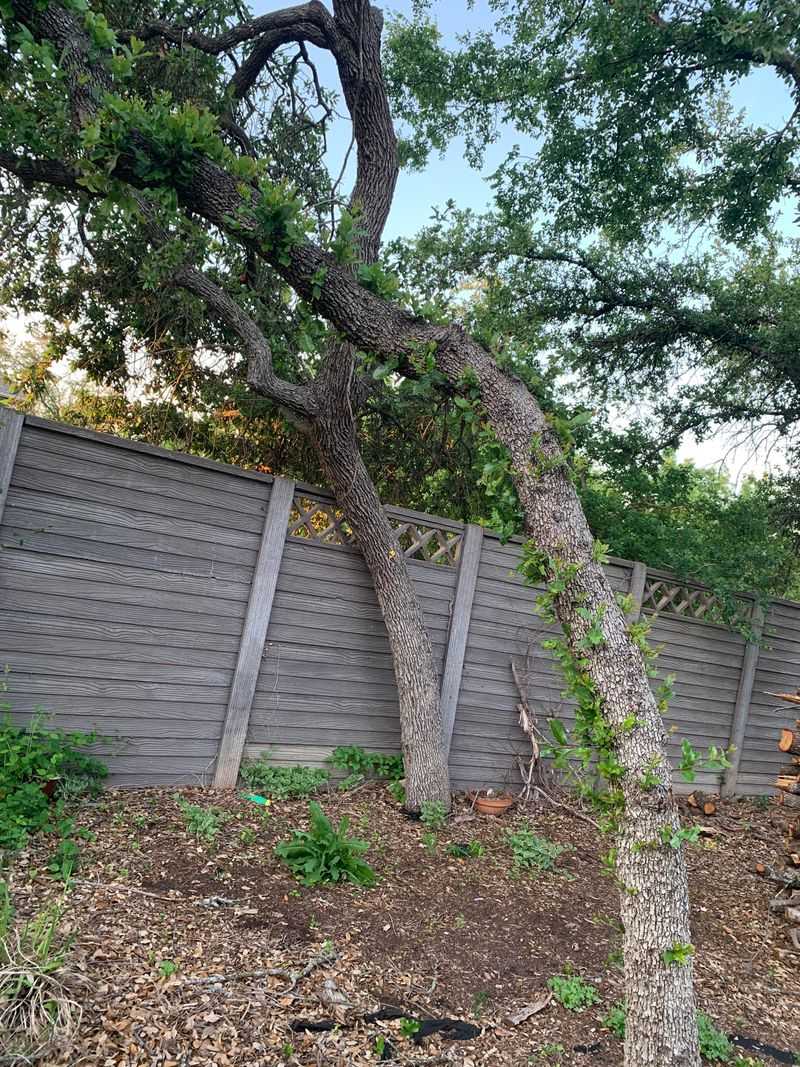
Some shoots grow fast and straight up, with little regard for anyone else. Watersprouts shoot vertically from branches. Suckers sprout from roots or the trunk base, often below the graft on fruit trees. Both steal energy and clutter the canopy.
Summer and early fall make a great time to deal with them. Shoots removed in the warm months tend to return less vigorously than those cut in winter.
Young, soft shoots also come off cleanly and leave small wounds. Wait until winter, and you face woody, pencil-thick stems that make the tree look far busier than it is.
Trace each sucker to its base and cut it flush with the root or trunk. Rootstock suckers matter most. They can grow into a completely different plant than the fruit variety grafted on top.
Tiny watersprouts can simply be rubbed off by hand. Larger ones need a clean cut where they emerge.
Now for a plot twist, because not every watersprout plays the villain. Once in a while, one pops up in the perfect spot to fill a gap. That one can stay and train as a future branch. Your reference photos and ribbon markers can help you decide.
Early cleanup lets winter cuts focus on the tree’s real framework. You see the main scaffold clearly, make fewer cuts, and haul less brush to the curb.
7. Research Each Plant’s Real Pruning Window
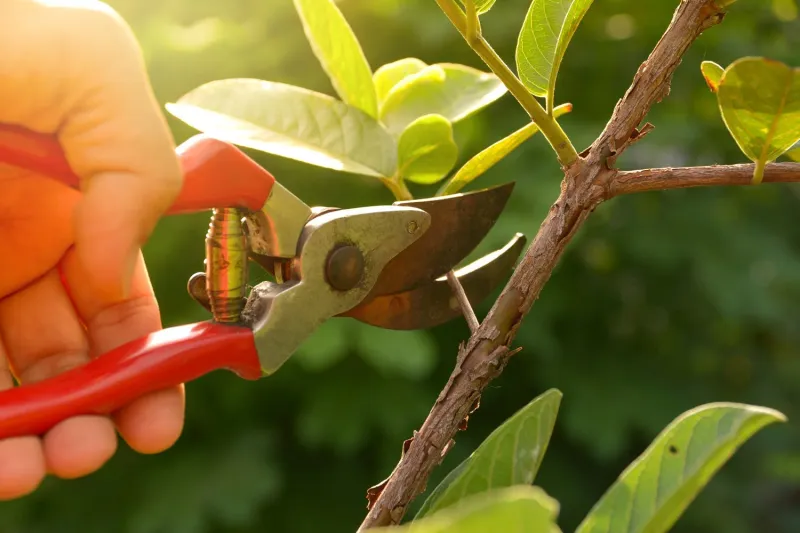
Not every plant wants a haircut in winter. That surprises plenty of gardeners who grab the pruners in January and treat everything the same. A little homework now can save a whole season of flowers or fruit.
Many deciduous fruit trees, roses, and grapes get their main trim during dormancy in California. That window usually runs December through February.
Spring-blooming shrubs like lilac, forsythia, and azalea follow different rules. They set flower buds the year before, so winter cuts remove those buds. Right after bloom usually works best for them.
Some plants break the pattern entirely. Apricots and cherries often get their cuts in late summer or early fall in California. That schedule lowers the risk of Eutypa and other diseases that spread in wet weather.
Citrus needs very little trim work. Hard cuts usually wait until frost danger passes in spring. Natives like manzanita and ceanothus each have their own preferences, so check before you assume.
Now grab a pen, because this simple chart might become your favorite garden tool. List every plant in your yard with its best trim season. Local nurseries and trusted garden experts can fill in any blanks. Unclear advice deserves a follow-up question instead of a guess.
Tape that chart inside the garage. Winter turns into a clear plan instead of a free-for-all with sharp blades.
Every plant gets cut at the right moment. Your lilacs will reward you with blooms instead of a sulky, flowerless spring.
8. Stake Young Trees To Guide Future Form
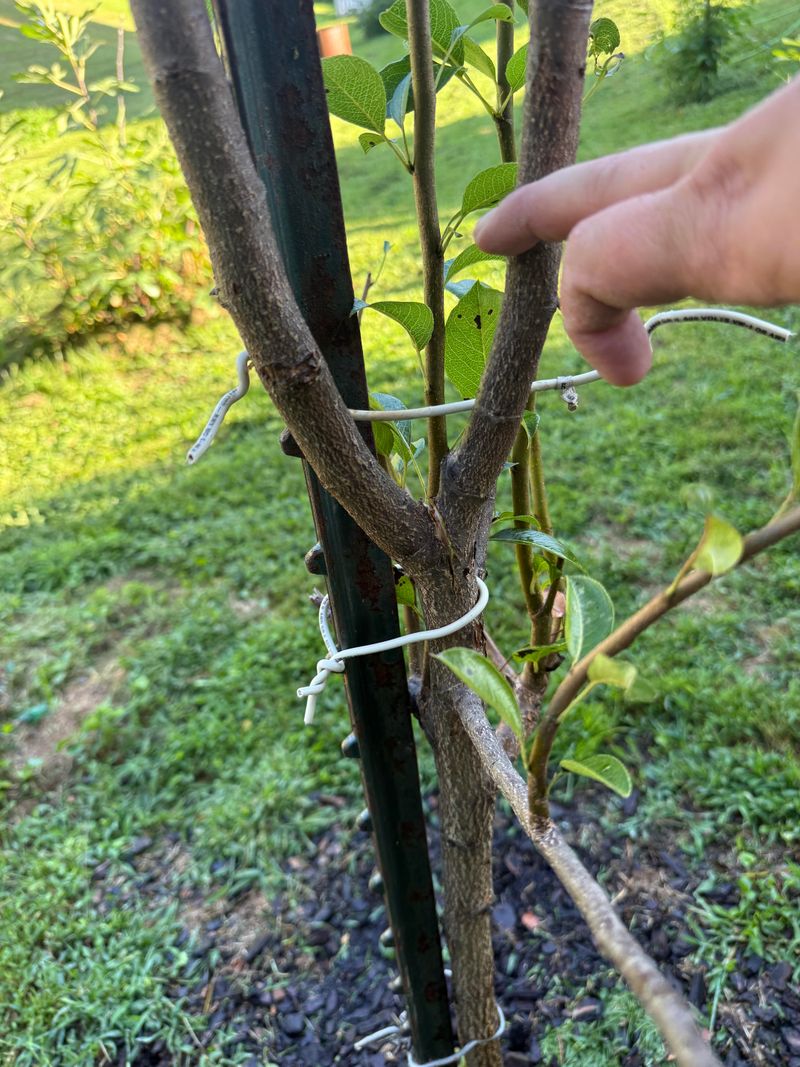
A young tree is a bit like a kid who is learning to ride a bike. A little support early on helps. Too much, though, blocks it from its own sense of balance. Smart stakes now set up a sturdy framework that winter cuts can polish later.
Stakes make sense only when a tree truly needs them. A weak trunk or a windy spot qualifies. Use two stakes on opposite sides of the trunk, outside the root ball. Attach flexible ties as low as possible while the tree still stands upright. Leave enough slack for the trunk to sway gently.
That small movement matters more than most people expect. Trees that sway grow thicker, stronger trunks with better taper. Tightly bound trees often end up weak and dependent. Skip bare wire, which can cut into bark, and choose rubber or cloth ties instead.
Now look ahead to winter, because this step pays off twice. Early support helps you pick a strong central leader or main scaffold branches. Come winter, you can cut with a clear goal instead of a rescue job on a leaning, lopsided sapling.
Check ties every few months so they do not girdle the growing trunk. Plan to remove stakes once the tree stands firmly, often within a year or so.
Good support now plus careful winter cuts later add up to a tree that stays strong for decades. Training wheels come off, and your tree rides off into the sunset.