The Backyard Mistakes That Bring Ants Into California Gardens
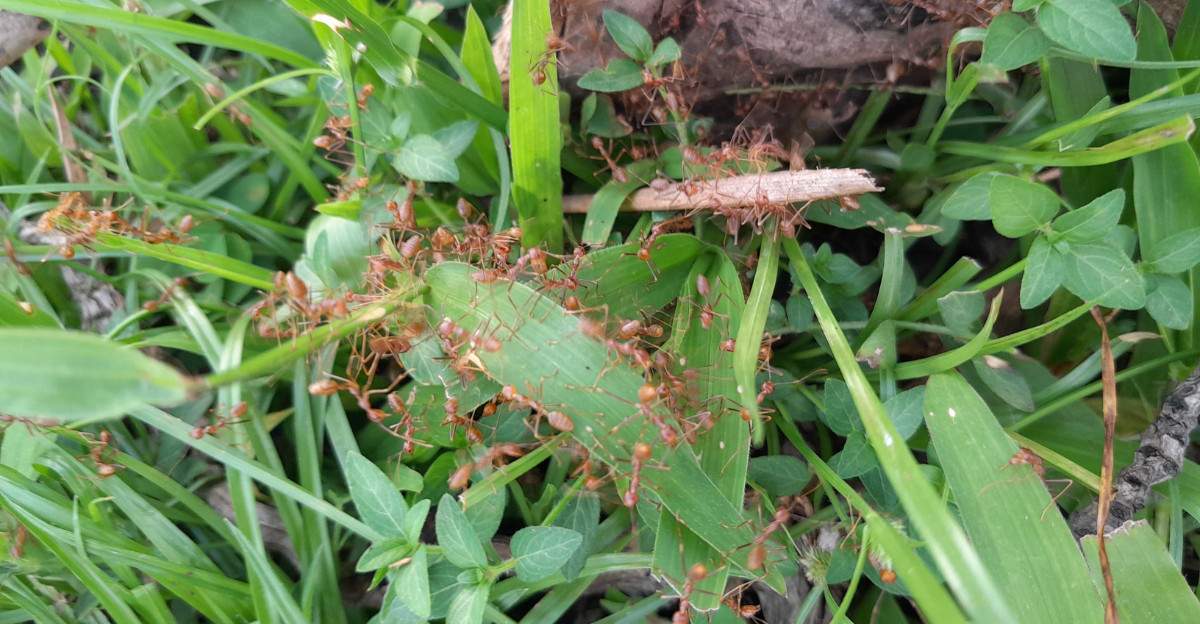
Ants do not need a fancy invitation to move into a California garden. A few crumbs near the patio, a leaky hose, or one sticky plant can make the backyard look like prime real estate. Once they find a good setup, they do not exactly keep it quiet.
Trails appear along paths, pots start buzzing with activity, and suddenly the garden feels like it has tiny managers on patrol.
The annoying part is that many ant problems begin with simple habits people barely notice. A little extra moisture here.
Some fallen fruit left there. A cluttered corner that nobody checks until it looks suspicious. Ants are quick to notice what gardeners miss.
Before blaming bad luck, it helps to look at the backyard clues that may be calling them in. Your garden might be offering ants a better deal than you realize.
1. Leaving Aphids And Scale Untreated
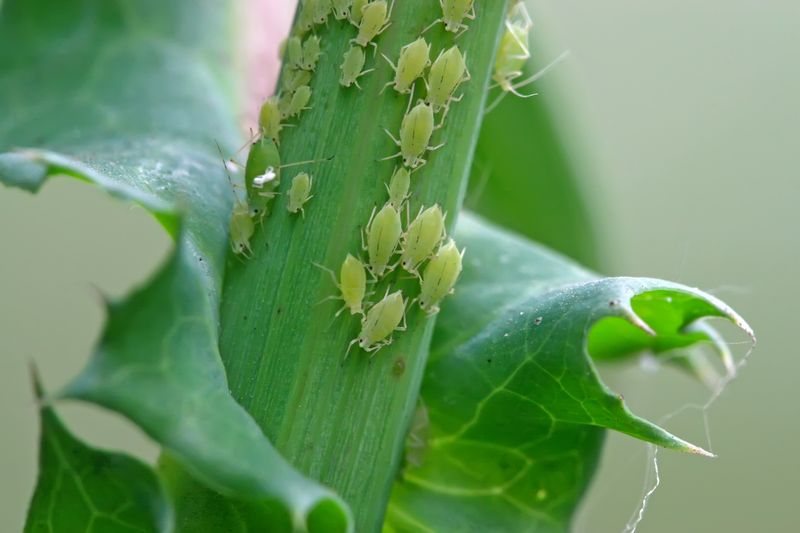
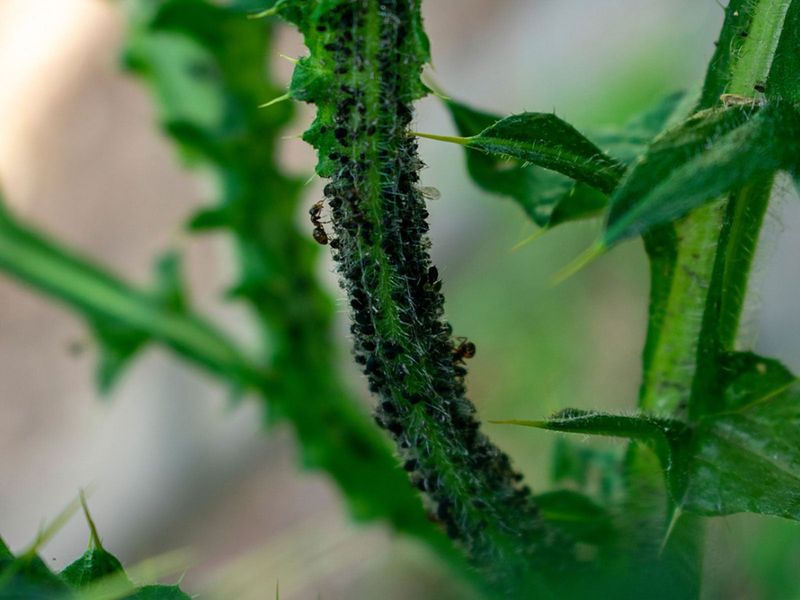
Tiny pests like aphids and scale insects are more than just a plant problem. They are basically an open invitation for ants. These insects produce a sticky, sugary waste called honeydew, and ants absolutely love it.
When aphids or scale are left on your plants, ants will show up to feed on that sweet residue and protect those pests from natural predators.
Ants will even move aphids from plant to plant to keep their food supply going. It sounds strange, but ants actually “farm” aphids the same way humans raise livestock.
If you notice ants crawling up and down your plants, check the undersides of leaves for small, soft-bodied bugs clumped together.
Treating aphids and scale early is one of the best ways to reduce ant activity. A strong spray of water can knock aphids off plants quickly. You can also use insecticidal soap or neem oil for tougher infestations.
Introducing natural predators like ladybugs helps too. Regularly checking your plants, especially during warm months, keeps small pest problems from turning into full ant invasions.
Staying on top of pest control is one of the simplest and most effective steps you can take to keep ants out of your garden for good.
2. Letting Honeydew Build Up On Plants
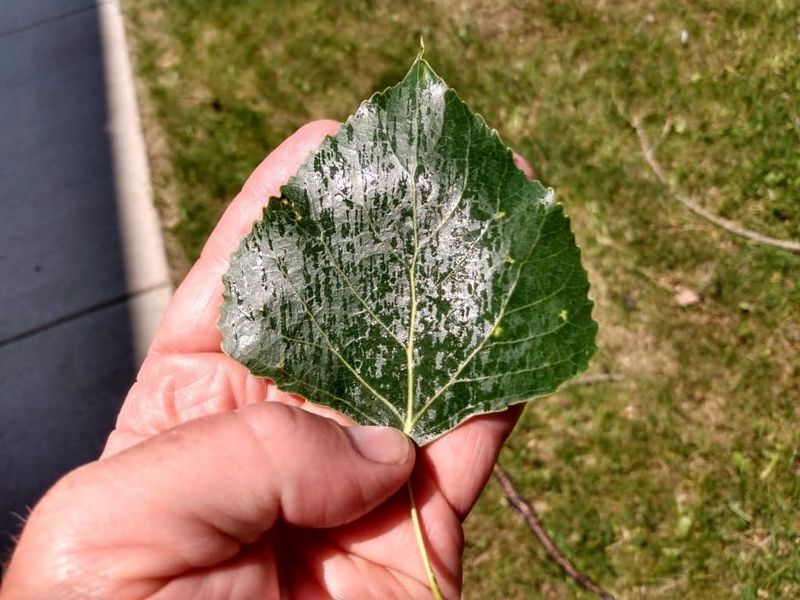
Honeydew is one of the biggest ant magnets in any garden. It is a sugary liquid that gets left behind by sap-sucking insects like aphids, whiteflies, and mealybugs.
When it builds up on leaves and stems, it creates a sweet, sticky coating that ants can smell from a distance.
They will travel surprisingly far just to get to it. Beyond attracting ants, honeydew also encourages a black fungal growth called sooty mold.
Sooty mold covers leaves and blocks sunlight, which weakens plants over time. So letting honeydew sit does double damage. You get more ants and unhealthy plants at the same time.
Cleaning honeydew off your plants is easier than it sounds. A gentle wipe with a damp cloth removes the residue from larger leaves. For smaller plants, rinsing with a hose works well.
The real fix, though, is getting rid of the insects producing the honeydew in the first place. Without the source, the buildup stops. Check your plants every week during spring and summer when pest activity is highest.
Your California Garden Changes Every Week. Your Plan Should Too.
Gardening in California changes quickly throughout the season. Every Friday you’ll receive a simple weekly plan showing exactly what to plant, prune, fertilize, harvest, and protect so you never miss the right timing.
Keeping your garden clean and pest-free removes one of the most powerful food signals that draws ants in. A little regular maintenance goes a long way toward keeping your outdoor space ant-free.
3. Overwatering Around Foundations And Beds
Water is life for plants, but too much of it near your home is a serious ant problem waiting to happen.
Many ant species love moist soil because it is easier to tunnel through and stays cool during hot days.
Consistently wet ground near your foundation or garden beds is exactly the kind of environment ants look for when building nests.
Our state’s warm climate means soil dries out fast in summer, which can tempt gardeners to overwater.
But soaking the ground too often creates soft, damp zones that carpenter ants and moisture ants find irresistible. These species are especially common near homes with irrigation systems set too high.
Check your watering schedule and make sure you are not watering more than your plants actually need.
Water deeply but less often so roots grow deeper and the surface dries between sessions. Make sure your sprinklers are not aimed directly at your home’s foundation.
Also look for poor drainage spots where water pools after rain or irrigation. Fixing drainage issues and adjusting your watering habits reduces the moisture that makes your yard so attractive to nesting ants.
Simple changes like using drip irrigation instead of overhead sprinklers can make your garden much less welcoming to ant colonies looking for a moist, stable home.
4. Leaving Pet Food Outside
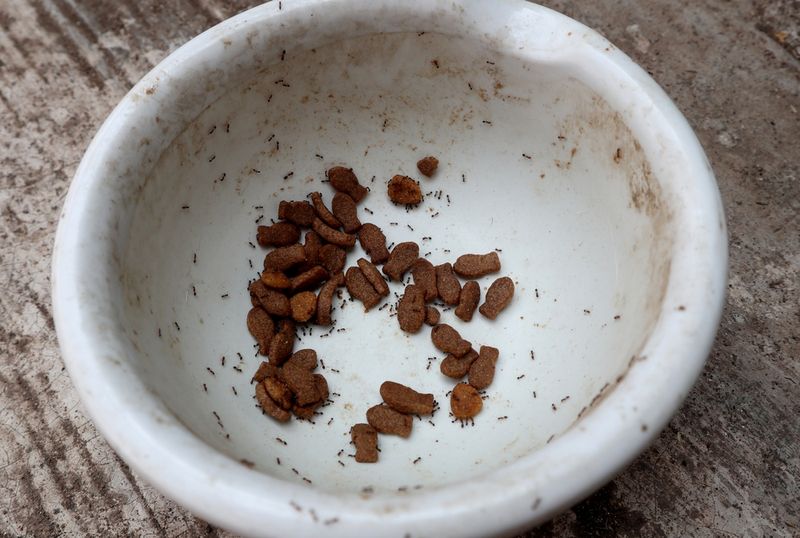
Leaving a bowl of pet food outside might seem harmless, but it is one of the fastest ways to draw ants straight to your door.
Pet food, whether dry or wet, is packed with protein and fat. Ants can detect food sources from impressive distances, and an unattended bowl outside is basically a free buffet for any colony nearby.
This problem is especially common in our state where warm weather makes it tempting to feed pets outdoors year-round.
Dry kibble left out overnight is a particular issue. Ants tend to be most active in the early morning and late evening, which means a bowl left out after dinner is already being scouted by the time you wake up.
The fix is straightforward. Pick up pet food bowls as soon as your pet is done eating. If you prefer to leave food out during the day, place the bowl inside a shallow dish of water.
Ants cannot cross water easily, so this simple moat trick works surprisingly well. You can also use sealed outdoor pet feeders designed to keep pests out.
Storing pet food in airtight containers rather than leaving the bag open in the garage also reduces the scent trail.
Small habits like these can stop ant problems before they even start near your home.
5. Letting Fallen Fruit Rot Under Trees
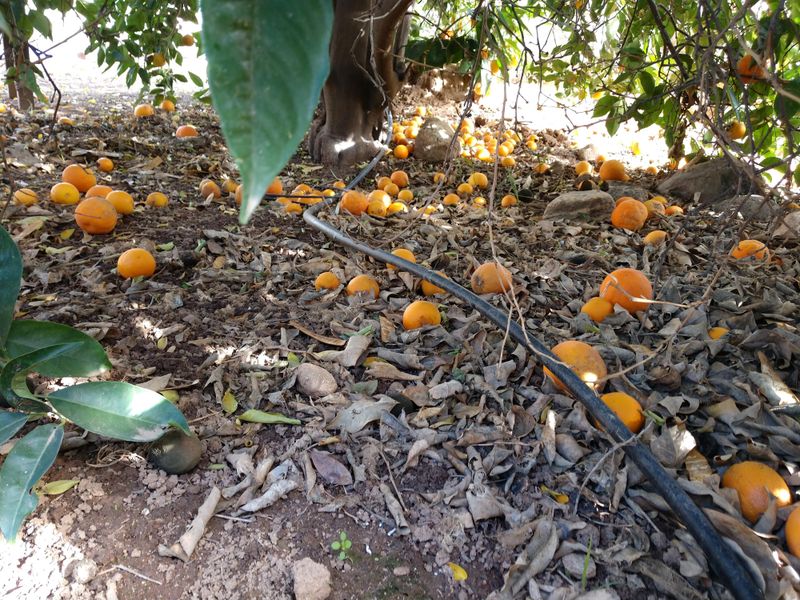
Fruit trees are a wonderful part of many backyard gardens across our state. But when fruit falls and is left to rot on the ground, it becomes one of the most powerful ant attractants around.
Overripe and fermenting fruit releases strong, sweet smells that ants can track down fast.
A few fallen oranges or peaches left over a weekend can bring dozens of foragers to your yard.
Rotting fruit also attracts other pests like flies and wasps, which only adds to the problem. Once ants find a reliable food source, they lay down pheromone trails so other colony members can follow.
Before long, you have a steady stream of ants moving through your garden and possibly into your home.
Getting into the habit of picking up fallen fruit regularly makes a noticeable difference. Try to walk through your yard every two to three days during peak fruiting season.
Collect any fruit on the ground and either compost it properly or seal it in a bag for trash pickup.
Do not just leave it in an open compost pile near your trees. If your tree produces more than you can manage, consider harvesting earlier or sharing with neighbors.
Keeping the ground under your fruit trees clean is one of the most effective and underrated ways to reduce ant traffic in your garden.
6. Keeping Trash Bins Too Close To Garden Beds
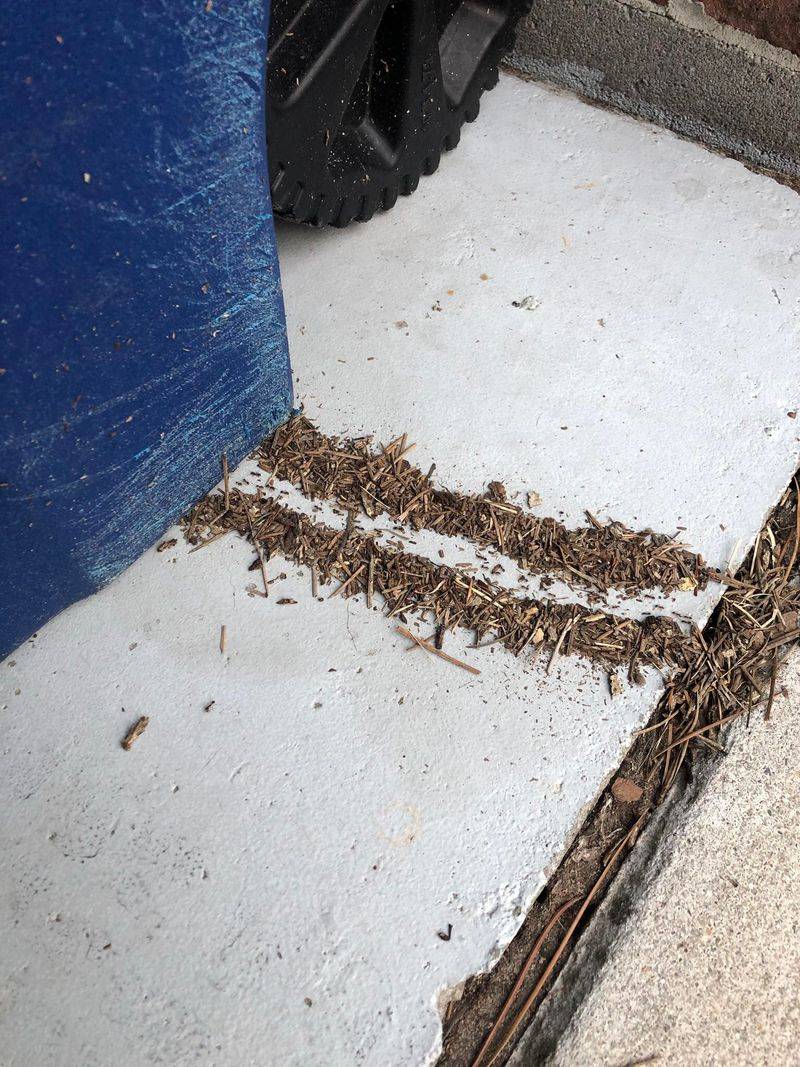
Most people do not think twice about where they place their trash bins, but location really matters when it comes to keeping ants away.
Trash cans are full of food scraps, sugary residue, and organic waste. When bins sit right next to garden beds, they create a scent-rich zone that pulls ants in from the surrounding area.
Even sealed bins can have residue around the lid or on the outside from spills and drips. Ants are incredibly persistent and will find even the smallest opening or sugary smear.
Once they start foraging near your bins, they quickly spread into the nearby garden looking for more food sources.
Moving trash bins at least ten feet away from garden beds and the home’s exterior is a smart preventive step.
Rinse bins out regularly with soapy water to remove food odors and sticky buildup. Make sure lids close tightly and that bags are not overfilled in a way that leaves gaps.
If you use outdoor bins for yard waste, keep those away from garden beds too. Organic debris like grass clippings and leaves can attract ants looking for nesting material.
A little distance and regular cleaning keeps your trash area from becoming the starting point for a full-scale ant invasion in your garden and yard.
7. Leaving Sticky Spills On Patios
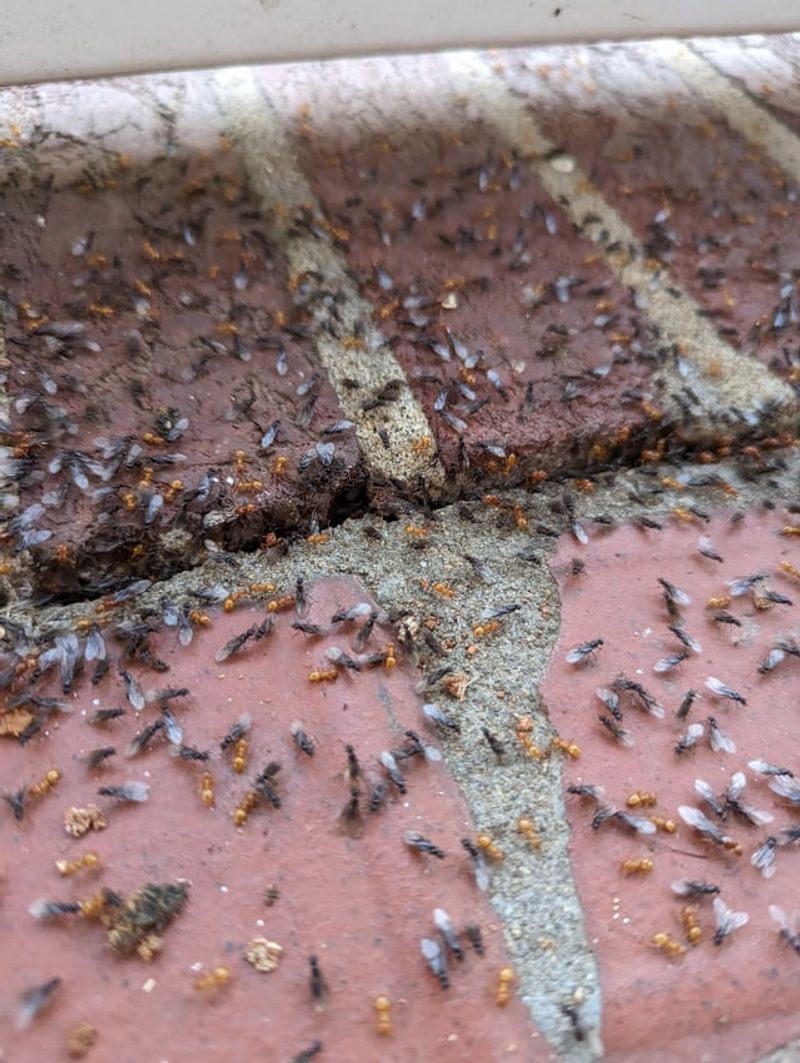
Backyard patios are made for relaxing, eating, and spending time outdoors. But every spilled soda, dripped popsicle, or sticky juice puddle left on the surface is a direct invitation for ants.
Sugar is one of the top things ants forage for, and even a thin, nearly invisible residue on concrete or stone can bring them running.
Patio spills are easy to overlook, especially after a busy afternoon outside. But ants are active even after the sun goes down, so a spill from lunch can have a full foraging trail by evening.
Once ants find a sugar source on your patio, they will keep coming back and checking nearby areas for more.
Rinsing off your patio after meals or outdoor gatherings takes only a few minutes and removes the scent trails ants use to navigate.
Pay special attention to areas near outdoor dining tables, grills, and drink stations. A quick sweep followed by a hose rinse is usually enough.
For stubborn sticky spots, a little dish soap and water does the trick. If you notice ants already trailing across your patio, cleaning the area thoroughly breaks their scent trail and confuses foragers.
Keeping your patio clean is one of the easiest habits you can build to stop ants from treating your outdoor living space like their personal snack bar.
8. Letting Compost Get Too Sweet Or Wet
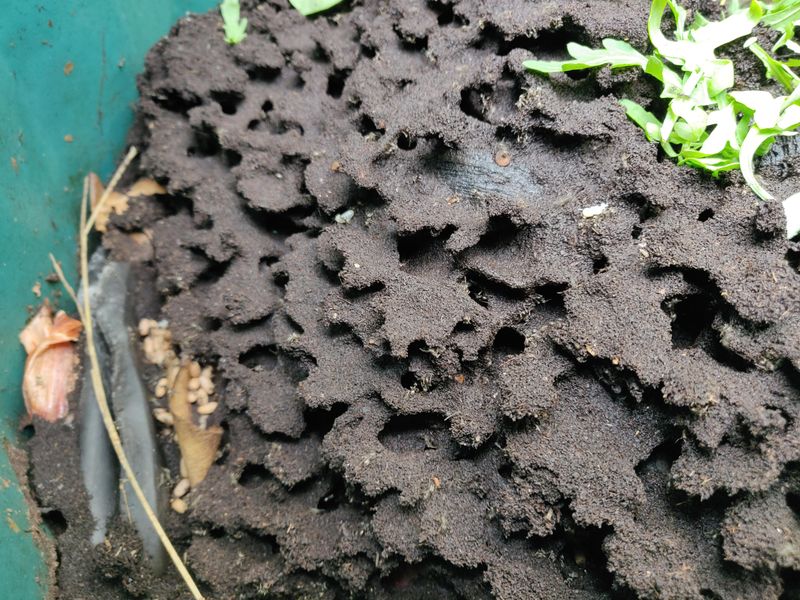
Composting is great for your garden, but a poorly managed compost pile can become one of the biggest ant problems in your yard.
When compost gets loaded with fruit scraps, sweet leftovers, or too much moisture, it starts to smell irresistible to ants.
The warm, moist, and sugar-rich environment is practically a dream home for many ant species.
A lot of gardeners add too many fruit peels, citrus rinds, or sugary food waste to their bins without balancing it with dry, carbon-rich materials.
This throws off the compost chemistry and creates conditions that ants love. You might not notice the problem at first, but once a colony moves in, it is hard to get them out without disrupting your whole pile.
Keeping your compost balanced is the key. Aim for a mix of roughly equal parts green materials like food scraps and brown materials like dry leaves or cardboard. Turn your pile regularly to aerate it and break up any nesting activity.
Avoid adding meat, dairy, or large amounts of sweet fruit at once. If your pile is too wet, add dry material and turn it to improve drainage. Using a sealed compost bin with a tight lid helps too.
A healthy, well-managed compost pile breaks down efficiently and smells earthy rather than sweet, which is far less interesting to foraging ants.
9. Ignoring Cracks Along Paths And Foundations
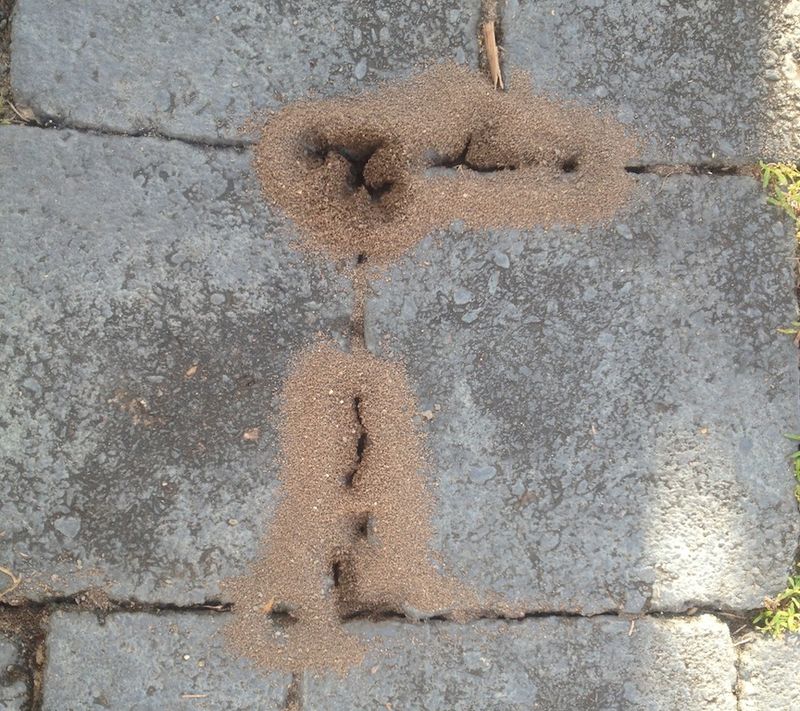
Cracks in your patio, walkways, or home foundation might look minor, but to ants they are perfect nesting spots and easy entry points.
Many ant species love nesting in the warm, sheltered spaces inside concrete cracks. The gaps hold heat, stay protected from wind, and are close to food sources in the garden nearby.
Pavement ants are especially known for setting up colonies along driveways, path edges, and foundation lines.
You might notice small piles of sandy soil pushed up through cracks, which is a sign a colony has moved in underneath.
Left alone, these colonies grow and expand, eventually finding their way inside your home through wall gaps and floor joints.
Sealing cracks is one of the most straightforward and long-lasting fixes you can make. Use a concrete filler or exterior caulk designed for outdoor use.
Check your paths and foundation edges at least once a year, especially after winter rains when ground shifting can open new gaps.
Pay attention to where your foundation meets soil, mulch, or garden beds. Keeping mulch pulled back a few inches from the foundation also helps reduce nesting opportunities.
Fixing these small structural issues removes the easy access and cozy nesting conditions that ants depend on.
It is a simple repair that protects both your garden and your home from ongoing ant problems.