8 California Trees That Can Benefit From Deep Watering Before Winter
Somewhere in California, a garden hose is packing for its winter vacation.
The air feels cooler. The leaves are turning. Summer chores are fading into memory. Even the lawn looks ready for a nap.
It seems like the perfect time to coil everything and wrap up the season.
Not so fast.
Some trees are still thirsty, even as the weather cools. Their roots stay busy underground long after the yard starts to look sleepy.
A dry, windy fall can leave them heading into winter on an empty tank.
So how do you know which ones still need a drink?
That answer might surprise you. A few popular backyard favorites benefit from one more long soak before the rain arrives. Others need a gentler touch than you might expect.
And one famous California native would much rather you leave the hose far away.
Curious which trees made the list, and which one breaks all the rules? Keep that hose handy a little longer. Its vacation can wait a week or two.
1. Newly Planted Trees Need It Most
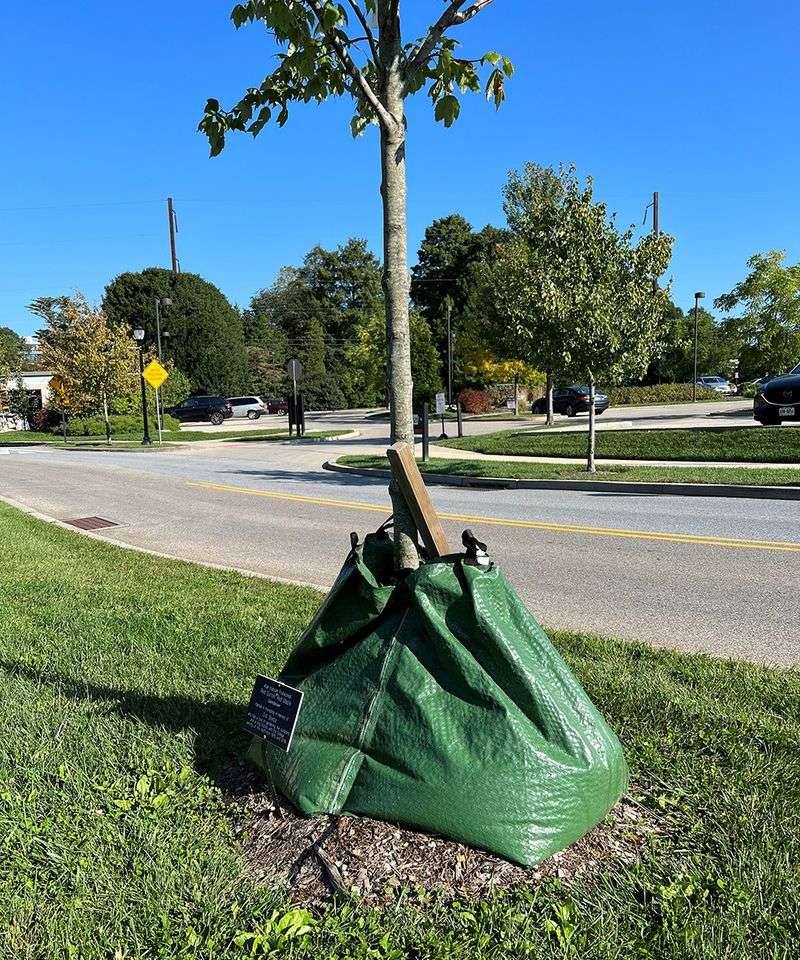
A tree planted this spring still keeps most of its roots inside the original root ball. Those roots have not reached far into the soil around it yet.
So even when the yard looks damp, the tree may only drink from a small, dry pocket.
Young trees need regular water for their first two to three years while roots grow outward.
The soil is still warm, and roots stay active even as the air cools. A deep soak now gives them moisture to push into before winter.
Now grab the hose, because this trick is slow and steady on purpose. Let water trickle at the edge of the root ball and just beyond it.
That way, water sinks deep instead of a quick runoff.
Aim to wet the soil 12 to 18 inches down. A long screwdriver or soil probe makes a handy depth check.
Keep water away from the trunk itself, since constantly wet bark can invite disease.
A ring of mulch two to four inches thick holds moisture in place. Pull it back a few inches from the trunk.
Early storms that drench the yard mean you can skip the extra water. A dry, windy fall is a different story.
One or two deep drinks can make a real difference for a tree that is still settling in.
Your young tree gets a head start on winter. It is like a bedtime glass of water, minus the midnight trip down the hall.
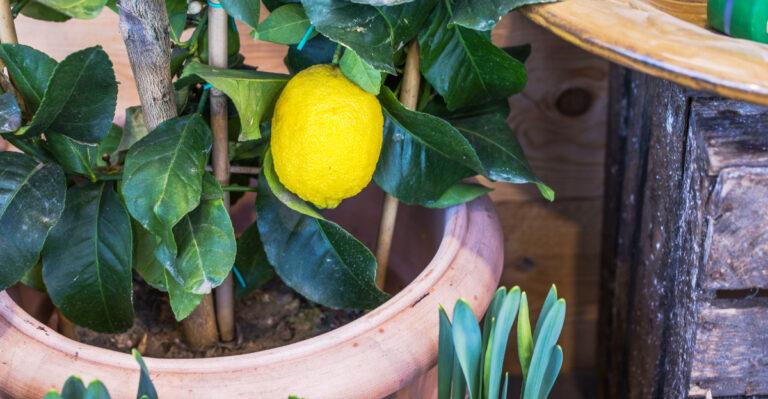
2. Citrus Trees Benefit From One Deep Soak
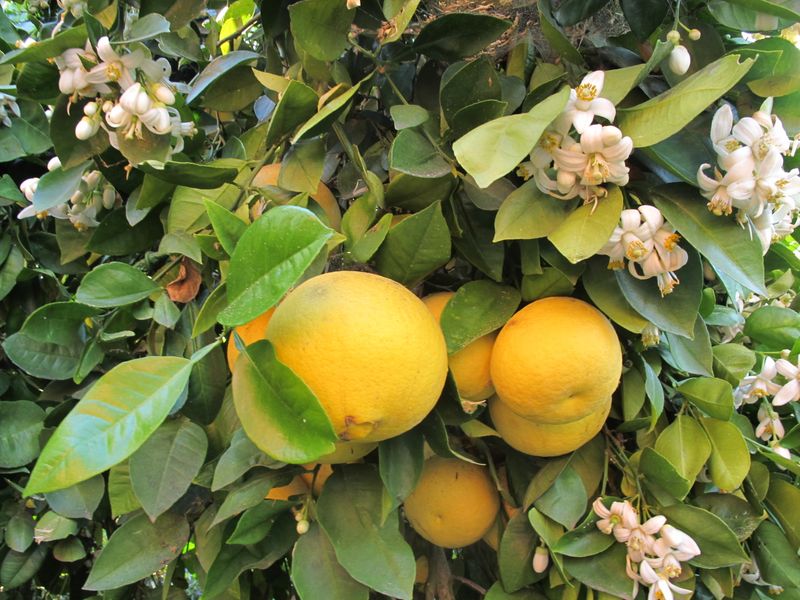
Citrus trees can be a little sneaky. Their glossy leaves stay green all year, so it is easy to forget how hard they still work in fall.
Citrus roots are fairly shallow. Most feeder roots sit in the top couple of feet of soil.
That shallow zone dries out quickly on warm, breezy fall days. Santa Ana winds in Southern California make it even worse.
A thirsty citrus tree may drop fruit or curl its leaves. It can also produce dry, less juicy fruit later in winter.
Your California Garden Changes Every Week. Your Plan Should Too.
Gardening in California changes quickly throughout the season. Every Friday you’ll receive a simple weekly plan showing exactly what to plant, prune, fertilize, harvest, and protect so you never miss the right timing.
One thorough soak before the rainy season helps refill that root zone.
Water slowly around the drip line, the outer edge of the canopy, rather than right at the trunk.
Citrus is prone to a disease called Phytophthora foot rot when the trunk stays wet. Keep water and mulch several inches away from the bark.
Now for a clever bonus, and it involves chilly nights. Moist soil holds and releases more heat after dark than dry soil does.
A deep drink before a frost can actually help protect the tree.
After that soak, slow way down. Cooler weather and rain mean citrus needs far less water. Soggy winter soil can do more harm than good.
Check the soil a few inches down before the next drink. Let the top layer dry out in between.
Your lemons stay plump and juicy. Future lemonade stands everywhere will be grateful.
3. Avocado Roots Respond Well To Fall Watering
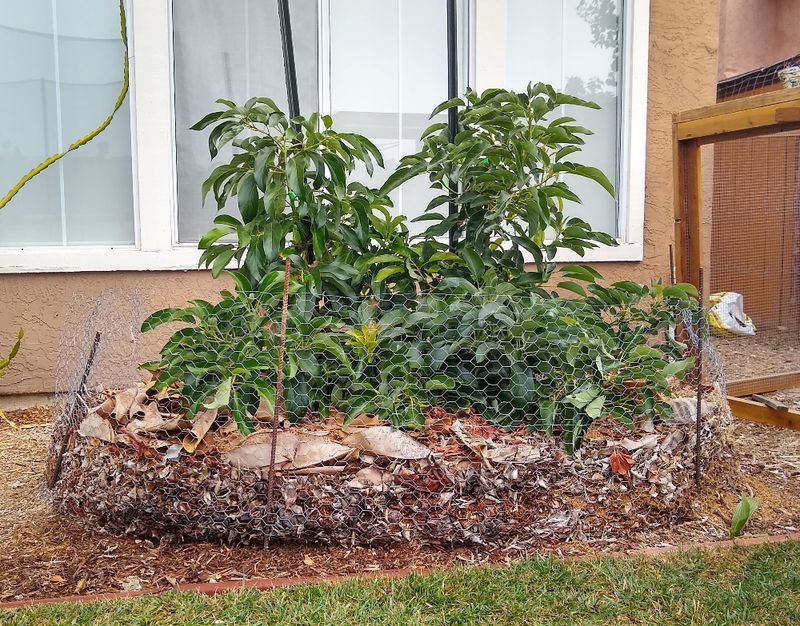
The highlands of Mexico and Central America are home turf for this tree. There, it grows in loose, well-drained soil.
That history explains a lot about how avocados like their water in a California backyard.
Most avocado feeder roots sit in the top six inches or so of soil. With roots that shallow, the tree feels dry spells fast.
Fall heat waves can stress it right when next year’s fruit develops. Brown, crispy leaf tips often point to salt buildup in dry soil.
A deep fall soak helps in two ways. First, it refills the root zone so the tree enters winter with steady moisture.
Second, a long, slow drink can push salts below the roots. Avocados are quite sensitive to salt, so that flush matters.
Now tread carefully, because this tree has a famous weak spot. Avocados are well known for Phytophthora root rot, and soggy soil makes it worse.
Water deeply, then let the soil dry a bit before the next round. Keep puddles away from the trunk.
A thick layer of coarse mulch, like wood chips, ranks among the kindest gifts for an avocado. It keeps shallow roots cool and moist.
It also mimics the leaf litter the tree drops naturally. Leave a small gap around the trunk so the bark stays dry.
Your avocado gets the spa treatment it deserves. Guacamole night, meanwhile, looks brighter already.
4. Deciduous Fruit Trees Appreciate The Extra Support
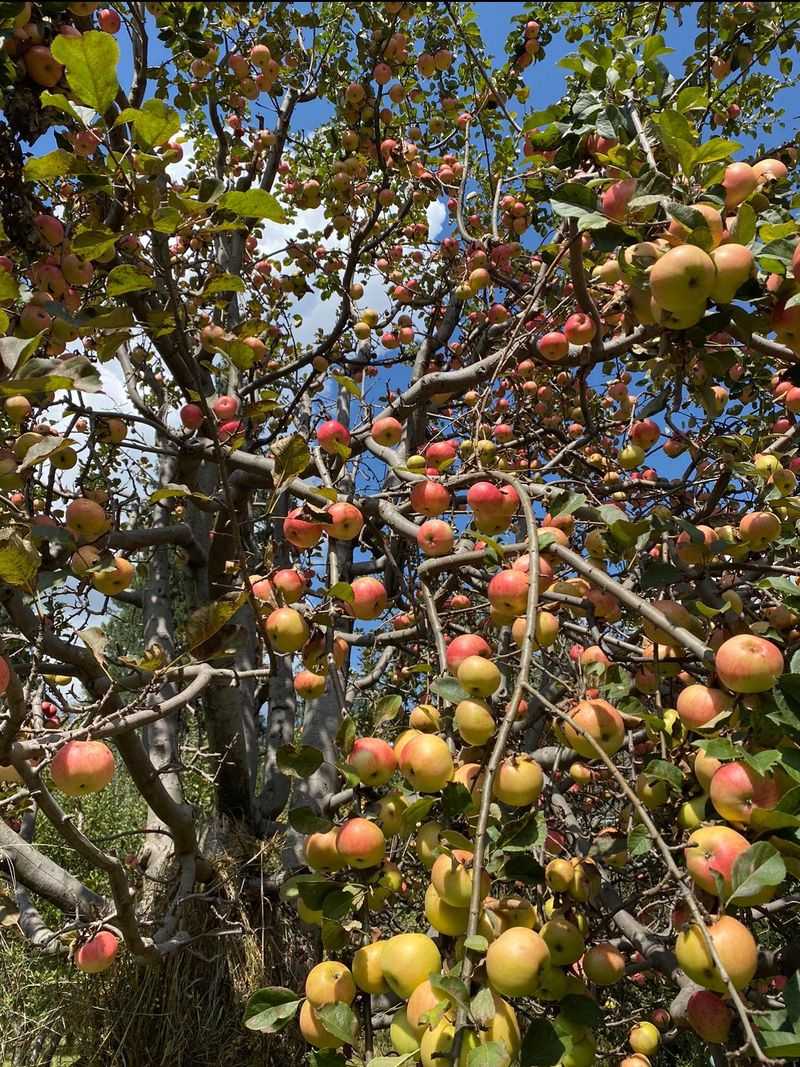
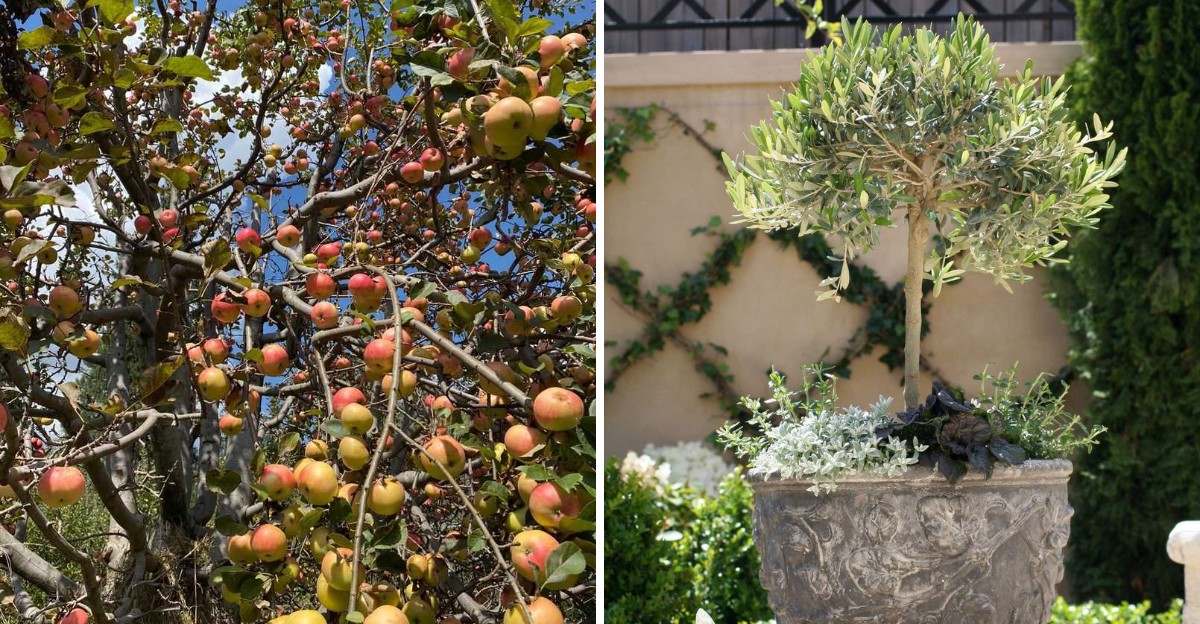
By November, a peach, apple, plum, or apricot tree might look like it clocked out for the year. Leaves yellow and fall. Branches seem to rest.
Underground, though, the story looks very different.
Roots of deciduous fruit trees stay active in fall and even into winter, as long as the soil stays mild.
They also store food reserves for spring blossoms and leaves.
Trees that head into dormancy under drought stress may bloom weakly. They can also bear less fruit the next season.
A dry autumn calls for one or two deep soaks before the rains begin. Those drinks keep roots active and reserves full.
Soak the soil slowly out to the drip line. Try to wet it at least two feet deep, since fruit tree roots spread wide.
Leave the fertilizer bag closed, though. A fall dose can push tender new growth that frost may damage.
Water alone is the right kind of support now.
Now for a handy trick many home orchard fans swear by. Watch for the first big storm.
An inch or more of rain means nature has taken over, and the hose can rest until spring.
California winters sometimes turn dry, more often than most of us would like. Check the soil each month, and water deeply when it feels dusty several inches down.
Your fruit trees rest easy all winter. Come spring, they wake up ready to put on a blossom show worth a photo or two.
5. Japanese Maple Rewards Consistent Fall Moisture
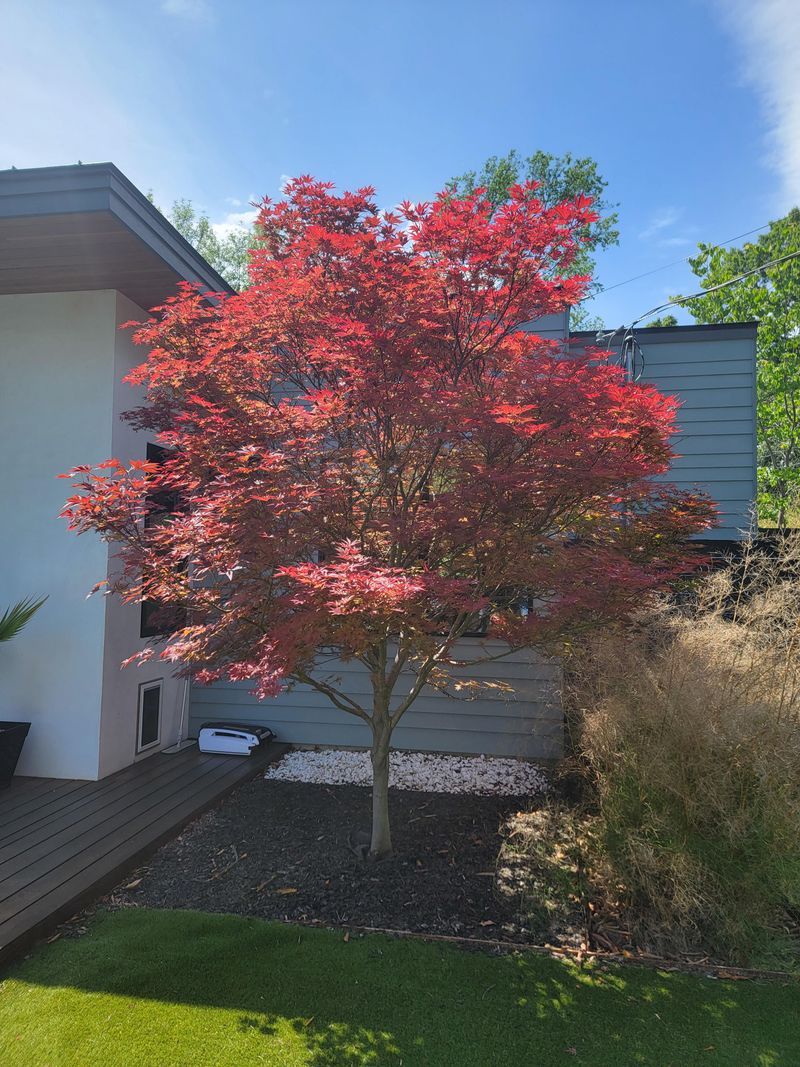
Few trees throw a fall party like a Japanese maple. Those lacy red, orange, and gold leaves steal the show.
Behind the beauty, though, sits a tree that is a bit picky about life in California.
Japanese maples come from the cool, moist forests of Japan and Korea. Here, hot sun, dry winds, and salty water can scorch their delicate leaves.
Their fine, shallow roots stress easily too. Steady soil moisture matters, since these trees bounce back slowly from a dry spell.
A consistent, deep water routine through fall helps the tree finish its season strong.
Even after the leaves drop, roots stay busy while the soil stays mild. Moist, but not soggy, soil going into winter means healthier buds and a better leaf show in spring.
Now for the easiest test in the garden, and it only takes one finger. Push it two or three inches into the soil near the canopy edge.
Dry soil calls for a long, slow drink with a soaker hose or a gentle trickle.
Salt buildup can hide in plain sight. Many California cities have hard or salty tap water.
Crispy brown leaf edges can be a clue. An occasional deep soak helps flush those salts below the roots.
Two to three inches of shredded bark keeps roots cool and moisture steady. Keep it a few inches from the trunk.
Your maple returns the favor with fireworks every autumn. No permit required.
6. Young Evergreens Need Reserves Before Dry Months
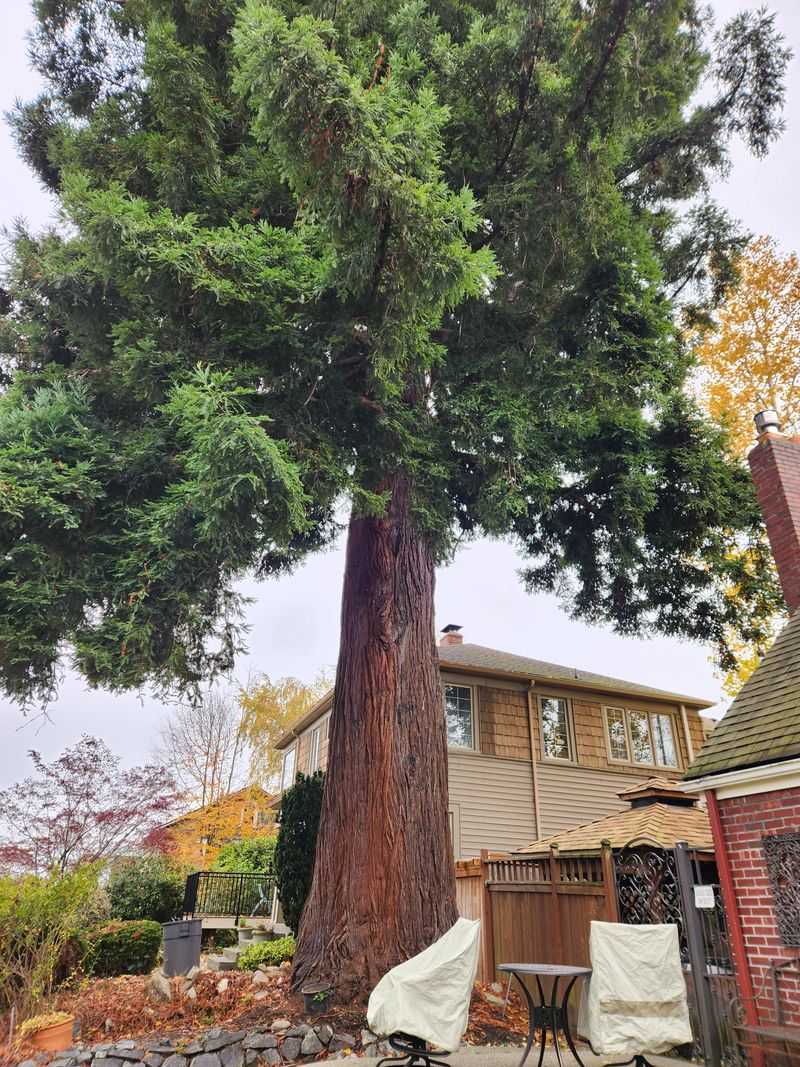
Pines, cedars, redwoods, and junipers keep their needles all winter. Every one of those needles loses a little water on sunny, windy days.
Young evergreens have smaller root systems, so they struggle to replace that lost moisture.
California winters are not always wet. Some years bring long dry stretches between storms. Santa Ana or north winds can dry out soil quickly.
A young evergreen with dry roots may show brown needle tips. Stressed conifers can also attract pests like bark beetles.
Deep, infrequent drinks work better than frequent light sprinkles. In fall, that means a slow soak that reaches 12 inches down or more.
This works like a savings account the tree can draw from during dry weeks. No interest rates, just healthy roots.
Now give extra attention to one California favorite, because it has a serious thirst. Young coast redwoods need plenty of water and can struggle in dry inland yards.
Pines and junipers handle drought better once established. In their first few years, though, they still need help.
Balance matters here. Soggy soil around evergreen roots can cause root rot, just like it does for other trees.
Water deeply, then let the top few inches dry before the next soak. After a good rain, skip the hose altogether.
Your young evergreens stay green and cheerful all winter. They may even feel like the life of the holiday party.
7. Container Grown Trees Dry Out Fastest
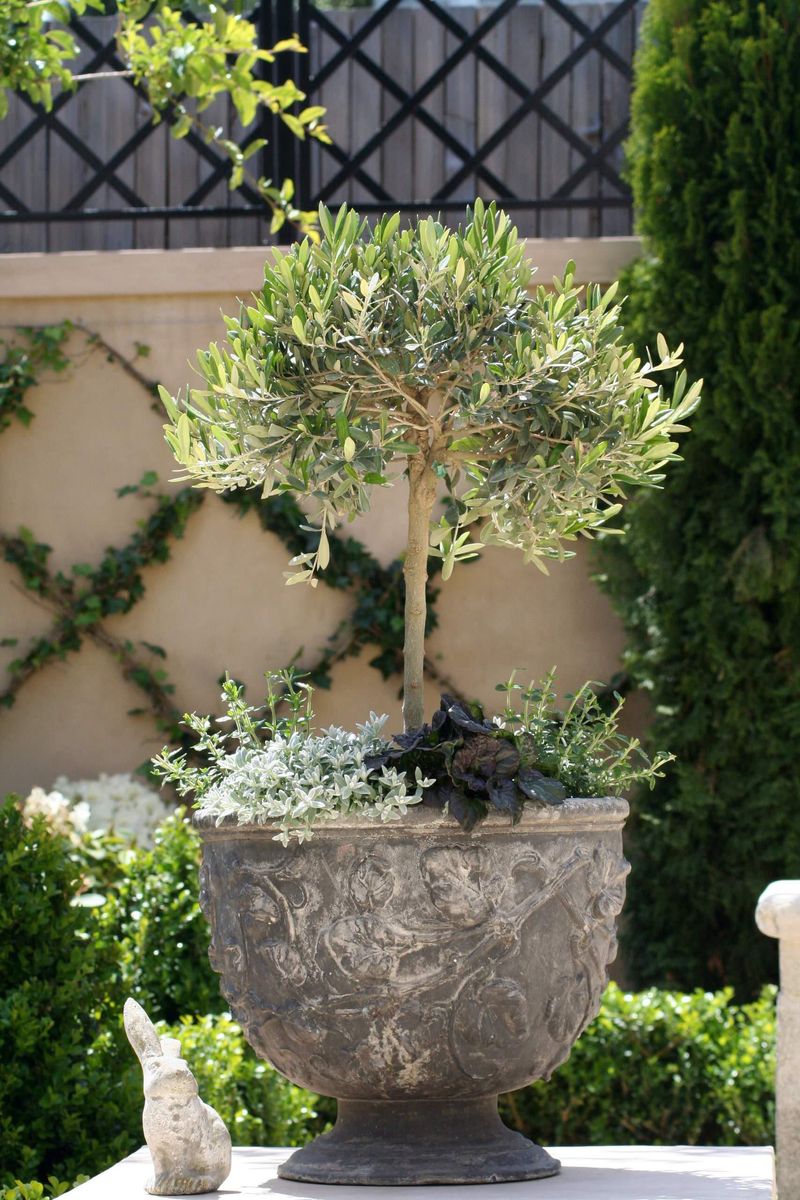
A potted tree lives on a tiny water budget. Its neighbor in the ground has a whole underground reservoir.
The pot has just a small amount of soil to fall back on.
Pots also heat up and dry out from the sides, not just the top. Terra cotta and thin plastic lose moisture especially fast.
On a warm, windy fall afternoon in California, potted trees dry out fast. A lemon, olive, or dwarf maple can go from moist to bone dry in a day or two.
The fix is simple but important. Water slowly until it runs out of the drainage holes.
Wait a few minutes, then water again so the whole root ball gets soaked.
That second round also rinses out salts from fertilizer and tap water. Salt buildup is a common cause of leaf burn in potted plants.
Now for a sneaky surprise, because rain may not help as much as you expect. A tree’s own canopy can act like an umbrella over the pot.
Many raindrops miss the soil entirely. After storms, poke a finger into the soil to see how wet it really got.
Make sure water can escape freely. Small pot feet keep containers out of puddles.
Soggy soil in a pot is a fast track to root rot. The goal is a deep drink followed by good drainage every time.
Your potted tree gets a proper drink instead of a quick sip. It deserves a coaster after all that effort.
8. Mature Native Oaks Are The Real Exception
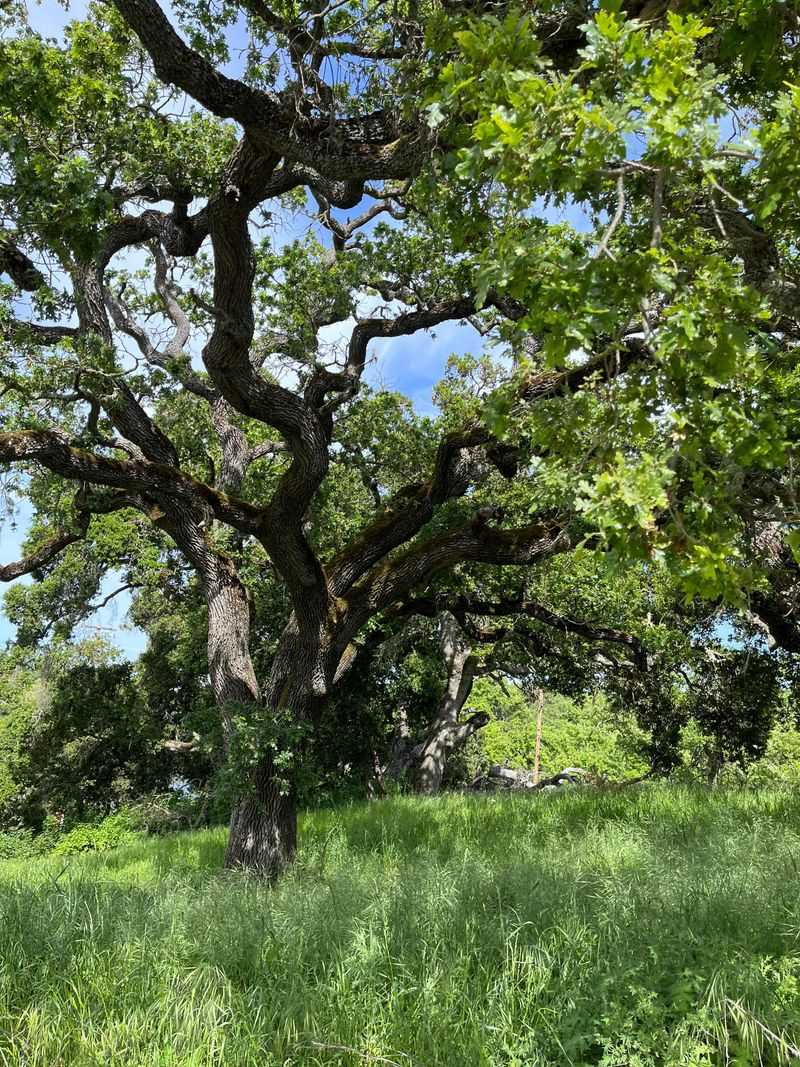
A big valley oak, coast live oak, blue oak, or Engelmann oak shading your yard changes the rules. Everything on this list stops at the edge of that canopy.
Mature California native oaks are the one tree where extra fall water can do real harm.
These trees evolved with hot, dry summers and falls. Their roots are adapted to dry soil through those months.
Water near them in summer and fall creates warm, wet conditions. Those conditions favor Phytophthora root rot and oak root fungus, known as Armillaria.
The damage often unfolds slowly and out of sight. An oak can look fine for years while its roots and lower trunk decay.
Eventually, the tree may decline or even topple. That is why the area near the trunk should stay dry.
Regular irrigation inside the root zone causes trouble too. That zone often extends beyond the edge of the canopy.
Now take a fresh look at what grows under your oak, because neighbors matter here. Thirsty lawns and sprinkler-fed flower beds make a poor match.
Drought-tolerant natives, placed well away from the trunk, fit much better. A natural layer of fallen oak leaves also makes great mulch.
Young oaks planted recently play by different rules. They may need some water while they settle in.
Once an oak matures, though, let winter rains handle the job. The best care is often to leave it alone, which may be the easiest chore you get all year.