8 California Wildlife Friendly Plants To Add Before Winter
Two yards sit side by side on a quiet street in Pasadena, close enough that a single fence separates two completely different worlds.
One has a tidy green lawn, clipped hedges, and a row of annuals from the garden center, looking neat but oddly silent.
The other looks a little wilder, with berry-covered shrubs and silvery leaves, and it hums with activity from the moment the sun comes up each morning.
Bees work the blooms, towhees scratch under the branches, and a mockingbird guards a shrub loaded with red fruit like it owns the place entirely.
The difference is not luck at all. It is plant choice, plain and simple, made months or years earlier by whoever planted that second yard.
Most homeowners default to whatever looks tidy at the nursery, never realizing California natives quietly outperform imported ornamentals when it comes to feeding local wildlife.
Fall and early winter happen to be the smartest planting window in most of the state, and the eight plants below cover berries, nectar, and cover exactly when local animals need them most.
1. Toyon Feeds Birds Through Winter
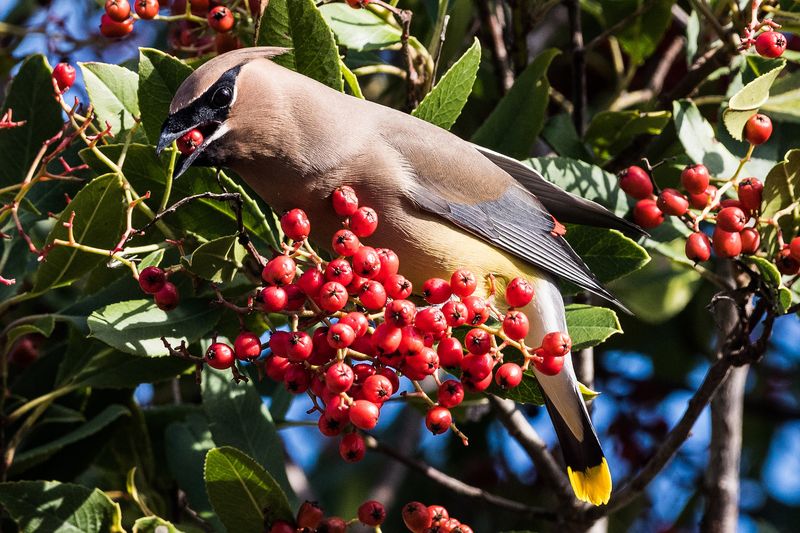
Bright red berry clusters glowing along a hillside in December are almost always toyon, a shrub old-timers called Christmas berry for good reason worth remembering.
The Hollywood Hills reportedly took their nickname from these very shrubs growing wild across the hillsides long before the neighborhood existed in its current form.
Robins, cedar waxwings, mockingbirds, and band-tailed pigeons all feed on toyon fruit, and the berries hang on well into winter when insects are scarce elsewhere.
Small white flowers arrive in early summer and pull in native bees and beneficial wasps first, so the plant works two shifts a year without much rest.
Expect a large evergreen shrub, often 8 to 15 feet tall and nearly as wide, though it can be pruned into a small multi-trunk tree.
Give it full sun along the coast or afternoon shade in hot inland valleys, since well-drained soil matters more than rich soil for this native.
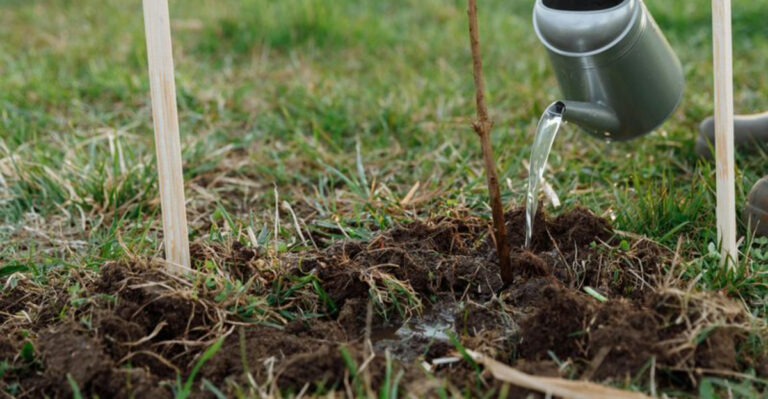
Fall planting gives roots a head start with winter rain arriving right on schedule to help establish the young shrub properly.
Water deeply about once a week through the first dry season, then taper to monthly, and eventually to almost nothing once settled.
Toyon also earns its keep as a privacy screen and a nesting site, giving small birds a safe place to tuck away from predators.
2. Coffeeberry Supports Pollinators And Wildlife
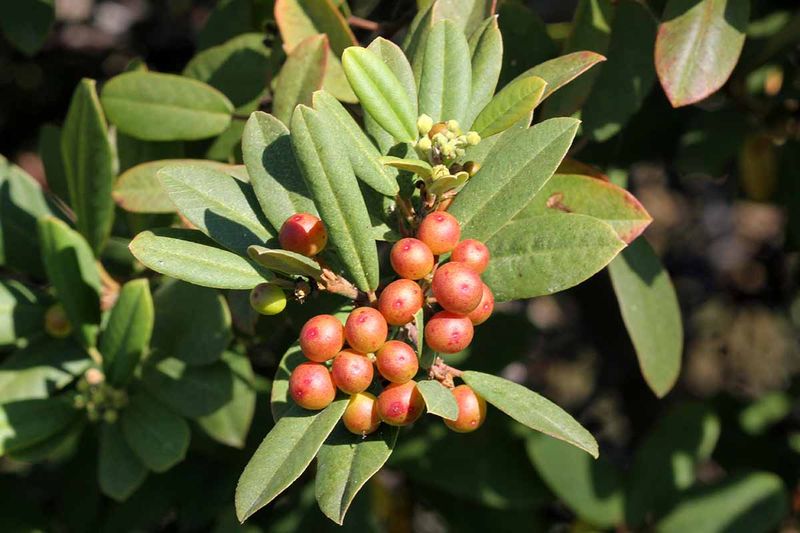
Few shrubs multitask like coffeeberry, a plant that quietly does far more work than its plain appearance would ever suggest to a casual observer.
Its tiny greenish flowers look plain to us, but honeybees, native bees, flies, and small beneficial wasps crowd them all spring without much fanfare.
Then come the berries, which shift from green to red to deep black on the same branch, feeding thrashers and quail through late summer.
The seeds inside resemble coffee beans, which explains the name, though nobody should try brewing them despite the tempting resemblance sitting right there on the branch.
Your California Garden Changes Every Week. Your Plan Should Too.
Gardening in California changes quickly throughout the season. Every Friday you’ll receive a simple weekly plan showing exactly what to plant, prune, fertilize, harvest, and protect so you never miss the right timing.
Foliage also hosts caterpillars of the pale swallowtail butterfly, adding another layer of habitat value beyond the flowers and fruit already mentioned above.
Gardeners love coffeeberry because it behaves predictably. Cultivars like Eve Case stay compact, roughly 4 to 6 feet, while wild forms can reach 12 feet.
Set it out in fall so winter rain does the early watering for you, saving both effort and water during that critical establishment period.
Through the first summer or two, a deep soak every week to ten days keeps roots growing outward into the surrounding soil.
Trim lightly after fruiting to shape the shrub, and resist shearing it into a meatball, since flowers and berries form on natural growth patterns.
3. Ceanothus Draws Bees In Spring
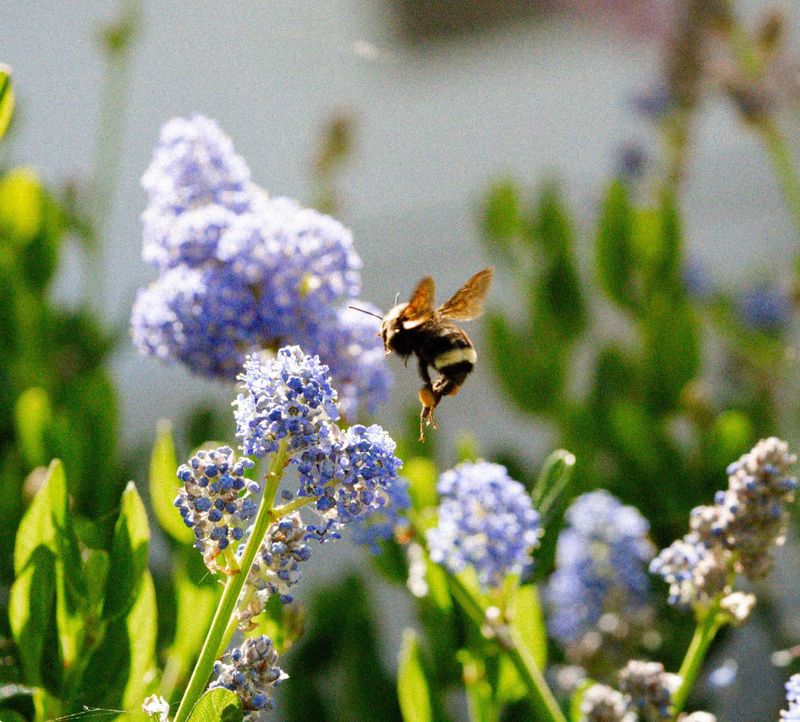
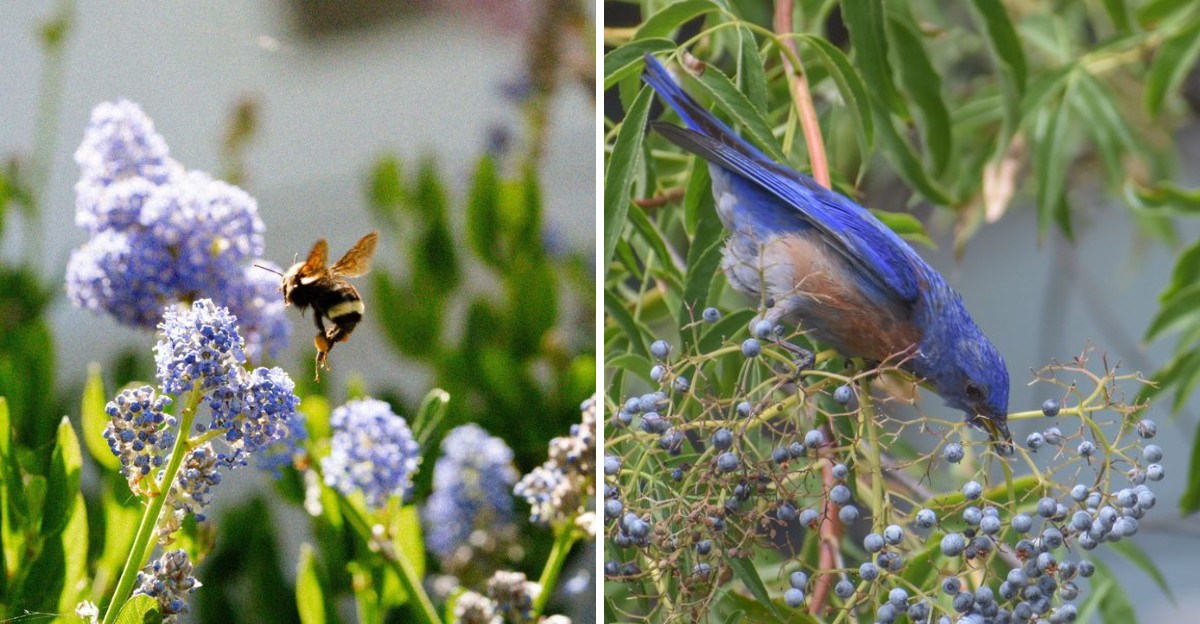
Stand next to a blooming ceanothus in March, and you will hear it before you see the insects working every single flower cluster.
The buzz is steady, almost electric. Clouds of blue or white flowers cover the branches so thickly that leaves nearly vanish beneath the color.
Known as California lilac, ceanothus ranks among the strongest bee magnets in the state, drawing native bumble bees and sweat bees in droves.
Later, seed capsules feed finches and quail, and the dense twiggy structure shelters nesting birds looking for a safe spot to raise young.
Choices run from low groundcovers like Yankee Point to upright shrubs such as Ray Hartman, which can reach 15 feet given enough time.
Drainage is the make-or-break factor with this plant. Plant on a slope or a raised mound if your soil is heavy clay.
During the first year or two, water deeply but infrequently, roughly every two weeks in warm months, keeping moisture away from the crown entirely.
After establishment, most types need little or nothing beyond rain, making them genuinely low-maintenance once past that initial vulnerable stretch.
Many ceanothus varieties are short lived by shrub standards, often 10 to 20 years, so plant a second one down the line eventually.
4. Manzanita Offers Nectar When Little Else Blooms
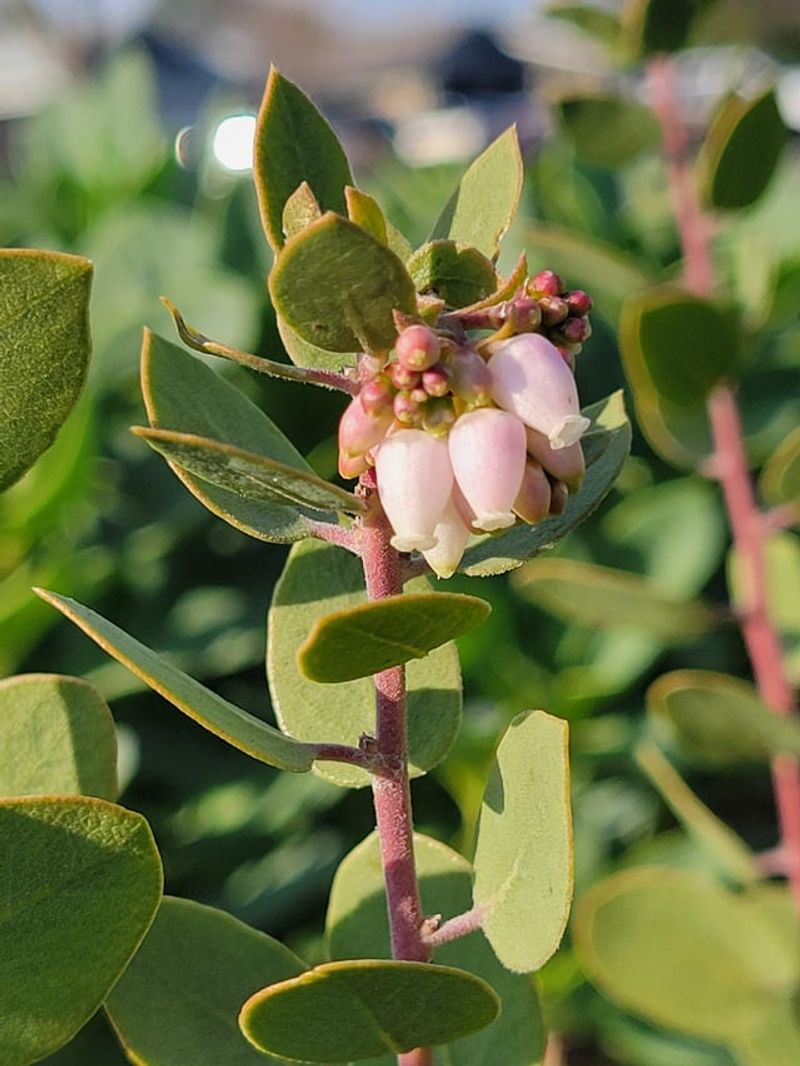
January in most yards is quiet, with almost nothing offering color or food to visiting wildlife during the coldest stretch of the year.
Manzanita ignores the calendar and opens little pink and white urn-shaped flowers while everything else naps through the winter months completely undisturbed.
Hummingbirds, especially Anna’s hummingbirds that overwinter here, depend on that timing heavily, since little else offers nectar during those same cold weeks.
Bumble bee queens emerging early also visit, and they are strong enough to work the bell-shaped blooms without much trouble at all.
Small berries follow in late spring and summer, feeding foxes, coyotes, and birds throughout the warmer months that follow the winter bloom.
Then there is the bark worth mentioning separately. Smooth, twisting, mahogany red limbs make manzanita a sculpture in the garden, even at night.
Sharp drainage is nonnegotiable for this species. Fungal root problems are the main reason manzanitas fail in home gardens, usually from summer overwatering.
Fall planting pairs well with natural rainfall arriving on schedule. Water every week or two during the first dry season to build roots properly.
Choose a local species when possible, since regional forms handle your soil and fog patterns far better than imports from another county entirely.
5. Elderberry Provides Fruit And Shelter
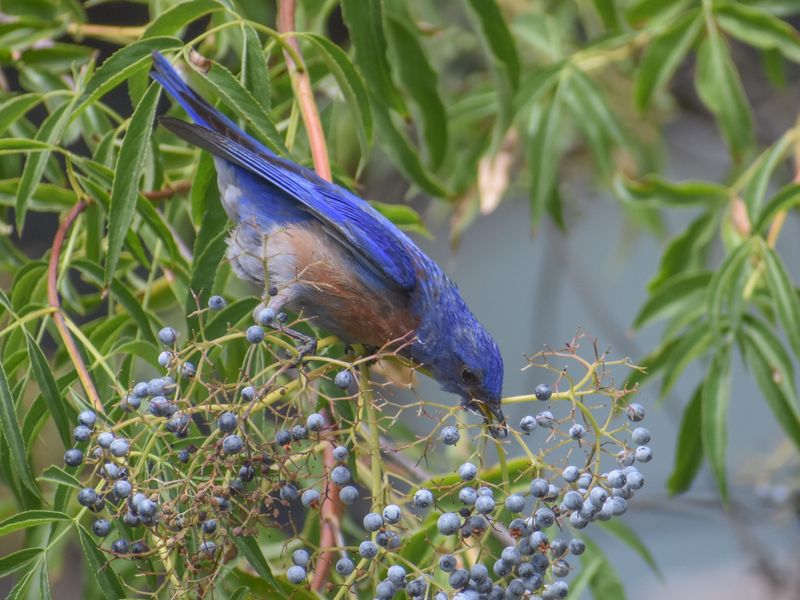
Ask a birder which single shrub packs the most habitat value into one planting, and blue elderberry comes up fast without much hesitation involved.
Flat, creamy flower clusters the size of dinner plates open in spring and swarm with bees, beetles, and butterflies working the blooms constantly.
By midsummer those flowers become dusty blue berries, feeding a remarkable range of wildlife throughout the following weeks and months of late summer.
More than 50 bird species are documented feeding on elderberry fruit, from waxwings and grosbeaks to woodpeckers and orioles passing through the area.
Growth is quick and a bit unruly with this particular shrub. Plants can shoot up 10 to 20 feet, sometimes more, given good conditions.
Prune in winter to keep the form open and manageable, since unchecked growth can quickly overwhelm a smaller yard space available.
Unlike most plants on this list, elderberry appreciates extra moisture, since it naturally grows near creeks and swales in the wild.
Water weekly during the first two summers, then monthly soaks keep it looking full rather than ragged throughout the growing season ahead.
A word of caution for anyone eyeing the fruit themselves. Raw berries and leaves contain compounds that cause stomach upset, so only cooked fruit is safe.
6. California Buckwheat Feeds Native Insects
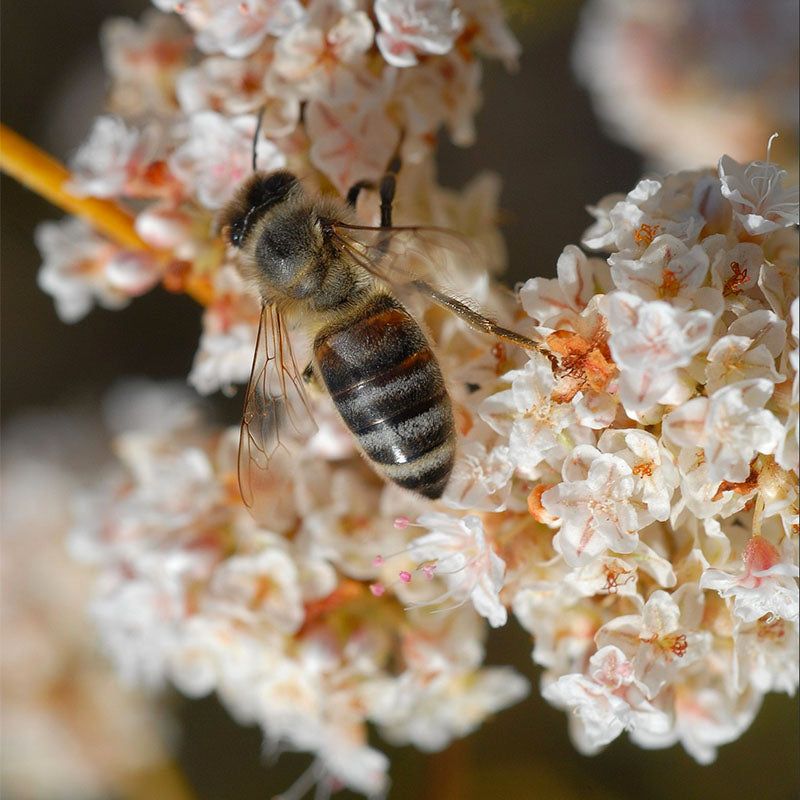
Walk a coastal bluff in July, and the small round flower heads nodding in the wind are probably California buckwheat swaying gently in the breeze.
Honeybees get the credit, but the real story is the native insect crowd working these same flowers throughout the warm summer months.
Tiny sweat bees, leafcutter bees, hover flies, beneficial wasps, and butterflies all pile onto the blooms without much competition between the different species.
Several butterflies, including blues and hairstreaks, use buckwheat species as host plants for their caterpillars, making it a nursery rather than just a nectar stop.
Flowers open white or pale pink in late spring, then age to a rusty copper that holds through fall and winter beautifully.
Leave those dried heads alone once bloom finishes. Finches and sparrows pick the seeds all season, and the faded color looks striking against foliage.
Size stays reasonable, generally 2 to 4 feet tall and wider than tall, with cultivars like Warriner Lytle staying lower and denser overall.
Full sun and lean, fast-draining soil produce the toughest plants, while rich compost and heavy fertilizer tend to make floppy, short-lived growth instead.
Plant in fall and water every week or two through the first warm season for the best establishment results possible with this native.
7. Sage Rounds Out A Wildlife Friendly Yard
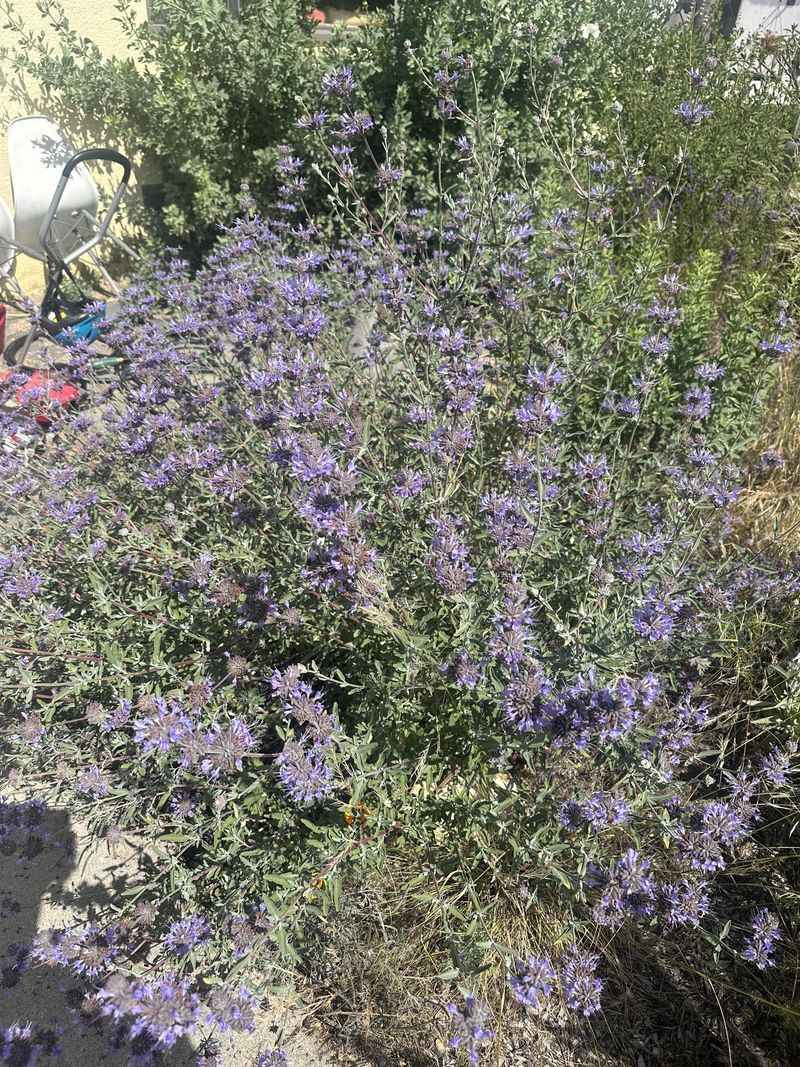
Brush against a native sage on a warm afternoon, and your hand smells like the whole chaparral instantly, carrying that scent with you afterward.
That fragrance comes from oils in the leaves, and it happens to make the foliage unappealing to browsing deer looking for an easy meal.
Pollinators feel very differently about the flowers though. Black sage, Cleveland sage, and purple sage produce whorled flower spikes packed with nectar for visiting insects.
Bumble bees, carpenter bees, and hummingbirds visit constantly from spring into early summer, drawn by the reliable nectar supply these plants offer consistently.
Leave the dried seed heads standing once bloom finishes, and lesser goldfinches will work them for weeks, picking through the seeds methodically.
Sages also fill the middle layer of a garden, which matters more than most people realize when planning a truly wildlife-friendly space.
Plant in full sun with fast drainage for the best results. Cleveland sage and purple sage want dry conditions specifically to thrive properly.
Space plants generously throughout the bed, since crowded sages trap humidity and rot at the base if given too little room.
Here is the shared rule for all seven plants covered throughout this whole piece. Water deeply and regularly through the first one to two growing seasons.
8. Native Grasses Complete The Habitat Picture
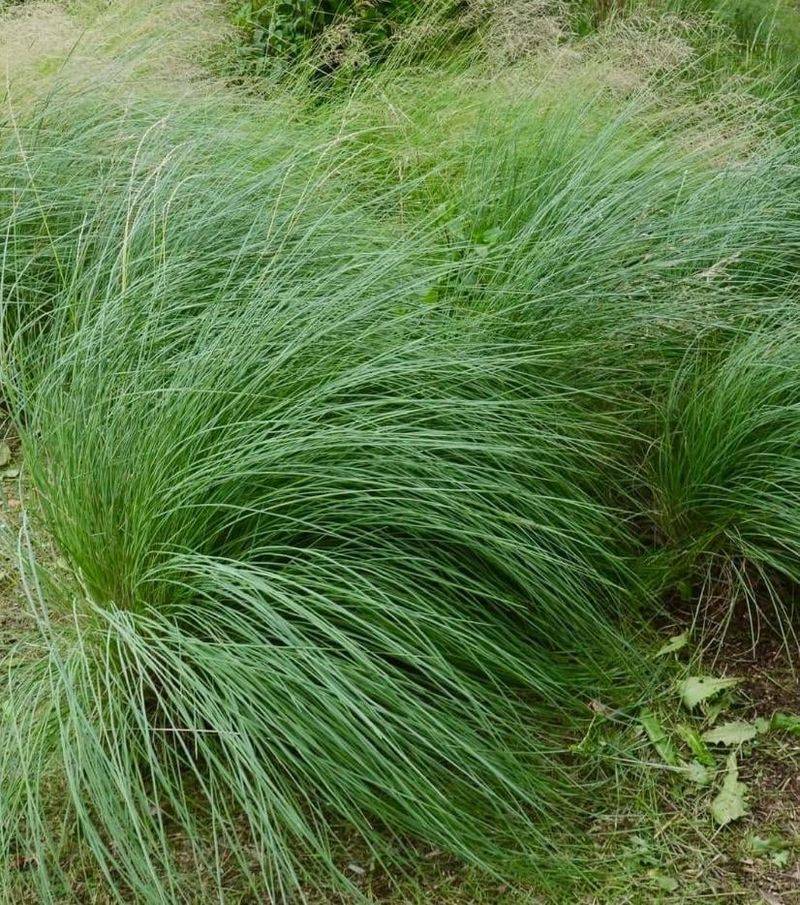
Look closely at a wildlife-friendly California yard, and the shrubs usually get all the credit while the low, unassuming grasses growing beneath them go completely unnoticed by most visitors.
Deergrass, purple needlegrass, and other native bunchgrasses fill the gaps between shrubs, offering seed for sparrows and finches while creating the kind of textured groundlayer birds actually use for cover.
Purple needlegrass, California’s official state grass, hosts several species of skipper butterflies as caterpillar food, quietly supporting an entire generation of insects most gardeners never even notice passing through the yard.
Deergrass forms dense, arching clumps that shelter ground-feeding birds like California quail, giving them somewhere to dart into the moment a hawk shadow crosses the yard overhead.
These grasses ask for remarkably little once established, tolerating both clay and sandy soils across most of the state without much complaint about drainage or fertility levels.
Full sun brings out the best form and seed production, though light shade under an oak canopy still produces a reasonably healthy stand of most native grass species available.
Water weekly through the first summer to establish deep roots, then step back sharply, since established native grasses handle drought about as well as any shrub already covered in this piece.
Cut back deergrass clumps every few years in late winter to remove old, spent growth, though many gardeners simply leave them alone indefinitely since the natural look reads as intentional rather than neglected.
Weaving these grasses between the shrubs already discussed rounds out a planting that works at every level, canopy, shrub, and ground layer, giving local wildlife a complete home rather than scattered pieces of one.