Why Squirrels And Raccoons Keep Eating Your California Jack O Lanterns And How To Stop It
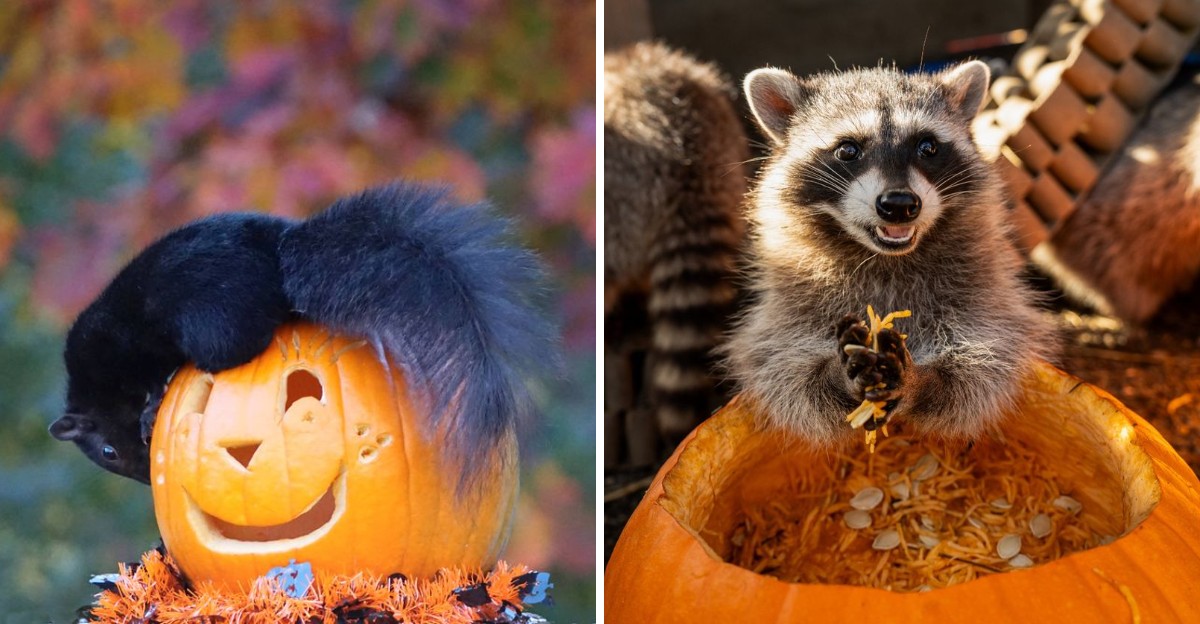
You spent an hour carving the perfect grin, set your jack o’ lantern on the porch, and went to bed feeling like a Halloween legend. Then morning came.
Half the face is gone, the nose has vanished, and pumpkin seeds are scattered across the steps like confetti from a very rude party. Somebody feasted, and you were not on the guest list.
The suspects are small, furry, and surprisingly clever, and in California, where autumn food can get scarce, a carved pumpkin smells like a free dessert buffet. The good news is that you can outsmart them without giving up your favorite fall tradition.
A few simple tricks can help keep your pumpkins looking spooky instead of chewed. Let’s find out who is snacking.
1. Pumpkins Smell Like A Free Buffet
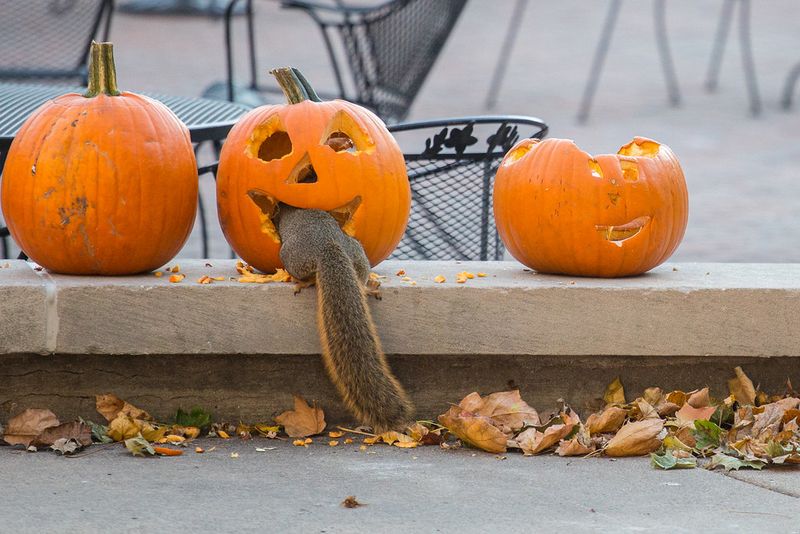
Sweet, wet, and wide open, a freshly carved pumpkin sends out a scent that critters can pick up from far away. Squirrels and raccoons have sharp noses, and the cut flesh smells like a dessert tray to them.
Once you slice into a pumpkin, its sugars and juices start to break down. That ripe smell drifts across yards and fences.
In California, many neighborhoods sit close to oak trees, creeks, and parks, so hungry animals are often just a short trip away.
Pumpkin flesh is soft and easy to chew. Seeds are packed with fat and protein, which animals crave as the weather cools.
A carved pumpkin is basically a snack bowl with a lid already removed.
So what can you do about the smell? Start by cleaning out every last bit of pulp and string.
Wipe the inside with a cloth dipped in a mix of water and a little bleach, about one tablespoon per gallon. Let it dry fully before lighting it.
You can also wait to carve until two or three days before Halloween. A shorter display time means less time for the scent to spread.
Fewer smelly days usually equals fewer furry visitors at your front door.
2. Squirrels Are Stocking Up For Winter
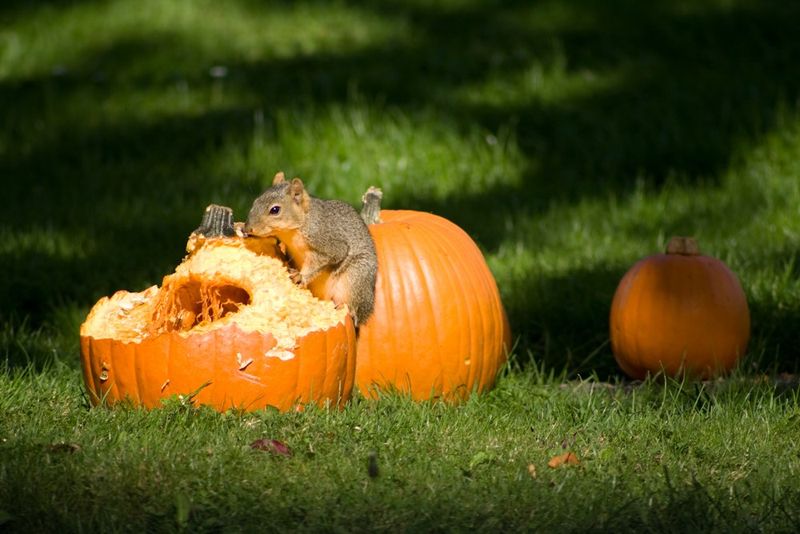
A single tree squirrel can bury thousands of nuts and seeds in one season. Fall is crunch time for them, and your pumpkin seeds look like treasure.
Even though California winters are mild in many areas, squirrels still follow their stash-building habits. Western gray squirrels and fox squirrels are tree squirrels that bury food in many small caches.
California ground squirrels behave a bit differently, since they tend to store food in their burrows. Either way, October is a busy time for all of them.
Acorns are their favorite, but a pumpkin full of seeds is hard to pass up.
Squirrels also need to chew. Their front teeth grow continuously, so gnawing helps keep them trimmed.
The tough pumpkin rind is a handy chew toy that also tastes good.
Here is a smart trick. Give the squirrels something better somewhere else.
Set up a squirrel feeder at the far side of your yard with unsalted peanuts or sunflower seeds. Many gardeners find squirrels will stick to the easy food and leave the porch alone.
Your California Garden Changes Every Week. Your Plan Should Too.
Gardening in California changes quickly throughout the season. Every Friday you’ll receive a simple weekly plan showing exactly what to plant, prune, fertilize, harvest, and protect so you never miss the right timing.
Another tip is to roast and save your pumpkin seeds for yourself instead of tossing them outside. Leftover seeds on the ground invite squirrels to come looking for more.
Sweep up any carving mess right away, and keep compost bins sealed tight so your yard does not turn into a snack station.
3. Raccoons Rule The Night In Neighborhoods
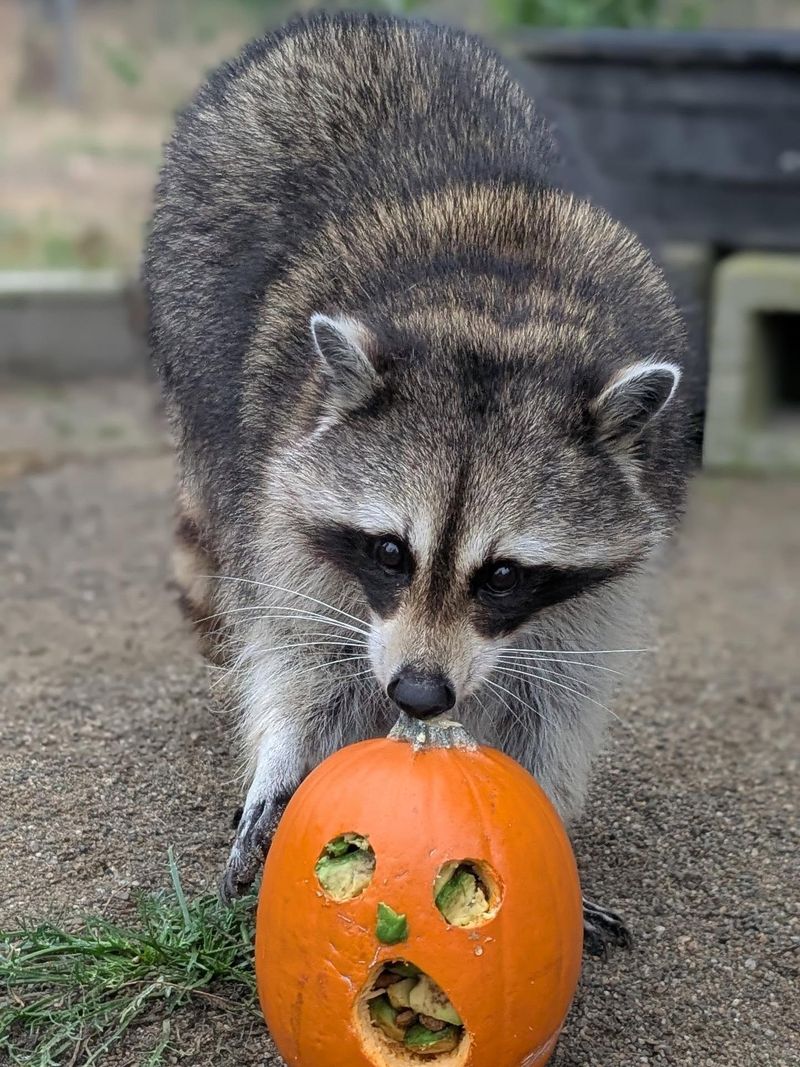
Masked bandits do their best work after dark. While squirrels nibble during the day, raccoons wait until the porch light clicks off and the house goes quiet.
Raccoons are found all over California, from busy cities like San Diego to small mountain towns. They eat almost anything, including fruit, bugs, trash, and yes, pumpkins.
Their nimble front paws can pull a pumpkin apart, tip it over, or even drag it off the steps.
One sign of a raccoon visit is a big mess. Squirrels tend to leave neat little bite marks.
Raccoons usually leave smashed chunks, toppled pumpkins, and muddy paw prints that look a bit like tiny human hands.
To make your porch less inviting, try a motion-activated light. Raccoons like to stay hidden, and a sudden bright light can make them nervous.
Some families also use motion-activated sprinklers aimed near the pumpkins, which gives curious visitors a surprise splash.
Bringing pumpkins inside at night is another simple fix. Set them on the porch in the evening for trick-or-treaters, then move them into the garage before bed.
Raccoons are smart, but they cannot snack on what is not there.
4. Spicy Pepper Spray Works Wonders On California Porches
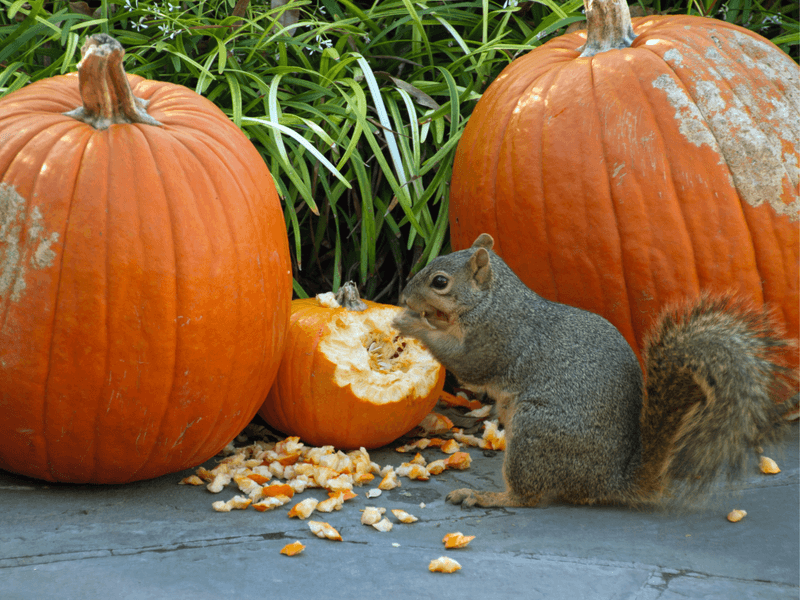
Hot sauce lovers, rejoice. The same heat that makes your tacos tasty may also help discourage hungry mouths from sampling your pumpkins.
Mammals like squirrels and raccoons are sensitive to capsaicin, the compound that makes peppers spicy. A pepper-coated pumpkin may encourage some of them to look elsewhere, though results vary and some animals can get used to the heat.
Birds do not feel the burn from capsaicin, so it is a fairly gentle choice for wildlife.
Making your own spray is easy. Mix two tablespoons of cayenne pepper or hot sauce into a quart of water.
Add a few drops of dish soap to help it stick, then pour it into a spray bottle and shake well.
Coat the outside of your pumpkin and the cut edges. Reapply after rain, sprinklers, or heavy dew.
In dry parts of California, one coat may last a few days, but foggy coastal areas may need frequent touch-ups.
Wear gloves while spraying and keep the mist away from your eyes. Wash your hands afterward, and remind kids not to touch their faces after handling the pumpkins.
Store-bought pepper sprays for gardens are also an option, and they may last longer than homemade versions. Think of spice as one inexpensive tool in a bigger plan rather than a complete fix.
5. Sealing Your Pumpkin Helps In The California Heat
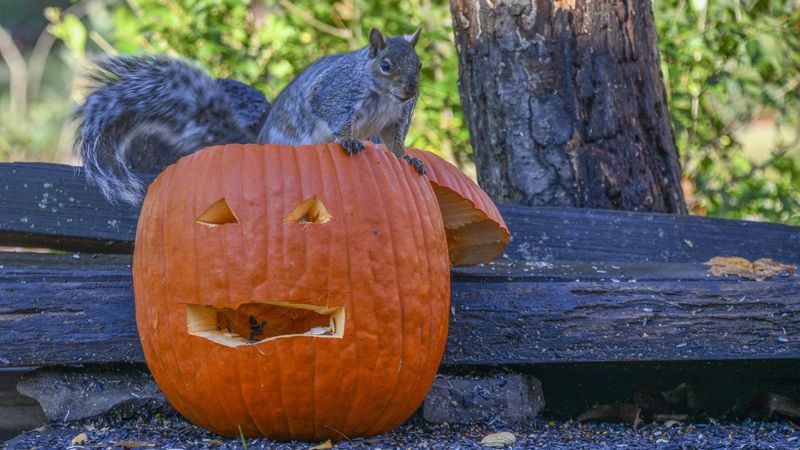
Warm October days are a perk of living in California, but they are rough on carved pumpkins. Heat speeds up rotting, and soft, mushy pumpkins smell even sweeter to animals.
A sealed pumpkin stays firmer and less fragrant for longer. Many people rub petroleum jelly along the cut edges and inside walls.
Others use a clear acrylic spray made for crafts, which forms a thin barrier against air and moisture.
Some folks mix a little cayenne into the petroleum jelly before spreading it on. That way you get two benefits at once.
The pumpkin holds its shape, and any curious nibbler gets a spicy shock.
Keep in mind that sealants can affect wildlife if eaten in large amounts, so use a thin layer. Also, petroleum jelly can catch heat from candles, so switch to battery-powered lights when using it.
LED candles are safer anyway and do not cook the pumpkin from the inside.
Shade helps a lot too. Move pumpkins out of direct afternoon sun, especially in hot inland spots like Sacramento or Riverside.
A cool, shady corner can add several days to your pumpkin’s life and make it less tempting to passing critters.
6. Fake Pumpkins Fool Critters Every Time
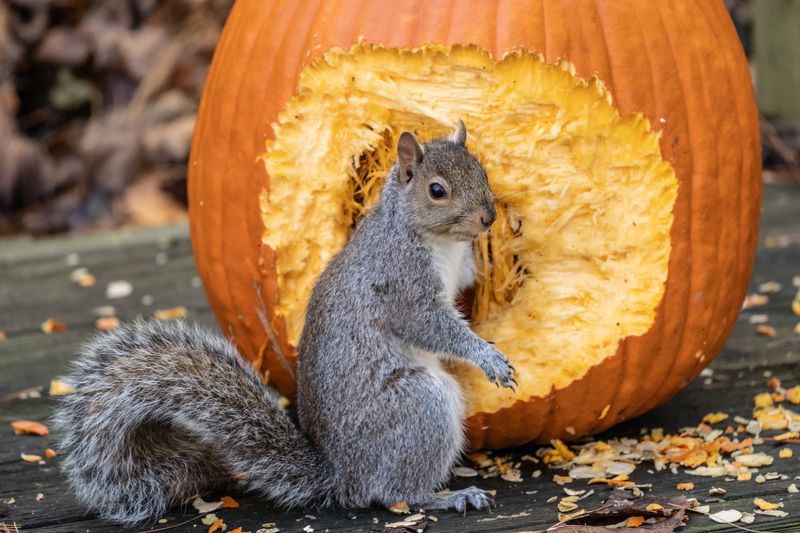
Sometimes the best defense is a clever disguise. Foam and plastic pumpkins look nearly real, and they offer squirrels nothing worth chewing.
Craft stores sell carvable foam pumpkins that feel and cut much like the real thing. You can design your spooky face with a small saw or carving kit.
Since they do not rot, you can use them again next year, which saves both money and effort.
Plenty of California families mix real and fake pumpkins in their displays. Put the artificial ones in spots that are easy for animals to reach, like the bottom step or the edge of a garden bed.
Keep any real pumpkins up high or close to the door where people walk often.
Squirrels may take a test bite or two at first. Once they discover foam has no flavor, many lose interest, though a few may keep testing it.
Here is a bonus idea for crafty kids. Paint small gourds or pumpkins instead of carving them.
An uncut pumpkin has a tough skin and much less smell, so it tends to attract fewer animals. Painted faces can look just as fun, and the pumpkin often lasts for weeks instead of days.
7. Smart Placement Keeps Pumpkins Safer
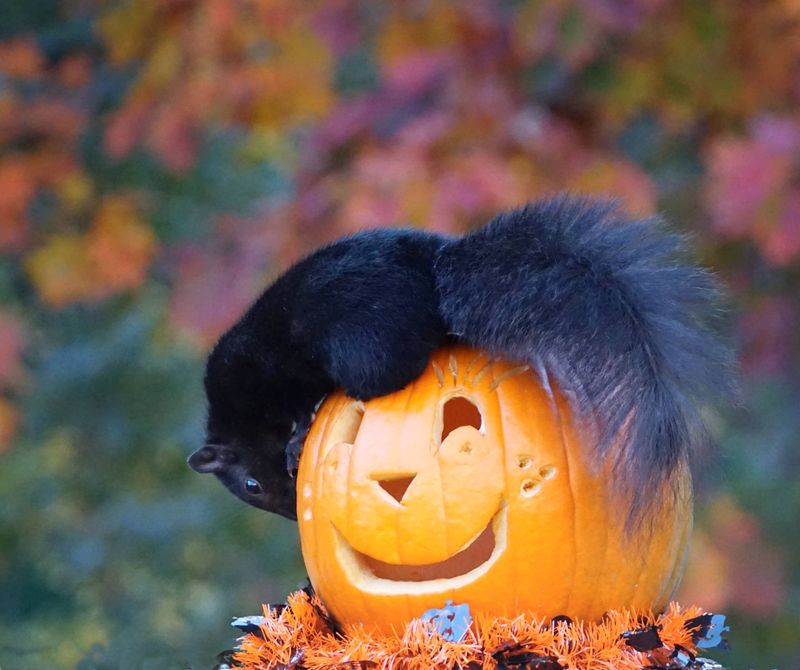
Real estate matters, even for pumpkins. Where you set your jack o lantern can make a big difference in whether it survives until Halloween night.
Squirrels love to travel along tree branches, fences, and rooftops. If your pumpkin sits right under an oak or next to a fence line, it is basically sitting on their highway.
Moving it a few feet away from these paths can cut down on visits.
Try raising pumpkins up off the ground. A sturdy table, a plant stand, or a window ledge makes access harder.
Some people even hang lightweight pumpkins in baskets from a porch hook, though raccoons are strong climbers, so this works better against squirrels.
Busy areas help too. Animals are often shy around people and pets.
A pumpkin near your front door, where folks come and go, gets less attention than one tucked in a quiet corner of the yard.
Think about your pets as well. A dog that spends time on the porch can be a great guard.
Just make sure pets cannot chew the pumpkins themselves. Across California, from tiny apartments to big ranch homes, a little planning about placement goes a long way toward keeping your carvings looking sharp.
8. Natural Scents Pests Can’t Stand
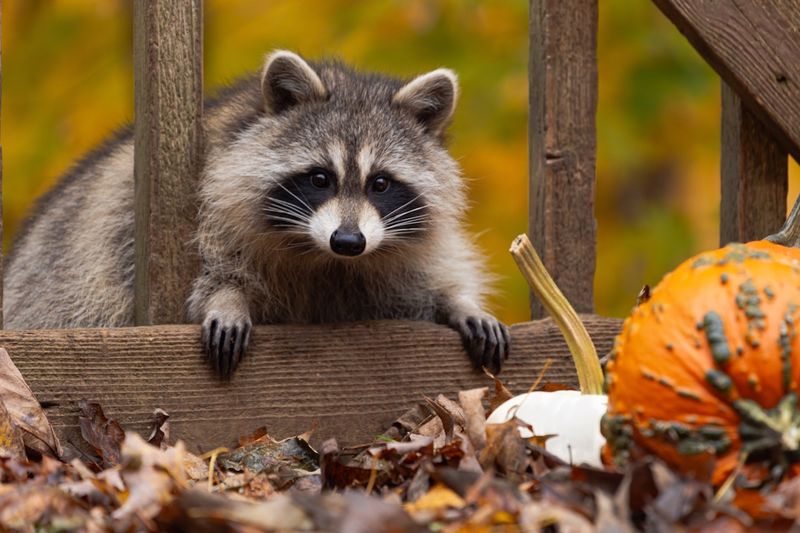
Ever walked into a room with a smell so strong you wanted to leave? Some gardeners believe squirrels and raccoons feel the same way about certain scents.
Peppermint oil is a popular choice. Some people soak a few cotton balls in it and tuck them near the pumpkins, hoping the minty blast covers up the sweet pumpkin smell.
Apple cider vinegar sprays and garlic are other home remedies that gardeners mention. Used coffee grounds are another one.
It is worth being honest here. These scent methods are mostly anecdotal, and UC sources do not verify them as reliable ways to keep squirrels or raccoons away.
Think of them as something to try alongside other steps, not a dependable solution on their own.
Pet safety matters too. Peppermint oil, garlic, and coffee grounds can be harmful to dogs and cats if eaten or licked.
If pets spend time on your porch, skip these scents or keep them well out of reach.
Remember that scents fade, especially outdoors. In breezy spots near the California coast, smells blow away faster, so any scent trick would need frequent refreshing.
Combining a few strategies, such as moving pumpkins indoors at night, using a motion-activated light, and cleaning out the pulp, tends to make more difference than any single scent.
9. Know The Wildlife Rules Before You Act
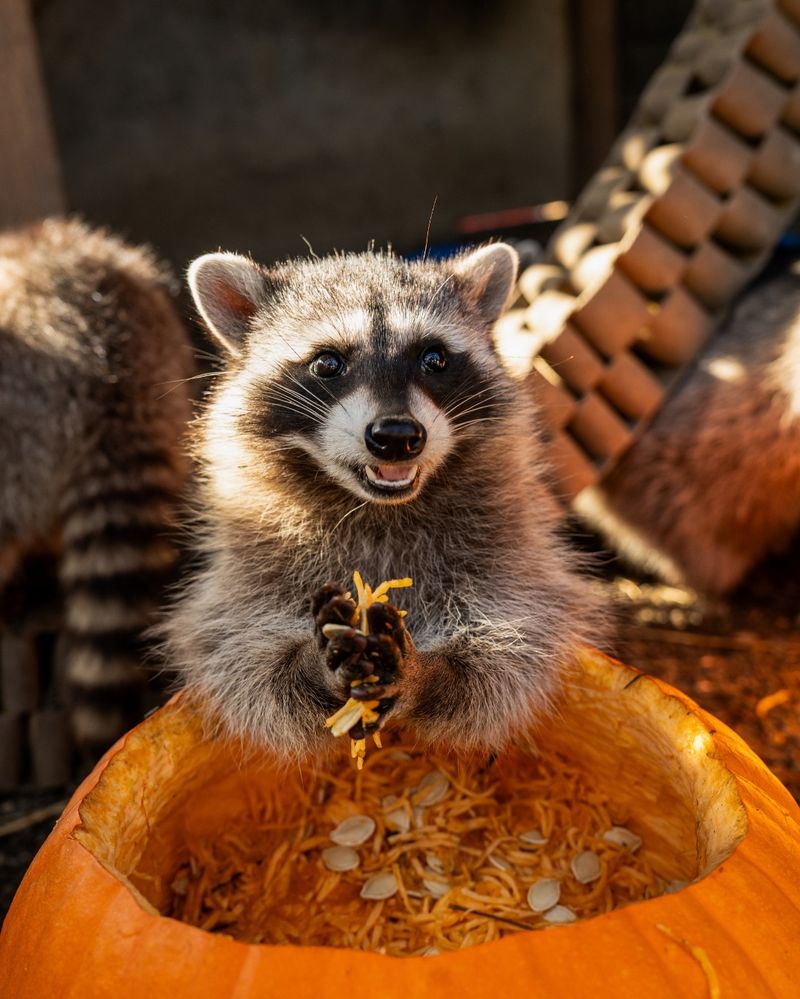
Frustration can tempt anyone to grab a trap, but wild animals have legal protections. Knowing the rules keeps you out of trouble and keeps critters safe.
In California, raccoons and squirrels are covered by state wildlife regulations. The California Department of Fish and Wildlife generally does not allow trapped nuisance wildlife to be relocated and released somewhere else.
Rules can be specific to the species and situation, so check CDFW guidance or ask a licensed wildlife professional before trapping anything.
Relocated animals also struggle in unfamiliar places, so moving them rarely solves the problem for long.
Feeding raccoons on purpose is a bad idea too. It teaches them to lose their fear of people, which can lead to bigger issues like getting into attics or garbage cans.
Raccoons can also carry illnesses, so keep kids and pets at a safe distance.
The kinder path is prevention. Lock trash cans, pick up fallen fruit, cover pet food, and seal gaps under decks or sheds.
These steps make your whole yard less attractive, not just your pumpkins.
If an animal seems sick, hurt, or is living in your home, call a licensed wildlife control service or your local animal services office. They know how to handle situations safely.
With a little patience and a few smart habits, you and your furry neighbors can share the season peacefully.