The Yard Cleanup That Can Make Rattlesnake Encounters Less Likely Around Your California House
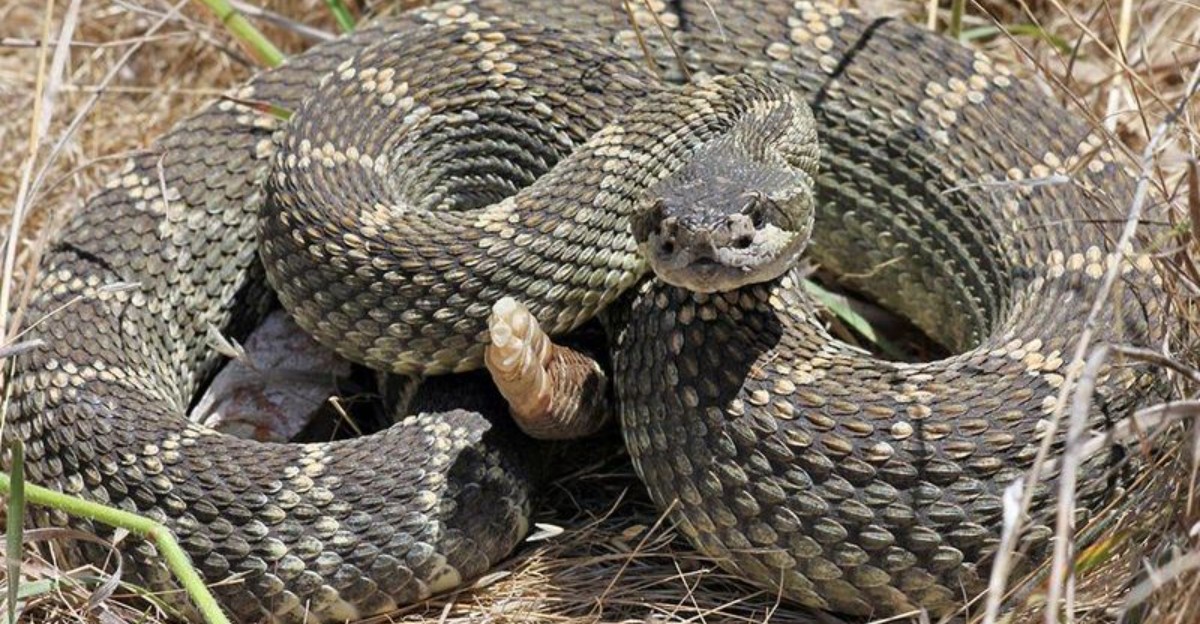
Rattlesnakes are a natural part of life across much of California, from coastal canyons to foothill neighborhoods and desert edges.
Most encounters near homes happen for simple reasons. These reptiles look for shade, shelter, and an easy meal, and many yards supply all three without anyone realizing it.
The good news is that changing a few conditions can make a property far less inviting.
No chemicals, gadgets, or special bravery are required, just a plan, sturdy gloves, solid boots, and a free weekend or two.
Each change chips away at the reasons a snake might linger near a doorstep.
Careful, unhurried work matters throughout, and any snake that does turn up deserves distance and a call to a professional.
Clear Brush And Tall Grass Near The House
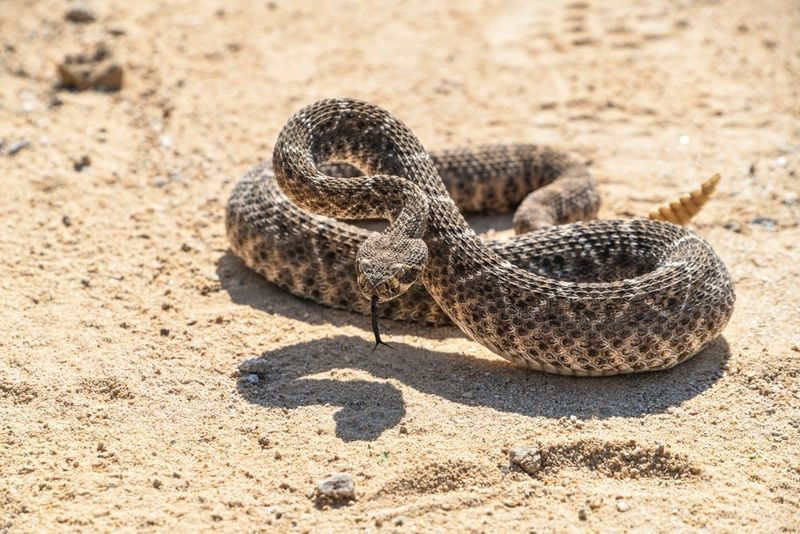
On a hot afternoon, a rattlesnake seeks shade, cool ground, and a spot hidden from hawks. A thick tangle of brush or knee-high grass beside a patio meets every need.
UC IPM lists heavy brush and tall grass among the top places rattlesnakes seek cover.
Cutting that growth back near the house removes hiding spots closest to where families walk, play, and garden. Starting right around the home, then working outward, makes the job manageable.
Grass mowed short, especially along fences, walkways, and lawn edges, offers little cover, and pulling weeds early keeps them from turning into a jungle.
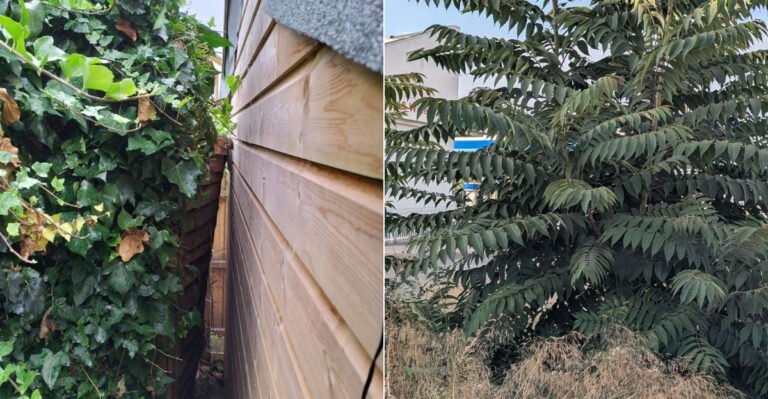
Dense ground covers such as ivy can also shelter snakes, so thinning them or replacing them with lower plants near doors helps.
Safety matters during clearing. Thick gloves, long pants, and sturdy boots protect against surprises, and a long rake or loppers keeps hands out of hidden spaces.
Probing a patch before stepping in helps, and reaching anywhere hands can’t be seen is best avoided.
In California, this chore pulls double duty. Clearing dry brush near the home also builds the defensible space fire officials recommend, including the five-foot zone covered by Zone 0 rules.
Hauling cuttings away matters, since a fresh pile of brush simply creates a new hiding spot.
Rattlesnakes often shelter in brush during midday summer heat and bask in mornings during cooler fall weather, so caution applies at every hour.
Remove Rock And Wood Piles
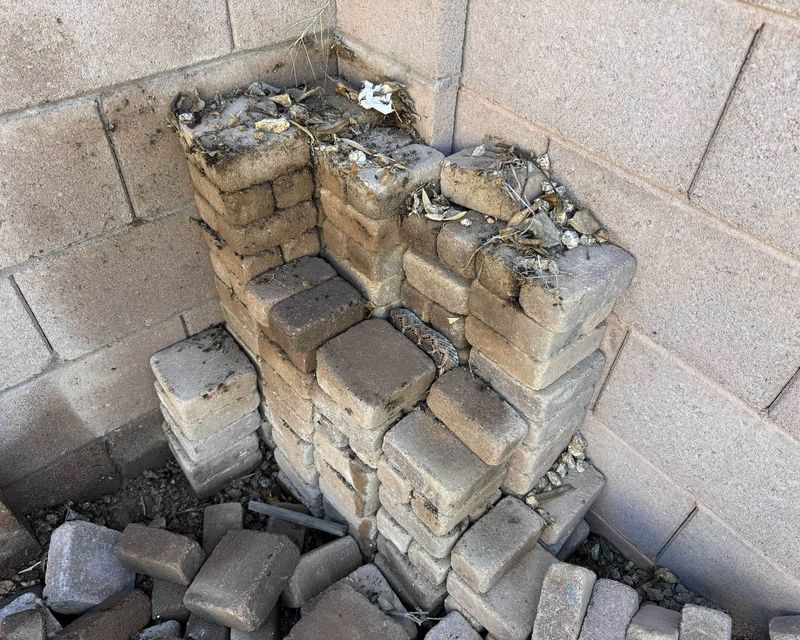
A stack of leftover pavers from an old patio project looks harmless. To a rattlesnake, it resembles a five-star hotel with cool rooms and plenty of nooks.
Rock piles, scrap lumber, and fallen logs all create the shady gaps snakes favor.
UC IPM recommends removing rock piles, logs, and lumber piles around homes. Each offers snakes shelter while also attracting mice and rats, which bring snakes hunting for food.
Removing the pile solves two problems at once.
Taking a pile apart calls for patience, since snakes may be resting inside, especially on warm days or cool mornings. Cool fall mornings often find snakes tucked deep inside such piles.
Heavy gloves, boots, and a shovel, pry bar, or long tool keep hands at a distance. Tipping each rock or board away from the body gives anything underneath room to leave.
Your California Garden Changes Every Week. Your Plan Should Too.
Gardening in California changes quickly throughout the season. Every Friday you’ll receive a simple weekly plan showing exactly what to plant, prune, fertilize, harvest, and protect so you never miss the right timing.
Planning where debris will go saves effort. Recycled lumber, stones offered to someone with a project, or a scheduled bulk pickup all work well.
Moving a pile to another corner of the yard simply relocates the problem.
Decorative rock walls and boulders can stay, ideally with large cracks filled where possible. A rock border around flower beds works fine when it sits tight and flat.
Loose, open stacks cause the real trouble. Each piece deserves careful handling, turned slowly and from a safe angle, until the whole pile is gone.
Stack Firewood Away From The House
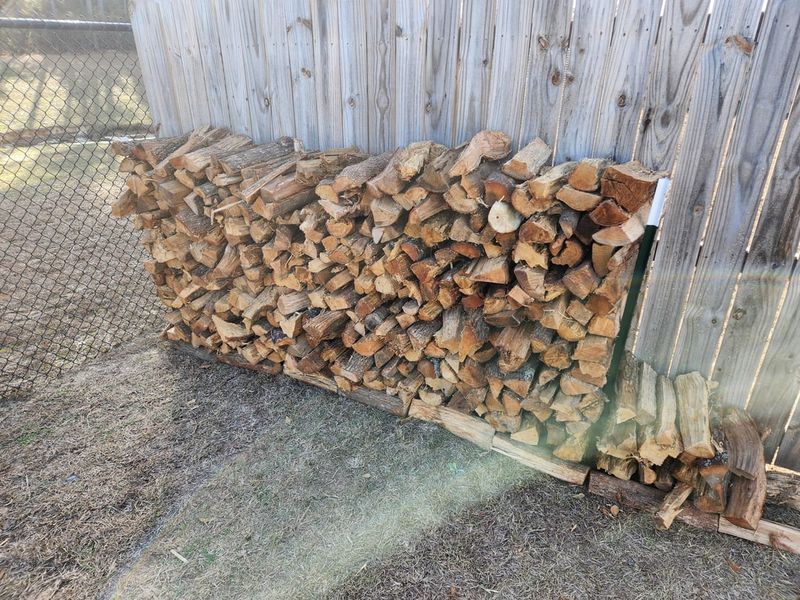
A cozy winter fire starts with a woodpile, and that pile often ends up against the house for convenience.
Unfortunately, it also gives snakes and rodents a sheltered spot just steps from the back door.
Firewood stacks are full of shaded gaps, and mice love nesting in them, with rattlesnakes following close behind.
Moving wood toward the edge of the yard pushes that entire food chain farther from where people walk.
CAL FIRE guidance places firewood at least 30 feet from structures, and the Zone 0 rules approved this year exclude it within the first five feet of homes in designated areas.
A raised rack keeps wood off the ground, leaving less dark space underneath and making anything hiding below easier to spot. A neat, tight stack beats a loose, tumbled one.
Retrieving wood calls for care. Gloves, a look before reaching, and pulling pieces from the top rather than digging into the middle all reduce risk.
At night, a flashlight helps, since many bites happen when hands go where eyes can’t see.
Burning through older wood each season prevents a stack from sitting for years and becoming a permanent shelter. Fall makes an ideal time to relocate a woodpile, before heavy winter use begins.
Bringing in only a few days’ supply at a time, kept in a closed bin near the fireplace, limits indoor surprises as well.
Trim Shrub Skirts Off The Ground
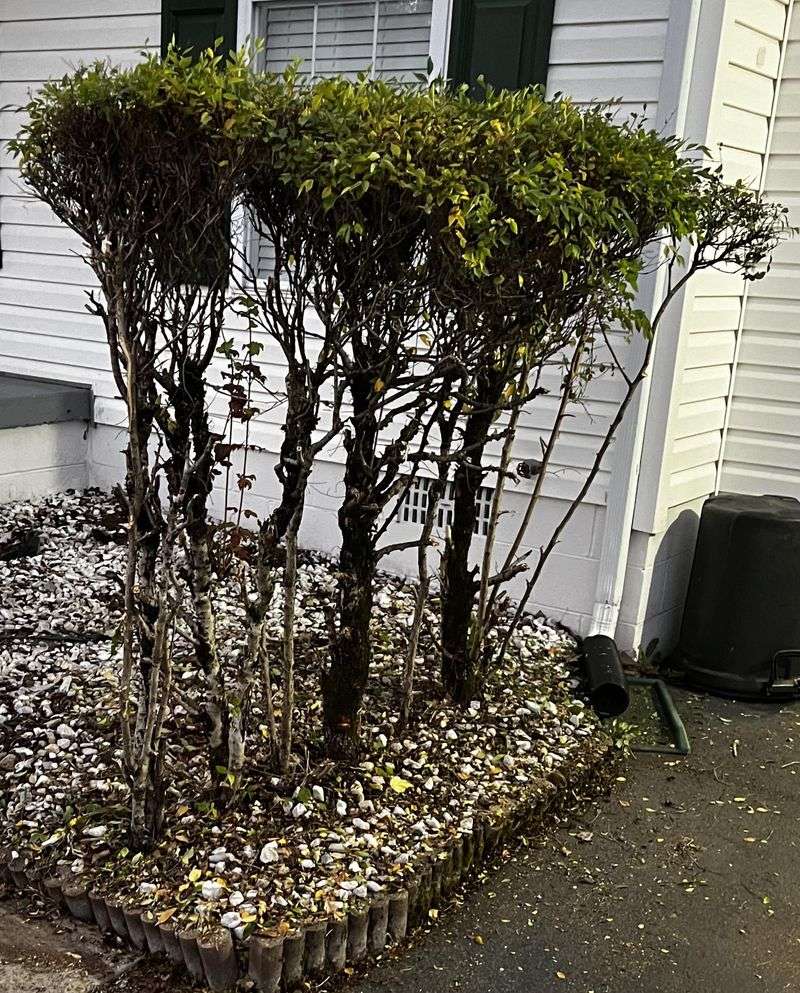
A glance under the bushes often reveals lower branches spreading across the dirt like a wide skirt, forming a shady tent a snake can slip beneath on a hot day.
Nobody can see what rests there without getting uncomfortably close.
Dense vegetation ranks among the hiding spots UC IPM points to for rattlesnakes. Shrubs with branches resting on soil keep the ground cool and concealed.
Lifting those branches lets in light and air, making anything underneath far easier to spot.
Long-handled loppers or pruning shears can remove the lowest branches, ideally leaving about a foot of open space between soil and foliage. Wiping blades with household disinfectant between shrubs limits disease spread.
Shrubs still look full afterward, just a bit more like they’re standing on tiptoe.
Working from the outside keeps things safer, since crawling under bushes or reaching blindly into the middle is best avoided.
Raking out dry leaves trapped beneath plants removes another cozy hiding layer.
Shrubs beside doors, walkways, and the spigot where watering cans get filled deserve extra attention, since hands and ankles visit those spots often.
Shrubs within five feet of the house also fall under Zone 0 guidance in designated fire hazard areas.
Lifted shrubs also make it harder for rodents to hide, and they reduce fire fuel touching the ground. The garden gets tidier, while snakes lose a favorite hangout.
Clippings belong in the green waste bin rather than a pile at the property’s edge.
Seal Gaps Under Decks And Foundations
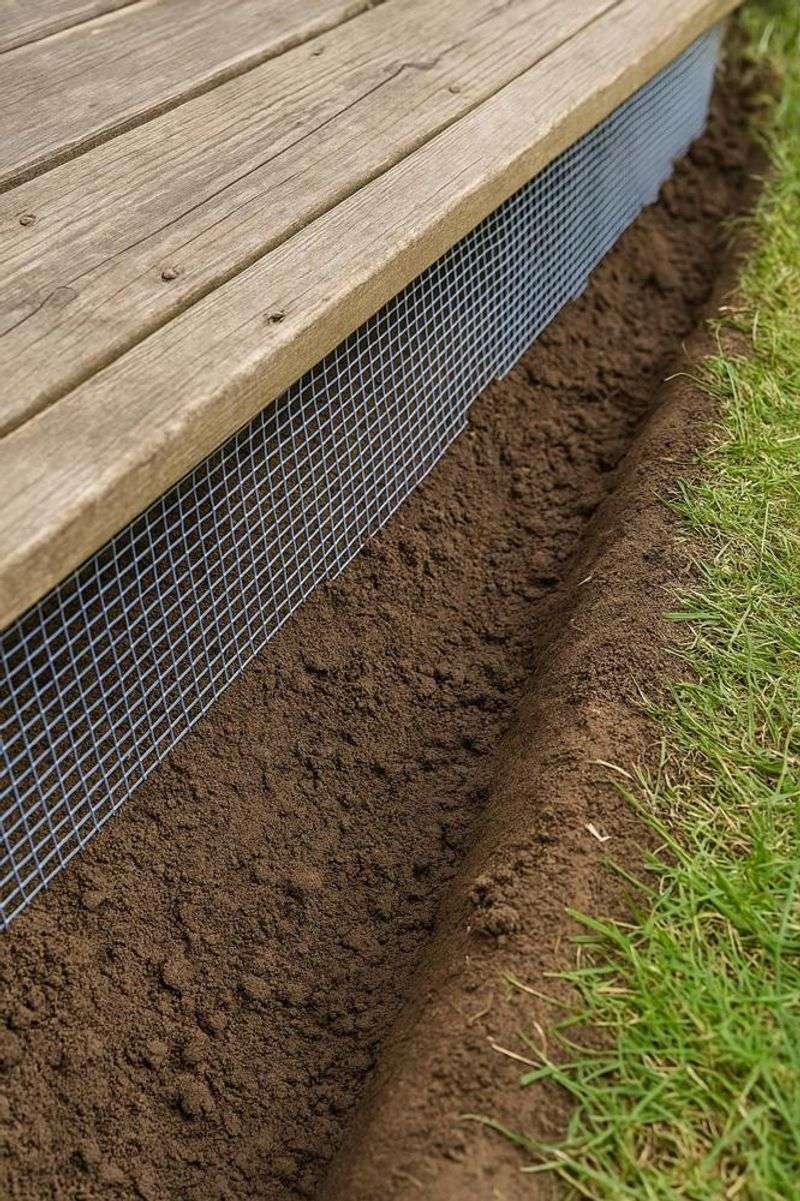
A rattlesnake needs no grand doorway. A narrow crack under a deck or a hole in a foundation vent can suffice for a young snake.
UC IPM advises sealing openings larger than about a quarter inch under and around buildings.
A slow walk around the house reveals likely entry points. Spots where pipes enter walls, crawl space doors, porch steps, and the bottom edges of decks all deserve a look.
Gaps in siding, broken vent screens, and spaces where soil has washed away from the foundation count too.
For decks and crawl spaces, galvanized hardware cloth with quarter-inch or smaller mesh works well, buried several inches deep with the bottom edge bent outward to discourage digging.
Torn vent screens need repair, small cracks can be filled with sealant or mortar, and weatherstripping closes gaps under garage and exterior doors.
In fire-prone areas, vents with eighth-inch metal mesh block both embers and animals.
Before sealing anything, confirming that no animal already lives inside matters, since trapping a snake or rodent under a deck creates a bigger problem.
A suspected snake under a structure calls for a professional wildlife service rather than reaching in or attempting to flush it out.
The space beneath a deck is often dark, cool, and laced with rodent trails, so closing it off pays off.
A spring check each year catches settling soil and weak spots that animals test, and small repairs keep uninvited guests from moving in later.
Reduce Rodents To Remove The Food
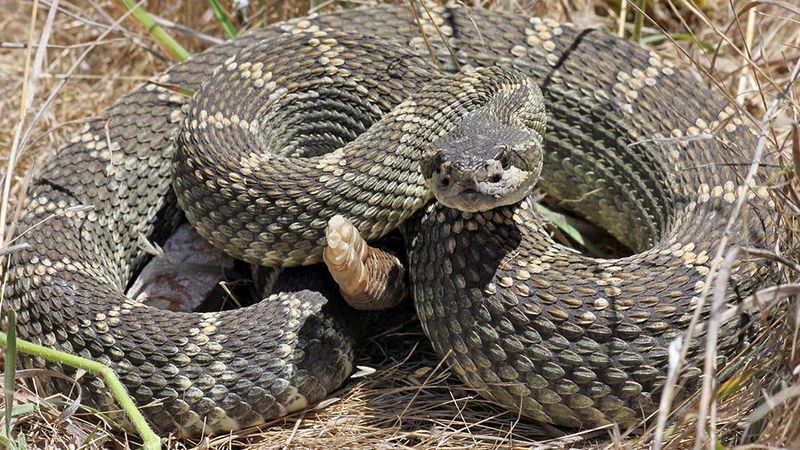
Following the food often leads straight to the snake. Rattlesnakes mostly eat rodents such as mice, rats, gophers, and ground squirrels, so a yard full of easy meals invites visits.
UC IPM notes that rattlesnakes often shelter in rodent burrows too, giving rodents a double role as both menu and lodging.
Cutting back the rodent population makes a property far less attractive.
Food sources come first. Pet food and birdseed stored in sealed metal or heavy plastic containers, fallen fruit picked up promptly, and spilled seed cleaned up all help.
Bird feeders moved away from the house, trash cans with tight lids, and well-managed compost keep the buffet closed.
Rodent shelter comes next. Earlier steps, such as clearing brush, removing wood piles, and sealing gaps, help here as well.
Rodents and snakes favor many of the same hiding places, so a tidy yard works on both fronts.
Persistent rodent activity calls for a licensed pest professional, and UC IPM Pest Notes cover ground squirrels and gophers in detail.
Poison baits deserve caution, since they can harm pets, owls, hawks, and other wildlife that eat rodents. Encouraging barn owls and other predators offers a gentler supporting approach.
Ironically, rattlesnakes excel at rodent control themselves. The goal is simply encouraging them to do that job somewhere well away from the doorstep.
A snake spotted near the house deserves distance and a call to a professional removal service.