8 Clues Your Virginia Yard Is Ready For The First Frost
One day your yard is still buzzing with summer activity, and the next, cooler air, slower grass, and changing plants make it clear that frost is getting closer.
Virginia’s first frost can arrive at different times depending on where you live and how the season unfolds, so watching your yard can be more useful than relying on a date alone.
The landscape starts dropping clues well before temperatures hit freezing. Leaves change, soil cools, grass growth slows, and some plants begin preparing for colder weather.
Spotting these signs gives you a valuable head start and helps you know when your yard is shifting into its next season.
1. Grass Growth Starts Slowing As Cooler Nights Set In
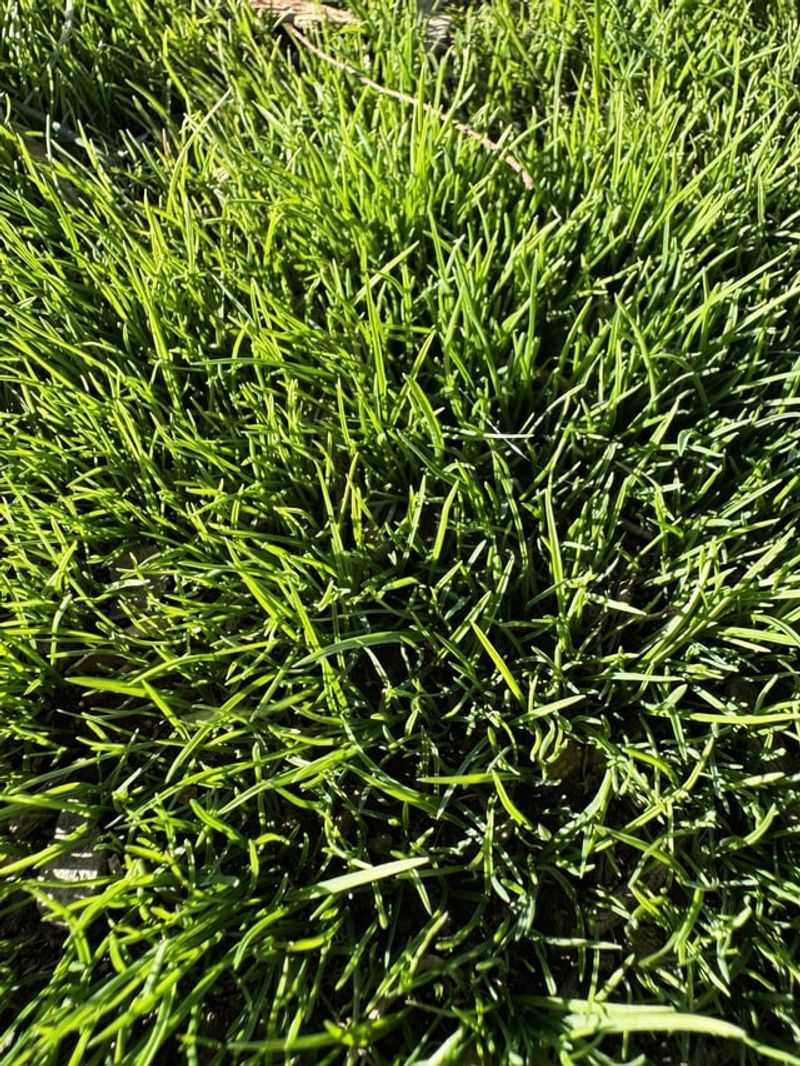
Remember mowing twice a week in June? By mid-October that chore quietly shrinks to once every ten days, sometimes less.
Cooler nights are the trigger. As temperatures cool, lawns gradually slow their growth.
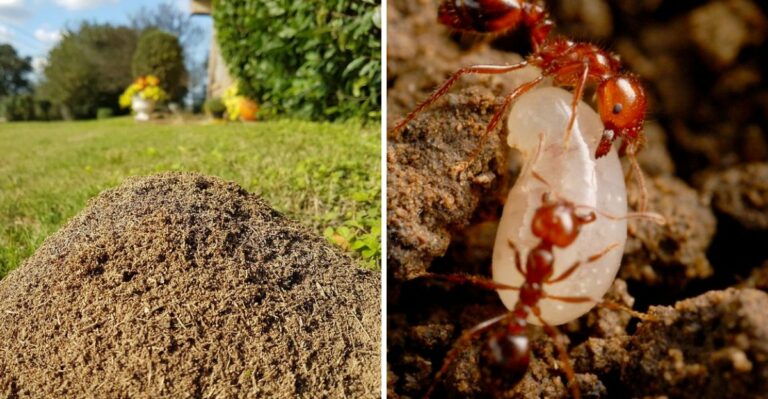
Warm-season grasses respond first, while cool-season grasses such as tall fescue and Kentucky bluegrass can keep growing well into fall.
Warm-season grasses react first. Bermuda and Zoysia fade to a tan or straw color, which looks alarming but simply means the turf is resting.
Cool-season types behave differently. Tall fescue and Kentucky bluegrass keep a decent green, though their blades stretch far more slowly than they did in spring.
Along the coast near Virginia Beach, fescue can creep along all winter. Homeowners there often pull the mower out once or twice in January just to tidy things up.
Use the slowdown as a planning cue. Set your blade a touch higher for the last couple of cuts so roots keep a bit of insulation.
Clippings matter too. Leaving short clippings on the lawn returns nutrients without smothering the crowns underneath.
Watering can taper as well. Cooler air means less evaporation, so a lawn that begged for water in August gets by on far less now.
One more tip worth trying: sharpen your mower blade before storing it. A clean cut in late fall leaves fewer ragged tips for fungus to sneak into over winter.
When the growth chart flattens out, the season is winding down, although the first frost may still be weeks away depending on where you live.
2. Trees Begin Dropping Leaves Across The Yard
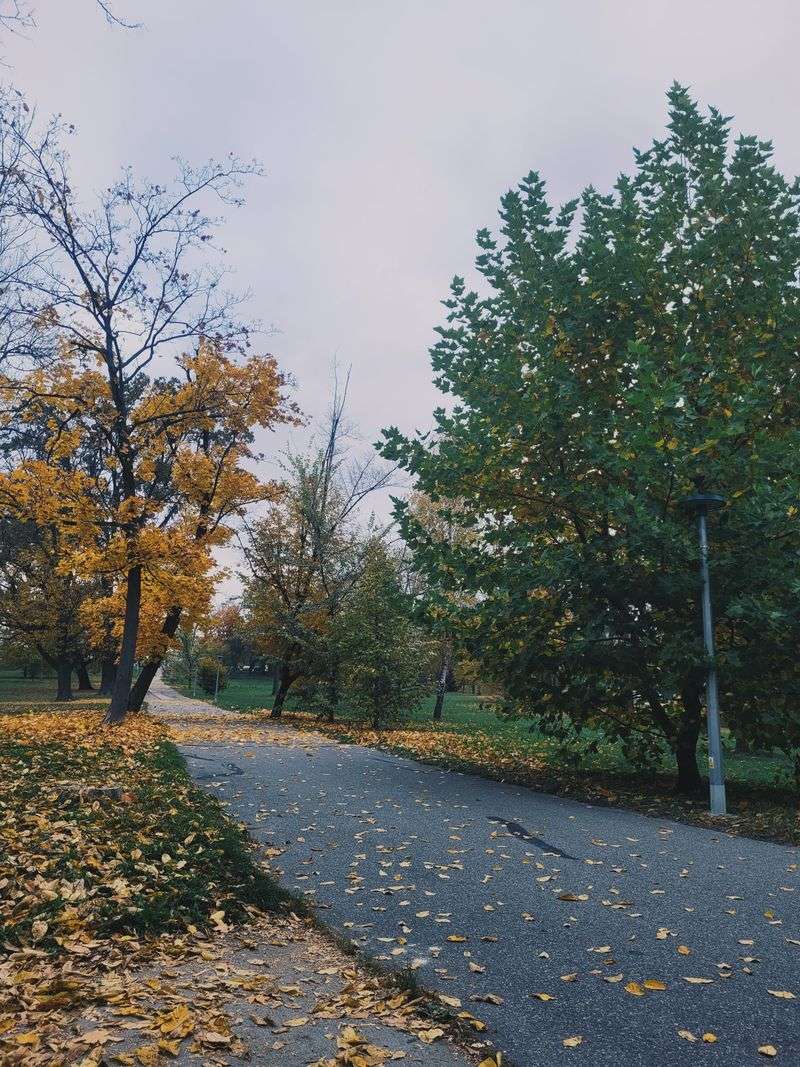
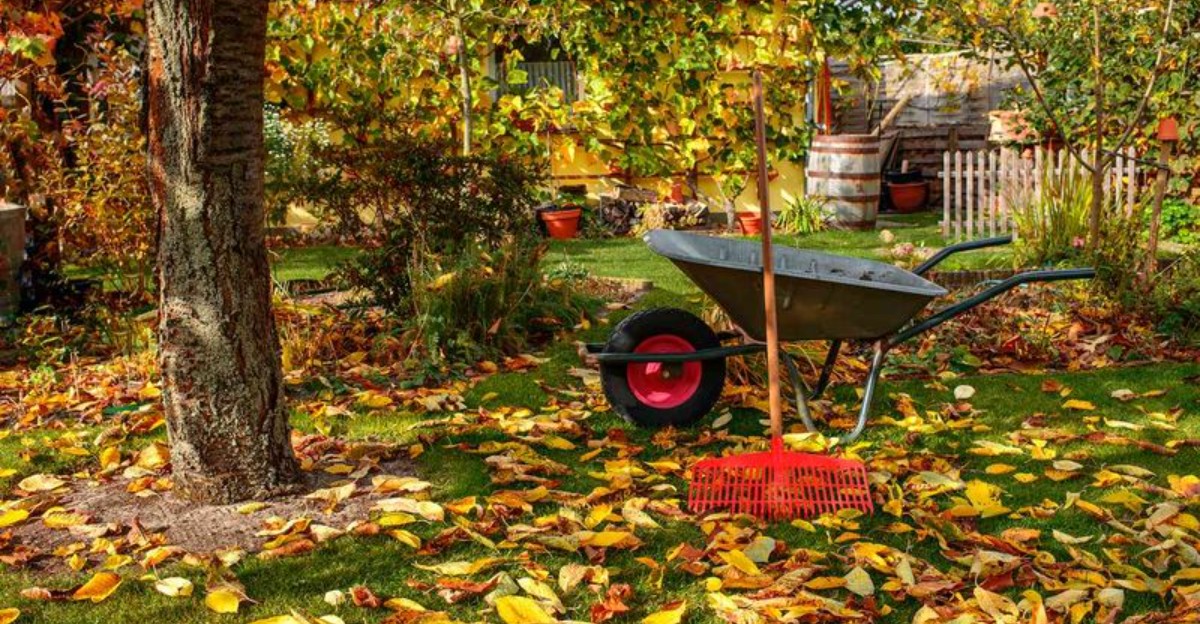
The sound gives it away first. Leaves skitter across the driveway, and suddenly the rake earns its keep again.
Deciduous trees shed their leaves as part of the seasonal shift into dormancy, with day length, temperature, and plant hormones all helping trigger the process. Bare branches also catch less wind, which helps them ride out winter storms.
Day length starts the countdown. Temperature swings and soil moisture then fine-tune exactly when each tree lets go.
Peak fall color varies widely across the state, arriving earlier in the mountains and later in warmer coastal areas. Once that color deepens and leaves start raining down, frost is close behind.
Early drops tell a different story. Leaves falling heavily in September often point to summer drought stress, heat strain, or an insect problem rather than normal seasonal change.
Your Virginia Garden Changes Every Week. Your Plan Should Too.
Gardening in Virginia changes quickly throughout the season. Every Friday you’ll receive a simple weekly plan showing exactly what to plant, prune, fertilize, harvest, and protect so you never miss the right timing.
Keep an eye on which tree is dropping early. A single struggling maple in an otherwise healthy yard is worth a closer look at the trunk and roots.
Fallen leaves can work for you. Run the mower over a thin layer and the shredded bits feed the lawn instead of clogging it.
Thick piles are another matter. Wet mats left sitting on turf block light and invite mold patches by February.
Save some leaves for garden beds. A few inches spread over perennials acts like a blanket once the ground chills.
Here is a fun bit of trivia: trees grow a small corky layer at the base of each leaf stem that gently pushes the leaf free.
3. Tender Annuals Start Showing Cold Weather Stress
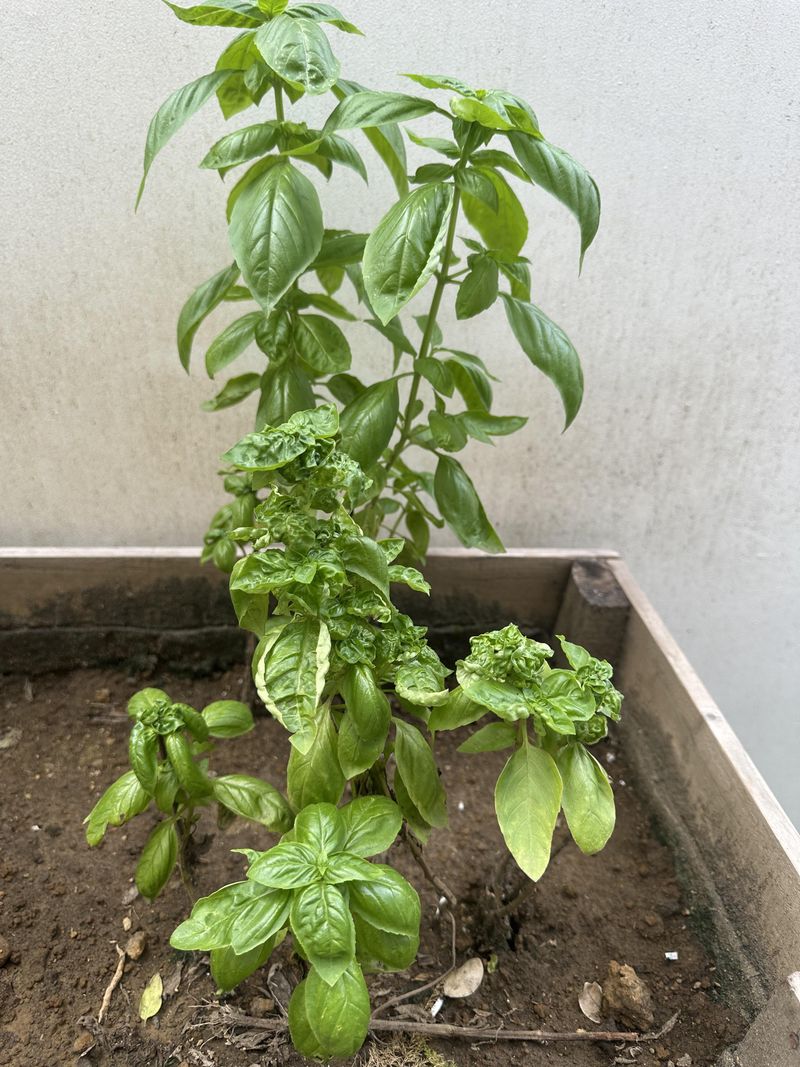
Your basil looks sulky. That drooping, slightly bruised appearance is one of the earliest warnings a gardener gets.
Warmth lovers feel the chill first. Petunias, impatiens, tomatoes, peppers, coleus, and sweet potato vine all react to cooling soil well before actual frost.
Watch the leaves closely. Curling leaves, slowed growth, and loss of vigor can signal that tender plants are reacting to cooler temperatures.
Growth stalls too. Blooms slow down, new shoots stop appearing, and watering barely perks anything up the way it did in July.
Tiny water beads along leaf edges are another clue. So is leaf drop that skips the usual yellowing stage entirely.
Once frost lands, the changes are hard to miss. Leaves wilt, turn brown or black, and stems feel soft or mushy to the touch.
Damage does not always show up overnight. Some plants look fine at breakfast and collapse two or three days later.
Old bedsheets are your friend. Drape them over tender beds before sunset and remove them once the morning sun warms things up.
Containers have it easier. Slide pots against a south-facing wall or tuck them in the garage on borderline nights.
Harvest while you can. Green tomatoes ripen on a windowsill, and basil freezes beautifully in olive oil ice cubes.
Treat these stressed annuals as your yard’s early alarm system.
4. Perennials Begin Going Dormant As Winter Approaches
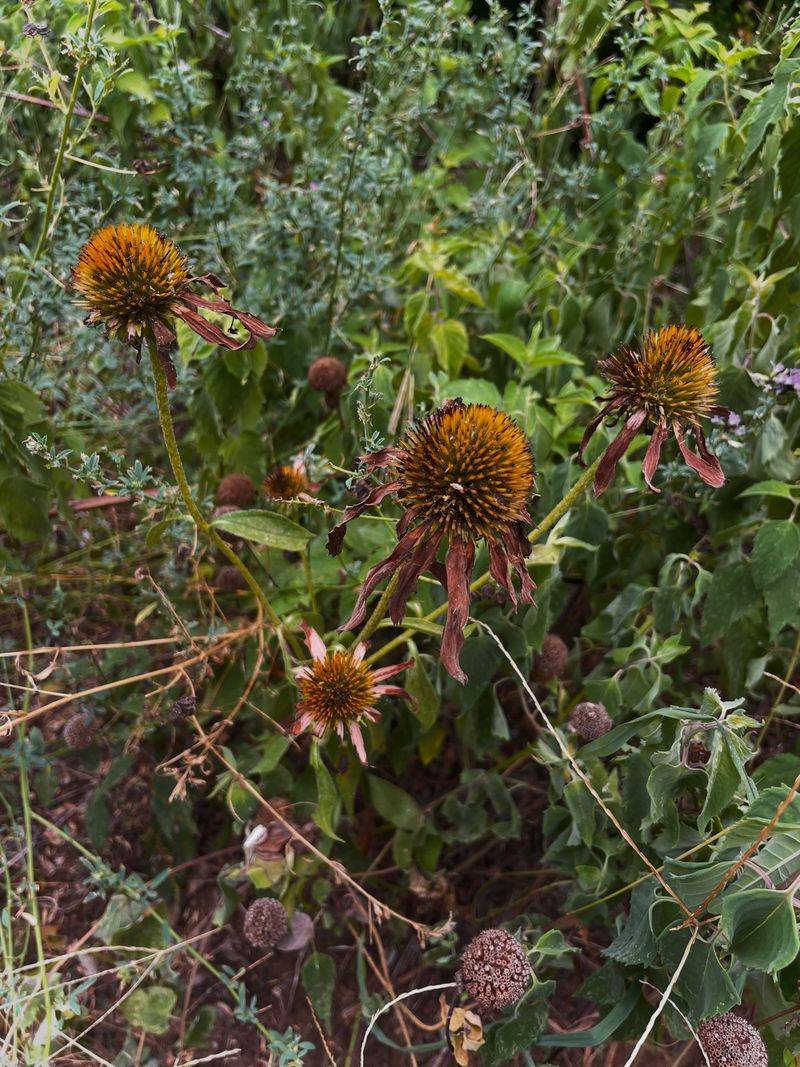
Hostas flop. Daylilies flatten. Coneflowers turn crispy and tan, and none of it is cause for panic.
Dormancy is a smart survival plan. Many perennials move and store food reserves in their roots or underground stems as they prepare for winter dormancy.
Look for browning foliage that dries out gradually. Stems should still feel somewhat firm rather than snapping like dry spaghetti.
New growth stops entirely. No fresh leaves, no late buds, just a plant settling in for a long rest below the mulch line.
Worried a plant is gone for good? Try the snap test on a small branch or stem.
Flexible stems and green tissue beneath the bark can indicate living tissue, although some plants are best assessed by waiting for new growth in spring.
Timing your cleanup matters. Waiting until foliage has fully browned lets the plant finish moving nutrients downward.
Some stalks are worth keeping. Coneflower and black-eyed Susan seed heads feed goldfinches through winter.
Mulch after the ground cools. Two or three inches helps prevent the freeze and thaw cycles that push shallow roots upward.
Label what you cut back. A few plant markers in November save a lot of guessing during March planting.
When your perennial beds start looking sleepy instead of showy, frost is usually knocking on the door.
5. Soil Temperatures Start Falling Through The Day
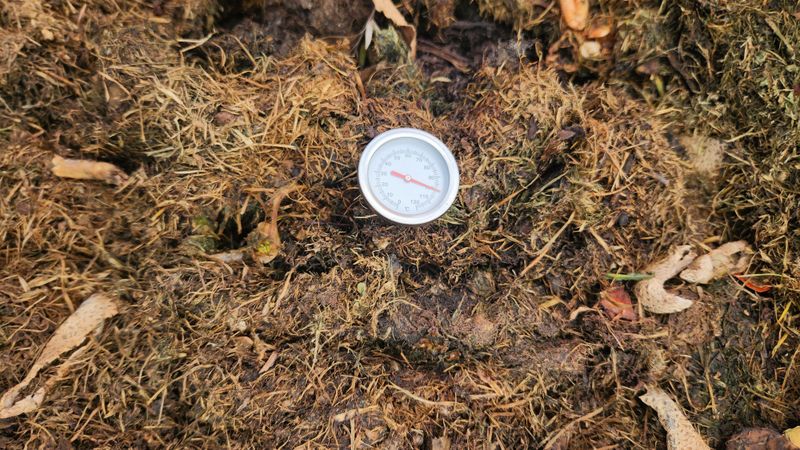
Dirt keeps secrets longer than air does. Soil holds summer warmth for weeks after the first cool snap, which is why it makes such a reliable indicator.
A cheap soil thermometer changes everything. Push it a few inches down and check at the same time each afternoon for a week.
Steady decline is the message. Once readings slide below roughly 55 degrees, warm-season grasses shut down active growth for the year.
Gardeners can use the trend to their advantage. Falling soil temperatures open the planting window for garlic and spring bulbs.
For spring-flowering bulbs, wait until the soil has cooled to roughly 60°F at planting depth, then plant according to your local fall schedule.
Moisture plays a surprising role. Moist soil generally changes temperature more slowly than very dry soil, so maintaining adequate soil moisture can help moderate temperature swings around roots.
If the soil is dry, water deeply before a cold spell to prevent drought stress, but use covers or other frost protection for tender plants when needed.
Mulch works like a sweater here. A layer over bare soil slows heat loss and keeps root zones steadier through wild temperature swings.
Container plants cool fastest of all. Pots have soil exposed on every side, so they chill hours ahead of in-ground beds.
When the thermometer in the ground starts trending down day after day, mark your calendar and get ready.
6. Warm Season Weeds Lose Their Summer Strength
Finally, some good news. The weeds that bullied your lawn all summer start running out of steam once the heat breaks.
Virginia sits in the transition zone. Both cool and warm-season weeds can thrive here, which keeps homeowners busy nearly year-round.
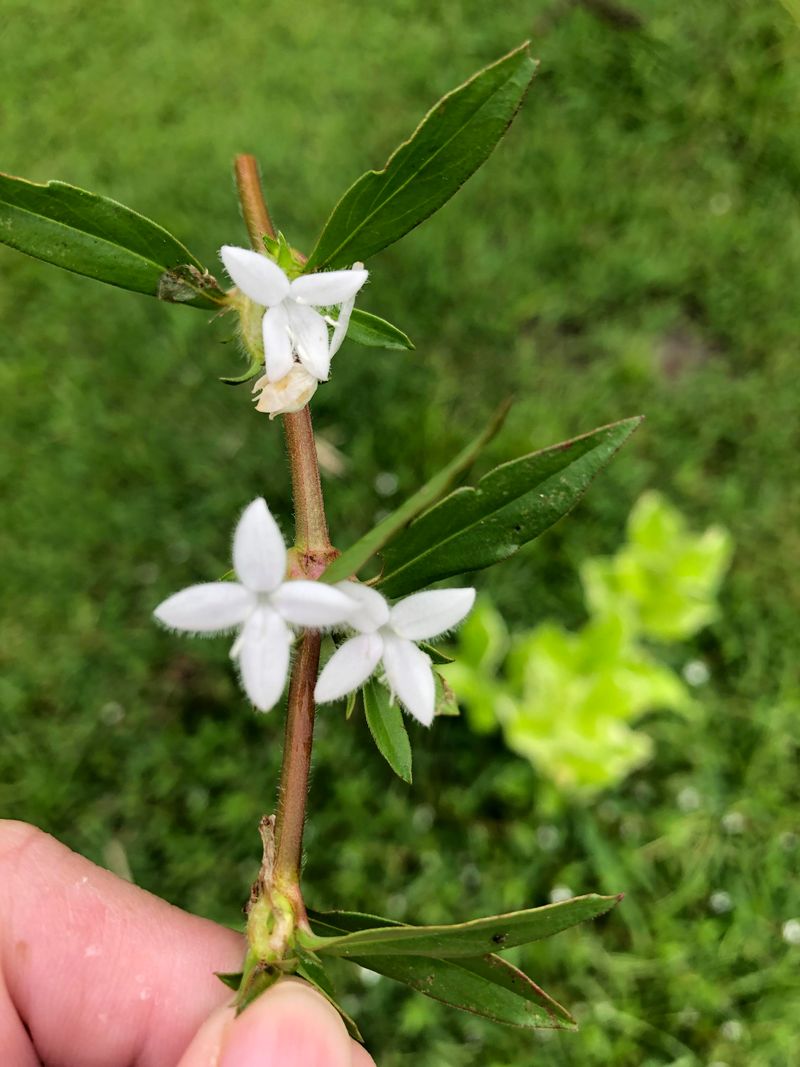
Summer troublemakers fade first. Buttonweed, lespedeza, chamberbitter, doveweed, and spotted spurge all rely on hot, humid stretches to spread.
Their decline looks different depending on type. Annual weeds finish their life cycle and fade out as frost approaches.
Perennial buttonweed plays a longer game. Top growth disappears while the roots settle in underground, waiting for next summer’s warmth.
That makes fall a strategic moment. Perennial weeds are moving energy down into their roots, so treatments travel right along with it.
Timing beats brute force. Tackling perennial weeds in fall can work better than repeated summer treatments because the plants are moving resources into their roots.
Hand pulling is easier now too. Cooler, damper soil releases roots with less tugging than baked August ground.
Thicken the lawn while you are at it. Overseeding fescue in early fall crowds out weed seedlings before they get a foothold next year.
Keep notes on trouble spots. A quick photo in October reminds you exactly where to watch come June.
Weakening weeds are a quiet signal that your yard is winding down toward frost.
7. Shrubs Develop Hardier Growth Before Winter
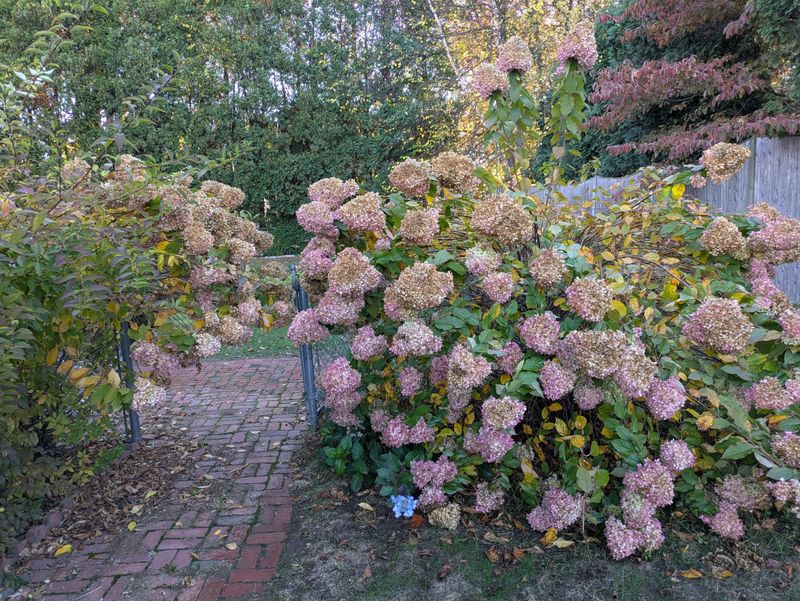
Shrubs gradually acclimate to colder weather. Gardeners often call this hardening, and it happens as temperatures and day length change through fall.
Gradual cooling is the key ingredient. Steady drops in temperature tell woody plants to firm up their stems and prepare for drying winter wind.
Avoid unnecessary late-season nitrogen, since it can encourage new growth that may not harden before freezing temperatures arrive.
Hold off after late summer instead. Let your shrubs follow their own schedule without extra nitrogen nudging them awake.
Pruning deserves the same caution. Heavy cuts in October often trigger tender regrowth right when plants should be settling down.
Broadleaf evergreens need extra thought. Hollies, rhododendrons, and boxwoods lose moisture through their leaves all winter long.
Anti-desiccant sprays help here. A coating on the foliage slows water loss during those bright, windy January afternoons.
Watering matters more than people expect. Giving shrubs a deep soak before the ground firms up stocks the roots with moisture they will need later.
Mulch rings are worth the effort. Two to three inches around the base, kept away from the trunk, steadies soil temperature nicely.
Young plantings need the most attention. Shrubs installed this year have not built deep roots yet, so burlap screens on windy sites pay off.
Firm, darker foliage and slowed growth mean your shrubs already sense frost coming.
8. Garden Pests Become Less Active As Temperatures Drop
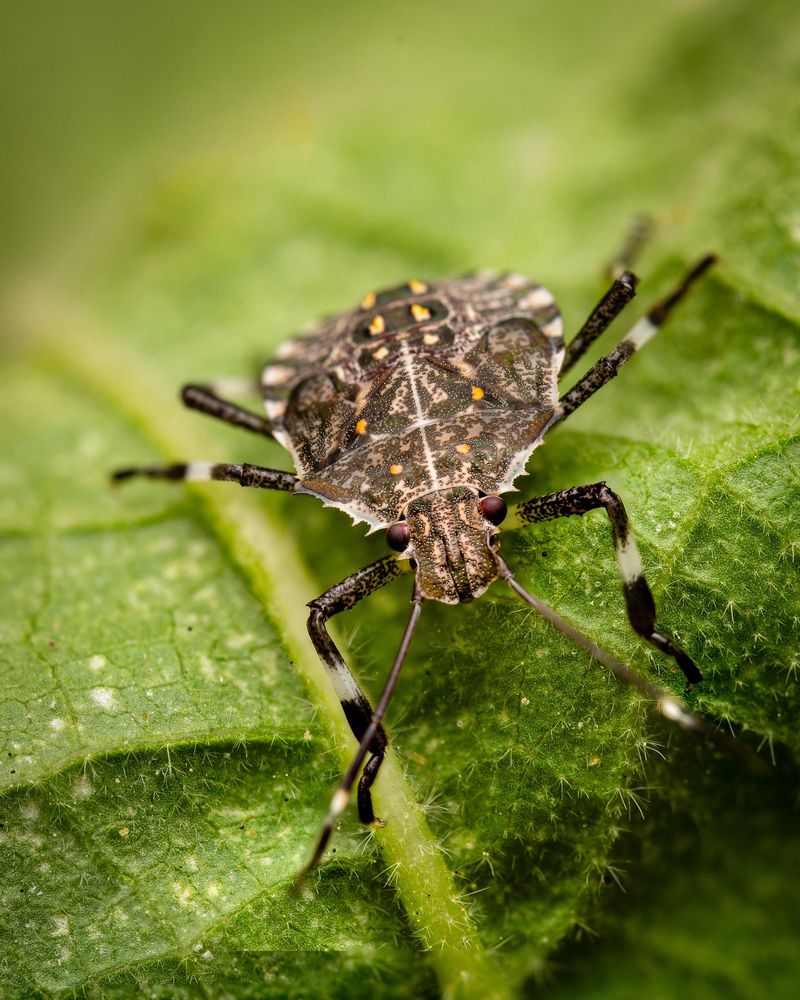
The mosquitoes stop showing up for dinner. Around the same time, stink bugs start parading across your sunny siding like they own the place.
Cooling air changes insect behavior fast. Once autumn temperatures slip below 55 degrees, many pests either slow way down or hunt for a winter hideout.
Brown marmorated stink bugs are the classic Virginia example. They cluster on warm exterior walls, probing for gaps around windows and vents.
Sealing those gaps now saves headaches later. Caulk around window frames and add door sweeps before the crowd finds a way inside.
Other insects vanish in different ways. Mealybugs and Japanese beetles pass the cold months as eggs or grubs tucked into soil.
Ladybugs and boxelder bugs prefer shelter. Attics, wall voids, and garages all look like five-star lodging to them.
Do not relax entirely though. Black-legged and lone star ticks stay active until a hard freeze arrives.
Ticks can remain a concern well into fall and winter in Virginia. Blacklegged tick adults, in particular, can be active during winter, so continue checking yourself and pets after yard work. Keep checking after yard work and leaf raking.
Clear away hiding spots while you tidy. Leaf litter piled against the foundation gives both ticks and beetles a cozy place to wait out winter.
Quieter bug traffic, minus the stink bug wall party, is one of the clearest final clues that frost is nearly here.