The Watering Habits Virginia Gardeners Repeat Every Summer Without Realizing The Damage
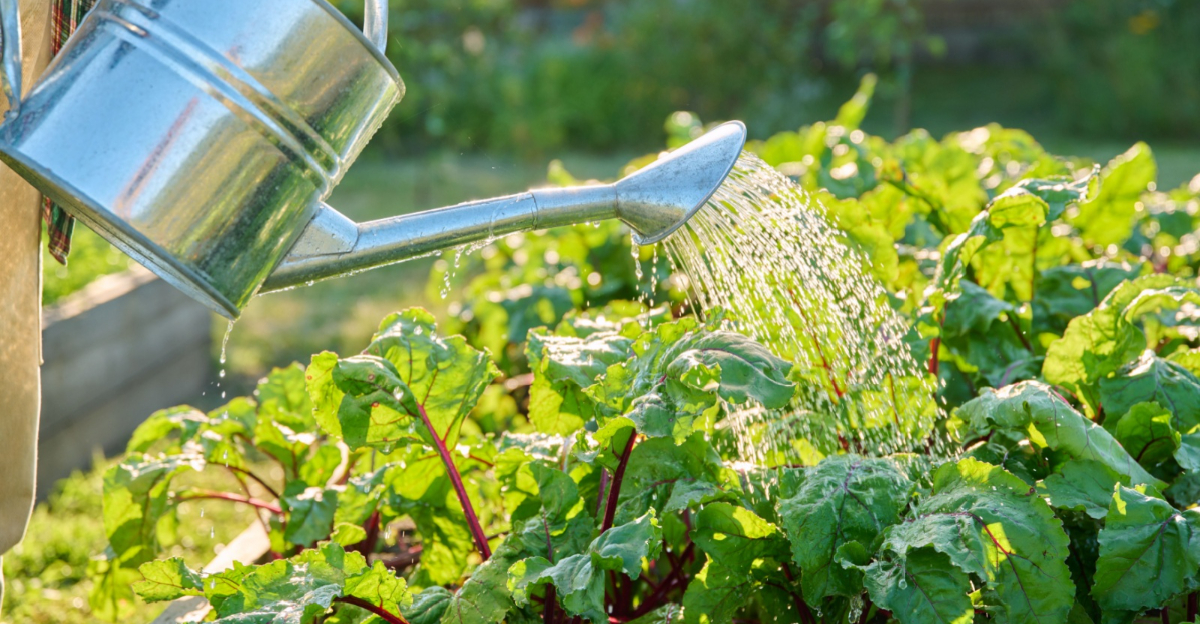
Good intentions and a garden hose sound like the beginning of a relaxing summer evening. Not the reason your hydrangeas look like they’ve had enough of summer.
But summer in Virginia plays by different rules.
The heat doesn’t just make you sweat. It changes how water moves through soil, how deep roots are willing to grow, and how much stress a plant can quietly absorb before it starts showing it.
What feels like responsible watering often turns out to be exactly what’s working against you.
A quick spray in the afternoon every day just to stay consistent, it sounds reasonable. It almost never is.
If your garden looks worn out by mid-July despite your best efforts, the problem probably isn’t your plants. It’s the routine that seemed perfectly logical until now.
1. Watering In The Afternoon Instead Of The Morning
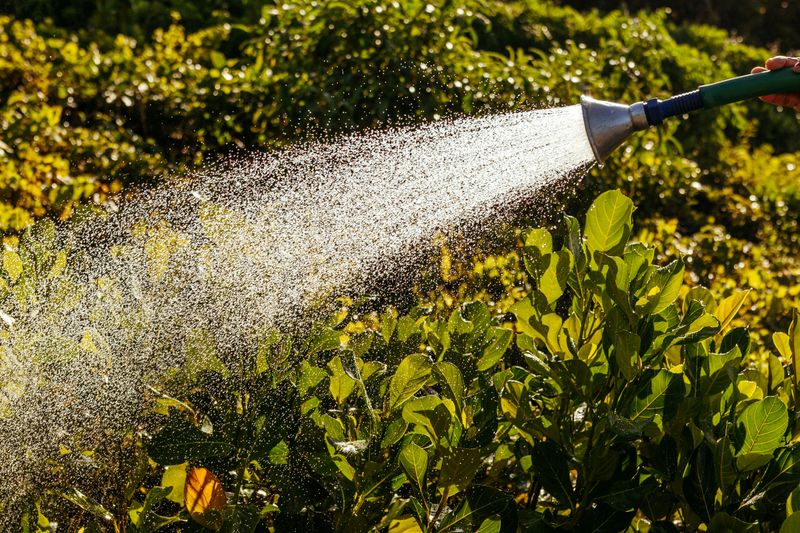
Midday watering is one of the most common mistakes gardeners make, and almost nobody realizes they are doing it wrong.
When you water during peak afternoon heat, a significant portion of that moisture evaporates before it ever reaches the roots. You end up working twice as hard for half the result, sometimes less.
Morning watering, ideally before 9 a.m., gives your plants the best shot at absorbing moisture before temperatures spike. The soil stays cooler longer, roots drink deeply, and any excess water on leaves dries off naturally as the day warms up.
That last part matters more than most people think. Wet foliage sitting through the night invites fungal problems like powdery mildew and black spot, which spread fast in Virginia’s humid summers.
Evening watering feels logical after a hot day, but it leaves plants damp in exactly the conditions that fungi love most. Shifting your routine to early morning can feel like a chore at first.
A simple timer on your hose or drip system makes the change almost effortless. The watering habits Virginia gardeners repeat every summer often come down to convenience, not carelessness.
Adjusting the clock on your routine might be the single easiest fix you make all season.
2. Overwatering Without Realizing It
Overwatering is the number one silent problem in home gardens. And it is surprisingly easy to do, even during a heat wave.
Plants that sit in soggy soil cannot absorb oxygen. And without it at the root level, they start to struggle.
Just as badly as if they had no water at all.
The symptoms often look identical to drought stress, which is where the confusion starts. Yellowing leaves, drooping stems, and slow growth can all point to too much moisture rather than too little.
Most established garden plants in this region need about one inch of water per week, including rainfall. A simple rain gauge costs just a few dollars and takes all the guesswork out of the equation.
Clay soil, common across central and northern Virginia, holds water far longer than sandy or loamy ground. Water on a set schedule without checking, and rainy stretches will push you into overdoing it fast.
Your Virginia Garden Changes Every Week. Your Plan Should Too.
Gardening in Virginia changes quickly throughout the season. Every Friday you’ll receive a simple weekly plan showing exactly what to plant, prune, fertilize, harvest, and protect so you never miss the right timing.
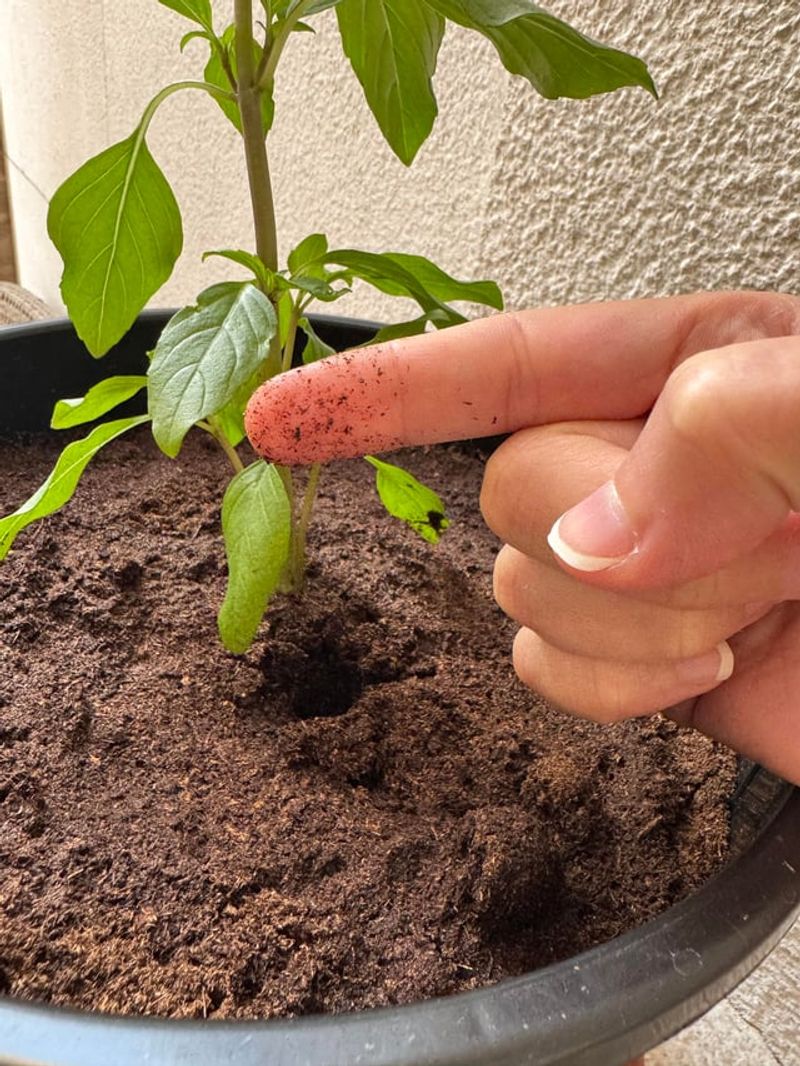
Push a finger two inches into the soil before you reach for the hose. If it feels moist down there, your plants are fine and do not need more water that day.
Trusting your soil over your schedule is a small shift that makes a huge difference by mid-August.
3. Watering Lightly Every Single Day
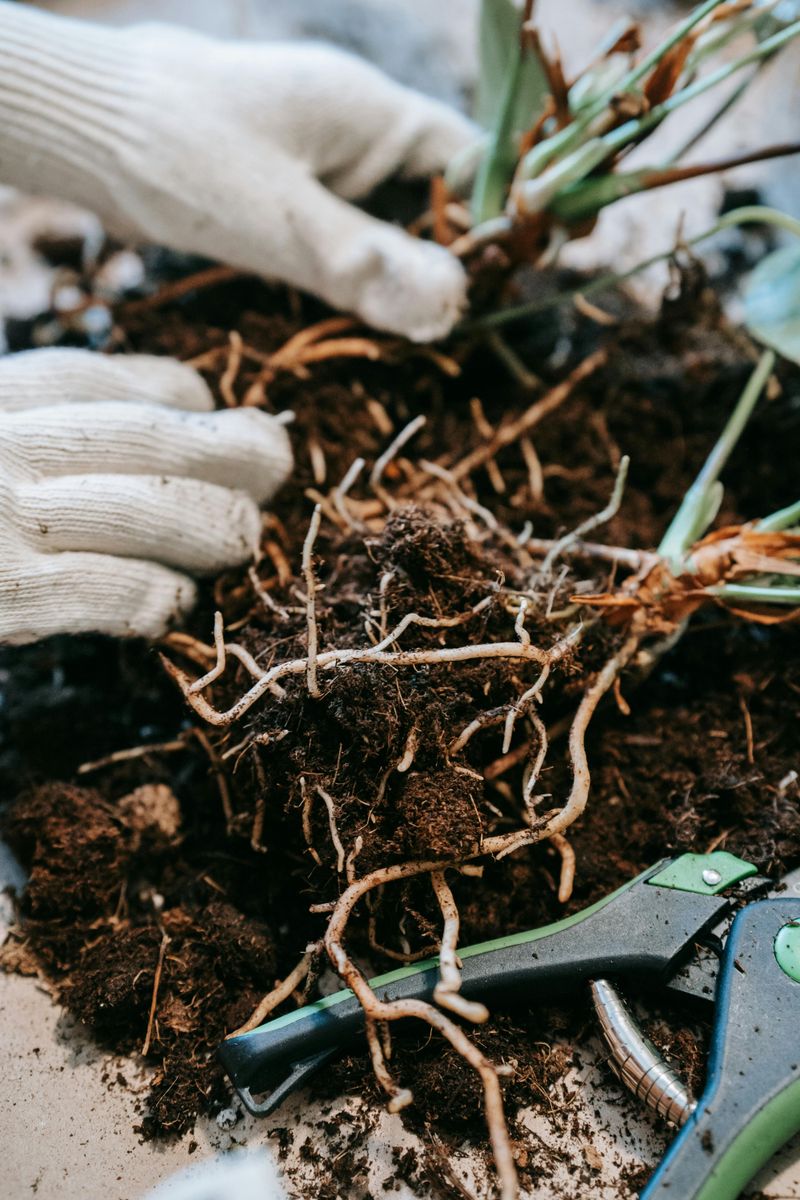
Shallow watering every single day feels responsible. But it is actually training your plants to be fragile.
When only the top inch or two of soil gets wet, roots have no reason to grow downward toward deeper moisture reserves. They stay near the surface, where they are most exposed to heat and drought.
Deep, infrequent watering encourages roots to chase moisture further down into the soil profile. A plant with deep roots can handle a few days without rain far better than one with a shallow, surface-level system.
This is especially true for lawns, which are often watered lightly every morning out of habit. Grass roots that stay in the top two inches of soil bake quickly when temperatures rise and no rain falls for a week.
Watering deeply two or three times per week instead of lightly every day produces a noticeably stronger lawn by mid-summer. The same principle applies to shrubs, perennials, and vegetable beds.
Give the water time to soak in slowly so it reaches six to eight inches below the surface. Drip irrigation or soaker hoses are excellent tools for achieving this without wasting water to runoff or evaporation.
Strong roots are the foundation of a garden that survives summer instead of just enduring it.
4. Ignoring What Your Soil Is Actually Doing
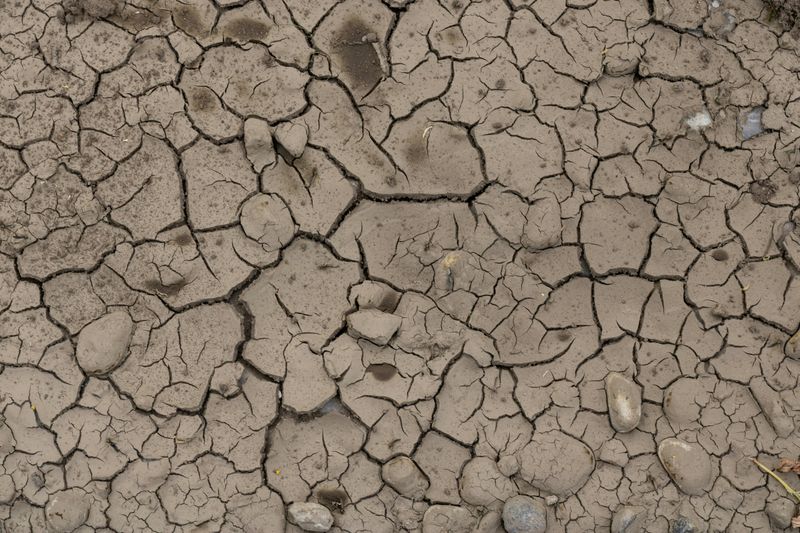
Virginia soil has a reputation, and it is well earned.
Heavy clay covers much of the state. Water pools on the surface or runs off before it ever absorbs properly.
You can water faithfully every week and still end up with plants that are thirsty at the root level. Compacted soil is another major culprit that most gardeners overlook entirely.
Compacted soil blocks water from reaching the roots. Foot traffic and years of neglect are usually the cause.
No amount of extra hose time fixes that. The water just sits on top, evaporates, or runs off to the side.
Meanwhile the roots below stay dry no matter how long you run the hose. Aerating once a year makes a real difference.
So does adding compost. It improves structure and helps soil hold moisture evenly without becoming waterlogged.
Mulch is one of the most underused tools in the summer garden. A two to three inch layer of wood chips or shredded bark goes a long way.
It reduces surface evaporation and keeps moisture in the soil where it belongs. That means the water you do apply actually stays in the soil long enough to do some good.
Fixing your soil is not glamorous work, but it changes the entire equation for how your garden handles summer stress.
5. Watering Every Plant The Same Way
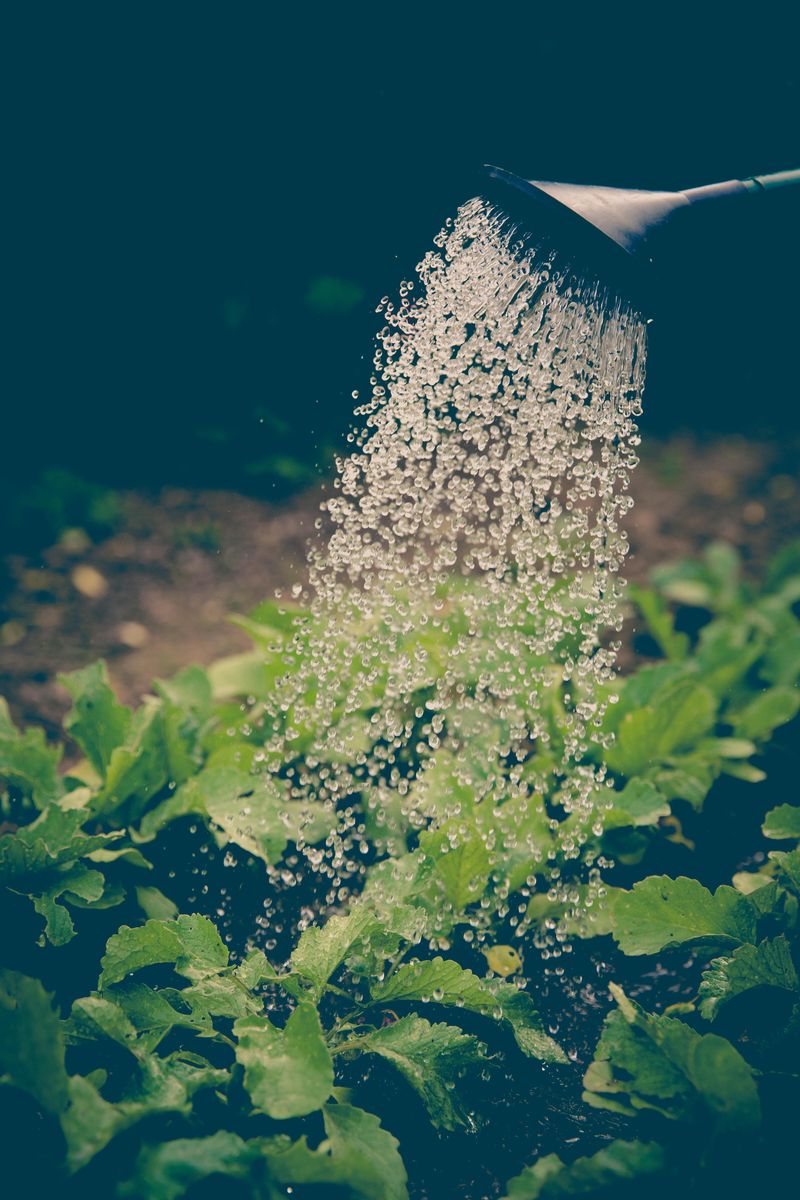
Not every plant in your garden wants to be watered the same way, and summer heat makes those differences even more pronounced.
Tomatoes need consistent, deep moisture. Without it, blossom end rot and fruit cracking spike fast.
A missed day followed by a heavy soak stresses the plant more than a steady drought would.
Peppers prefer slightly drier conditions than tomatoes. Mild moisture stress between waterings can actually improve their flavor.
Water them the same way as everything else and you often end up with soft, flavorless fruit.
Herbs like rosemary, thyme, and lavender come from dry Mediterranean climates. They genuinely struggle in humid Virginia summers.
Their roots are highly susceptible to rot. Extra watering during heat waves, even well-meaning, can take down an established plant faster than you would expect.
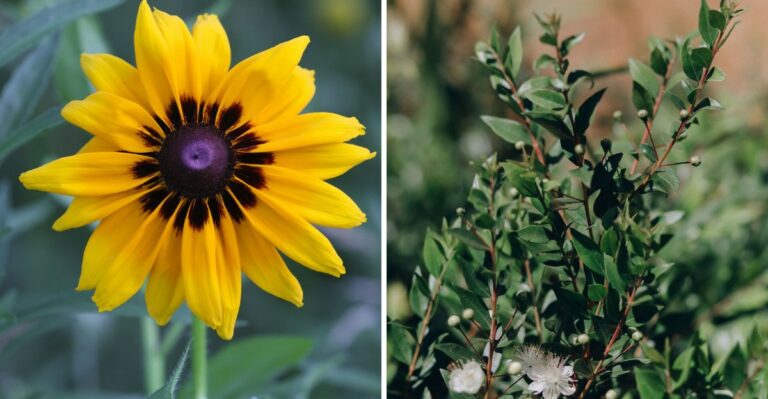
Native plants like black-eyed Susans and coneflowers are built for this region. Once established, they typically need almost no supplemental water at all.
Treating them like thirsty annuals is a common mistake that weakens them over time.
The simplest way to get this right is to group plants by water needs before you even put them in the ground. Thirsty vegetables together, drought-tolerant herbs on their own, natives where they can look after themselves.
It makes watering faster, more precise, and far less likely to accidentally harm something that never needed your help in the first place.
Learning the specific needs of each plant in your garden is the kind of knowledge that pays off every single season.
6. Skipping Mulch And Letting The Sun Do The Damage
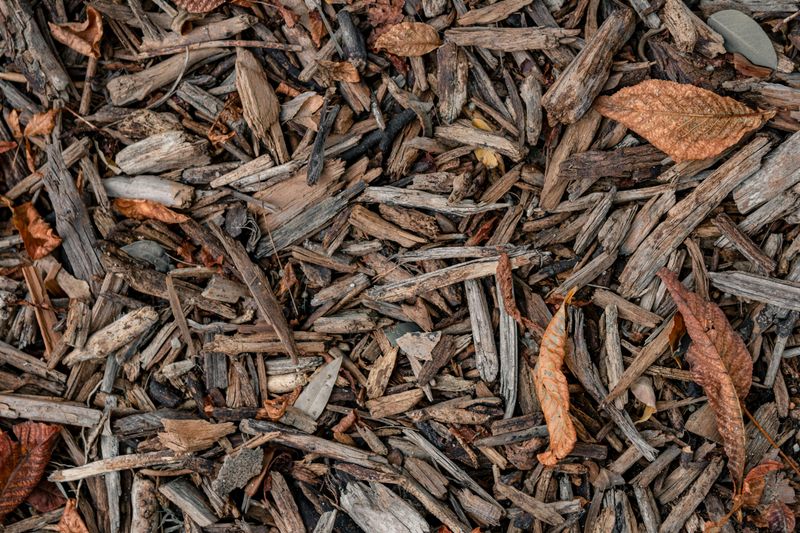
Most gardeners mulch once in spring and consider it done. By July, that thin layer has broken down, the soil is exposed, and the sun is doing exactly what it does best.
Bare soil in a Virginia summer loses moisture fast. On a hot afternoon, the top few inches can dry out within hours of watering, leaving roots scrambling for moisture that was there an hour ago.
Mulch acts as a barrier between your soil and the heat. A two to three inch layer of wood chips or shredded bark goes a long way.
It reduces surface evaporation and keeps moisture in the soil where it belongs. That means the water you apply actually has time to do something useful.
There is another benefit most gardeners overlook. Mulch keeps soil temperatures more stable throughout the day.
Roots that are not constantly swinging between hot and cool are roots that stay healthy and productive all season.
The mistake is not using mulch at all. It is using too little, or not refreshing it when it thins out mid-summer.
Two to three inches is the target. Less than that and you are not getting the full benefit.
More than four inches and you risk trapping too much moisture against stems and crowns, which creates its own problems.
Check your beds in late June and again in August. If you can see bare soil between plants, add more.
It takes ten minutes and costs very little.
Skipping mulch in a Virginia summer is not a neutral decision. Your soil feels every degree of it.
7. Forgetting To Adjust Watering After It Rains
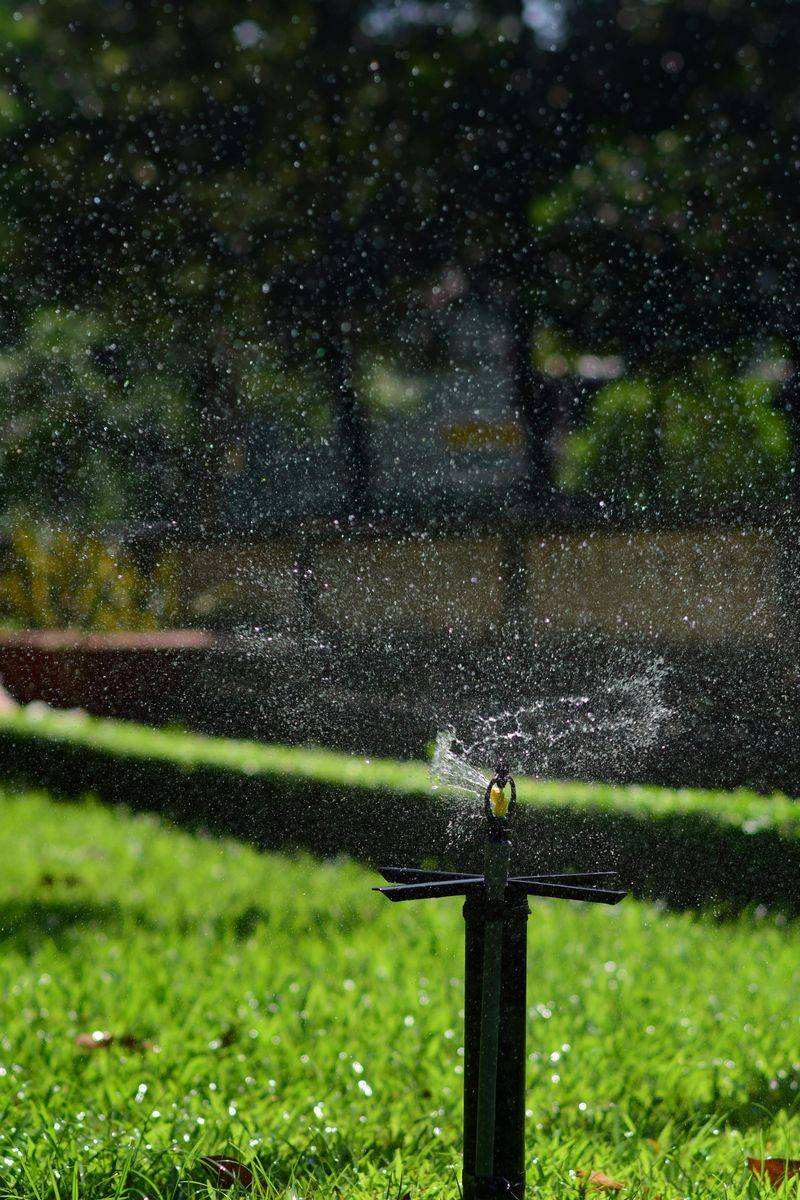
Most sprinklers do not know it rained last night. Yours probably does not either.
A fixed watering schedule feels responsible. Tuesday and Friday, seven in the morning, done.
The problem is that schedule was set once and never questioned again, even after a week of thunderstorms soaked the ground twice over.
Virginia summers are unpredictable in exactly this way. You can go ten days without a drop and then get two inches of rain in an afternoon.
Watering the day after that storm does not help your plants.
It pushes them closer to the overwatering symptoms that look frustratingly similar to drought stress.
Yellowing leaves, soggy soil, roots sitting in water they cannot use. All of it happening on a Tuesday because that is what the schedule says.
The fix is simpler than most people expect. A basic rain gauge tells you exactly how much fell overnight.
If your garden got more than half an inch, skip that watering session entirely. If it got a full inch or more, skip two.
Soil does not forget rain the way a schedule does. Push a finger two inches down before you reach for the hose.
If it feels damp, your plants are already taken care of.
Smart irrigation timers with rain sensors exist and they are not expensive. But even without one, the habit of checking before watering costs nothing.
Your garden does not need you to show up on schedule. It needs you to show up paying attention.
8. Simple Adjustments That Make A Real Difference
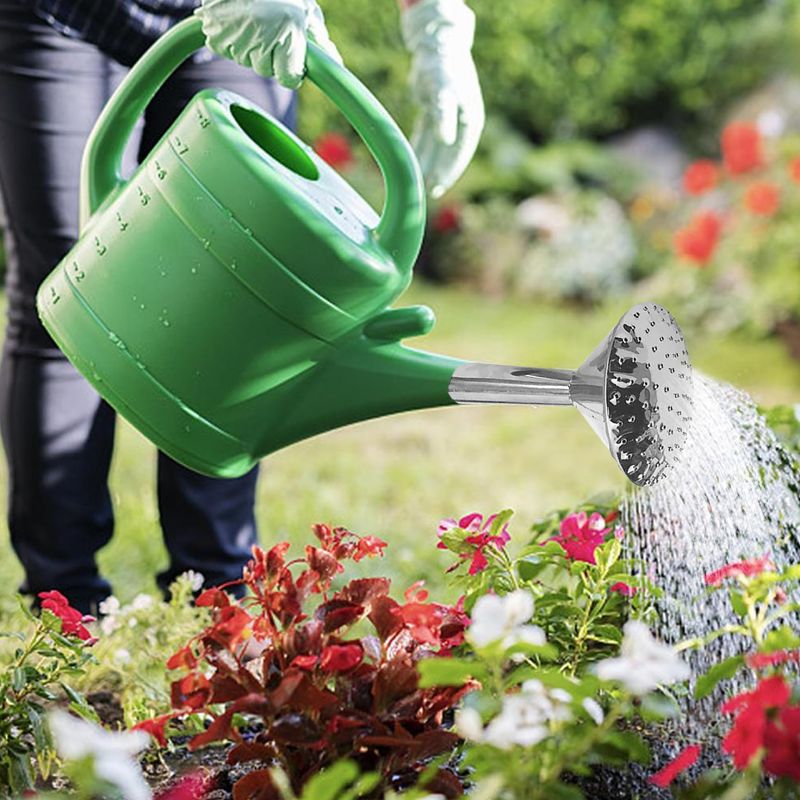
Fixing the watering habits Virginia gardeners repeat every summer does not require expensive equipment or a total garden overhaul.
Small, consistent changes add up. By the end of the season, your garden will look and perform noticeably better.
Start with a rain gauge. It is free, practical, and instantly changes how you make watering decisions.
Switch to early morning watering. It costs nothing but a small schedule adjustment and results show up within weeks.
Mulch your beds. It is one of the highest-return investments you can make in summer.
It cuts down on how often you need to water and protects roots from heat stress.
Soaker hoses and drip lines are affordable and easy to set up. They deliver water directly to the root zone without wasting it on leaves or bare soil.
Group plants with similar water needs in the same bed. It makes watering efficient without over or underserving any one plant.
Check soil moisture by hand before every watering session. It takes about ten seconds and saves gallons over the course of a summer.
None of these changes require a weekend project. They just require a little awareness.
And a willingness to question habits that have been running on autopilot for years.
Your garden has been waiting for exactly this kind of attention.