What It Means When You Find A Stink Bug Inside Your West Virginia Home
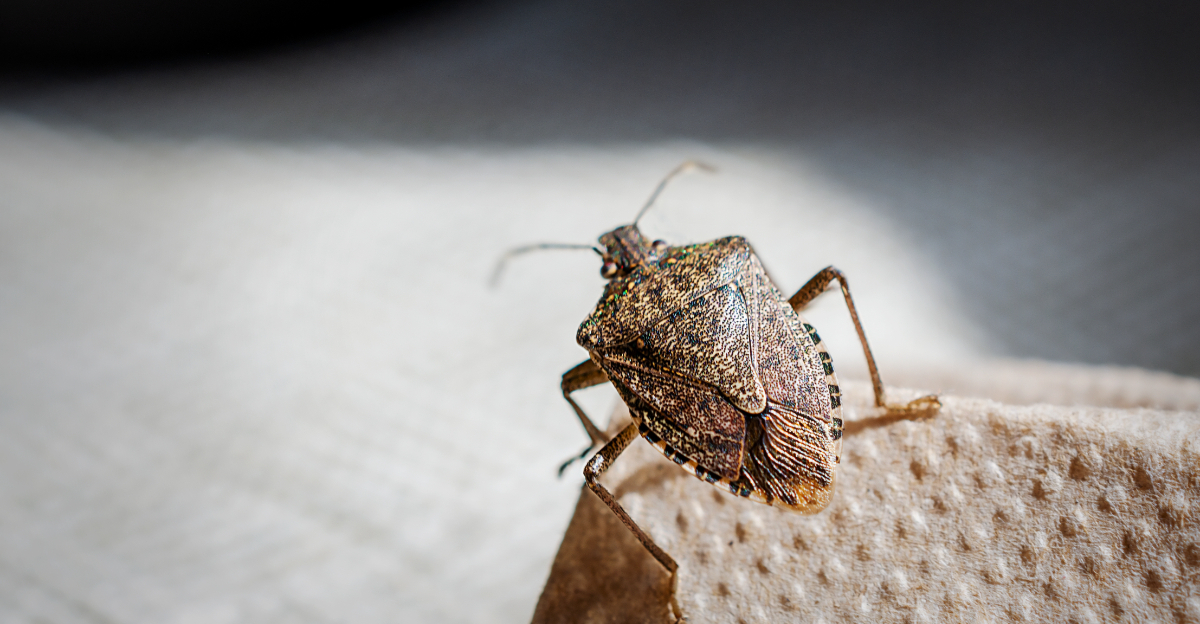
You just spotted something crawling along your baseboard, and before you even see it clearly, the smell gives it away. A stink bug has made itself at home in your home.
That is not a coincidence, and it is not bad luck. Stink bugs do not wander inside randomly, they show up for specific reasons, and your West Virginia home is checking off boxes you do not even know about yet.
It is likely not the only one, and a preview of what is coming if nothing changes. West Virginia summers create exactly the conditions these insects respond to, and your walls, windows, and garden are part of that equation.
Before you grab a tissue and flush it, take a second to understand what that single bug is actually telling you. The answer might surprise you.
Your Home Is Offering Something They Are Actively Looking For
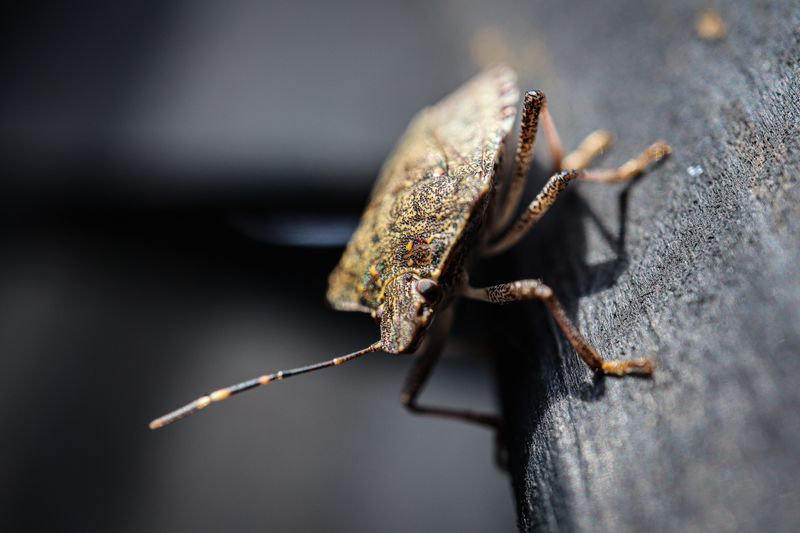
Stink bugs are not wandering inside by accident. Your home is broadcasting exactly what they need: warmth, shelter, and protection from the elements.
These insects are overwintering pests, meaning they search for a safe spot to wait out the cold months. A well-insulated house with small gaps checks every box they are looking for.
Your walls hold heat, your attic stays dry, and your crawl space offers darkness. All three of those things are exactly what a stink bug is hunting for when autumn temperatures start dropping.
West Virginia homes, especially older ones with wood siding or stone foundations, tend to have more entry points. Those tiny cracks around pipes, vents, and window frames are open invitations.
Think of your house as a structure that broadcasts exactly what these insects are scanning for. The bugs are simply responding to what they sense from outside.
Sealing those entry points before late summer is the smartest move a homeowner can make. Weatherstripping, caulk, and door sweeps are your first line of defense against future guests.
Once you understand that your home is actively attractive to these insects, the situation stops feeling random. You gain control when you start thinking like the bug looking for a way in.
One Stink Bug Inside Usually Means More Are On The Way
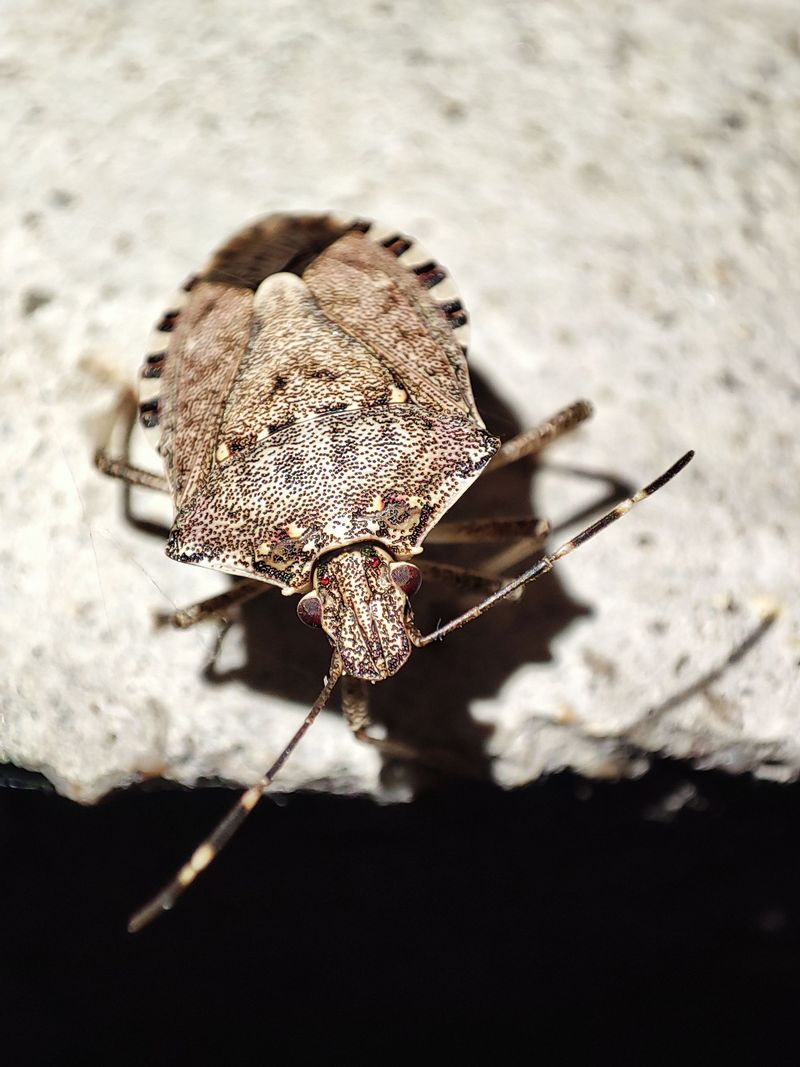
Spotting just one stink bug feels manageable, almost dismissible. But that single bug is rarely traveling alone.
Stink bugs do release aggregation pheromones, but these signals are most active during warmer months, others nearby are likely responding to the same environmental cues, not a single bug’s broadcast.
That scent lingers even after you remove the bug. Other stink bugs following that chemical trail will keep arriving at the same location for days or even weeks.
According to the EPA, stink bugs can enter structures by the hundreds or thousands in areas where they are well established. What starts as one insect on your curtain can turn into a full wall of them by November.
The key detail here is timing. Finding one in early fall means the migration into your home has likely just begun.
Your Virginia Garden Changes Every Week. Your Plan Should Too.
Gardening in Virginia changes quickly throughout the season. Every Friday you’ll receive a simple weekly plan showing exactly what to plant, prune, fertilize, harvest, and protect so you never miss the right timing.
Acting fast during that window gives you a real advantage. Sealing gaps, checking window screens, and inspecting your attic now can stop the wave before it builds momentum.
Ignoring that first bug is a gamble most homeowners regret by mid-winter. A pheromone trail may already be in place, and more could be following it soon.
Finding a stink bug inside your West Virginia home early in the season is actually useful information. Treat it like an early warning alarm, not just a minor nuisance.
They Found A Way In And Will Keep Using It
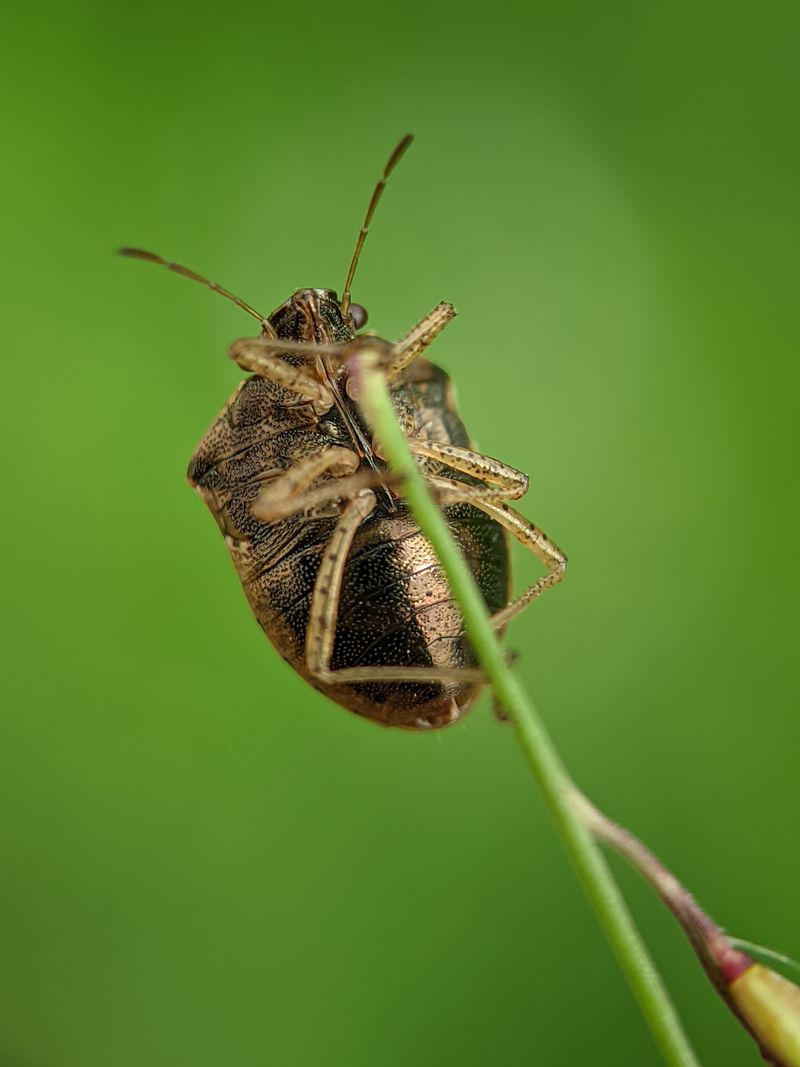
Every stink bug inside your house used a specific entry point to get there. That gap or crack is still open right now.
Common entry spots include torn window screens, gaps around utility pipes, loose siding seams, and spaces under exterior doors. Each one is a repeatable path that bugs will use again and again.
Stink bugs can squeeze through gaps as narrow as 3 millimeters, roughly the width of two stacked credit cards. What looks like a sealed wall to you can look like a wide hallway to them.
Once a route is established and marked with pheromone residue, it becomes a highway. Multiple bugs can funnel through one small crack in a short period once the entry point is established.
The practical fix is a thorough exterior inspection of your home. Walk the full perimeter, check around every pipe penetration, and press on window frames to feel for soft or loose spots.
Hardware stores carry foam backer rod and exterior-grade caulk that handle most small gaps effectively. A door sweep on every exterior door costs under twenty dollars and blocks a surprisingly common entry point.
Fixing the entry point is more effective than removing individual bugs one at a time. Closing the door is always smarter than chasing everyone who already walked through it.
West Virginia’s Summer Heat Is Pushing Them Toward Cooler Spaces
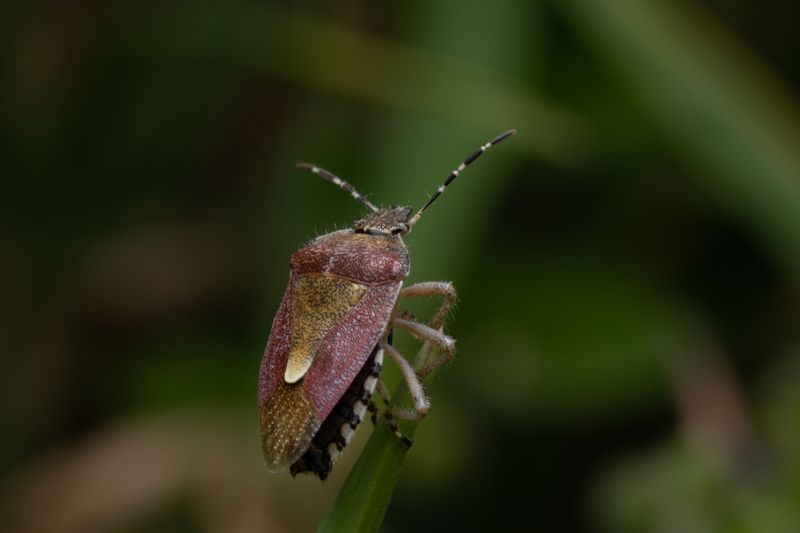
West Virginia summers can get intense, with humidity and heat making the outdoors feel like a sauna by July. Stink bugs feel that pressure just like everyone else.
When outdoor temperatures climb past their comfort zone, these insects start exploring cooler microclimates. Your shaded foundation, your basement walls, and your air-conditioned interior all become magnets.
This summer movement is actually a preview of the fall invasion. Bugs that find comfortable spots near your home in July are already learning your structure’s layout.
The Appalachian region’s mix of forested hills and residential areas creates perfect stink bug habitat. Wooded lots adjacent to homes give these insects a staging ground just feet from your siding.
Keeping shrubs and wood piles away from your exterior walls removes that staging ground. A clear buffer zone of about a foot between plants and your foundation makes a real difference.
Outdoor lighting also plays a role. Stink bugs are attracted to light, so switching porch bulbs to yellow or amber tones reduces the number drawn to your walls at night.
Understanding the seasonal pressure behind their movement helps you time your prevention efforts correctly. Acting in midsummer, before the fall rush begins, puts you well ahead of the problem.
The heat is not just uncomfortable for you, it is one of the factors pushing these insects toward cooler, shaded structures.
The Smell You Notice Is Actually A Warning Signal
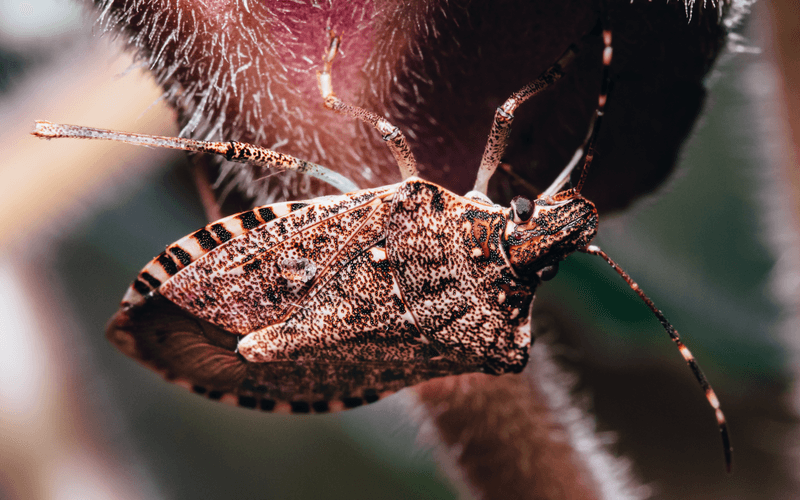
That sharp, cilantro-like odor is not random. A stink bug releases it deliberately as a defense mechanism when it feels threatened.
The scent comes from glands on the underside of the thorax in adult bugs. When startled, squeezed, or disturbed, those glands release a chemical compound that smells pungent and lingers on surfaces and fabrics.
Some sources suggest it may also function as a signal to nearby stink bugs in certain conditions, though the defensive odor is primarily a repellent.
Vacuuming them up without a filter bag can spread the odor through your entire HVAC system. A sealed bag or dedicated handheld vacuum is a much better approach for removal.
Flushing them down the drain or dropping them into soapy water avoids triggering the scent response entirely. A jar with a little dish soap and water is a surprisingly effective trap.
The smell also clings to hands, so avoid direct contact whenever possible. Using a piece of cardboard to guide them into a container keeps the odor contained.
Knowing why the smell happens changes how you respond to it. Slow, calm removal beats a quick panicked grab every single time.
When you find a stink bug inside your West Virginia home and catch that familiar scent, treat it as useful data. Your response in that moment shapes how bad things get next.
Finding One Early Gives You Time To Act Before Numbers Grow
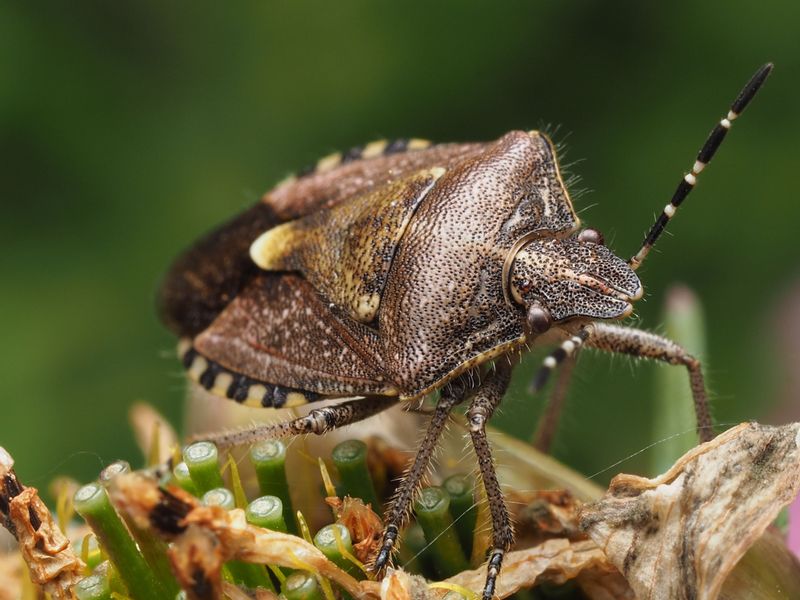
Catching a stink bug in August or September is genuinely good news. You still have a window to prevent a larger problem from forming.
The bulk of stink bug migration into structures happens between late September and early November in the Mountain State. An early sighting means the main wave has not arrived yet.
Use that lead time to seal gaps, repair screens, and check your attic vents for missing covers. These are quick tasks that pay off significantly when the cold snap hits.
A professional pest inspection in early fall can also identify entry points you might overlook. Pest control technicians know exactly where these insects congregate and how they move through a structure.
Sticky traps placed near windows and along baseboards help monitor activity levels. If numbers on the traps stay low after sealing work, you know the barriers are holding.
Telling your neighbors is also a practical move. Stink bugs move across properties, and a coordinated neighborhood effort reduces the overall population pressure on every home involved.
Early action is the single biggest factor separating a minor inconvenience from a full-blown infestation. One bug spotted in September is useful information, not a reason to panic, if you move quickly.
Finding a stink bug inside your West Virginia home before winter is your chance to stay in control. Don’t wait for company before you decide to act.