8 Fall Vegetables Georgia Gardeners Can Still Plant Before Thanksgiving
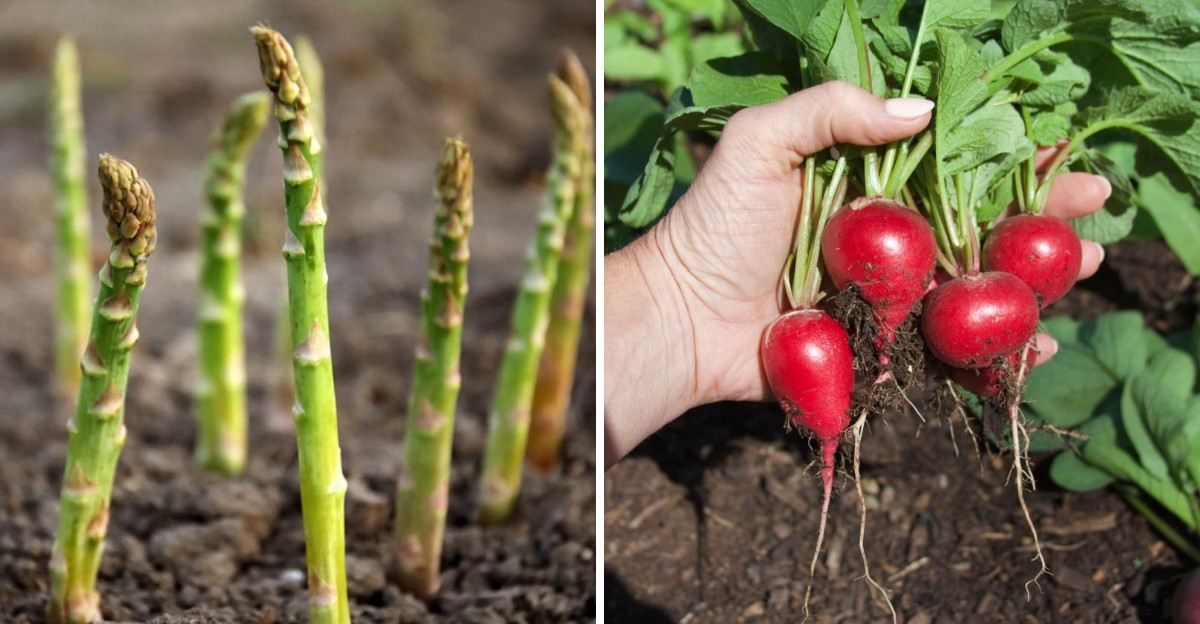
Empty garden beds left behind by tomatoes and peppers do not have to sit bare until spring.
Several cool-season vegetables can still go in now, even with the first frost approaching in parts of the state.
Shorter days slow growth this late in the year, so seeds and transplants often take longer than packets suggest. Crops with some cold tolerance give you more room for error.
Some will be ready to harvest before winter, while others settle in now and finish in spring.
Location plays a big role, since north Georgia runs out of mild weather weeks before southern counties do.
Sow a short row or two this week rather than waiting for a perfect weekend. Every week gained now shows up later as more food from the same space.
1. Garlic Cloves Planted Through November Grow Roots Over Winter
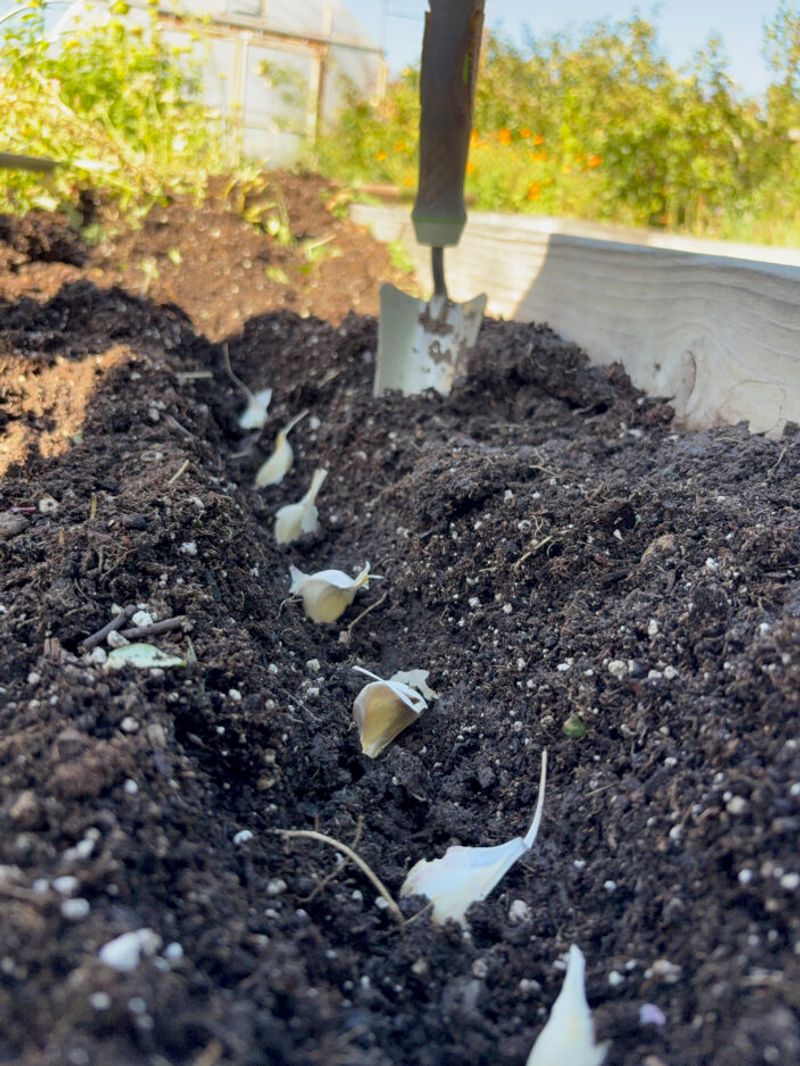
Garlic asks for patience, but it pays you back in summer. Cloves set out in fall spend the cooler months building roots, then put on most of their bulb growth as days lengthen in spring.
Across much of Georgia, October and November are common planting months, and gardeners in warmer areas often plant into November.
Softneck types usually handle Southern winters better than many hardneck types. Varieties sold as suited to the Southeast are a smart place to start, since some northern strains may not bulb well in mild winters.
Pick the largest, firmest cloves and leave the papery skins on.
Push each one in with the pointed tip facing up, about an inch or two deep. Spacing of several inches between cloves gives each bulb room to fill out.
Well-drained soil matters more than almost anything else here.
Soggy beds can lead to rot, so raised beds or amended ground often work better in heavy clay. A layer of straw mulch helps hold moisture and keeps weeds down through winter.
Green shoots may poke up within a few weeks, and a little frost damage on the leaf tips is usually nothing to worry about.
Harvest typically comes in late spring or early summer, once several lower leaves turn brown. Exact timing depends on the variety and on how warm your spring turns out.
2. Shallots Planted In Fall Multiply Into Clusters By Early Summer
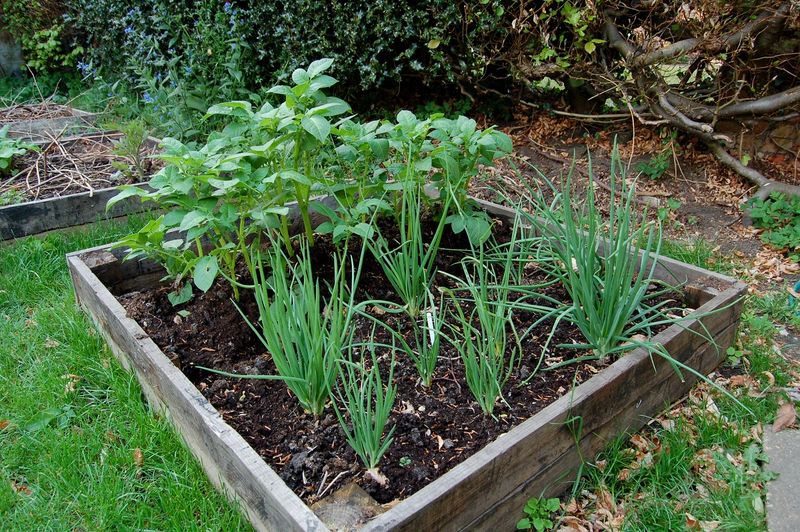
Plant one bulb and dig up a handful. That simple trick is what makes shallots such a satisfying crop for small gardens.
Each set you tuck into the soil in fall can divide into a cluster of several bulbs by harvest time.
Fall planting is a traditional method across the South, including many Georgia gardens. The bulbs grow slowly through winter, then speed up once spring warmth returns.
Look for shallot sets from a garden center or seed company rather than grocery store bulbs.
Store-bought shallots may carry disease or be treated in ways that slow sprouting. Set each bulb with its tip just at or slightly above the soil surface, leaving several inches around it.
Loose, fertile soil gives the clusters room to expand.
Your Georgia Garden Changes Every Week. Your Plan Should Too.
Gardening in Georgia changes quickly throughout the season. Every Friday you’ll receive a simple weekly plan showing exactly what to plant, prune, fertilize, harvest, and protect so you never miss the right timing.
Weeds compete hard with these thin-leaved plants, so keep beds tidy. A light mulch can help, though you will want to keep it from piling on top of the bulbs.
Watering during dry spells in spring tends to make the biggest difference in final size.
Harvest usually arrives in late spring or early summer, when the tops flop and fade. Let the clusters dry before storing them, and save a few of the best bulbs if you want to replant next fall.
3. Short-Day Onion Transplants Go In From Late Fall Into Winter In Milder Areas
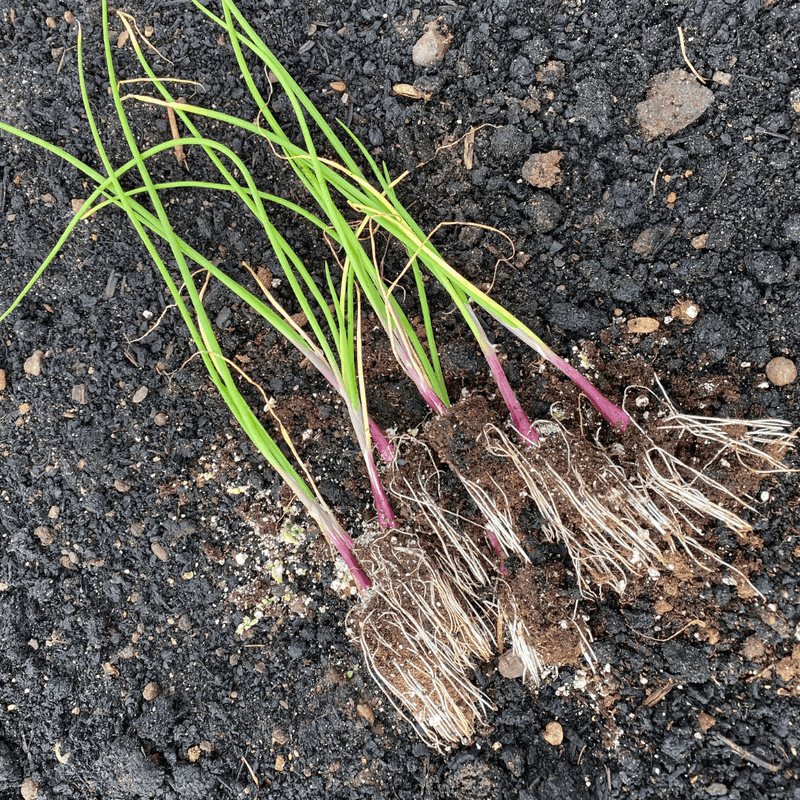
Sweet onions and Georgia go together for good reason. Short-day onions start forming bulbs when days reach a certain length in spring, which fits Southern latitudes well.
Long-day varieties sold up north often fail to bulb properly this far south, so check the label carefully.
In South Georgia and other milder spots, onion transplants are commonly set out from late fall into winter. Growers in colder northern areas usually have better luck waiting until late winter.
Transplants come as small bundled plants, often sold at farm stores and nurseries.
Plant them shallowly, about an inch deep, with a few inches between each. Deep planting can make it harder for the bulb to swell.
Steady feeding matters more with onions than with many other crops.
Extension guides often suggest splitting nitrogen into several light applications rather than one heavy dose. Follow a soil test when possible, since needs vary from bed to bed.
Hard freezes can damage young plants, and some years bring more cold than others.
A sharp cold snap after mild weather may cause some plants to bolt later. Bolting reduces bulb quality, but it depends on weather you cannot fully control, so planting a few extra helps cover losses.
Keep the bed free of weeds, since onions have shallow roots and struggle to compete for water and nutrients.
Consistent moisture during active growth helps the plants develop healthy foliage that supports larger bulbs later on.
4. Late Turnip Plantings May Still Yield Greens In Mild Areas
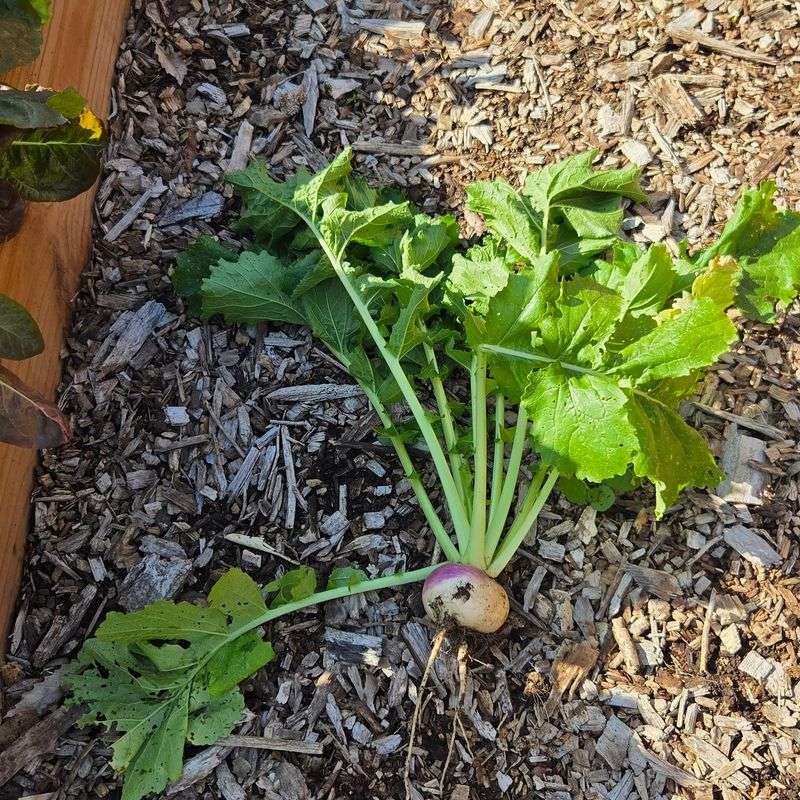
A pot of turnip greens is a fall staple in plenty of Southern kitchens. Even a late planting can sometimes deliver a decent batch of leaves.
Turnips grow quickly, and the greens are ready well before the roots size up.
That speed is what makes a late sowing worth considering.
In middle and southern parts of Georgia, seeds sown into early November may still produce tender greens if the weather stays reasonably mild.
Results become less certain the later you plant.
Shorter days and cooler soil slow growth, so leaves may come in smaller than an early fall crop. Roots may not fully form at all, which is fine if greens are your main goal.
Scatter seed thinly, cover lightly, and keep the soil moist until sprouts appear.
Thinning seedlings gives the rest more room, and the thinnings make a nice early meal. Varieties grown mostly for leaves, such as Seven Top, are a good fit when time is short.
Frost often improves the flavor of turnip greens.
Harder freezes can damage leaves, though, especially on young plants. A light row cover on cold nights is an easy way to stretch the harvest a few more weeks.
Picking the outer leaves first allows smaller leaves in the center to continue growing. Regular harvesting also helps keep the greens tender before they become too large and tough.
5. Elephant Garlic Is A Leek Relative That Forms Huge Mild Bulbs
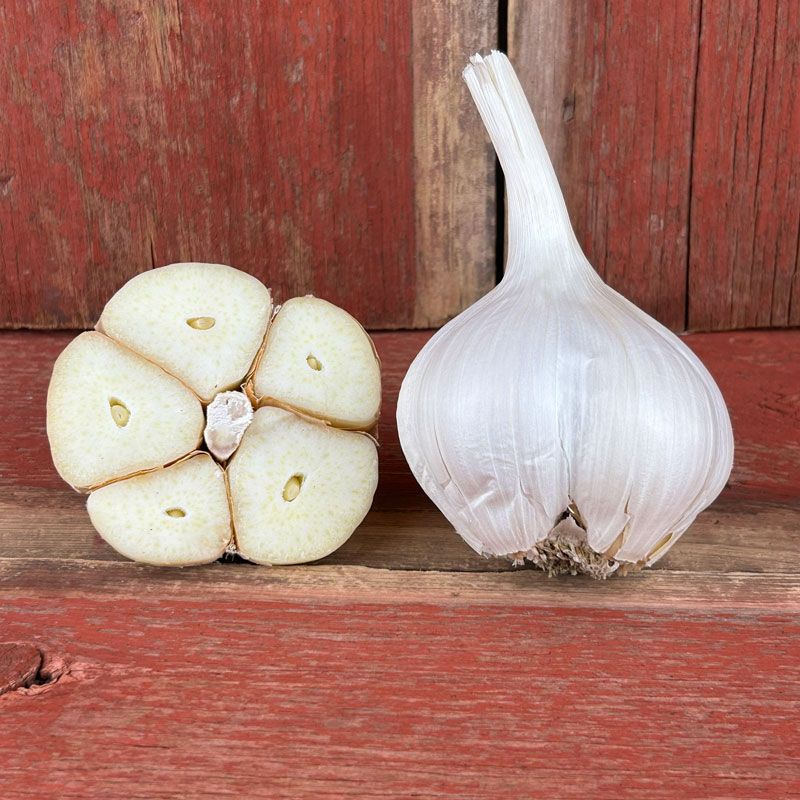
Don’t let the name fool you. Elephant garlic is more closely related to leeks than to true garlic, even though it looks like a giant version of the familiar bulb.
Its flavor is milder and a little sweet, which makes it handy for roasting or slicing into soups.
Planting works much like regular garlic. Set the big cloves in fall, pointed end up, a bit deeper than standard garlic and with more space between them.
Fall planting suits much of Georgia, where the plant can root during winter and size up in spring.
Bulb size can be impressive, though results vary. Rich, loose soil and steady moisture in spring tend to help, while crowding and poor drainage usually lead to smaller heads.
Some plants send up a tall flower stalk in late spring.
Snipping that stalk off early is a common practice, and some gardeners believe it helps the bulb. You will also sometimes find small hard corms attached to the bulb at harvest.
Those little corms can be replanted, but they often take more than one season to grow into full bulbs.
Expect to dig the crop in late spring or early summer when the leaves start yellowing. A few weeks of curing in a shady, airy spot helps the bulbs store longer in the kitchen.
6. Fast-Growing Radishes Are An Option In Warmer Fall Gardens
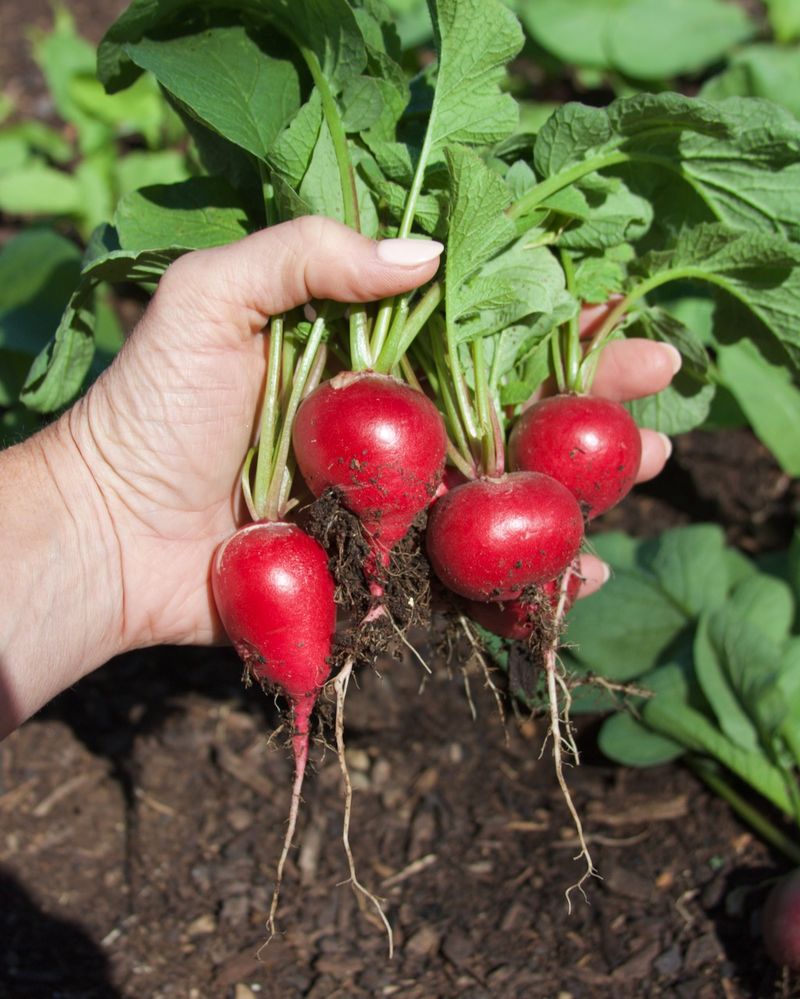
Few crops move as fast as a garden radish. Small round types can be ready in around a month when conditions are favorable, which makes them a fun late fall project.
Kids especially enjoy watching seeds sprout in just a few days.
Cool weather suits radishes well, and heat tends to make them woody or overly spicy. Fall in Georgia often hits that sweet spot, particularly in warmer areas where hard freezes come later.
Sow seeds about half an inch deep in loose, crumbly soil.
Thin the seedlings so each one has a little space, since crowded radishes often form skinny roots. Even moisture matters, because dry spells followed by heavy rain can lead to cracking.
Growth slows as days get shorter and colder.
A planting that would take four weeks in early fall may take noticeably longer in November. Keep an eye on the roots and pull a test radish now and then.
Leaving them in the ground too long can turn them pithy.
Small batches every week or two give you a steadier supply than one big sowing. Larger winter types like daikon need more time, so quick salad radishes are the safer pick for a late start.
Radish greens are edible too, so you can use the tender leaves in salads or cook them like other leafy vegetables. Harvesting roots while they are still firm and crisp gives you the best flavor and texture.
7. Spinach Seeded In Warmer Areas By Late October Handles Frost Well
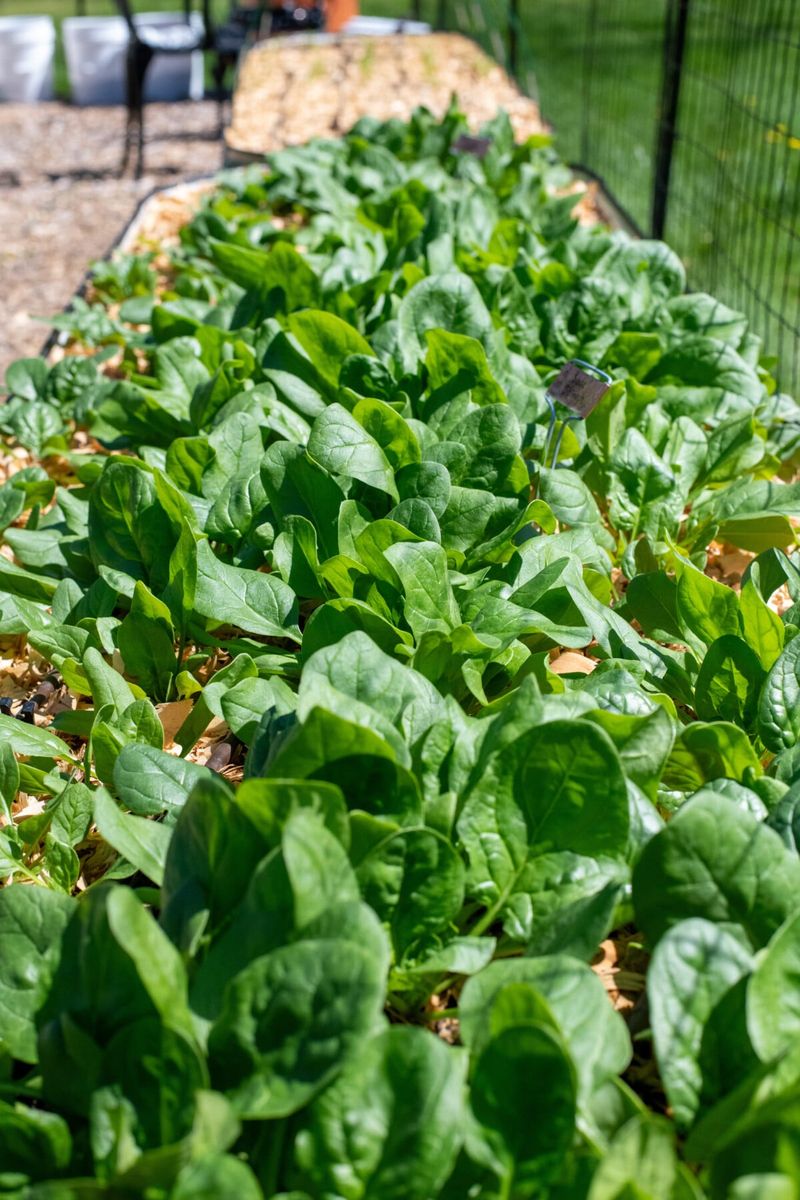
Frost on spinach leaves looks alarming, but this tough green usually shrugs it off. Spinach is one of the more cold-tolerant vegetables you can grow in a home garden.
Getting seed in the ground on time is the tricky part.
In warmer parts of Georgia, sowing by around late October gives plants a chance to establish before winter slows them down. Waiting much longer may leave you with small plants that sit still until spring.
Spinach seed can be fussy about soil temperature.
Very warm soil can lower germination, so an early fall heat wave may cause spotty sprouting. Soaking seeds briefly before planting is something some gardeners try, though results vary.
Fertile, well-drained soil with good organic matter helps leaves grow thick and green.
Spinach tends to struggle in very acidic soil, so a soil test can tell you whether lime is needed. Your county Extension office can help with testing.
Harvest outer leaves first and let the center keep growing.
Plants that make it through winter often push out fresh growth in early spring. Once days lengthen and warm up, spinach tends to bolt, so enjoy it while the weather stays cool.
A light layer of mulch can help protect the roots during colder spells and keep soil moisture consistent.
Row covers can provide extra protection during hard freezes and help keep the harvest going longer.
8. Asparagus Crowns Planted In November Start A Long-Term Bed
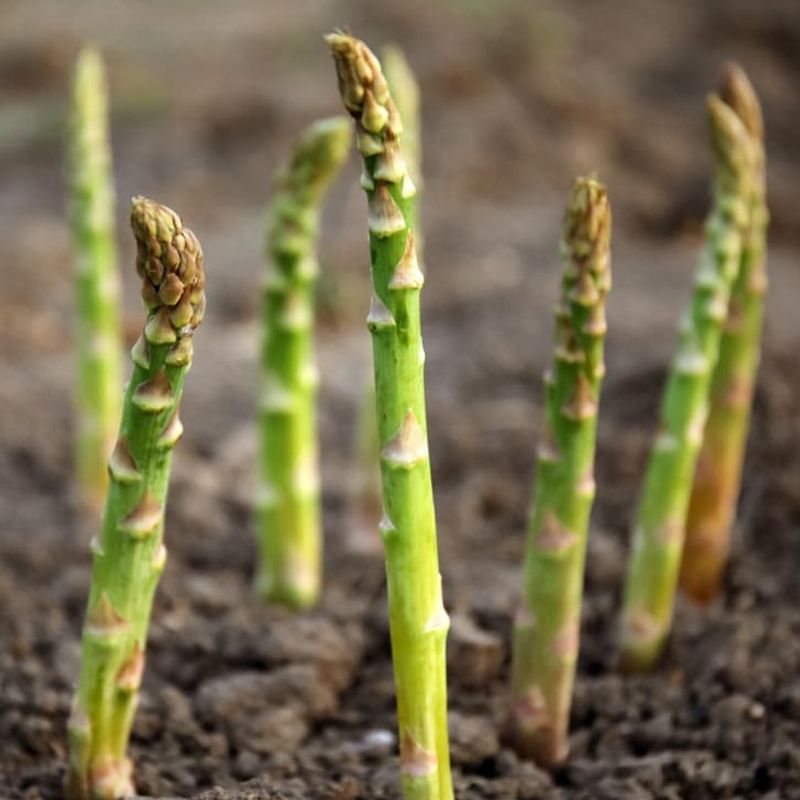
Think of asparagus as an investment rather than a quick crop. A well-kept bed can produce spears for many years, so where you put it matters a great deal.
Choose a sunny spot with good drainage that you will not need to dig up later.
In Georgia, some gardeners plant dormant crowns in late fall or winter, while others wait until late winter or early spring. Availability of crowns at local stores often decides the timing.
Crowns look a bit like dry, tangled spiders.
Set them in a trench several inches deep with the roots spread out, then cover them lightly at first. Many growers fill the trench gradually as shoots appear.
Weeds are the biggest long-term challenge in an asparagus bed.
Clearing grass and perennial weeds before planting saves a lot of frustration down the road. Mulch helps after planting, too.
Patience is required here.
Common advice is to skip harvesting the first season, then pick lightly the next year so the plants can build strong root systems. Heavier harvests usually come after that, though yields depend on soil, care, and variety.
All-male hybrids are often recommended because they put more energy into spears instead of seeds.
These varieties also tend to produce more consistent harvests once the bed is established. Choosing healthy crowns from a reliable nursery gives the plants a better start.
With proper care and a little patience during those early seasons, an asparagus bed can become one of the longest-producing parts of a Georgia garden.