8 Georgia Plants Songbirds Use Most For Summer Shelter
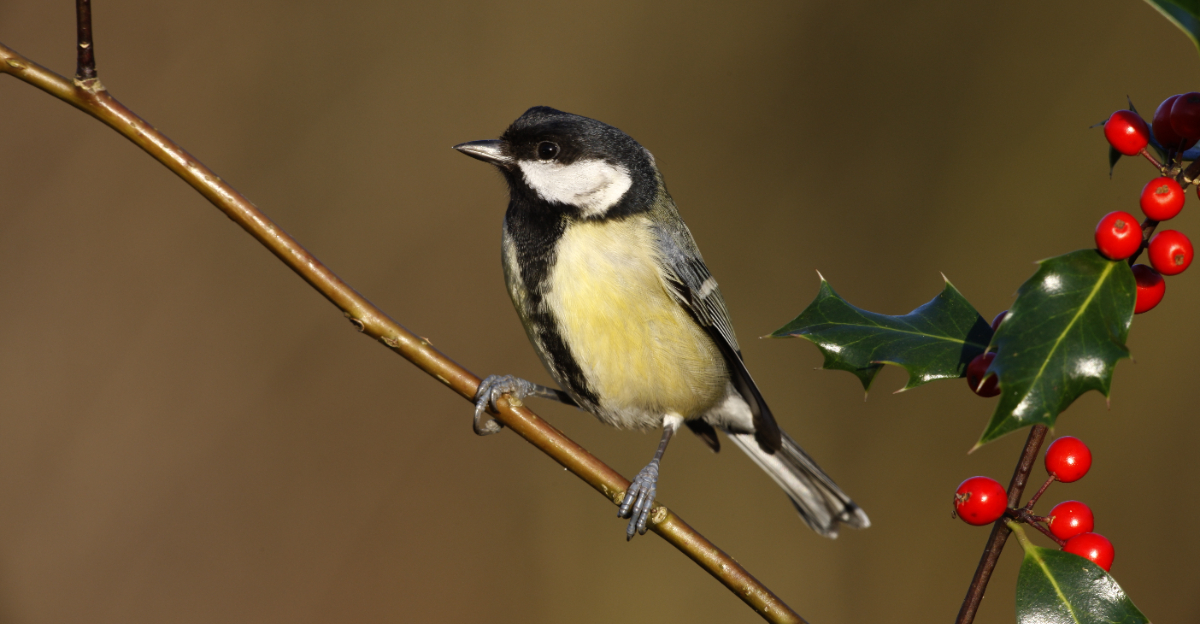
Something is happening in Georgia backyards every summer, and many people walk right past it without noticing.
Songbirds are quietly choosing certain plants over others, tucking themselves into branches, dense shrubs, and leafy canopies to stay cool, safe, and fed during the hottest months of the year.
The plants they pick are not random.
Birds know exactly which trees and shrubs offer the best cover, the most insects, and the safest spots to raise a family.
If you want to attract more songbirds to your yard this summer, understanding which native Georgia plants they actually use for shelter is the best place to start.
Some of these plants are common, some are surprisingly overlooked, and at least one might already be growing in your yard right now.
Native plants support birds in ways that ornamental plants simply cannot match, offering layered habitat that works from the ground up.
Most of these plants are easy to grow, widely available at Georgia native plant nurseries, and beautiful enough to earn a spot in any landscape.
1. American Holly
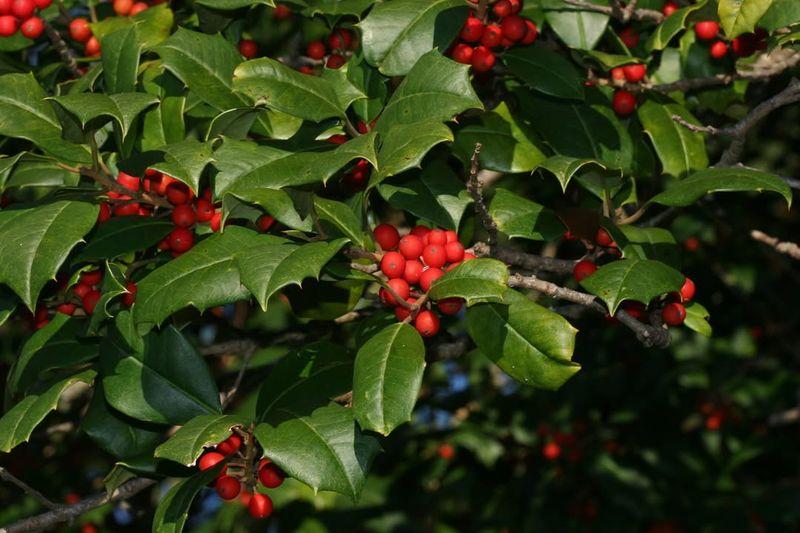
Not many plants pull double duty the way American Holly does.
This native evergreen stays leafy and full all year long, which means songbirds get reliable cover even when other plants drop their leaves in fall and winter.
In summer, that dense canopy becomes something truly special for birds looking for a shaded hiding spot.
American Holly grows throughout Georgia and thrives in a range of soil types, from moist lowlands to drier upland yards.
Its thick branching structure gives small songbirds like Carolina Wrens, Gray Catbirds, and Northern Mockingbirds a safe place to rest, roost, and even nest without being easily spotted by predators.
The layered interior of a mature holly is practically a bird apartment building.
Beyond shelter, the foliage supports a surprising number of insects, which songbirds actively hunt during summer when they need protein to feed growing nestlings.
The plant does not need to be massive to be useful. Even a young holly with a few years of growth starts offering cover quickly.
Female hollies produce the famous red berries, but those ripen in fall and winter rather than summer. For summer shelter purposes, the plant earns its place through structure and shade alone.
Planting one near a water source or feeder gives songbirds a complete habitat package they will return to season after season.
2. Southern Magnolia
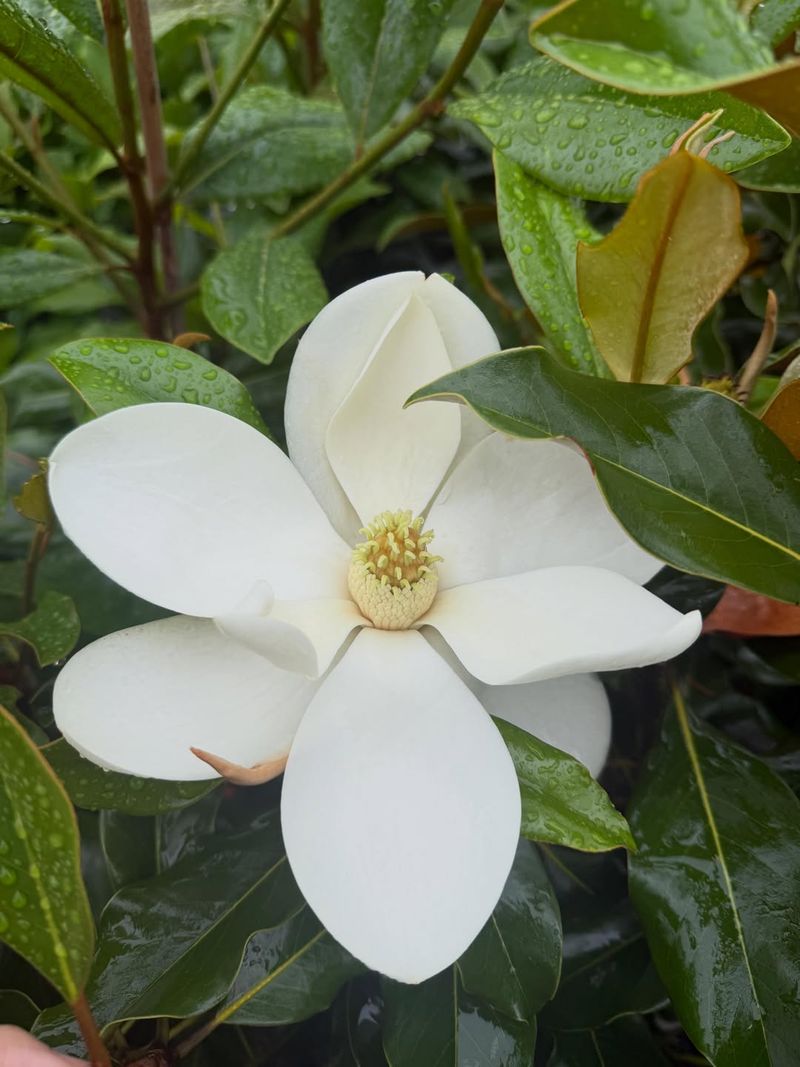
Stand under a mature Southern Magnolia on a July afternoon in Georgia and you will immediately understand why birds love it.
The broad, waxy leaves create a thick canopy that blocks sunlight and drops the temperature underneath by several degrees.
For songbirds managing summer heat, that kind of shade is not a luxury. It is survival.
Southern Magnolia is one of the most iconic trees in the South, and it earns every bit of that reputation from a wildlife standpoint.
Its large evergreen leaves overlap in ways that create sheltered pockets where birds can rest out of direct sun and away from wind.
Your Georgia Garden Changes Every Week. Your Plan Should Too.
Gardening in Georgia changes quickly throughout the season. Every Friday you’ll receive a simple weekly plan showing exactly what to plant, prune, fertilize, harvest, and protect so you never miss the right timing.
Species like Wood Thrushes, Blue-gray Gnatcatchers, and various warblers passing through Georgia during summer use magnolia canopies as protected resting spots during the hottest parts of the day.
The tree also supports a healthy insect community within its bark and leaf surfaces, giving foraging birds a reason to linger rather than just pass through.
Magnolia seeds ripen in late summer and early fall, drawing in additional bird activity just as the season shifts.
Planting a Southern Magnolia gives your yard a long-term anchor that grows more valuable to wildlife with every passing year.
It works especially well as a backdrop to shorter shrubs, creating that layered habitat structure that songbirds consistently seek out.
Few trees make a bigger statement while doing more quiet work for birds at the same time.
3. Wax Myrtle
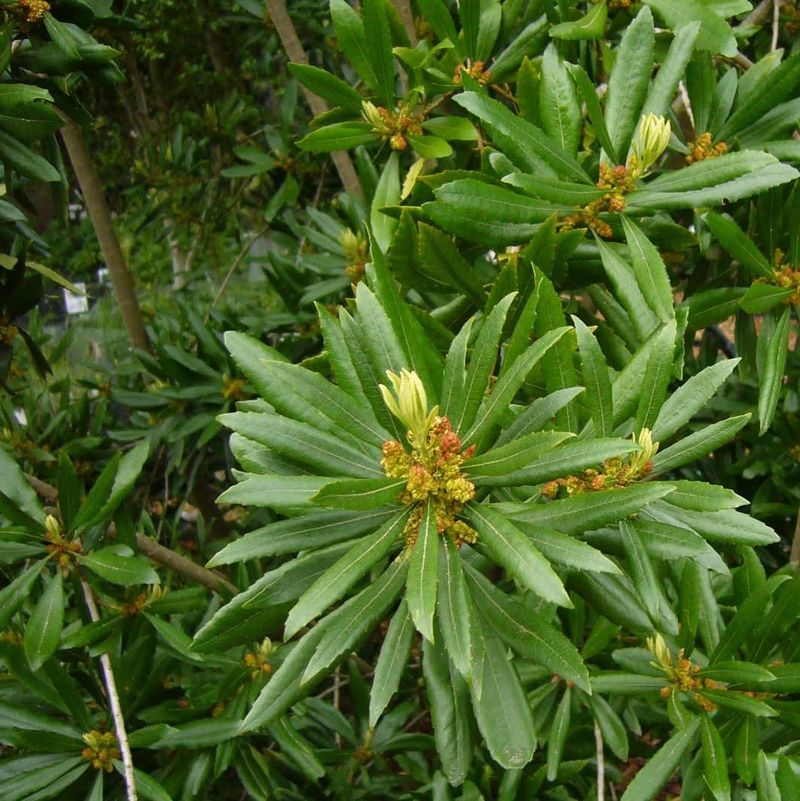
Wax Myrtle might be the most underappreciated native shrub in Georgia.
It grows fast, stays green through winter, and creates the kind of dense, tangled edge cover that songbirds search for when they need a quick escape from a hawk or a shady spot to sit between foraging trips.
Birders who add Wax Myrtle often notice an uptick in bird activity within the first growing season.
This shrub thrives in both wet and dry conditions across Georgia, making it one of the most adaptable native plants available.
It naturally forms thickets along field edges, pond margins, and roadsides, and that edge habitat is exactly what many songbirds prefer.
Species like Yellow-rumped Warblers, Common Yellowthroats, and White-throated Sparrows are drawn to its dense structure. In summer, resident birds like Carolina Chickadees and Tufted Titmice use it regularly for shelter and foraging.
The small waxy berries that give this plant its name are a high-fat food source that Tree Swallows and Yellow-rumped Warblers famously depend on during migration.
But even before those berries appear, the summer foliage alone justifies planting it.
Wax Myrtle can be pruned into a small tree form or left to grow naturally as a spreading shrub.
Either way, it fills the critical mid-layer of a habitat garden, connecting taller trees above to lower ground cover below.
That connection is what makes a yard feel like a real bird habitat rather than just a pretty garden.
4. American Beautyberry
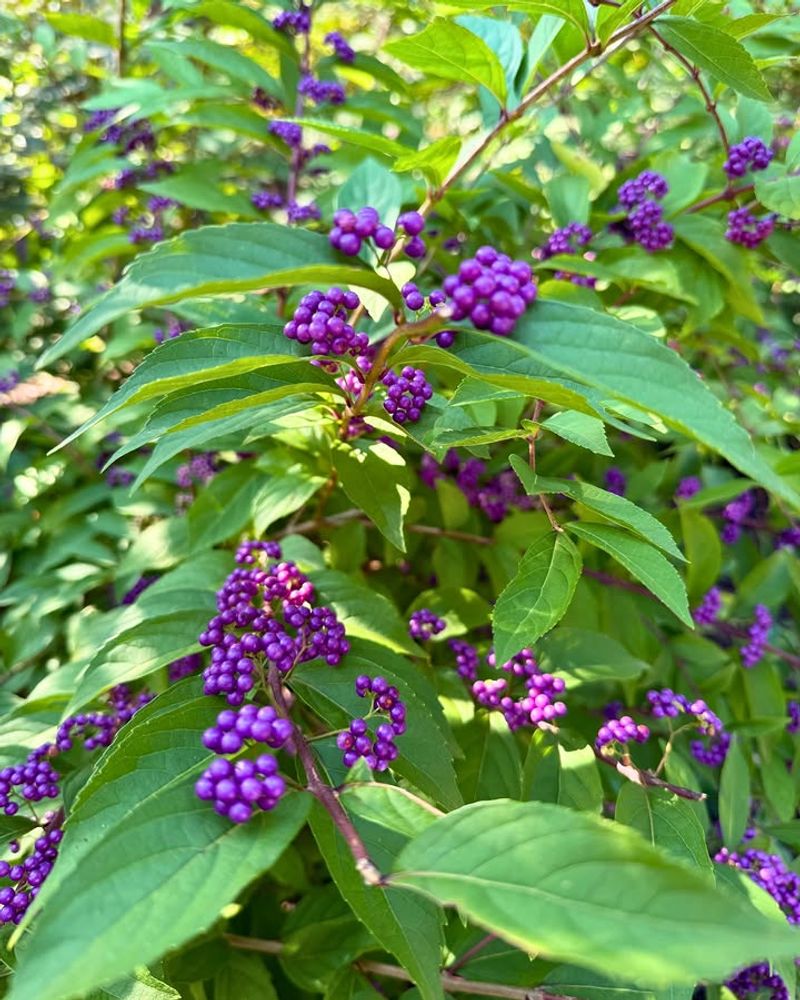
Walk through almost any Georgia woodland edge in summer and you will likely spot American Beautyberry without even trying.
Its large, soft leaves fan out in a loose, arching shape that creates shady pockets at mid-shrub height, exactly where many songbirds prefer to perch and rest during warm afternoons.
The plant has a relaxed, almost casual growth habit that makes it look like it belongs in the wild, because it does.
American Beautyberry fills the shrubby gaps in a yard that taller trees and lower ground covers simply cannot reach.
That mid-level niche is critical for layered bird habitat. Species like Northern Cardinals, Eastern Towhees, and Brown Thrashers are classic understory birds that spend much of their time in shrubs just like this one.
They use the leafy canopy for shade and the branching structure for perching and foraging for insects among the foliage.
The stunning magenta berry clusters that appear in late summer and fall get most of the attention, and rightfully so.
But the summer leaf cover deserves equal credit. Those broad leaves create real shade and visual concealment for birds resting inside the shrub.
American Beautyberry grows quickly and handles Georgia heat and humidity without complaint. It performs well in partial shade, which makes it a natural fit beneath taller canopy trees.
Planting several in a loose grouping creates a shrubby thicket that gives songbirds both cover and a reason to stay put all season long.
5. Elderberry
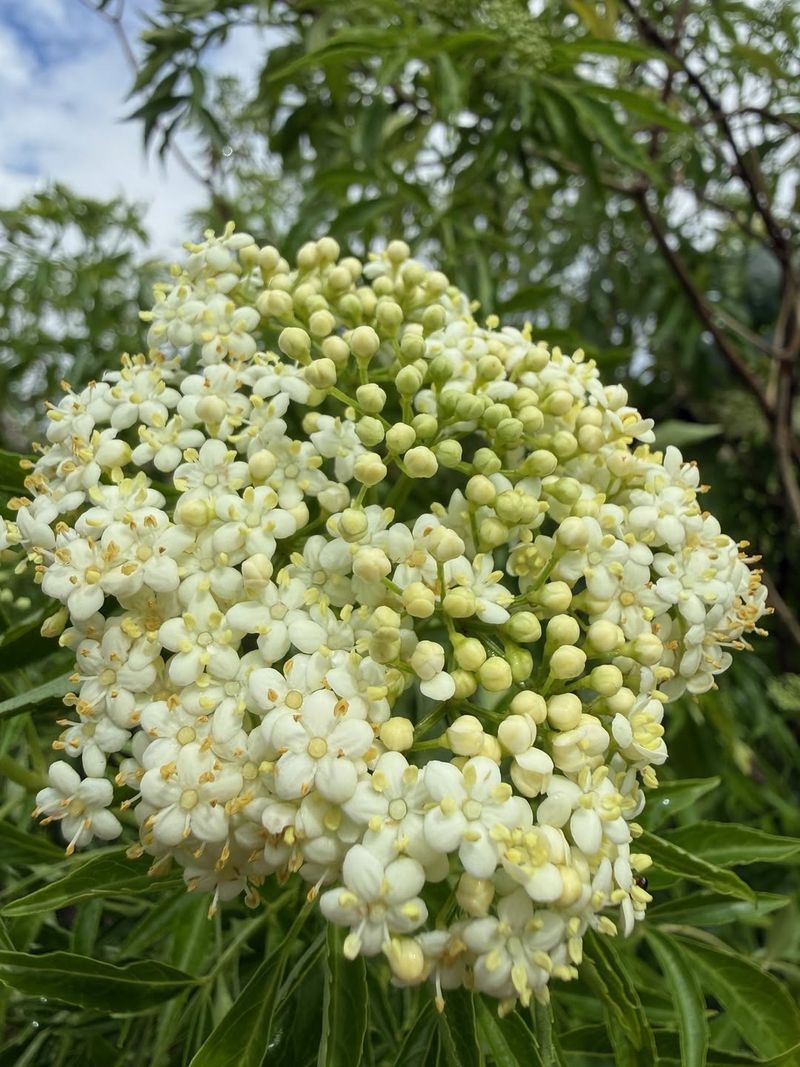
Few native shrubs grow as fast or give back as much as Elderberry.
Plant one in spring and by midsummer you have a shoulder-high wall of large, compound leaves that creates serious visual cover for birds moving through your yard.
That rapid growth is not just impressive to watch. It is genuinely useful for songbirds that need shelter fast in a yard that is still developing its habitat layers.
Elderberry is native across Georgia and tends to grow in moist areas near streams, pond edges, and low spots in the landscape.
In a garden setting, it adapts well with regular watering and rewards you quickly. The large leaves create deep shade beneath the shrub and within its branching canopy.
Yellow Warblers, Indigo Buntings, and Gray Catbirds are among the songbirds that use dense shrubs like Elderberry for summer nesting and shelter.
The flat-topped clusters of small white flowers attract pollinators in late spring and early summer, and those insects in turn attract insect-hunting songbirds to the plant.
By late summer, the flowers give way to clusters of dark purple berries that are highly attractive to fruit-eating birds.
Elderberry essentially pulls birds in across multiple seasons by offering something different at each stage of its growth cycle.
For gardeners who want results fast without sacrificing wildlife value, Elderberry is one of the smartest native shrubs to add to a Georgia backyard habitat plan.
6. Flowering Dogwood
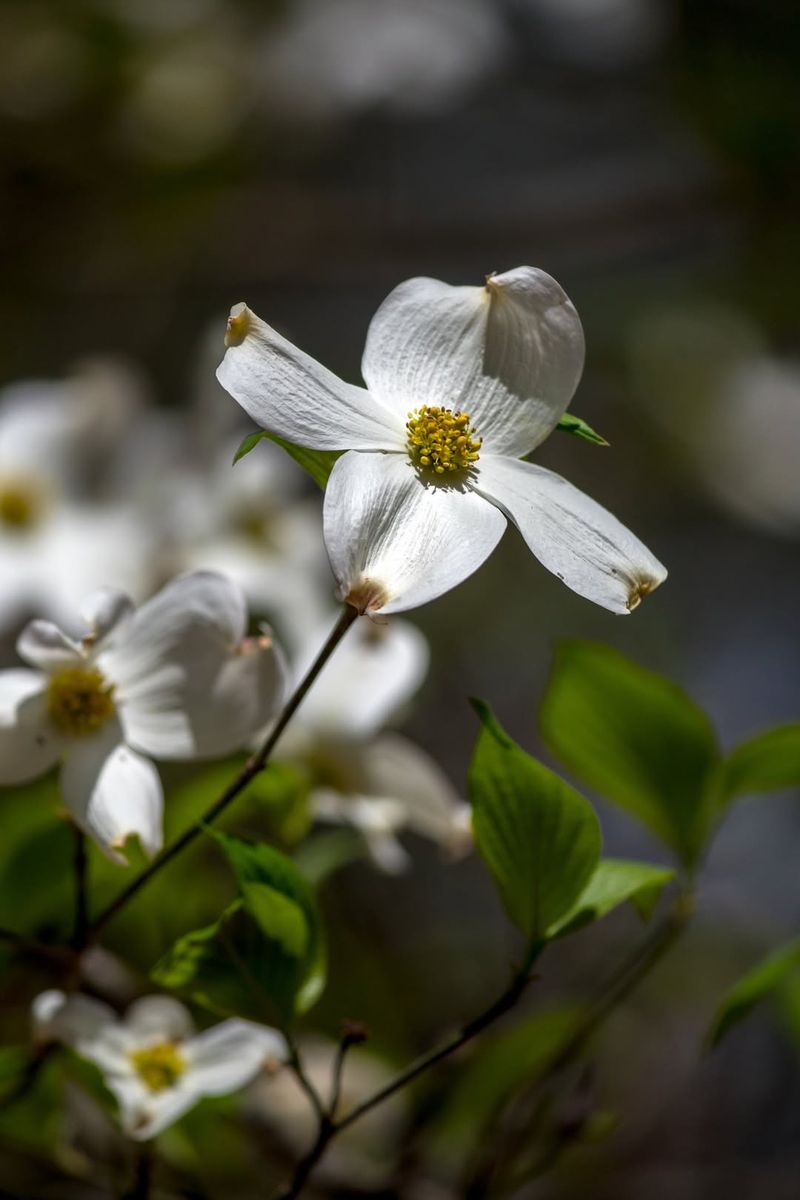
Many people think of Flowering Dogwood in spring, when its white or pink blooms steal the show across Georgia landscapes.
But summer is when this small native tree quietly does some of its most important work for songbirds.
Once the flowers fade, the tree fills in with a full canopy of broad green leaves held on distinctive horizontal branches that spread outward in flat, layered tiers.
That horizontal branching pattern is not just beautiful.
It creates a series of natural platforms and sheltered spots at mid-canopy height where songbirds can perch, rest, and forage without exposure.
Species like Red-eyed Vireos, Eastern Wood-Pewees, and various warblers use small trees like Flowering Dogwood as staging areas between foraging flights.
The layered structure gives birds multiple height options within a single plant, which is a key feature of quality bird habitat.
Flowering Dogwood also supports an impressive number of caterpillars and other insects on its leaves and bark during summer.
Native dogwoods are consistently highlighted as important insect host plants, and those insects are exactly what parent songbirds need to feed their nestlings.
By late summer, the bright red berries begin to ripen and draw in a whole new wave of fruit-loving birds.
Planting a Flowering Dogwood beneath a taller canopy tree mimics its natural forest understory role and gives your yard that essential midlevel shelter layer that songbirds genuinely rely on.
7. Oaks
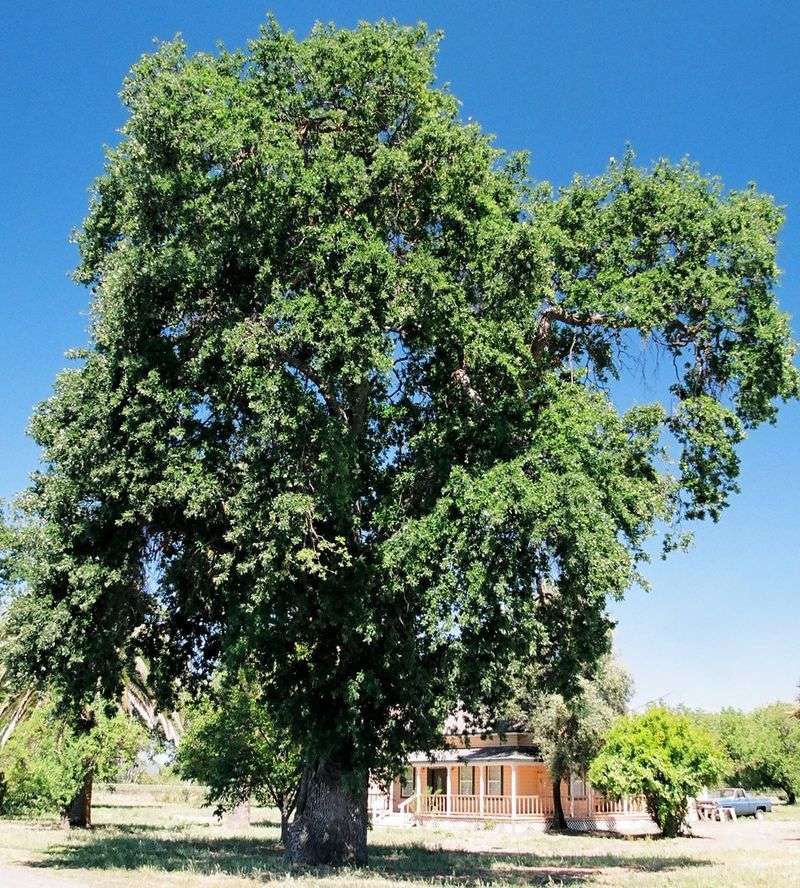
If there is one plant that wildlife biologists and native plant advocates agree on above all others, it is the Oak.
Native oaks support more wildlife species than almost any other tree genus in eastern North America.
Research found that oaks host over 500 species of caterpillars alone, and those caterpillars are the primary food source that most songbirds depend on to raise their young during summer.
Georgia is home to several native oak species, including White Oak, Willow Oak, and Water Oak, and each one provides the same basic benefit.
A massive, insect-rich canopy that functions like a fully stocked bird buffet from May through August.
Summer tanagers, Baltimore Orioles, and dozens of warbler species actively hunt caterpillars and other insects in oak canopies throughout the breeding season.
The activity level in a mature oak on a summer morning can be genuinely hard to believe until you see it for yourself.
Beyond insects, the broad canopy of a mature oak creates deep shade that cools the ground below, supports understory plants, and gives birds a protected space to move through the yard without being exposed.
Acorns ripen in fall and feed an entirely different group of species, but summer is when oaks truly earn their reputation as the anchor of any serious bird habitat garden.
Planting even one native oak starts building habitat value that compounds with every passing decade, making it the single highest-impact plant decision a Georgia gardener can make for songbirds.
8. Spicebush
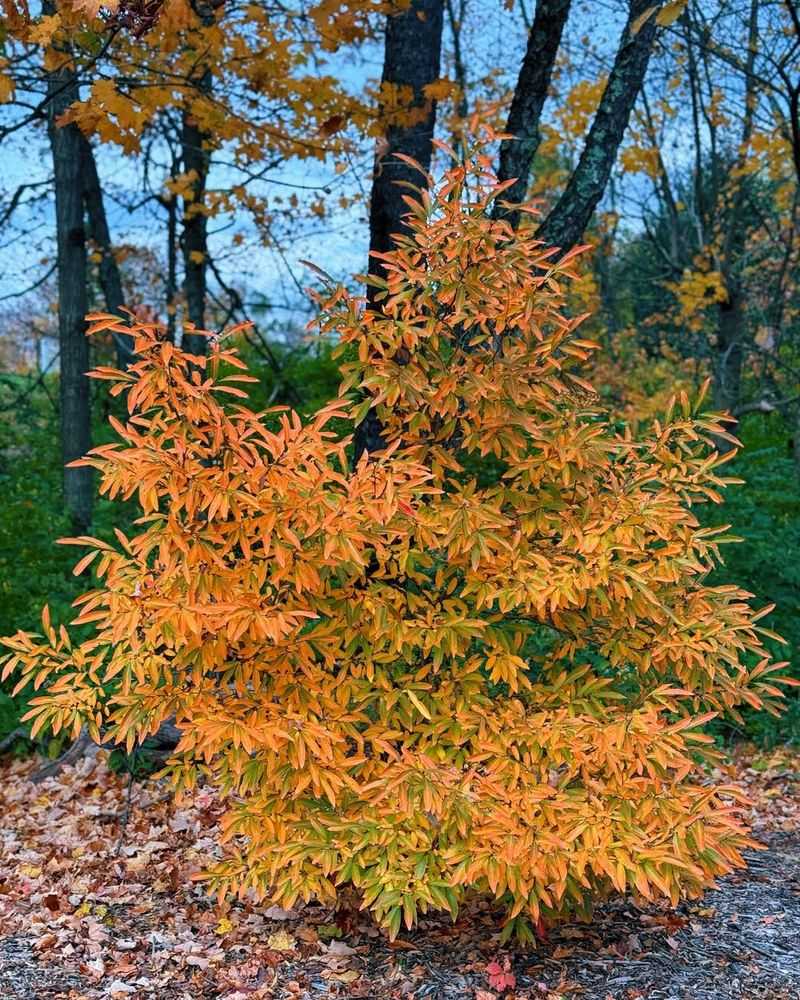
There is a native shrub growing in Georgia’s moist woodlands that songbirds depend on more than many gardeners ever realize.
Spicebush occupies the shaded understory layer that sits between taller canopy trees and lower ground cover.
That precise position in the landscape makes it one of the most strategically valuable plants a Georgia gardener can add for summer bird habitat.
The dense, leafy canopy of a mature spicebush creates deep shade at mid-level height where birds like Kentucky Warblers, Acadian Flycatchers, and Hooded Warblers regularly forage and rest during summer heat.
These are species that spend most of their lives in exactly this kind of shaded, humid understory environment.
Without plants like spicebush filling that layer, those birds simply move on to find it elsewhere.
Spicebush is also the sole host plant for the spicebush swallowtail butterfly, which means it draws in caterpillars that insect-hunting songbirds actively seek out.
Parent birds feeding nestlings in summer need a reliable caterpillar supply nearby, and a spicebush provides exactly that.
The shrub grows well in partial to full shade with consistently moist soil, making it a natural fit beneath oaks, magnolias, or dogwoods already in the yard.
In late summer, the bright red berries ripen and attract thrushes, vireos, and other fruit-eating migrants beginning to move through Georgia ahead of fall.
For a yard trying to build a complete habitat stack from canopy to ground level, spicebush fills the middle with more ecological value than almost any other Georgia native shrub can match.