8 Leafy Greens To Plant In California In November For Winter Salads
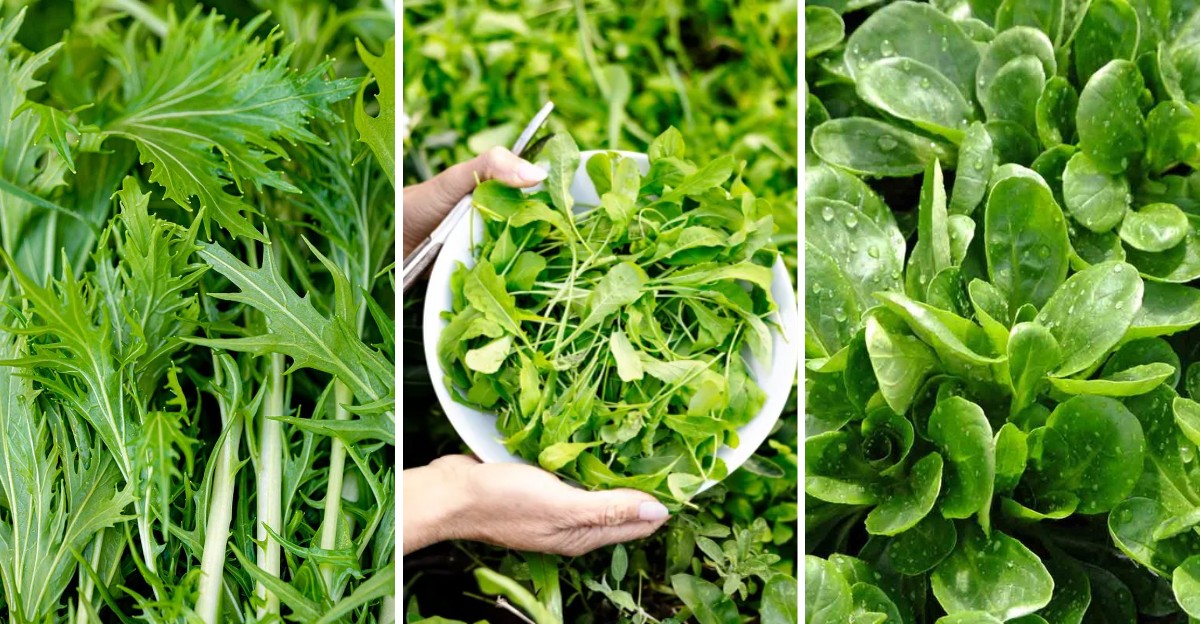
Frosty nights push some leaves to swap stored starch for sugar, a clever trick that works like natural antifreeze. I love how that chilly chemistry turns a plain garden bed into a bowl of crisp, candy-sweet salad.
Gardeners in California get a rare bonus, since November soil stays warm while the air finally cools down. Seeds sprout quickly in that sweet spot, and the young plants settle in before the shortest days arrive.
Personally, I think a winter salad tastes better when it travels about thirty steps from the bed to the bowl. You might notice the leaves feel crunchier too, since they skip the long truck ride across California.
While snow buries gardens back east, your beds can stay green and busy with fresh leaves all season. So which greens deserve a spot in your soil this month, and which one might surprise you most?
1. Looseleaf Lettuce
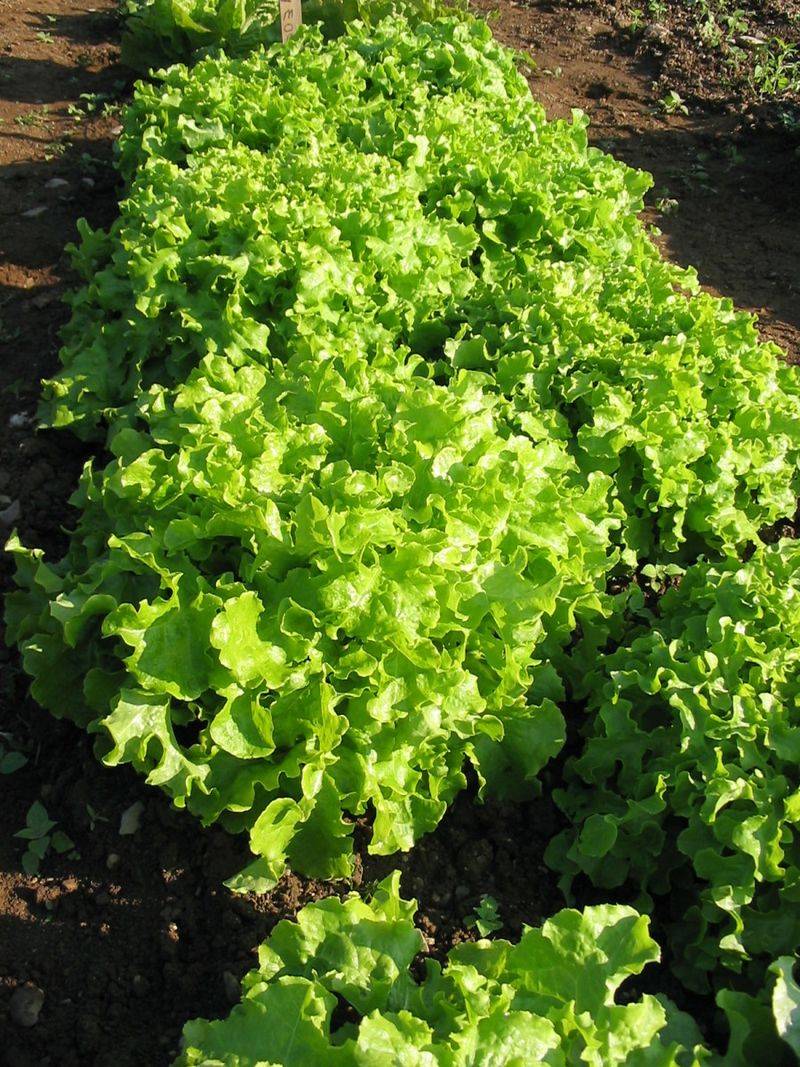
Snipping a handful of ruffled leaves for dinner, then watching the same plant regrow by next week, feels like magic. Looseleaf lettuce skips the tight head and simply keeps pushing out tender new leaves from its center.
Botanists call it Lactuca sativa, the same species as romaine and iceberg, just bred for open rosettes. I like mixing red oakleaf and green salad bowl types, because the bed looks like a patchwork quilt.
Lettuce seed struggles to sprout in hot soil, so cooler weather gives you much better germination rates. Mild winters near the coast and in the valleys let these plants grow steadily without bolting to seed.
Sow the tiny seeds about an eighth to a quarter inch deep, because shallow planting helps them sprout. Thin the seedlings to roughly six to eight inches apart, and toss the extras into your first salad.
Shallow roots mean the soil should stay evenly moist, though winter rain often handles much of that job. Mix compost into the bed before planting, and give the plants full sun during these shorter days.
Slugs and snails love lettuce as much as we do, especially after a rainy night in the garden. Handpicking them by flashlight sounds odd, but it works surprisingly well and keeps your leaves looking tidy.
Start picking outer leaves once they reach about four inches, leaving the center to keep growing. A new sowing every few weeks keeps fresh lettuce coming until warm spring days finally push it to bolt.
2. Spinach
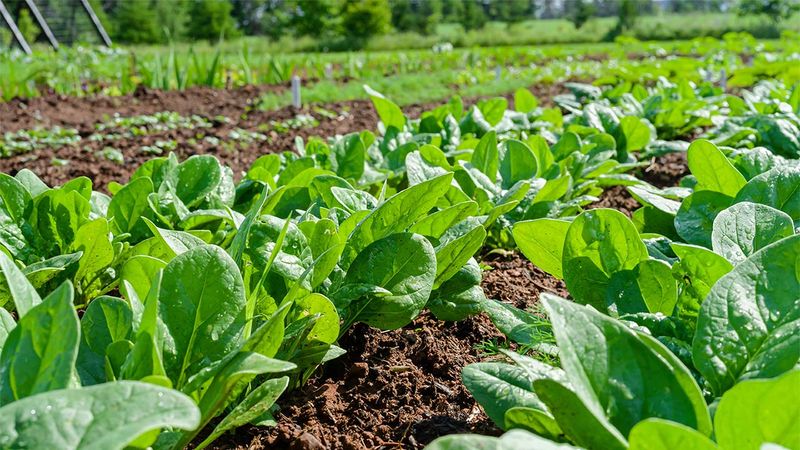
Spinach has a funny quirk, because lengthening spring days tell it to flower, no matter how cool the air feels. Planting now lets it enjoy short winter days, when it stays leafy and calm instead of racing to seed.
Its scientific name is Spinacia oleracea, and it likely traces back to ancient Persia before spreading across Europe. I have to admit, fresh baby spinach from the garden makes store bags taste like cardboard.
Choose a sunny spot with loose, rich soil, since spinach prefers a pH close to neutral. Heavy clay can stay soggy in winter, so raised beds or plenty of compost help roots breathe.
Sow seeds about half an inch deep, and expect sprouts in roughly one to two weeks in cool soil. Thin young plants to about three to six inches apart, giving each rosette room to spread out.
Savoy types have crinkly leaves that trap soil, while smooth-leaf types rinse clean in seconds for quick salads. Personally, I grow a little of each, because the crinkly kind tends to handle cold snaps nicely.
Spinach can handle light frost without trouble, though a row cover helps during unusually hard freezes inland. Keep an eye out for leaf miners, which leave pale squiggly trails inside the tender green leaves.
Baby leaves are often ready in about a month, while full-size leaves take closer to six weeks. Pick outer leaves first, and sow another short row every couple of weeks for a steady supply.
3. Kale
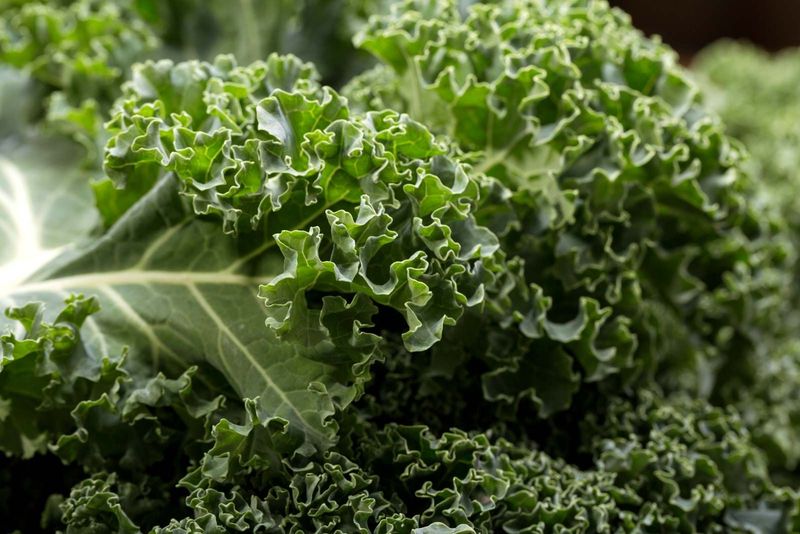
A light frost does kale a big favor, nudging its leaves to taste sweeter and less sharp. I can’t imagine a winter bed without those sturdy blue-green leaves standing tall like little palm trees.
Kale belongs to Brassica oleracea, the same species that gave us cabbage and broccoli through centuries of careful breeding. Lacinato, sometimes called dinosaur kale, has bumpy dark leaves, while curly types look like frilly green petticoats.
For winter salads, young leaves work best, since older ones turn chewy and need a good massage. Rubbing chopped kale with a little olive oil and salt softens it in just a minute or two.
Transplants give you a head start this late in fall, though seeds sown now will still grow nicely. Space plants about twelve to eighteen inches apart in rich soil, because kale is a hungry feeder.
Give it full sun and steady moisture, and work some compost into the bed before planting day. Kale handles the chilly nights found across much of California with ease, even in colder inland valleys.
Aphids love to hide under kale leaves, so flip a few over each week and check closely. A strong spray of water knocks many aphids loose, and a row cover blocks cabbage worm moths.
Harvest the lower leaves first and leave the top growing point alone so the plant keeps producing. With regular picking, one plant can feed your salad bowl for months, often well into spring.
4. Arugula
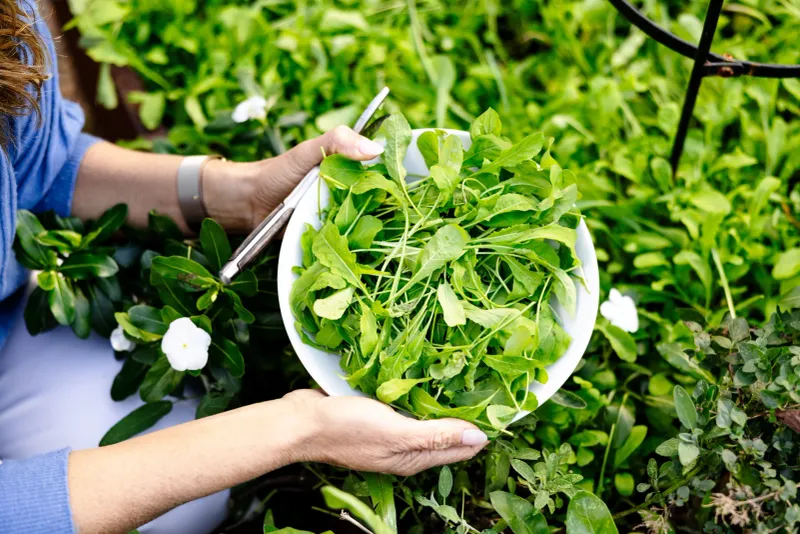
Arugula tastes like someone sprinkled black pepper on a leaf, and that spicy kick wakes up any bland salad. What surprises me most is how fast it grows, with baby leaves ready in roughly four to six weeks.
Its botanical name is Eruca vesicaria, and folks in Britain call it rocket, a name with Italian roots. Ancient Romans grew it in their gardens, so you’re joining a very old salad tradition here.
Cool weather keeps the flavor pleasantly zippy, while hot weather turns the leaves harsh and pushes plants to flower. That makes this time of year a golden window for growers in mild coastal and valley regions.
Scatter seeds about a quarter inch deep in loose soil, then keep the surface damp until sprouts appear. Thin plants to roughly four to six inches apart if you want bigger leaves for cutting later.
Tiny flea beetles chew pinholes in arugula leaves, and a lightweight row cover keeps them off nicely. Cooler months usually bring fewer beetles, which is one more reason winter arugula looks so clean.
Pick outer leaves when they reach two to four inches, or cut the whole bunch above the crown. Cutting an inch above the soil often lets the plant regrow for a second, smaller harvest later.
If a few plants bolt in spring, leave them, because the creamy flowers are edible and bees adore them. I like sprinkling those little blossoms over salads, and they carry the same peppery bite as the leaves.
5. Swiss Chard
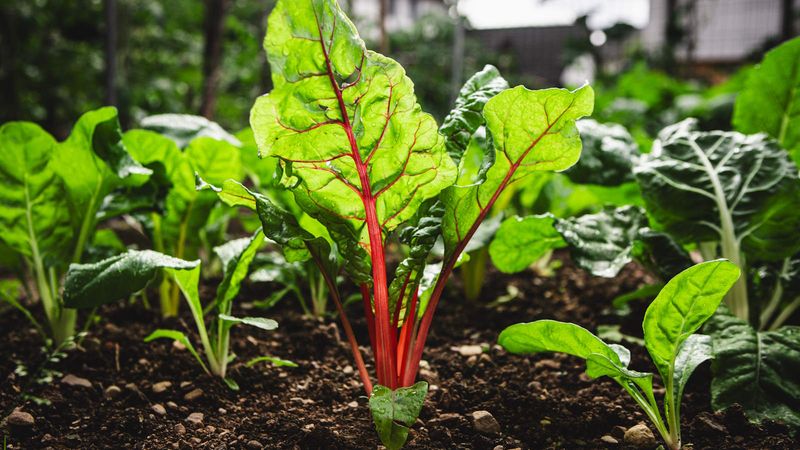
Rainbow chard stems glow like neon signs on gray winter mornings, in bright shades of ruby and gold. Honestly, I sometimes plant it near the front door just because it looks so cheerful there.
Swiss chard is actually a beet, Beta vulgaris, that was bred for big leaves instead of a fat root. Despite its name, it has no special tie to Switzerland and likely comes from the Mediterranean region.
Young leaves taste mild and earthy in salads, while big older leaves are better sautéed with garlic. The crisp stems can be chopped finely too, adding bright color and texture to your salad bowl.
Each wrinkled seed is really a cluster of seeds, so several sprouts may pop up from one spot. Sow them half an inch deep, then thin to about six to twelve inches apart with scissors.
Chard loves rich soil and steady moisture, and it handles both mild frost and warm afternoons well. That easygoing nature makes it one of the most dependable greens for gardens up and down California.
Leaf miners sometimes tunnel through chard leaves, leaving tan blotches you can simply pinch off and toss. Snails also enjoy the tender new growth, so check under nearby boards and pots after rainy nights.
Begin picking baby leaves within about a month, or wait for larger outer leaves near eight weeks. Twist or cut them at the base, and the plant keeps sending up fresh stems for many months.
6. Mizuna
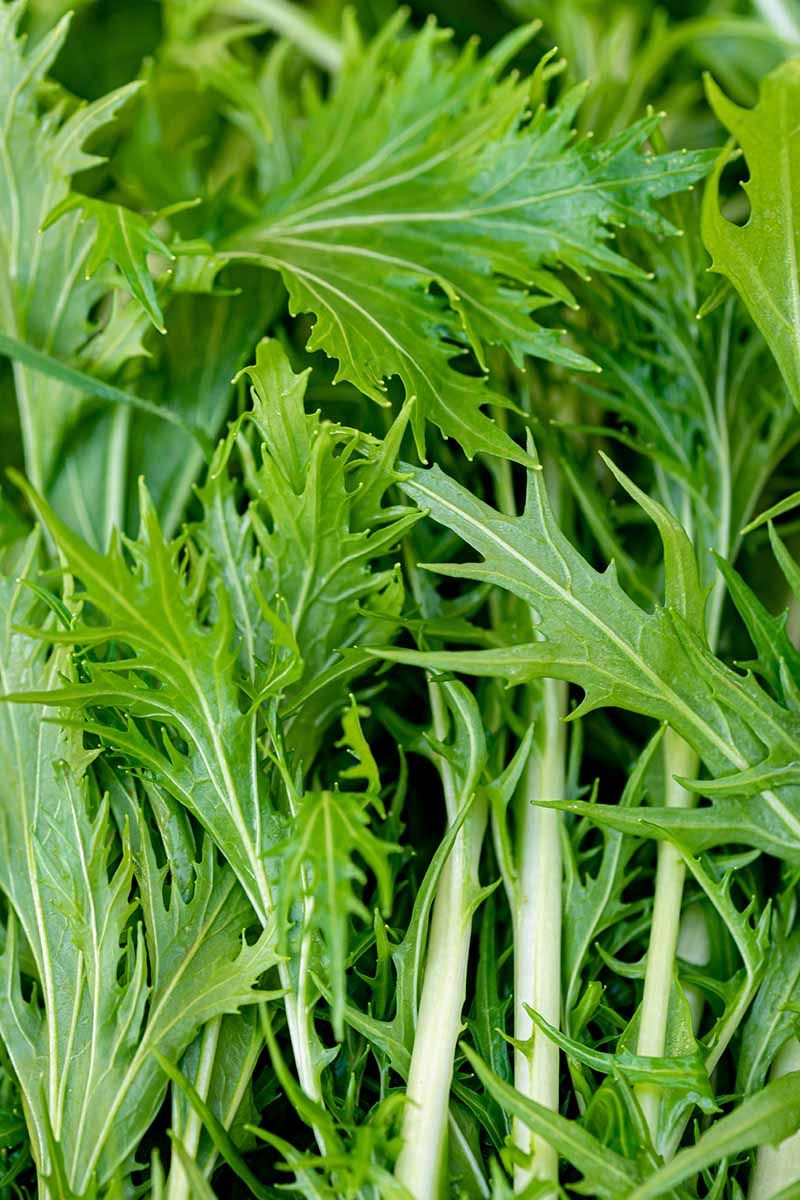
Mizuna leaves look like someone cut green lace with tiny scissors, and they make salads look instantly fancy. You’re in for a treat, because the flavor is mild and just a little peppery, nothing too wild.
Known as Brassica rapa var. japonica, this Japanese mustard green is a close cousin of turnips and bok choy. In Japan, it has been grown for centuries, and the name roughly means water greens or juicy greens.
Mizuna grows quickly, giving you baby leaves in about three weeks under good conditions, a bit longer in winter. I love how forgiving it is, since it handles cool weather and partial shade better than most greens.
Sow seeds a quarter inch deep in fertile, well-drained soil, about an inch apart in short rows. Thin to about six inches for full plants, or leave them crowded for a tender baby leaf mix.
Keep the soil evenly damp between rains, because dry spells can make the leaves tough and extra spicy. Mizuna shrugs off light frost, and a row cover helps on the coldest nights in inland gardens.
Flea beetles and aphids sometimes visit, just like they do on other mustard family crops in your garden. Covering young plants with lightweight fabric early on keeps most of these pests from settling in.
Cut the leaves a couple of inches above the soil, and the plant usually regrows for several more harvests. Mizuna also grows happily in a wide pot, which makes it a smart pick for patios.
7. Tatsoi
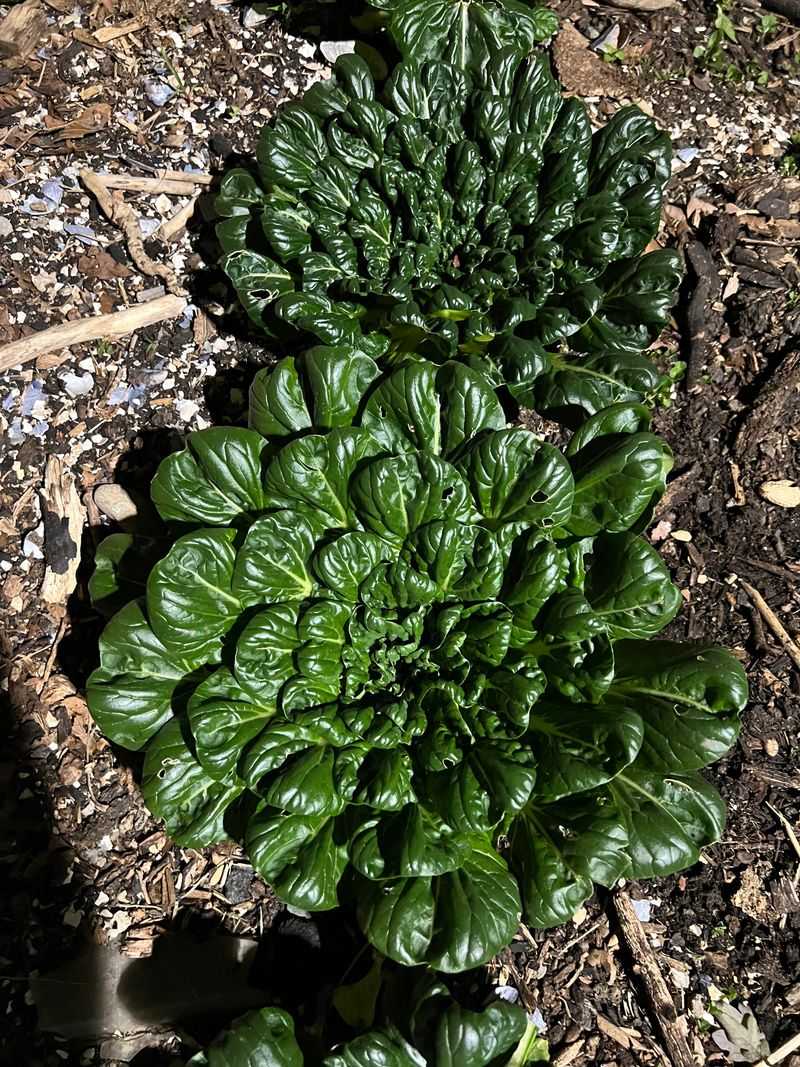
Tatsoi grows in a flat, dark green rosette so neat that it looks like a carefully arranged flower. Its glossy, spoon-shaped leaves even earned it the nickname spoon mustard, a name that fits perfectly.
Botanists list it as Brassica rapa subspecies narinosa, so it shares family ties with Chinese cabbage and mizuna. The flavor is gentle and slightly sweet, with just a whisper of mustard at the end.
Cold weather suits tatsoi beautifully, and it can handle frost that would send tender summer crops into a sulk. Heat is the bigger problem, since warm spells can push it to flower long before you want it to.
Direct sow seeds a quarter inch deep, or set out transplants if you want a quicker start. Space plants about six inches apart, giving each rosette enough room to spread its leaves wide.
Rich soil with plenty of compost keeps the leaves thick and juicy, so feed the bed before planting. Full sun works best in winter, though some afternoon shade is fine in warmer Southern California spots.
Baby leaves can be ready in about three weeks, while full rosettes usually take around six to seven weeks. Pick a few outer leaves at a time, or slice the whole rosette just above the soil.
In my kitchen, tatsoi shines brightest in a simple salad with orange slices and toasted sesame seeds. The leaves also wilt nicely into soups, so any extras from your harvest will not go to waste.
8. Mache
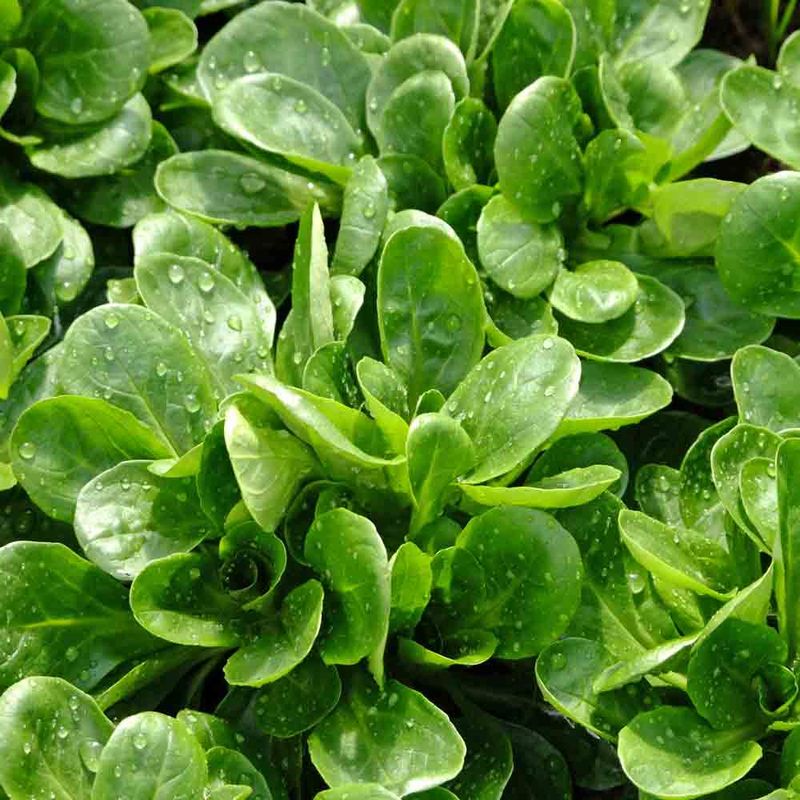
Mache once grew as a weed in European grain fields, which is how it earned the nickname corn salad. Farmers eventually noticed those little velvety rosettes tasted wonderful, and the humble weed moved into gardens.
Scientists call it Valerianella locusta, though many cooks prefer lamb’s lettuce, a cozy name for such soft leaves. The flavor is mild and nutty, and I love how the small round leaves feel almost buttery.
Mache thrives in chilly weather and struggles in heat, so winter suits it well in coastal and valley gardens. Seeds germinate best in cool soil, which makes this time of year a great match for sowing.
Press seeds about a quarter inch deep and keep the soil moist, because sprouting can take two weeks or more. You need a little patience here, since mache grows slowly compared with speedy greens like arugula.
Space the seeds about an inch apart, then thin plants to roughly four inches once they sprout. Loose, fertile soil and full winter sun help these tiny rosettes fill out faster in the garden.
Low-growing leaves splash with mud during rainstorms, so a light straw mulch keeps them much cleaner. Slugs may nibble the tender rosettes too, so check the bed after damp evenings and remove any visitors.
Harvest whole rosettes when they reach a few inches across, cutting just above the soil line with scissors. Rinse them well, then toss with beet slices and a light vinaigrette for a truly delicate winter salad.