The Meaning Behind Seeing A Chipmunk In Your California Yard
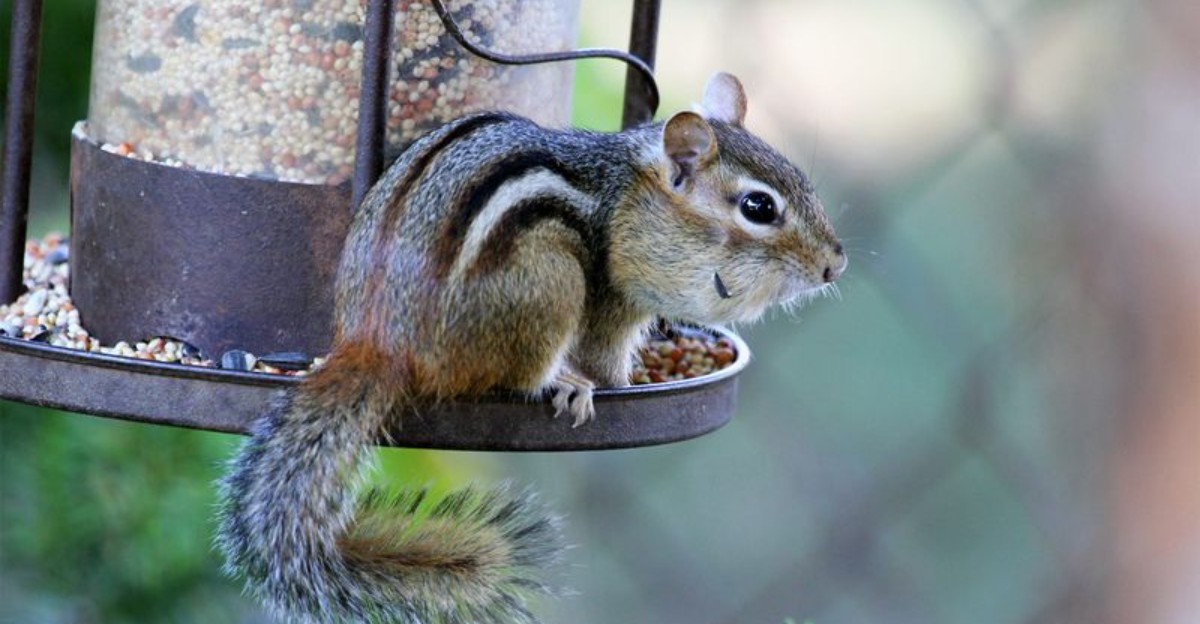
A chipmunk slips beneath a shrub, pauses beside a flower bed, then disappears before you can get a good look.
Seeing one in your California yard may seem like a random wildlife encounter, but there is usually a reason it chose your property.
Your landscape can offer everything a chipmunk needs in one convenient place: seeds and berries for food, plants and rocks for cover, and loose soil for digging.
The season can also influence how active these small animals become and where they spend their time. That makes a chipmunk sighting an interesting clue about what your yard provides for local wildlife.
You do not have to treat every visit as a pest problem. Sometimes it is simply a sign that your garden has created a welcoming pocket of habitat.
The real question is what the visit means for your plants, soil, and the rest of the wildlife sharing your space.
1. Your Yard May Offer Plenty Of Food
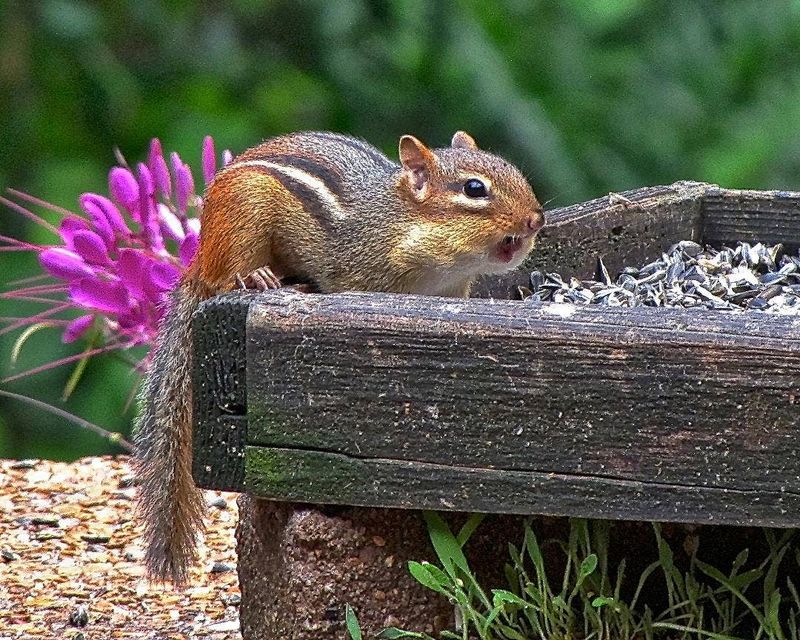
A chipmunk rarely wanders somewhere by accident. When one shows up in your yard, food is usually the biggest draw. These small animals need lots of energy to stay busy all day.
Yards packed with nuts, seeds, berries, and insects act like a buffet for them. If you have oak trees, sunflowers, or berry bushes, you are basically ringing a dinner bell. Chipmunks love acorns, and California yards often have plenty of them.
They also munch on mushrooms, tender plant shoots, and even the occasional worm. All that variety keeps them coming back for more meals.
Their cheek pouches let them carry food to store for later. So when you see one stuffing its face, it is planning ahead for leaner days.
If you want fewer visits, try cleaning up dropped nuts and fallen seeds regularly. Keeping food sources tidy makes your yard less tempting.
On the other hand, if you enjoy their company, a nut-rich yard practically guarantees regular guests. Just remember that feeding them too much can make them overly comfortable.
Fun fact: a single chipmunk can gather thousands of seeds in one autumn season. That busy gathering habit is exactly why your food-filled yard feels like paradise to them.
2. Loose Soil Makes Easy Burrowing Ground
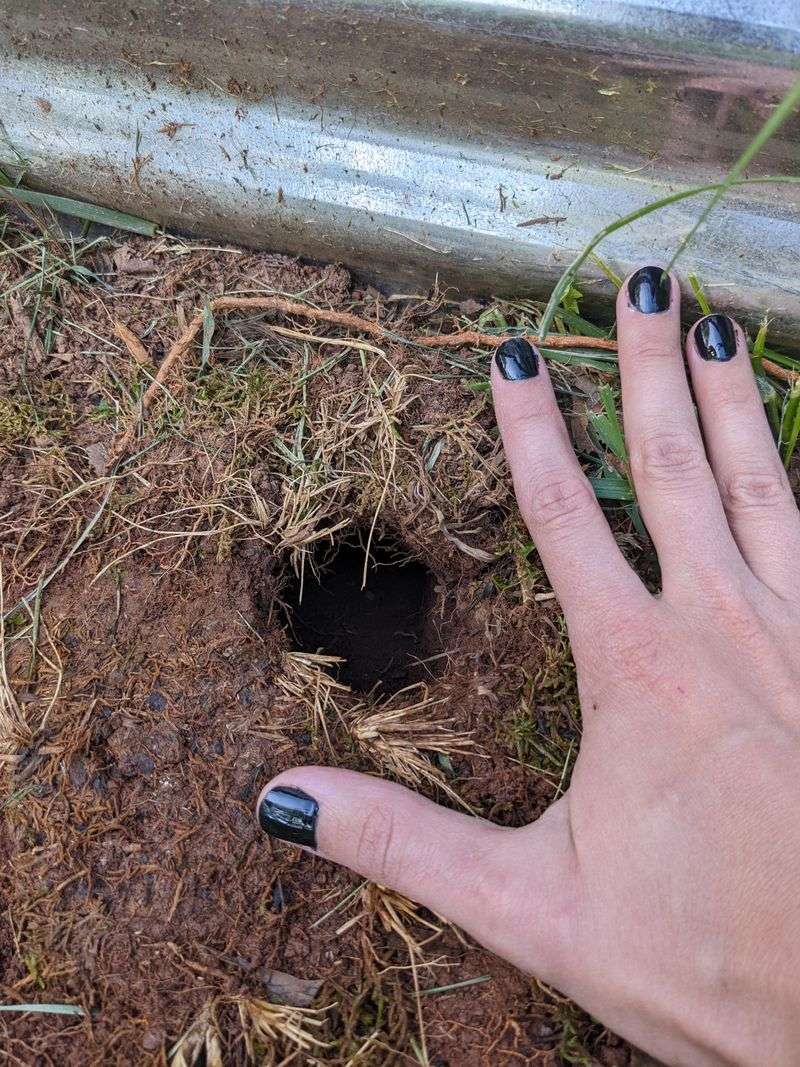
Soft, crumbly dirt is like an open invitation for a chipmunk. These animals dig tunnels underground where they sleep, hide, and store food. Loose soil makes that digging quick and simple.
Yards with rich, well-watered garden beds often have exactly the kind of earth they prefer. Sandy or loamy ground is much easier to burrow through than hard, packed clay.
When you spot small holes near your flower beds, a chipmunk may be building its home. These burrows can stretch several feet long with hidden chambers inside.
Their tunnels usually have neat entrances without big dirt piles, which helps them stay hidden from predators. That tidy look is one clue that a chipmunk, not a gopher, has moved in.
If you garden often and keep your soil soft, you are creating perfect burrowing conditions. That is not a bad thing, but it does explain the visits.
Your California Garden Changes Every Week. Your Plan Should Too.
Gardening in California changes quickly throughout the season. Every Friday you’ll receive a simple weekly plan showing exactly what to plant, prune, fertilize, harvest, and protect so you never miss the right timing.
To gently discourage digging, you can pack soil more firmly or add gravel in problem spots. Barriers like hardware cloth also help protect certain areas.
Still, a few tunnels usually cause little harm to a healthy yard. Seeing that loose soil attracts them simply means your garden is alive, fertile, and welcoming to small wildlife looking for a cozy underground home.
3. Rock Walls Give Chipmunks Places To Hide
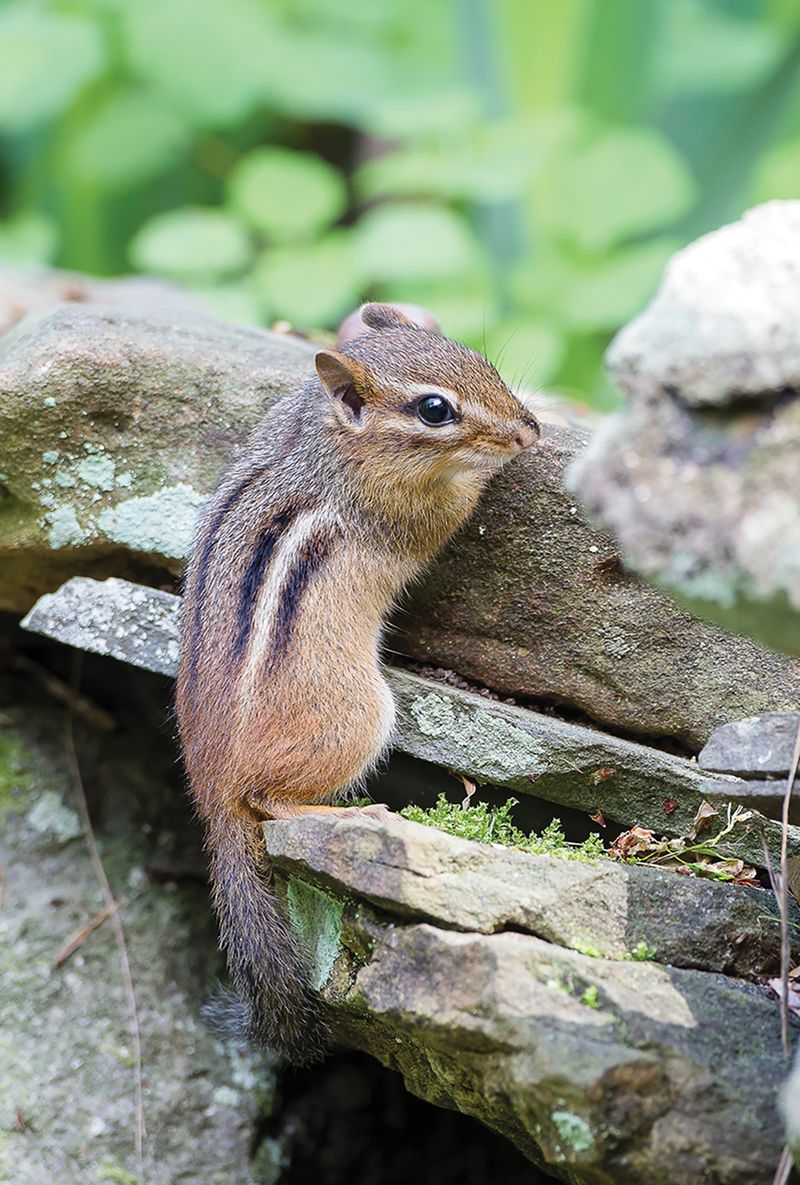
Ever notice a chipmunk vanish into a stone wall in the blink of an eye? Rock walls and stacked stones give these tiny animals perfect hiding spots. The gaps between rocks feel safe and secure.
Predators like hawks, cats, and foxes make life risky for a small chipmunk. So they stay close to structures where they can dart out of sight fast.
Stone borders, retaining walls, and rocky garden edges offer instant shelter. A chipmunk can slip between stones quicker than you can spot it.
Those same crevices also stay cool in summer and warm in winter. That makes them comfortable resting places all year long.
If your California yard has decorative rock features, you have basically built chipmunk apartments. They love using the tiny tunnels between stones as escape routes and nesting nooks.
You do not need to remove your rock walls to keep balance. Instead, you can seal large gaps near your home to keep them from nesting too close.
Watching a chipmunk pop in and out of a wall can be surprisingly fun. Their quick, curious movements make them entertaining neighbors. Seeing them near stones simply shows they feel protected and at ease in your yard, which is a sign of a safe, sheltered outdoor space.
4. Birdseed Can Bring Them Closer To Homes
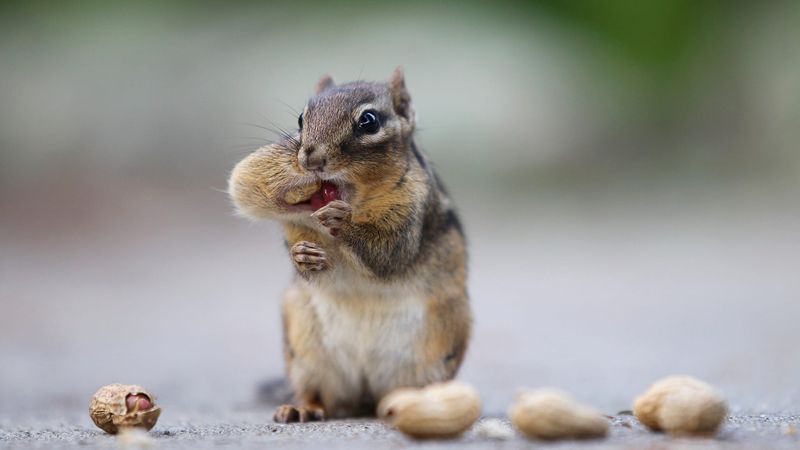
Bird feeders may be meant for feathered friends, but chipmunks crash the party too. Spilled seeds on the ground are an easy meal these little foragers cannot resist.
When birds scatter seeds while eating, they leave a trail right to your yard. Chipmunks follow that trail and settle in for a feast.
Sunflower seeds, millet, and cracked corn are some of their favorites. A messy feeder can quickly turn into a chipmunk hangout spot.
Because feeders sit near patios and porches, this often brings chipmunks closer to your home than you expected. That is why so many sightings happen right by the house.
If you want fewer close visits, try using a seed catcher tray under the feeder. Cleaning up spilled seed each evening also helps a lot.
Choosing no-mess seed blends can reduce the leftovers that attract them. Squirrel and critter baffles on poles offer extra protection too.
Some people simply enjoy the extra company and let the chipmunks share the buffet. There is no harm in that if you keep things tidy.
A chipmunk near your feeder usually means your yard is a reliable food source. That steady supply keeps them nearby and comfortable, turning your bird-feeding hobby into a wider wildlife-watching experience you might not have planned for.
5. Fallen Fruit Can Keep Them Coming Back
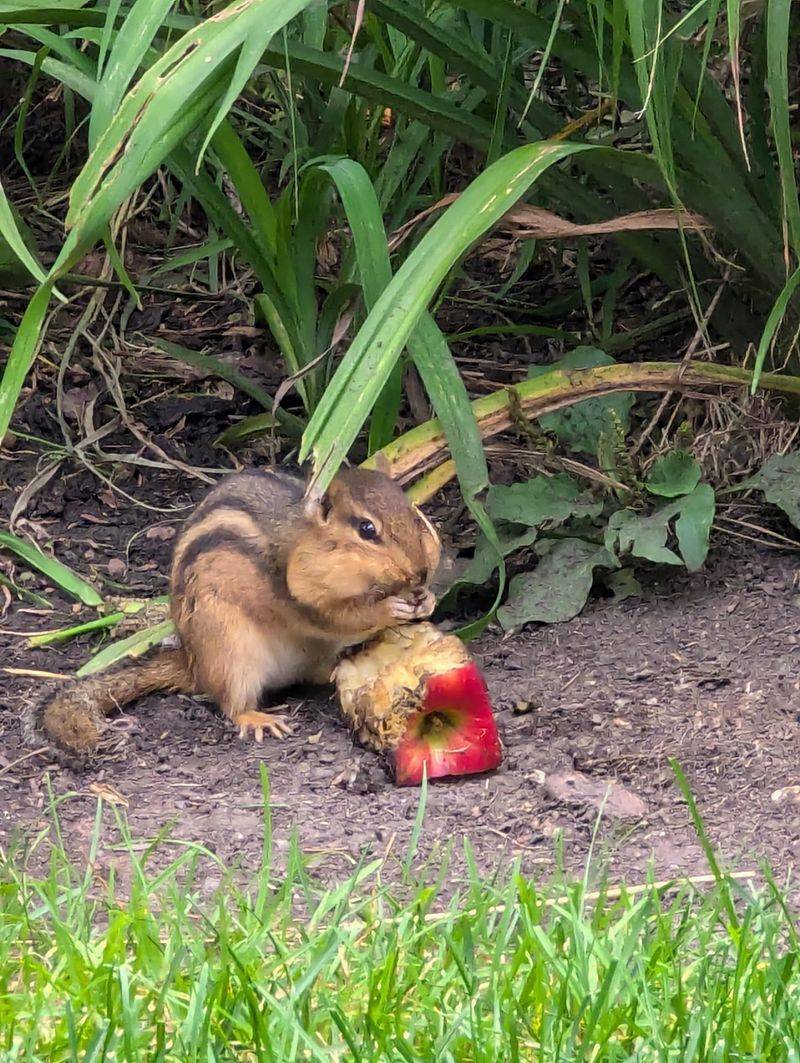
A fruit tree dropping ripe treats is like magic for a hungry chipmunk. Fallen apples, plums, figs, and berries create an easy snack pile on the ground.
California yards often feature citrus, stone fruit, or grapevines that shed extra produce. All that sweet, sugary food gives chipmunks a big energy boost.
Once they find a reliable fruit source, they remember it and return often. Their sharp memory helps them track down the best snacks season after season.
Ripe fruit that sits too long can also attract more chipmunks over time. Word travels fast in the animal world, and a rich yard rarely stays a secret.
To reduce visits, pick up dropped fruit before it piles up. Regular cleanup keeps your yard neater and less tempting.
Composting fallen fruit in a closed bin also keeps it away from curious noses. Sealed containers work far better than open piles.
If you love watching wildlife, leaving a little fruit out can invite friendly visits. Just place it away from your home to keep balance.
Seeing a chipmunk enjoy your fallen fruit shows your garden is thriving and productive. That abundance naturally draws small animals looking for an easy meal. With simple cleanup habits, you can enjoy both your harvest and your cheerful backyard guests.
6. They Often Stay Near Cover
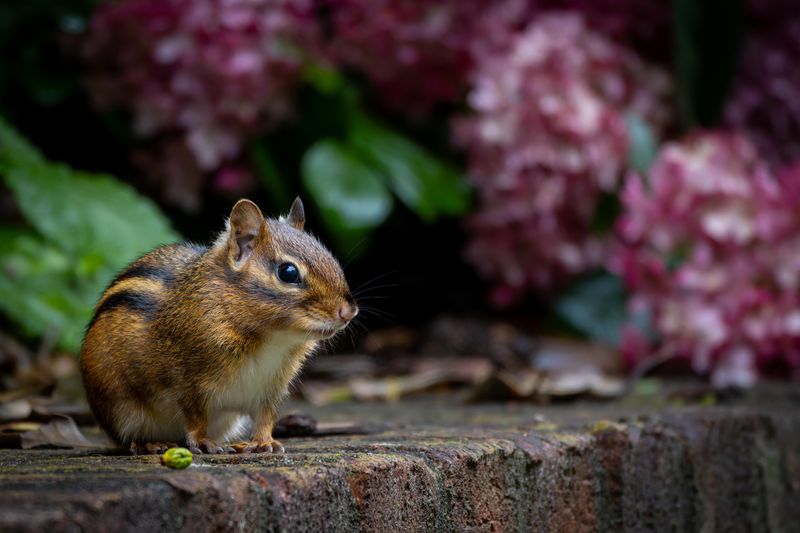
Safety comes first for a chipmunk, and cover is its best friend. These small animals rarely stray far from bushes, logs, or thick plants where they can hide.
Open spaces leave them exposed to hawks and other predators. So they stick close to shrubs, woodpiles, and dense flower beds.
If your yard has plenty of leafy plants and shady corners, chipmunks feel protected. That sense of security keeps them lingering nearby.
Watch closely and you will notice they move in short, quick bursts. They dash from one hiding spot to the next instead of crossing wide lawns.
Ground covers, hedges, and stacked branches all give them the shelter they crave. A yard full of these features feels safe and inviting.
If you want to see chipmunks less often, trimming dense brush can help. Reducing clutter near your home removes their favorite hiding places.
On the flip side, keeping some shrubs means more chances to spot them playing. Their love of cover makes them fun to observe from a distance.
A chipmunk sticking to shaded edges shows it feels comfortable but cautious. That careful behavior is completely normal for such a small creature. Seeing them near cover simply means your yard offers the protection they need to feel at home and relaxed.
7. Chipmunks May Dig Around Plant Roots
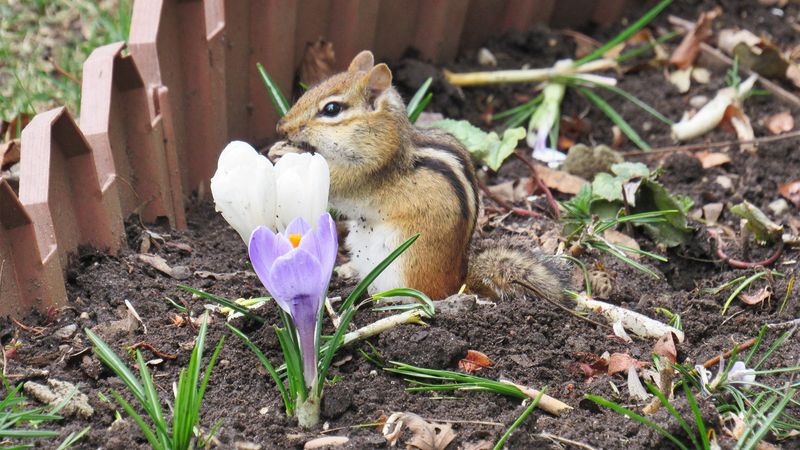
Gardeners sometimes find little holes near their favorite plants, and chipmunks are often the reason. These busy diggers search for seeds, bulbs, and tasty roots underground.
Their digging can loosen soil around plant bases as they hunt for food. Sometimes they even snack on flower bulbs like tulips or crocuses.
While the damage is usually minor, repeated digging can disturb delicate roots. That is why some gardeners keep an eye on their beds.
You might notice tiny paw marks or shallow trenches near your plants. These signs point to a chipmunk exploring your garden for hidden treats.
To protect valuable plants, you can lay wire mesh over bulb beds. This simple barrier keeps diggers out while letting plants grow freely.
Planting bulbs a little deeper also makes them harder to reach. Adding gravel around the base offers extra defense too.
Most healthy plants recover quickly from light chipmunk digging. So there is usually no need to worry about a few small holes.
Seeing them poke around your roots shows they view your garden as a food-rich zone. That behavior is natural and part of their daily search for nutrition.
With a few smart barriers, you can protect your prized plants while still enjoying these curious, hardworking little diggers nearby.
8. A Single Sighting Does Not Mean An Infestation
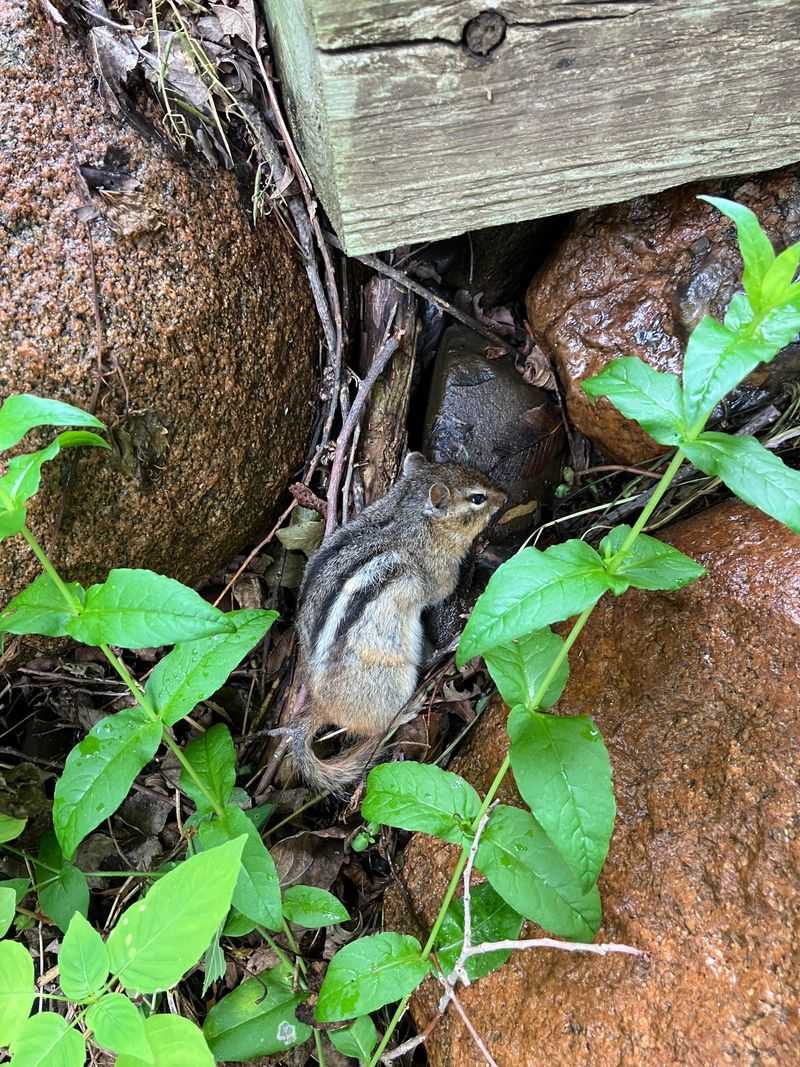
Spotting one chipmunk can make people worry a whole army is on the way. In truth, a single sighting rarely signals a big problem. Chipmunks are mostly solitary animals.
Unlike some critters, they do not live in large groups or shared nests. Each chipmunk usually keeps its own territory and burrow.
So the little visitor you saw might simply be passing through your yard. It could be searching for food, exploring, or heading to its own home nearby.
One chipmunk can seem busy because it moves so quickly and often. That constant activity can trick your eyes into thinking there are more.
Before assuming trouble, watch your yard over a few days. Counting how many you actually see helps you understand the real situation.
If you only spot one now and then, there is little reason for concern. A lone chipmunk causes very little impact on a healthy yard.
Should you notice many burrows and constant activity, then you might take gentle action. Simple cleanup and barriers usually keep numbers balanced.
Seeing just one chipmunk is often a peaceful sign of a lively, natural yard. These small animals add charm and movement to outdoor spaces. Enjoy the moment, and remember that one cheerful visitor is usually nothing more than a friendly guest stopping by.