8 November Lawn Mistakes That Invite Weeds Into Georgia Yards Next Spring
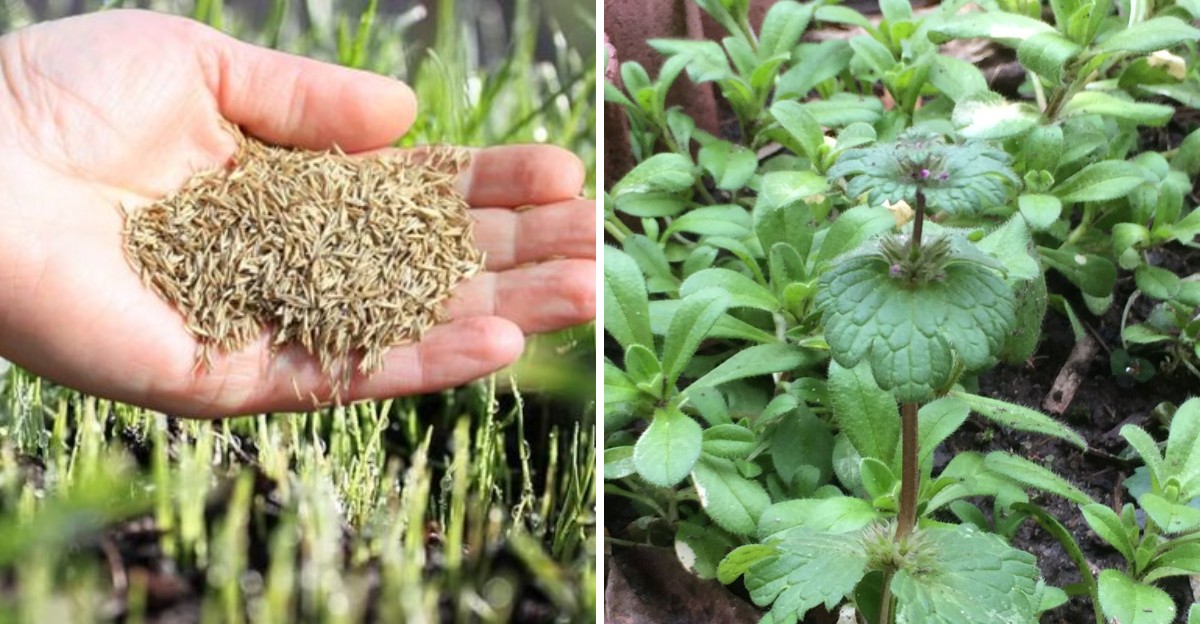
Just one annual bluegrass plant can drop hundreds of seeds, and many of them sprout during cool autumn weeks.
Those tiny invaders often start their takeover while Georgia grass is quietly slipping into winter rest.
Henbit and chickweed follow the same sneaky schedule, sprouting in fall and blooming once the weather warms up. By the time you notice purple flowers in March, the real trouble quietly started several months earlier.
I have to admit that my own November habits used to help those weeds more than my grass. You might notice the same pattern in your yard once you see how small choices add up.
Cool soil and drowsy turf make this a tricky month for every Georgia lawn owner who wants a clean spring. Some of the most common November lawn mistakes could be giving those weeds exactly what they need to take over next spring.
1. Missing The Fall Pre-Emergent Window For Henbit And Chickweed
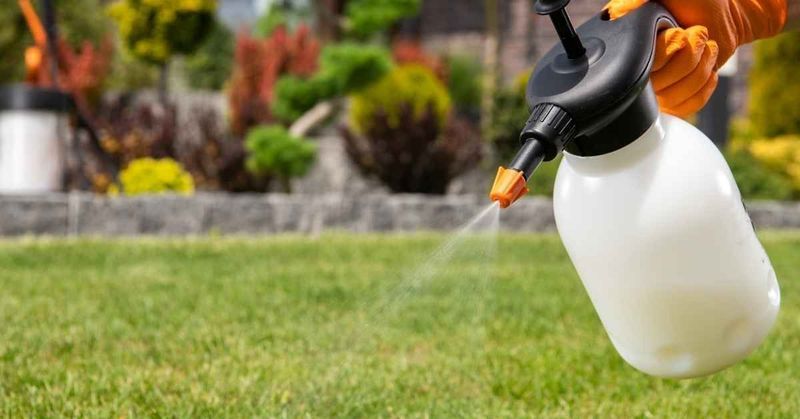
Weed seeds are oddly punctual, and many winter annuals start sprouting once soil cools to about 70 degrees.
University of Georgia turf experts say that usually happens from mid-September into early October across much of the state.
I love how a pre-emergent works like an invisible net, stopping tiny seedlings right as they crack open. Miss that timing and the net arrives after henbit and annual bluegrass have already slipped through the soil.
Pre-emergent products do very little against weeds that are already up and growing in your turf. So a November application mostly protects against late flushes rather than the early wave you missed.
You need to walk your lawn this month and look closely for small green rosettes hugging the soil. Spotting them early tells you whether the fall barrier worked or whether a spot treatment plan is needed.
Personally, I mark my calendar for late September so the reminder pops up before the soil cools.
A soil thermometer costs only a few dollars and takes the guesswork out of that timing decision.
Annual bluegrass deserves special attention because a single clump can scatter hundreds of seeds by late spring. Those seeds then wait in the soil and start the cycle again the following fall in the same spots.
Read every label carefully, since some products need water within a few days to activate the barrier. Getting this step right next year will save you hours of pulling stubborn clumps when the azaleas bloom.
2. Scalping Dormant Bermuda And Zoysia Grass Too Short
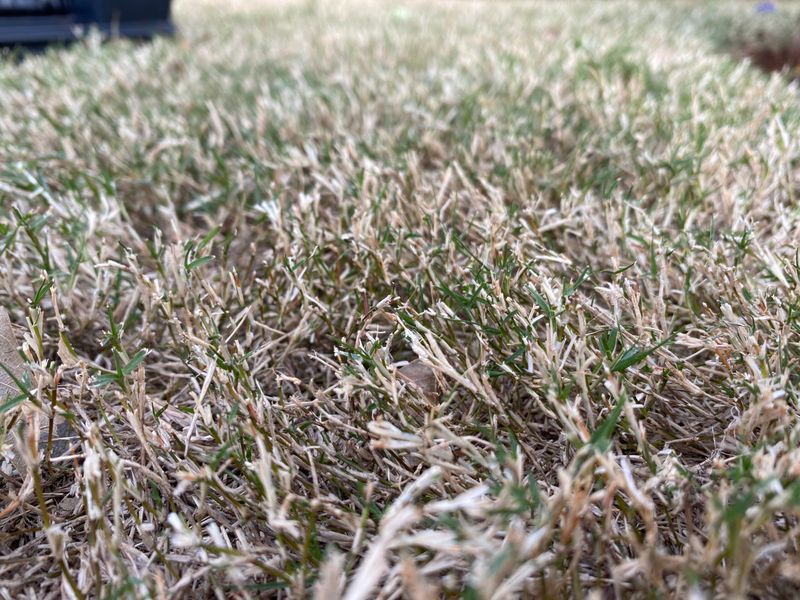
Nothing looks tidier than a freshly buzzed lawn, yet that crew cut can leave your grass shivering all winter. Scalping strips away the leafy layer that shields the growing points, called crowns, sitting right at soil level.
Warm-season grasses like Bermuda and zoysia slow down as nights turn cool and slowly fade to a straw color.
Their stored energy sits in roots and runners, and those parts appreciate a little leafy cover overhead.
When you cut far below the normal height, thin patches open up and sunlight reaches bare soil. Weed seeds sitting there get the warmth and light they need, and spring brings an unwelcome green surprise.
University of Georgia guidelines suggest keeping common Bermuda and zoysia around one to two inches during the growing season. Centipede does best near one to one and a half inches, while tall fescue prefers two to three.
I believe the smartest move is simply keeping your usual height for the final mowings of the year. Dropping the deck lower in a burst of fall tidiness rarely pays off when March rolls around.
Dull blades make things worse, because they shred leaf tips instead of slicing them cleanly and evenly.
Those ragged edges lose more moisture and invite disease, which weakens turf right where weeds want to settle.
Take a few minutes to sharpen the mower blade now, and store the machine ready for spring. Your grass will thank you with thicker growth that leaves fewer gaps for crabgrass seedlings to claim.
3. Leaving Thick Piles Of Oak Leaves Smothering The Grass
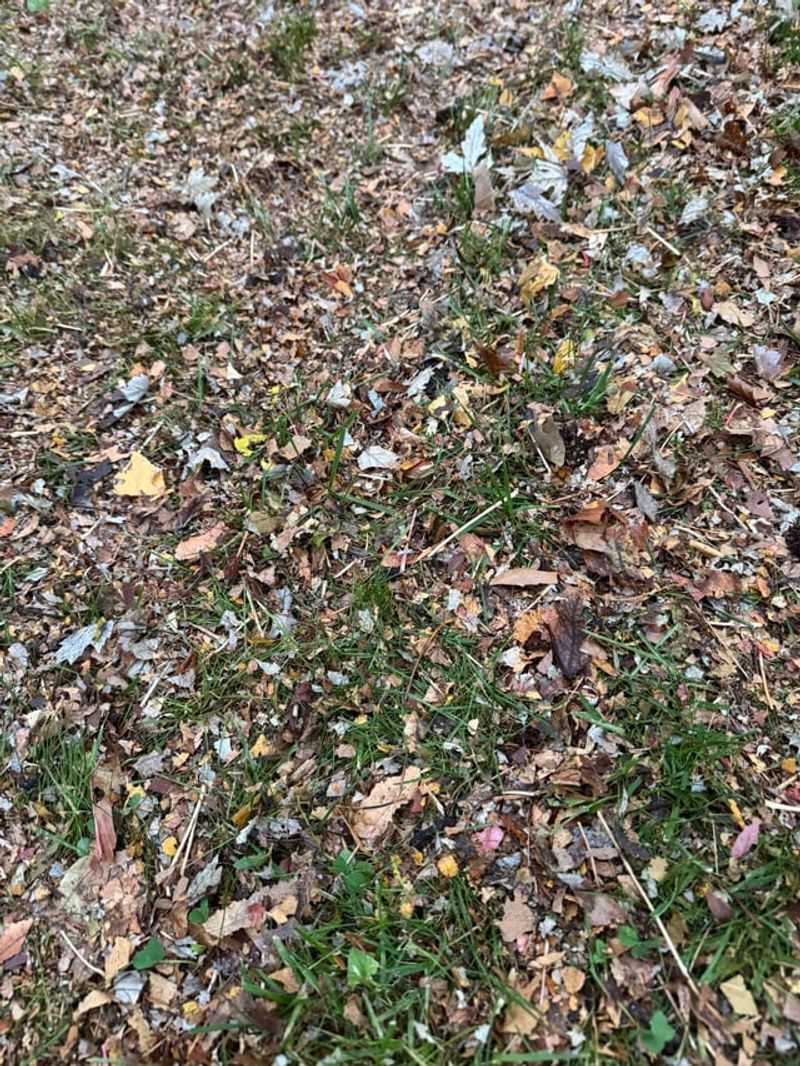
Crunchy oak and maple leaves look charming on the lawn for about a week before trouble starts. Once rain flattens them into a soggy mat, the grass underneath sits in a dim and damp cave.
Tall fescue keeps growing through the cool months, so it needs sunlight on its blades to stay strong. Even dormant warm-season turf suffers when wet leaves trap moisture against the crowns for weeks at a time.
When you finally rake in spring, you often find pale, thin patches with bare soil showing through.
Those openings are exactly where chickweed and other opportunists move in before your grass wakes up fully.
I like how a mulching mower handles a light layer, chopping leaves into confetti that settles between blades. Many extension specialists note that shredded leaves break down quickly and return organic matter to the soil.
Heavier piles under big shade trees are a different story and usually need raking or bagging instead. A good rule is to mow or rake whenever you can no longer see grass peeking through.
You might notice that leaves keep falling well into December in many Georgia neighborhoods with mature oaks.
Plan on several quick passes rather than one giant cleanup, which also spares your back some misery.
Raked leaves make wonderful compost or mulch for flower beds, so nothing has to go to waste. Personally, I pile mine near the vegetable garden, and they turn into crumbly gold by the next summer.
4. Feeding Dormant Warm-Season Grass With Nitrogen Fertilizer
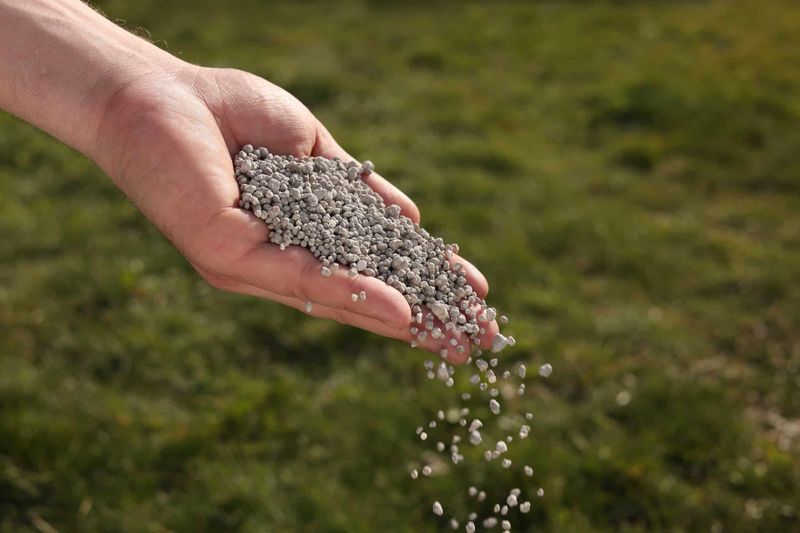
A bag of lawn food feels like a kind gift, but timing decides who actually enjoys the meal.
Feed dormant Bermuda or centipede in November, and the winter weeds are the ones sitting at the table.
Warm-season grasses are slowing down now, so they cannot use much nitrogen until spring green-up arrives. Henbit and annual bluegrass are actively growing in cool weather and will gladly soak up that extra boost.
University of Georgia specialists advise ending nitrogen on warm-season lawns roughly six weeks before your area’s first expected frost. Late feeding can also push tender growth that is more likely to suffer cold injury during winter.
Tall fescue plays by different rules, since fall is its prime season for building roots and density. Many fescue lawns benefit from fall feeding, with the final application often wrapped up by late November.
I can’t imagine fertilizing without a soil test first, because guessing often leads to wasted money.
Your county Extension office offers affordable soil testing, and the report spells out exactly what your lawn needs.
Lime is another story, since it moves slowly and fall is a fine time to adjust acidic soil. Apply it only when the soil test calls for it, because too much creates its own problems.
Sweep any stray granules off sidewalks and driveways so they do not wash into storm drains. That small habit protects nearby streams and keeps your hard-earned fertilizer working where it actually belongs.
5. Overwatering A Sleepy Lawn During Cool Damp Weeks
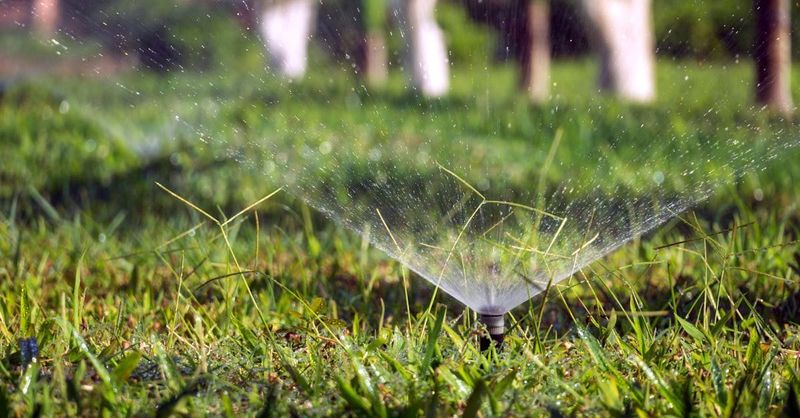
Sprinkler systems have a funny habit of running on summer schedules long after the heat has packed up. I have to admit mine once watered a soggy November lawn during a rainstorm, and the neighbors noticed.
Dormant warm-season grass uses very little water, so extra irrigation mostly keeps the soil surface wet.
Constant moisture favors annual bluegrass, which loves damp ground and thrives in cool, shady, poorly drained spots.
Soggy turf also invites fungal diseases like large patch, which often shows up in zoysia during cool wet periods. Those brown rings can linger into spring, leaving thin areas that weeds are happy to fill quickly.
You need to switch your controller to manual or rain mode once temperatures drop for the season. Water dormant grass only during long dry spells, and give it a deep soak rather than frequent sprinkles.
Fescue lawns still grow this time of year, but cooler days and autumn rain usually cover most needs. Check by pushing a screwdriver into the soil, and water only when the top few inches feel dry.
Morning watering lets leaf blades dry before evening, which helps reduce the long wet periods diseases enjoy.
Evening watering in cool weather leaves grass damp all night, giving fungus a comfortable place to grow.
Low spots where puddles linger may need better drainage or a little topdressing to level them out. Fixing those soggy corners now means fewer patches of moss and bluegrass greeting you next spring.
6. Core Aerating Bermuda Grass At The Wrong Time Of Year
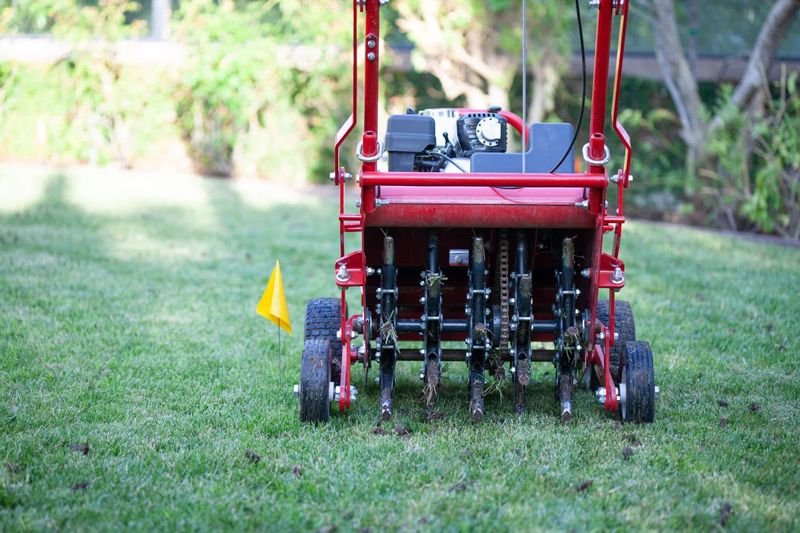
Those little soil plugs scattered across a freshly aerated lawn look like a flock of geese visited overnight.
Core aeration is a wonderful fix for compacted ground, but the calendar matters as much as the machine.
Compacted soil squeezes out air and water, which makes it hard for grass roots to dig deep. Weeds such as goosegrass and prostrate knotweed handle hard, packed ground better than most lawn grasses can.
For warm-season turf, extension specialists recommend aerating in late spring or early summer when the grass grows strongly. Punching holes in dormant Bermuda or zoysia leaves open soil that the grass cannot quickly cover again.
Those bare holes become cozy pockets for winter weed seeds, especially if your pre-emergent barrier was disrupted. Some specialists caution that coring may disturb that protective layer, so timing the two tasks carefully matters.
Tall fescue is the exception, since early fall aeration helps this cool-season grass thicken before winter.
By November, though, the best window for fescue has mostly passed in most parts of the state.
Personally, I test compaction by pushing a screwdriver into moist soil and noting how hard it resists. If the tool slides in easily, your lawn likely does not need aeration at all this year.
Mark the tough spots now with a flag, then schedule the work for the proper season ahead. Your Bermuda lawn will recover fast in June heat and fill those holes before weeds even notice.
7. Sowing Tall Fescue Seed Too Late In The Season
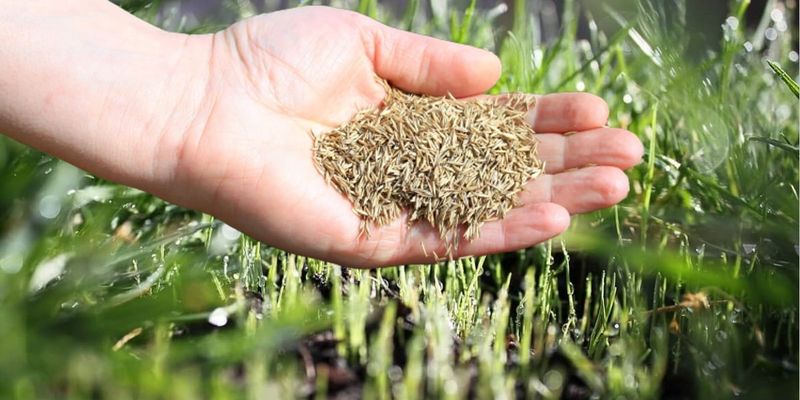
Tossing grass seed in November feels hopeful, a bit like planting tulips, except grass is much less patient.
Tall fescue seed germinates best in warm fall soil, and the University of Georgia favors September through mid-October seeding.
Seed sown late often sprouts slowly, and young seedlings may not build enough roots before hard freezes. Some seed rots in cold wet soil, while hungry birds happily clean up whatever sits on the surface.
That leaves you with thin, patchy ground in spring, which is exactly where crabgrass loves to settle. You’re in for a big surprise if you expect a late seeding to outcompete weeds by April.
Seed and pre-emergents also clash, because most of those products stop grass seed from sprouting too. Check the label for a waiting period, which can stretch for months depending on the product you used.
Ryegrass overseeding on dormant Bermuda is a separate practice, usually done in October for green winter color. That temporary grass needs good timing as well, and it can slow Bermuda green-up next spring.
If you already missed the fall window, consider waiting until early spring or the next September instead.
Spring-seeded fescue has a tougher summer ahead, so fall remains the preferred choice for lasting results.
I love how a well-timed seeding fills in so thickly that weeds struggle to find any room. Mark next September on your calendar now, and you will thank yourself when the lawn looks lush.
8. Ignoring Young Henbit And Chickweed Already Sprouting In The Lawn
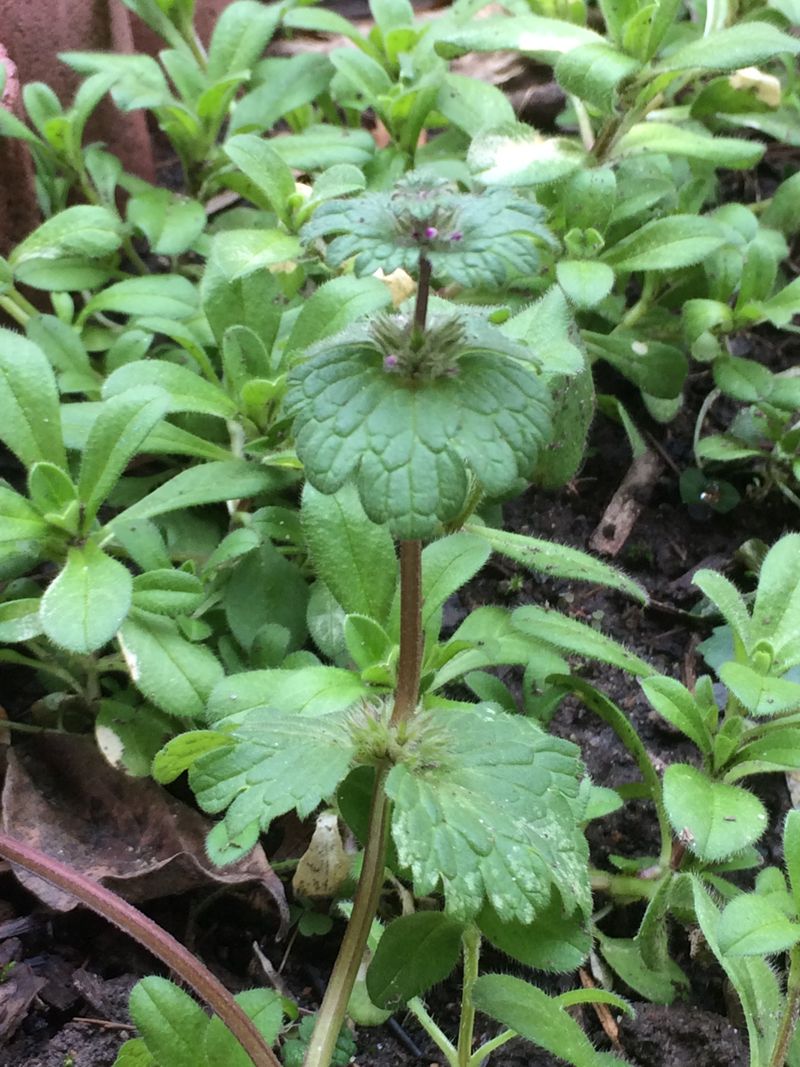
Tiny chickweed sprigs look harmless in November, almost like a lacy green garnish sprinkled across the lawn.
By March, those same plants spread into sprawling mats and start dropping seeds for next year’s crop.
Winter annual weeds are easiest to control while they are young and actively growing in mild weather. Many extension guides suggest treating them in late fall or on warm winter days for better results.
Hand pulling works well for small patches, especially after a rain when the soil is soft and forgiving. Henbit has square stems and scalloped leaves, so it is easy to recognize once you know the shape.
For larger areas, a selective broadleaf herbicide labeled for your grass type can help manage the spread. Read the label carefully, because some products can injure centipede or St. Augustine grass if misapplied.
Many herbicides work best when temperatures stay above about 50 degrees, so pick a mild afternoon.
Spraying on chilly days often gives weak results, and you may need to repeat the treatment later.
What surprises me most is how fast a few henbit plants turn into a purple carpet by spring. Each plant you remove now means fewer seeds waiting in the soil for next fall’s sprouting season.
Keep a small bucket and weeding tool by the back door for quick ten minute sessions this month. Those short walks add up, and your Georgia yard will look far cleaner when the dogwoods bloom.