8 November Lawn Mistakes Virginia Homeowners Make Before The First Hard Freeze
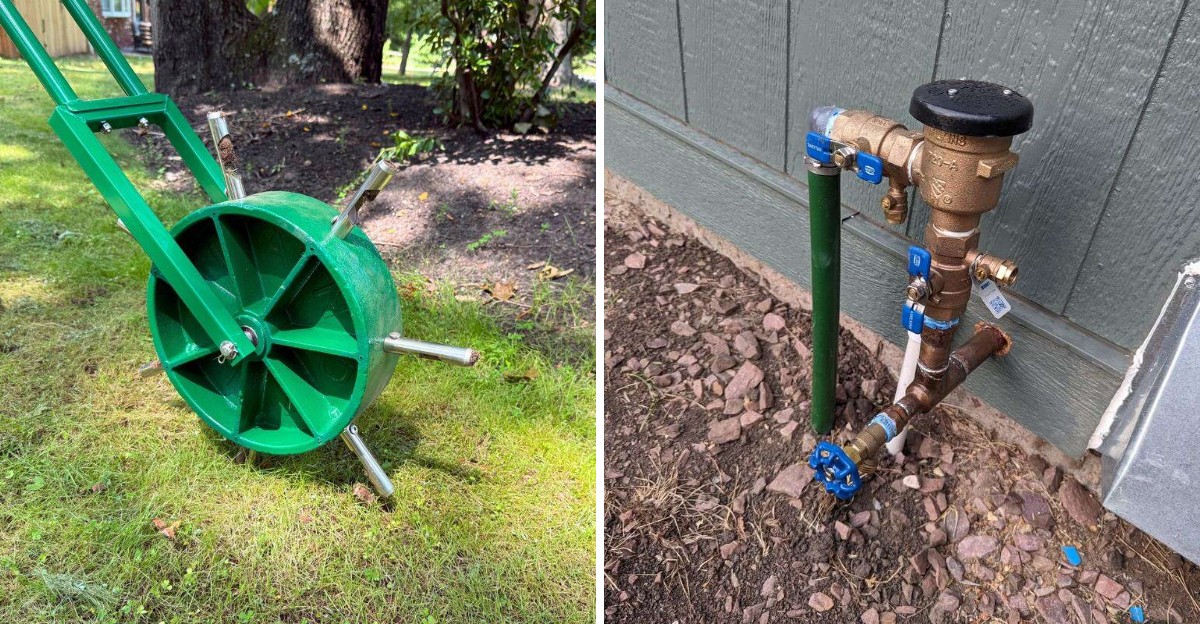
Frozen grass blades can actually crack under a single footstep, leaving tracks that stay brown for weeks afterward.
Across Virginia, that first hard freeze might show up in October in the mountains or late November at the coast.
That wide gap means a friend’s lawn calendar three hours away may not match yours at all. I have to admit, I learned this the hard way after one chilly week left my yard looking patchy.
Grass still works underground during those crisp weeks, storing sugars and stretching roots while the top slows down. What surprises me most is how a few small choices right now shape the green you see in April.
Some of those choices feel helpful in the moment, yet they quietly set your yard back for months.
Knowing which common habits to avoid before the first hard freeze can save Virginia homeowners a lot of frustration come spring.
1. Feeding Bermuda And Zoysia Grass Late In The Fall
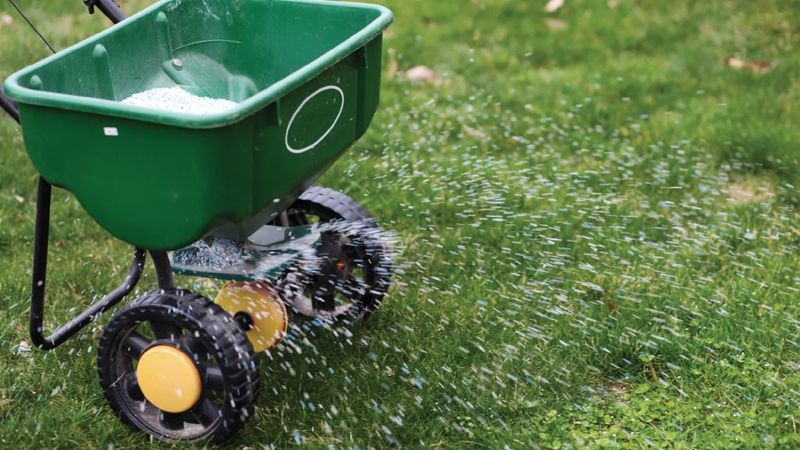
Warm-season grass starts tucking itself in for winter once nights cool, and a late snack confuses that process. I like to think of Bermuda and zoysia as sleepy kids who should not get candy at bedtime.
Nitrogen pushes soft new leaves, and those tender shoots handle frost poorly once a hard freeze rolls through.
Virginia Tech experts suggest finishing nitrogen on these grasses by about mid-August to early September each year.
Extra nitrogen late in the season may also raise the risk of winter injury and certain turf diseases. Your spring green-up often looks thinner and patchier after a lawn goes into dormancy overfed and stressed.
Cool-season tall fescue plays by different rules, so check which grass you actually own before buying anything. Fescue lawns often benefit from a fall feeding, because the grass keeps growing roots in cool weather.
Many extension guides recommend a final fescue feeding in November while the leaves are still green.
That timing helps roots store energy, which supports an earlier and stronger green-up when spring finally arrives.
Personally, I keep the leftover bag in the garage until April for any Bermuda patches out back. A soil test through your local extension office also tells you whether potassium or lime is actually needed.
Kits cost very little and take the guessing out of your shopping cart at the garden center. Feed the right grass at the right moment, and your lawn will thank you with steady color later.
2. Scalping Tall Fescue With A Too Low Final Mow
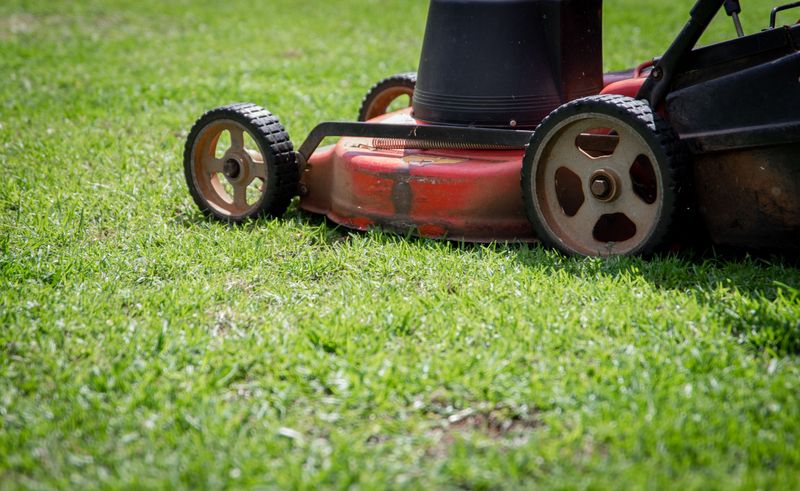
Some folks drop the mower deck low for the last cut, hoping to stretch the time until spring mowing. I get the appeal, but a buzz cut leaves fescue shivering with its growing crown exposed to cold.
Grass blades act like tiny solar panels, making food that roots store away for the chilly months ahead.
Shaving them off shrinks that pantry right when the plant needs every bit of stored energy for winter.
Virginia Cooperative Extension suggests mowing tall fescue around three to four inches tall during most of the year. Keeping that height through your final cut helps shade the soil and crowd out sneaky winter weeds.
Going too tall can backfire too, since long floppy blades may mat down under heavy leaves or snow. Matted grass stays damp and gives fungal problems like snow mold a cozy place to settle in.
My sweet spot sits near three inches for the last mow, with a freshly sharpened blade doing the work. Clean cuts heal faster than ragged tears, and the lawn looks noticeably neater heading into the colder weeks.
Remember the one-third rule, which means removing no more than a third of the blade at once. If your grass got shaggy during a rainy stretch, lower the deck gradually over two separate mowings.
Keep mowing as long as the fescue keeps growing, which often continues well into late fall here.
Once growth stalls and blades stop stretching upward, you can finally roll the mower into storage for winter.
3. Coiling Up The Garden Hose During A Dry Fall
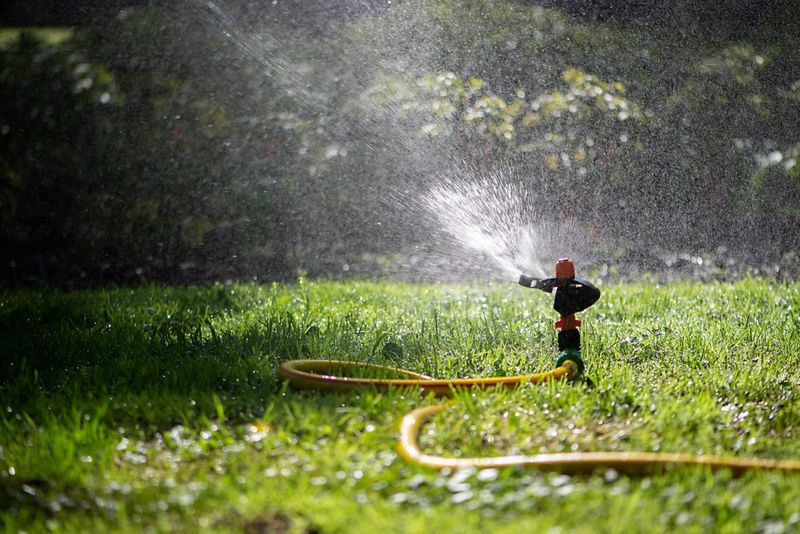
Cool air tricks many of us into thinking the yard no longer gets thirsty after summer fades away.
I have watched crunchy fescue struggle through winter simply because autumn rain skipped a few weeks.
Roots keep growing in cool soil, and they need moisture to push deeper before the ground turns hard. Dry soil also loses heat faster than moist soil, leaving crowns more exposed during sharp cold snaps.
Winter wind can pull moisture from grass blades, a process called desiccation, and parched lawns feel it most. Bermuda and zoysia lawns going dormant still benefit from an occasional drink during a long dry stretch.
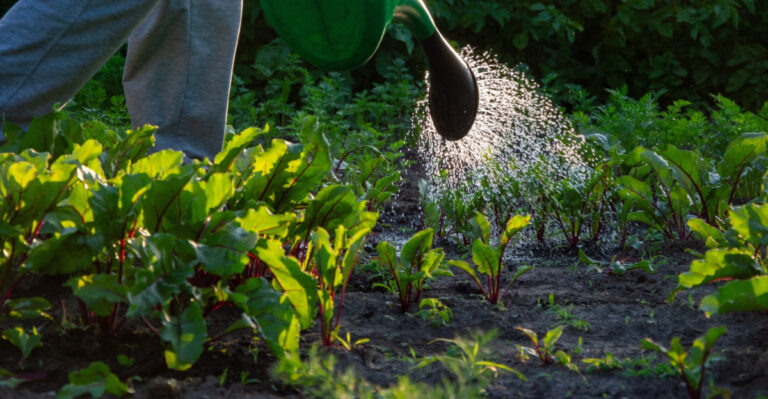
During dry fall weather, water actively growing lawns as needed based on rainfall and soil moisture, rather than applying a fixed inch every week. A simple tuna can set on the lawn works nicely as a rain gauge for measuring your sprinkler output.
Water deeply and less often, since quick daily sprinkles keep roots lazy near the surface of the soil. Early morning sessions work best because grass dries during the day, which helps keep fungal trouble away.
Skip watering when temperatures sit near freezing, because icy puddles on turf can cause their own problems.
Personally, I check the forecast on Sunday and plan any watering for the mildest morning of the week.
Once steady rain shows up or the ground starts freezing, you can safely drain hoses and put them away. Until then, keep that hose handy, because a thirsty lawn rarely heads into winter feeling its best.
4. Soggy Oak Leaves Smothering The Lawn
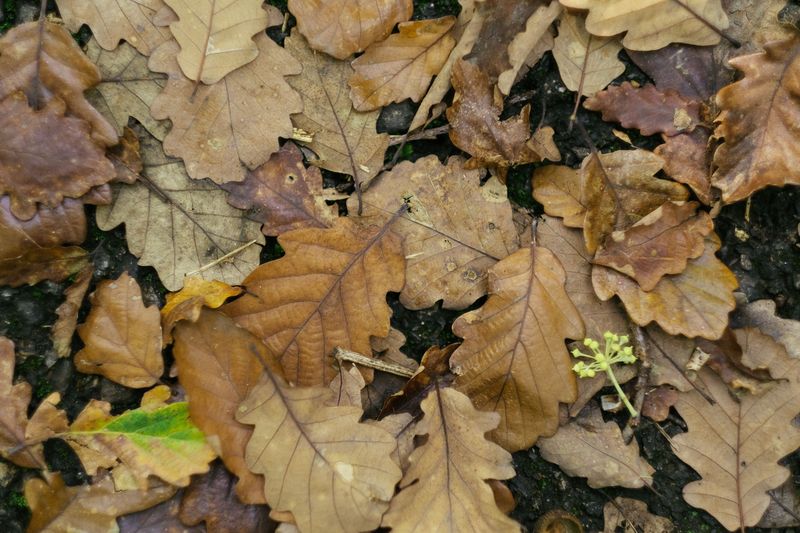
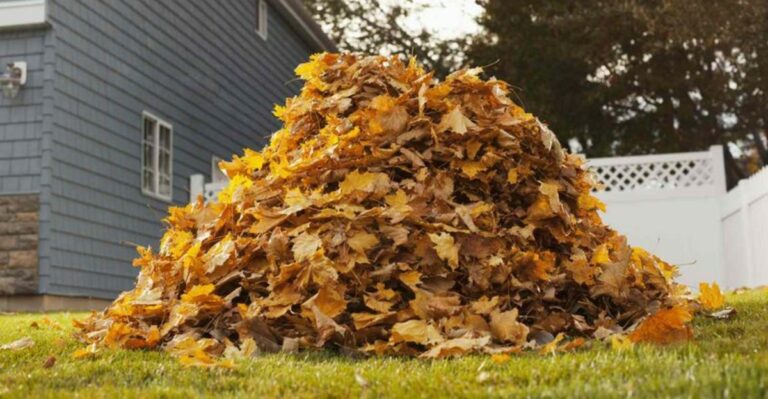
Crunchy leaves look adorable on a porch, but a soaked layer on the lawn acts more like a wet blanket. Underneath that soggy mat, grass blades turn pale because sunlight and fresh air can barely reach them.
Oak leaves can be especially stubborn here, since many oaks hold their leaves late and keep dropping them for weeks.
Maples and tulip poplars usually finish sooner, but even their piles can pack down hard after a storm.
Damp, shaded turf becomes an inviting spot for fungal diseases, and thin patches show up when spring arrives. I believe the easiest fix is skipping the rake altogether and letting the mower handle most of the work.
Mulching mowers chop leaves into dime-sized flakes that slip between grass blades and break down over winter. Those tiny bits feed soil life and add organic matter, so you are recycling rather than bagging.
If you still see plenty of green grass peeking through after mowing, the leaf layer is thin enough. Thick piles need raking or a pass with a bagging mower, and the extra leaves can go into compost.
Shredded leaves also make wonderful mulch around shrubs and perennial beds, so nothing has to go to waste. Try to clear leaves every week or two instead of waiting for one giant cleanup at the end.
Snow on top of a leaf pile seals everything in place, and the lawn suffers until the thaw. A little effort each weekend keeps your grass breathing easy and your back much happier too.
5. Scattering Grass Seed On Bare Spots Too Late
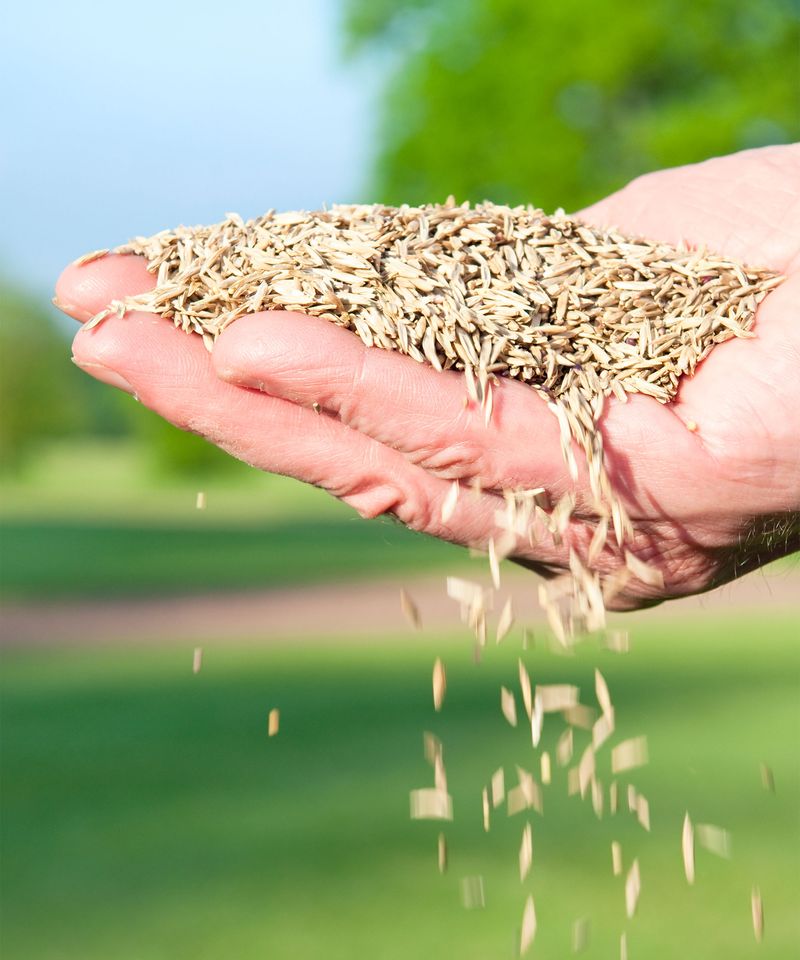
Bare patches in fescue lawns look like an easy weekend fix, so plenty of folks toss seed in November. I admire that optimism, but tiny seedlings need several weeks of growth before they can face hard frost.
Virginia Tech recommends seeding tall fescue between about mid-August and mid-October for the best results across most regions.
Warm soil during that window speeds germination, and young roots settle in before cold weather slows them.
Seed sown late often sprouts slowly in chilly soil, and the baby grass enters winter with shallow roots. Frost heaving can push those weak seedlings right out of the ground, leaving you with another bare spot.
Late seeding can also clash with fall weed control, since many pre-emergent products stop grass seed from sprouting. Read the label carefully before spreading anything on spots you plan to reseed this season or next.
Personally, I mark struggling patches with golf tees in November so I remember exactly where to work later. Dormant seeding in late winter is another option, letting freeze and thaw cycles work seed into the soil.
Many homeowners also have success seeding in early spring, though crabgrass competition can make summer tough for seedlings.
Fall remains the champion for fescue, so circling next September on your calendar pays off nicely.
Meanwhile, rake bare spots lightly and keep leaves off them so the soil stays ready for planting. A little patience now beats buying another bag of seed after the first batch fails to take hold.
6. Core Aerating Dormant Bermuda Grass In November
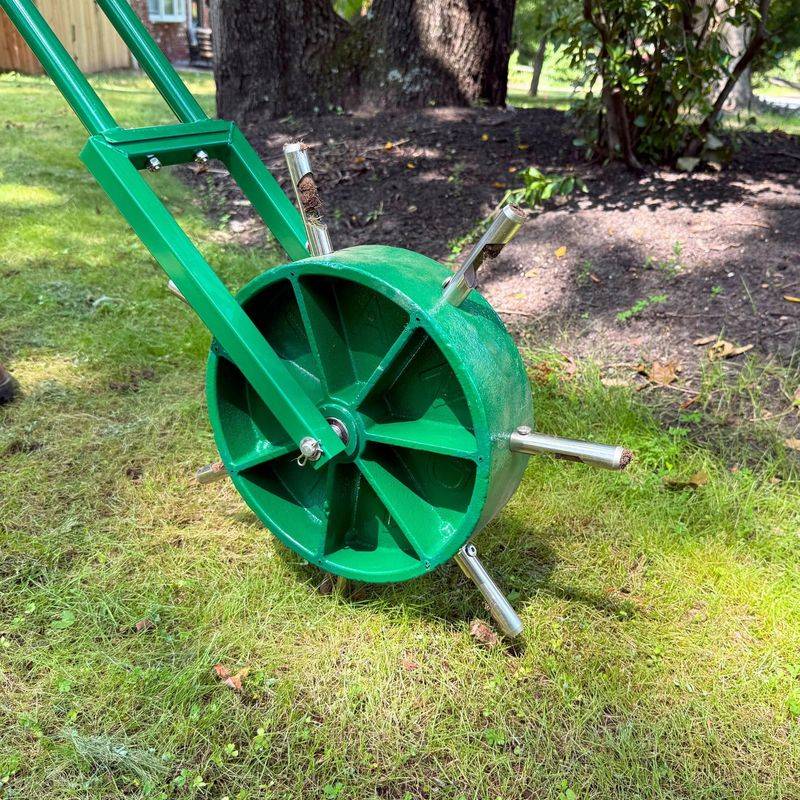
Watching a core aerator spit little soil plugs across the yard is oddly satisfying, I have to admit. Timing decides whether those holes help your grass recover or simply leave it open to cold and weeds.
Bermuda and zoysia need active summer growth to heal aeration holes, so late-season pulls do little good. Extension specialists suggest aerating warm-season lawns in late spring through midsummer when they grow fastest and spread quickly.
Punching holes into dormant warm-season turf can dry out the soil and expose roots to freezing air. Winter weeds may also sneak into those open spots, and you will be pulling them out come spring.
Cool-season fescue lawns follow a different calendar, with aeration fitting best in early fall alongside overseeding.
By November, most of that window has closed, so marking the calendar for next September makes sense.
Compacted clay, which covers much of the Piedmont, especially benefits from yearly aeration on a good schedule. Water and air move down those little holes, helping roots spread deeper than they could before.
If you missed the ideal window, skip the aerator this month and focus on leaf cleanup instead. A screwdriver test helps too, because a tool that sinks easily usually means your soil is not badly compacted.
Leave the plugs on the lawn, since they crumble on their own and return soil to the surface. I like seeing those little cores scattered across the grass, knowing roots will soon be stretching downward.
7. Leaving Water In Sprinkler Lines Before Freezing Nights
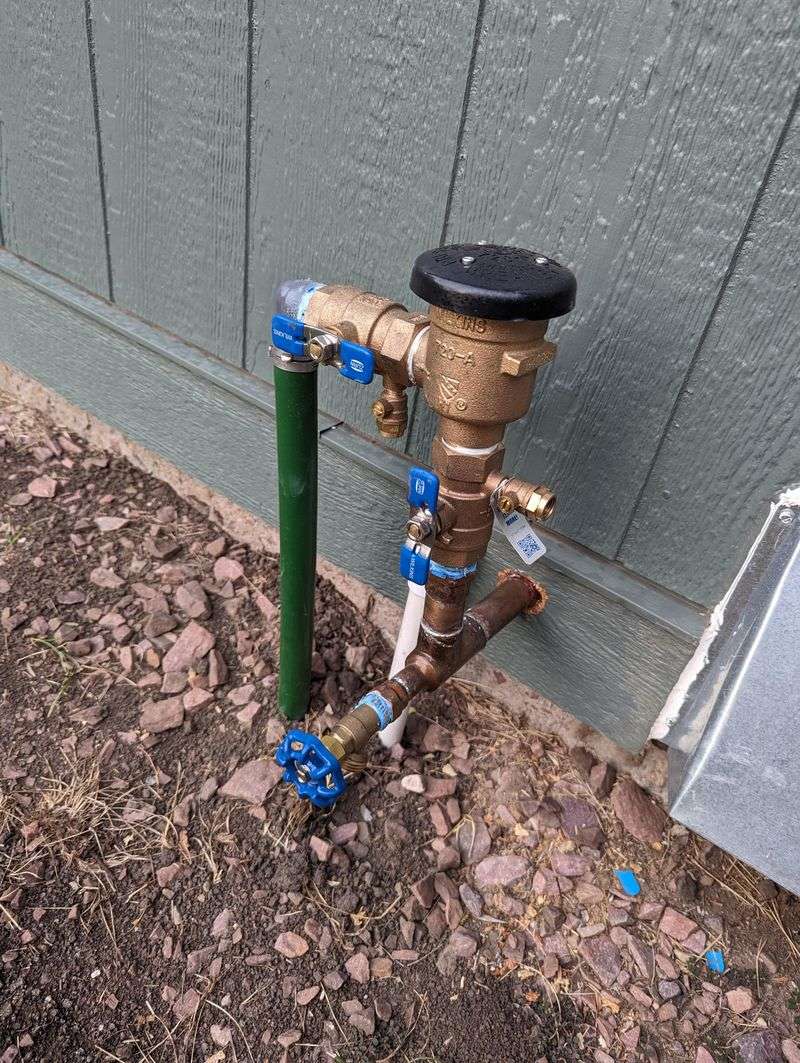
Water expands by roughly nine percent when it freezes, which is plenty of force to split plastic pipe. Underground sprinkler lines and backflow devices take the worst of it, and the damage often hides until spring.
You might notice the problem only when you flip the system on and a geyser erupts near the driveway.
Repairs at that point usually mean digging up the yard and paying for a service call.
Most sprinkler companies in the region schedule winterization in October and November, ahead of sustained hard freezes. Spots fill up quickly, so booking early keeps you from scrambling when an unexpected cold snap arrives.
Professionals often use compressed air to blow out each zone, pushing remaining water through the sprinkler heads. Doing it yourself requires the right compressor and careful pressure settings, since too much force can crack fittings.
Shut off the main irrigation valve first, then insulate the backflow preventer if it sits above ground. Above-ground backflow devices are especially exposed, and a simple insulated cover helps protect them through frigid nights.
Garden hoses deserve attention too, because water trapped inside can split them or push back into faucets. Disconnect each hose, drain it on a gentle slope, and store it somewhere sheltered like a shed.
Frost-free spigots work best when hoses come off, letting the water drain away from the cold wall. Personally, I tape a reminder to the garage door so this chore happens before the first deep freeze.
8. Footprints On Frosty Grass Blades
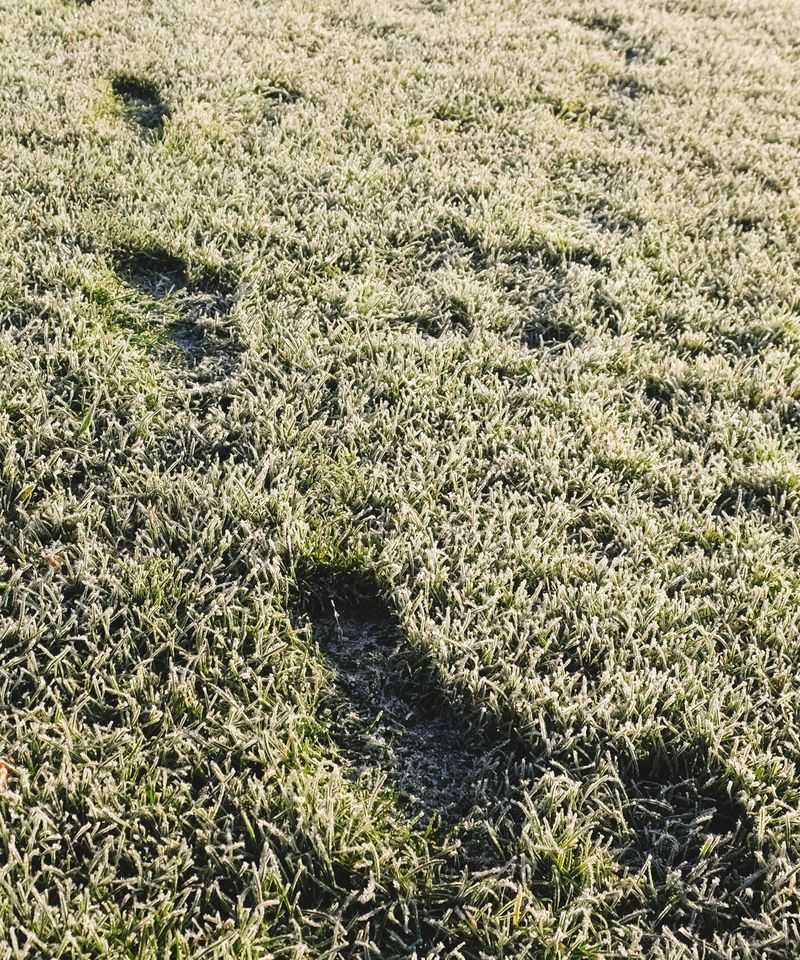
Frosted lawns sparkle so prettily at sunrise that stepping out with your coffee feels almost irresistible.
Each blade is coated in ice crystals, though, and the cells inside can rupture under the weight of footsteps.
Those crushed blades often turn brown or tan, leaving a trail of footprints that lingers for days or weeks. I once tracked a perfect path to the bird feeder and stared at it until spring green-up.
Grass usually recovers because the crown stays protected near the soil, but repeated traffic can thin things out. Delivery paths and dog routes take the hardest hit, so plan around them when frost is on the ground.
Wait until the sun melts the frost, usually by midmorning, before mowing or walking across the yard. Frost often settles first in low spots and shady corners, so those areas may stay crunchy much longer.
Laying a few stepping stones along common shortcuts gives everyone a sturdy path that spares the turf. Kids and pets love racing across sparkly grass, so a gentle reminder at the back door can help.
Snowy days carry similar risks, especially when foot traffic packs snow into icy layers that linger on the lawn.
Compacted snow can slow spring green-up and encourage snow mold in spots that stay cold and wet.
A patient morning routine takes almost no effort, yet it protects all the hard work you put in this fall. Enjoy the sparkle from the window for a bit, and let the sunshine clear the way for you.