How To Remove Faded Petunias The Right Way (And Why Many Virginia Gardeners Stop Too Soon)
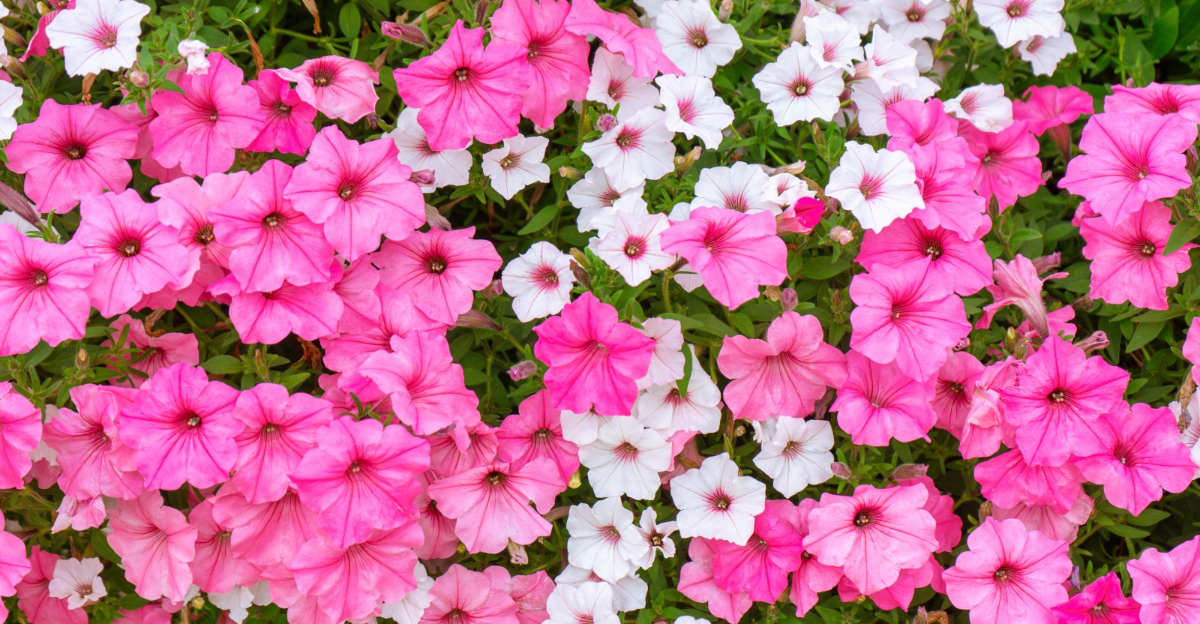
Petunias can turn a Virginia garden into something truly spectacular. But one small overlooked habit is quietly working against you.
Most people pull away the faded petals and move on. What they leave behind is the seed pod at the base, still attached and still active.
That pod has one job: drawing energy away from new blooms and redirecting it toward making seeds. The results show up fast.
Stems stretch. Blooms thin out. The whole plant starts looking tired and scraggly before summer even peaks.
Understanding exactly where to pinch and what to remove changes everything. Gardeners who get this right see fuller plants, richer color, and beds that keep producing well into fall.
The difference between a petunia plant that fizzles and one that flourishes often comes down to a single small cut. Get that cut right and your garden will show it all season long.
Pinch Off Faded Blooms At The Base
Are you only doing half the job?
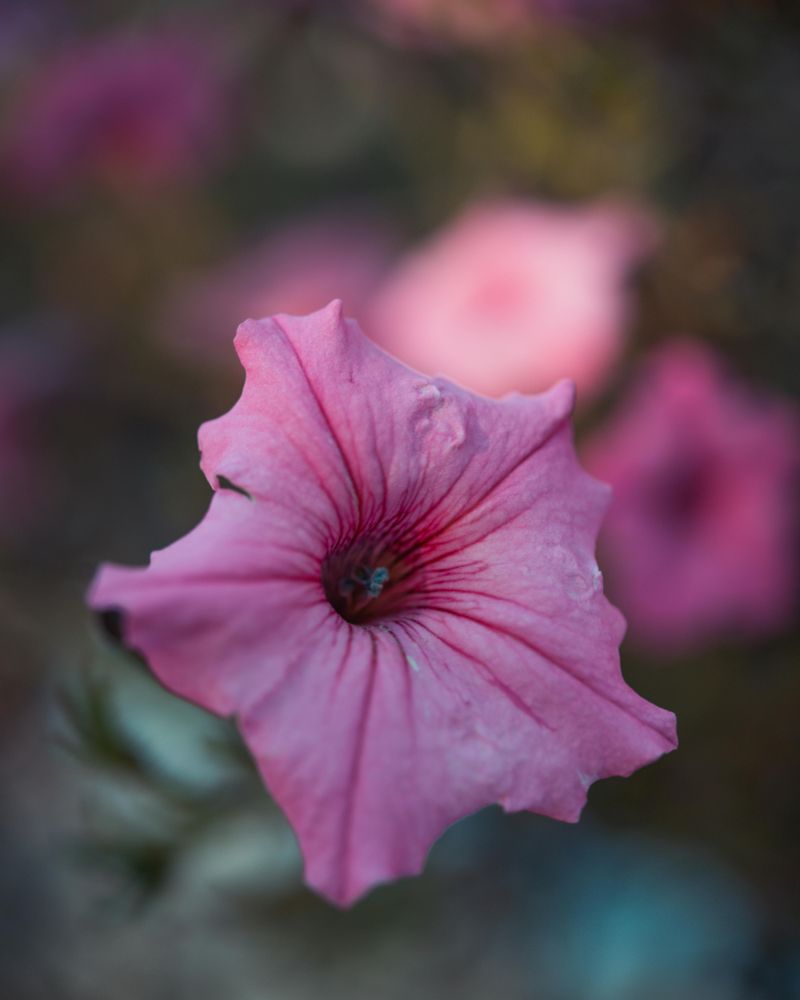
That leftover base is actually the beginning of a seed pod, and once it starts forming, the plant shifts all its energy toward making seeds instead of new flowers.
Removing faded petunias correctly means getting your fingers right down to where the bloom meets the stem.
Feel for that slightly swollen, green base sitting just below the petals.
Pinch firmly right there, not higher up where the petals are soft.
A clean pinch at the base removes both the faded bloom and the developing seed pod in one smooth motion.
This small change in technique sends a powerful signal to the plant to push out new buds instead of setting seed.
Gardeners who make this switch may start to see new buds appearing sooner than they expect.
Your petunias will look fuller, brighter, and far more productive all season long.
Once you feel that satisfying snap at the base, you will never go back to the old way of just pulling petals again.
Remove The Whole Flower And Seed Pod
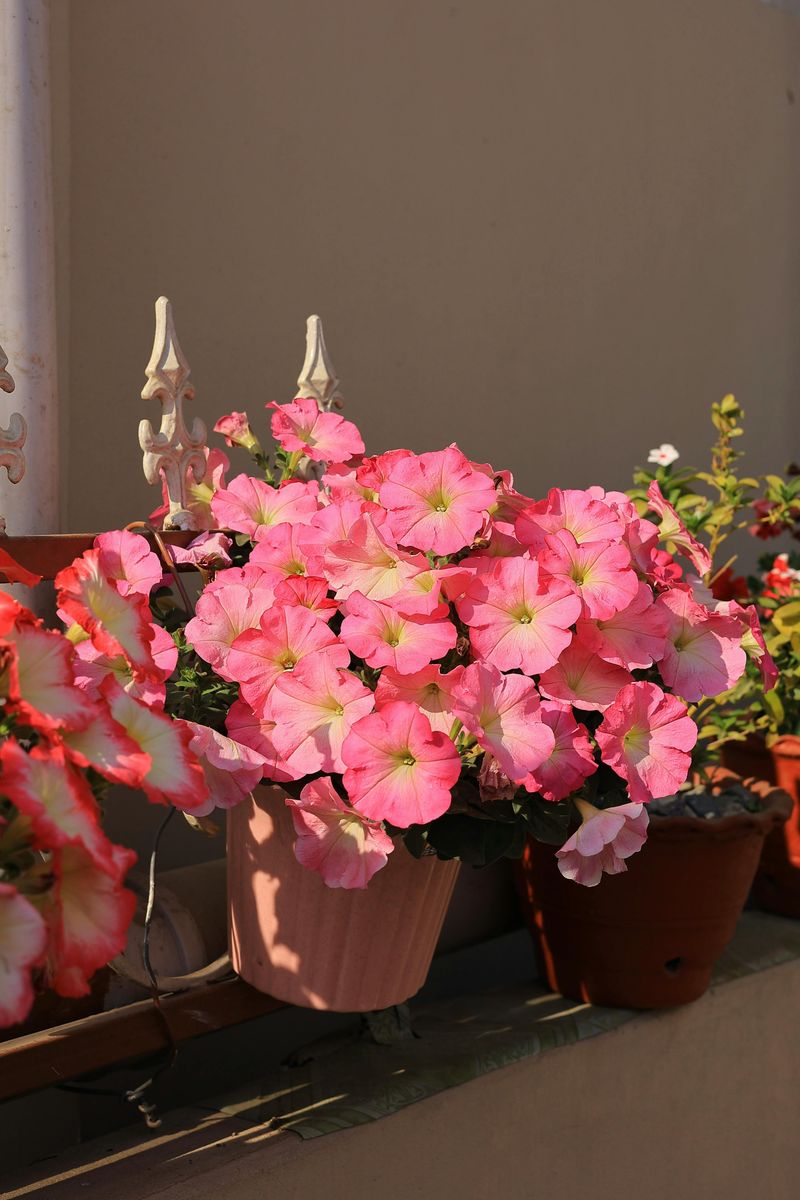
Here is what most people miss entirely: the green pod hiding right behind the wilted petals is the real problem.
That small, rounded capsule is a seed factory, and the moment it starts developing, your petunia plant goes into reproduction mode.
Reproduction mode means fewer new blooms, less vibrant color, and a plant that starts looking tired and leggy by midsummer.
Pulling off just the colorful part of the flower leaves that seed pod sitting there, quietly doing damage.
Always remove the entire structure, from the soft petals all the way down through the green pod base.
When you look closely, the pod is easy to spot once you know what you are searching for.
It looks like a tiny, firm green bump nestled right where the bloom attaches to the stem.
Squeeze it between your thumb and forefinger and snap it cleanly away from the stem.
Doing this consistently keeps your petunias focused on one job: producing gorgeous new blooms for you.
Your Virginia Garden Changes Every Week. Your Plan Should Too.
Gardening in Virginia changes quickly throughout the season. Every Friday you’ll receive a simple weekly plan showing exactly what to plant, prune, fertilize, harvest, and protect so you never miss the right timing.
Think of every pod you remove as a direct investment in weeks of extra color in your garden beds.
Use Clean Sharp Scissors For Tough Stems
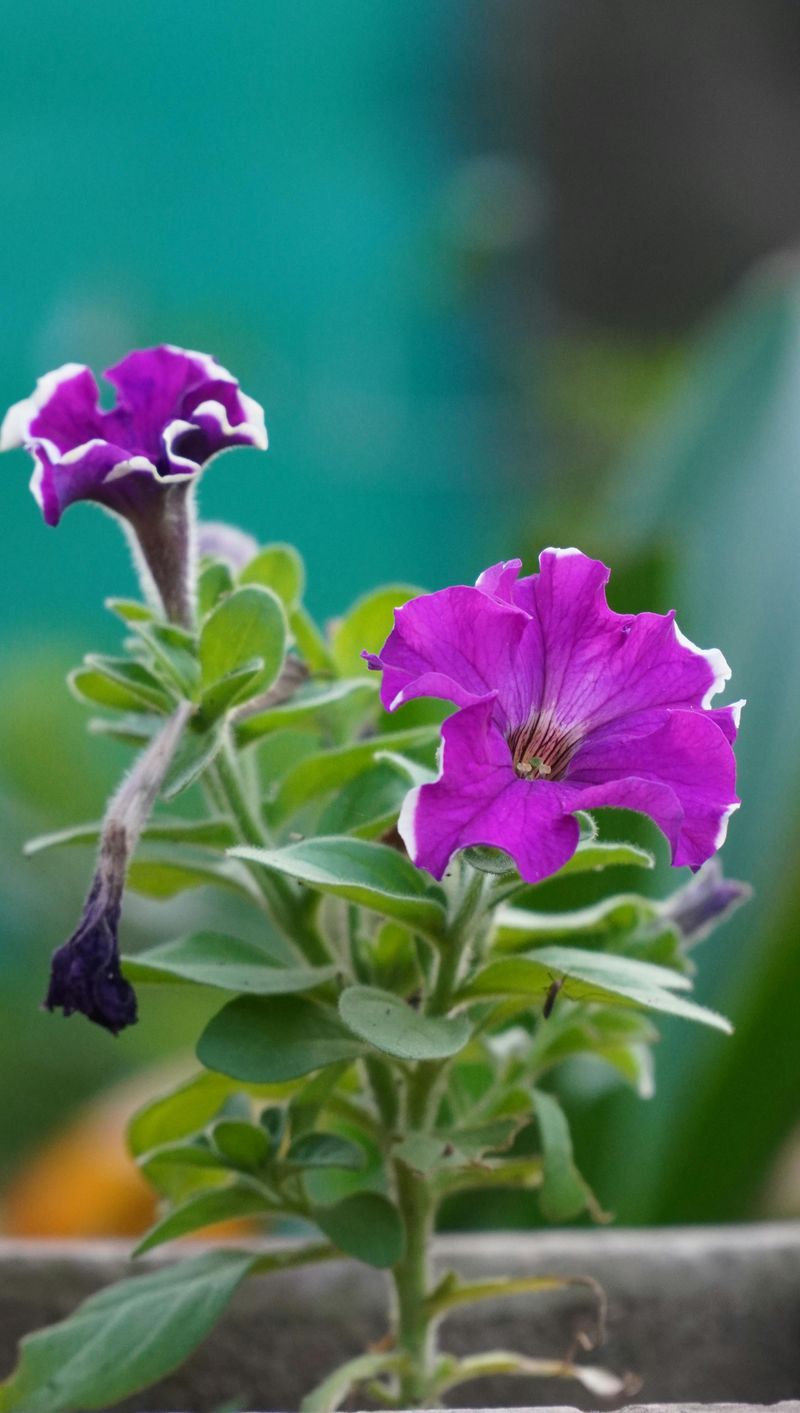
Tough stems bruise when you force them, and a bruised stem is an open invitation for disease.
Some petunia varieties develop thick, woody stems by midsummer, especially in hot, humid climates.
A ragged tear on a stem is like an open wound, giving bacteria and fungal spores an easy way in.
Sharp, clean scissors or small pruning snips solve this problem instantly and make the whole job easier.
Before you head out to the garden, wipe your blades with a cloth dampened with rubbing alcohol.
This one step stops you from accidentally spreading disease from plant to plant as you work your way down the bed.
Position the blades right at the base of the faded bloom, just above a healthy leaf or node.
One smooth, confident snip is all it takes.
Never hack or saw at the stem because that frays the tissue and slows healing.
Keeping your tools sharp and clean is honestly one of the most underrated habits in gardening, and your petunias will reward you for it all season.
Do It In The Early Morning
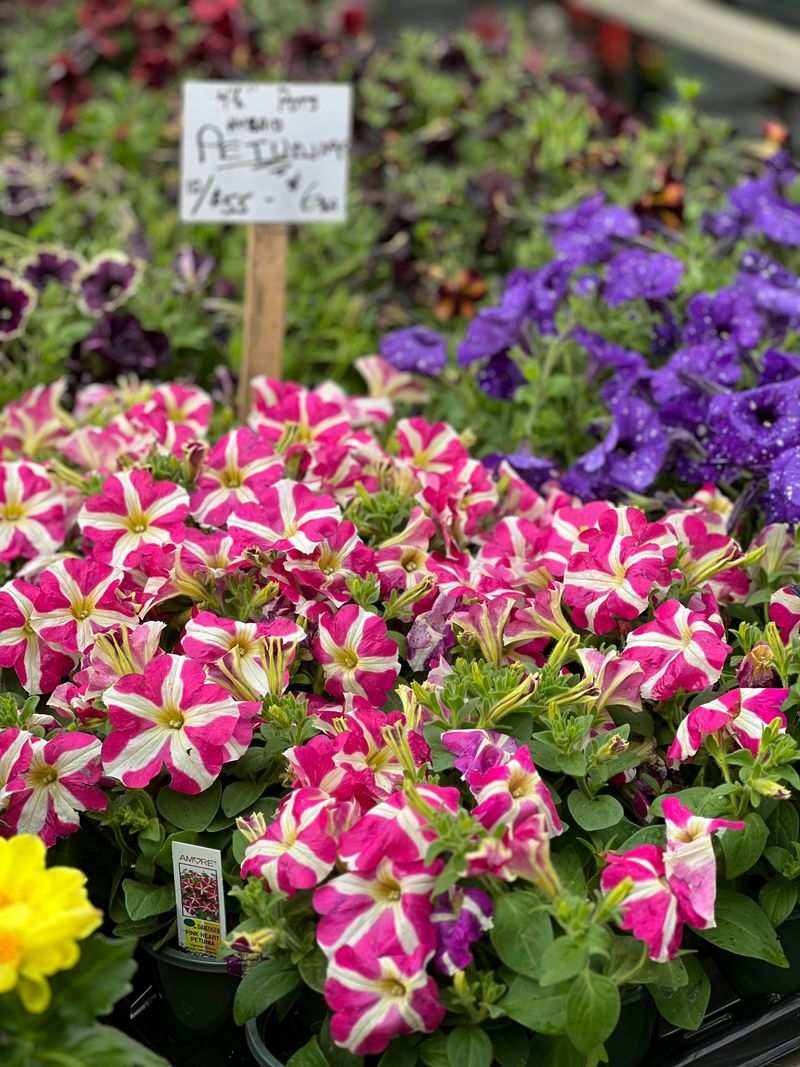
What if the secret to better petunias was simply what time you walked into the garden?
Petunia stems are plump and firm in the morning because the plant is fully hydrated after the cool night hours.
Firm stems snap cleanly and tend to recover better than stems that are heat-stressed and limp from afternoon sun.
Working in the morning also means you finish before the day heats up, which is a real gift during the sweltering weeks of July and August.
Heat may cause cut surfaces to dry out more quickly, which can slow the plant’s recovery after trimming.
Morning also gives the plant the entire day to redirect its energy toward pushing out new growth before nightfall.
Another bonus is that pollinators are just starting their rounds in the early hours, so you will not be disturbing bees at peak activity.
Bring your scissors, a small bucket for clippings, and a cup of coffee if you need one.
The whole process takes only ten to fifteen minutes for a standard garden bed.
Making it a morning ritual turns a gardening chore into a genuinely peaceful way to start the day.
Check Every Stem Not Just Obvious Ones
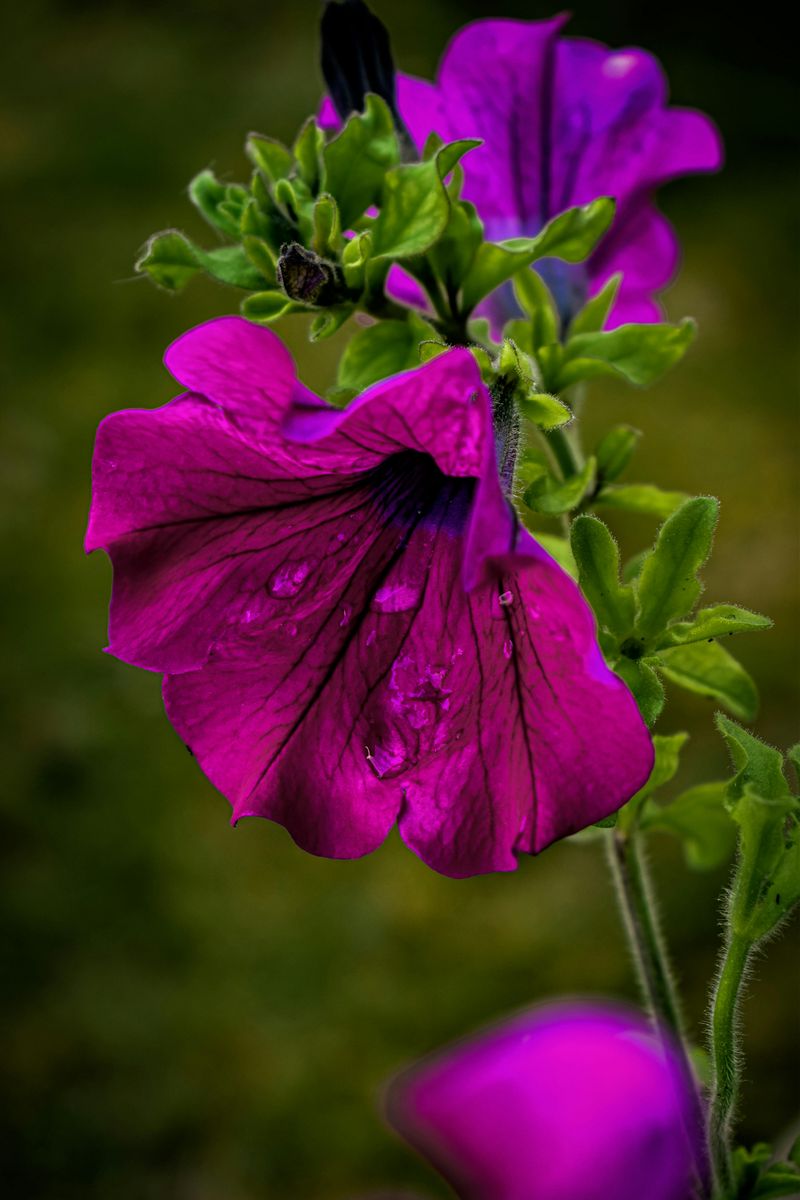
Most gardeners scan the top of the plant, grab the most obvious wilted blooms, and consider the job done.
But faded petunias hide everywhere, tucked under leaves, dangling from side shoots, and clinging to stems near the base of the plant.
Missing even a handful of spent blooms means seed pods keep forming and keep draining the plant’s resources.
Slow down and work your way through the entire plant from the outside edges toward the center.
Lift the outer branches gently to expose what is growing underneath because the shadiest spots are often the most neglected.
Hanging baskets are especially tricky since blooms near the bottom tend to fade first and stay hidden the longest.
Rotate the basket or container so you can see every angle before you put your scissors away.
For ground-level beds, crouch down and look up into the plant from below.
You will almost always find a cluster of spent blooms you would have otherwise missed entirely.
A thorough check twice a week takes only a few extra minutes but makes a dramatic difference in how long your petunias stay in full, glorious bloom.
Cut Stems Back To A Leaf Node
Cut to a leaf node. That one move changes everything.
A leaf node is simply a spot on the stem where a leaf grows out, and it is packed with dormant buds ready to spring into action.
When you cut just above one of these nodes, you essentially wake those buds up and tell them it is their time to grow.
Cutting too high, above a bare section of stem, leaves a stub that has no buds and will simply dry out without producing anything new.
Look for the nearest healthy leaf below the faded bloom and make your cut about a quarter inch above it.
This small measurement matters because cutting too close to the leaf can damage the node itself.
Within a week, you will often see tiny new growth emerging right from that spot.
This technique works especially well on petunias that have started getting leggy and stretched out in the heat of summer.
Combining node cuts with regular removal of faded petunias creates a plant that stays compact, bushy, and loaded with color.
Your neighbors will genuinely want to know what you are doing differently, and now you will have a real answer for them.
Remove Faded Blooms At Least Twice A Week
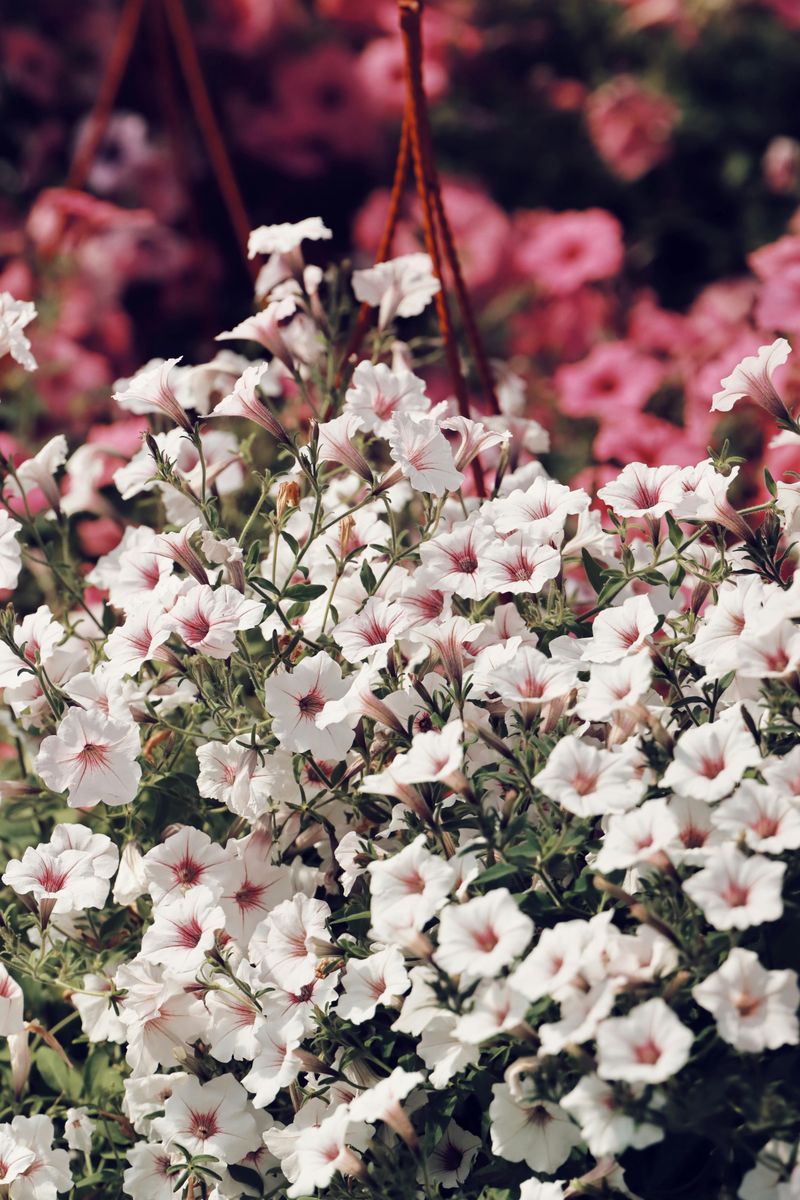
Petunias are the mayflies of the garden, breathtaking one day and spent the next.
Waiting until the weekend to remove faded petunias is one of the most common mistakes gardeners make without even realizing it.
IWarm weather speeds the process up considerably, and a missed bloom can be well on its way to setting seed within a week or so.
Two sessions per week keeps the plant perpetually confused in the best possible way: it never gets the chance to finish its seed cycle.
Instead, it just keeps pushing out fresh blooms in an endless, beautiful loop all the way through early fall.
Mark it on your phone calendar or tie it to another routine, like watering days or trash day, so it becomes automatic.
Each session only needs to cover the new growth since your last pass, so it gets faster as you get more consistent.
Consistency also means you catch problems early, like disease spots or pest damage on stems and leaves.
Regular attention to your plants builds a kind of intuition over time about what healthy looks like versus what needs action.
Twice a week is not a burden; it is the rhythm that keeps a garden genuinely thriving.
Pinch Back Leggy Stems At The Same Time
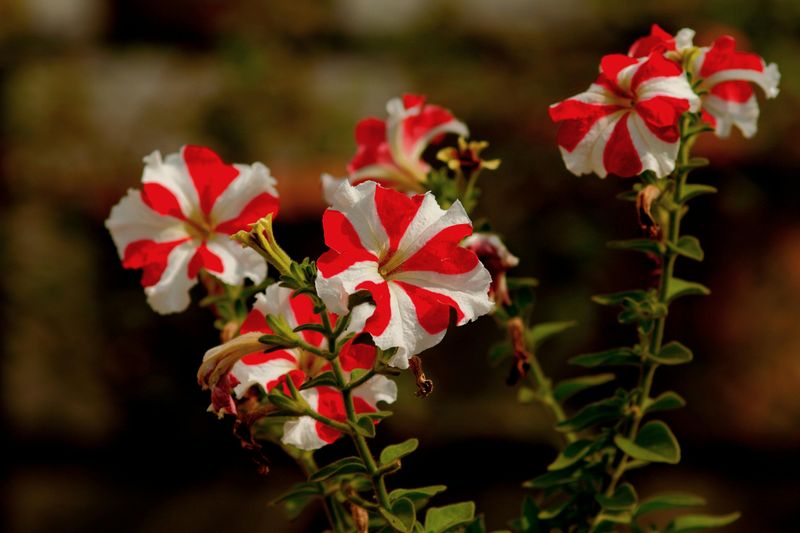
Long, bare stems with a single bloom at the tip are a sign your petunias are crying out for attention.
Leggy growth happens when the plant stretches toward light without being encouraged to branch, and it makes even a healthy petunia look scraggly and sparse.
The good news is that fixing it takes about ten seconds per stem and pays off for weeks.
While you are already removing faded petunias, scan for any stems that look stretched, thin, or bare in the middle.
Pinch or cut those stems back by about one third, making your cut just above a leaf node as always.
This encourages the plant to send out two or three new side shoots from that point instead of continuing to stretch upward.
More side shoots mean more branching, and more branching means significantly more blooms over the coming weeks.
Do not be afraid to cut back aggressively if the plant has gotten truly out of hand by late summer.
Petunias are remarkably tough and bounce back from hard pruning faster than most gardeners expect.
Handling leggy stems and faded blooms in the same pass makes the whole routine efficient and keeps your garden looking intentional and lush.
Dispose Of Removed Flowers Away From The Plant
Dropped blooms on the soil look innocent.
Left there, they quietly set the stage for problems you will not notice until it is too late.
Faded petunias that fall near the base of the plant can harbor fungal spores and create the damp, decaying conditions that diseases love.
Botrytis blight, a common gray mold, thrives on exactly this kind of organic debris sitting close to plant stems.
Carry a small bucket or bag with you while you work so removed material goes directly into it, not onto the ground.
Once you finish, take the clippings to your compost pile if the blooms show no signs of disease.
If you notice any discoloration, unusual spotting, or fuzzy growth on the removed material, bag it up and put it in the trash instead.
Sending diseased plant matter into a compost pile can spread problems to everything you grow next season.
Keeping the area beneath your petunias clean and clear also improves air circulation around the lower stems.
Better airflow reduces humidity at soil level, which is one of the simplest ways to prevent fungal issues from taking hold.
A tidy garden bed is not just prettier; it is genuinely healthier for every plant growing in it.
Water Lightly After Removing Faded Blooms
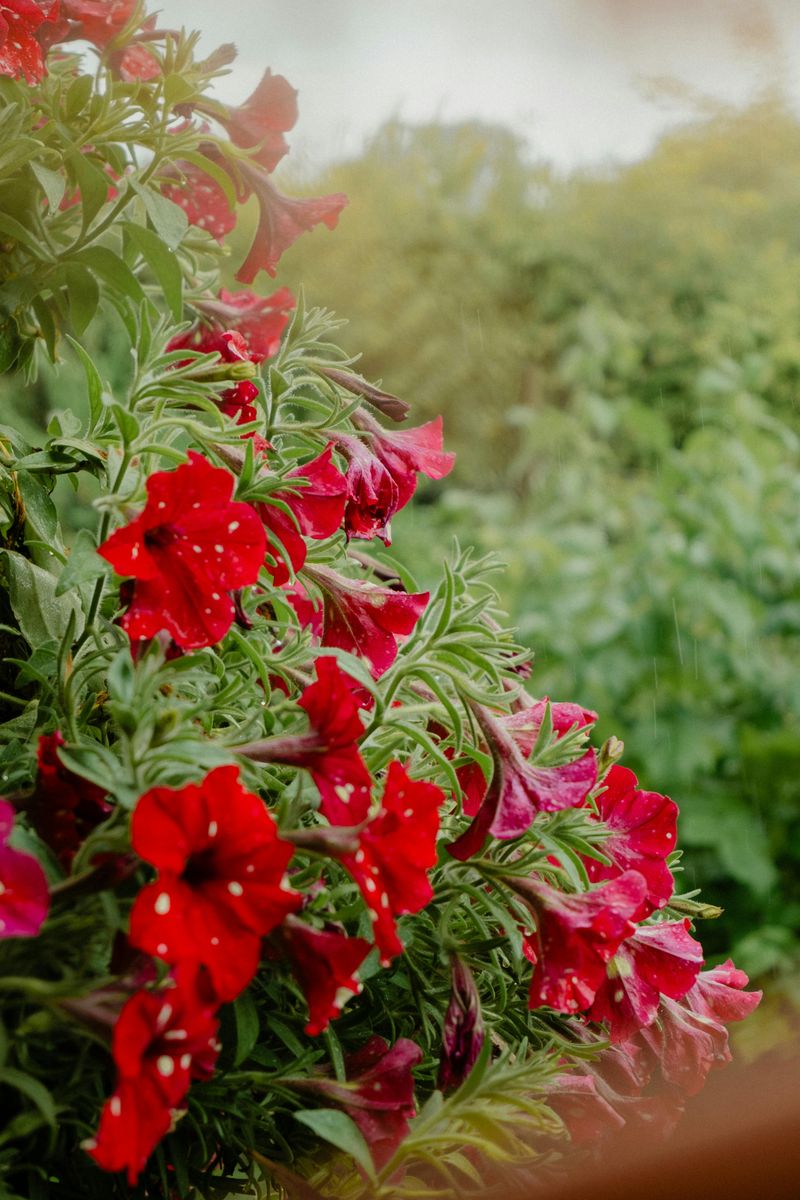
Fresh cuts wake petunias up.
A light drink right after trimming gives them exactly what they need to surge forward with new growth.
A well-hydrated petunia redirects its energy toward new buds far more efficiently than a thirsty one.
The key word here is lightly because petunias in humid summers are prone to root rot if the soil stays soggy for too long.
Aim the water at the base of the plant rather than overhead to keep foliage and cut stems as dry as possible.
Wet foliage sitting in humid air is an open invitation for fungal problems to develop quickly.
A watering can with a gentle rose head gives you the most control over where the water lands.
If you already watered earlier that morning, skip the extra drink and let the soil moisture level guide you instead.
Stick your finger an inch into the soil; if it feels damp, the plant does not need more water right now.
This mindful approach to watering after removing faded petunias ties the whole care routine together beautifully.
Small, consistent acts of attention like this are what separate a garden that survives from one that genuinely thrives all season.