8 Plants That Benefit From Pruning in November in North Carolina
Some fungal spores spend the whole winter tucked inside last summer’s leaves, waiting patiently for warm spring rain. That sneaky habit is one big reason a pair of sharp pruners earns its keep in late fall.
Across North Carolina, November usually brings the first frosts, and many plants slip quietly into their winter rest. Cutting at the right moment clears away hiding spots for pests and sets up stronger growth next year.
I love this quiet chore because the garden smells like damp leaves and the work feels oddly calming. You may be surprised to discover that a few favorites actually bloom better after a hard fall haircut.
Not every plant wants the shears now, so timing matters a lot for gardens across North Carolina. So which plants in your yard are quietly hoping you grab those pruners this month before winter settles in?
1. Herbaceous Peony
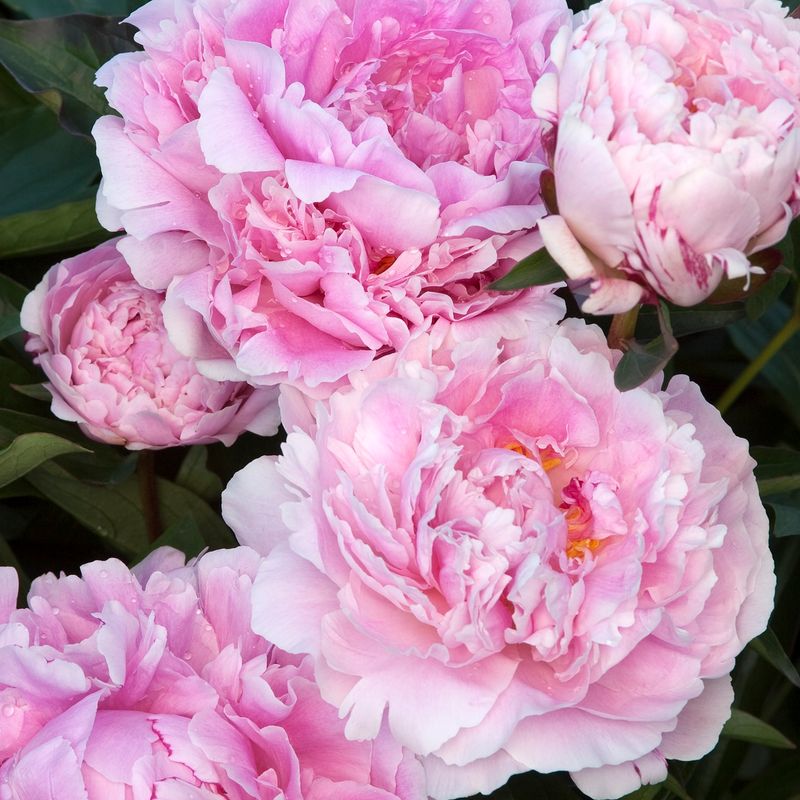
Those giant spring blooms hide a secret, because peony leaves can carry gray mold spores straight into next year. I find it oddly satisfying to clear those floppy brown stems once a hard frost knocks them flat.
Botrytis blight is the main villain here, and it often shows up as blackened buds in rainy springs. Removing old foliage in fall gives that fungus far fewer places to spend the cold months.
Cut each stem close to the ground, leaving maybe an inch, and keep an eye out for buds. Those pinkish red eyes near the soil surface are next year’s shoots, so work gently around them.
Bag the clippings or send them to the trash rather than tossing them onto your compost pile. Home compost often stays too cool to break down fungal spores, so they can sneak back later.
Woody tree peonies are a different story, since their stems carry flower buds through the winter. Leave those woody branches alone and simply rake up any fallen leaves beneath them this month.
Garden peonies, Paeonia lactiflora, grow happily in zones 3 through 8, which covers most of the state. Plants in the hot eastern counties appreciate a little afternoon shade and early blooming varieties for best results.
Clumps can live for decades with this simple care, and some families pass divisions down for generations. Honestly, few garden tasks take less time and pay back so much beauty when May rolls around.
2. Garden Phlox
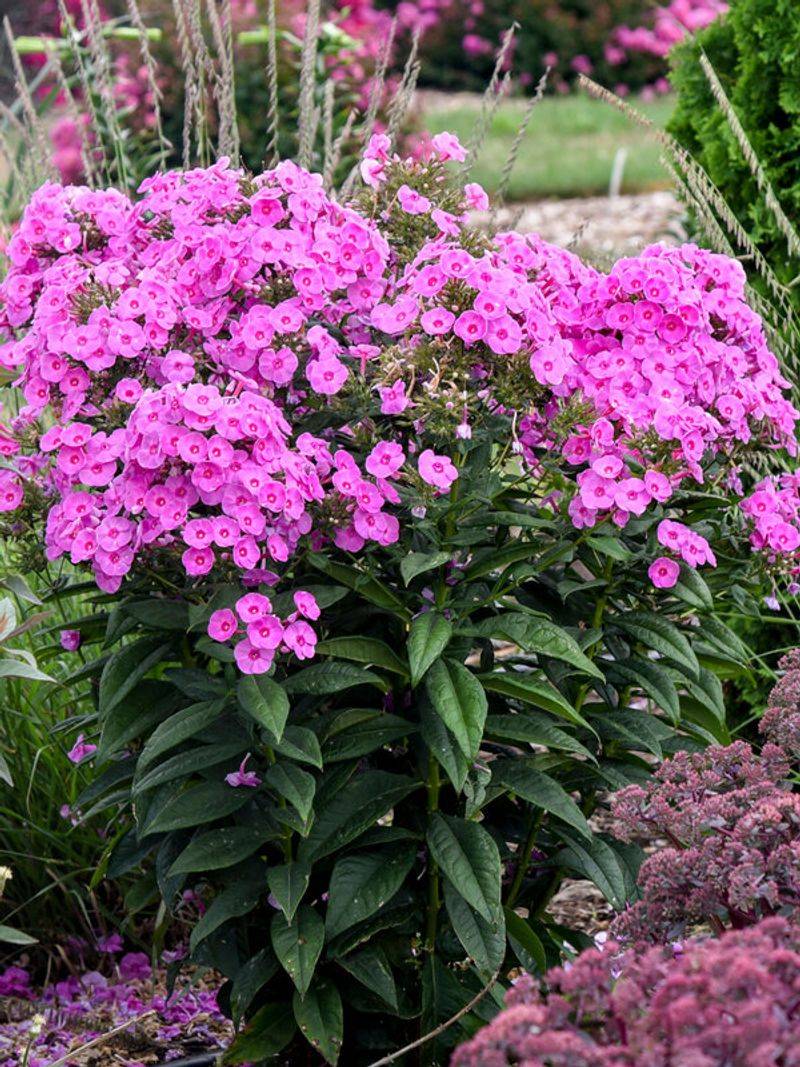
Late summer phlox smells like sweet vanilla on a warm evening, but its leaves tell another story by fall. That dusty white coating you probably noticed is powdery mildew, a fungus that loves crowded humid gardens.
Phlox paniculata is a native wildflower in eastern North America, and it handles our hot summers with grace. Its tall flower heads pull in butterflies and hummingbird moths, which makes it a favorite in my yard.
Once frost browns the foliage, cut the stems down to about two inches above the soil line. Removing those spotted leaves takes away much of the fungus that would otherwise linger until spring.
Toss the clippings in the trash, and rake the bed clean so no moldy scraps stay behind. A fresh layer of shredded mulch afterward keeps the crowns cozy without smothering them in heavy material.
Next summer, thin each clump to a handful of strong stems so breezes can move through easily. Better airflow means leaves dry faster after rain, and mildew struggles to get a foothold on them.
Resistant cultivars like David and Jeana have shown strong mildew resistance in trials, so they are worth considering. Jeana in particular earned top marks at the Mt. Cuba Center trials for drawing lots of hungry butterflies.
Some gardeners leave a few seed heads for birds, which is fine if the plants stayed healthy. Spotty foliage, though, belongs in the bag, because a quick cleanup now saves plenty of frustration next August.
3. Hosta
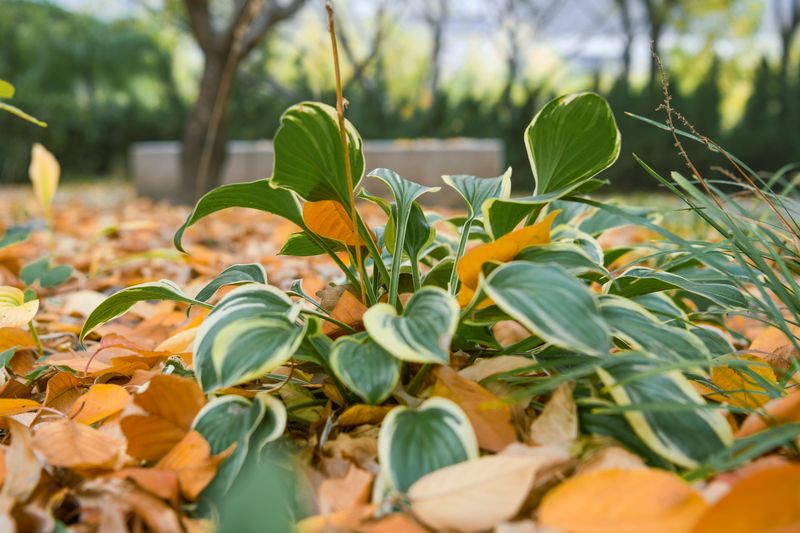
After the first hard frost, hosta leaves collapse into a slimy heap that looks like soggy lettuce. Trust me, nobody wants to pick that mess up in March, so November is the sweet spot.
Slugs adore that soggy layer, and many of them lay clusters of eggs in garden debris during fall. Clearing the old foliage gives those slimy leaf munchers fewer cozy hiding places to wait for spring.
Grab the leaves at their base and pull gently, or snip the stalks an inch above the crown. Most leaves release with a light tug once they turn yellow and mushy after a cold frosty night.
Hostas grow well in zones 3 through 9, so they fit gardens from the mountains down to the coast. They do best in moist, rich soil with shade during the hottest part of the afternoon.
Diseases like anthracnose can also linger on spotted leaves, so disposing of them helps your shady beds. Clean foliage can head to the compost pile, while blotchy leaves belong in the trash can.
Once the bed is clear, spread a thin layer of mulch to protect the crowns from heaving. Keep it loose and light, since thick heavy piles can hold extra moisture against the sleeping buds.
I like marking clump locations with a small stake, because bare ground makes it easy to forget them. That little flag saves your hidden hostas from an accidental shovel when you plant bulbs nearby.
4. Asparagus
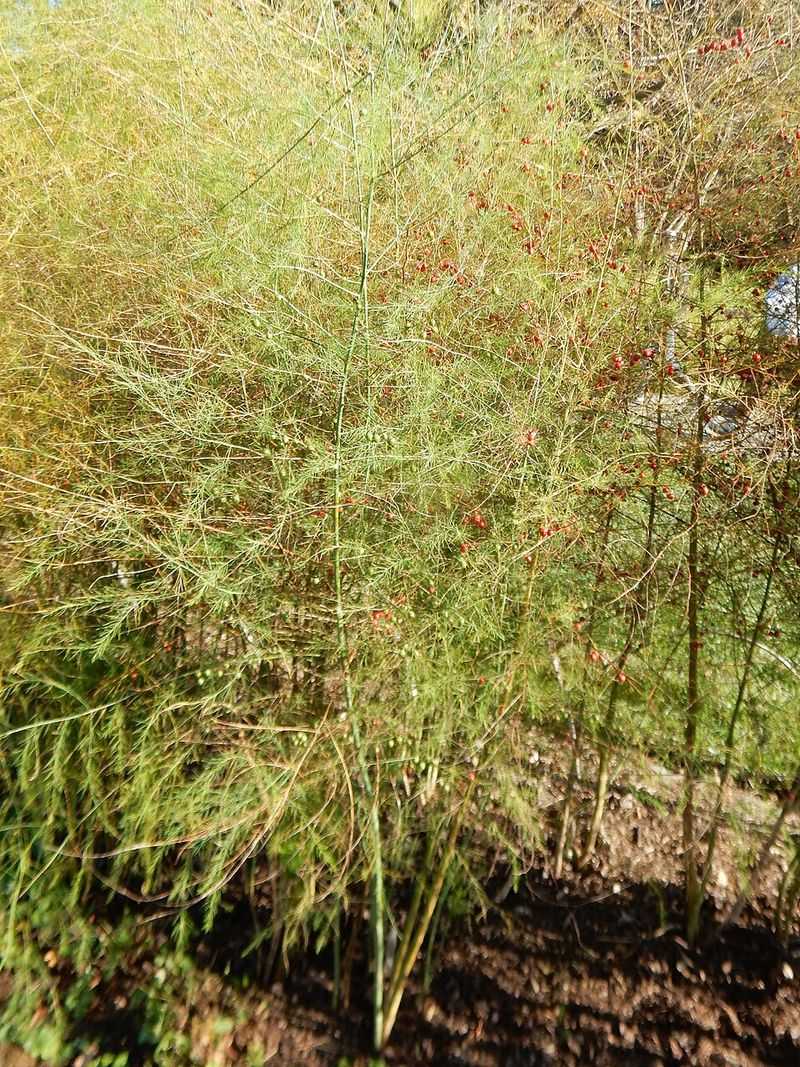
Those feathery asparagus ferns can tower five feet tall by summer, swaying like soft green clouds in the breeze. Come fall they fade to gold and then brown, which is your signal to grab the loppers.
Waiting until the ferns turn brown matters, because green fronds are still feeding the roots below ground. Cutting too early robs the crowns of energy they need for fat spears next spring and beyond.
Once growth is brown, cut the old stalks down to a couple of inches above the soil. Asparagus beetles and some fungal diseases can spend winter in that old growth, so removal helps.
Female plants also drop red berries that sprout into weedy seedlings, which crowd your otherwise tidy bed. Clearing the ferns before berries scatter means much less hand weeding when spring arrives in the garden.
After cleanup, a few inches of compost or straw mulch tucks the crowns in for the cold months. That layer also slows early weeds and keeps soil moisture steady when the spears start pushing up.
I think asparagus rewards patience better than any vegetable, since healthy beds can produce for fifteen years or more. Good fall habits are a big part of what keeps a planting going strong that long.
Gardeners in the North Carolina Piedmont often start harvesting spears in late March or early April. A clean bed now means those first tender spears pop up without any tangled brown stalks in the way.
5. Blackberry
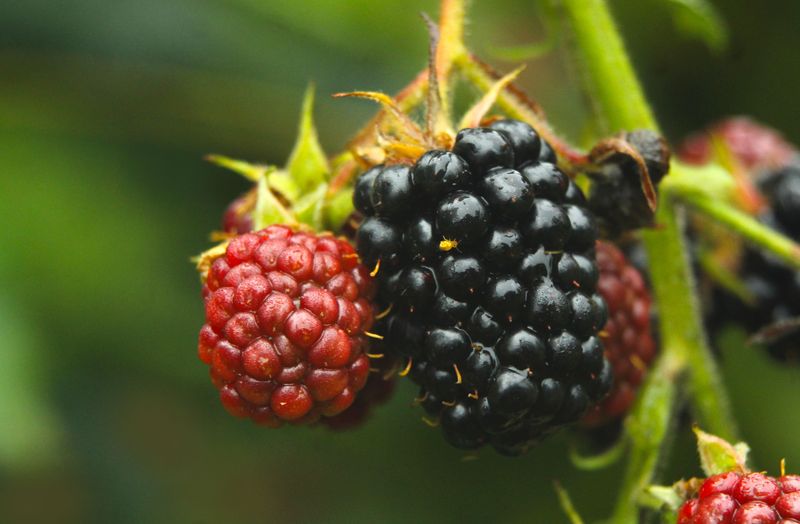
Blackberry canes live on a quirky two-year schedule, growing leaves the first year and fruit the second. After that summer harvest, the old canes are finished for good, and they just hang around taking space.
If you missed removing them back in July, November offers a calm, cool window to catch up. Spent canes look gray and brittle, with peeling bark and little stubs where berries once hung.
Cut those old canes right at ground level, and haul them well away from the patch. Fungal diseases like anthracnose can overwinter on old wood, so removal protects the younger canes growing nearby.
Leave the healthy green first-year canes standing tall, because those will carry your berries next summer. I really like thinning them to roughly four to six sturdy canes per plant for erect varieties.
Save the side branch trimming for late winter, when buds are easier to see and cold damage shows. Cutting laterals back to about twelve to eighteen inches then encourages noticeably bigger fruit and sturdier growth.
Primocane fruiting types like Prime-Ark Freedom can also be mowed to the ground in winter for one fall crop. That simple approach skips the summer harvest but makes the yearly cleanup quick and easy for busy gardeners.
Wear thick gloves and long sleeves for this prickly job, since even old canes can bite back. An hour of careful snipping now pays off with a tidier patch and juicier berries come July.
6. Smooth Hydrangea
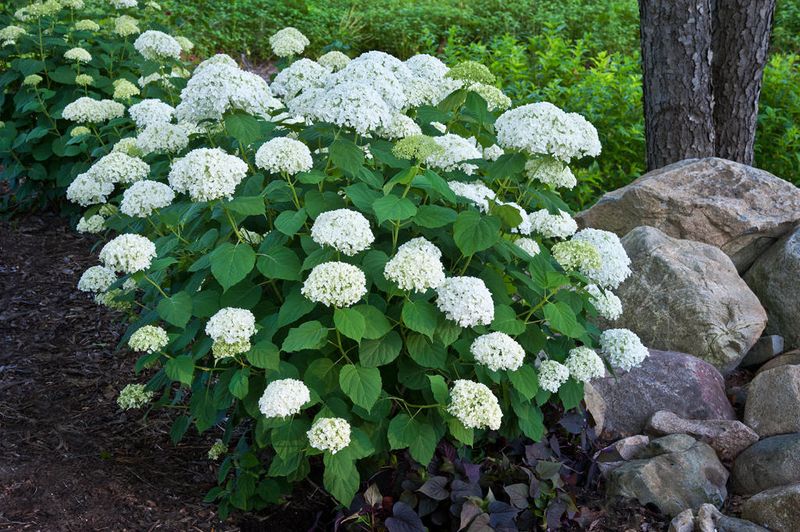
Peel back a twig on an older smooth hydrangea and you might spot layers of flaky bark. That papery trait earned it the old nickname sevenbark, and I find it charming every single time.
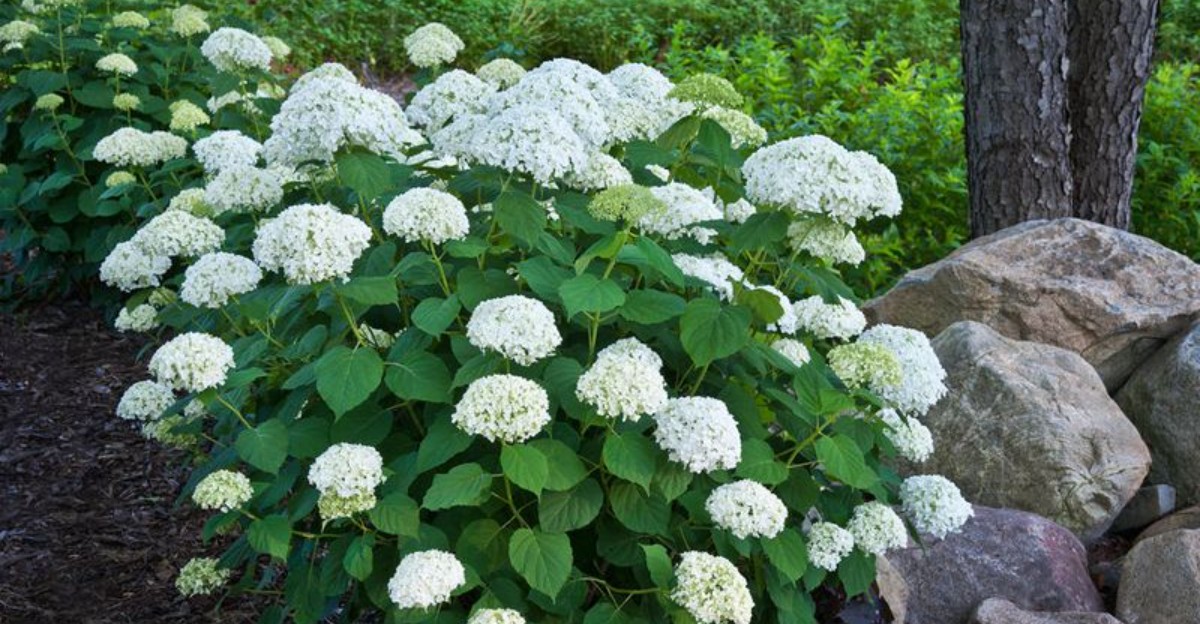
Hydrangea arborescens grows wild in the woods of our mountains and Piedmont, often along shady stream banks. Popular cultivars like Annabelle and Incrediball carry huge white snowball flowers that can reach a foot across.
Since this shrub blooms on new wood, cutting it back after leaf drop will not cost you flowers. Fresh stems that sprout next spring will carry the summer blooms, so winter cuts are safe.
Many gardeners trim the whole plant to about one or two feet tall, which works nicely for most yards. Leaving a bit of stem height gives the new shoots extra support, so flower heads flop less.
Cutting to the ground also works, though the stems can turn floppy under heavy summer blooms and rain. In my garden, I split the difference and leave stubs about eighteen inches tall for balance.
Some folks leave dried flower heads standing through winter, and that choice is perfectly fine too. Those tan globes look lovely dusted with frost, so late winter pruning remains a solid option.
Give smooth hydrangeas morning sun and afternoon shade, plus steady moisture during dry summer spells and heat. A layer of mulch over the root zone after pruning helps the soil stay cool and evenly damp.
7. Panicle Hydrangea
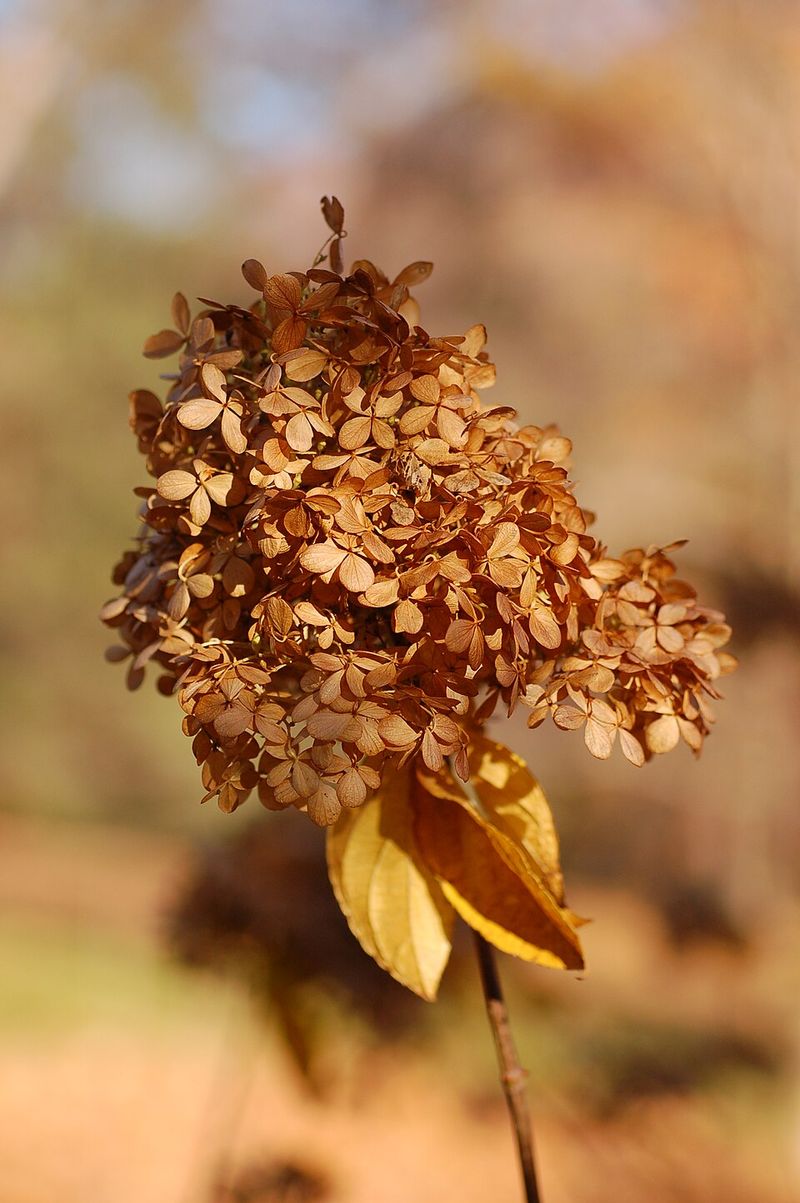
Panicle hydrangeas are the tough kids of the hydrangea family, shrugging off full sun that would scorch their cousins. Their cone-shaped flowers open creamy white and often blush pink or rosy red as nights cool.
By November those blooms have faded to a soft papery tan, and the leaves are dropping fast. Since Hydrangea paniculata flowers on new wood, you can prune now without losing next summer’s show.
A good rule is to cut stems back by about one third to one half their height. Make each cut just above a pair of plump healthy buds, which will push out strong new shoots.
Harder pruning gives you fewer but bigger flower heads, while lighter pruning creates more, smaller blooms. I lean toward a moderate trim, because giant flowers can bend weak stems after a summer storm.
Also remove crossing branches and skinny twigs from the center so sunlight and air reach every stem. A more open framework helps the shrub hold its flowers upright instead of sprawling across the nearby lawn.
Tree-form panicle hydrangeas need extra care, since you want to keep the single trunk clean and straight. Snip any suckers sprouting from the base, and shape the head into a rounded umbrella of branches.
Popular choices like Limelight and Quick Fire grow well across much of North Carolina, from mountains to coastal plain. If you prefer winter interest, leave the dried flower cones on until late winter, then prune.
8. Rose
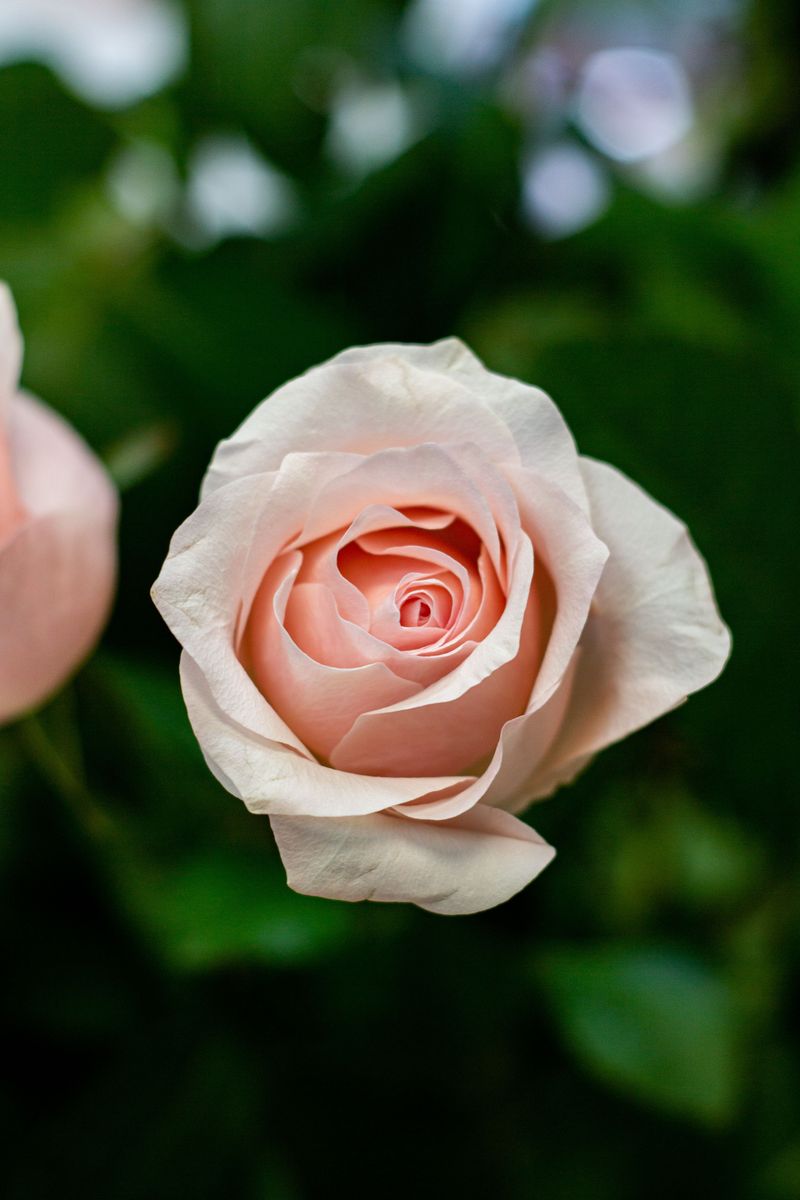
Winter winds can whip tall rose canes around like jump ropes, loosening roots and snapping stems at the base. A quick November trim of those extra-long canes is a simple fix I swear by every year without fail.
Keep this a light haircut, shortening only the tallest canes by roughly a third or so. Major pruning waits until late winter, usually February or early March in most of the state.
Cutting hard now can trigger tender new growth that a sudden December freeze would damage pretty quickly. Waiting also lets you see exactly which canes made it through the cold before you shape the bush.
Black spot is the big rose headache in our humid summers, and its spores overwinter on fallen leaves. Rake up every spotted leaf under your roses and toss them out rather than composting them.
Snip off any cracked or diseased canes too, cutting back into healthy wood with white centers. Wipe your blades with a household disinfectant between plants so you do not spread trouble around the bed.
Shrub roses like the Knock Out series handle this routine easily and bounce back fast in spring. Climbers are a little different, so tie long canes to their support instead of shortening them.
Avoid multiflora rose, an invasive species in North Carolina that crowds out native plants in woods and fields. Remove it if you spot it, and focus your pruning love on well-behaved garden roses instead.