7 Trees Virginia Homeowners Can Still Plant This Fall
Long after the leaves drop, tree roots keep growing underground until the soil cools to around forty degrees. All that quiet work happens while most of us are busy raking the yard and thinking about hot cocoa.
Cooler air also helps a young tree hold onto water, which eases transplant stress while its roots get established. Meanwhile, the still-warm autumn soil gives those roots a running start, and spring growth often looks stronger as a result.
I love fall planting in Virginia, and not just because many nurseries run sales this time of year. The work feels lighter, and steady autumn rain often handles some of the watering for you.
One more thing to keep in mind: native trees support far more caterpillars and songbirds than imported species do. Which homegrown favorites still have time to settle in before the first hard freeze?
1. Red Maple
Red maples bloom before almost any other tree, dotting bare branches with tiny scarlet flowers in late winter. I love spotting that rusty haze in February, when the rest of the woods still looks sleepy and gray.
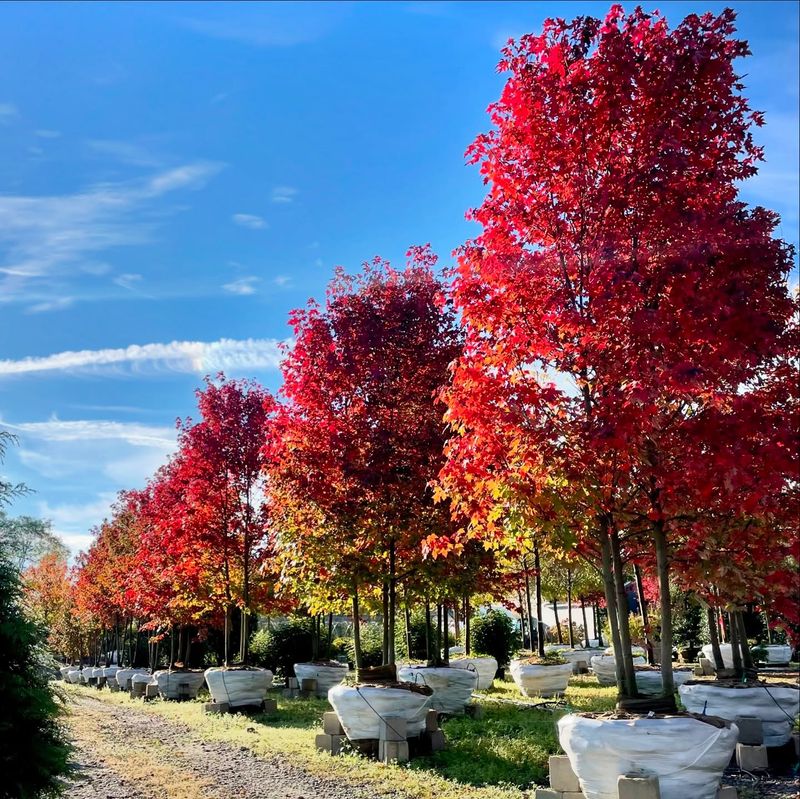
Fall color is the main event, though, with leaves turning fiery red or glowing orange depending on the tree. Shop in autumn and you can pick a specimen whose color you already know you like.
Acer rubrum grows wild across the whole state, from swampy coastal lowlands to dry mountain ridges. Expect a mature height of forty to seventy feet, so give it plenty of elbow room away from the house.
Most soils suit it, including heavy clay, though it grows fastest in moist ground with full sun or light shade. Slightly acidic soil keeps the leaves green, while very alkaline spots can cause yellowing between the veins.
Early pollen and nectar help bees waking up on warm winter days, when few other flowers are open. Caterpillars of many native moths feed on the leaves, which in turn feeds hungry nesting songbirds next spring.
Dig the hole two or three times wider than the root ball but no deeper than it. The root flare should sit right at soil level, since burying it invites rot and weak growth later.
Water deeply once a week until the ground freezes, and spread two or three inches of mulch. Keep that mulch a few inches from the trunk, so it looks like a donut rather than a volcano.
2. Flowering Dogwood
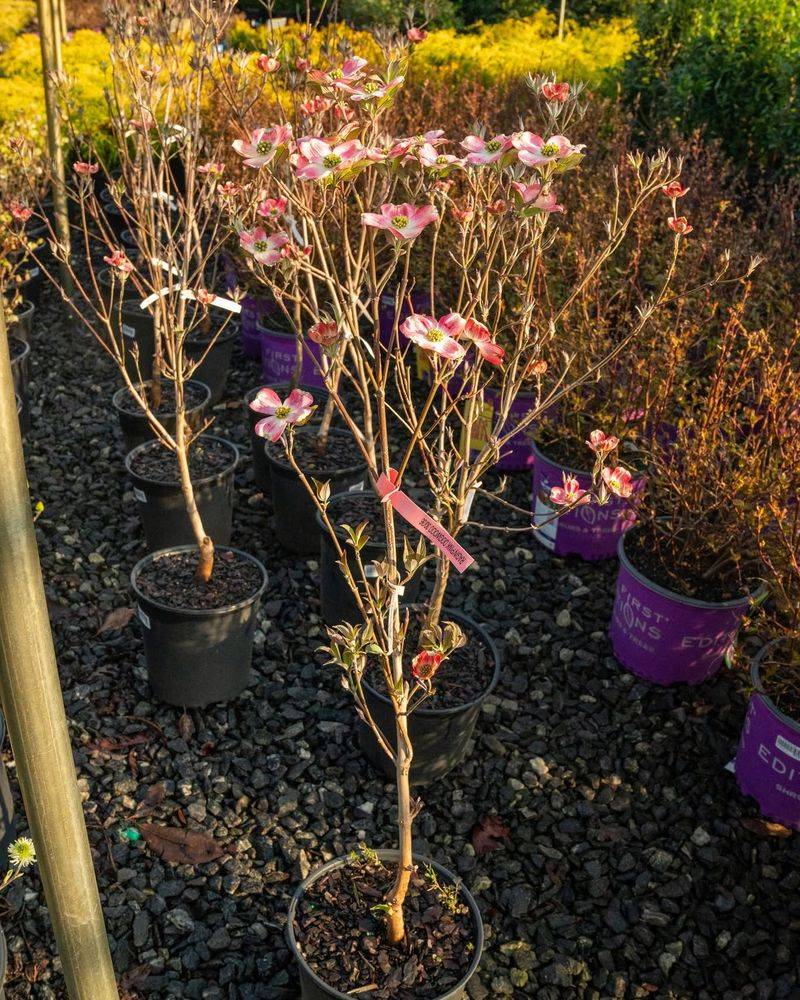
Those famous white petals on a dogwood are not petals at all, but showy leaves called bracts. The real flowers are tiny greenish buttons in the center, which surprised me the first time I looked closely.
Cornus florida has been the official state tree of Virginia since 1956, and its blossom is the state flower. You can see why so many front yards here feature one beside the porch or mailbox.
Mature trees usually reach twenty to thirty feet tall, with layered branches that spread nearly as wide. Glossy red berries ripen in early fall, and birds like robins and bluebirds strip them quickly.
Dogwoods grow naturally at forest edges, so they prefer moist, acidic, well-drained soil rich in organic matter. Morning sun with afternoon shade works beautifully, especially in hot eastern counties where summers can feel steamy.
Disease is the one real catch, since dogwood anthracnose and powdery mildew can trouble stressed or crowded trees. Good air flow and steady moisture help a lot, and some newer cultivars show better mildew resistance.
Roots are shallow, so plant slightly high and keep lawn mowers and string trimmers well away from the bark. Even small trunk wounds open the door for borers and fungus, which is why a mulch ring helps.
Aim to plant by mid-fall, giving roots several weeks of warm soil before the cold settles in. Water during dry spells through winter too, because thirsty young dogwoods sulk noticeably the following summer.
3. Eastern Redbud
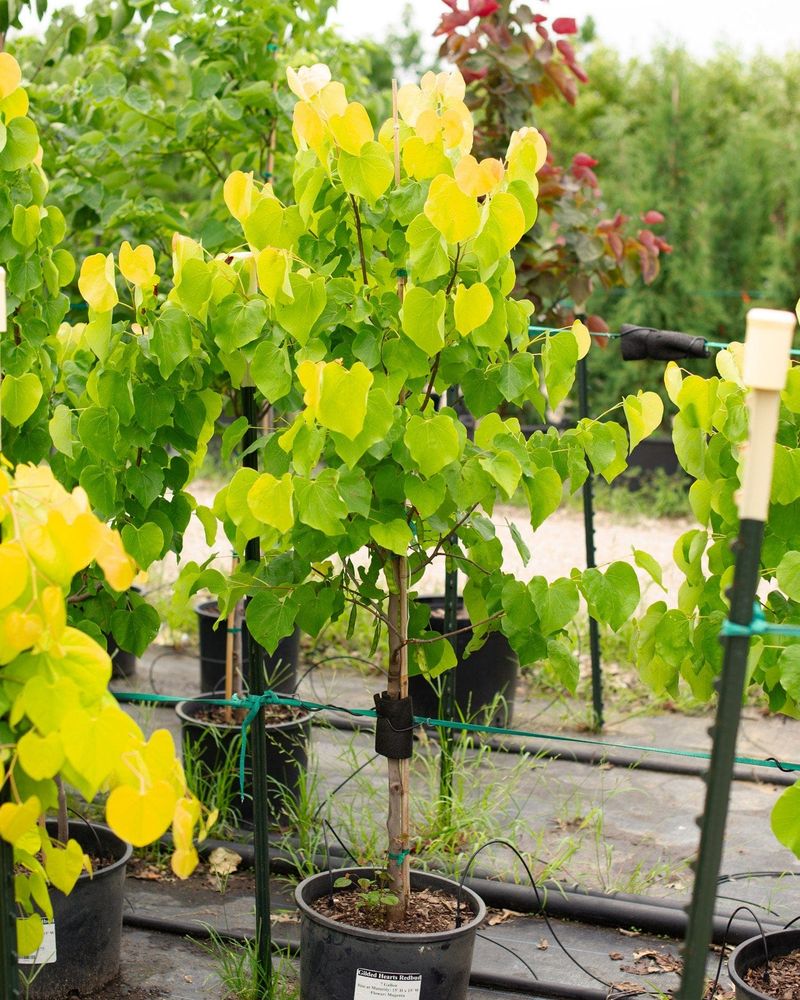
Redbud flowers pop straight out of the trunk and old branches, a quirky habit botanists call cauliflory. Every April, I catch myself pulling the car over just to stare at those magenta-pink clouds along the highway.
Cercis canadensis belongs to the pea family, and its little blossoms really do look like tiny sweet pea flowers. Some folks even toss the flowers into salads for a tangy pop of color, though taste is subjective.
Heart-shaped leaves follow the blooms, turning a soft buttery yellow in autumn before dropping for the winter. Expect a small tree around twenty to thirty feet tall, often with several trunks and a rounded crown.
Full sun gives the heaviest flowering, yet redbuds handle partial shade under taller oaks or tulip poplars. Well-drained soil matters most, and they cope with clay or limestone ground better than many ornamental trees.
Native bees, including mason bees and bumblebees, visit those early blooms when food is still scarce. Caterpillars of Henry’s elfin butterfly also feed on redbud, which feels like a fun bonus for wildlife lovers.
Young container trees transplant best, since redbuds develop a deep taproot that resents being moved later. Pick a spot carefully now, because you probably will not want to relocate this one in five years.
Water weekly through fall unless rain does the job, and skip fertilizer until growth starts in spring. Light pruning after flowering keeps the shape tidy, but heavy cuts invite canker problems on stressed branches.
4. River Birch
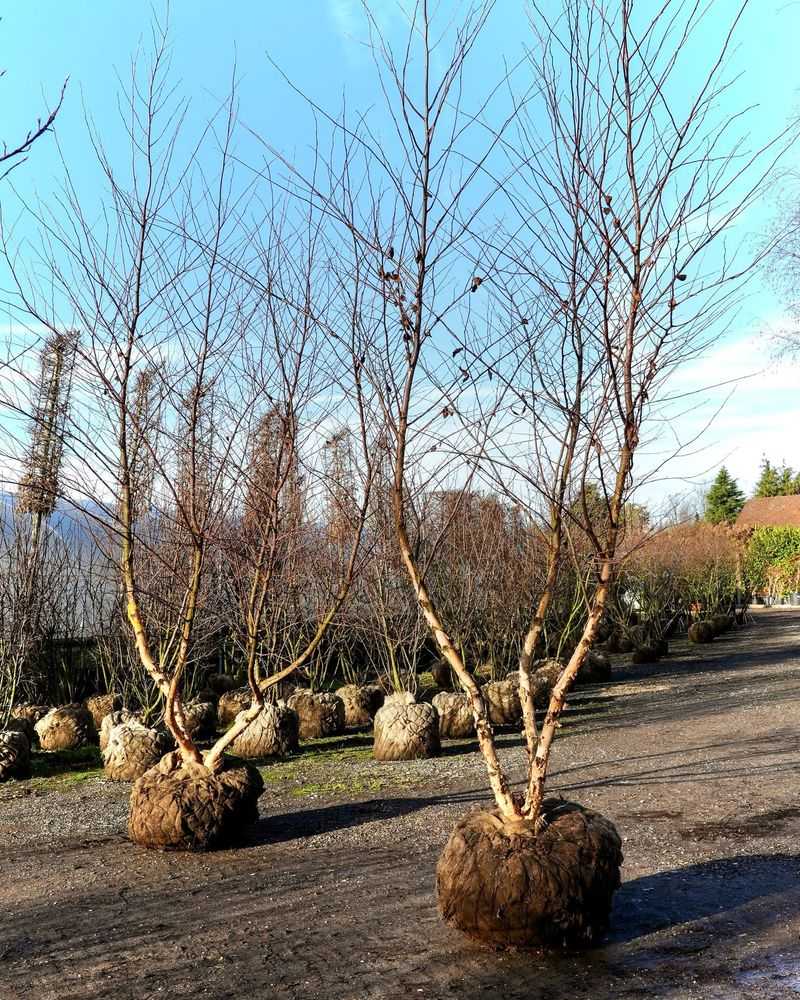
River birch bark peels away in curly salmon and cream sheets, almost like old wallpaper coming loose. I could stare at a mature trunk in January for far longer than I would admit.
Betula nigra grows wild along streams, so soggy low spots that drown other trees barely bother it. It also handles summer heat far better than paper birch, which mostly struggles in hot southern summers.
Expect forty to seventy feet of height, often on several trunks that lean out in a graceful vase shape. Growth is fast, sometimes two feet a year, so shade arrives sooner than with slow oaks.
Acidic soil keeps it happiest, while alkaline ground can turn the leaves pale yellow from iron deficiency. Full sun or light shade both work, and moist soil helps prevent early leaf drop during August droughts.
Birches host hundreds of moth and butterfly caterpillar species, which makes them a busy grocery store for nesting birds. River birch also resists bronze birch borer far better than most of its relatives, according to extension specialists.
One caution matters for fall buyers, since birch roots can establish slowly when planted late in the season. Aim for early fall with a container-grown tree, then water deeply whenever the soil feels dry.
Keep it away from septic lines and sidewalks, because those thirsty roots wander widely looking for moisture. Give it space near a rain garden or soggy corner instead, and it will thank you for decades.
5. American Holly
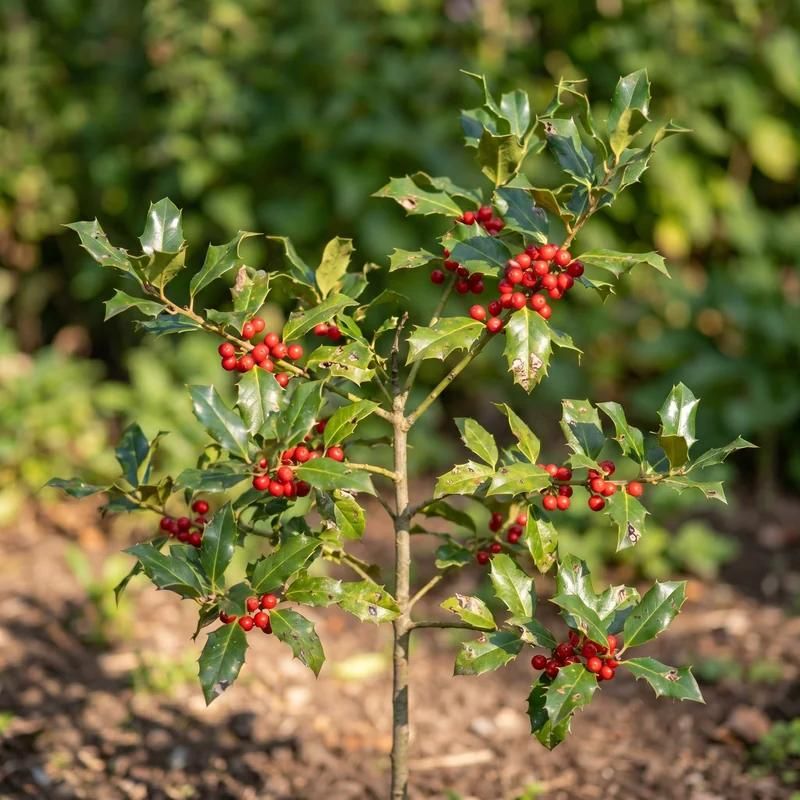
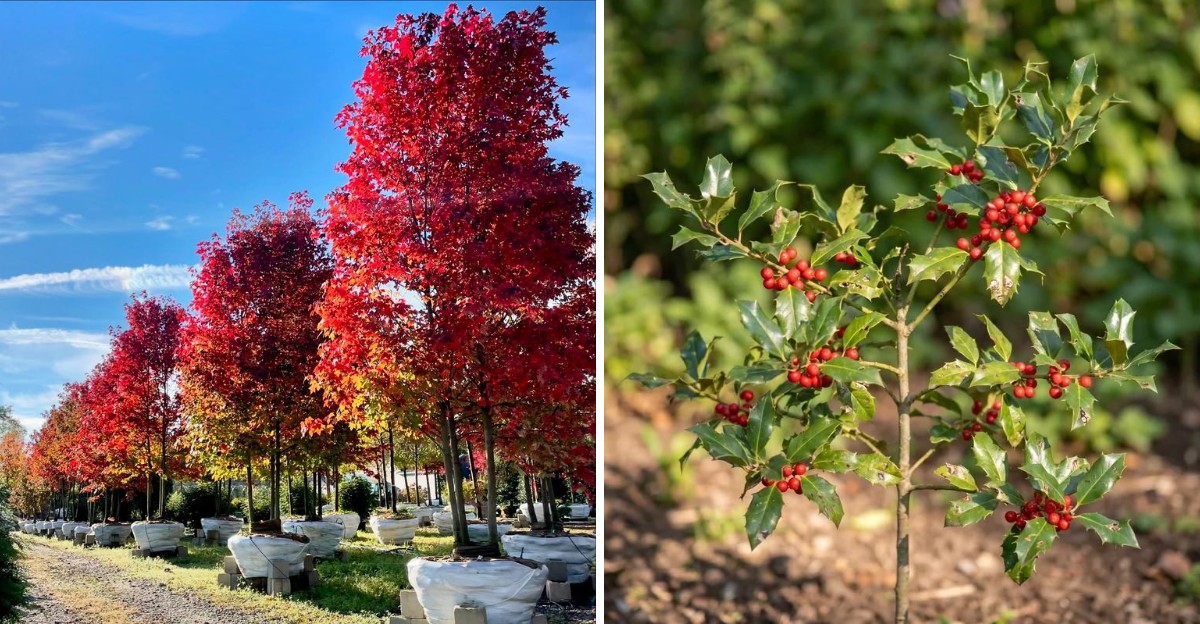
American hollies come as separate boys and girls, and only the girls carry those glossy red berries. Plenty of gardeners learn this the hard way after buying one lonely female that stays berry-free for years.
Ilex opaca grows wild along the East Coast, and it shows up in woodlands across much of Virginia. Spiny evergreen leaves stay dark green all winter, giving drab yards some welcome color and structure.
Expect fifteen to thirty feet in a home landscape, though old wild trees can grow much taller. Growth is slow and steady, with a tidy pyramid shape that rarely needs much pruning at all.
Evergreens keep losing water through their leaves all winter, so early fall planting gives roots more time. Try to finish by mid-October in colder areas, and water deeply before the ground freezes hard.
Moist, acidic, well-drained soil suits it best, and full sun to part shade both produce healthy growth. Heavy, soggy clay can cause problems, so raise the planting area slightly if water tends to puddle.
Plan on one male holly for every few females, planted within a reasonable distance for pollinating bees. Small spring flowers draw plenty of bees, while the berries feed robins and cedar waxwings in late winter.
Dense, prickly branches also give songbirds safe cover from hawks and cold winds on snowy nights. Wear thick gloves while planting, because those leaf spines feel sharper than they look in the nursery.
6. Serviceberry
Serviceberry fruit tastes like a cross between a blueberry and a cherry, with a hint of almond. Fair warning, though, because the birds usually find the ripe berries before you even notice them turning purple.
Several Amelanchier species grow wild in the region, including downy serviceberry and Allegheny serviceberry along woodland edges. Old nicknames like shadbush came from blooming when shad fish swam upriver to spawn each spring.
White starry flowers open in early spring, often before the leaves, and give bees an early snack. Berries ripen around June, which explains another common name you might hear at local nurseries, Juneberry.
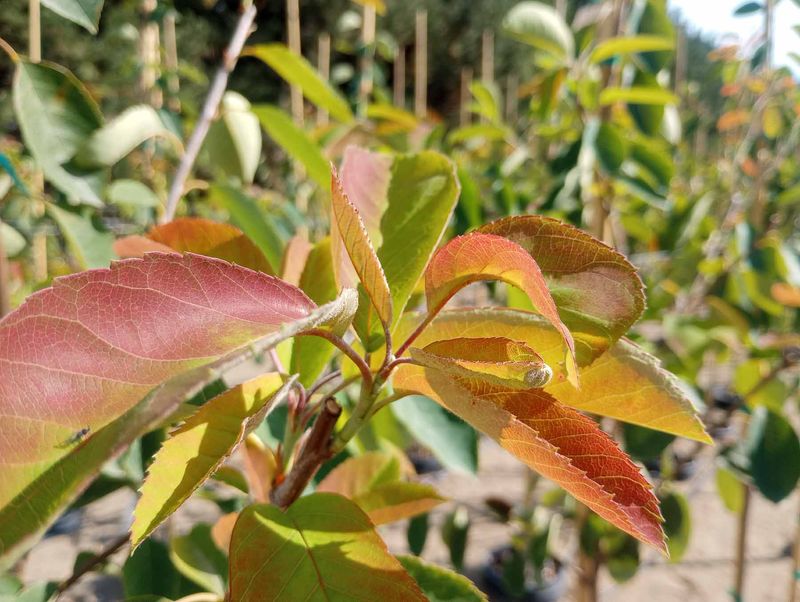
Autumn leaves glow orange and red, so planting one now lets you enjoy its color right away. Most types grow fifteen to twenty-five feet tall, either as a small tree or a multi-stemmed shrub.
Full sun brings the best flowers and fruit, though partial shade works fine near taller trees. Moist, well-drained, slightly acidic soil keeps it thriving, and established plants handle short dry spells reasonably well.
Over a hundred caterpillar species may feed on serviceberry, which helps explain its popularity among songbird fans. Cedar waxwings and catbirds are frequent visitors when the fruit ripens, so keep a window seat ready.
Spread mulch over the root zone and water weekly whenever rain is scarce through the autumn months. Hold off on fertilizer until spring, since soft new growth this late can suffer from early frost.
7. Sweetbay Magnolia
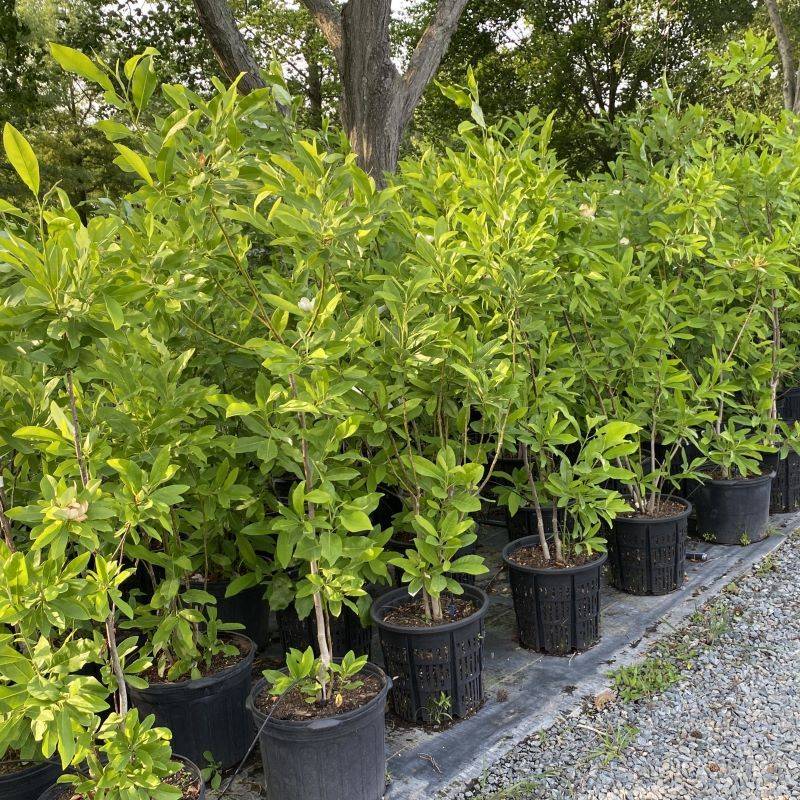
Sweetbay magnolia leaves flash silver underneath, so a gentle breeze makes the whole tree shimmer like sequins. Then summer arrives with creamy flowers that smell faintly of lemon, and I find myself lingering by it.
Magnolia virginiana carries Virginia right in its scientific name, and it grows wild in boggy coastal lowlands. It stays fairly compact, usually ten to thirty-five feet, making it handy for smaller suburban yards.
Leaves may hang on through winter in milder southeastern areas but often drop in colder western mountains. Either way, the smooth gray bark and upright form still look tidy and attractive during the dormant season.
Wet, acidic soil suits it well, so it shines in rain gardens and low corners where water collects. Full sun to part shade works, and more sun usually means more flowers on mature branches.
Bright red seeds spill from cone-like fruits in late summer and fall, drawing hungry birds to feast. Sweetbay also hosts the sweetbay silkmoth and tiger swallowtail caterpillars, which makes it a quiet wildlife magnet.
Magnolias have fleshy roots that can be touchy, so extension experts often prefer spring planting for them. If you buy one now, choose a container plant and get it in the ground early this season.
Water deeply each week and mulch well, because consistent moisture is the secret to quick establishment. Avoid heavy pruning until it settles in, since young magnolias recover rather slowly from big cuts.