9 Low-Water Vines That Cover An Ugly New York Block Wall In One Season
A single native vine can climb fifty feet up bare masonry using tiny sticky pads at its tendril tips. Those pads glue themselves to concrete so firmly that the stems often snap before the grip lets go.
Plenty of fast climbers also shrug off dry spells once their roots settle deep into the summer soil. That combo matters in New York, where city walls bake hard and rain can skip for weeks.
I have to admit that a gray block wall used to make my whole backyard feel like a parking garage. You might notice the same thing, especially when afternoon sun bounces heat straight off those cinder blocks.
Personally, I would rather spend July sipping lemonade than dragging a hose across the yard every single evening. So which leafy climbers can hide that New York eyesore by fall without begging for constant water?
1. Virginia Creeper
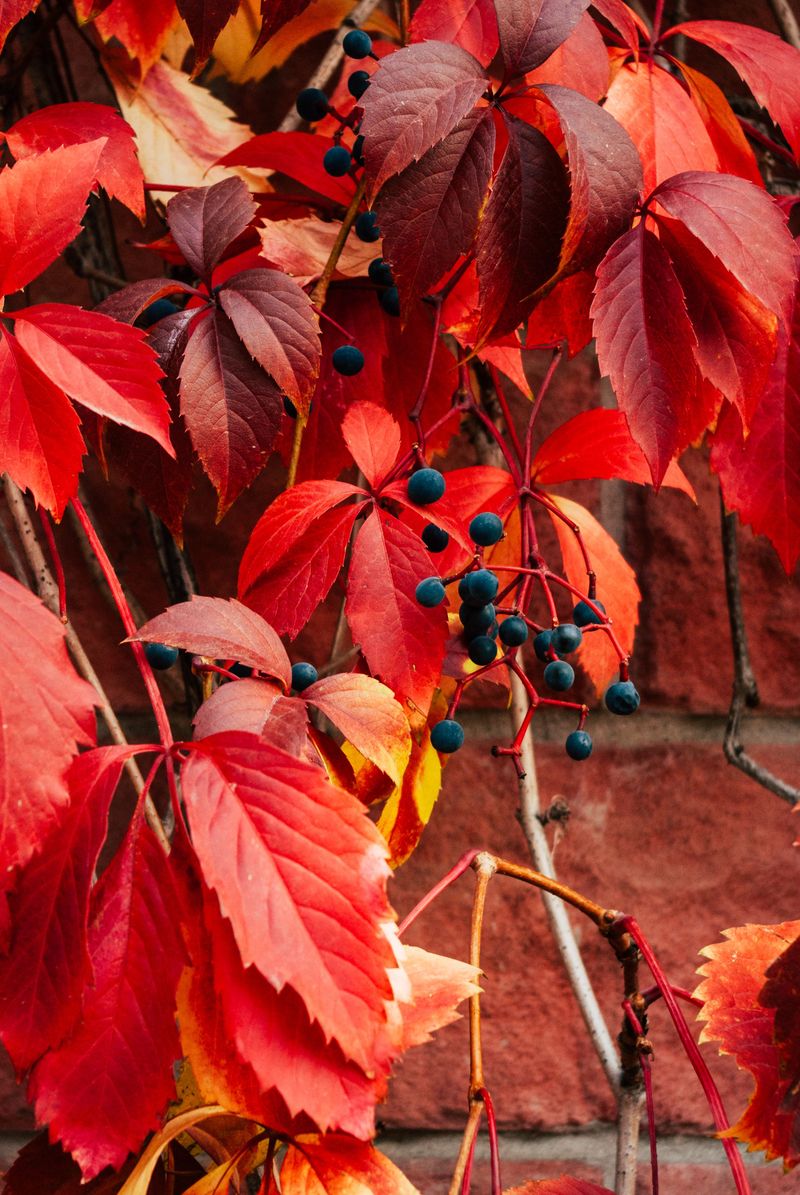
Few vines treat a cinder block wall like a personal climbing gym the way this native scrambler does. Its tendrils end in tiny adhesive discs that grip bare masonry, so you can skip building a trellis.
I love how the five-part leaves overlap like shingles, turning gray concrete into a cool green curtain by midsummer. Come autumn, that curtain flips to scarlet and burgundy, which honestly beats any paint color you could buy.
Virginia creeper, or Parthenocissus quinquefolia, is hardy in USDA zones 3 through 9, covering every corner of the state. It handles sun or shade, though the brightest fall color shows up on walls that soak in afternoon light.
Water a new plant weekly during its first summer, giving the roots a deep soak rather than quick sprinkles. After that, established vines tolerate dry spells well and rarely need help unless a long drought settles in.
First-year growth might stretch several feet, while the second and third years usually bring the dramatic coverage everyone wants. Planting two or three vines along a long wall speeds things up and fills gaps much faster.
Birds such as bluebirds and woodpeckers gobble the dark blue berries in fall, so your wall becomes a snack bar. Keep in mind those berries are toxic to people and pets, and the sap can irritate sensitive skin.
Trim stems back each year before they creep under gutters, shingles, or window frames where they can cause trouble. You might notice the suction pads leave little marks behind, which matters less on blocks than on painted siding.
2. Trumpet Honeysuckle
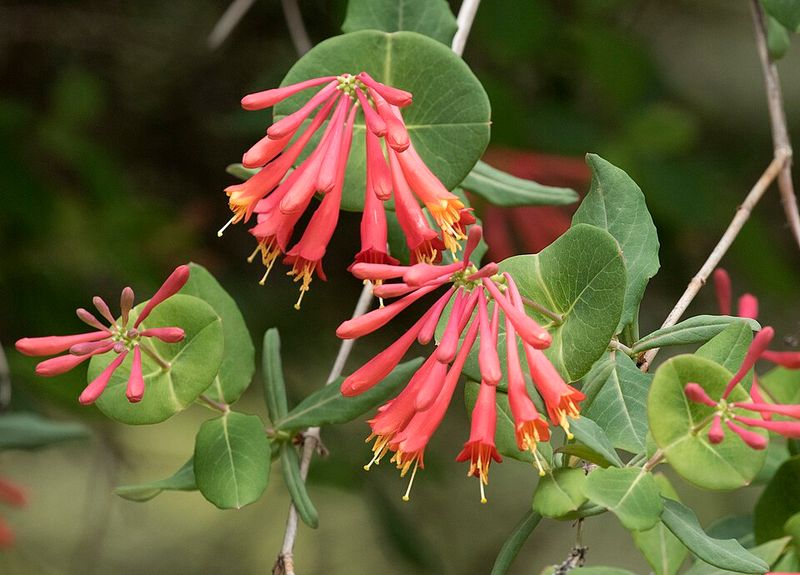
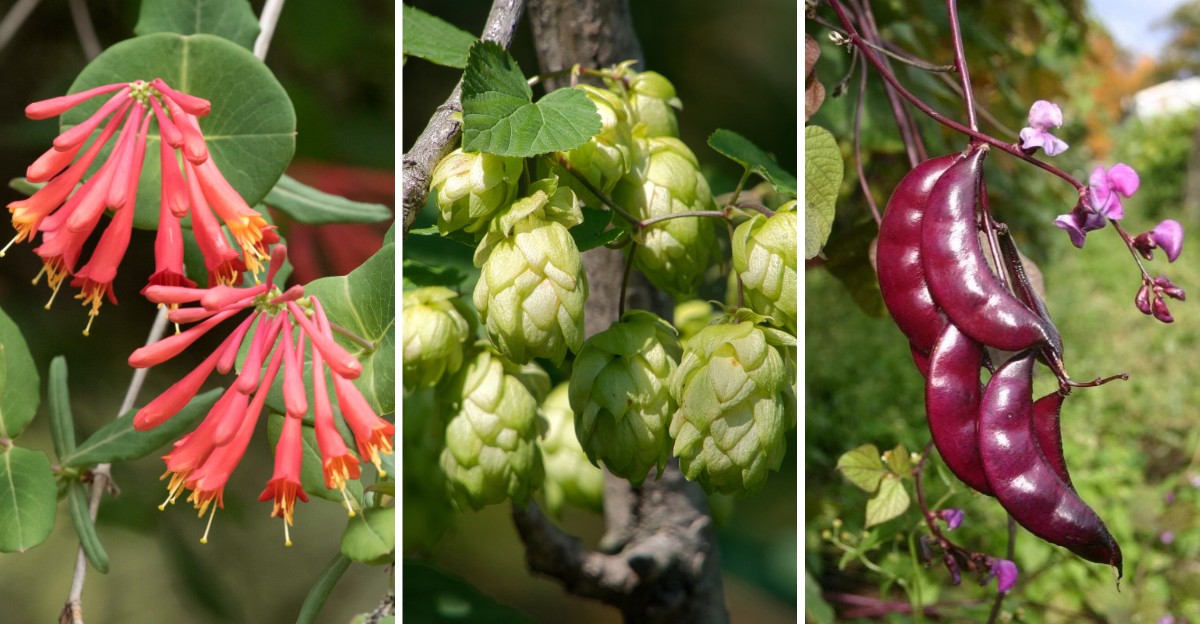
Hummingbirds seem to have a map with every trumpet honeysuckle marked on it, because they show up fast. The coral-red tubes are shaped perfectly for their long beaks, and the vine keeps blooming in waves through summer.
Lonicera sempervirens is a well-behaved native, unlike the Japanese honeysuckle that smothers woodlands across much of the Northeast. Grab the right species at the nursery, and check tags carefully, since both often sit on the same shelf.
Expect a mature size of roughly ten to twenty feet, which works nicely for a typical backyard block wall. The vine twines rather than clings, so give it a sturdy trellis or galvanized wires bolted a few inches out.
Full sun brings the heaviest flowering, although partial shade still works if you can live with fewer blooms. It grows happily in zones 4 through 9, which covers chilly upstate valleys and warm Long Island yards alike.
Once settled, this climber shrugs off moderate drought and prefers soil that drains well over anything soggy or heavy. A layer of shredded bark mulch keeps roots cool and stretches the time between waterings during hot spells.
I have to admit the scentless flowers surprised me at first, since most honeysuckles smell so sweet. Hummingbirds do not care one bit, and small red berries follow later for catbirds and robins to enjoy.
Prune lightly right after the first big flush of flowers to keep the vine dense and tidy. Aphids sometimes cluster on new shoot tips, but a firm blast from the hose usually sends them packing.
3. American Bittersweet
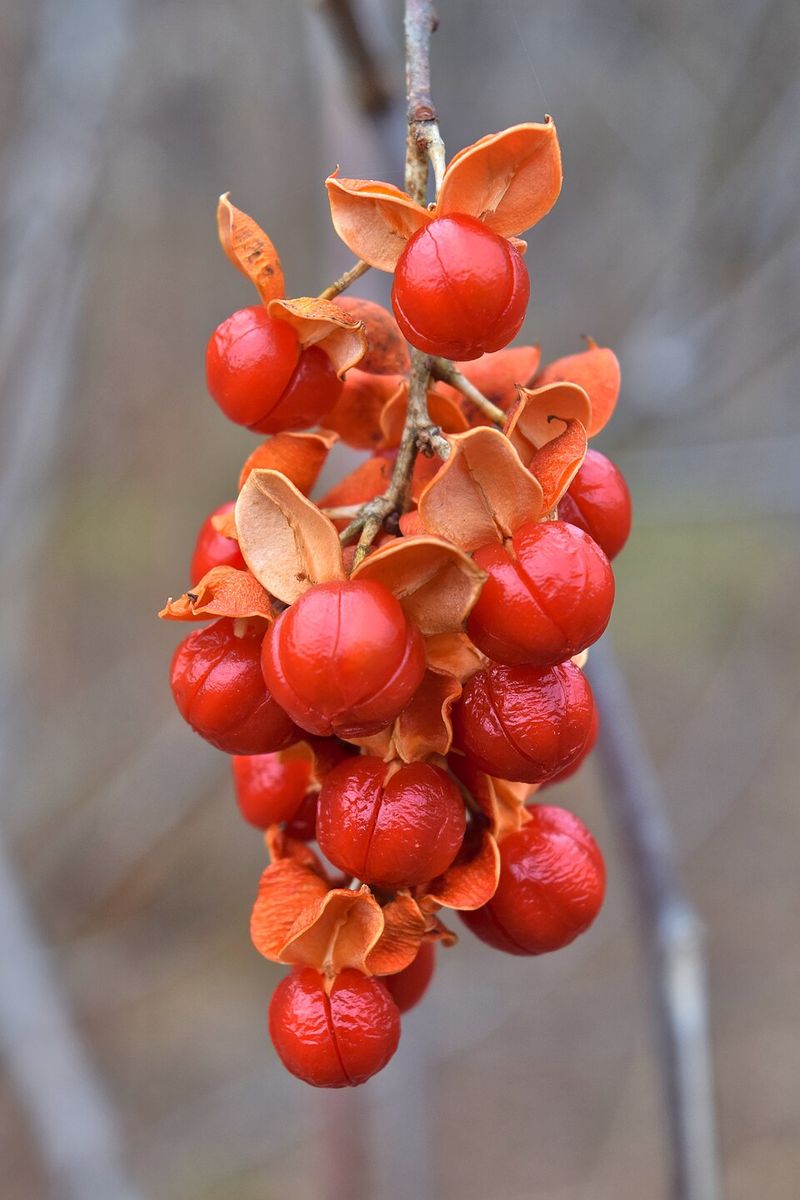
Those glowing orange and red berry clusters you see in autumn wreaths often come from this tough native twiner. Celastrus scandens looks gorgeous on a wall in fall, when the yellow-orange capsules split open to reveal scarlet seeds.
Be careful at the garden center, though, because invasive Oriental bittersweet looks similar and causes serious harm in forests. American bittersweet carries its fruit at the tips of the stems, while the invasive cousin bears berries along them.
Buy from a reputable native plant nursery, since the two species can cross and muddy the genetic waters. Personally, I ask for the plant by its scientific name, just to be extra sure I get the right one.
Mature vines reach about fifteen to twenty feet, and they need a strong trellis because the twining stems get heavy. Keep them away from young trees too, since the woody stems can girdle trunks as they thicken.
This vine is hardy in zones 3 through 8 and tolerates poor, rocky soil better than most climbers do. Once established, it handles dry stretches with little fuss, so a deep monthly soak during drought is usually plenty.
For berries, you need both a male and a female plant, since individual vines carry one type of flower. Some nurseries now sell self-fertile selections, which can save space on a smaller wall with room for only one.
The berries are mildly toxic to people and pets, so plant it away from curious toddlers and nibbling dogs. Prune in late winter, cutting out tangled older stems to keep the vine flowering heavily each year.
4. Virgin’s Bower
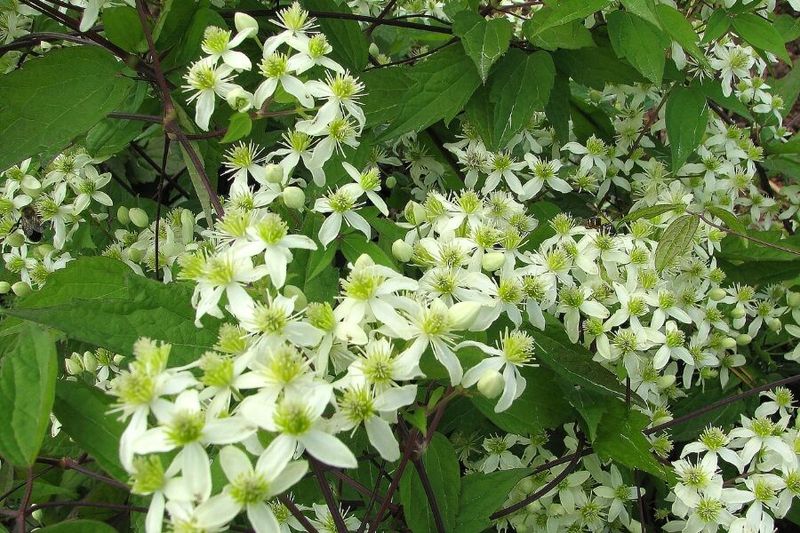
Late summer brings a frothy cloud of tiny white stars to this native clematis, and pollinators go wild for it. Bees and small butterflies buzz around the blooms so heavily that the whole wall seems to hum on warm afternoons.
Clematis virginiana is the native answer to sweet autumn clematis, an Asian species that has escaped into woodlands. Both look similar, so check the leaves: our native has toothed leaflets, while the invasive one has smooth edges.
This vigorous climber can stretch twelve to twenty feet in a single season, which suits the title’s challenge nicely. It climbs by wrapping leaf stalks around supports, so stretch wire mesh or thin cables across your block wall.
I like how the flowers give way to feathery silver seed heads that look like tiny puffs of smoke. Those wispy plumes hang on into early winter and catch frost beautifully on cold, bright mornings.
Hardy in zones 3 through 8, it grows almost anywhere in the state with sun or partial shade. Its roots prefer to stay cool, so tuck a few low perennials or a flat stone at the base.
Established plants tolerate average dryness, although a deep watering during long heat waves keeps the leaves looking fresh. Wild plants often grow in moist thickets, so do not expect it to thrive in pure sand without some help.
Plants are male or female, and the fluffy seed heads appear only on female vines, so ask before buying. Cut stems back hard in early spring, because flowers form on new growth and the vine rebounds quickly.
5. Hops
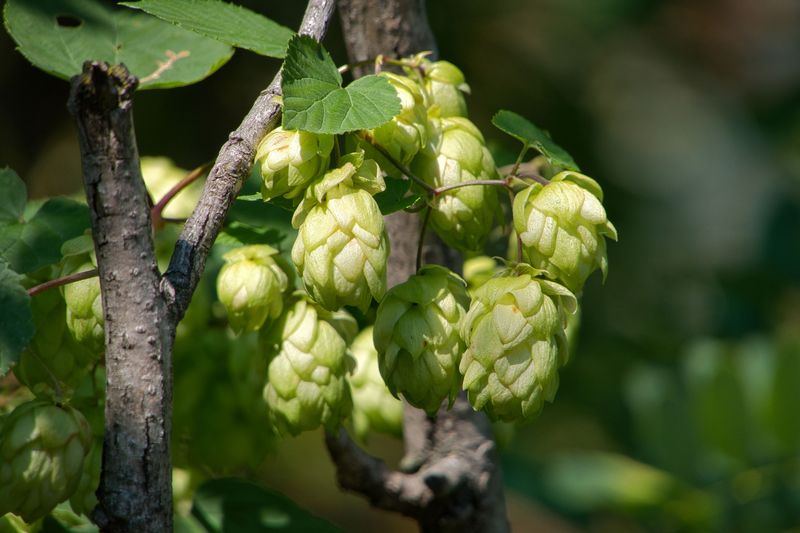
Few garden plants grow as fast as hops, which can climb several inches in a single warm day. The bristly stems spiral clockwise up strings, and watching them race skyward feels like a summer science fair.
New York was once the top hop-growing state in the country during the 1800s, centered around central counties. Humulus lupulus even has a native variety, so you are planting a piece of regional history on your wall.
Each spring, fresh shoots rise from the ground and can reach fifteen to twenty-five feet before autumn arrives. That annual sprint makes hops one of the best picks for hiding an ugly wall in just one season.
Give the vines full sun and well-drained soil, since soggy roots lead to rot faster than dryness does. Established crowns send deep roots that tap moisture far below the surface, which helps during dry summer weeks.
Stems twine rather than cling, so run sturdy twine or cables from the ground up to the top. Hardy in zones 3 through 8, the crowns survive harsh upstate winters tucked safely beneath the soil.
I believe the papery green cones on female plants are reason enough to grow them, since they smell wonderfully resinous. Keep dogs away from fallen cones, though, because hops are toxic to them and can cause dangerous overheating.
The leaves and bristly stems can scratch bare arms, so wear long sleeves when tying vines or trimming them. After frost browns the foliage, cut the stems to the ground and toss them on the compost pile.
6. Maypop Passionflower
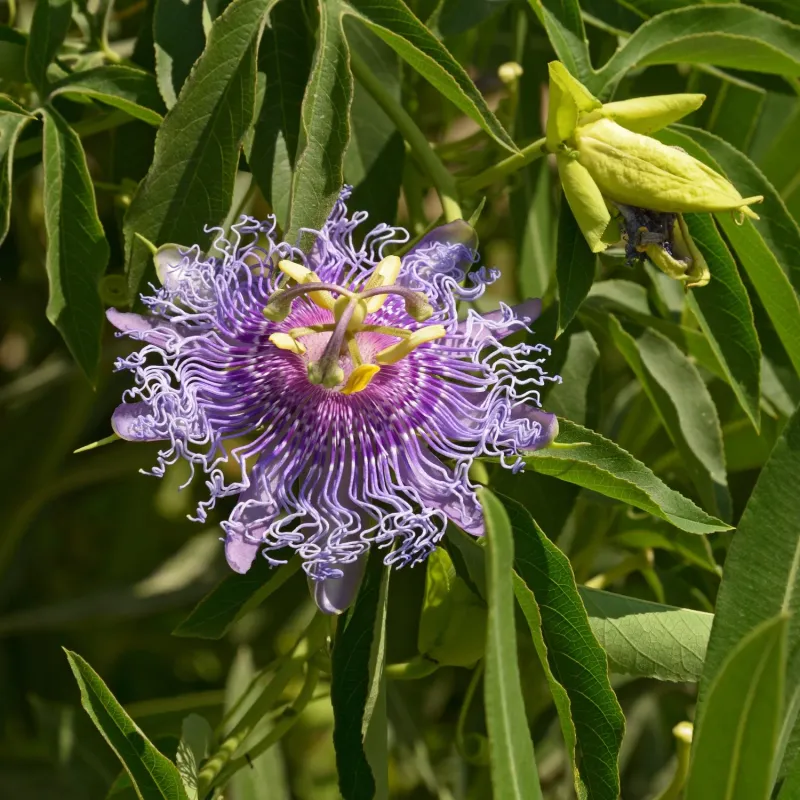
Those wild, frilly flowers look like they belong in a rainforest, yet this passionflower grows wild across the Southeast. Lavender petals ringed with wavy purple filaments make visitors stop and stare, and I enjoy watching their reactions.
Passiflora incarnata is hardy in zones 5 or 6 through 10, so it suits warmer regions like New York City. Gardeners in colder upstate areas should treat it carefully, mulching the roots heavily or picking another vine.
The stems vanish underground each winter and then sprout late, often not appearing until late spring or early summer. Do not panic and dig it up, since the plant simply waits for warm soil before waking up.
Once growing, the vines race six to twenty-five feet using curly tendrils that grab wire or netting quickly. It handles drought impressively and actually prefers lean, well-drained soil over rich ground that stays wet.
Egg-shaped green fruits follow the flowers, and they make a pop sound when stepped on, inspiring the name. Ripe fruit turns yellowish and wrinkled, with sweet tangy pulp inside that you can eat straight from the shell.
Variegated fritillary caterpillars feed on the leaves, so a few chewed spots mean you are feeding future butterflies. Bumblebees and carpenter bees also visit the blooms eagerly, crawling right under the fancy filaments to reach the nectar.
Expect underground runners to pop up several feet from the main plant, especially in loose, sandy soil. A buried root barrier or regular mowing along the bed edge keeps this eager spreader where you want it.
7. Black-Eyed Susan Vine
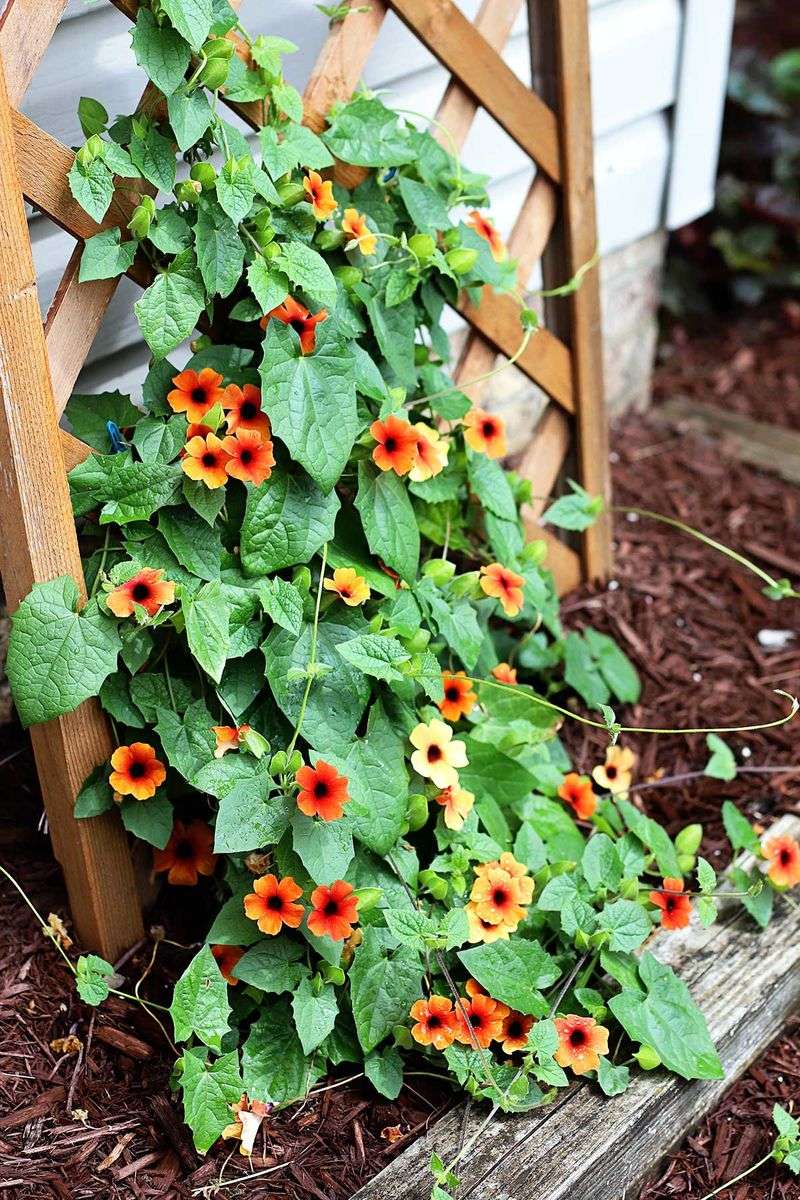
Bright orange flowers with chocolate-brown centers make this vine look like it is winking at you from the wall. Thunbergia alata is a tender perennial from eastern Africa, but northern gardeners grow it as a fast annual.
Because frost ends its run each fall, you get a fresh start every spring with no long-term commitment. It is not considered invasive in cold climates, which makes it a worry-free choice for quick summer color.
Vines typically reach six to eight feet, enough to cover a short block wall or the lower half of a taller one. Twining stems need something thin to wrap around, so string netting or wire works better than chunky lattice.
Start seeds indoors six weeks before your last frost, or buy young plants from the nursery in late spring. Wait until nights stay above fifty degrees before planting outside, since chilly soil stalls growth for weeks.
I love how it keeps flowering from midsummer until frost, with blooms in orange, yellow, white, or soft peach. Newer varieties even come in pink and red shades, so you can match the vine to your patio pillows.
Water regularly while the plant settles, then let the top inch of soil dry before soaking it again. Mature vines handle short dry spells fine, though extreme heat can pause flowering until cooler nights return.
Plant it in full sun to light shade, and add a slow-release fertilizer at planting time for steady growth. Mixing two or three plants along the wall fills space faster and creates a lively patchwork of colors.
8. Hyacinth Bean Vine
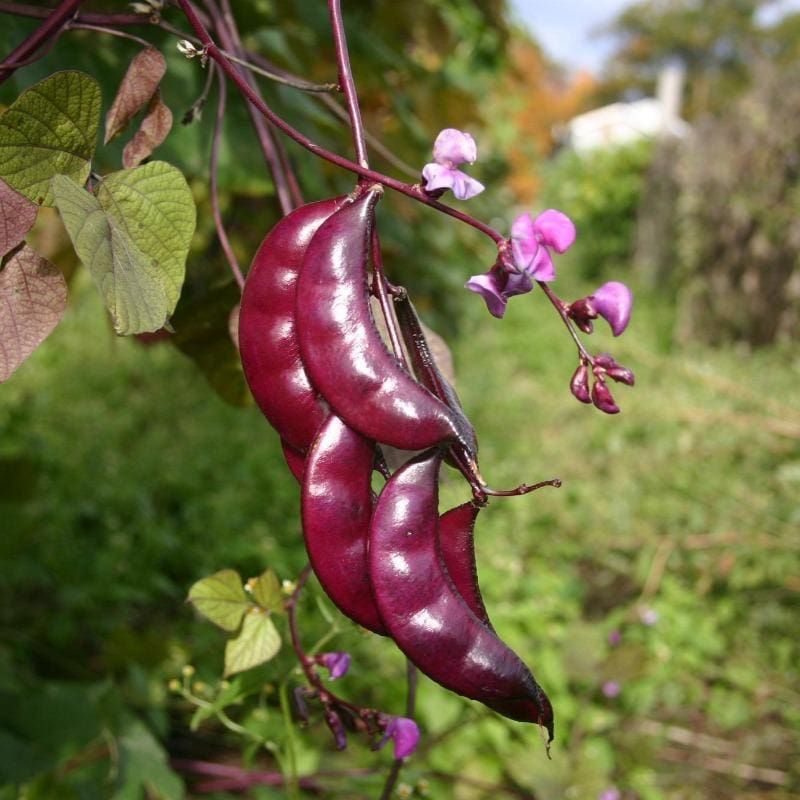
Purple pods so shiny they look polished make hyacinth bean the showstopper of my late summer garden. Lablab purpureus grows ten to fifteen feet in one season, with purple stems and leaves tinted deep burgundy.
Thomas Jefferson grew this vine at Monticello, and seeds from his historic gardens are still sold today. Personally, I think that bit of history makes every spring planting feel a little more special and fun.
Sprays of lilac-pink flowers rise above the leaves from midsummer on, and bees visit them all day long. Those blooms turn into glossy magenta pods that stay bright on the vine well into autumn.
Sow seeds directly outdoors after the soil warms, usually late May or early June across most of the state. Soaking the hard seeds overnight in warm water helps them sprout faster and more evenly in the garden.
Once rooted, hyacinth bean handles heat and drought well, so a deep weekly drink during dry spells is plenty. Full sun brings the most flowers and pods, while too much fertilizer produces leaves with few blooms.
Twining stems need a sturdy trellis or cattle panel, since the vine grows thick and heavy by August. Fasten the support to the block wall with masonry anchors, leaving a small gap for airflow behind the leaves.
Raw mature beans contain compounds that make them unsafe to eat without very careful cooking, so treat them as ornamental. Save a few dried pods in fall, and you will have free seeds ready for next year’s wall.
9. Summer Grape
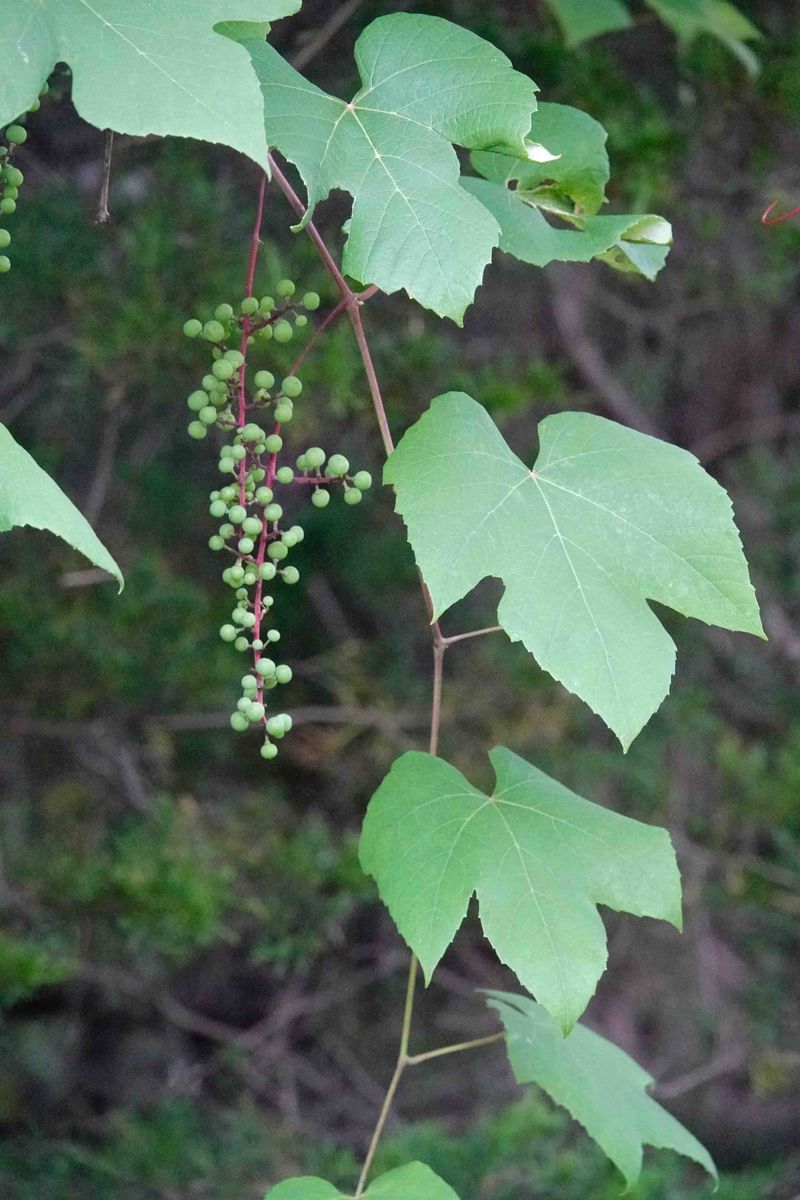
Wild grapes scramble over forest edges with such enthusiasm that a single vine can drape an entire tree. Vitis aestivalis, called summer grape, brings that same untamed energy to a backyard wall with surprising ease.
Its broad leaves have a fuzzy, rusty or silvery underside, so breezes flash two colors across the wall. I like how that soft texture makes the vine look less like a weed and more like a designed feature.
This native occurs in southern parts of the state and handles dry, rocky woodland soil in the wild. Once established, deep roots let it shrug off drought far better than many fancy fruiting grape varieties do.
Vines can stretch fifty feet or more over time, so give them a strong support and plenty of room. Forked tendrils grab wire readily, and heavy-gauge cables stretched horizontally across the block wall work especially well.
Small dark berries ripen in late summer or fall, and birds such as cedar waxwings and robins love them. The fruit is edible for people too, though it tastes tart and seedy compared with store-bought table grapes.
Plant in full sun for the best leaf growth and fruit, with soil that drains well after heavy rain. Water weekly through the first season, then cut back as the vine roots deeply into the ground below.
Prune hard each winter while the vine is dormant, removing tangled growth that tries to wander onto the roof. Wild grapes sometimes get leaf galls or mildew, but these rarely cause serious harm on vigorous native plants.