8 Simple Ways North Carolina Gardeners Bring Color To Winter Gardens
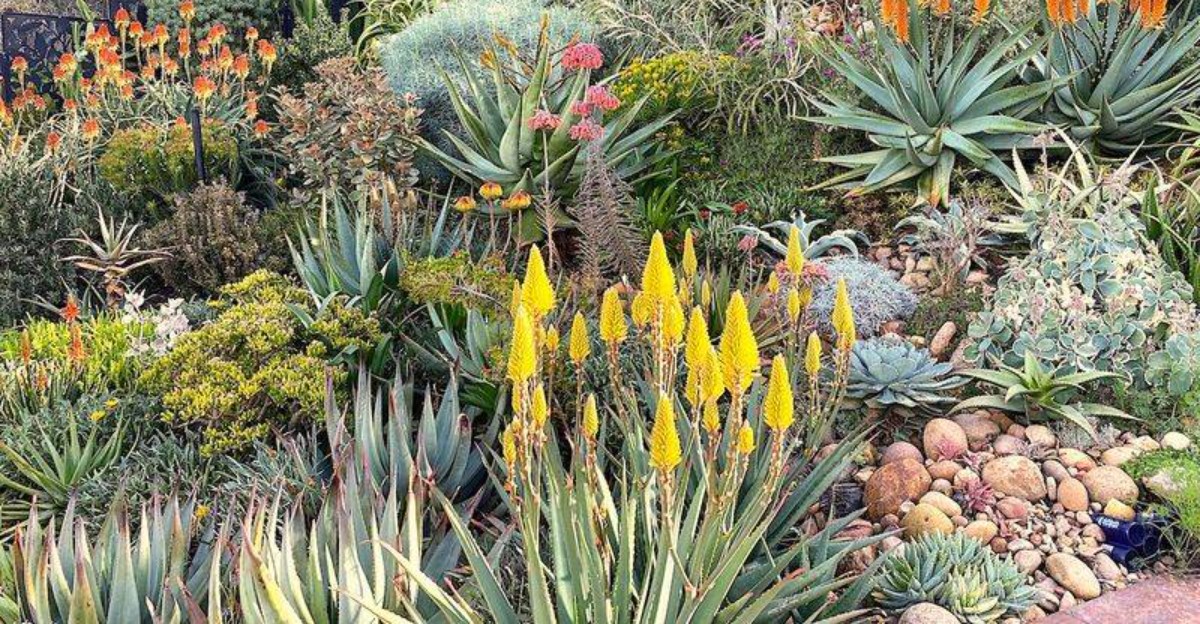
A winter garden does not have to look bare. North Carolina’s mild climate leaves a lot of room for color when most of the country is under snow.
Some plants bloom in the coldest months, while others offer berries, bright bark, or leaves that stay vivid all season. The trick is planning in layers, so something always catches the eye.
Containers help too, because you can move them to the front door or a sunny corner. Birds visit more when berries are around, which adds life to the scene.
Many of these ideas cost little and need almost no work. Eight simple choices can turn a dull, brown yard into a place worth looking at every day, even in January.
1. Plant Camellias For Winter Flowers
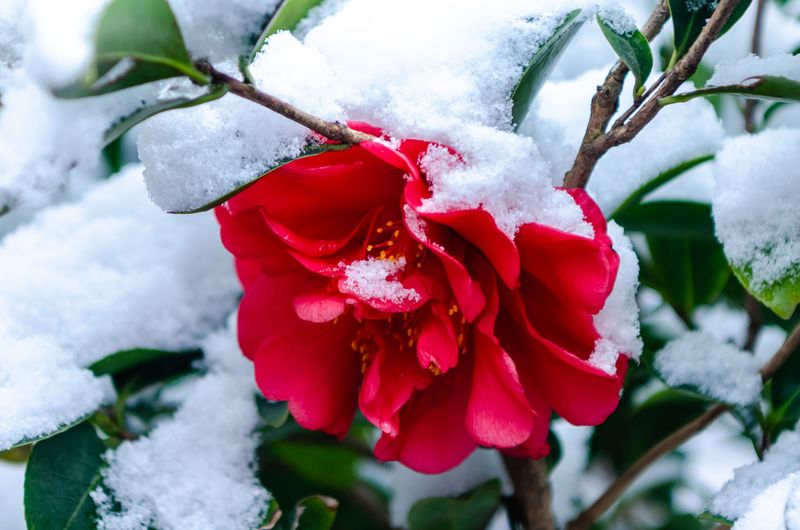
Ask any longtime Southern gardener about winter flowers, and camellias will come up fast. While most shrubs rest quietly, these glossy evergreens burst into bloom like they never got the memo about cold weather.
Their flowers can look almost too perfect to be real. Two types make the magic happen. Sasanqua camellias (Camellia sasanqua) open their blooms in fall and keep going into early winter.
Japanese camellias (Camellia japonica) usually take over from mid winter into early spring, so planting both gives you white, pink, and red flowers through much of the cold season.
Good news for busy folks, since camellias are not fussy once they settle in. Pick a spot with part shade, where they get morning sun and some shelter in the afternoon.
The soil should be moist, well drained, and acidic, which describes plenty of yards across the state.
Mulch helps a lot. Spread a few inches of pine bark or pine straw around the base to hold moisture and keep roots cool, but keep it from piling against the trunk. During dry spells, give your shrubs a deep drink, especially in the first couple of years.
Pruning is simple too. Trim right after flowering ends, because camellias set next year’s buds in summer, and late cuts can remove them. Light shaping is usually all they need.
Camellias are classic Southern shrubs with a long history in North Carolina gardens. They thrive in the Piedmont and Coastal Plain, where winters are mild enough for their blooms to shine.
Some old plants near historic homes have been flowering for generations, which says plenty about how tough and rewarding they can be.
2. Grow Shrubs With Bright Winter Berries
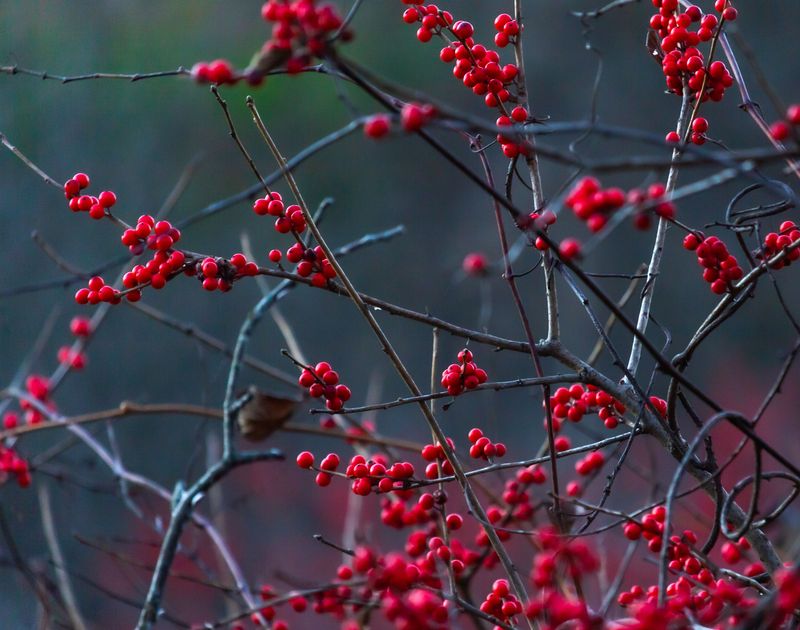
Red berries against a gray January sky can stop you in your tracks. Few sights in a winter yard feel as cheerful, and the birds seem to agree. Berry shrubs bring bold color and a busy little wildlife show at the same time.
Native winterberry (Ilex verticillata) is a real showstopper. It drops its leaves in fall, leaving bare branches packed with bright red berries that pop from across the yard.
Many people cut a few stems for holiday decorations, and they last for weeks indoors. American holly (Ilex opaca) plays a different role. It stays evergreen, so its glossy, spiny leaves frame the red fruit all winter long.
Your North Carolina Garden Changes Every Week. Your Plan Should Too.
Gardening in North Carolina changes quickly throughout the season. Every Friday you’ll receive a simple weekly plan showing exactly what to plant, prune, fertilize, harvest, and protect so you never miss the right timing.
Together, these two hollies give you both bright branches and solid green structure. Now for the one trick that trips people up. Hollies come as male and female plants, and only females make berries.
You need a male holly of the same type planted nearby, or your female shrubs will stay bare. One male can usually serve several females, so you do not need many.
Sunlight matters too. Choose full sun to part shade for the best fruiting, since deep shade means fewer berries.
Water during dry spells, especially while young plants grow roots, and winterberry happily handles damp spots that other shrubs dislike.
Both of these hollies are native to North Carolina, which makes them easy to grow and great for local wildlife.
Robins, cedar waxwings, mockingbirds, and bluebirds feast on the fruit in late winter when food runs low. Your garden ends up looking festive while helping feathered neighbors make it to spring.
3. Fill Beds And Pots With Pansies And Violas
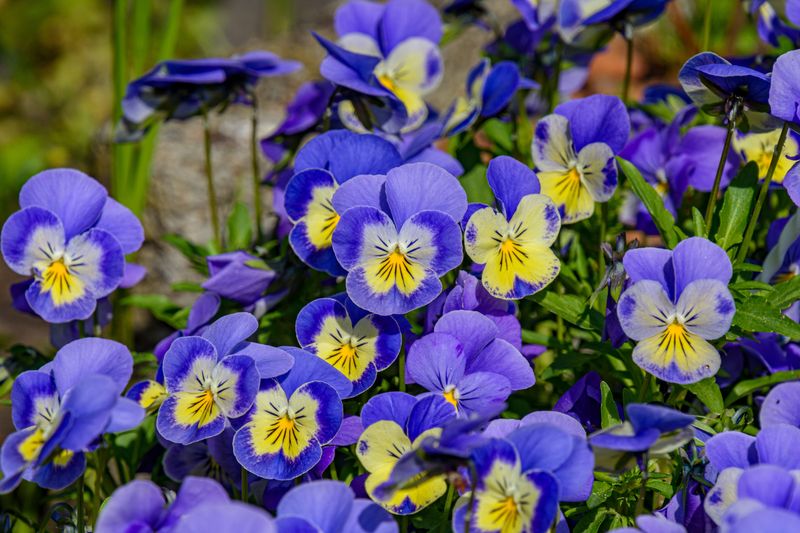
Tiny faces smiling up from a frosty flower bed might be the sweetest thing about winter. Pansies and violas have that happy look, with bright petals and dark markings that seem almost painted on.
Walk past a bed of them on a cold morning, and it is hard not to grin. These cool season annuals are tougher than they look. They handle frost and freezing temperatures, then perk right back up when the sun comes out.
During mild winter spells they keep blooming, and by early spring they put on a huge show. Timing is the secret to success. Plant them in fall so roots can grow before the coldest weather arrives, and pick a spot with full sun to part shade.
Pansies have larger blooms, while violas have smaller flowers but often bloom more heavily and bounce back faster after a freeze.
A light layer of pine straw helps protect roots on very cold nights without smothering the plants. Pinch off faded flowers to keep new buds coming.
Feeding matters too, so use a fertilizer made for cool soil, such as one with nitrate nitrogen, and follow the label directions.
Pots work just as well as beds. A few containers by the front door or along the steps add instant color where you see it most.
Mix purple, yellow, and white for a cheerful look, or stick with one shade for a clean, modern style.
No wonder these are the most popular winter bedding plants across North Carolina. Garden centers fill up with them every fall, and for good reason. They are cheap, cheerful, and almost always ready to brighten a gloomy day.
4. Add Lenten Roses To Shady Spots
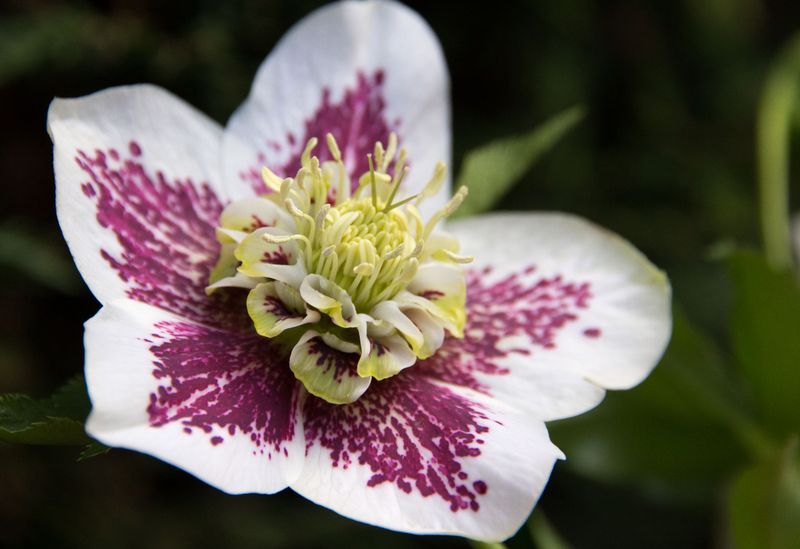
Shady corners often feel like the hardest places to grow anything, especially in winter. That is exactly where the Lenten rose shines.
Gardeners who try one often end up with a whole patch, because these plants win hearts quickly.
Despite the name, Lenten rose (Helleborus × hybridus) is not a rose at all. It is an evergreen perennial that blooms in late winter, around the season of Lent, which is how it got its nickname.
Its nodding flowers come in white, pink, purple, and even soft green, appearing while most of the garden is still asleep.
Flip a bloom up to look inside, and you will find lovely speckles and veins. Because the flowers hang downward, they look great planted along a slope or raised bed where you can see their faces.
Meanwhile, the leathery leaves stay attractive all winter, adding deep green to bare ground. Care is refreshingly easy. Plant in part to full shade in rich, well-drained soil, ideally with some compost mixed in.
Heavy, soggy ground is the main thing to avoid. One simple chore makes a big difference. In late winter, trim away old, tattered leaves before the flowers rise, so the fresh blooms stand out clearly.
Water during dry spells, especially the first year, and the plants will slowly spread into handsome clumps.
In North Carolina, Lenten roses thrive under deciduous trees in the Piedmont and Mountains. Those trees give summer shade, then drop their leaves to let winter light reach the blooms.
Deer and rabbits usually leave hellebores alone, too, which is a welcome bonus for many gardeners.
5. Choose Trees And Shrubs With Colorful Bark
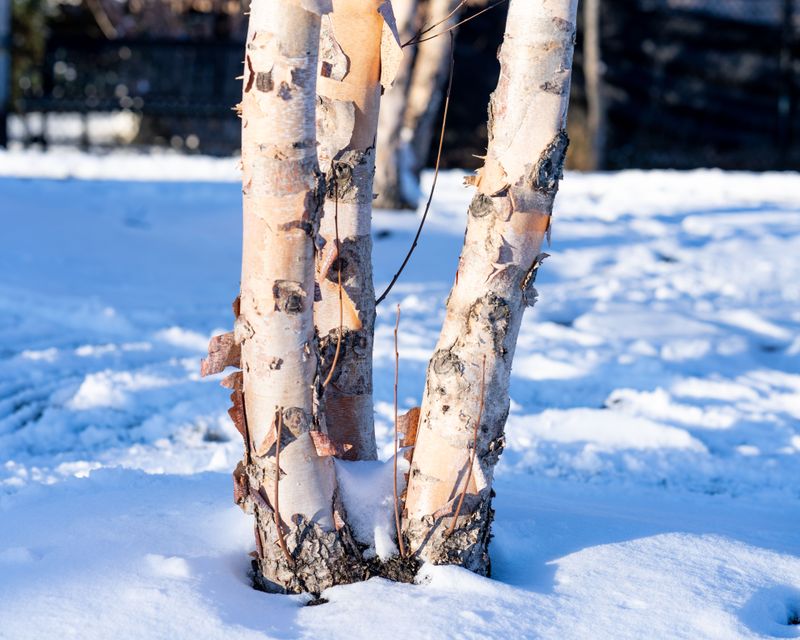
Bare branches can be beautiful when the bark itself does the talking. Once the leaves fall, certain trees and shrubs reveal peeling layers, bright stems, and smooth patterns that were hiding all summer.
Winter becomes their time to show off. Bark adds both color and structure. Peeling, mottled, or brightly colored trunks catch the eye when everything else looks plain. They also give the garden shape, almost like living sculptures standing in the yard.
River birch (Betula nigra) is a top pick for good reason. Its bark peels in curly sheets of cinnamon, salmon, and cream, and it looks especially striking with several trunks growing together.
It also handles heat and wet soil better than many other birches. Crape myrtles bring a smoother look. Older trunks shed bark in patches, leaving mottled shades of tan, gray, and cinnamon that feel soft and polished.
Skip the heavy topping some people do, since it ruins that graceful trunk shape. For pure color, coral bark maple is hard to beat. Its young stems turn bright coral red in cold weather, glowing like embers.
It prefers some afternoon shade and good drainage, so place it with care. Location makes these plants sing. Set them where low winter sun hits the trunks, such as near a window or along the south side of your yard. Side lighting brings out every curl and color.
These choices fit North Carolina well. River birch grows naturally along streams throughout the state, and crape myrtles are among the most common landscape trees in Southern towns. You may already have one waiting for its winter spotlight.
6. Plant Witch Hazel For Fragrant Late Winter Blooms
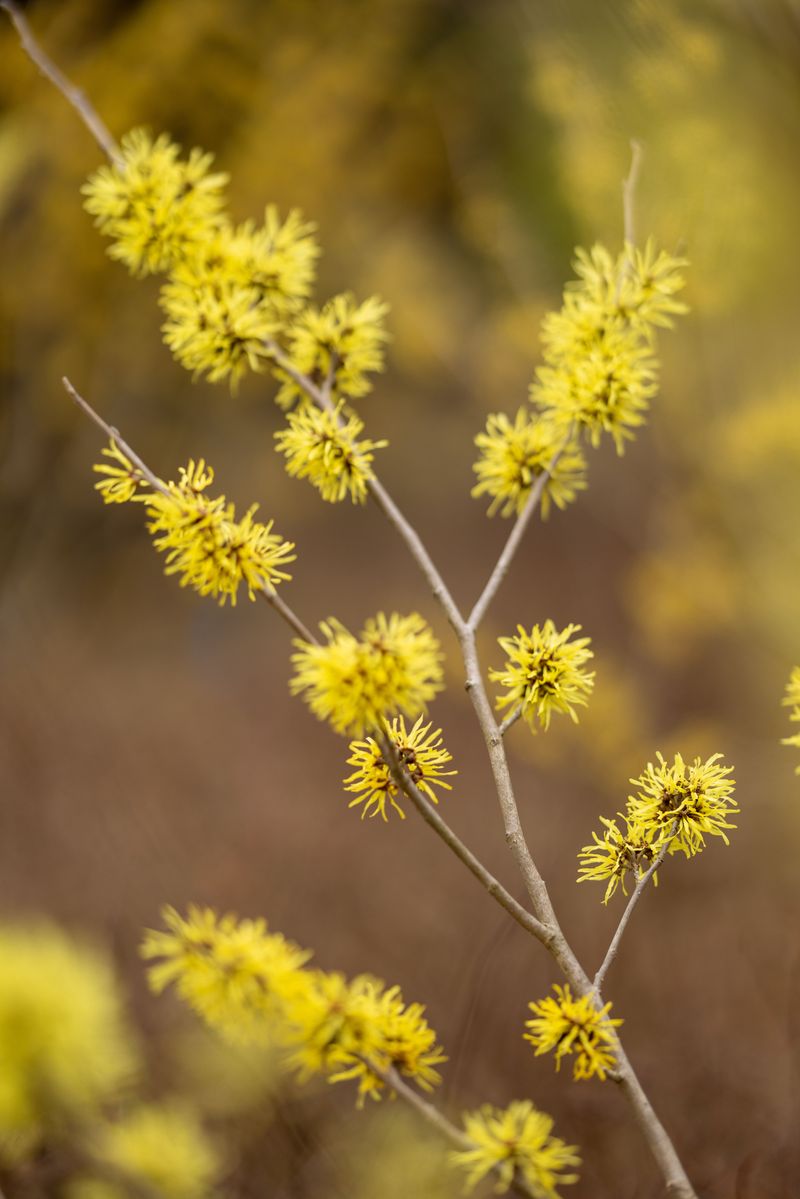
Catching a sweet scent on a freezing February walk feels like a small surprise gift. Often, a witch hazel is the source, quietly blooming when you least expect it.
Its flowers look like bunches of tiny crinkled ribbons tied along bare branches.
Several kinds bloom during the cold months. Hybrid witch hazels (Hamamelis × intermedia) and vernal witch hazel (Hamamelis vernalis) flower in late winter, with spidery petals in yellow, orange, or red.
Many varieties carry a sweet, spicy fragrance that drifts on mild afternoons. Native American witch hazel (Hamamelis virginiana) takes a different schedule. It blooms in fall and early winter, sometimes while its leaves are still turning yellow.
Growing a native along with a hybrid can stretch the show for months. Here is a neat detail. On very cold days, the thin petals curl up tightly to protect themselves, then unfurl again when temperatures rise.
That clever habit helps the blooms last for weeks. Site selection really counts with this shrub. Plant in full sun to part shade in moist, well-drained soil, and choose a spot where you will notice the flowers and smell them.
Next to a walkway, driveway, or front door works wonderfully. Witch hazels grow slowly and keep a nice vase shape, so they rarely need much trimming. If you do prune, do it right after flowering so you do not cut off next year’s buds.
Water young plants during dry spells while roots settle in. Across North Carolina, witch hazels handle winter weather with ease, from the coast to the mountains. The native type even grows wild in many of the state’s forests.
7. Leave Ornamental Grasses And Seed Heads Standing
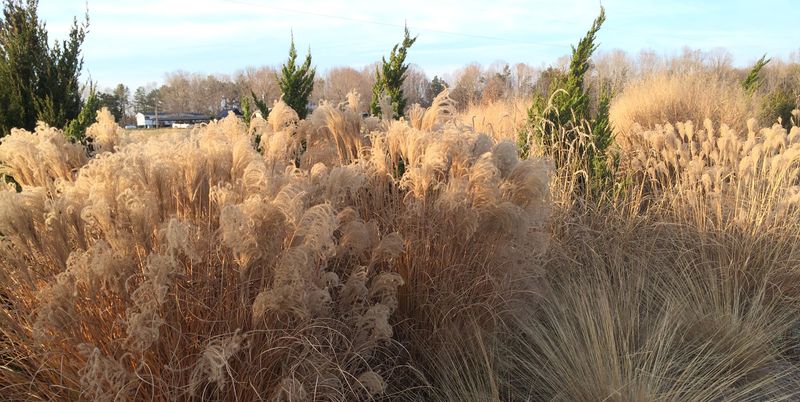
Sometimes the easiest way to add winter color is to put down the pruners. Many gardeners rush to tidy up in fall, but grasses and dried flowers look gorgeous when left alone. Doing less can actually make your garden prettier.
Ornamental grasses dry into warm, glowing shades once cold weather arrives. Pink muhly grass fades to soft tan, little bluestem turns rusty copper, and switchgrass settles into gold. On a gray day, they bring a cozy warmth that bright flowers cannot match.
Seed heads add their own charm. Coneflowers and black-eyed Susans leave behind dark, rounded tops that catch frost and snow beautifully. Better still, goldfinches and other birds stop by to pick out the seeds all winter.
Placement turns good grasses into great ones. Plant them where the low winter sun shines from behind, so the light glows through the leaves and seed plumes. A morning or late afternoon view from a window can be truly stunning.
Leave everything standing until late winter. Then cut grasses and perennials back before new green shoots appear, usually in February or early March. Cutting too late can snip off fresh growth, so keep an eye on the base of each plant.
Hollow stems also give shelter to helpful insects through the cold months. Some gardeners leave cut stems in a loose pile or trim them to about a foot tall for native bees to use later.
In North Carolina, many native grasses offer beautiful winter color. Little bluestem, switchgrass, and pink muhly all grow well here and handle heat, drought, and poor soil with very little fuss.
8. Plant Early Bulbs For A Late Winter Show
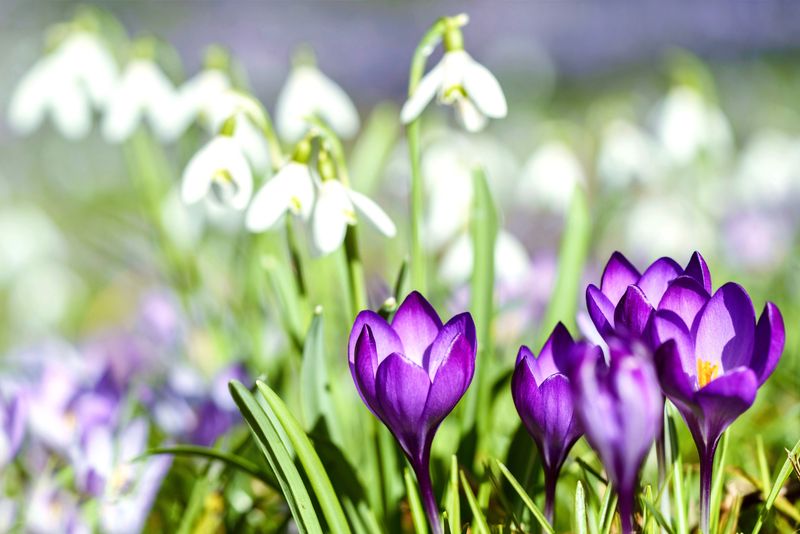
Spotting the first flower of the year feels like winning a tiny prize. Early bulbs deliver that thrill, pushing up through cold soil while the trees are still bare. One glimpse of their color, and spring suddenly seems closer.
Several bulbs lead the parade. Snowdrops hang dainty white bells, winter aconite opens bright yellow cups, and crocuses bring purple, white, and gold. Early daffodils soon join in with sunny trumpets that brighten any corner.
Most of these bloom in late winter, often while the weather stays cold. Snowdrops can even push through a light snow. Their quiet message is simple and cheerful: warmer days are on the way.
All the planning happens in fall. Plant bulbs at the depth listed on the package, with the pointed end facing up.
A good rule if the label is missing is to plant about two to three times as deep as the bulb is tall.
Choose sunny spots or areas under deciduous trees. Those trees let plenty of light through in late winter, then shade the ground after the bulbs finish.
Groups of ten or more look far better than single rows, so plant in clusters for a bigger splash.
After blooming, patience pays off. Let the leaves fade on their own, since they feed the bulb for next year’s flowers. Cutting them early can mean fewer blooms later.
In North Carolina, early bulbs often bloom in February and March. Gardens in the Coastal Plain usually see flowers first, while Mountain gardens wait a bit longer. Either way, a handful of bulbs planted this fall can brighten many winters to come.