Never Let Stink Bugs Overwinter In Your North Carolina Garden Or They’ll Be Back Worse
Stink bugs might not seem like much of a threat at first glance, but underestimating them is exactly the mistake that costs North Carolina gardeners next spring.
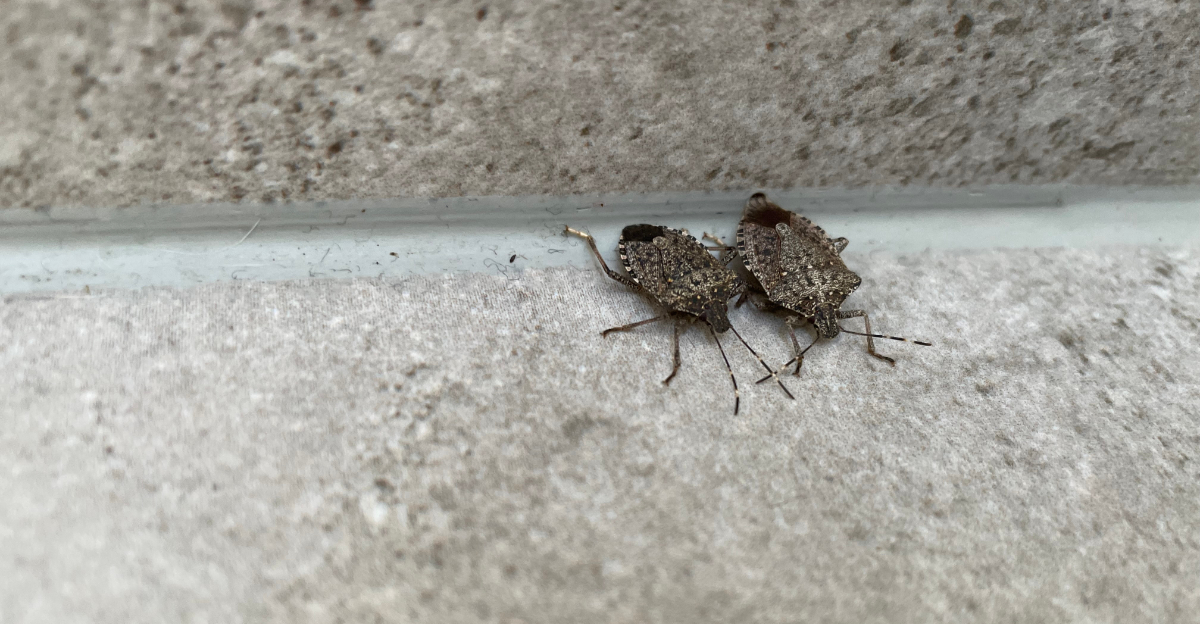
These shield-shaped pests are surprisingly resourceful when it comes to surviving the cold, tucking themselves into hidden spots around your yard while you’re busy wrapping up fall cleanup.
A handful of stink bugs hanging around in autumn can multiply into a full blown invasion once warmer weather returns, catching gardeners completely off guard.
It’s tempting to assume a few bugs here and there aren’t worth worrying about, especially when there are so many other fall tasks competing for your attention.
But that mindset is exactly how small problems turn into big ones. The window to get ahead of these pests is narrower than most people realize, and waiting too long means facing a much bigger fight later.
1. They Use Your Garden As A Five-Star Winter Hotel
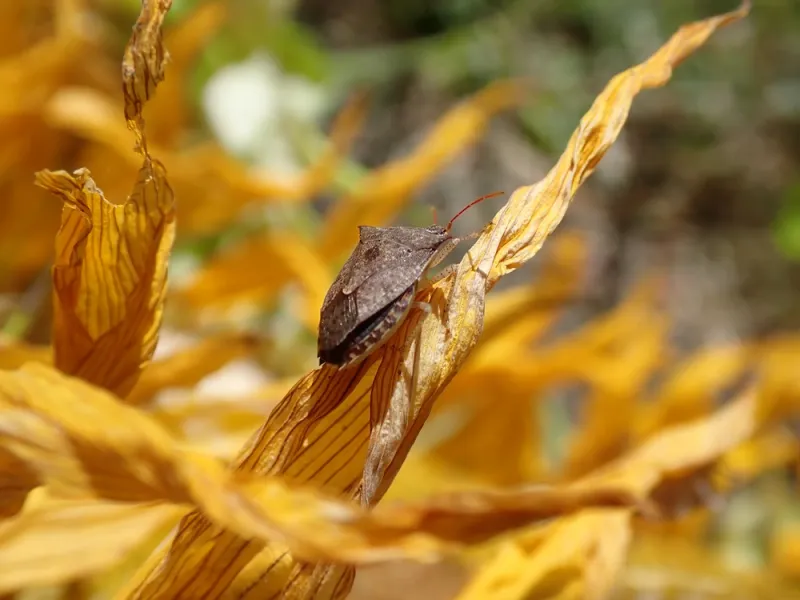
Stink bugs are not just passing through your garden in the fall. They search for sheltered places to survive the winter, including protected areas around gardens, plant debris, wood piles, and structures such as sheds or homes.
Once they find a good hiding spot, they enter a dormant state called diapause, which means they slow down their metabolism and wait out the cold months without needing food.
The problem is that diapause does not mean gone. These bugs are very much alive and ready to wake up the moment temperatures start rising in early spring.
A garden full of leaf litter, mulch, and dense plant debris gives them endless options for shelter.
Cleaning up your garden beds in late fall removes these hiding spots before stink bugs can settle in.
Rake up fallen leaves, cut back dry stems, and reduce dense mulch layers near structures. Taking these simple steps makes your garden far less attractive as a winter retreat.
Reducing the number of stink bugs that survive winter in and around your garden can help lower early-season pest pressure, although new bugs may also move in from nearby areas.
Think of fall cleanup as your first line of defense rather than just a chore. A tidy garden now means a much less stressful gardening season later, and that alone is worth every minute of effort you put in before the first frost arrives in North Carolina.
2. Overwintering Populations Multiply At An Alarming Rate
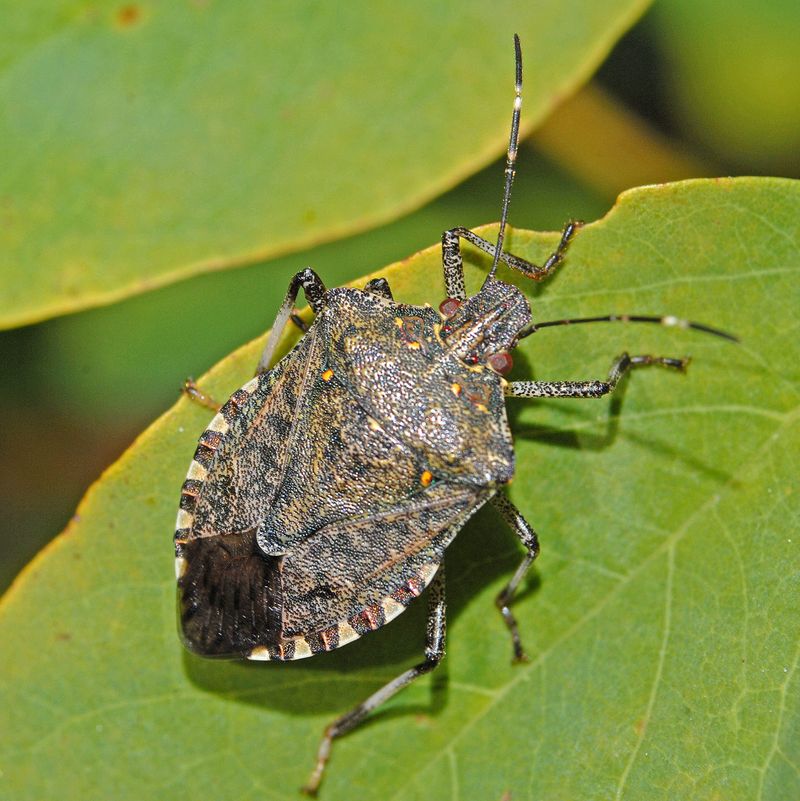
Here is a number that might surprise you: a single female brown marmorated stink bug can lay up to 400 eggs during her lifetime.
When many female stink bugs survive the winter, they can contribute to larger populations in spring, especially when conditions are favorable.
Each one that makes it through to spring is ready to start laying eggs almost immediately, and the cycle compounds quickly from there.
North Carolina’s relatively mild winters can allow some stink bugs to survive until spring, although yearly populations depend on weather and local conditions.
Warm spells in late February or early March can wake overwintering adults earlier than expected, giving them more time to reproduce before summer even begins.
Your North Carolina Garden Changes Every Week. Your Plan Should Too.
Gardening in North Carolina changes quickly throughout the season. Every Friday you’ll receive a simple weekly plan showing exactly what to plant, prune, fertilize, harvest, and protect so you never miss the right timing.
By the time you notice the damage in your garden, multiple generations may already be underway.
Reducing the number of bugs that overwinter directly limits how many eggs get laid the following season. It is simple population control, and it works.
You do not need to eliminate every single bug to make a difference. Even cutting the overwintering population by half can lead to noticeably fewer pest problems through the growing season.
Consistent fall management year after year compounds these benefits, gradually training your garden environment to be less hospitable to stink bug explosions.
Starting that habit this fall puts you ahead of the problem rather than constantly reacting to it after the damage is already done to your plants and your patience.
3. Your Fruit Trees Will Pay The Price Come Spring
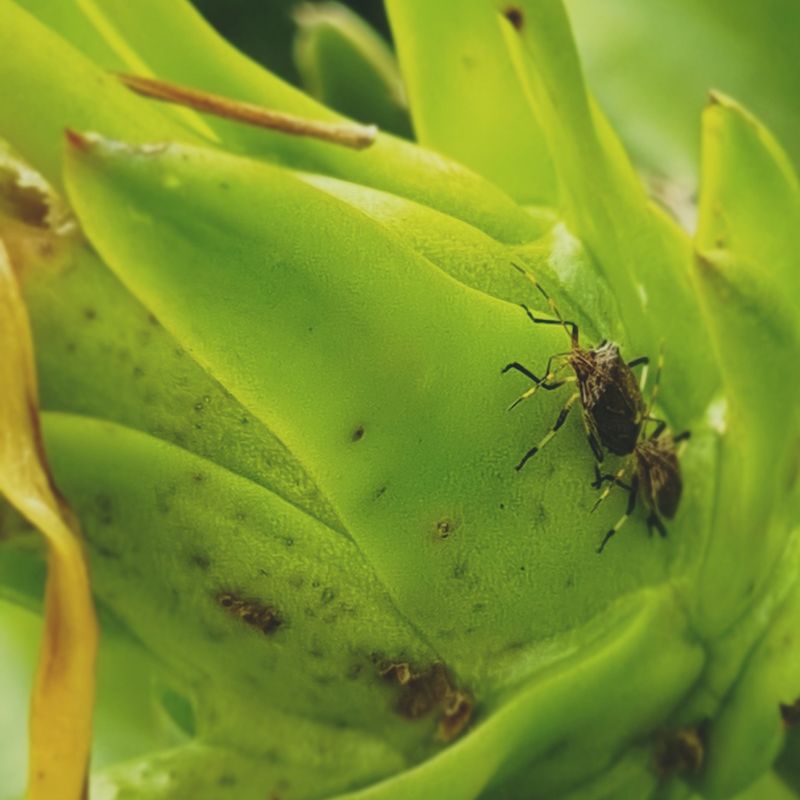
North Carolina is serious peach and apple country, and stink bugs have a serious appetite for both. When overwintered adults emerge in spring, one of the first things they do is search for tender new plant tissue to feed on.
Fruit trees that are just beginning to bud and bloom are extremely vulnerable at this stage, and stink bugs can cause lasting damage to developing fruit before most gardeners even realize the bugs are active.
The feeding damage shows up as corky, sunken spots on the skin of fruit, sometimes called cat-facing. Inside, the flesh becomes discolored and mealy.
Even if the fruit looks okay from the outside, cutting it open often reveals significant damage. For home gardeners who count on a summer harvest, losing even a portion of the crop to stink bugs is deeply frustrating.
Managing the overwintering population in your garden gives your fruit trees a better chance at producing a clean, healthy crop. Fewer bugs emerging in spring means less feeding pressure during that critical bloom and early fruit set period.
Pair that with physical barriers like fine mesh netting over young trees, and you create a much stronger defense. Some North Carolina gardeners also use kaolin clay sprays on fruit trees as a deterrent during the early season.
Every layer of protection you add starts with reducing how many bugs survived the winter right there in your own backyard garden space.
4. Vegetable Gardens Become An All-You-Can-Eat Buffet
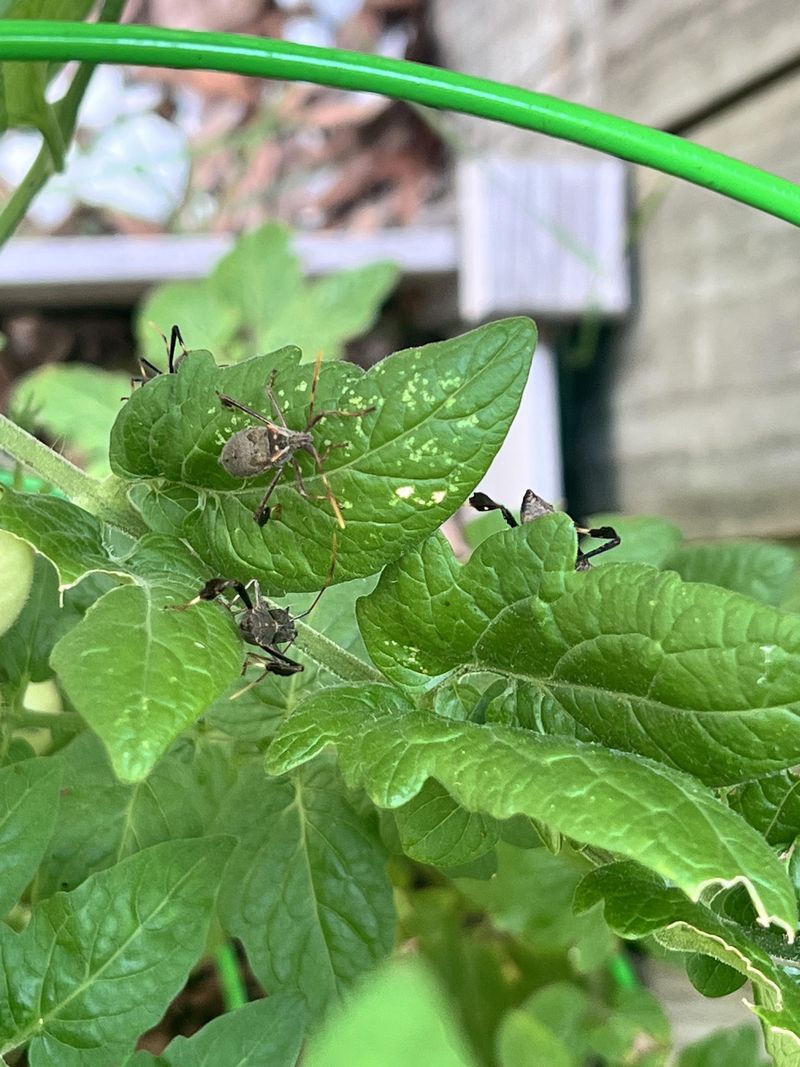
Tomatoes, peppers, beans, corn, and squash are all on the stink bug menu. If you grow vegetables in North Carolina, stink bugs are not just a garden annoyance. They are a genuine crop threat.
These insects use a needle-like mouthpart to pierce plant tissue and suck out juices, leaving behind feeding scars, discoloration, and deformed growth that makes produce unmarketable or unappetizing even in a home garden setting.
What makes this especially frustrating is that the damage is not always obvious right away. Stink bugs often feed on the underside of leaves or in hidden spots on developing vegetables, so by the time you see the external signs, the harm is already done.
Tomatoes may develop white, spongy patches under the skin. Beans may have shriveled or distorted pods. Corn kernels may fail to fill out properly along the ear.
Overwintered adults can contribute to spring populations, but stink bugs may also arrive from surrounding areas as the season progresses. Fewer survivors in winter directly translates to fewer bugs attacking your vegetables during the growing season.
Combine good fall sanitation with row covers for early-season crops, and you give your garden a real fighting chance. Hand-picking bugs in the early morning when they are sluggish is also effective on a small scale.
Dropping them into soapy water destroys them without triggering their defensive stink. Working these habits into your regular garden routine keeps stink bug damage from stealing the harvest you worked so hard all season to grow.
5. They Invite Themselves Into Your Home Too
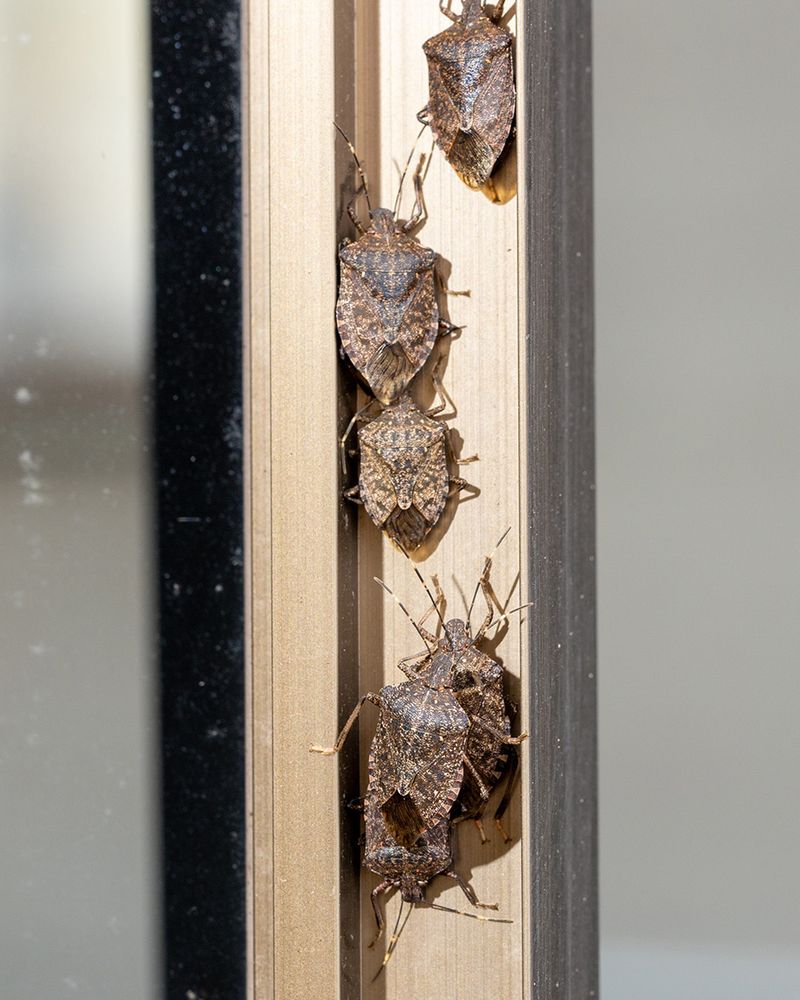
One thing that makes the brown marmorated stink bug uniquely annoying compared to many garden pests is that it does not stay outside.
As temperatures drop in fall, these bugs actively seek warmth, and the walls, attics, and window frames of your home can look just as appealing to them as your garden debris does.
If you allow a large overwintering population to build up in your yard, your house becomes the next logical destination. Once inside, stink bugs do not cause structural damage, but they do cause headaches.
They congregate in large numbers, they release their unpleasant odor when disturbed or squashed, and they can be nearly impossible to fully remove once they have found entry points.
Come spring, they try to exit back outdoors and often end up confused inside your living spaces instead, buzzing around light fixtures and windows.
Keeping populations low in your garden reduces the sheer number of bugs looking for a warm place to land. Seal cracks around windows, doors, and utility lines as a second layer of defense.
Replace damaged screens before fall. But the most effective long-term approach starts outside, with reducing how many bugs have a chance to survive in your garden through the cold months.
A well-managed garden creates distance between large stink bug populations and your home, giving you better control on both fronts without relying solely on indoor pest control measures that feel like playing catch-up all winter long.
6. Native Plants And Beneficial Insects Suffer Too
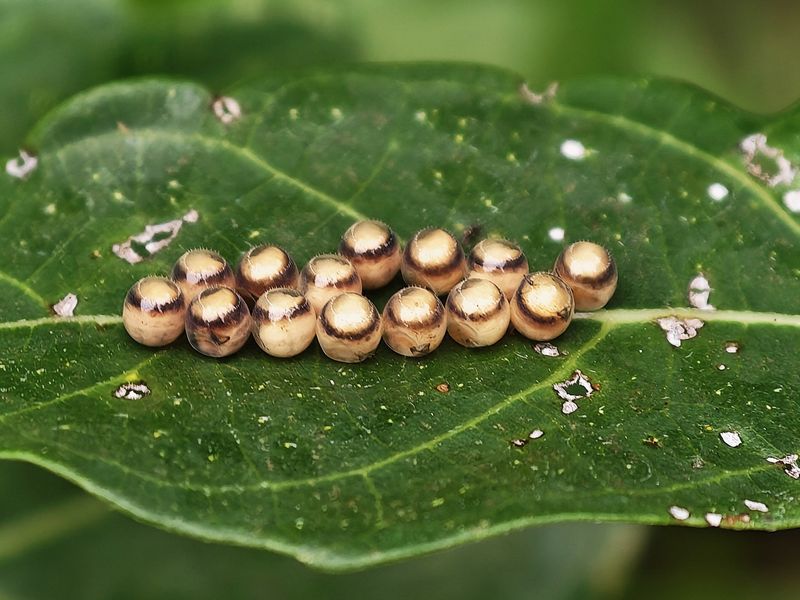
Stink bugs are not picky eaters. Beyond fruits and vegetables, they feed on a wide range of native plants including dogwood, redbud, and various wildflowers that North Carolina gardeners plant specifically to support pollinators and local wildlife.
When a large population emerges in spring, the feeding pressure spreads across the entire garden ecosystem, not just the crops you care about most.
There is also an indirect effect worth thinking about. Healthy gardens rely on a balance of insects, including predatory bugs, parasitic wasps, and beetles that naturally control pest populations.
Large stink bug populations can damage plants, which may affect overall garden health, although their direct impact on beneficial insects varies. A stressed garden with heavy pest pressure is a less welcoming place for the good insects that do so much work for free.
Protecting native plants by managing stink bug populations helps maintain the kind of balanced garden environment that experienced North Carolina gardeners work hard to create.
Planting diverse, native-friendly gardens is itself a long-term strategy, because some native plants are less palatable to stink bugs and support the predatory insects that keep pest numbers in check naturally.
Some birds and other predators may feed on stink bugs, but they are unlikely to provide reliable control on their own.
Every strategy reinforces the others, and it all becomes much more effective when you start from a position of having reduced the overwintering population the previous fall rather than trying to recover from a spring explosion.
7. Stink Bugs Can Be Difficult To Control With Common Methods
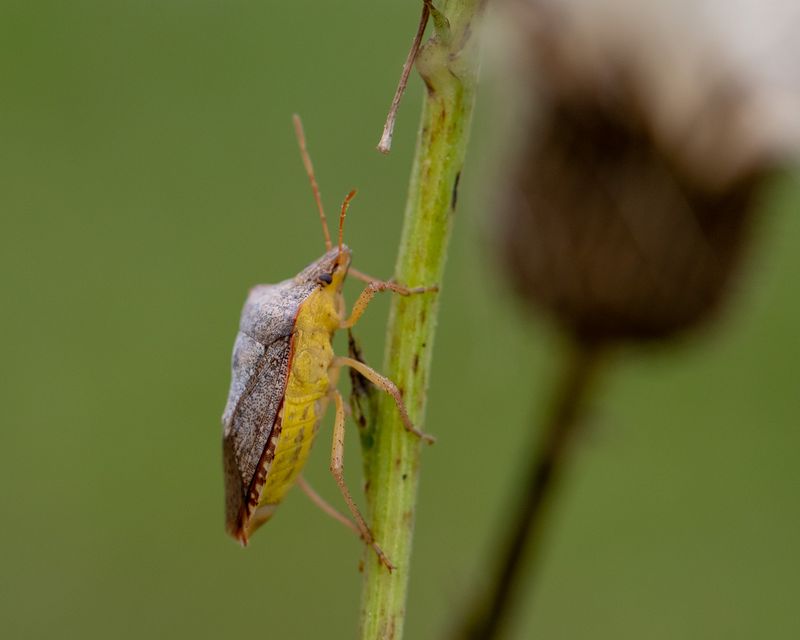
When the brown marmorated stink bug first arrived in the United States from Asia in the late 1990s, pest managers hoped that common insecticides would keep populations in check. Over the years, that optimism has faded.
Research has shown that stink bugs are difficult to destroy with many standard pesticide applications.
They often require high concentrations or repeated treatments that are costly, time-consuming, and potentially harmful to beneficial insects in your garden. Relying on chemical controls alone is not a sustainable strategy.
Overuse of broad-spectrum insecticides destroys natural predators and pollinators along with target pests, which can actually make your stink bug problem worse over time by removing the checks that nature provides.
And because stink bugs reproduce quickly and move in from surrounding areas, spraying one season does not guarantee a cleaner garden the next.
Prevention-based management, starting with reducing the overwintering population in fall, is consistently more effective than reactive spraying in spring.
Physical removal, exclusion methods, habitat reduction, and encouraging natural predators are all tools that hold up better over time without the drawbacks of chemical dependency.
Some North Carolina extension programs have experimented with biological controls, including a parasitic wasp species that targets stink bug eggs. These approaches are more promising long-term than pesticides alone.
Building your fall cleanup routine around making your garden inhospitable to overwintering bugs gives every other control method a stronger foundation to work from throughout the rest of the growing year ahead.
8. A Warm North Carolina Winter Makes Survival Rates Skyrocket
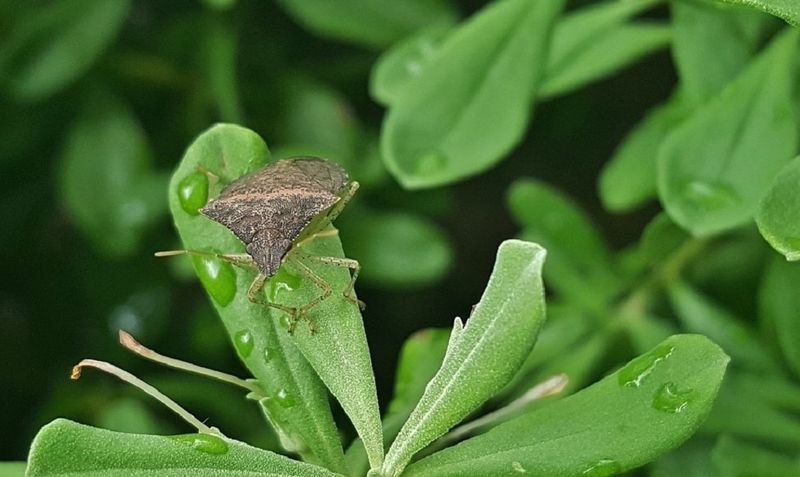
North Carolina does not always get the kind of hard freezes that wipe out overwintering pest populations the way colder states sometimes experience.
In the Piedmont and coastal regions especially, winters can be surprisingly mild, with temperatures staying well above freezing for long stretches. For stink bugs, this is practically paradise. They do not need to survive a harsh winter.
They just need to get through a mild one, and North Carolina hands them that opportunity on a regular basis.
Climate patterns in recent years have trended toward shorter, warmer winters across much of the southeastern United States. That means stink bug survival rates from fall to spring are higher than historical averages in many areas.
More survivors in spring means a faster buildup to damaging population levels, often before gardeners have finished planning their planting schedules for the season.
You cannot control the weather, but you can control how much shelter and protection your garden provides to overwintering bugs.
A cleaned-up garden with fewer hiding spots exposes more bugs to the cold temperatures that do occur, even in mild North Carolina winters.
Every hard freeze that hits an exposed bug does damage that diapause cannot fully protect against.
Removing leaf litter, cutting wilted stems to the ground, and pulling out spent annual plants in fall creates a less insulated environment that makes surviving the winter genuinely harder for stink bug populations.
That extra effort compounds into measurable pest pressure reduction by the time your spring seeds go into the ground.
9. Neighboring Properties Will Keep Reseeding Your Garden With Pests
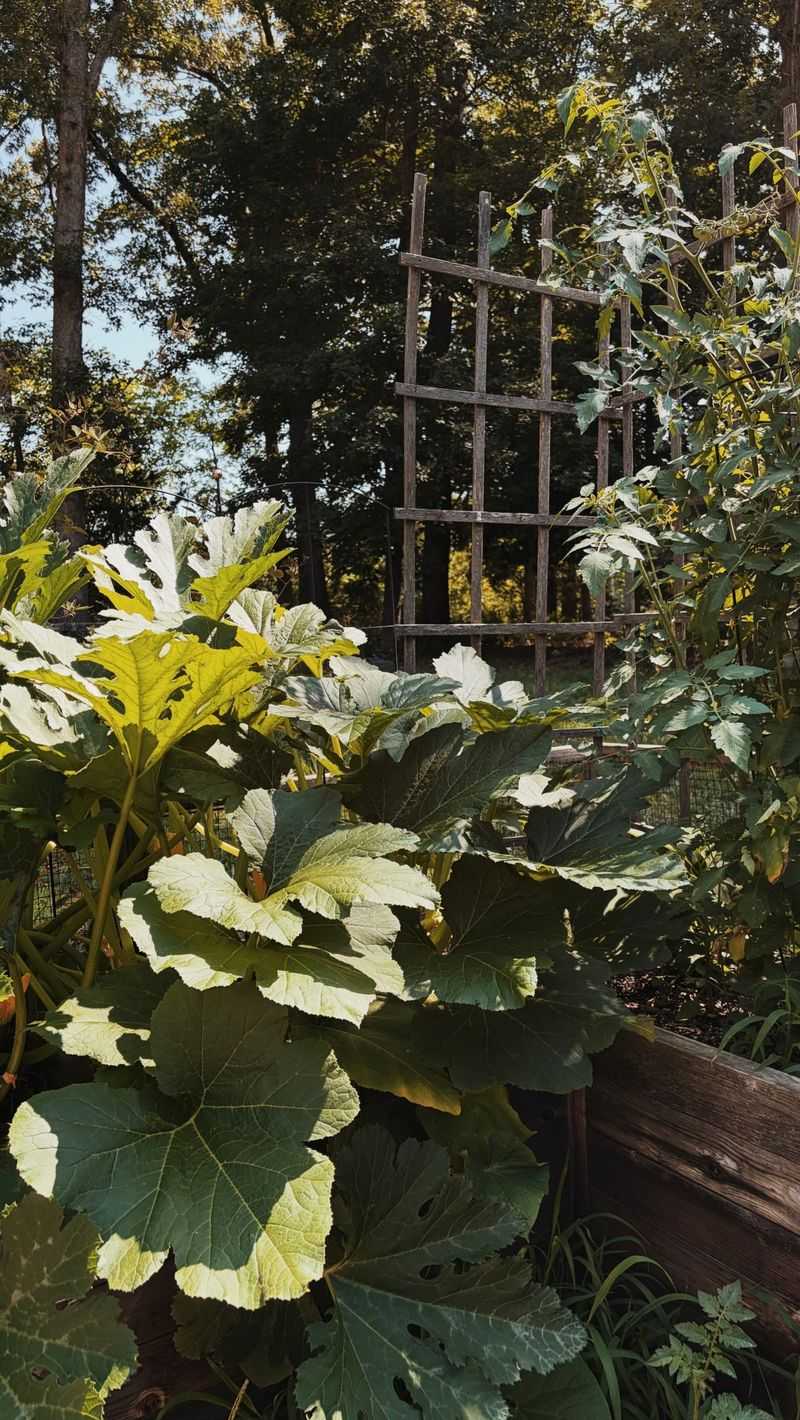
Even if you do everything right in your own garden, stink bugs from neighboring yards, wooded edges, and surrounding agricultural land will migrate into your space every season. That is the frustrating reality of dealing with a highly mobile pest.
However, this does not mean your efforts are pointless. The overwintering population that survives specifically in your garden is the one you have the most control over, and reducing it makes a real, measurable difference in your local pest pressure.
Think of it this way: if your garden produces a hundred overwintering bugs that survive to spring and each neighboring property contributes another hundred, reducing your contribution to near zero cuts the local reinfestation pressure significantly.
Your garden becomes less of a source population and more of a managed space where incoming bugs face fewer established competitors and less supportive habitat. Community-level management is even more effective.
Talking to neighbors about fall garden cleanup, sharing information about stink bug behavior, and coordinating efforts across a few adjacent properties can meaningfully reduce the regional pressure everyone experiences.
North Carolina Cooperative Extension offers free resources and educational programs about integrated pest management that work well as neighborhood conversation starters.
You do not need everyone on board to see benefits, but the more gardens in your area that take fall prevention seriously, the less migration pressure any single yard has to absorb come spring.
Your garden does not exist in isolation, and neither does your stink bug problem or your solution to it.
10. Early Action In Fall Saves You Serious Time And Money In Spring
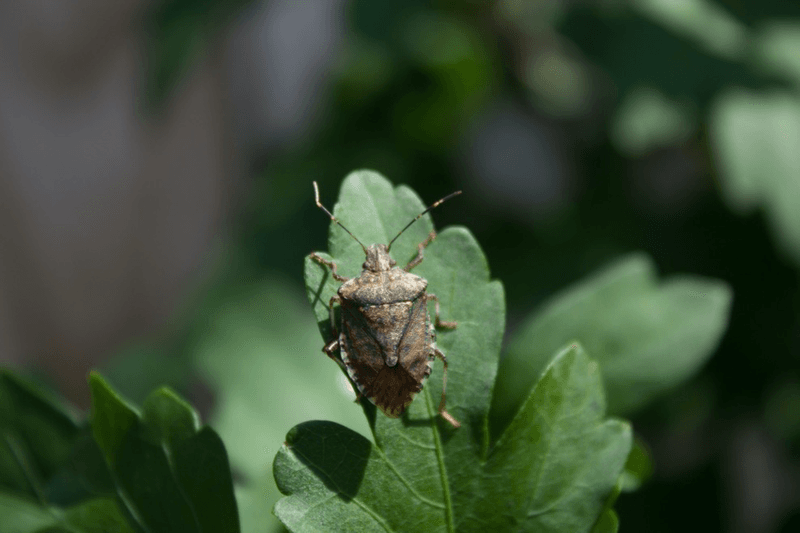
Spending a few hours on fall garden cleanup is one of the best investments you can make for the next growing season.
Compare that to the time you might spend in spring hand-picking bugs, applying sprays, assessing crop damage, replanting failed seedlings, and managing a full-blown stink bug infestation that got a head start while you were not looking.
The math strongly favors acting early rather than reacting late. Financially, the difference can add up quickly.
Replacement transplants, row cover materials, organic sprays, and professional pest consultations all cost money that most home gardeners would rather spend on seeds, new tools, or expanding their growing space.
Stink bug damage to fruit trees is especially costly because those trees represent years of investment and may produce reduced harvests for multiple seasons after a severe feeding event. Fall cleanup costs you almost nothing beyond time and energy.
Raking leaves, cutting back dry plant material, removing spent vegetables, and clearing debris from garden borders are all tasks that benefit your soil, your garden structure, and your pest management strategy at the same time.
None of these steps require special equipment or expensive products. They require consistency and a commitment to treating fall as the beginning of next year’s garden rather than just the end of this one.
North Carolina gardeners who adopt this mindset tend to have healthier, more productive gardens season after season, with stink bugs becoming a manageable background noise rather than a season-defining disaster every spring and summer.