10 Reasons North Carolina Gardeners Are Making Room For Lemongrass This Summer

You step out onto the back porch on a sticky July evening in the Piedmont, swatting at a mosquito while the storm clouds build to the west. Somewhere down the fence line, a neighbor has a tall clump of green that smells like lemon and citronella when the breeze moves through it. That plant is lemongrass, and North Carolina gardeners are quietly making room for it in beds, pots, and porch corners all summer long. Here are ten honest reasons it keeps earning a spot, and how to grow it in our clay, our heat, and our surprise cold snaps.
1. It Shrugs Off Our Muggy, Storm-Soaked Summers

Most herbs sulk when July turns North Carolina into a warm, wet sponge. Lemongrass (Cymbopogon citratus) does the opposite. It comes from tropical Asia, so our muggy 90 degree afternoons and pop-up thunderstorms feel like home to it.
Here is the plain reason it thrives. Heat and humidity push fast, lush growth in this grass, while the same conditions rot basil and mildew squash. A single plug set out in May can swell into a clump three feet across by August.
Give it full sun, at least six hours, and water deeply once or twice a week during a dry stretch. In our Piedmont red clay, work in a few inches of compost first so the roots do not sit in a soggy bowl. Sandy Coastal Plain soil drains fast, so those gardeners may water more often.
The kicker is how little it asks of you mid-summer. While you are babying tomatoes through blight, the lemongrass in the corner just keeps stacking new blades, greener after every storm. It is not a magic solution to a hard growing season, but it is one of the few plants that genuinely enjoys the weather that wears the rest of us down.
2. That Lemon Scent Can Nudge Mosquitoes Elsewhere
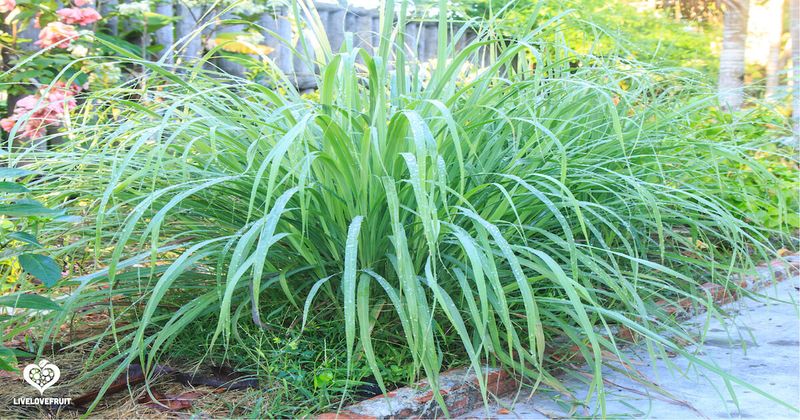
Citronella candles get all the credit, but the smell they chase comes straight from lemongrass. Crush a blade and you get that sharp, lemony citronella oil right on your fingers. Mosquitoes are not fans.
Now for the honest part. A plant sitting still in a pot does not throw off enough oil to clear a yard, so do not expect a mosquito-free cookout from one clump alone. The oils release when leaves are bruised or the wind rustles them.
So put it to work where you brush past it. Plant a clump beside the porch steps, near the patio chairs, or along the walkway to the grill, spacing plants about 24 inches apart. Rub a few blades between your hands on a still evening and wipe them along your ankles and forearms.
NC State Extension points to lemongrass oil as a known ingredient in natural repellents, though a growing plant is milder than a bottled spray. Think of it as one layer, working alongside dumping standing water and running a fan on the porch.
The payoff is small but real. On those long Piedmont evenings when the mosquitoes rise off the wet grass, a brushed handful of lemongrass buys you a calmer hour outside.
Your North Carolina Garden Changes Every Week. Your Plan Should Too.
Gardening in North Carolina changes quickly throughout the season. Every Friday you’ll receive a simple weekly plan showing exactly what to plant, prune, fertilize, harvest, and protect so you never miss the right timing.
3. It Fills The Gap Where Fussy Ornamentals Fail
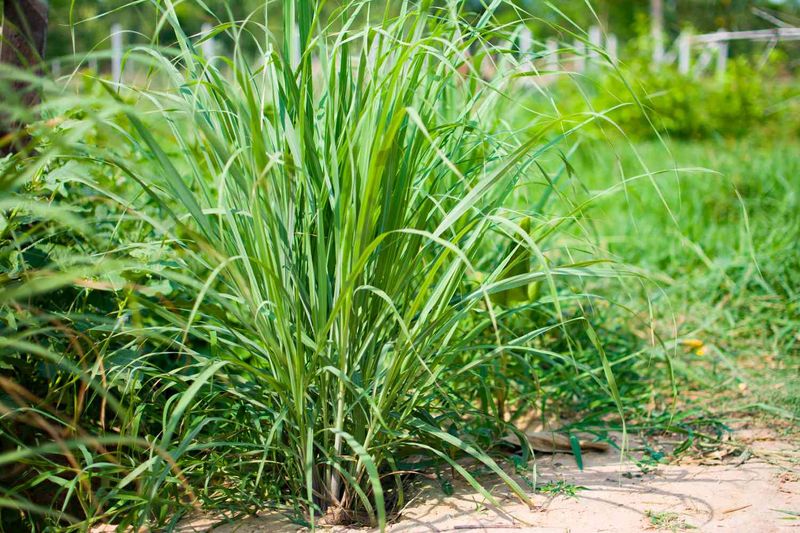
Every North Carolina yard has that one rough corner. Full afternoon sun, baked clay, the spot where the azaleas scorched and the hydrangeas wilted by noon. Lemongrass looks at that corner like a prize.
The turn here is texture. Where a shrub gives you a solid blob, lemongrass gives you movement, a fountain of arching blades four to six feet tall that catches every breeze. It reads like an ornamental grass but doubles as food, which fussy foundation plants never manage.
Set one clump as a specimen or run three in a loose row for a soft privacy screen, spacing them 24 to 36 inches apart. It fills in fast enough to hide the AC unit or soften a hot fence by late summer.
Because it dies back each winter here, you get a clean slate every spring instead of a woody shrub you have to prune around. That suits gardeners who like to rearrange.
The quiet win is watching a problem spot become the part of the bed people actually ask about. A plant that thrives where prettier things gave up earns its keep, and this one genuinely does.
4. Fresh Stalks Cost Pennies Instead Of Store Prices
Walk the produce aisle and lemongrass stalks run a couple of dollars for two thin, tired-looking pieces that were shipped a long way. Meanwhile a healthy clump in your yard hands you dozens of fat, fragrant stalks for the price of one plant.
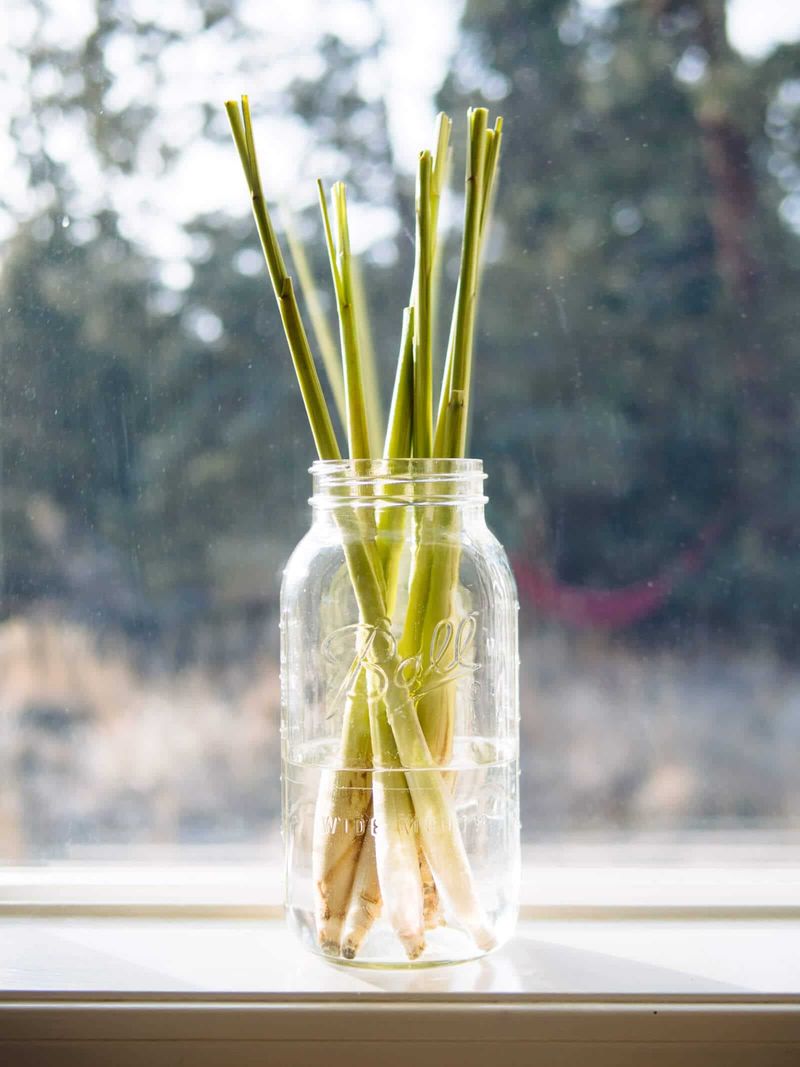
The math gets better. You can actually start your own from those grocery stalks. Stand a few fresh ones in a glass with an inch of water on a bright windowsill, and in two to three weeks little white roots push out the bottom. Then plant them.
One grocery stalk that roots can become a clump yielding fifteen or twenty stalks by season’s end. To harvest, grip a stalk low and pull, or cut at the base with a knife, taking the thick bottom third where the flavor lives.
Piedmont gardeners often start a couple of stalks in March indoors, then set the rooted plants out after the last frost, usually mid-April to early May. By July you are clipping instead of buying.
There is a small pride in it too. Pulling your own stalk for dinner beats paying for one that traveled farther than you did last summer.
5. It Turns A Backyard Cookout Into Restaurant Fare

Picture the smell coming off the grill at a summer cookout, then add a bright, lemony punch that makes people ask what you did differently. That is lemongrass earning its place in the kitchen.
Chop the tender bottom of a stalk fine and it lifts marinades, chicken skewers, and shrimp. Bruise a whole stalk and drop it into a pot of soup, sweet tea, or a simmering broth, then fish it out before serving since the fiber stays tough.
Here is where folks go wrong. The top two thirds of the blade are too woody to chew, so use only the pale, thick base for cooking, or tie the long tops into a knot to flavor liquids.
A single clump keeps you in fresh stalks all season, and the flavor beats dried by a mile. Freeze extra chopped stalks in a bag and you carry that summer taste into a cold January stew.
The best part comes when the burgers are gone and someone lingers over the last of your lemongrass-scented rice. A plant from the corner of the yard just made you look like you know what you are doing.
6. Deer And Rabbits Walk Right Past It
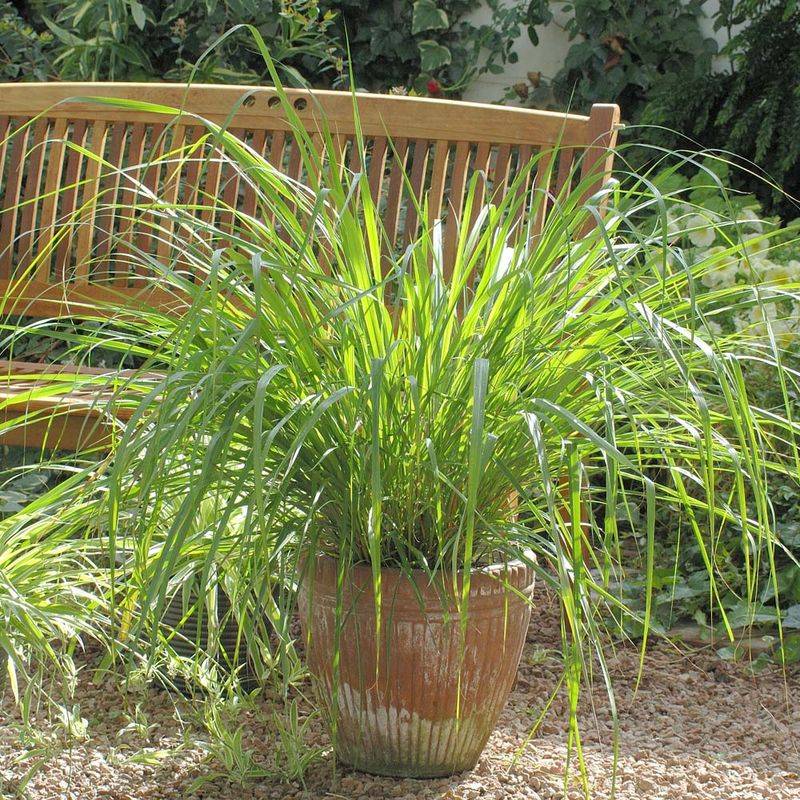
Ask any gardener in the Sandhills or the mountains about deer and watch their face fall. The herd treats a hosta bed like a salad bar. Lemongrass, though, gets skipped.
The reason is that strong citrus oil and the coarse, sharp-edged blades. Deer and rabbits browse by smell and texture, and this grass offends both. It is not a fence, and a truly desperate deer in a dry August will taste almost anything, so call it deer-resistant rather than deer-proof.
Use that to your advantage. Ring a bed of tastier plants with lemongrass, or plant a clump at the garden edge where deer enter, spacing 24 to 30 inches apart. The scent barrier may steer them toward easier meals next door.
Mountain gardeners in zones 6a to 7a deal with heavy deer pressure especially, and pairing lemongrass with other aromatic plants like rosemary builds a stronger unwelcome mat.
The relief is quiet and specific. You walk out at dawn expecting chewed stems and instead find your beds untouched, the lemongrass standing guard like it meant to.
7. One Plant Multiplies Into A Whole Row For Free
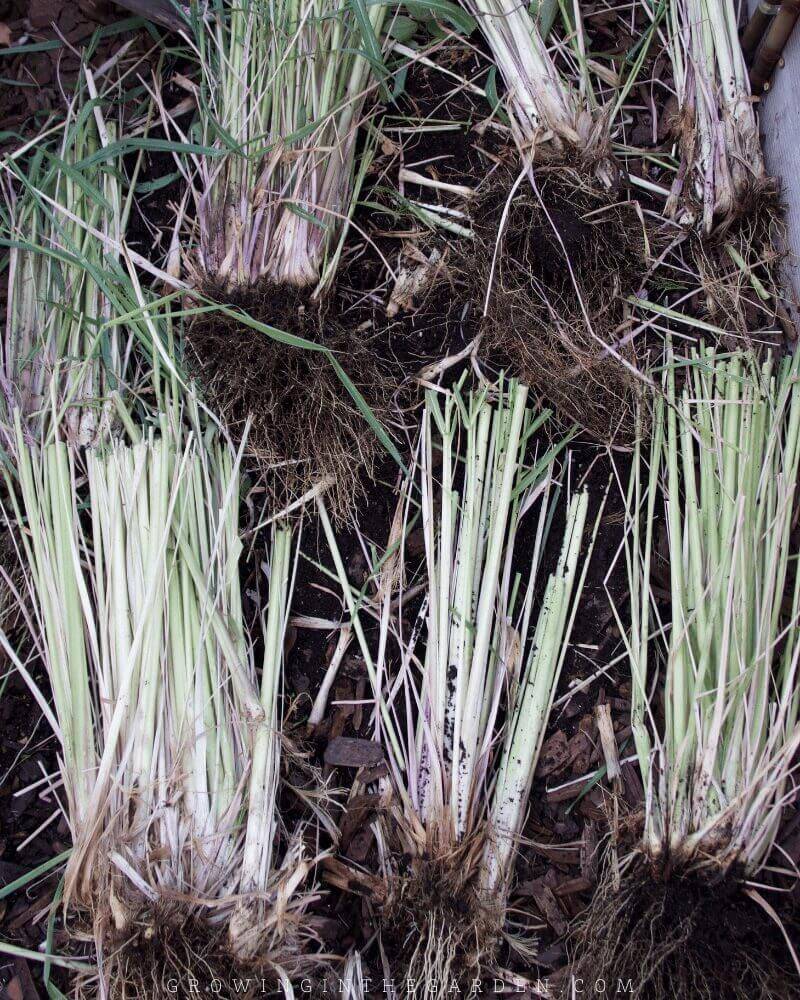
Buy one lemongrass plant this spring and you may never buy another. By late summer a single clump has bulked into a dense crown you can split into four, six, even eight new plants.
The trick gardeners love is division. In spring, or when a clump gets crowded, dig it up and pull or cut the base into chunks, each with a few stalks and a fist of roots attached. Replant each piece and it takes off within weeks.
Space the divisions about 24 inches apart and water them in well. In our long Piedmont and Coastal Plain growing season, a spring division has months to fill out before the first frost, which usually lands late October to November.
Because it is so easy, lemongrass becomes the plant you share. Many North Carolina gardeners pass divisions over the fence the way they hand off zucchini, and a neighbor’s start becomes your start becomes someone else’s.
There is something satisfying about a plant that pays you back with more of itself. Spend a few dollars once and you are handing out lemongrass for years.
8. It Thrives In A Pot You Can Rescue From Frost
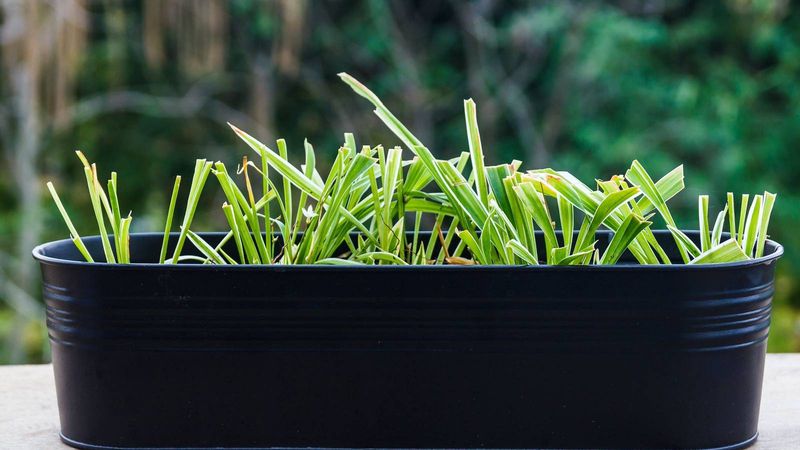
Winter is the catch with lemongrass in North Carolina. A hard freeze below the upper 20s kills the tops, and a truly cold snap can take the whole plant, even in the milder coast zones of 8a to 8b.
Growing it in a container solves that. Drop a plant in a large pot, at least 14 to 16 inches wide with good drainage, and it grows just as happily on a sunny patio as in the ground.
When frost threatens, usually your first real one arrives late October in the Piedmont and later on the coast, drag the pot into a garage or bright indoor spot. Cut it back to about six inches, water sparingly, and it rides out winter dormant.
Set it back outside after the last spring frost and it wakes up fast. Coastal Plain gardeners in zone 8a sometimes overwinter it outdoors with a thick mulch blanket, but a pot is the surefire route.
The payoff is not starting over every April. That same clump greets you spring after spring, a small act of stubborn continuity in a climate that likes to surprise you.
9. The Blades Brew Into A Calming Homegrown Tea

After a long day fighting Japanese beetles and the heat, a warm cup of something soothing hits different. Lemongrass tea, brewed from blades you cut ten steps from the kitchen door, is about as fresh as it gets.
Snip a few green blades, rinse them, then chop into two inch pieces. Steep a small handful in hot water for five to ten minutes and you get a mild, citrusy tea that is naturally caffeine free, good hot in winter or iced on a muggy July porch.
Dry the extra blades too. Bundle and hang them in a warm, airy spot for a week or two, then crumble into a jar and you have got tea straight through the cold months when the plant itself is dormant.
One established clump gives you far more blades than you can drink, so there is no reason to skimp. It keeps producing right up until frost.
The gentle reward is the ritual. A cup of tea from your own backyard, made from a plant you grew through a North Carolina summer, tastes like something you earned.
10. It Feeds The Yard Instead Of Draining It
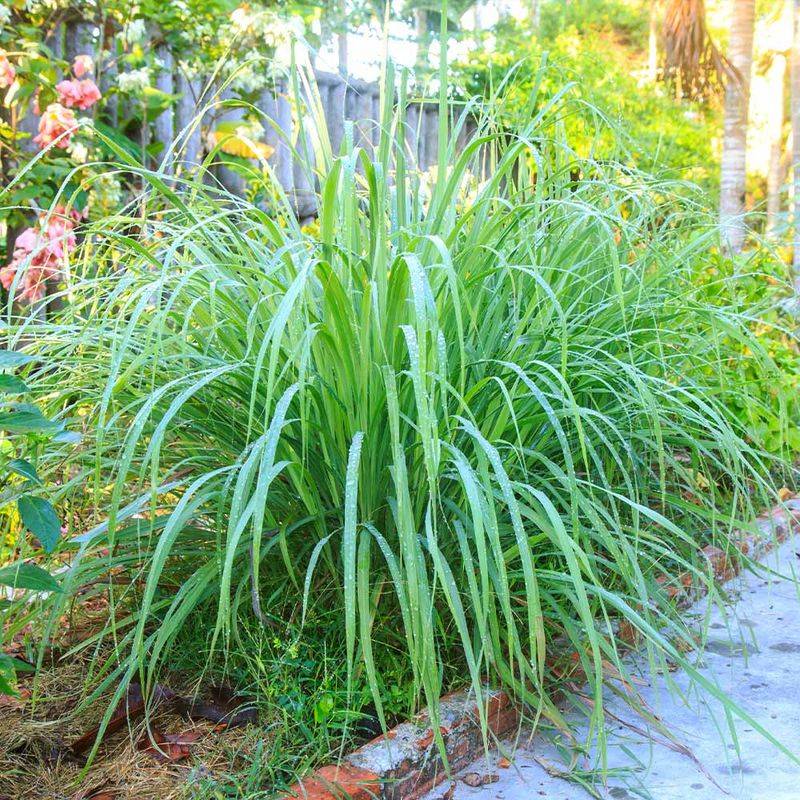
Plenty of showy plants demand constant babysitting, sprays, and a rising water bill. Lemongrass leans the other way and fits how North Carolina gardeners increasingly think about their yards as a living system rather than a chore list.
Once its roots take hold, usually within a month of planting, it holds up through dry spells with just a deep soak now and then. It rarely draws the pests that plague our gardens, so you are not reaching for chemicals around the beds where pollinators visit milkweed and Joe Pye weed nearby.
Those thick root clumps also grip loose soil, handy on a sandy Coastal Plain slope or a spot that washes during a hurricane season downpour between June and November.
Skip cutting the spent blades until spring and the standing clump gives small cover for beneficial insects through the mild winter, one more layer in a low-maintenance, wildlife-friendly yard.
None of this makes lemongrass the hero of your whole landscape. But it earns its water and its space, and it leaves your yard a little healthier for having it, which is genuinely why so many gardeners are making room this summer.