8 Things Arizona Gardeners Should Leave Standing Instead Of Cutting Back This Fall
A single lesser goldfinch can pick through a seed head for many minutes, hanging upside down like a tiny acrobat. I watched one do exactly that last October, right where my pruners had almost gone to work.
Fall cleanup feels like a ritual for many Arizona gardeners once the brutal summer heat finally loosens its grip. Yet the brown stalks and crunchy leaves we rush to clear often hold food and shelter for wildlife.
Native bees tuck into hollow stems, while hungry birds patrol the ground below for fallen seeds and insects. I have to admit my tidy side resisted at first, but my garden got noticeably busier and healthier.
Across the desert Southwest, a little patience in October can pay off with birdsong all winter long in your yard. So which parts of your Arizona garden deserve a reprieve from the shears this fall season?
1. Native Sunflower Seed Heads
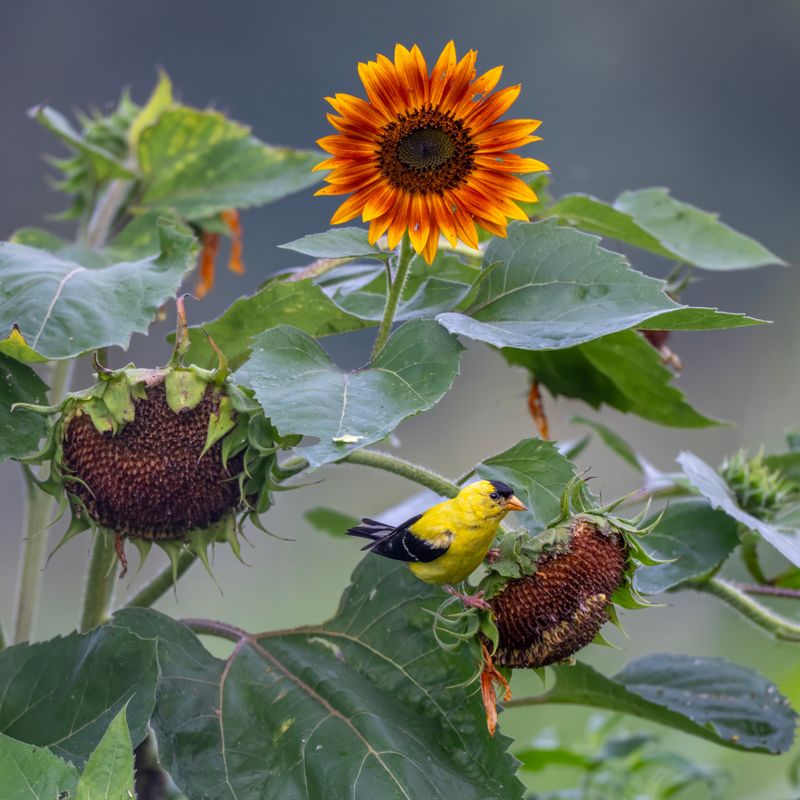
Few sights beat a lesser goldfinch clinging to a drooping sunflower head and plucking seeds like popcorn from a bowl. Common sunflower, Helianthus annuus, grows wild across much of the state and ripens its seeds right around now.
Those nodding brown faces may look tired, but each one is packed with oily seeds that birds crave during fall. House finches and sparrows join the party too, and I love watching them squabble over the best perches.
Leave the stalks standing until the heads are picked clean, which often takes several weeks in my own garden. Any seeds that drop will feed ground-foraging birds like doves, and a few may sprout into next year’s volunteers.
If volunteers worry you, simply pull extra seedlings in spring while they are small and easy to remove by hand. Sturdy stalks can also lean in strong wind, so a quick stake keeps them upright through breezy fall afternoons.
Once the seeds are gone, snap the stems into shorter pieces and leave a few in a quiet back corner. Some native bees may use the pithy stems later, so you get a second round of value from each plant.
2. Deer Grass
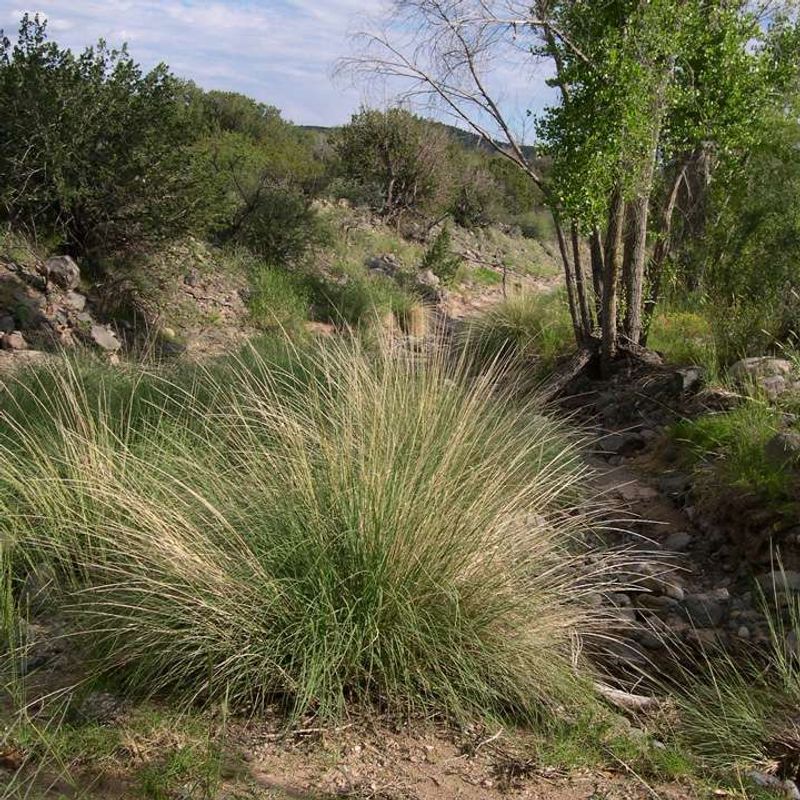
Deer grass looks like a giant green fountain, and by October its slender flower spikes catch the low sun beautifully. Muhlenbergia rigens is native to the Southwest, and its dense clumps make excellent hideouts for small creatures.
Ground-feeding birds such as Gambel’s quail often duck into bunchgrasses for cover when a hawk passes overhead. Lizards appreciate the shade at the base, and some of those lizards happily snack on insects you would rather not host.
Blue grama, Bouteloua gracilis, is another native worth leaving alone, with seed heads that curl like tiny eyebrows. Birds pick at those seeds through the cooler months, and the curly heads look charming on a chilly morning.
Personally, I wait until late winter to trim deer grass, once the threat of hard frost has mostly passed. Cutting it back too early leaves the crown exposed, and the old leaves act like a natural blanket for it.
When you finally do prune, trim the clump to roughly a few inches tall rather than shearing it to the ground. Fresh green blades push up quickly in spring, and your patience rewards you with a fuller, healthier fountain.
3. Hollow Perennial Stems
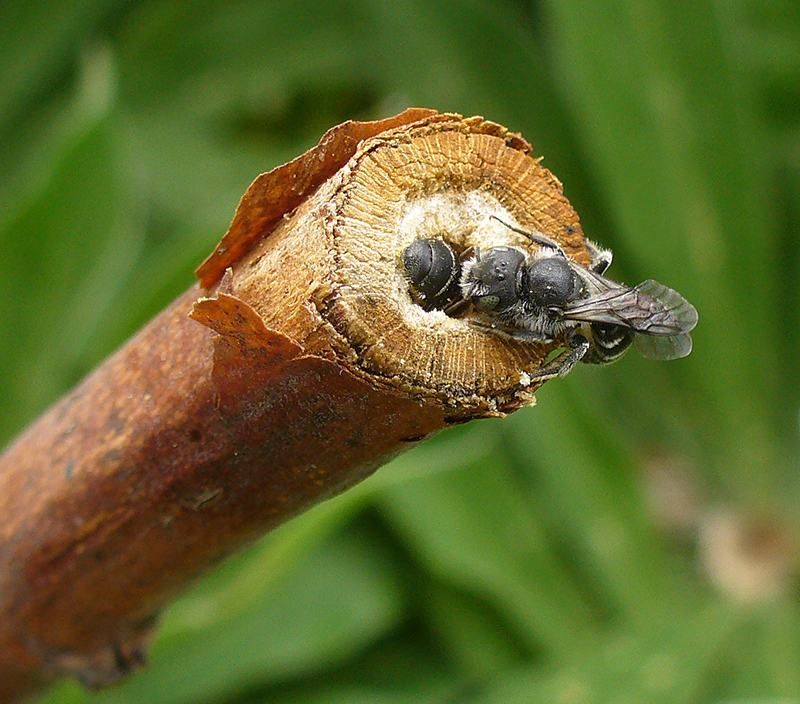
About 70 percent of native bees nest underground, but many of the rest move into hollow or pithy stems. Small carpenter bees and some mason bees raise their young inside these tubes, tucked away from weather and predators.
Penstemon and salvia both leave behind sturdy stalks once flowering ends, and they make fine bee real estate. I find it fascinating that a stem I almost tossed might be sheltering the next generation of pollinators.
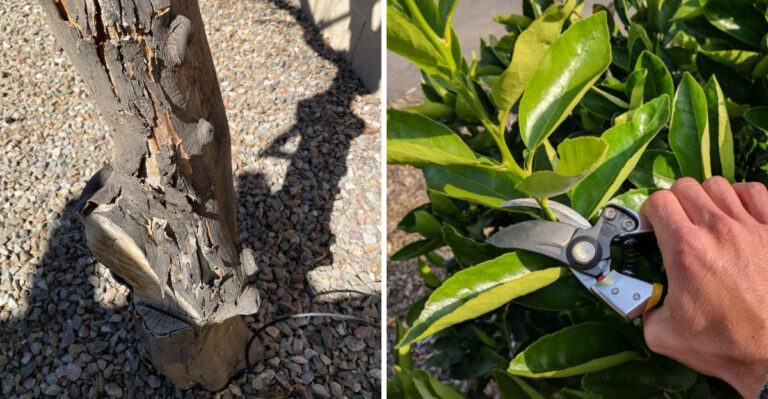
Cutting everything to the ground in fall removes those nurseries before the young bees can emerge next spring. Instead, leave the stems standing, or trim them to about 12 to 18 inches so they still offer nesting tubes.
Fresh cuts also open new stems for bees to claim, which turns your pruning into a gentle form of habitat building. You might notice tidy plugs of mud or leaf pieces sealing the tips, a clear sign of tiny tenants inside.
Those bees pay you back by pollinating your fruit trees and vegetable beds when the weather warms up again. Short stubs blend in quickly once new foliage grows around them, so the yard looks neat again surprisingly soon.
4. Fallen Leaf Litter
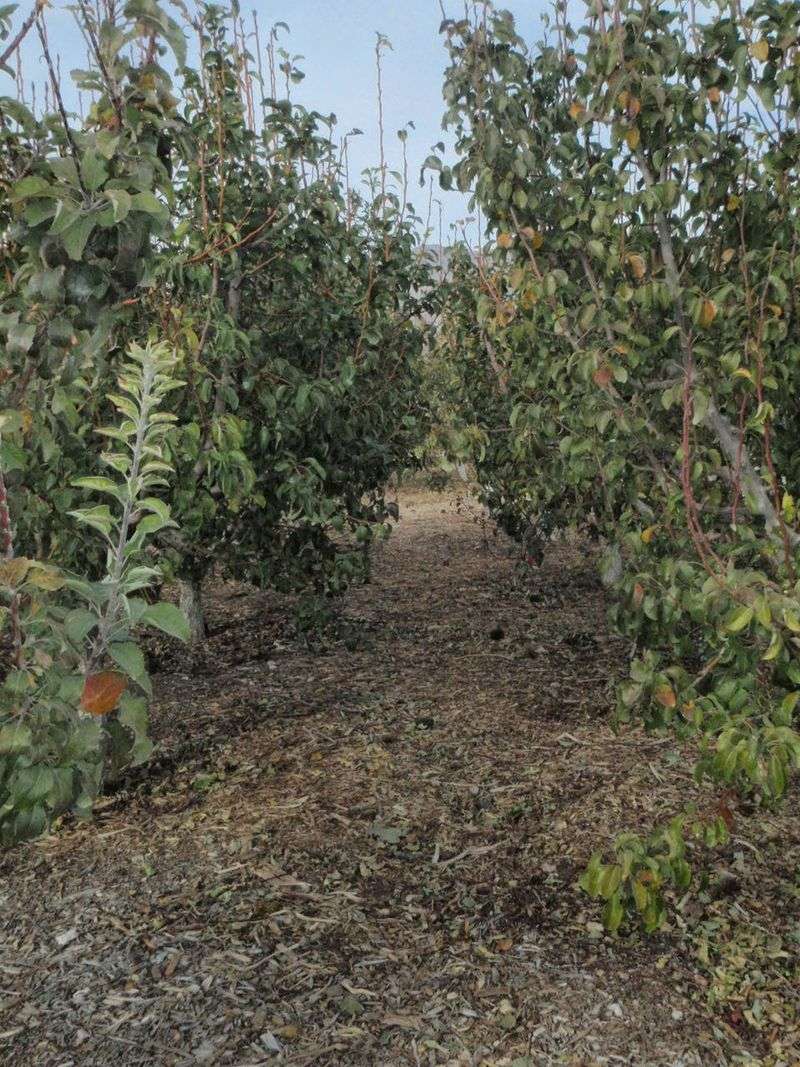
That crunchy carpet under your mesquite or desert willow is free mulch, and nature delivers it right on schedule. Leaf litter slows evaporation from the soil, which matters a lot in a place where every drop of water counts.
As leaves break down, they return organic matter to desert soils that often run low on it naturally. I can’t imagine buying bagged mulch when my trees hand me a fresh supply each year without asking for anything.
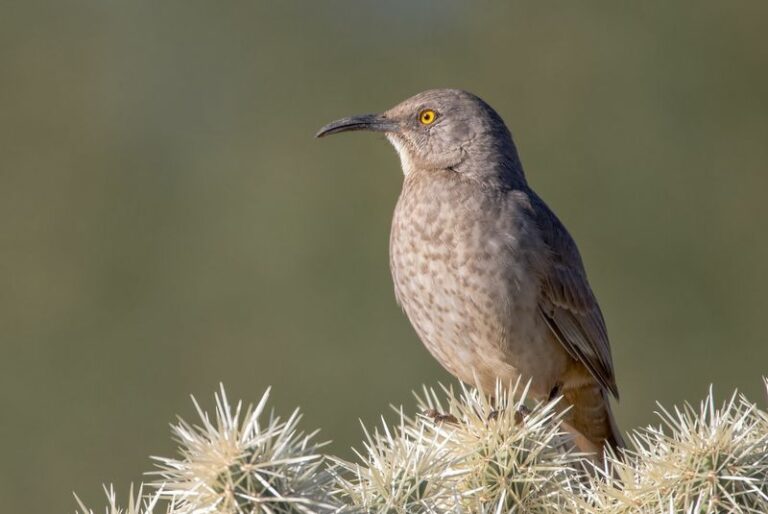
Beneficial ground beetles and spiders hunt in this cozy layer, and many moths spend the cooler months tucked inside it. Birds like towhees and thrashers scratch through the leaves for insects, which is honestly great entertainment from a patio chair.
There is one smart exception, though, because scorpions also enjoy hiding under debris close to buildings. Keep leaves pulled back a couple of feet from your foundation and spread them under shrubs and trees farther out.
Skip leaves from plants with disease problems, and toss those in the trash rather than leaving them on the ground. Everything else can stay put, slowly turning into the rich, crumbly soil your desert plants will appreciate next year.
5. Frost Tender Shrub Growth
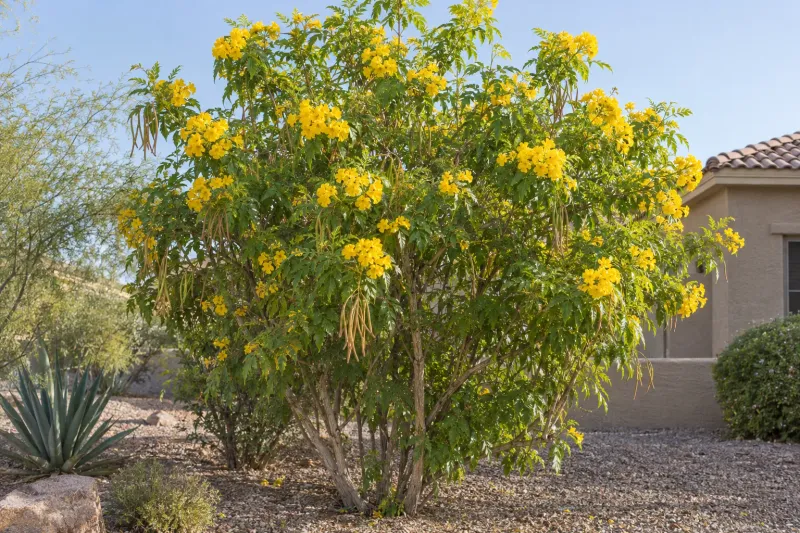
Fall pruning sounds productive, yet it can trick shrubs into pushing tender new shoots right before chilly nights arrive. University of Arizona Cooperative Extension advises waiting to prune frost-sensitive plants until the danger of frost has passed.
That older outer growth works like a built-in shield for the inner branches if a cold snap hits. Even when frost browns the leaves, leave them in place, because they help protect healthier tissue underneath until spring.
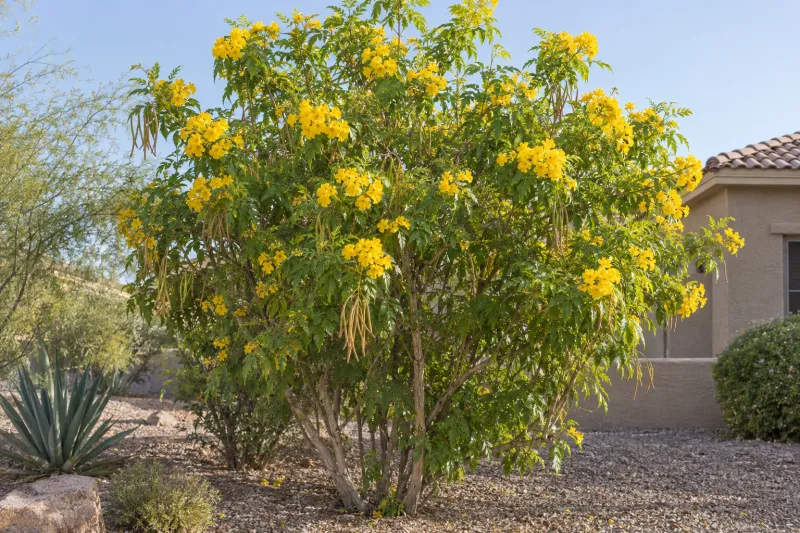
Tecoma stans, the yellow bells native to southern parts of the state, is a classic example worth leaving shaggy. Red bird of paradise and many tropical-looking shrubs benefit from the same hands-off approach during the cooler months.
I have to admit that frost-nipped shrubs look a little rough by January, and my fingers itch to grab pruners. Patience pays off, though, since you can see exactly which stems recovered once fresh buds appear in spring.
Hummingbirds also visit late flowers on yellow bells and autumn sage well into fall in milder areas. Keeping those shrubs untrimmed now means more blooms for them and less frost repair work for you later.
6. Desert Willow Seed Pods
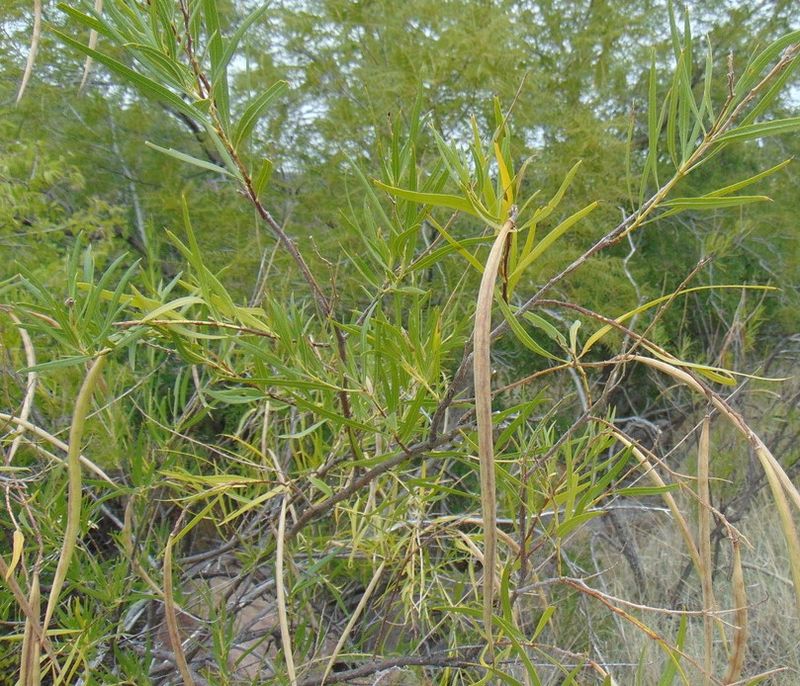
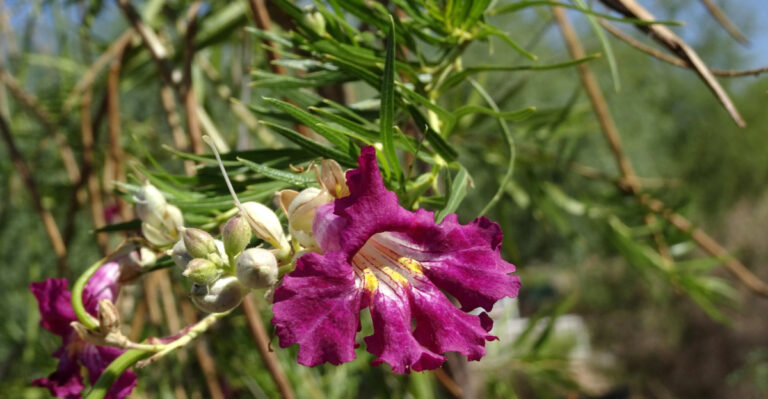
Desert willow is not a true willow at all, since Chilopsis linearis actually belongs to the catalpa family. By October its long, skinny seed pods dangle from the branches like a crop of green beans turning brown.
Many gardeners rush to strip those pods for a cleaner look, but I like leaving them up for a while. The pods split open as they dry, releasing papery winged seeds that small birds sometimes pick through.
The tree itself offers perches and cover, and verdins and other small songbirds often forage among its branches. Its orchid-like flowers wrapped up recently, but hummingbirds relied on them heavily through the long summer months.
Hold off on structural pruning until the tree is fully leafless in winter, when its shape is easiest to see. Heavy fall cuts can stimulate new growth, which is the last thing you want heading into cooler weather.
If pod litter bothers you near a patio, rake just that spot and let the rest fall under the canopy. Those leaves and pods blend into the mulch layer, feeding the soil around one of the toughest native trees around.
7. Agave Flower Stalks
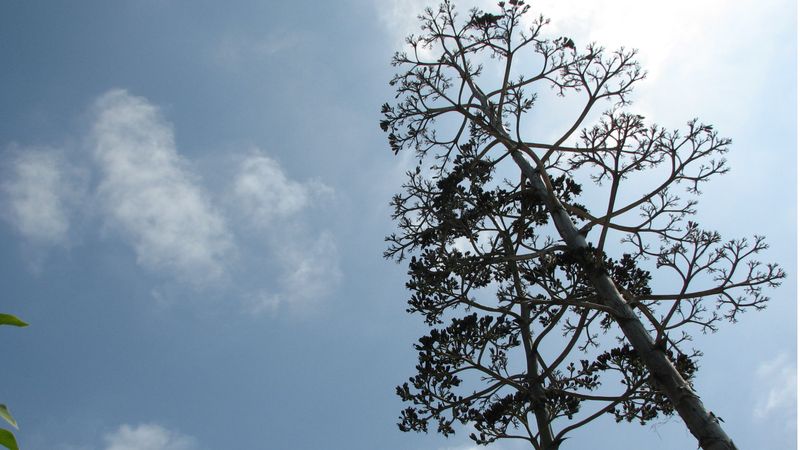
Watching an agave bloom feels like a once-in-a-lifetime event, because many species flower only once after years of growth. The towering stalk can shoot up more than 15 feet, and it often stays upright after the mother plant declines.
That woody spike becomes a busy apartment building for wildlife if you resist the urge to cut it down quickly. Woodpeckers such as the Gila woodpecker sometimes drill into old stalks, and carpenter bees may tunnel into the soft pith.
Seed capsules along the branches also split open in time, scattering flat black seeds across the ground below. I love how the dried stalk looks almost sculptural against a blue October sky, like natural garden art.
Safety comes first, of course, so check whether the stalk leans toward a walkway or a nearby rooftop. A tall stalk that tilts can topple in a storm, so remove it if it threatens people or property nearby.
Otherwise, let it stand for a full season and enjoy the surprising variety of visitors it attracts to your yard. Many agaves also leave behind pups around the base, so your garden keeps a new generation ready to grow.
8. Desert Marigold
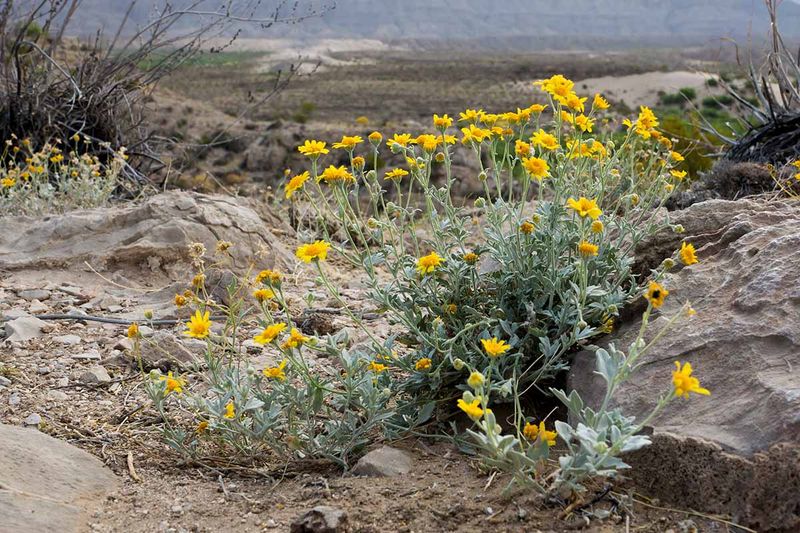
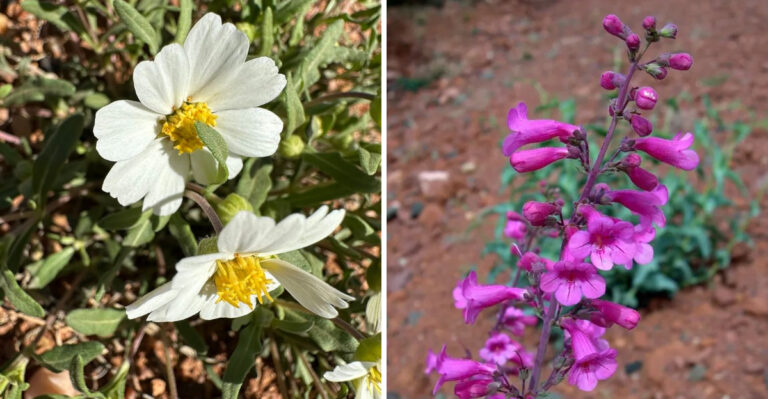
Desert marigold might be the hardest-working wildflower in the low desert, often blooming on and off for most of the year. Baileya multiradiata produces cheerful yellow daisies on woolly silver stems that look soft enough to pet.
As the older flowers fade, they turn into papery tan heads full of seeds that finches and sparrows enjoy. Leaving those spent blooms in place also lets the plant reseed itself, filling bare spots with fresh rosettes.
Personally, I adore how a patch of desert marigold keeps flowering right through fall in many low-elevation gardens. Native bees visit those blooms when few other flowers are open, so each plant becomes a valuable snack bar.
Short-lived by nature, individual plants often last only a couple of years, which makes reseeding even more valuable. Shearing everything back in fall removes those seeds and leaves you buying replacement plants that nature would have supplied.
Give them full sun and well-drained soil, and skip overwatering, since soggy roots cause these plants to decline quickly. A light trim in late winter keeps them tidy, and you can enjoy waves of golden color for years.