8 Things Georgia Homeowners Should Never Do To A Dormant Lawn In November
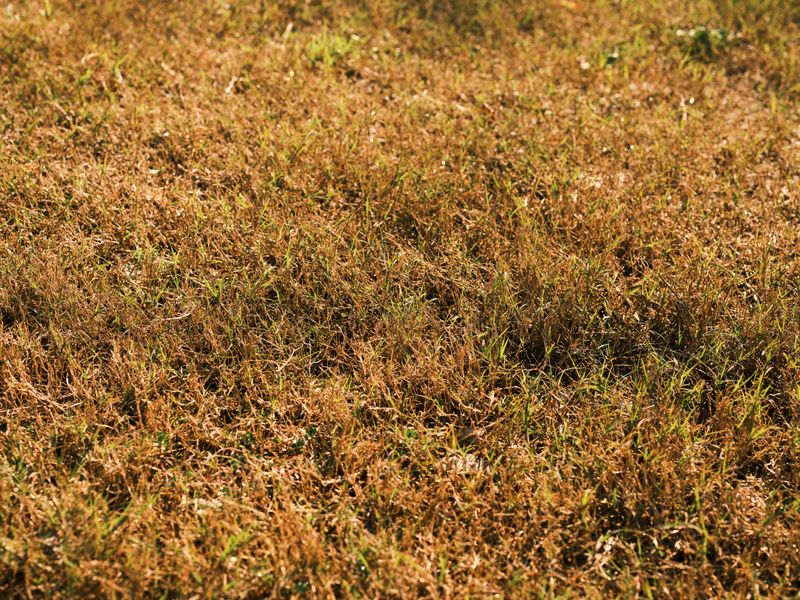
Bermudagrass blades can turn tan after a single hard frost, yet the runners underground stay packed with stored sugars.
That straw-colored carpet in your yard is resting, and it is busy guarding next spring’s green comeback.
Across Georgia, warm-season turf often slips into this winter rest once soil temperatures drop below about fifty-five degrees. Zoysia and centipede follow similar patterns, though some of them keep a little green near the base.
I have to admit, my first tan lawn sent me racing to the garden store for quick fixes. Most of those well-meaning purchases did more harm than good, and my grass paid the price that spring.
Plenty of homeowners make the same honest mistakes each November, mostly because the yard looks like it needs rescuing. Some of the most tempting fixes are exactly what a dormant lawn doesn’t need.
1. Skip The Nitrogen Fertilizer Bag On Brown Bermuda Grass
That bright bag of high-nitrogen fertilizer looks like a quick fix, but your sleepy grass simply cannot use it now. Feeding tan turf in late fall is a bit like serving pancakes to someone snoring on the couch.
University of Georgia turf experts suggest wrapping up nitrogen on warm-season lawns by late summer or early fall.
Bermuda, zoysia, and centipede slow their growth as days shorten, so the roots stop pulling in nutrients.
Extra nitrogen can push out soft new shoots during a warm spell in late autumn. Those tender blades often get nipped by the next frost, and the stressed plant may face more disease problems later.
Unused fertilizer also has somewhere to go, and that usually means washing away with heavy winter rain. Runoff can carry nutrients into storm drains and creeks, which is not a gift any stream needs.
Centipede deserves special mention here because it is famously sensitive to heavy feeding at any time of year. Too much nitrogen on centipede is linked to a problem called centipede decline, which shows up the following spring.
Personally, I keep my spreader parked in the shed until the lawn greens up fully in spring. A soil test through your county Extension office this winter will tell you exactly what your yard needs.
If your test shows low potassium, your local agent can suggest the right timing for a correction. That small bit of planning beats guessing and saves money on products the grass ignores right now.
2. Turn Off The Summer Sprinkler Schedule On A Tan Lawn
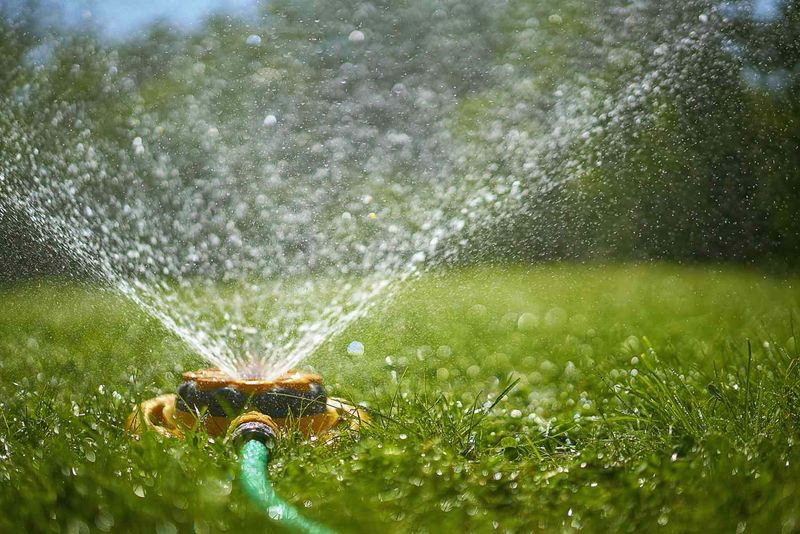
Sprinkler timers are sneaky, because many of them keep running the July program long after the lawn stops growing.
I once found a soggy, squishy front yard in November and realized my controller had been forgotten.
Resting warm-season grass uses far less water than it did during the steamy summer months. Cooler air and shorter days slow evaporation too, so the soil stays damp much longer between showers.
Soil that stays wet for days invites fungal trouble and can starve roots of the oxygen they need. Large patch, a common cool-season disease in zoysia and St. Augustine, loves damp conditions in fall.
That does not mean you should forget about water during the whole cold season, though. Long dry stretches can stress dormant turf, especially on sandy soils in the southern half of the state.
Many turf specialists suggest a deep soaking if three or four weeks pass without meaningful rain. Water in the morning on a mild day, so the blades dry out well before evening temperatures fall.
A simple rain gauge in the yard helps you decide whether watering is even worth the effort. You might notice how often natural rainfall handles the job without any help from the hose at all.
Before the month ends, switch your controller to manual mode or reduce run times sharply. Your water bill will thank you, and your sleepy grass will rest more comfortably through the chilly months.
3. Keep The Mower Blade High Over Dormant Zoysia Grass
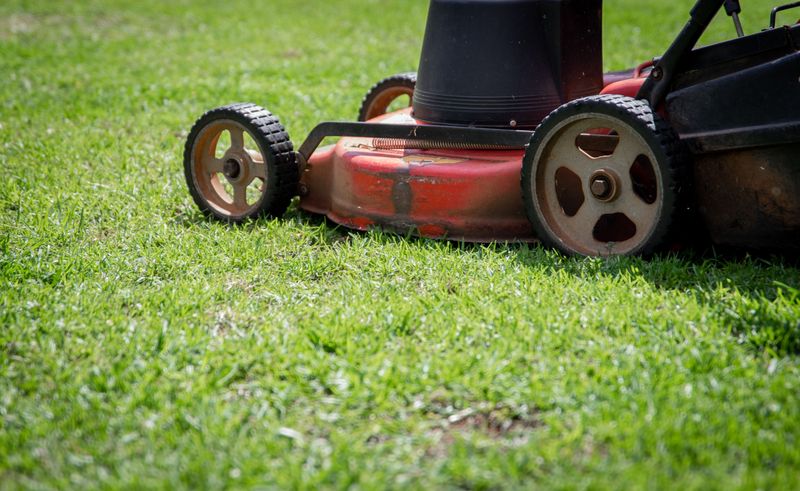
Scalping a brown lawn might make it look tidy for a week, but the grass crowns pay for that neat appearance. Those crowns sit just above the soil, and they hold the growing points for next spring.
Once warm-season turf stops growing, there is very little reason to mow on a regular schedule.
The blades are not getting longer, so frequent passes mostly add wear without giving the lawn any benefit.
Cutting extra low exposes the crowns to cold air and drying winds during frosty nights. That leftover layer of tan leaves acts like a cozy quilt, trapping a little warmth close to the soil.
I like how a slightly shaggy winter lawn hides small bumps and looks softer in the low sun. It also traps fallen leaves less tightly than you might expect, which makes cleanup easier with a blower.
If you need to mow for leaf shredding, raise the deck to its highest setting first. That way you chop the leaves into small pieces while leaving the grass blades mostly untouched below.
Save the low cut for spring, when some turf pros recommend a light scalp on bermuda to speed green-up. Zoysia and centipede usually prefer gentler treatment, so check your grass type before lowering anything.
A freshly sharpened blade makes a big difference whenever you do mow this season. Dull blades tear the tips, and ragged ends take longer to recover once warm weather finally returns.
4. Park The Core Aerator Until Late Spring Warmth Returns
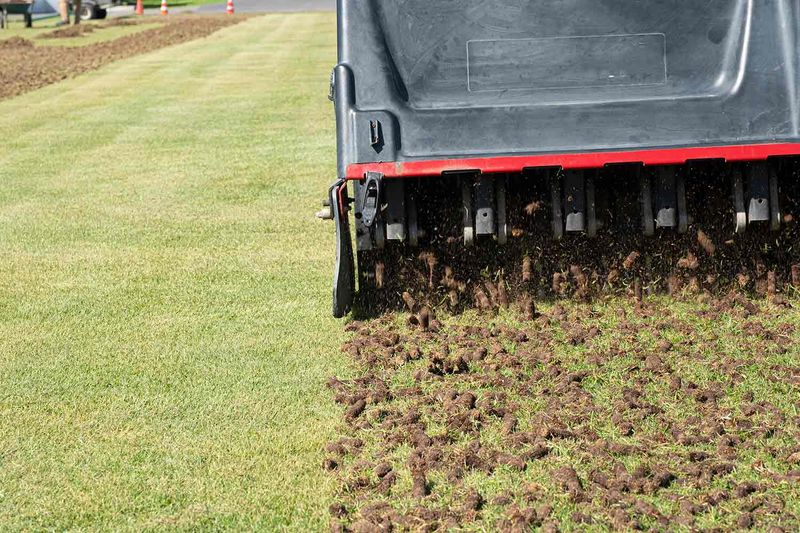
Core aeration pulls out little plugs of soil that look like crumbly cigars scattered across the grass. Those holes are wonderful in early summer, but they sit open and empty on a sleeping lawn.
Warm-season grasses heal aeration holes by spreading new roots and runners into the gaps. Bermuda and zoysia can only do that quickly when the soil is warm and the plant is growing actively.
Punching holes in November leaves the soil exposed for months before any recovery begins. Those open spots can dry out in winter winds, and weed seeds may find them first.
University of Georgia turf guidance points to late spring through midsummer as the best window for these grasses. By then the lawn has fully greened, and it can fill the holes within a few weeks.
What surprises me most is how many rental shops push aeration in fall without asking about grass type.
Fall timing works for tall fescue in north Georgia, but warm-season lawns follow a different calendar.
If you have compacted spots now, mark them with small flags or note them on your phone. That way you will remember exactly where to focus when the aerator comes out next June.
Meanwhile, keep heavy equipment and vehicles off the lawn to avoid squeezing the soil even tighter. A little planning this month makes next summer’s aeration far more useful for your turf.
5. Think Twice Before Scattering Ryegrass Seed This Late
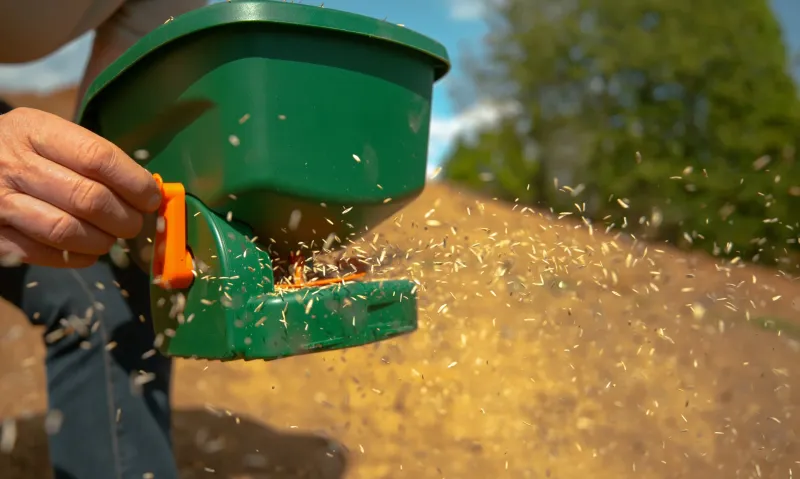
Bright green ryegrass in the middle of winter looks gorgeous, and I understand the temptation completely when neighbors show it off. Still, that emerald color comes with some strings attached for your permanent lawn.
Timing matters a lot with overseeding, because ryegrass needs warm enough soil to sprout and settle in.
Many Georgia sources point to late September through October as the sweet spot for most areas.
Seed tossed out in late November may sprout slowly and grow thin before cold nights arrive. You could spend good money on seed and end up with patchy green streaks instead of a full carpet.
Ryegrass also competes with bermuda for sunlight, water, and nutrients when spring warmth returns. That competition can slow your warm-season grass as it tries to wake up and spread again.
Centipede and St. Augustine lawns are usually poor candidates for overseeding, according to turf specialists. Their slower spring recovery makes them more likely to struggle when ryegrass hangs around too long.
Personally, I would rather enjoy the golden winter color and let my lawn rest without a roommate. A tan lawn has its own quiet charm, especially with frost sparkling on it at sunrise.
If you still want green this year, talk with your county Extension office about seeding rates. They can also explain how to transition back to bermuda smoothly once the spring heat finally arrives.
6. Hold Off On Glyphosate Spray Over Centipede And St Augustine
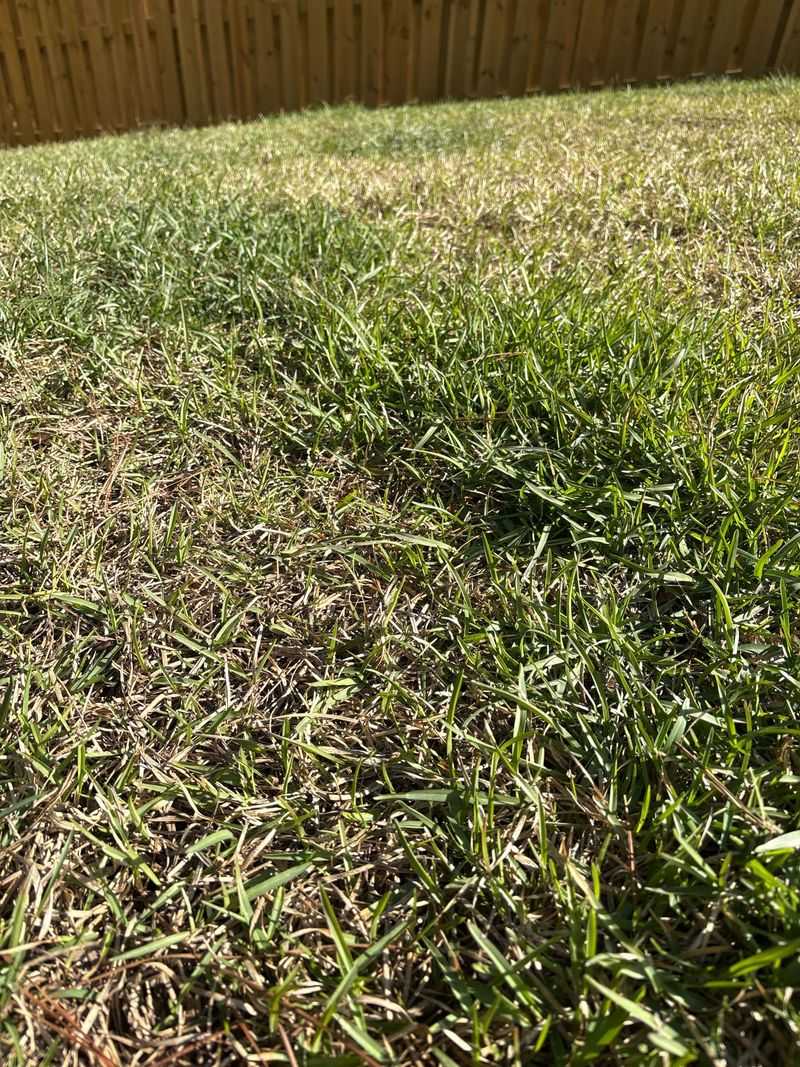
Brown grass can hide a little secret right at the soil line, where small green shoots often linger. Get down on your knees and part the blades, and you might spot surprising specks of color.
Those green bits matter a lot if you are planning to spray a non-selective weed product.
Glyphosate moves through any green tissue it touches, so a hidden living shoot can carry it inside the plant.
Centipede, St. Augustine, and zoysia often fail to go fully dormant in milder parts of the state. That partial green makes them poor candidates for non-selective sprays, even when the lawn looks tan from a distance.
Fully dormant bermuda is a different case, and some turf experts do allow careful winter use there. Even then, label directions and a close look at the base of the plants should guide every decision.
I believe the safer path for most homeowners is a selective product made for their specific grass type. Spot treating individual weeds with a small sprayer keeps chemicals away from the healthy turf around them.
Pulling winter weeds by hand after a good rain is surprisingly satisfying on a mild afternoon. Henbit and chickweed slide out easily from damp soil, roots and all, with a gentle tug.
Planning ahead helps too, since pre-emergent products for winter weeds work best when applied in early fall. Mark your calendar now, and next September you will be ready before those weeds sprout.
7. Stay Off Frosty Grass Blades On Chilly Mornings
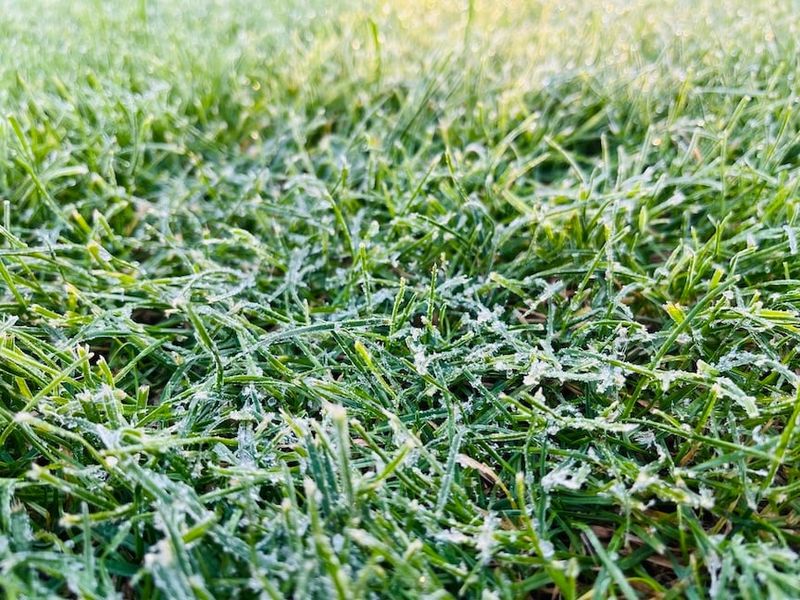
Frost on a tan lawn looks like powdered sugar sprinkled over toast, and it crunches wonderfully under your boots. Sadly, that satisfying crunch is often the sound of tiny ice crystals breaking grass cells.
When grass blades freeze, the water inside them turns stiff and brittle.
Stepping on them can rupture the tissue, leaving dark footprints that sometimes show up days later across the yard.
Dormant turf does recover better than actively growing grass, but repeated traffic still adds stress. Paths where kids or dogs run every frosty morning may green up later than the rest of the lawn.
Heavy objects create a different kind of trouble during the colder months. Trampolines, parked trailers, and stacks of firewood can press the soil down and shade the grass for weeks.
You need to move those items around now and then, or set them on a gravel pad instead. Even a few extra hours of sunlight on that spot helps the turf hold up through winter.
I like waiting until the sun melts the frost before heading out to grab the mail. Usually that only takes an hour or so, and the coffee tastes better while I wait anyway.
Stepping stones along your favorite shortcut make a simple, attractive fix for daily traffic. Your lawn gets a break, and your shoes stay a lot drier on dewy mornings too.
8. Rake Away Thick Oak Leaf Piles From The Sleeping Lawn
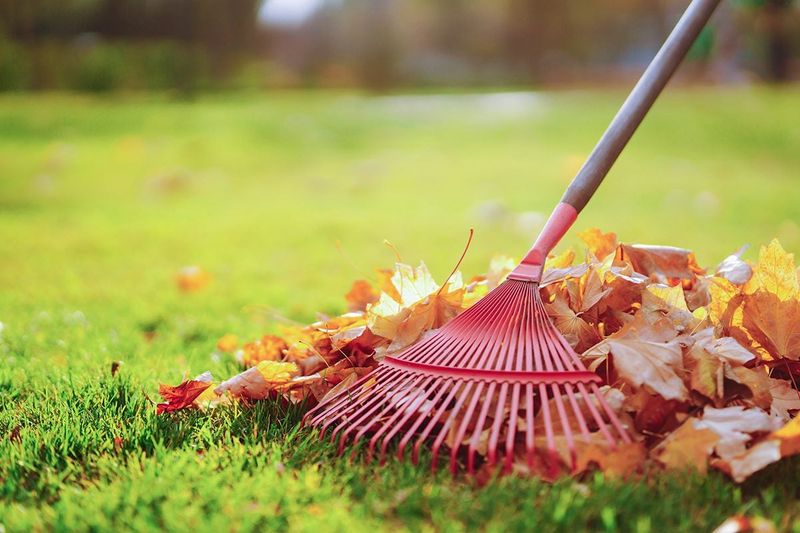
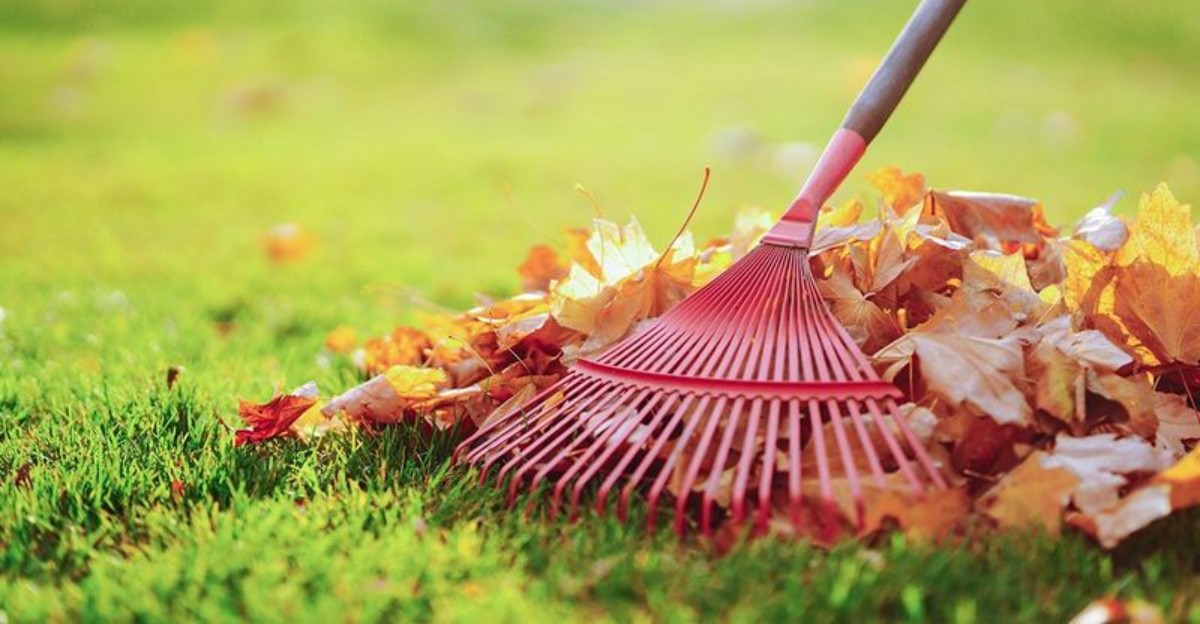
Oaks across the Southeast drop an astonishing pile of leaves, and they seem to fall faster than anyone can rake. Those crunchy layers look charming at first, but they can smother the turf beneath.
A thick mat of wet leaves blocks sunlight and holds moisture against the grass for weeks.
That damp, dark space is exactly where fungal problems like large patch can settle in during the fall.
Matted leaves also hide the soil from the winter sun that dormant grass still appreciates. Bare, thin spots often show up in spring right where the biggest piles sat all season long.
You do not have to bag every single leaf to keep your lawn happy this month. A mower with a mulching blade can shred light layers into small bits that break down naturally.
I love how shredded leaves disappear into the turf within a few weeks and feed the soil slowly. Heavier piles are better raked up and added to a compost bin or used around shrubs.
Personally, I try to clear the lawn every week or two while the trees are still dropping. Small, frequent cleanups feel far easier than one exhausting weekend with a mountain of soggy leaves.
Your flower beds will happily take those extra leaves as a cozy mulch for winter. Spread them a few inches deep, and you will notice earthworms busy underneath when spring arrives.