What Georgia Gardeners Should Do With Hydrangeas Right Now So They Bloom All Summer
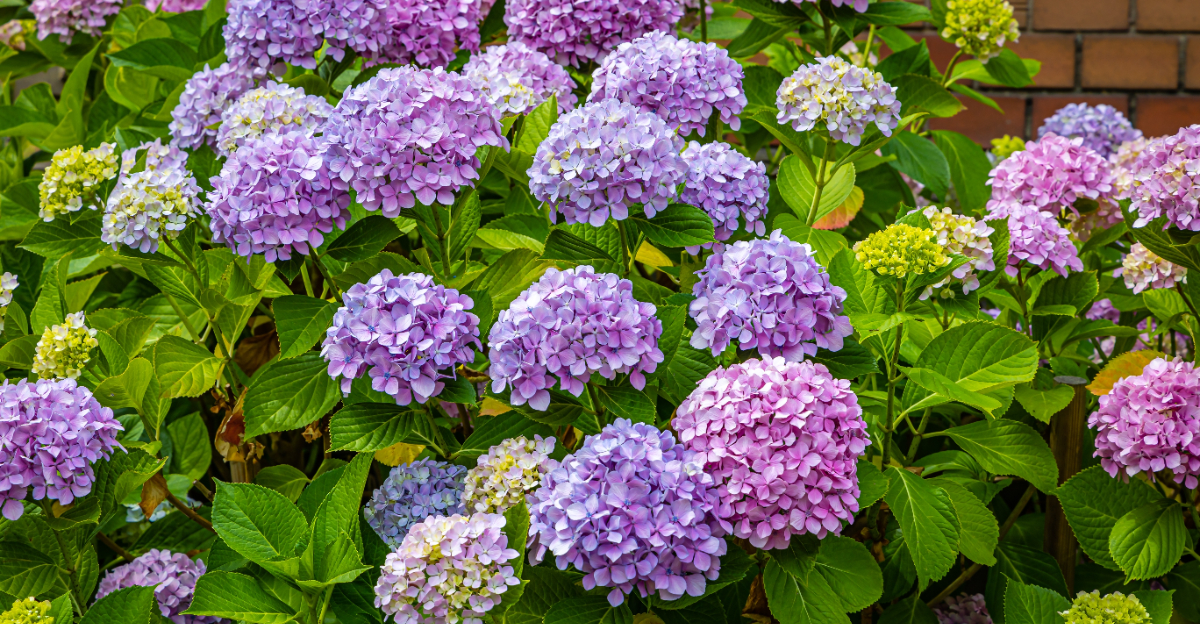
Hydrangeas have a way of becoming the center of attention once summer arrives. Large blooms, rich color, and full plants can completely change the look of a yard during the warmest months of the year.
Right now is an important moment for setting that display up for success.
What happens during early summer often influences how many flowers appear, how long they last, and how well plants hold up as temperatures continue rising.
Georgia gardens bring plenty of heat, humidity, and fast growth this time of year. Hydrangeas respond quickly to small changes in care, which is why timing matters more than many people realize.
A few simple steps taken now can help plants stay strong and focused on blooming through the months ahead. By the peak of summer, the results are usually easy to spot.
1. Protect Existing Flower Buds From Unnecessary Pruning
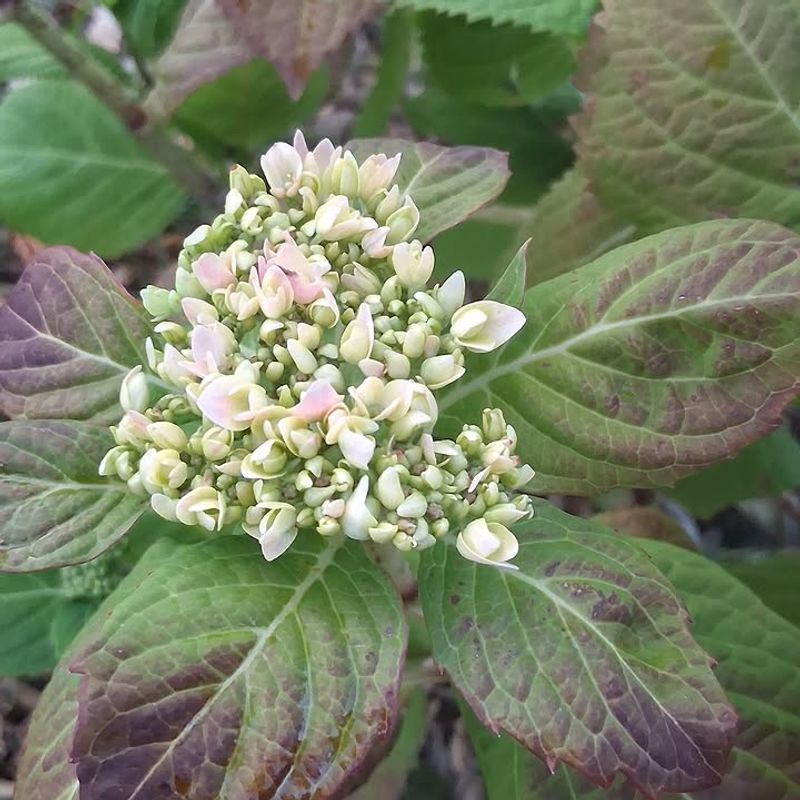
Wrong pruning at the wrong time is one of the fastest ways to lose an entire season of blooms. Bigleaf hydrangeas, which are extremely common in Georgia gardens, set their flower buds on old wood from the previous year.
Cut those stems back now, and you are cutting off every bloom you were waiting for.
Panicle and smooth hydrangeas bloom on new wood, so they handle late pruning better. But even with those types, aggressive cutting right before active growth kicks in can slow everything down.
Know your variety before you reach for the shears.
Right now, the safest move is to leave stems alone unless something is clearly damaged or broken. Check each stem carefully.
If you scratch the bark gently and see green underneath, that stem is alive and worth keeping.
Old, dried stems are easy to spot once leaves begin pushing out. Remove only the ones that show no signs of life at all.
Everything else stays.
Unnecessary pruning is a habit that catches a lot of gardeners off guard in spring. It feels productive, but it often does more harm than good at this stage.
Hold off, be patient, and let the plant show you what it needs first.
2. Soak The Root Zone During Dry Weather
Hydrangeas are dramatic about water. When they are thirsty, they let you know fast, with leaves that droop and wilt even on a mild morning.
In the South, dry spells can sneak up quickly between spring rains, and shallow watering never cuts it.
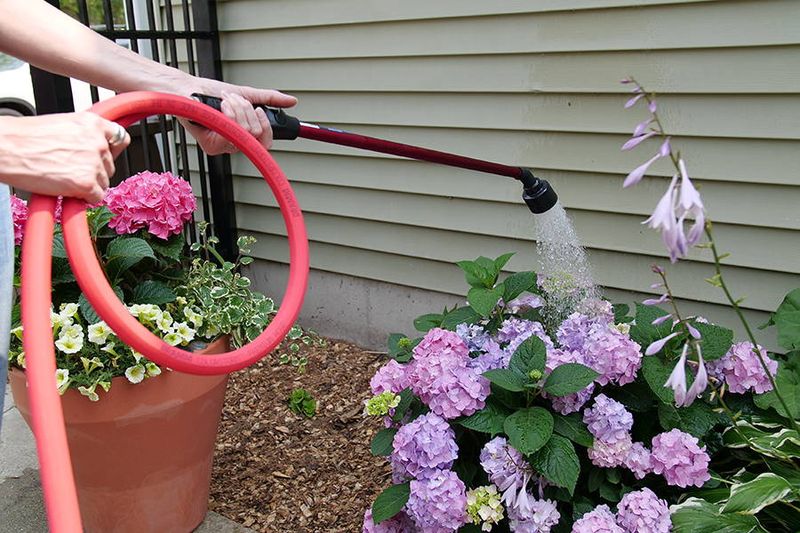
Deep soaking is the approach that actually works. Water slowly and directly at the base of the plant, not over the leaves.
Let water soak six to eight inches down into the soil where the roots are actively growing.
Frequent light watering trains roots to stay near the surface. That makes plants much more vulnerable when summer heat arrives.
One thorough soak every few days does far more good than a quick sprinkle every morning.
Early morning is the best time to water. Moisture at the roots stays available longer before afternoon heat pulls it out of the soil.
Evening watering can leave foliage damp overnight, which invites fungal problems.
Your Georgia Garden Changes Every Week. Your Plan Should Too.
Gardening in Georgia changes quickly throughout the season. Every Friday you’ll receive a simple weekly plan showing exactly what to plant, prune, fertilize, harvest, and protect so you never miss the right timing.
Sandy soils, which are common in many parts of the region, drain quickly and may need more frequent deep watering than clay-heavy soils. Check soil moisture a few inches down before watering again.
If it still feels damp, wait another day.
3. Refresh Mulch Before Hot Weather Sets In
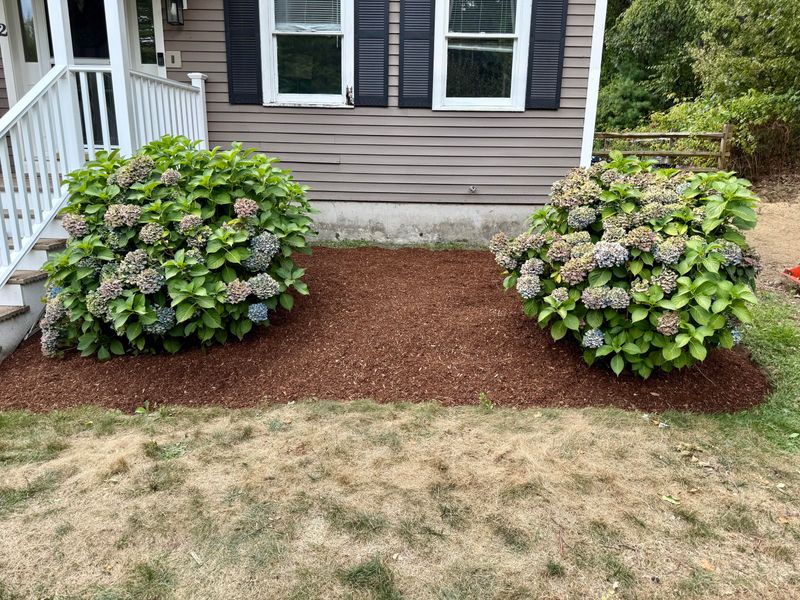
Bare soil around a hydrangea is a problem waiting to happen. Without mulch, the ground heats up fast, moisture evaporates quickly, and roots get stressed before summer even peaks.
Adding a fresh layer of mulch right now gives your plant a serious advantage going into the hottest months.
Shredded hardwood bark, pine straw, or wood chips all work well. Aim for a two to three inch layer spread evenly around the plant.
Keep mulch a few inches away from the main stem to avoid rot at the base.
Old mulch breaks down over time and loses its insulating ability. Raking it back and adding fresh material on top refreshes that protective layer without removing the organic matter already breaking down into the soil below.
Mulch does several things at once. It holds moisture in the soil, keeps root temperatures lower on scorching afternoons, and slows weed growth around the base of the plant.
Weeds compete for water and nutrients, so fewer weeds means more resources going directly to your hydrangea.
Pine straw is widely available across the region and works especially well. It breaks down slowly, stays in place during heavy rain, and does not compact into a hard crust the way some other mulches can.
4. Improve Drainage After Heavy Summer Rain
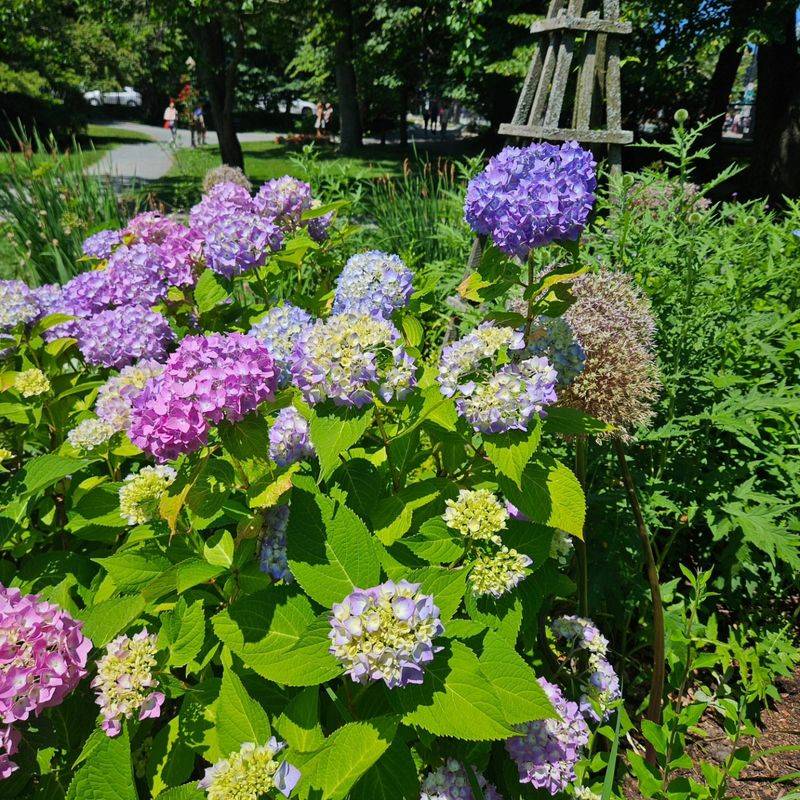
Standing water after a rainstorm is a red flag. Hydrangeas need consistent moisture, but sitting in waterlogged soil for hours is a different problem entirely.
Roots that stay wet too long start to break down, and the plant above ground begins to look sick fast.
Check your planting area after the next heavy rain. If water is still pooling around the base of your hydrangea an hour later, drainage needs attention.
That issue will only get worse as summer storms roll through.
One practical fix is working compost into the surrounding soil. Compost improves both drainage in clay-heavy soil and water retention in sandy soil.
It is one of the few amendments that helps in both directions depending on what your soil needs.
Raised planting beds are another solid option. Even raising the planting area by four to six inches improves drainage significantly.
Slope the bed slightly away from the plant so water moves outward rather than pooling at the crown.
In spots where drainage problems are severe, a simple French drain or gravel trench installed nearby can redirect water away from the root zone. It is more work upfront but solves the problem long-term.
5. Avoid Fertilizer Until Soil Moisture Is Consistent
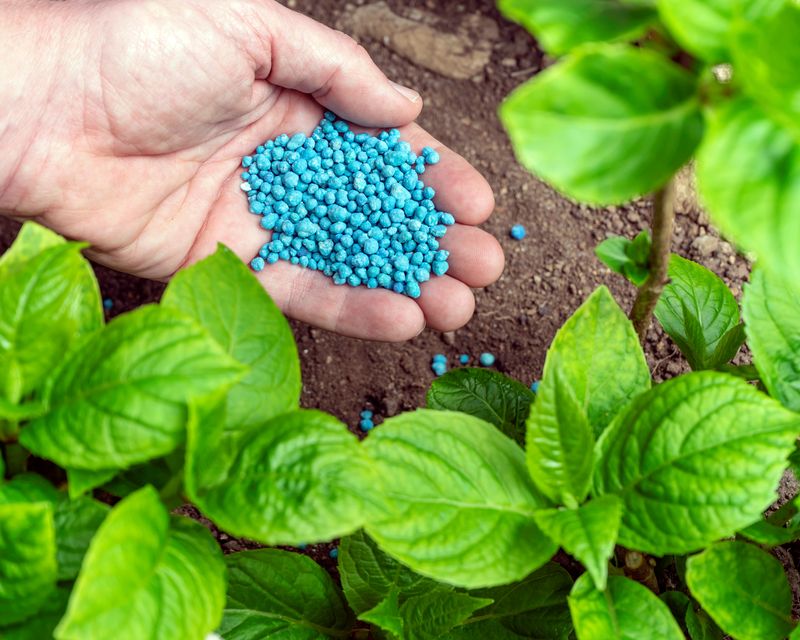
Fertilizer applied to dry or inconsistent soil can backfire quickly. Salt-based fertilizers pull moisture away from roots when the surrounding soil is already dry.
That causes leaf scorch and root stress at a time when your plant should be gaining strength.
Wait until your soil holds moisture consistently before feeding your hydrangeas. After a few days of regular watering or a stretch of steady spring rain, the soil is in a much better condition to absorb and distribute nutrients properly.
A balanced slow-release fertilizer works well for hydrangeas. Something in the 10-10-10 or 12-4-8 range applied once in late spring gives steady nutrition without pushing too much leafy growth at the expense of blooms.
Avoid high-nitrogen fertilizers if blooms are your main goal. Nitrogen drives leaf and stem growth.
Too much of it and you end up with a big, lush green plant that produces very few flowers. Balance matters more than quantity here.
Granular slow-release formulas are generally safer than liquid fertilizers during uncertain weather. They release nutrients gradually over weeks, which reduces the risk of over-feeding during a dry stretch or a sudden heat wave.
6. Reduce Afternoon Exposure During Extreme Heat
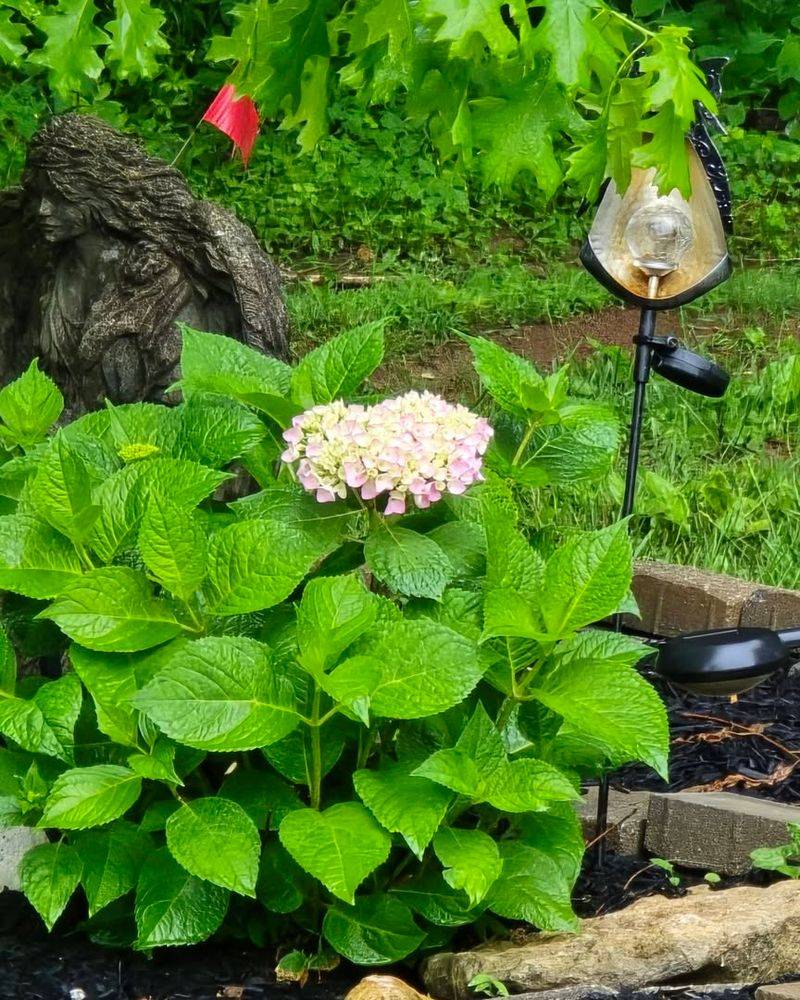
Afternoon sun in a Southern summer is brutal. Even hydrangeas that are well-watered and healthy can wilt badly when direct sun hits them during the hottest part of the day.
That stress builds up over weeks and eventually affects bloom production.
Ideally, hydrangeas thrive with morning sun and afternoon shade. If your plants are in a spot that gets full sun from noon onward, you have a few options to reduce that exposure without moving the entire plant.
Shade cloth is a practical short-term solution. A 30 to 40 percent shade cloth strung over the plant during peak heat months can reduce leaf temperature noticeably.
It is not pretty, but it works well during extreme heat stretches.
Planting taller shrubs or installing a simple garden screen on the west side of your hydrangeas creates natural afternoon shade. Ornamental grasses, tall native shrubs, or even a wood lattice panel can block that harsh late-day sun effectively.
Container-grown hydrangeas have the easiest solution of all. Move them to a shaded patio or under a tree canopy during heat waves.
Even a few hours less of direct afternoon sun makes a real difference in how the plant handles extreme temperatures.
7. Monitor Foliage For Early Signs Of Stress
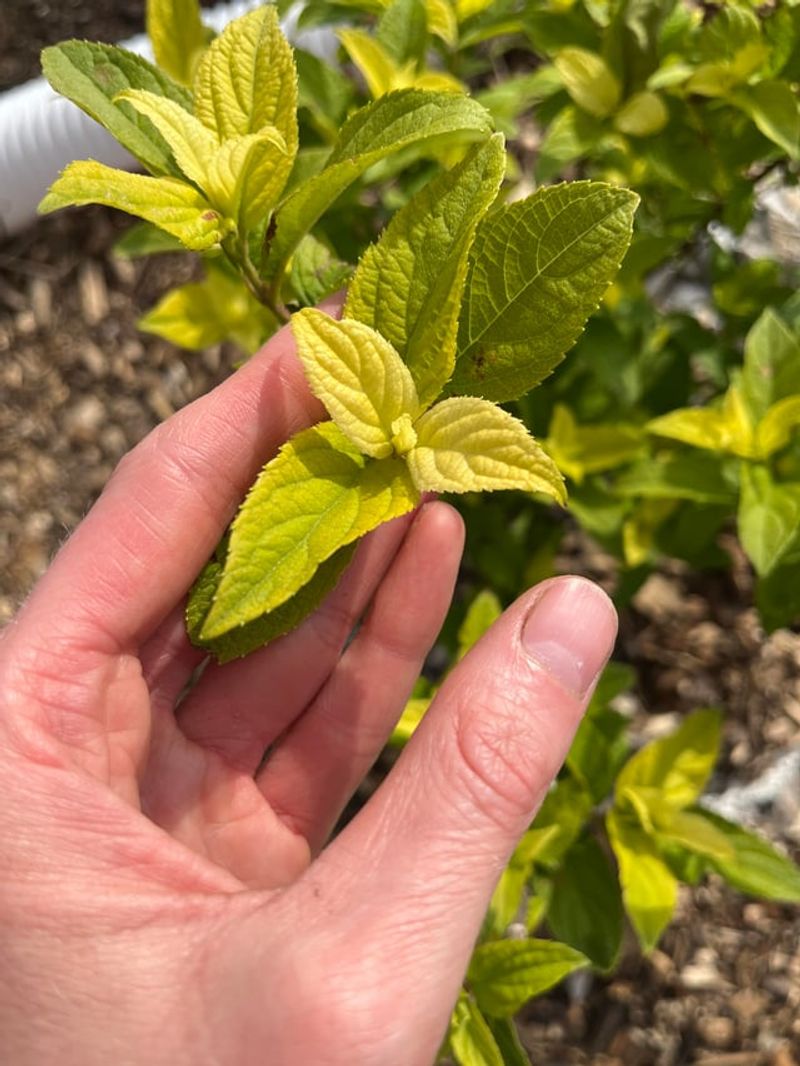
Leaves tell the whole story before any other part of the plant does. Yellowing between leaf veins, brown edges, small dark spots, or sudden wilting on an otherwise healthy plant are all signals worth paying attention to right away.
Yellowing between veins often points to an iron or manganese deficiency, which can happen when soil pH is off. Hydrangeas prefer slightly acidic soil.
When pH climbs too high, nutrients get locked out even if they are present in the soil.
Brown leaf edges usually mean one of two things: too much sun or inconsistent watering. Check your watering schedule first.
If moisture has been steady, afternoon sun exposure is likely the issue worth addressing next.
Dark spots with yellow halos can indicate a fungal issue like cercospora leaf spot, which is fairly common in warm, humid climates. Remove affected leaves promptly and avoid overhead watering.
Good air circulation around the plant helps prevent it from spreading.
Wilting that recovers overnight but returns each afternoon is usually heat stress rather than disease. It is uncomfortable for the plant but not immediately dangerous.
Improving shade and deepening your watering routine usually resolves it within a week.