8 Winter-Blooming Arizona Plants That Keep Hummingbirds Visiting Your Patio Until Spring
Most people think hummingbirds leave Arizona when the weather cools, but many of them stick around all winter. Anna’s and Costa’s hummingbirds stay in Phoenix and Tucson yards, hunting for nectar when few flowers are open.
If your patio has the right desert-tough plants, you can become their favorite winter stop. Here are eight easy, water-wise bloomers that can keep the buzz going from December until spring.
1. Tree Aloe (Aloe arborescens)
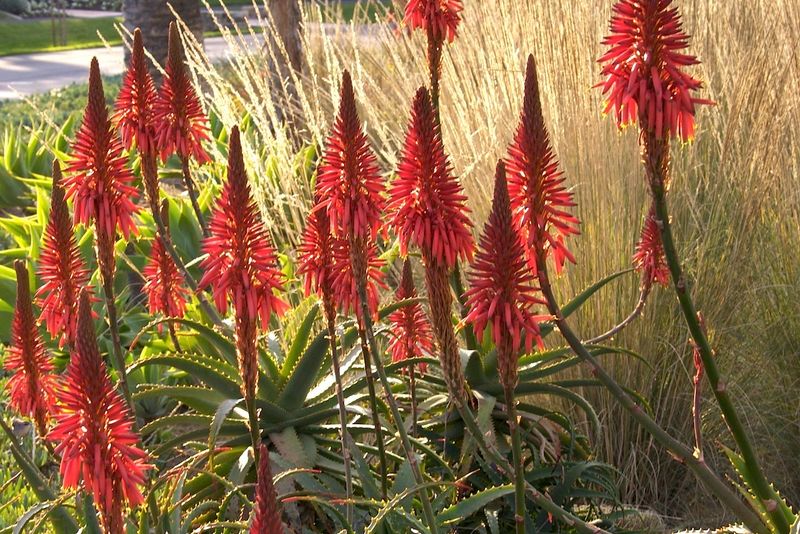
Picture a gray January morning, and suddenly a flash of red-orange torches lights up the corner of your yard. Tree aloe puts on its biggest show from December through February, right when nectar is hardest for hummingbirds to find.
Anna’s hummingbirds often claim a clump as their own and guard it fiercely.
The plant forms wide mounds of spiky green rosettes that can reach several feet tall over time. It loves full sun but also handles light afternoon shade, which makes it a smart choice near a west-facing patio.
Fast-draining soil is a must, so mix in some gravel if you have heavy caliche.
Water needs stay low once roots settle in. A deep soak every two to four weeks in summer usually keeps it happy, and winter rain often covers the rest.
Overwatering is the most common mistake, so let the soil dry out between drinks.
Plant it in fall, between October and November, to give roots a head start before its first bloom. During rare hard freezes below the high 20s, toss a frost cloth over the flower spikes overnight.
That small step protects the season’s nectar supply for your feathered visitors.
2. Chuparosa (Justicia californica)
The name says it all. Chuparosa roughly means hummingbird in Spanish, and this Sonoran Desert native has earned that title honestly.
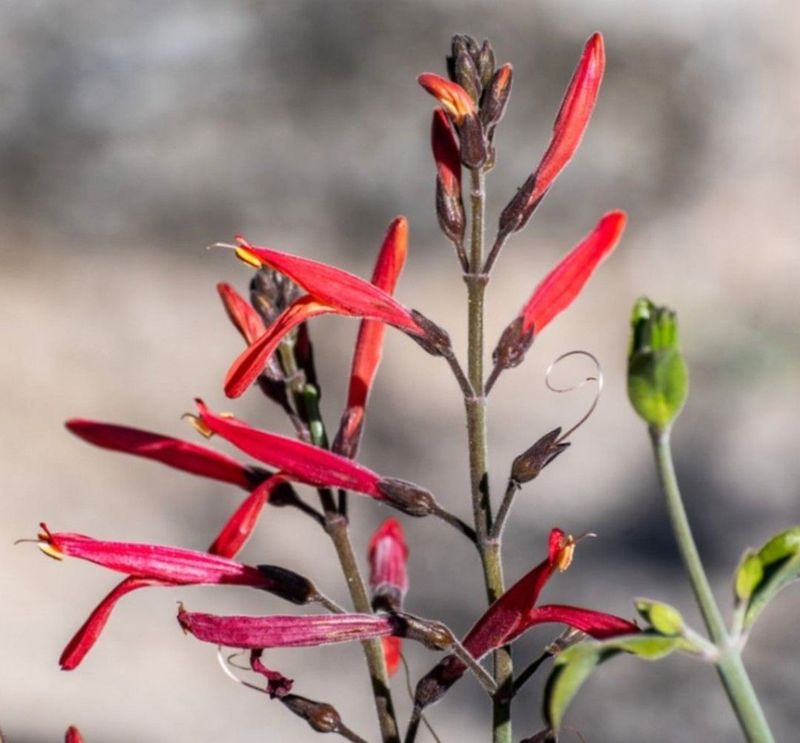
In late winter, its leafless-looking green stems become covered in bright red tubular flowers shaped just right for a hummingbird’s bill.
Because it grows wild in Arizona washes, chuparosa shrugs off heat that would wilt many garden shrubs. It handles full sun and even reflected heat from walls and pavement.
That makes it a natural fit for a hot patio edge or a pool area where other plants struggle.
Expect a rounded shrub about three to four feet tall and a bit wider. Once established, it gets by on very little water, often just a deep drink every few weeks during summer.
Many gardeners lightly trim it after spring bloom to keep it tidy and dense.
Here is a fun bonus. Verdins and orioles sometimes sip from the flowers too, and the open shrub offers small birds a place to perch.
Planting chuparosa in fall helps you build a yard that works like real desert habitat rather than just decoration, with blooms that may carry hummingbirds well into spring.
3. Firecracker Penstemon (Penstemon eatonii)
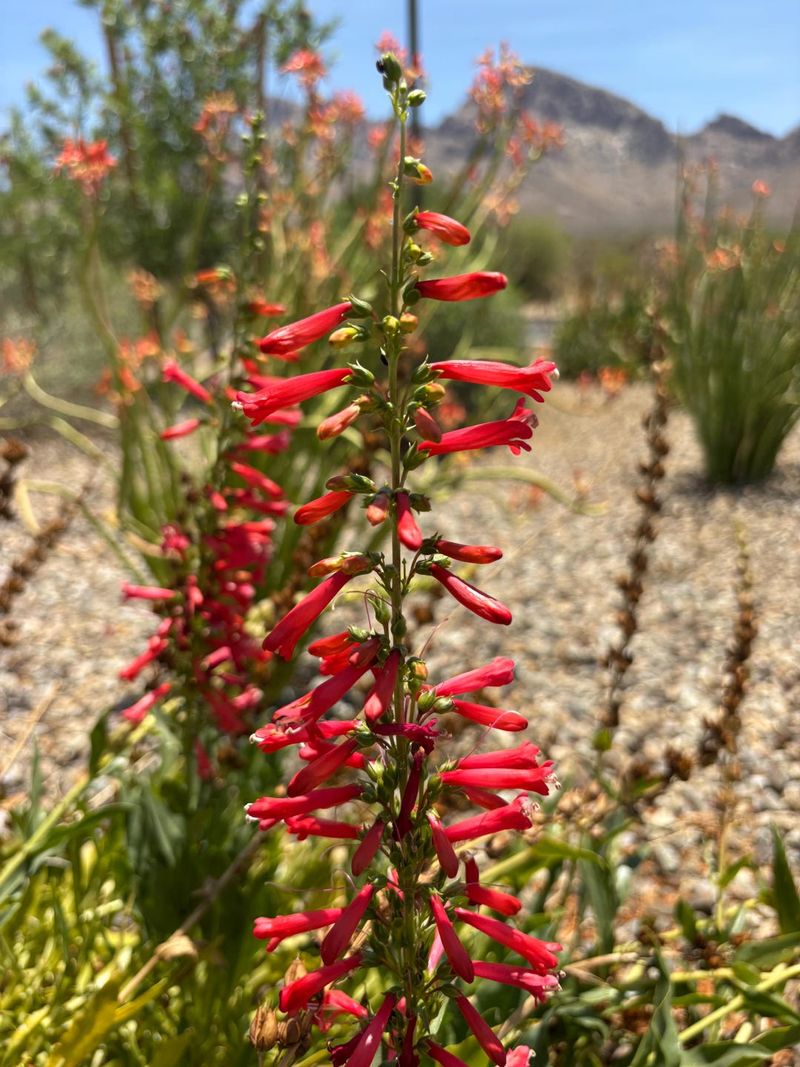
Some plants whisper. Firecracker penstemon practically shouts, sending up tall stalks lined with scarlet tubes that look like a row of tiny fireworks.
Hummingbirds spot that color from across the yard and zoom straight in.
Your Arizona Garden Changes Every Week. Your Plan Should Too.
Gardening in Arizona changes quickly throughout the season. Every Friday you’ll receive a simple weekly plan showing exactly what to plant, prune, fertilize, harvest, and protect so you never miss the right timing.
As a native perennial, it handles both summer heat and chilly desert nights without complaint. Blooms can start in late winter and stretch through spring, giving hummingbirds a reliable food source during their nesting season.
Anna’s hummingbirds often begin nesting as early as January, so those flowers arrive at just the right time.
Give it full sun and soil that drains well. Rich, soggy soil actually shortens its life, so skip the compost and let it grow in plain desert ground.
Water every week or two while young, then cut back once roots take hold.
Penstemons can be short-lived, often lasting a few years. The good news is they reseed easily if you leave spent flower stalks standing until the seeds drop.
Scatter a few plants among boulders or along a walkway for a natural look. Fall planting gives the best results, letting the rosettes settle in before spring stalks rise.
4. Mexican Honeysuckle (Justicia spicigera)
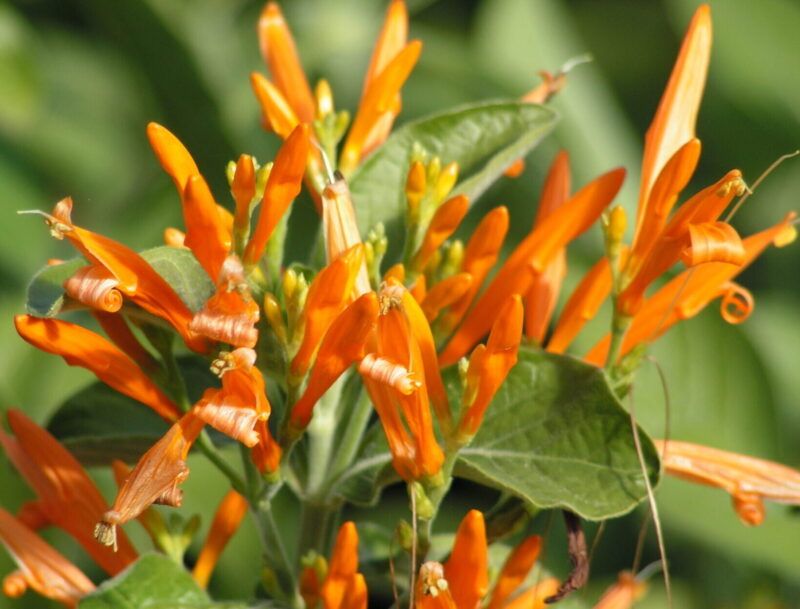
Got a shady spot under a mesquite or along the north side of the house? Mexican honeysuckle was practically made for it.
While many desert bloomers demand blazing sun, this lush shrub prefers light, filtered shade.
Its bright orange tubular flowers can pop up almost any month of the year. The heaviest flush comes in spring, but scattered blooms through winter keep hummingbirds checking back often.
Many Arizona gardeners call it one of the most dependable hummingbird magnets around.
The soft green leaves give a cool, tropical look that feels refreshing on a patio. It typically grows three to four feet tall and wide.
Water needs are moderate, so plan on a deep soak about once a week in summer and less in cooler months.
Frost can nip the tips during a cold snap, especially in open areas. Tucking it under a tree canopy or near a wall usually helps, and it bounces back quickly in spring if any damage occurs.
Trim back frosted stems in late February once the danger has passed. Pair it with shade-loving desert plants to create a cozy nook where you can sip coffee and watch the show.
5. Valentine Red Emu Bush (Eremophila maculata ‘Valentine’)
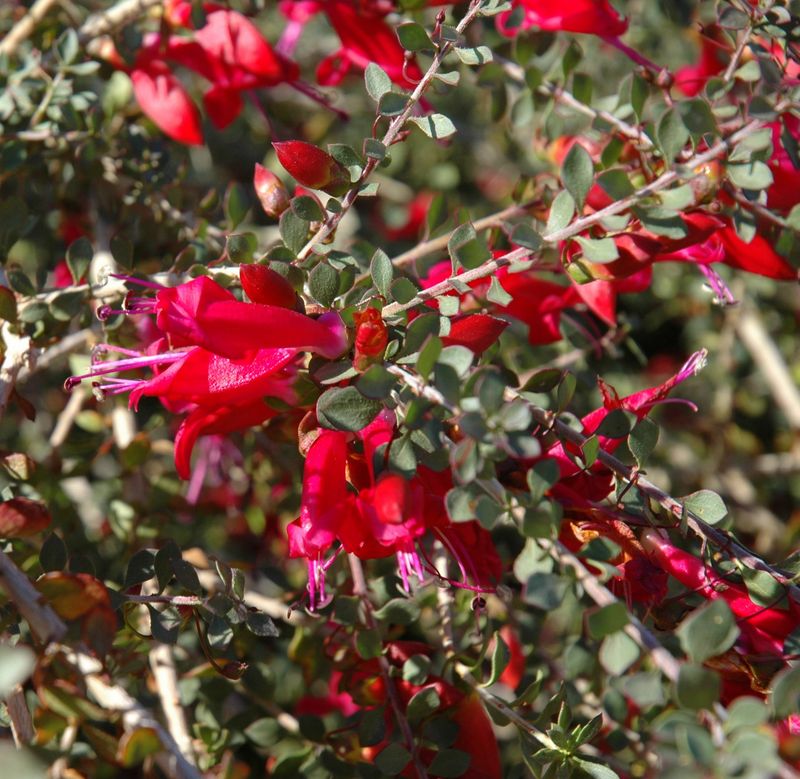
Right around Valentine’s Day, this shrub lives up to its name in a big way. Masses of hot-pink to red tubular flowers cover the branches in late winter, turning an ordinary yard into a hummingbird buffet.
Timing like that is hard to beat.
Originally from Australia, emu bush has proven itself tough in the low desert. It handles full sun, reflected heat, and the alkaline soils common across Phoenix and Tucson.
Low to moderate water keeps it looking full, usually a deep soak every two to three weeks in summer once established.
The plant forms a neat, rounded mound around three to four feet tall. Its small evergreen leaves stay attractive all year, so it never looks bare after blooming ends.
Light shaping after flowers fade keeps it compact and encourages more blooms next season.
Well-drained soil is the main thing to get right. Avoid low spots where water collects after monsoon storms, since soggy roots cause trouble.
Plant several together along a sunny wall or driveway for a bold splash of color. You may notice hummingbirds staking out the area and chasing rivals away all winter long.
6. Winter Blaze Emu Bush (Eremophila glabra ‘Winter Blaze’)
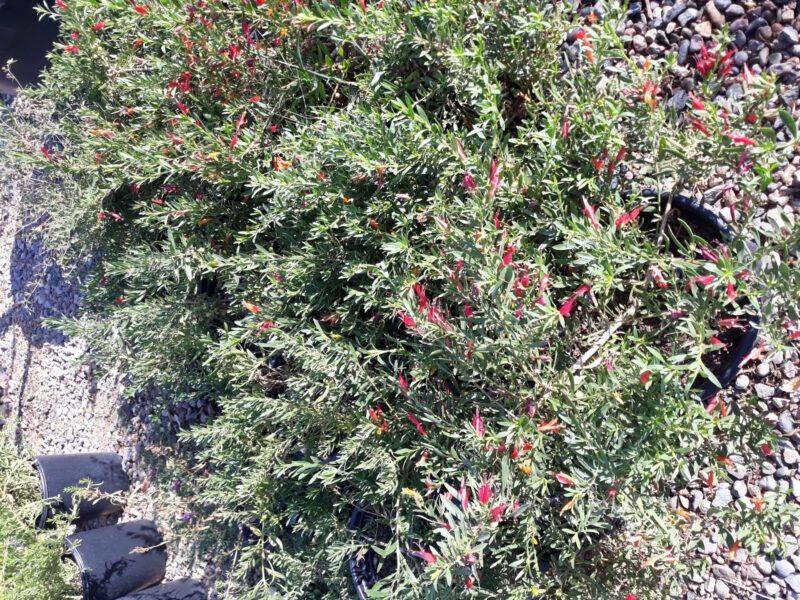
Want a plant that rarely takes a break? Winter Blaze emu bush offers red tubular blooms for most of the year, with a strong showing during the cool months.
For hummingbirds, that means a dependable snack bar they can count on.
Its gray-green leaves have a soft, almost silvery look that contrasts nicely with the red flowers. The shrub stays fairly compact, usually around three feet tall and a bit wider.
That size fits well in patio planters, narrow side yards, or the hot strip next to a block wall.
Full sun brings the most flowers, though it also tolerates partial shade. Reflected heat from pavement or stucco does not faze it much.
Low to moderate water does the trick, so you can keep your bill down while still feeding wildlife.
Think of it as the steady neighbor of the emu bush family. Where Valentine bursts in late winter, Winter Blaze keeps a gentler stream of blooms going for months.
Growing both gives hummingbirds overlapping food sources. Plant in fall, mulch with gravel instead of bark, and let it do its thing with minimal fuss.
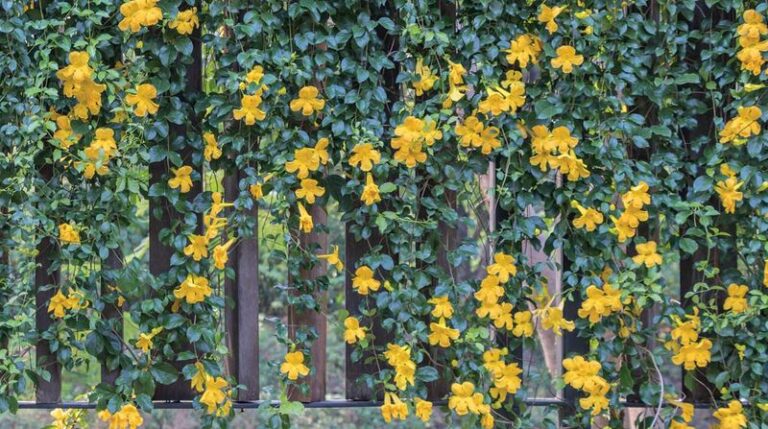
7. Arizona Yellow Bells (Tecoma stans)
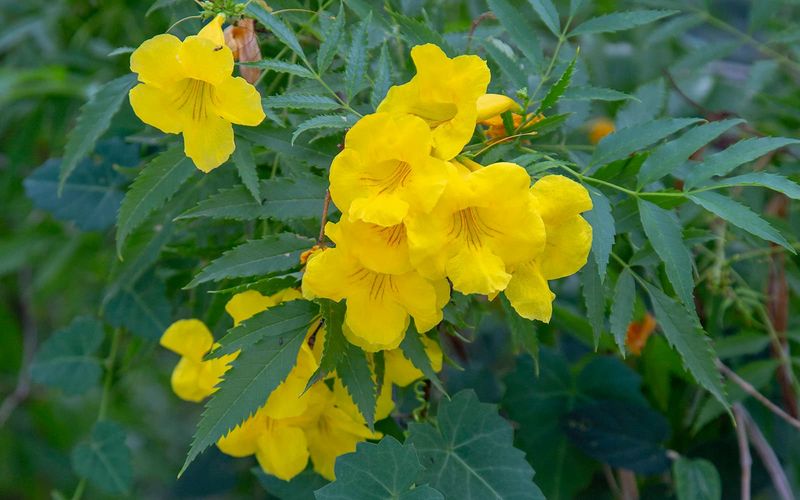
Golden trumpets in December? It happens more often than you might expect with Arizona yellow bells.
This native shrub produces clusters of sunny flowers from mid-spring all the way into early winter, often until the first real frost arrives.
Those late blooms matter. As fall turns to winter, hummingbirds rely on whatever nectar remains, and yellow bells can bridge that gap nicely.
Bees and butterflies also visit during warmer days, adding extra life to your yard.
Few shrubs handle Arizona summers as well. Yellow bells thrives in full sun and blazing reflected heat, making it great for south and west exposures.
Once established, a deep watering every week or two in summer keeps it blooming strong.
Stems may suffer frost damage when temperatures drop below about 22 degrees. Don’t panic if that happens.
The roots are cold-hardy, and the plant regrows quickly once spring warms up. Wait until late February or March to prune frost-burned branches, since they help shield the inner growth.
Pair yellow bells with later bloomers like chuparosa and emu bush, and your hummingbirds will have something to sip from fall right through spring.
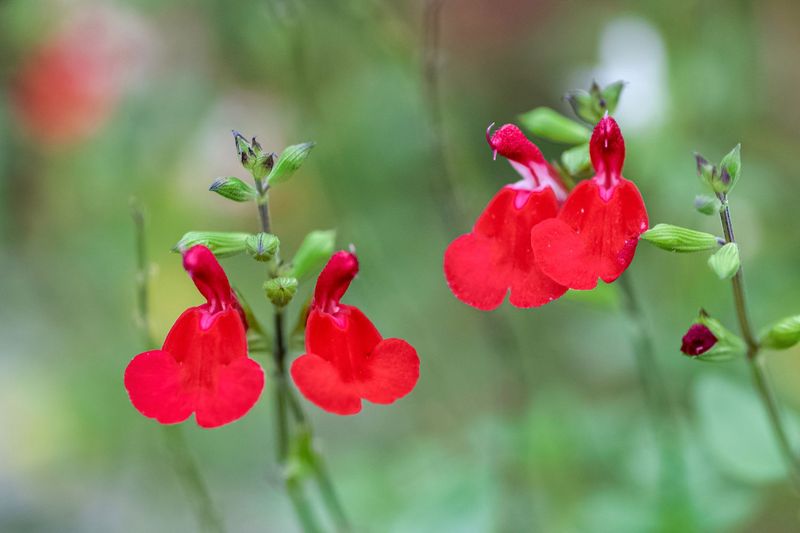
8. Autumn Sage (Salvia greggii)
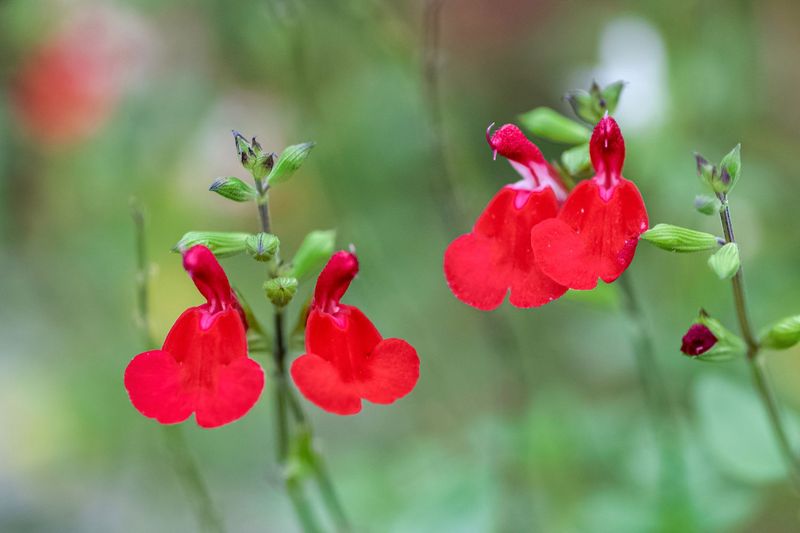
Don’t let the name fool you. Autumn sage can flower in fall, winter, and spring, and in mild Tucson and Phoenix winters, it often keeps a few blossoms going all season.
Hummingbirds treat salvias like favorite restaurants and visit them year-round.
Small but plentiful flowers come in red, pink, coral, purple, and white. Red varieties tend to draw the most hummingbird attention, so pick those if attracting birds is your main goal.
The fragrant leaves give off a pleasant scent when you brush past them.
Plants stay small, usually two to three feet tall and wide, which makes them easy to tuck into patio borders or containers. Full sun to partial shade works well, and some afternoon shade helps in the hottest spots.
Once rooted, a deep soak every one to two weeks in summer is usually enough.
A light trim in late winter keeps the shrub from getting woody and leggy. Cut back about a third after the coldest weather passes.
Plant a cluster of three or more for a bigger visual target. Combined with the other plants on this list, autumn sage helps turn your patio into a winter hummingbird hangout.