8 Yard Smells That Bring Rattlesnakes Closer to Arizona Homes Without You Noticing
A rattlesnake can taste the air with its forked tongue and read invisible chemical trails left by passing mice. That flicking motion delivers scent particles straight to a special organ in the roof of its mouth.
I find it a little unsettling that our tidy yards can broadcast dinner invitations we cannot even smell ourselves. Most of those signals come from small animals the snakes hunt, not from anything snakes eat directly.
October feels like a calm month here in Arizona, yet many rattlesnakes stay active through mild fall days. You might notice more lizards, rodents, and birds around your patio as the desert heat finally starts to ease.
Personally, I would rather fix a few hidden odors now than meet a surprise visitor beside the garage. So which everyday yard scents are quietly whispering to the snakes living around Arizona homes like yours?
1. Rodent Droppings And Urine Trails
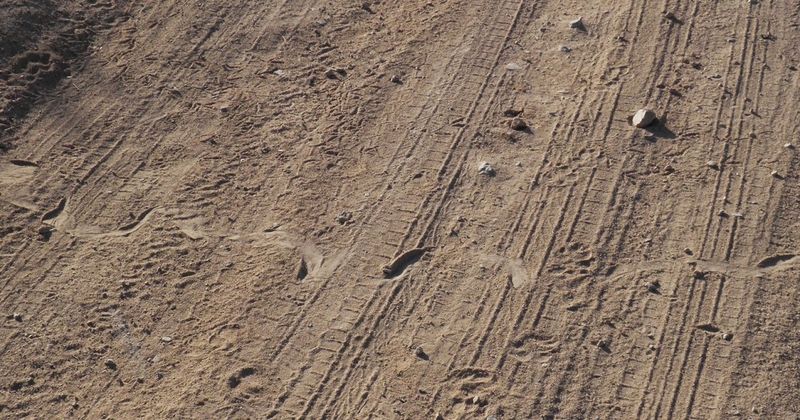
Mice and pack rats leave tiny scent highways across your yard every single night, and rattlesnakes follow them. Rodent urine, droppings, and musk linger on soil and walls long after the animals have scurried away.
Rodents rank among the main foods for many rattlesnakes in Arizona, so their trails act like a restaurant sign. Snakes often coil beside those paths and wait patiently for the next furry traveler to pass close by.
I check under storage sheds and woodpiles every fall because pack rats love building messy stick nests there. Removing those nests and sealing gaps under structures cuts down rodent traffic and the scent trails that come with it.
You can also trim shrubs up off the ground so rodents lose their safe, shady hiding spots near the house. Snap traps placed inside covered boxes work well and avoid poisons that can harm owls, hawks, and pets.
October is a smart month for this cleanup because rodents start gathering food and shelter before cooler nights arrive. A tidier yard now means fewer hungry visitors slithering through later in the season.
2. Fallen Fruit Rotting Under Citrus Trees
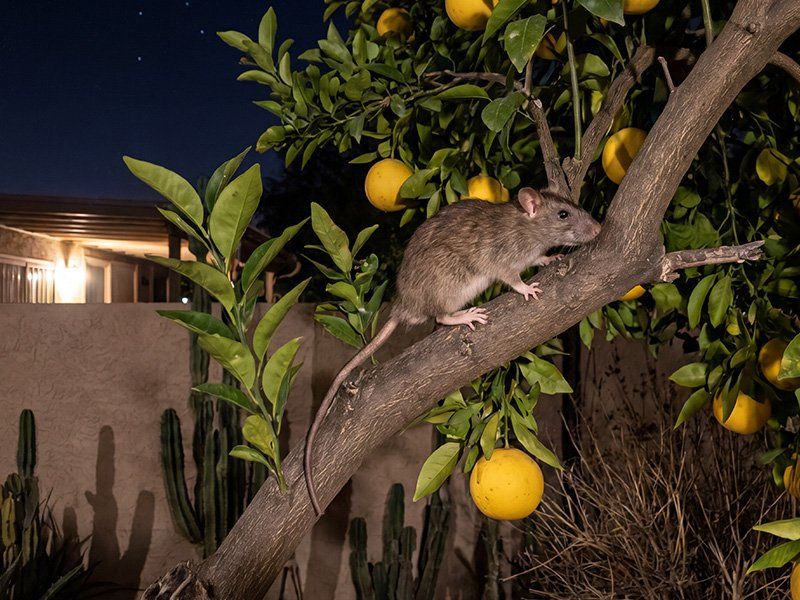
Sweet, yeasty fruit rotting on the ground smells wonderful to rats, even though snakes never take a single bite. Rattlesnakes skip the fruit but happily hunt the rodents, birds, and insects that crowd in for a free meal.
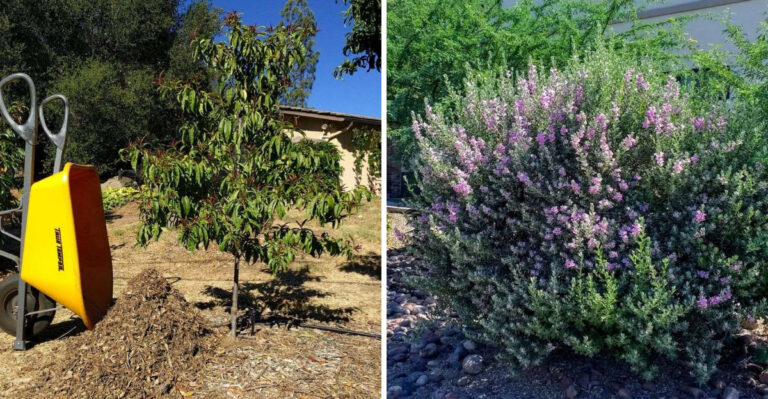
Citrus, figs, and pomegranates are popular backyard trees in Arizona, and many drop fruit faster than families can pick. Roof rats are especially fond of citrus and will climb trees to nibble oranges right off the branches.
I have to admit my grapefruit tree once fed half the neighborhood critters before I caught on to the problem. Now I gather dropped fruit every few days and keep the ground beneath the canopy mostly clear.
Picking ripe fruit promptly helps a lot, and sharing extras with friends beats watching them soften on the gravel. Composting works too, as long as the bin has a tight lid that keeps rodents from moving inside.
Pomegranates and figs often finish ripening in early fall, so October cleanup matters more than you might expect. Pruning low branches also gives you a clearer view of anything resting in the shade underneath.
3. Pet Food Bowls Left On The Patio
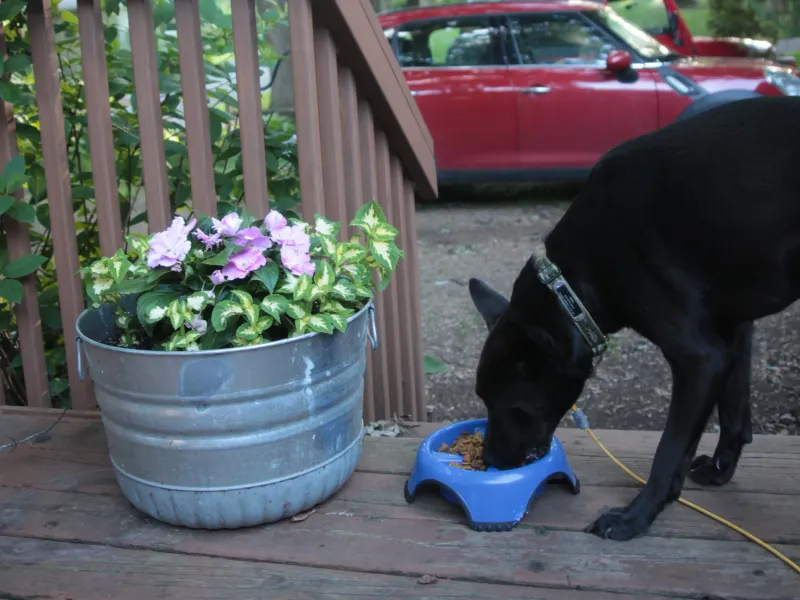
That bowl of kibble on the back porch smells like a buffet to every mouse within sniffing distance tonight. Meaty pet food draws rodents and insects, and those prey animals can pull rattlesnakes right up to your door.
Many people leave food outside for dogs or outdoor cats without realizing the overnight crowd it invites. Rodents feed under cover of darkness, which matches the hours when many rattlesnakes hunt during warmer fall evenings.
I feed my dog indoors now, and honestly the patio feels calmer without crumbs scattered across the concrete. If outdoor feeding is necessary, pick up bowls once your pet finishes eating and rinse spills away quickly.
Store kibble bags inside sealed metal or heavy plastic bins rather than paper sacks sitting in the garage. Rodents can chew through thin bags in minutes and leave droppings that add even more scent to the area.
Bird seed spilled near pet areas creates the same problem, so sweep up those leftovers as part of the routine. Small daily habits like these make your patio far less interesting to hunting snakes after sunset.
4. Bird Feeders And Messy Nesting Spots
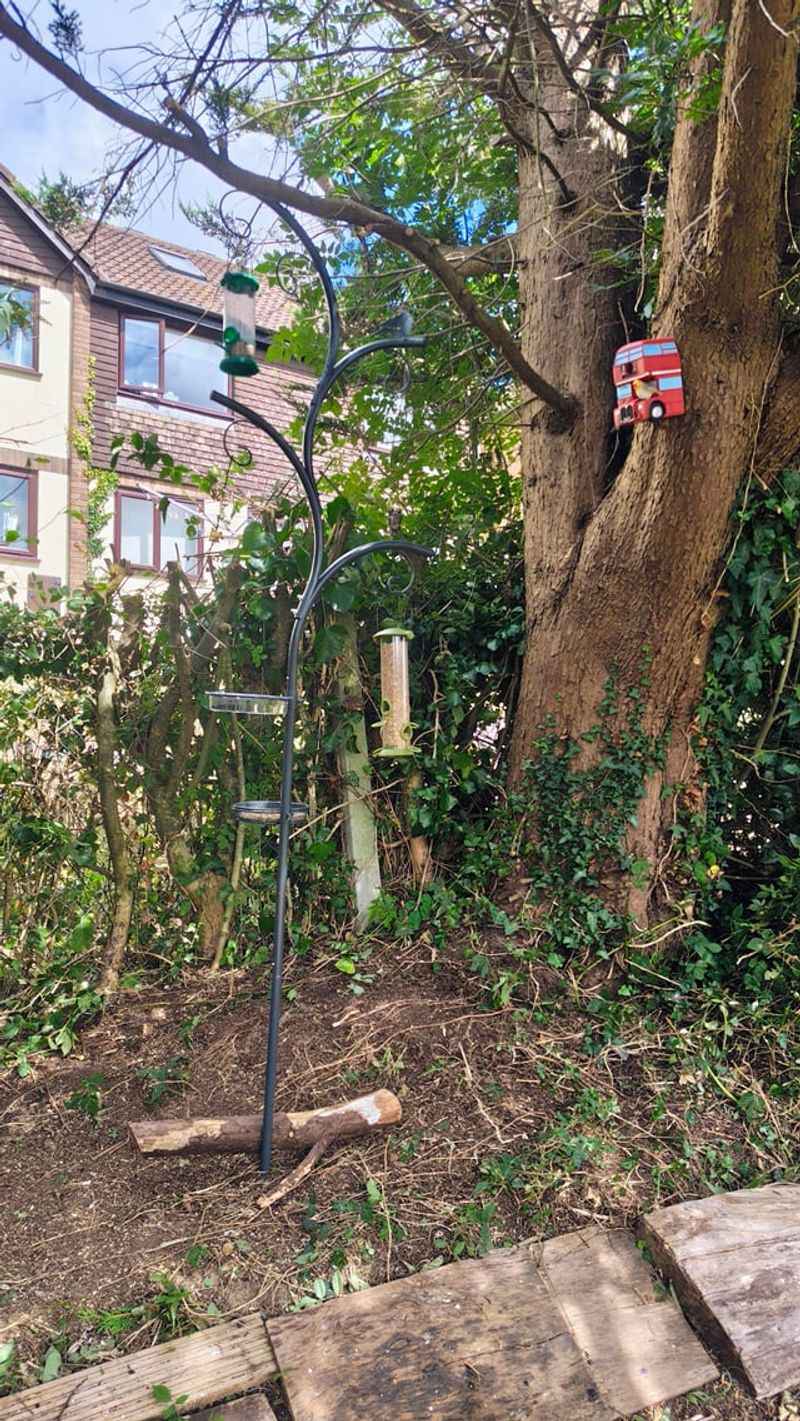
Gambel’s quail scurrying under a feeder are charming to watch, but their scattered seed tells a bigger story. Seed piles and droppings beneath feeders draw rodents, and some rattlesnakes also prey on birds and their eggs.
Dense shrubs near feeders give nesting birds cover, which concentrates more activity and scent in one small spot. Snakes may slip into those thickets looking for eggs, nestlings, or the mice nibbling fallen sunflower seed.
I love backyard birds too much to give them up, so I simply changed how I feed them. Trays under feeders catch most spills, and no-mess seed blends leave far less waste behind on the ground.
Moving feeders away from walls, doors, and play areas keeps any hunting activity farther from people. Raking up hulls each week also reduces the musty smell that builds up in shady corners over time.
Fall migration brings new feathered visitors through many desert neighborhoods, so October is a great time to reset feeding stations. Clean feeders with mild soapy water and let them dry fully before refilling them with fresh seed.
5. Damp Garden Corners Full Of Toads
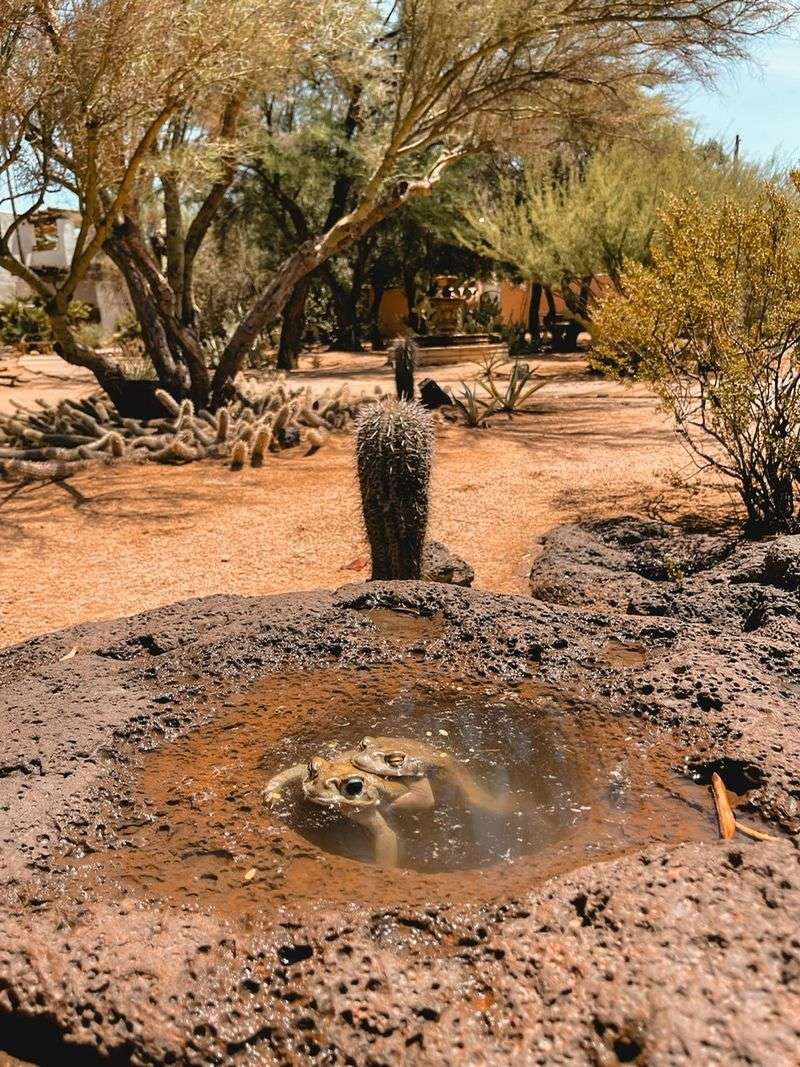
Toads hopping across a damp garden at night carry natural chemical signals that hungry snakes can detect quickly. Many snakes, including some rattlesnakes, will hunt amphibians when moist habitat brings them into a yard.
Leaky drip lines, soggy flower beds, and backyard ponds create cool pockets where toads and insects gather together. Those wet spots also pull in crickets and beetles, building a little food web that ends with a predator.
You might notice toads clustering near porch lights, since bright bulbs attract the insects they love to eat. Switching to warm yellow bulbs often reduces bug swarms and cuts down on the toad parade as well.
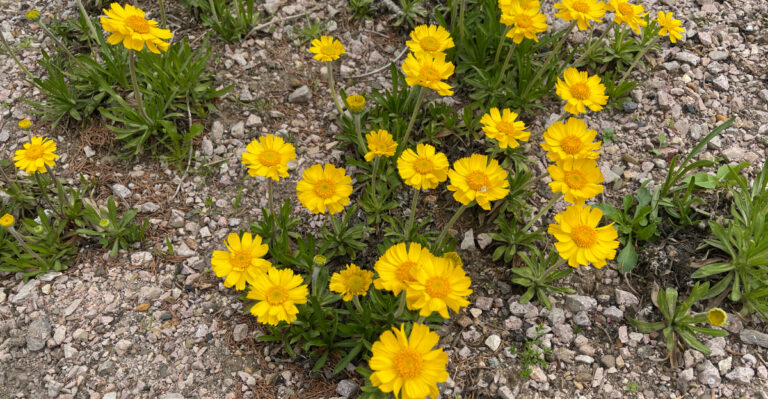
Check irrigation emitters each fall and repair drips that keep soil soggy for days at a time. Native plants like desert marigold and brittlebush need little water, so they help keep beds drier between waterings.
Watering early in the morning lets the surface dry before evening, when amphibians start moving around the garden. October weather usually allows you to cut irrigation schedules back, saving water while making corners less inviting.
6. Stagnant Water In Buckets And Saucers
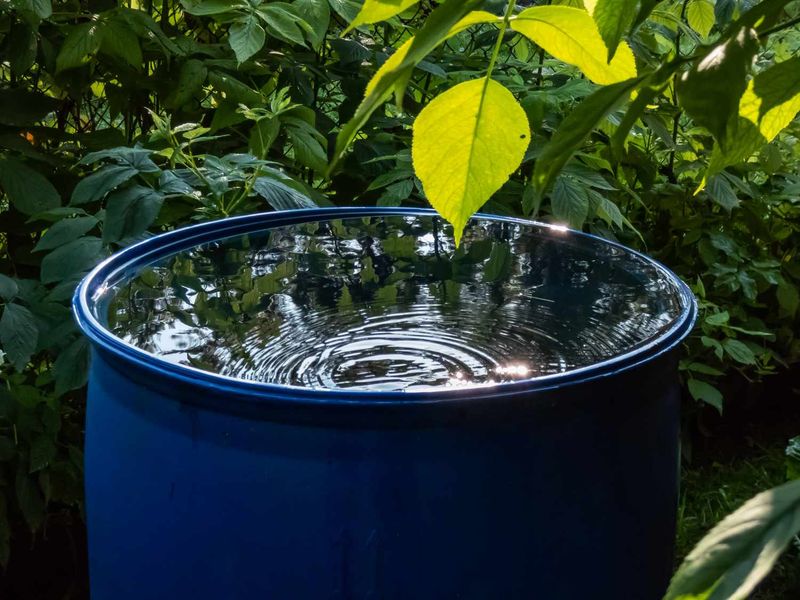
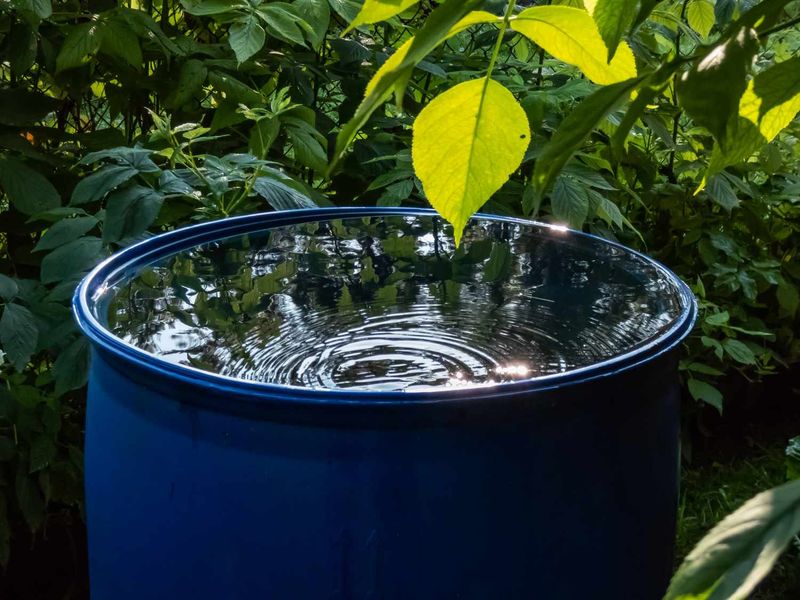
Out here, any standing water becomes precious, and wildlife can find a forgotten bucket surprisingly fast. Rattlesnakes do drink when they can, and stale water also draws the insects and amphibians they hunt.
Plant saucers, old tires, and clogged gutters collect water that slowly turns green and musty in the sun. Decaying leaves sitting in that water add an earthy odor that tells small creatures a reliable drink waits nearby.
Personally, I walk the yard after every rain and tip out anything holding water, from saucers to toy trucks. Mosquitoes benefit from stagnant water too, so this one habit helps control two different backyard nuisances together.
If you enjoy birdbaths, scrub them and refresh the water every few days to keep things clean and lively. Fountains with moving water stay fresher and rarely develop that swampy smell that standing basins tend to produce.
Fall storms are less common than summer monsoons, yet puddles can still linger after occasional October showers. Store empty containers upside down or under cover so they stay dry until you need them again.
7. Lizard Trails Across Rock Walls
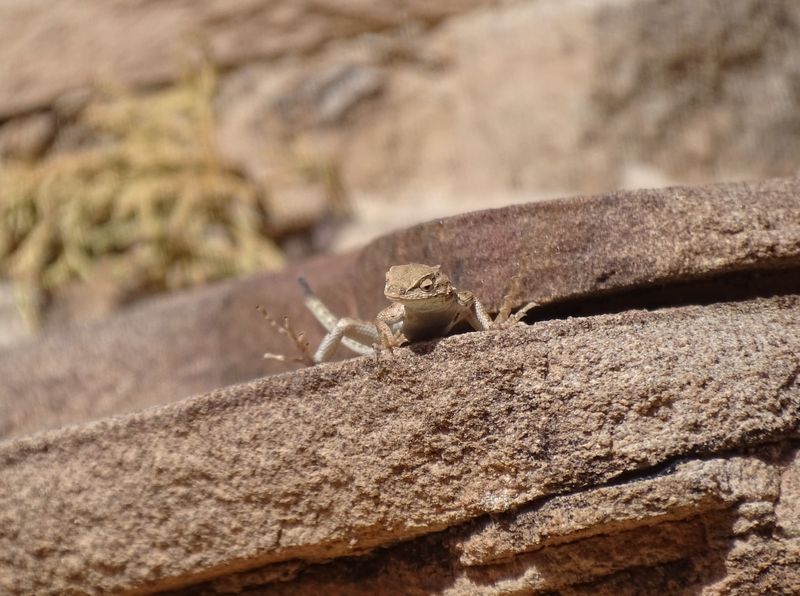
Spiny lizards doing push-ups on a sunny wall look adorable, yet they leave chemical traces behind wherever they bask. Rattlesnakes are ambush hunters, and research shows they often choose hiding spots based on fresh prey scent.
Young rattlesnakes in particular eat plenty of lizards, along with insects and centipedes, before graduating to rodents. A yard packed with lizards can become a favorite hunting ground for these smaller snakes during mild weather.
I would not chase lizards away, since they help control insects and add personality to any desert garden. Instead, focus on reducing the loose rock piles and wide wall gaps where both lizards and snakes shelter.
Fill cracks near foundations and keep decorative boulders away from doorways, garage entrances, and kids’ play areas. Clear sightlines around walls make it easier to spot a coiled visitor before you get too close.
Lizards stay active on warm October afternoons, so this is a fine time to inspect walls and patch gaps. Wear sturdy gloves and use a flashlight when reaching into shady crevices you cannot see clearly.
8. Old Rattlesnake Scent Trails
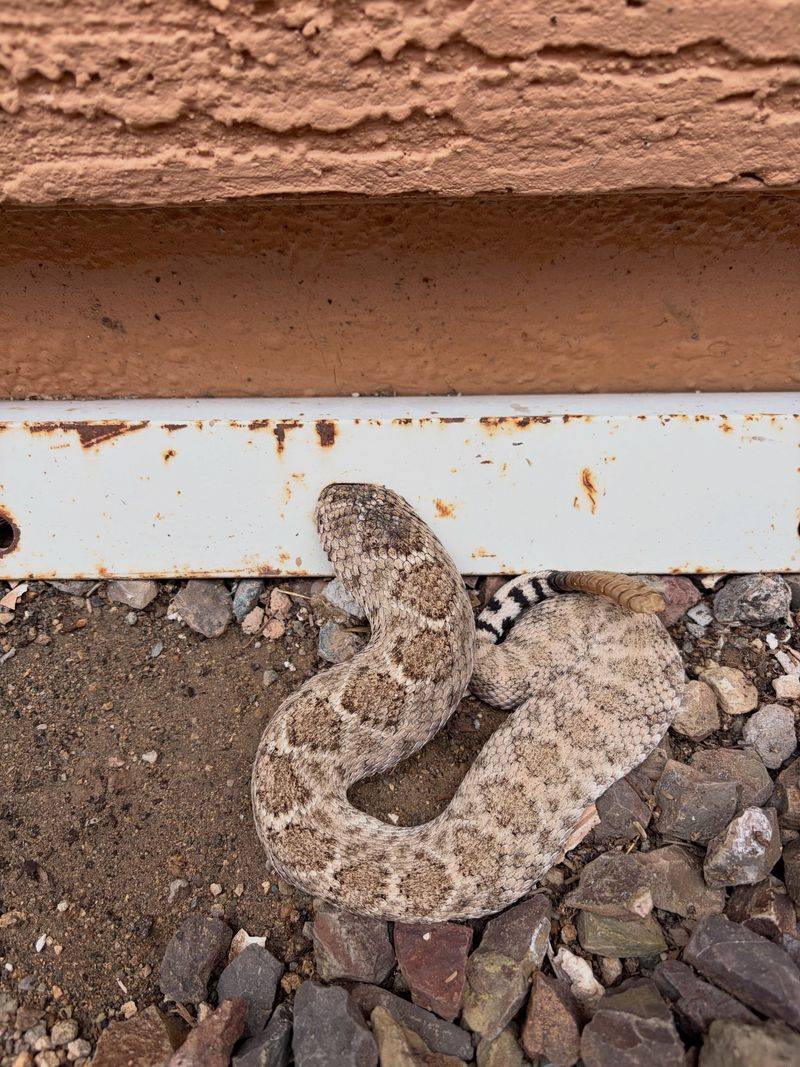
Few people realize a rattlesnake passing through your yard can leave a scent trail that others may follow later. Snakes read these chemical messages using a sensitive structure called the Jacobson’s organ inside their mouths.
Pheromone trails matter most during breeding periods, when males track females across surprisingly long distances. Some rattlesnake species in Arizona mate in late summer and fall, so those trails can carry extra meaning now.
What surprises me most is how snakes reuse familiar routes and shelters, sometimes returning to the same areas each year. Studies of rattlesnakes show many follow predictable paths between hunting grounds, summer ranges, and winter dens.
You cannot wash away every trail, but you can make shelter less appealing by removing clutter along walls. Snake fencing made of fine mesh, buried several inches deep, can help keep visitors out of key areas.
If a rattlesnake does appear, keep your distance and call a local professional relocation service for help. Many fire departments and wildlife groups in the state can provide guidance, so save their numbers before you need them.