The Meaning Behind Sandhill Cranes Flying Over Texas In Late November
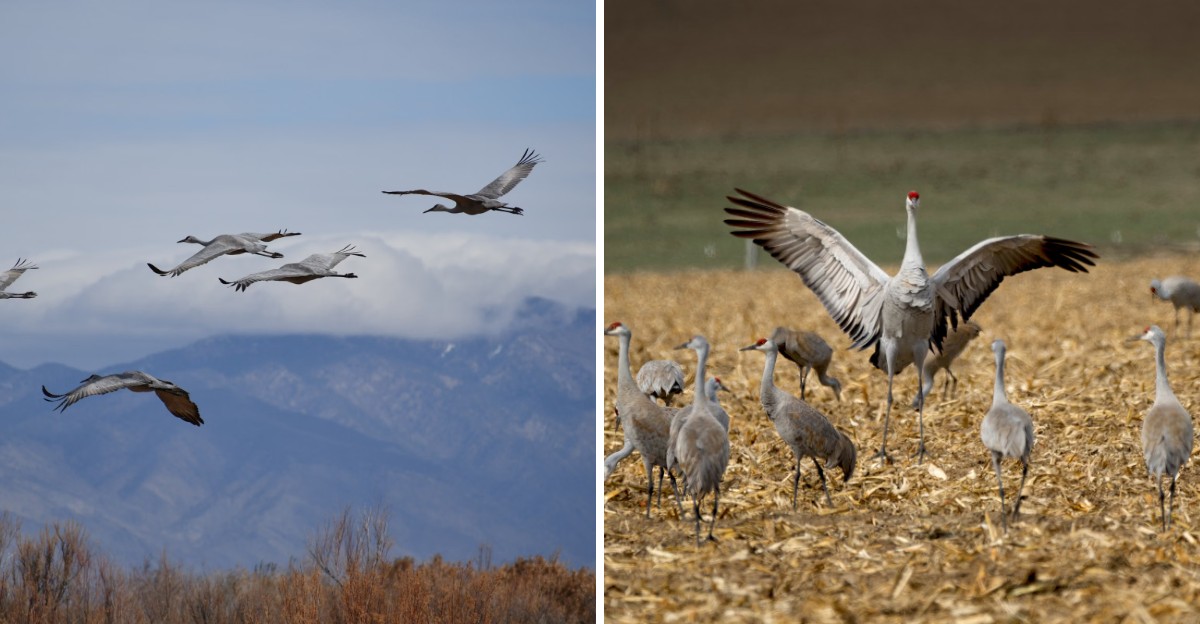
That rattling, rolling call you hear in the sky can carry for more than two miles. The birds making it are often flying so high that you hear them long before you spot them.
I used to think it was geese, until I finally looked up and saw long necks and legs stretched out like flying sticks. These travelers are among the oldest bird species still around, with fossils that suggest a history stretching back millions of years.
Right now, huge flocks are pouring into Texas from places as far off as Alaska, Canada, and even Siberia. Some of the youngsters overhead hatched just last summer and are making this trip for the very first time.
So what does it mean when they show up in late November? The answer says a lot about weather, food, family, and the land right outside your back door.
1. Those Rolling Calls Overhead Carry A Seasonal Message
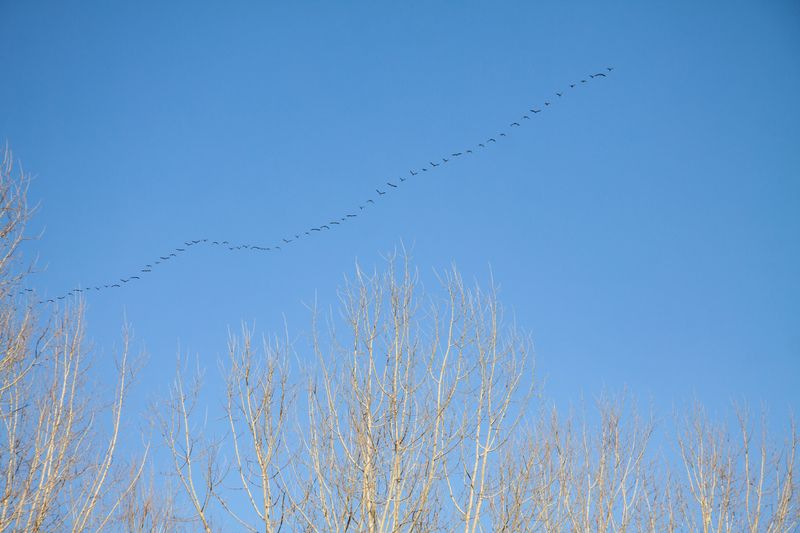
Step outside on a cool November morning and you might hear it first. A deep, wooden rattle drifts down from a sky that looks empty.
That sound is the sandhill crane, and in late November it means one big thing. Fall migration is in full swing, and many birds are reaching their winter homes in Texas or passing through on their way there.
Biologists say cranes start heading south in October. By late November, large numbers have arrived across the state, and the totals keep building until winter peaks around December through February.
So the flyover is not random. It is a calendar written in feathers, and it lines up with shorter days and colder fronts up north.
Here is a fun detail. A crane’s windpipe is coiled inside its breastbone, which helps that call travel so far. It works a bit like the curled tubing in a trumpet.
Want to enjoy the show more? Keep binoculars near the door and listen on mornings after a cold front blows through.
Cranes often ride those north winds south. When the air suddenly turns crisp, look up, because a flock could be gliding over your garden within hours.
2. Texas Fields Become A Winter Home For Hundreds Of Thousands Of Cranes
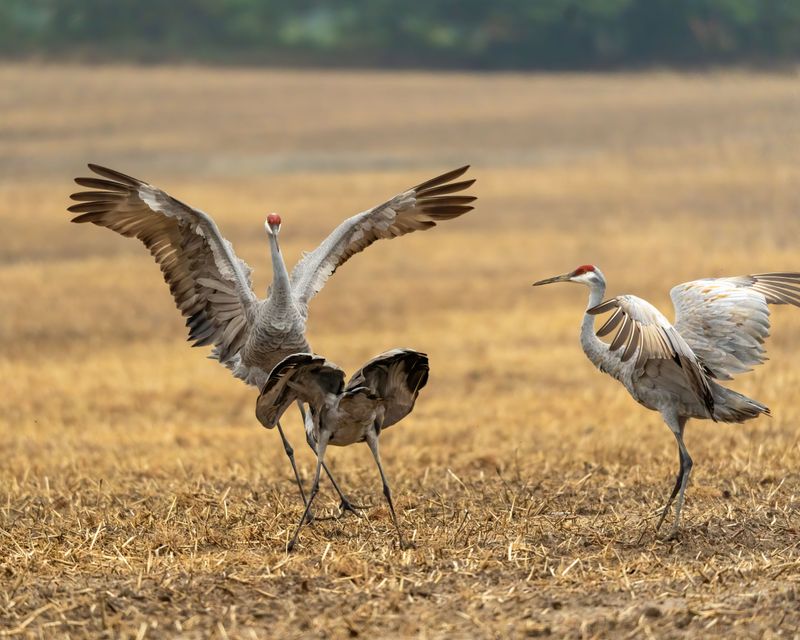
Ask any bird lover in the Panhandle, and they will tell you winter means cranes. Texas is one of the most important wintering areas for the Mid-Continent Population, the largest group of sandhill cranes in North America.
This population breeds across Canada, Alaska, and parts of eastern Siberia. Hundreds of thousands of birds then spread across Texas, New Mexico, Oklahoma, and northern Mexico when the cold sets in.
In Texas, big gatherings show up in several regions. The High Plains near Muleshoe and Lubbock, the far west around Lake Balmorhea and the Big Bend area, and the coastal prairies near Houston and the central coast all host wintering flocks.
So when you see them in late November, many of those birds are not just passing through. They are settling in for a stay that often lasts until February or early March.
I love that the same farm fields we drive past every day become a seasonal home. It makes ordinary pastures feel a little magical.
Planning a trip? Muleshoe National Wildlife Refuge is a classic crane spot. Check the refuge website first, since numbers depend on water levels and weather each year.
3. Frozen Northern Marshes Push The Long-Legged Travelers South
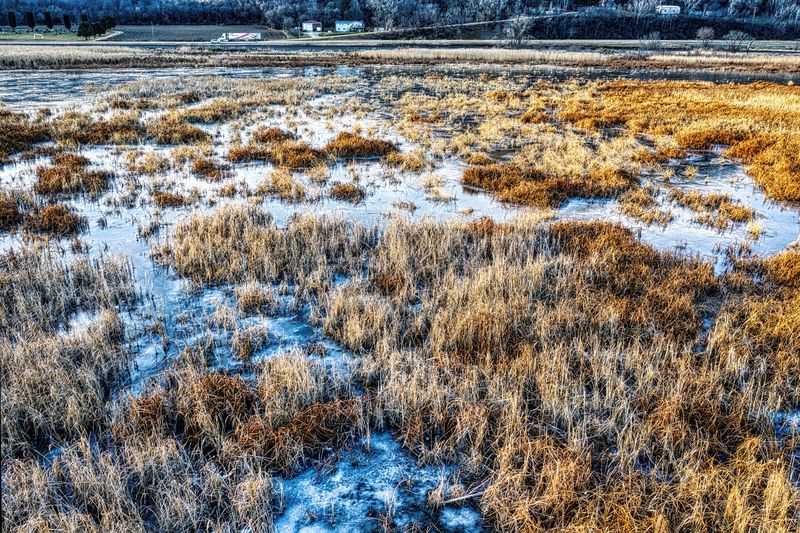
Cold weather by itself is not the main problem for a sandhill crane. Their thick feathers handle chilly air pretty well.
The real trouble is food. Once northern wetlands freeze and snow covers the ground, cranes cannot probe the soil for roots, insects, or seeds.
That is why the trip south matters so much. Migration is a smart move to follow open water and soft ground, not just warmer temperatures.
Many cranes stop in Nebraska along the Platte River in spring, but fall travel is more spread out. Flocks often make shorter stops in the Dakotas, Kansas, and Oklahoma before reaching Texas.
Timing shifts a little each year. A mild fall up north can slow the trip, while an early blast of Arctic air can send a wave of cranes south almost overnight.
Nobody warned me how closely these birds watch the weather. Some years, I notice a busy week of flyovers that matches a big northern storm on the news.
If you enjoy tracking patterns, write down the date you first hear cranes each fall. Over a few years, your notes will show how weather shapes their arrival.
4. Leftover Grain And Wet Prairies Keep Cranes Well Fed
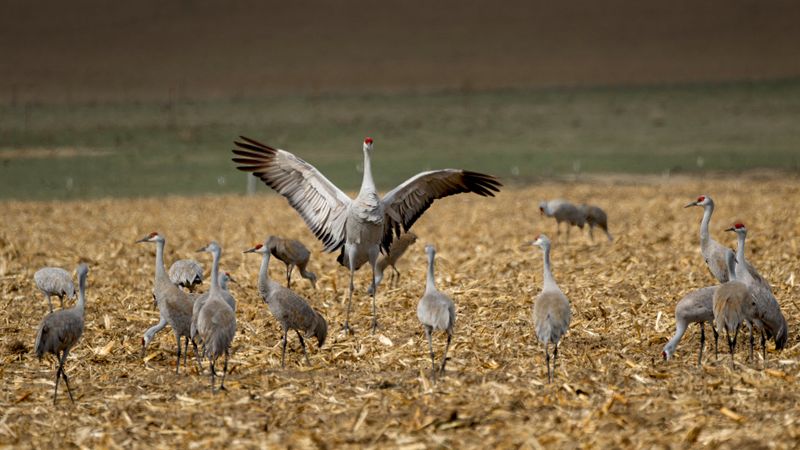
Picky eaters these birds are not. Sandhill cranes are happy to snack on whatever the season offers.
In Texas, harvested farm fields are a huge draw. Cranes walk slowly through stubble and pick up waste corn, milo, peanuts, and sprouting winter wheat left behind after harvest.
They also visit wet grasslands and marsh edges. There they dig for roots, tubers, snails, insects, earthworms, and the occasional small frog or mouse.
That mix gives them the energy to stay warm, molt feathers, and build reserves for the long trip back north in spring. A good winter menu helps them breed well the next year.
Gardeners near open land sometimes spot cranes in pastures right beside their homes. They rarely bother home gardens, since they prefer wide spaces where they can see danger coming.
You can help wild birds in your own yard by planting native grasses and seed producers. Little bluestem, switchgrass, and Maximilian sunflower are tough Texas natives that feed many birds through winter.
Hold off on cutting back seed heads until late winter. Those dry stems look scruffy to some folks, but they serve as a free buffet for hungry wildlife.
5. Shallow Playa Lakes Turn Into Crane Bedrooms At Sunset
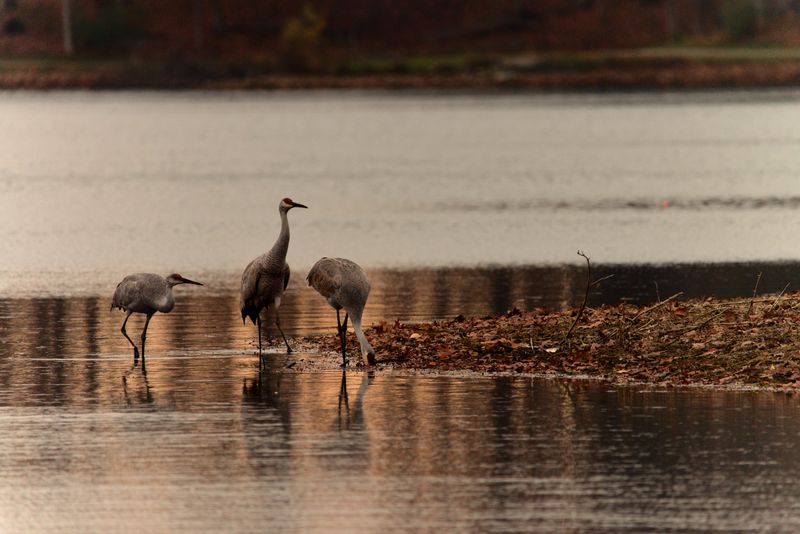
Sunset is when the real drama begins. Long lines of cranes glide in, legs dangling, calling loudly as they drop toward the water.
Sandhill cranes spend the night standing in shallow water. Playa lakes on the High Plains, marshes, and sandbars in rivers all make good roosts.
Water gives them an early warning system. If a coyote or bobcat sneaks closer, splashing gives it away and the whole flock can take off.
Thousands of birds may share one roost. In the morning, they lift off in noisy groups and fly out to nearby fields to feed.
Playa lakes are small, round wetlands that fill with rain. In dry years, fewer playas hold water, and cranes may crowd into the few wet spots that remain.
Want to watch a roost? Arrive about an hour before sunset and stay in your car or at a viewing area.
Keep your distance and avoid walking toward the birds. A startled flock wastes energy it needs for winter, and refuge staff can point you to the best spots without disturbing them.
6. Crane Families Fly Together On Their First Big Trip
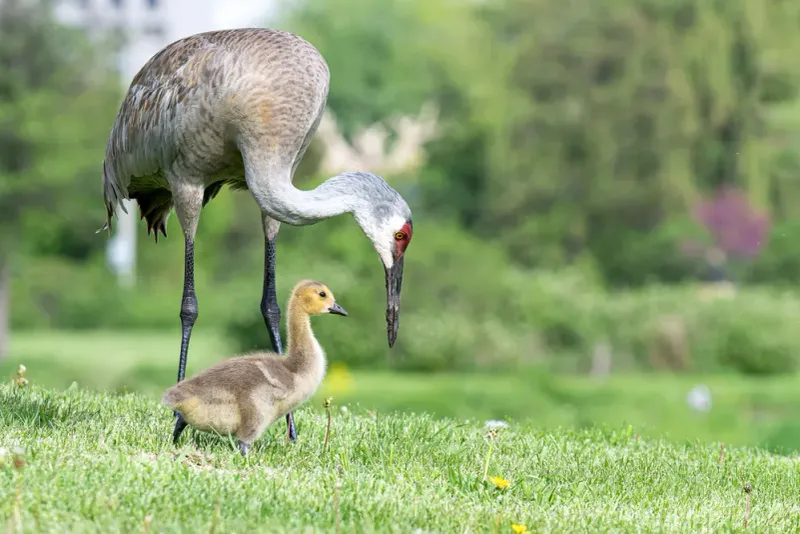
Family ties run deep in the crane world. Pairs often stay together for many years, and their chicks travel south with them.
Young cranes, called colts, hatch in spring and summer. By late November, they are almost full size but look different from their parents.
Look for a brownish, rusty head with no bright red patch. Adults have a red crown, while youngsters wear a plainer cap during their first winter.
Parents lead colts along the migration route and show them where to feed and roost. Scientists believe this shared travel helps young birds learn the path they will follow for years.
The family usually stays together through winter. In spring, they head north again, and the young birds soon go off on their own.
I truly enjoy spotting these little family groups in a field. Two tall adults and one or two smaller, browner birds are a sweet sight.
Next time you see a flock on the ground, take a closer look. Counting families is a fun game with kids and a great way to practice careful bird watching.
7. Soaring Cranes Ride Warm Air Thousands Of Feet Up
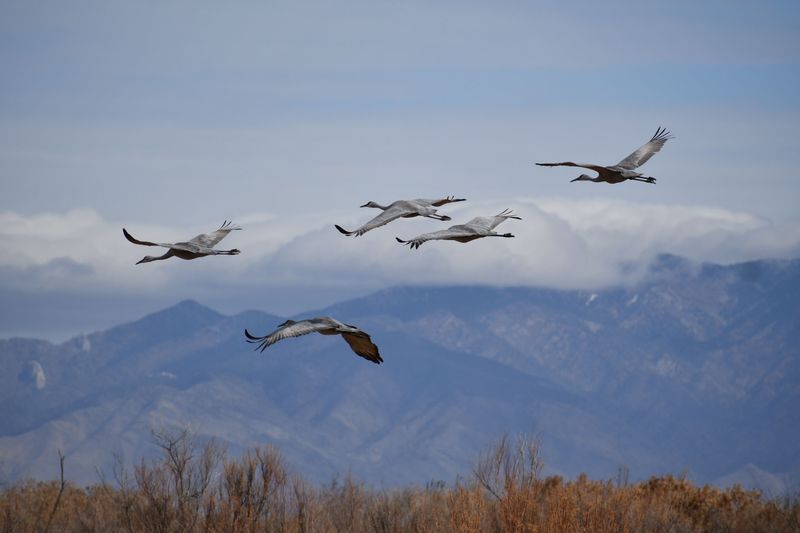
Sometimes you hear the calls but see nothing at all. The birds may be soaring a mile or more above your head.
Sandhill cranes are strong fliers that save energy by riding thermals. These rising pockets of warm air let them circle upward without much flapping.
Once they gain height, they glide forward to the next thermal. Migrating flocks have been recorded at heights of several thousand feet, and some reports describe even higher flights.
Cranes can travel a few hundred miles in a single day with good winds. On a strong tailwind, that number can climb even higher.
Their wingspan reaches about six to seven feet. In flight, they keep their necks straight out, unlike herons, which tuck their necks into an S shape.
That neck trick is the easiest way to tell them apart. Great blue herons fly alone and quietly, while cranes travel in noisy groups.
Try scanning the sky on sunny, breezy afternoons. Slowly sweep with binoculars, and you may find a swirling kettle of cranes glinting like specks of silver.
8. Your Crane Sightings Can Help Protect These Ancient Birds
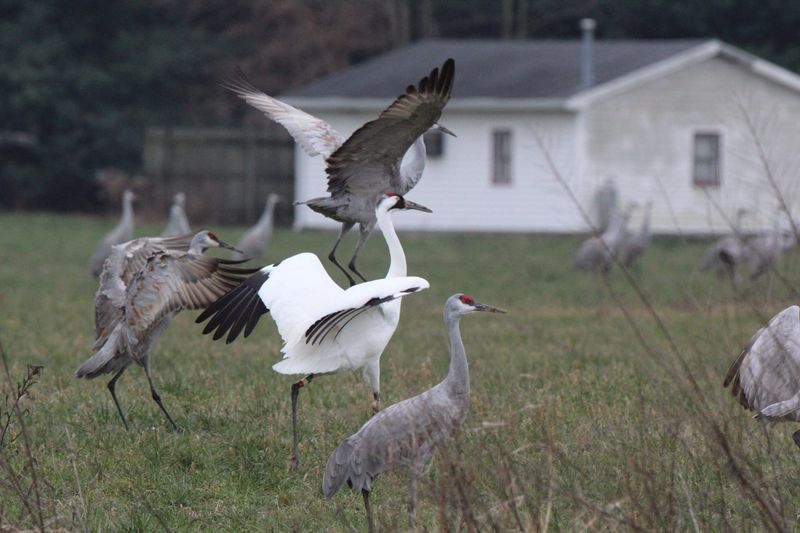
A century ago, sandhill cranes were in real trouble in many places. Hunting and wetland loss had shrunk their numbers sharply.
Protection under the Migratory Bird Treaty Act, plus wetland conservation, helped the species recover. Today, the Mid-Continent Population numbers in the hundreds of thousands.
Texas does allow a regulated sandhill crane hunting season in certain zones, with special permits. Wildlife managers set limits using careful population counts each year.
Wetlands remain the biggest concern. Dry years, draining, and development reduce the shallow water cranes need for safe roosting.
You can help in simple ways. Report your sightings on eBird or iNaturalist, since scientists use that data to track numbers and timing.
Support local refuges and festivals.Crane-viewing events at refuges like Muleshoe and coastal birding festivals raise awareness and funds.
At home, plant natives, skip unneeded pesticides, and save rainwater. Healthy land helps every bird that passes overhead.
So the meaning behind those late November flights is bigger than migration. It is a yearly reminder that wild places still matter, and your backyard is part of that story.