9 California Fall Vegetables To Plant Before Cooler Nights Arrive
A gardener in Sacramento pulls up tired tomato vines in early September, brushing off her hands, thinking the growing year is basically finished for the season already.
She has no idea that some of the tastiest vegetables of the whole year are waiting for exactly this moment right here in her own backyard.
California’s mild autumn gives gardeners a second season, and cool nights actually improve the flavor of crops like kale and beets considerably.
Most gardeners walk away from the garden entirely once summer crops fade, missing this whole second window sitting right there waiting to be planted.
Here are nine vegetables worth getting into the ground before those chilly evenings settle in, along with timing notes that shift by region.
1. Broccoli Handles The Cooling Transition Well
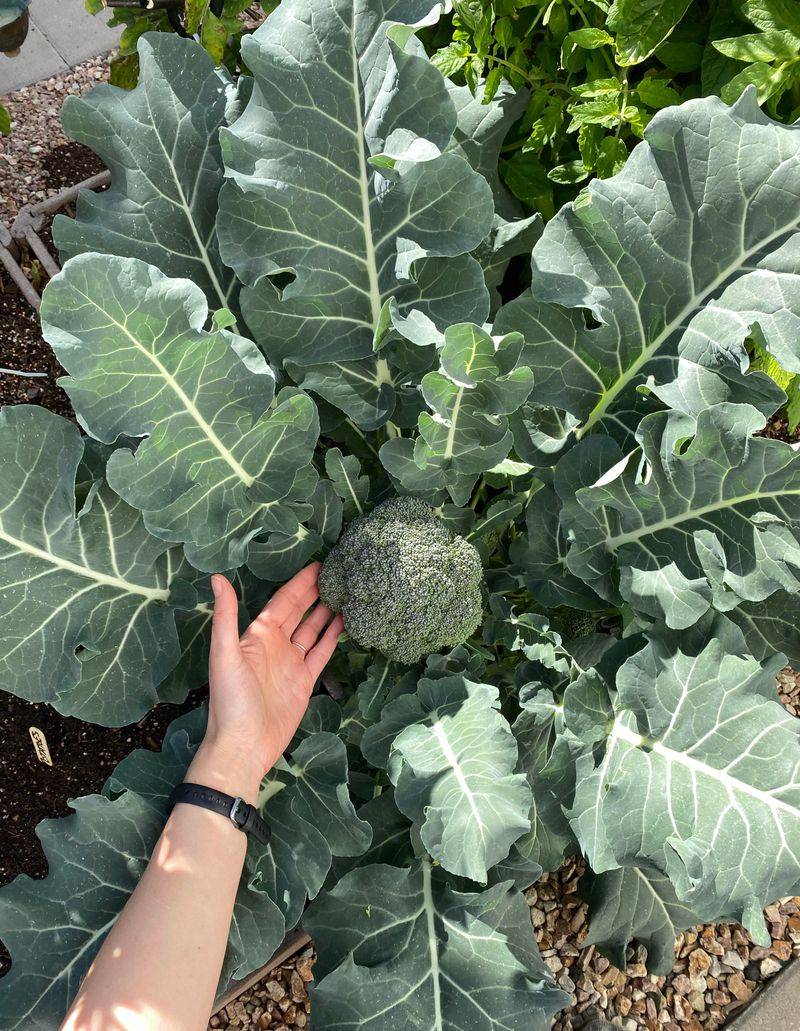
Few crops enjoy the shift from summer heat to sweater weather as much as broccoli does throughout the whole state of California generally.
It is a cool-season vegetable through and through, and UC ANR guidance generally points to late summer through fall transplanting for most of the state.
Heat is broccoli’s enemy above all else. When temperatures stay high, plants may bolt or form small, loose heads instead of tight domes.
Cooling nights slow that rush and let the plant put energy into a solid central head instead of rushing toward premature flowering.
Most California gardeners get better results setting out transplants rather than direct seeding, since young plants skip the hottest, most vulnerable weeks entirely.
Space them roughly 18 inches apart so air moves freely and heads have room to fill out properly without much crowding involved.
Timing depends heavily on where you live across the state. Coastal gardeners often have a wide, forgiving window because temperatures stay moderate year-round.
Steady moisture matters more than people expect with this crop. Uneven watering stresses plants and can produce bitter, woody stems worth avoiding.
After you cut the main head, leave the plant in the ground. Side shoots keep forming for weeks, giving you handfuls of small florets.
2. Carrots Reward A Longer Fall Season
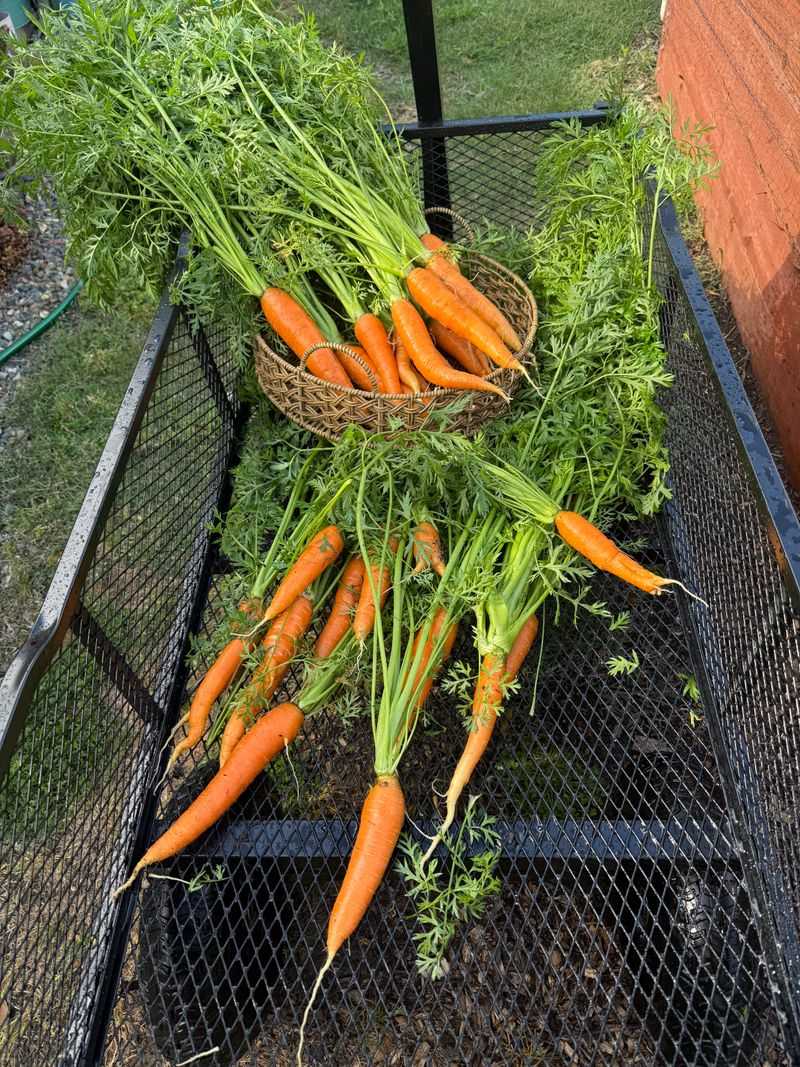
Patience is the price of admission with carrots, and California’s long, gentle autumn happens to pay that price better than almost anywhere else.
Depending on the variety, roots need roughly 60 to 80 days or more to size up properly before they’re ready for harvest.
Carrots must be direct seeded into the bed. Their taproots resent transplanting, and a disturbed root usually turns into a forked, stubby oddball instead.
Soil preparation makes or breaks the crop entirely. Loosen the bed deeply and break up clods, since heavy clay is the main reason carrots come out twisted.
Seeds are tiny and slow to sprout, sometimes taking two full weeks before anything visible emerges above the soil surface.
Keep the surface consistently damp during that stretch, considering a thin board or light mulch to slow evaporation until sprouts finally appear.
Thinning feels wasteful but is absolutely necessary here. Crowded seedlings produce skinny roots, so snip extras at soil level once plants reach a couple inches.
Your California Garden Changes Every Week. Your Plan Should Too.
Gardening in California changes quickly throughout the season. Every Friday you’ll receive a simple weekly plan showing exactly what to plant, prune, fertilize, harvest, and protect so you never miss the right timing.
Regional differences matter quite a bit across the state. Coastal and inland valley gardeners typically sow from late summer into fall without much variation.
Cool weather also boosts sugar content in the roots, which is why fall carrots taste noticeably sweeter than the same variety grown in summer.
3. Lettuce Matures Fast Before Real Cold
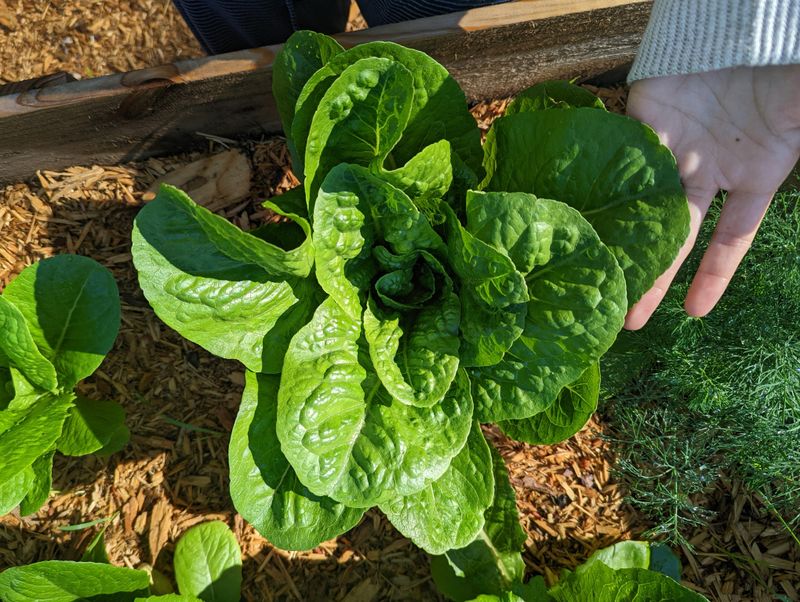
Speed is lettuce’s superpower above almost everything else worth mentioning here. Leaf types can be picked in about a month from planting.
Because the turnaround is quick, you can plant later than you would for slower crops and still fill a salad bowl reliably.
Many California gardeners keep sowing small batches every two or three weeks, a habit that spreads the harvest instead of dumping everything at once.
Leaf lettuce also lets you harvest without ending the plant entirely. Snip outer leaves and let the center keep producing steadily over time.
Warm soil can stall germination though, so early-season sowings sometimes sprout poorly without much success during those final hot stretches of late summer.
Shade cloth or an afternoon-shaded spot helps considerably during those last hot spells before real fall weather finally settles in for good.
Light frost rarely bothers lettuce much, though hard freezes will damage tender leaves left unprotected through a particularly cold night.
Water consistently and shallowly throughout the growing period. Lettuce roots stay near the surface, and drying out produces bitter, tough leaves nobody wants.
A fun detail worth knowing here. Lettuce has been cultivated for thousands of years, with ancient Egyptian carvings showing tall, romaine-like plants already.
4. Peas Prefer Cooler Nighttime Temperatures
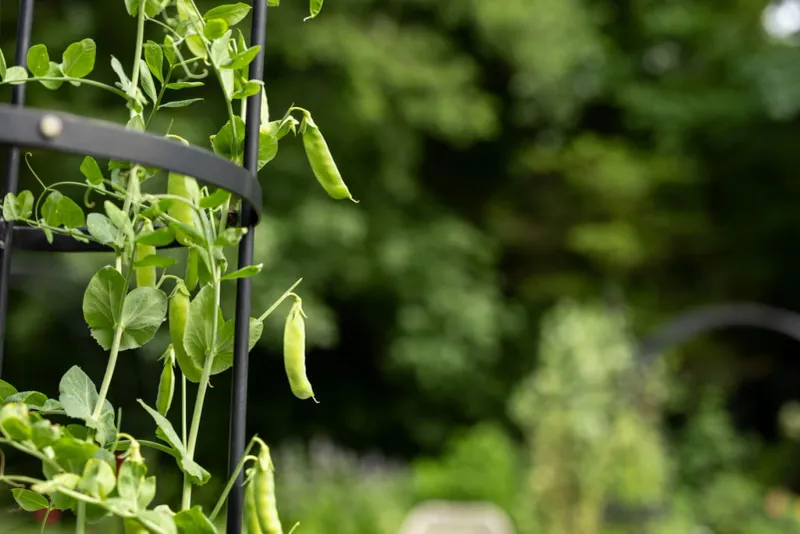
Ask any longtime gardener what tastes best straight off the vine, and peas come up fast without much hesitation from anyone asked.
Sugar snap, snow, and shelling types all share the same preference overall. Mild days and genuinely cool nights suit this crop best.
Hot weather is the problem worth avoiding here. Peas planted while nights are still warm tend to grow leggy and flower poorly.
Seeds go directly into the soil about an inch deep without much fuss. Skip soaking them for long periods before planting anything.
Give vining varieties something to climb properly. A simple trellis or netting keeps pods off the ground and improves airflow considerably.
Bush types stay compact and work well in containers or small beds, which is handy for patio gardeners living in apartments nearby.
Regional timing varies quite a bit across the state depending on where exactly you happen to be gardening this particular season.
Pick pods regularly once they’re ready. Harvesting signals the plant to keep producing, while leaving mature pods on the vine tells it otherwise.
Pea roots help add nitrogen to the soil too, quietly improving the bed for whatever gets planted there next season down the line.
5. Kale Gets Sweeter As Frost Nears
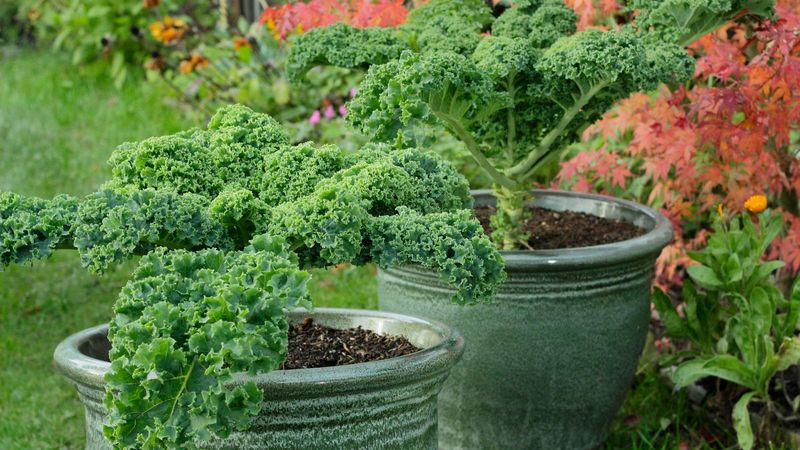
There is real science behind the claim that kale tastes better after a cold snap hits the garden during those first chilly nights.
When temperatures drop toward freezing, the plant converts some of its stored starches into sugars, which act like natural antifreeze inside the leaves.
The result is a milder, sweeter flavor with less of that raw, cabbage-like bite most people associate with kale grown in summer heat.
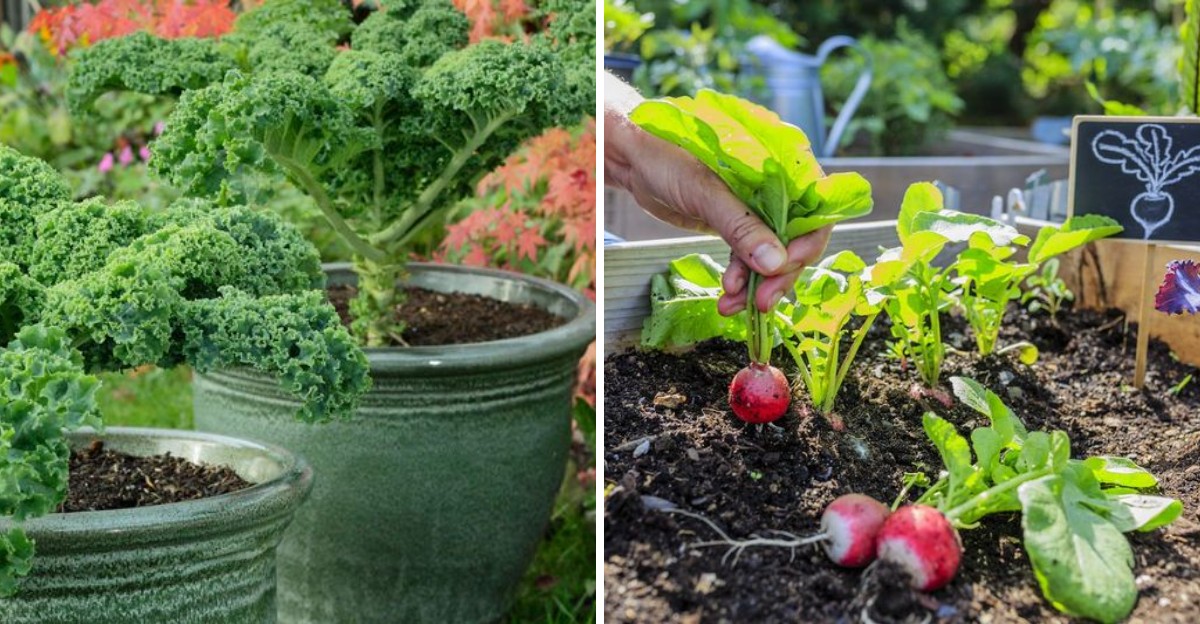
Kale is remarkably tough overall. It handles light frost without complaint and keeps producing when tomatoes have long since collapsed under the cold.
Start with transplants or direct seed, whichever is easier for you personally. Space plants roughly 12 to 18 inches apart for best results.
Harvest from the bottom up consistently. Pick the lower outer leaves and leave the central growing point intact for continued production over months.
Aphids and cabbage worms are the usual troublemakers with this crop. Check leaf undersides weekly and knock pests off with a strong water spray.
Timing across California varies by region considerably. Mountain gardeners should plant early enough for establishment before hard freezes arrive unexpectedly early in fall.
Try lacinato, curly, and red Russian types side by side in the same bed. Their textures differ enough that you’ll find a favorite.
6. Spinach Thrives Once Heat Finally Breaks
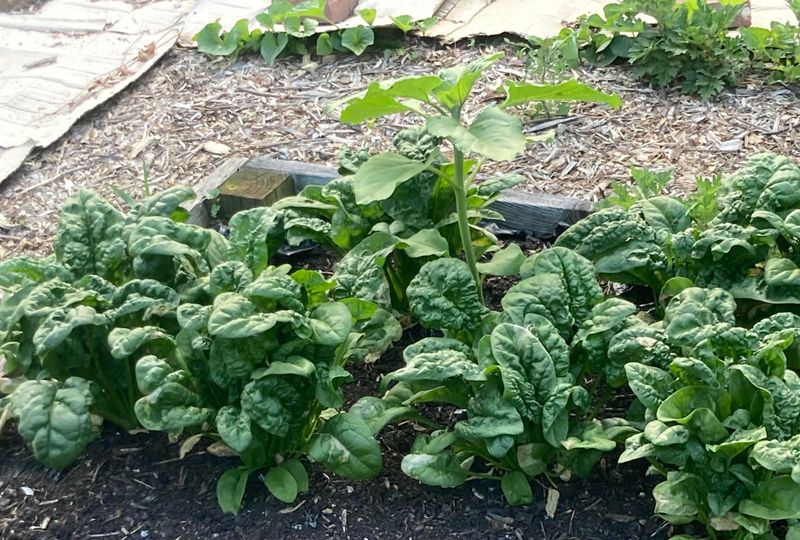
Spinach has a stubborn streak worth understanding before planting. It refuses to germinate well in warm soil, which explains a lot of frustration.
Cool soil is the trigger here. Once summer heat finally releases its grip, seeds sprout more reliably and plants grow thick, tender leaves.
Bolting is the main frustration with this crop. Long days and warmth push spinach to seed quickly, so fall plantings stay productive longer.
Sow seeds directly about half an inch deep and thin seedlings to a few inches apart once they’ve had a chance to establish.
Crowding leads to small leaves and encourages mildew in damp coastal air, so proper spacing matters more than gardeners often assume initially.
Harvest works two ways with spinach. Pick individual outer leaves for a steady supply, or cut the whole plant at the base once.
Baby spinach is simply spinach picked young, usually within three to four weeks of germination, while full-size leaves take a bit longer.
Timing shifts around the state depending on your specific microclimate and region. Coastal gardens often support spinach through winter without much trouble.
Keep the bed evenly moist and feed with something nitrogen-rich throughout the growing period. Pale foliage is usually the first clue it wants more.
7. Radishes Fit In A Short Window
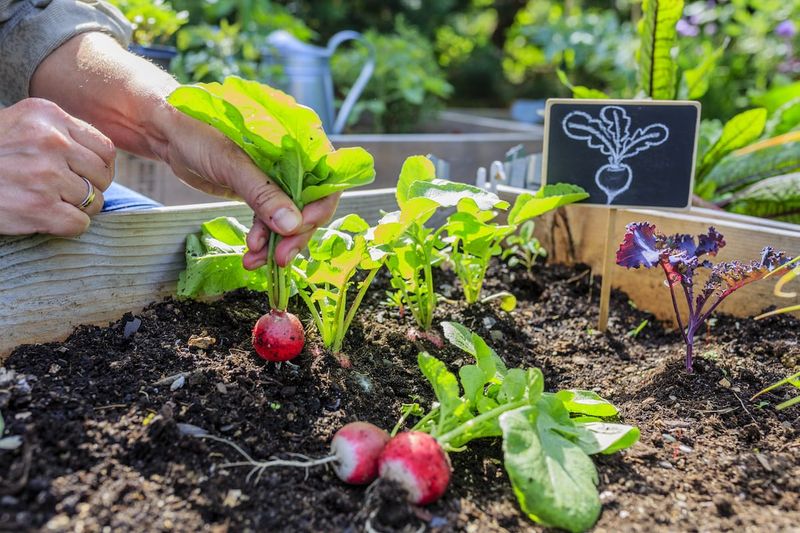
Running out of time this fall? Radishes do not care much either way about a late start compared to slower-growing vegetables nearby.
Many common varieties go from seed to harvest in roughly three to four weeks, making them the ultimate last-minute planting choice available.
That speed makes them forgiving too. If a sowing fails or the weather turns odd, you can simply plant again without losing much.
Radishes are also a fantastic crop for impatient kids helping out in the garden. Pulling a bright red root out quickly excites most children.
Direct sow about half an inch deep and thin to roughly two inches apart once seedlings emerge and start growing steadily.
Skipping the thinning step is the number one reason people end up with leafy tops and no bulbs worth harvesting later on.
Warm weather makes roots hot and pithy, while cooling fall temperatures produce crisp, mild radishes with noticeably better texture overall throughout the whole root.
Consistent water keeps them from splitting apart. Dry spells followed by heavy watering cause cracked roots almost every single time without exception.
Because they mature so fast, radishes make excellent companions tucked between slower crops like broccoli, marking rows before the bigger plants need space.
8. Beets Grow Well In Cooling Soil
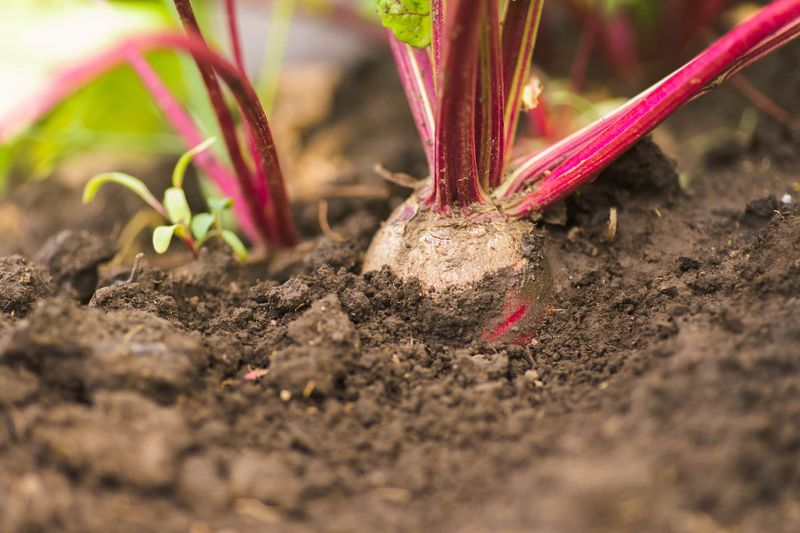
Two crops for the price of one is the quiet appeal of beets worth mentioning here. The roots get all the attention typically.
Beets appreciate soil that has cooled down from its summer peak considerably. Warm ground can slow germination and lead to uneven stands.
What most people call a beet seed is actually a cluster containing several seeds packed together tightly within one small shell.
That is why a single planting spot often sprouts three or four seedlings at once, and why thinning becomes essential for proper root development.
Thin to about three inches apart once seedlings are a couple inches tall. Snip rather than pull so you don’t disturb neighbors.
Loose, well-worked soil helps roots swell properly throughout the growing season. Compacted or rocky beds produce misshapen beets that are still edible though.
Most varieties mature in roughly 50 to 70 days from planting to harvest. Harvest when roots reach golf ball to tennis ball size.
Regional timing across California varies more than any single chart suggests accurately. Coastal gardeners enjoy a long, mild window throughout most of fall.
Check your local UC Cooperative Extension office or Master Gardener program for planting dates matched specifically to your own particular growing area.
9. Garlic Settles In For A Long Winter Wait
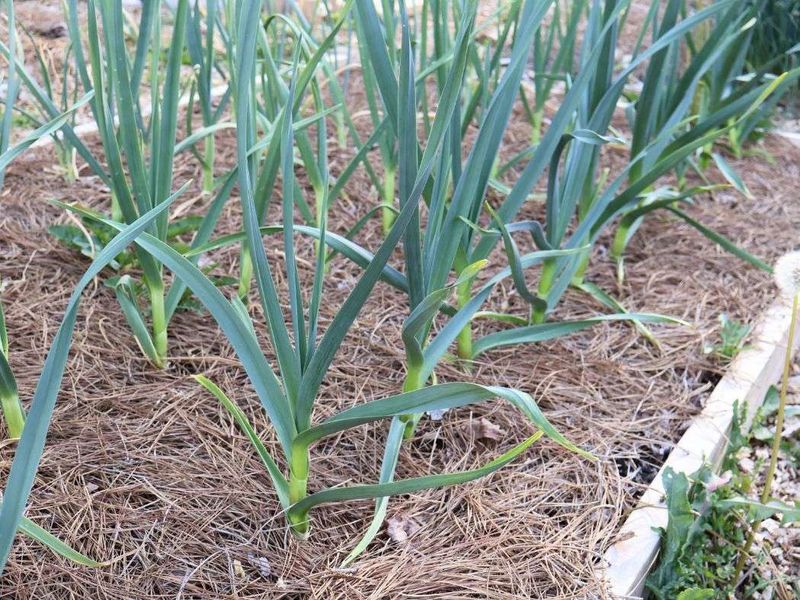
Garlic works differently than everything else on this list, since you’re not planting for a fall harvest at all but rather setting up a crop that won’t come ready until the following summer.
Cloves go into the ground in fall specifically because they need a cold period to properly develop into full-sized bulbs, a process called vernalization that most California winters provide reliably enough.
Break apart a whole head into individual cloves just before planting, keeping the papery skin intact on each one, and push them pointed end up about two inches deep into loosened, well-draining soil.
Space cloves roughly four to six inches apart in rows, since garlic needs room to develop that full round bulb without crowding pushing neighboring plants into misshapen growth.
Hardneck varieties tend to perform better in California’s cooler mountain and northern regions, while softneck types generally suit the milder coastal and valley areas where winters rarely drop into serious hard freezes.
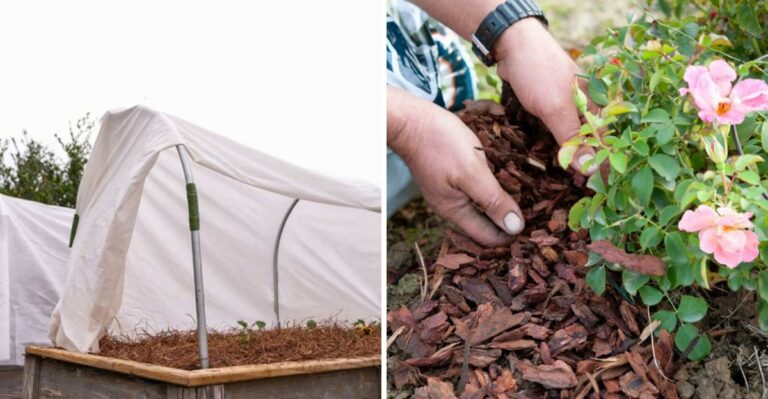
Mulching heavily after planting helps regulate soil temperature through the winter months and suppresses weeds that would otherwise compete with the slow-growing cloves for nutrients and water.
Little visible happens above ground through much of winter, though roots are quietly establishing below the surface, so resist the urge to disturb the bed or assume something has gone wrong with the planting.
By spring, green shoots emerge and growth accelerates quickly, eventually producing the scapes and bulbs most gardeners associate with garlic, though the real harvest doesn’t arrive until early summer the following year.
Regional timing shifts here too, with mountain gardeners planting earliest to establish roots before the ground freezes solid, while coastal and valley gardeners have more flexibility through October and even into November in milder years.