9 California Garden Tasks To Complete Before The First Significant Fall Rains
The weather app flashes a bright warning.
The first real storm of the season is coming this weekend, and suddenly the clogged gutters, the wobbly tomato cage, and the lemon tree sitting right where water pools all come rushing back to mind at once.
After months of dry weather, California’s first big fall rains can hit hard and fast, catching a whole yard’s worth of small problems at exactly the same moment.
Something about that first real storm has a way of testing everything nobody got around to fixing all summer, and most of it takes far less time than people assume.
Curious which quiet task, done now, saves the biggest headache once the sky actually opens up? The answer starts with a gutter nobody’s thought about since spring.
1. Clear Gutters Before Water Has Nowhere To Go
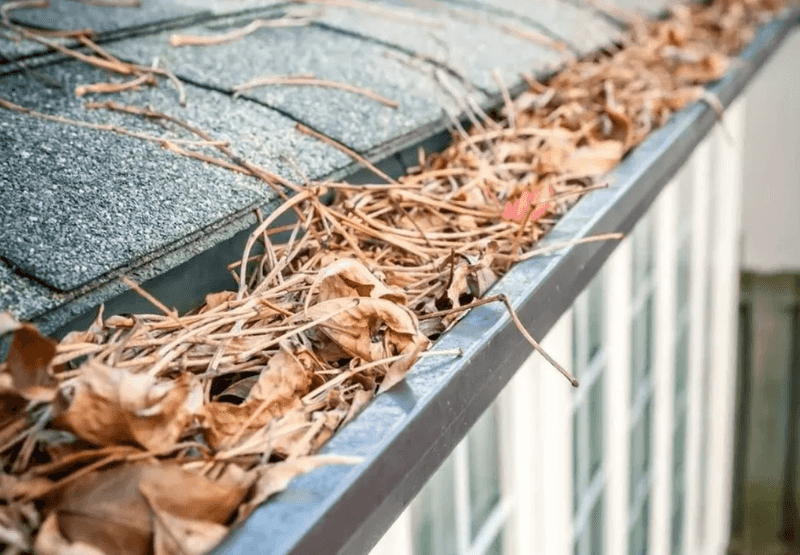
A gutter packed with a whole summer’s worth of dry leaves, pine needles, and dust turns into a real problem the moment serious rain arrives.
When the first big storm hits, that water spills over the edge like a waterfall and lands right on your flower beds. Soil gets blasted away, and puddles form next to the house foundation.
California’s long dry season makes this problem worse than in many other places.
Months of wind and falling leaves build up in gutters and downspouts with no rain to flush them out. Then one heavy storm dumps a lot of water all at once, and a blocked system simply cannot handle it.
Start by scooping debris out of the gutters with gloves or a small trowel.
Next, run a garden hose through each downspout to make sure water flows freely. If it backs up, a plumber’s snake or a strong spray from below can usually push out the clog.
Look at where each downspout empties, too.
Water should flow at least a few feet away from your home and away from beds that already stay soggy. A cheap splash block or a downspout extension can move the flow to a spot that drains well.
Steering roof runoff toward areas that can soak it up, like a rain garden or a mulched swale, helps storm water work for your landscape instead of against it.
2. Check Drainage Around Low Lying Beds
Roots need air just as much as they need water.
When a low spot in your yard fills up and stays wet for days, roots can suffocate and start to rot. Plants like lavender, rosemary, and many California natives are especially unhappy with wet feet.
Lots of California yards sit on heavy clay soil, which drains very slowly.
A bed that seems fine all summer can turn into a mud bath after one soaking storm. Now, while it’s still dry, is the best time to find out.
Try a simple drainage test.
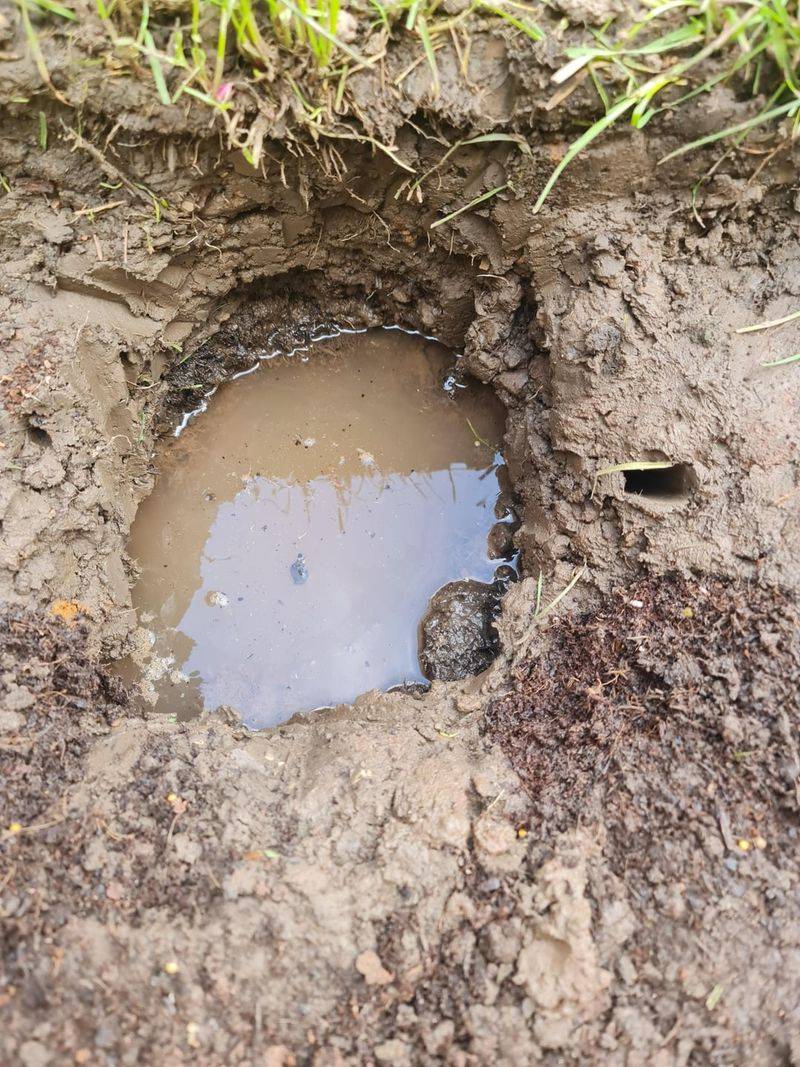
Dig a hole about a foot deep and a foot wide, fill it with water, and let it drain. Fill it again and time how fast the water drops. If it drains less than about an inch per hour, you have a drainage problem worth fixing.
Your California Garden Changes Every Week. Your Plan Should Too.
Gardening in California changes quickly throughout the season. Every Friday you’ll receive a simple weekly plan showing exactly what to plant, prune, fertilize, harvest, and protect so you never miss the right timing.
Several fixes can help.
You can build raised beds or mounds so plant roots sit above the soggiest soil. Gentle grading can guide water away from the bed, and a shallow gravel trench can carry extra water to a better spot.
Skip the old trick of adding a layer of gravel at the bottom of a planting hole.
Research shows it can actually trap water above it. Instead, move plants that hate wet soil to higher ground.
3. Stake Anything Top Heavy Or Tall
A giant sunflower lying flat after a windy night is a familiar sight to anyone who’s gardened through a fall storm.
Fall storms in California often bring strong gusts along with the rain. Wet soil gets soft, too, so tall plants lose their grip right when the wind pushes hardest.
Walk around your garden and look for anything that already leans or wobbles.
Common troublemakers include dahlias, late tomatoes, tall salvias, young trees, and heavy fruit-covered branches. If it sways a lot on a calm day, it will struggle in a storm.
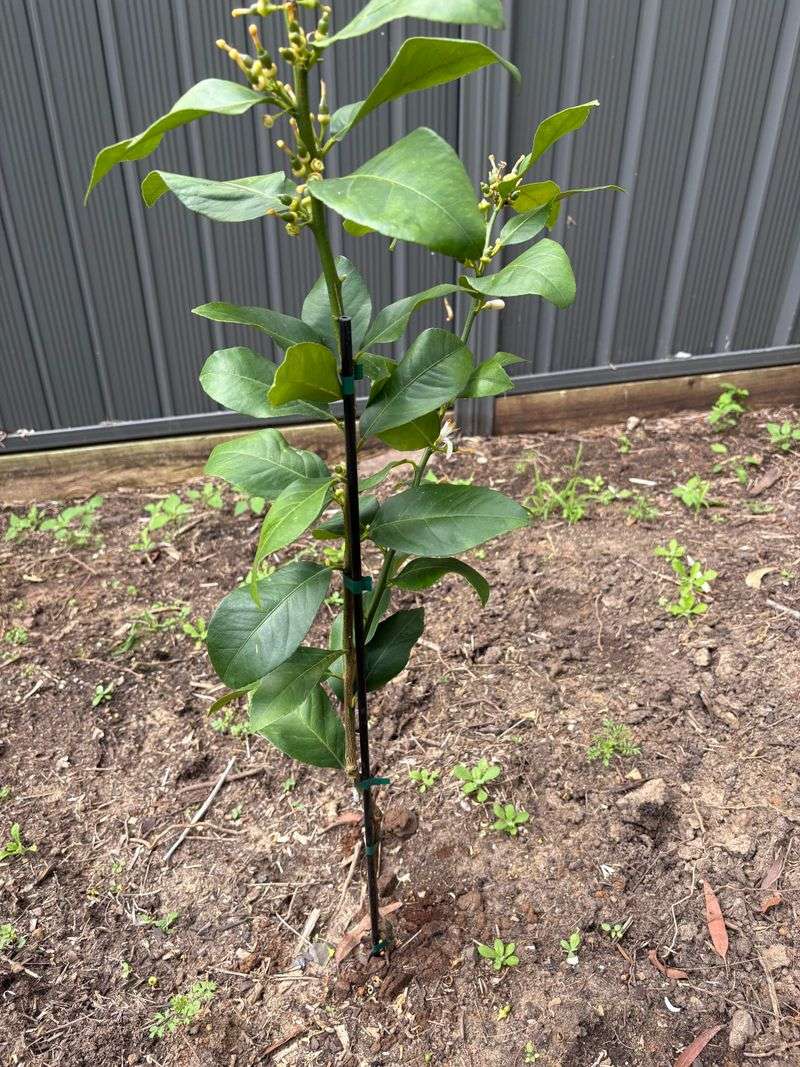
For young trees, staking only when needed and doing it loosely works best.
Place two stakes on opposite sides of the trunk, outside the root ball. Use soft, wide ties, like rubber strips or tree tape, never wire or thin string that can cut into bark.
The tree should still be able to sway a little.
That gentle movement helps the trunk grow stronger over time. Tie it low, at the lowest height that keeps it upright, rather than near the top.
Remember to check your ties after the storm season ends.
Ties left on too long can girdle a trunk, which means they squeeze it and block the flow of water and food.
4. Move Sensitive Containers Under Cover
A prized succulent collection can turn to mush in a single weekend of rain if the pots have no drainage holes and water pools inside undetected.
Container plants are the most exposed members of any garden.
Pots can fill with water much faster than ground soil drains.
Plants like succulents, cacti, and many Mediterranean herbs rot quickly when their roots sit in soggy mix. Light plastic pots can also blow over in a gust and crack or spill.
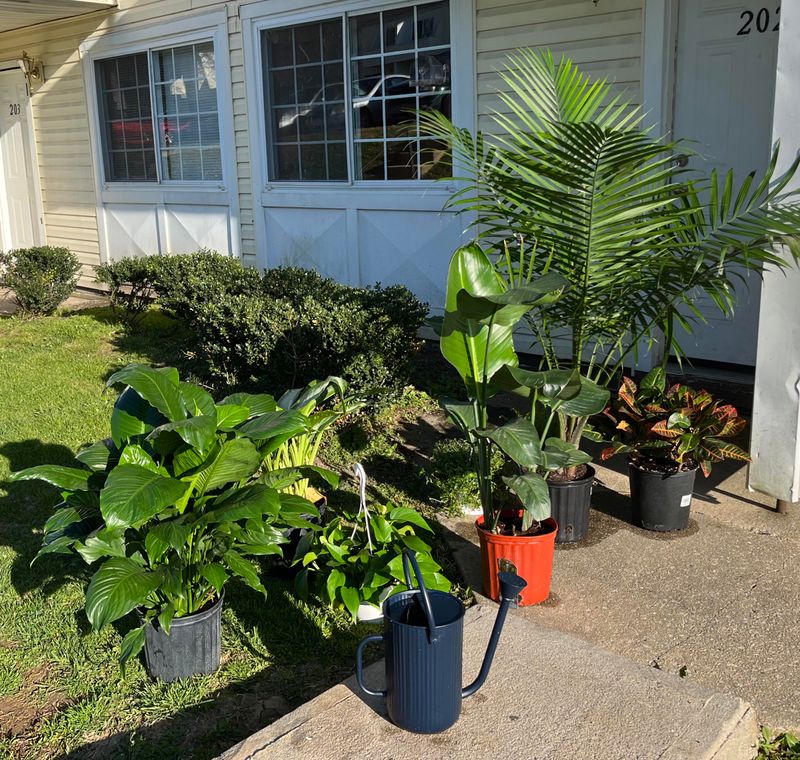
Before the storm, group your most delicate pots under a patio roof, a covered porch, or along a sheltered wall.
A plant dolly with wheels makes moving heavy pots easier on your back. Keep them where they still get some light.
Check each pot for open drainage holes.
If a pot sits in a saucer, empty the saucer or remove it during rainy weeks. Raising pots on pot feet or bricks lets water escape freely.
Tender plants like citrus seedlings, tropical houseplants that summered outside, and frost-sensitive succulents may also need protection from the first chilly nights.
Tall potted plants should be tucked against a wall or laid on their sides if a big wind is coming.
5. Trim Weak Branches Before Wind Tests Them
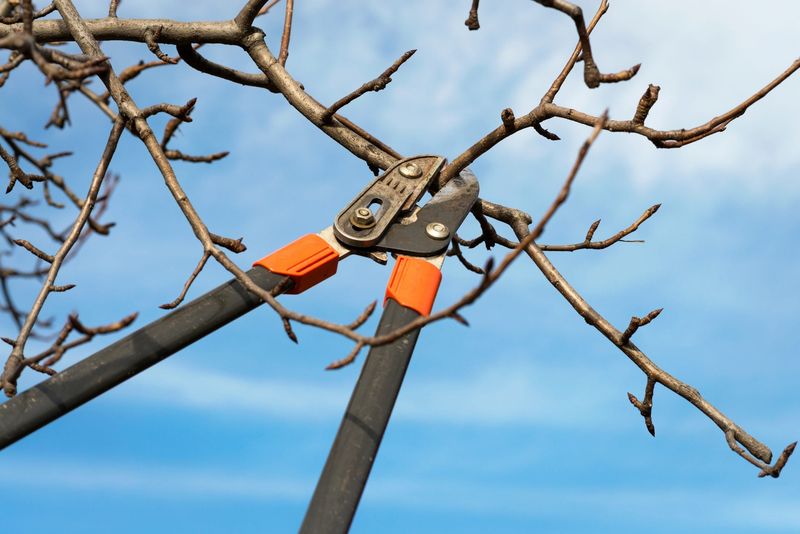
Wet leaves are heavy.
When rain soaks a tree and wind starts pushing, every weak spot gets tested at once. A cracked or weakened limb that hung on all summer might crash onto your roof, car, or fence in the first real storm.
Take a slow walk around each tree and look up.
Watch for bare branches with no leaves, cracks, splits, or limbs that rub against each other. Branches that grow in a tight V shape with bark pinched between them are also prone to splitting.
Small bare or broken branches are a fine DIY job with clean, sharp pruners or a pole saw.
Make cuts just outside the branch collar, the slightly swollen ring where a branch meets the trunk. Avoiding flush cuts and topping trees matters here, since topping creates weak new growth that breaks even more easily.
Keep pruning light in fall.
Heavy cuts can stress a tree and trigger tender growth right before cold weather. Focus on removing risky wood, not reshaping the whole tree.
Big limbs, branches near power lines, or anything that needs a chainsaw off a ladder belongs to a certified arborist.
6. Test Irrigation Before You Stop Needing It

Here’s a sneaky truth: most people forget about their sprinklers the moment the rain starts.
Then spring arrives, the system turns back on, and nobody notices a broken line flooding the side yard for weeks. Fall is the perfect checkup window.
Run each zone one at a time while you watch.
Look for geysers, soggy spots, clogged drip emitters, and sprinkler heads spraying the sidewalk instead of plants. Chewed drip lines from gophers or squirrels are common, too.
Leaks matter before rain for another reason.
A system that already leaks keeps soil wet, and when a storm adds more water, that area can become waterlogged. Fix broken parts now while soil is dry and easy to dig.
Next, set up your controller for the wet season.
Cutting back watering as temperatures drop and turning systems off during and after good soaking rains makes sense here. A rain sensor or smart controller can pause watering automatically, saving water and money.
Flush drip lines by opening the end caps and letting water run until it comes out clear.
7. Mulch Beds Before The Ground Gets Wet
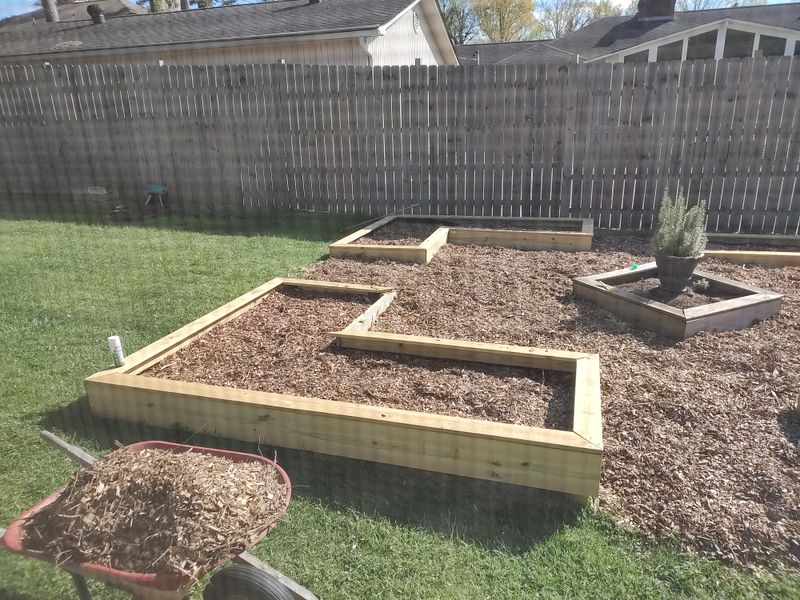
Mulch works like a raincoat for your soil.
When big drops hit bare dirt, they break it apart and splash it around. On slopes, that loose soil can wash away in a single storm, taking seeds and plant food with it.
A layer of coarse mulch softens the blow of every raindrop.
It slows runoff, helps water soak in instead of rushing off, and keeps soil from crusting. About two to four inches of wood chips or shredded bark works for most beds.
Timing makes a big difference.
Spreading mulch on dry ground is much easier than slogging through mud, and you avoid packing down wet soil with your boots. Compacted soil drains poorly, which leads right back to soggy root problems.
Keep mulch a few inches away from tree trunks and plant stems.
Piling it against bark holds moisture there and can invite rot and pests. Picture a donut, not a volcano.
Many cities in California offer free wood chips, and local tree trimmers sometimes drop off loads at no cost.
8. A Little Prep Prevents Real Storm Damage
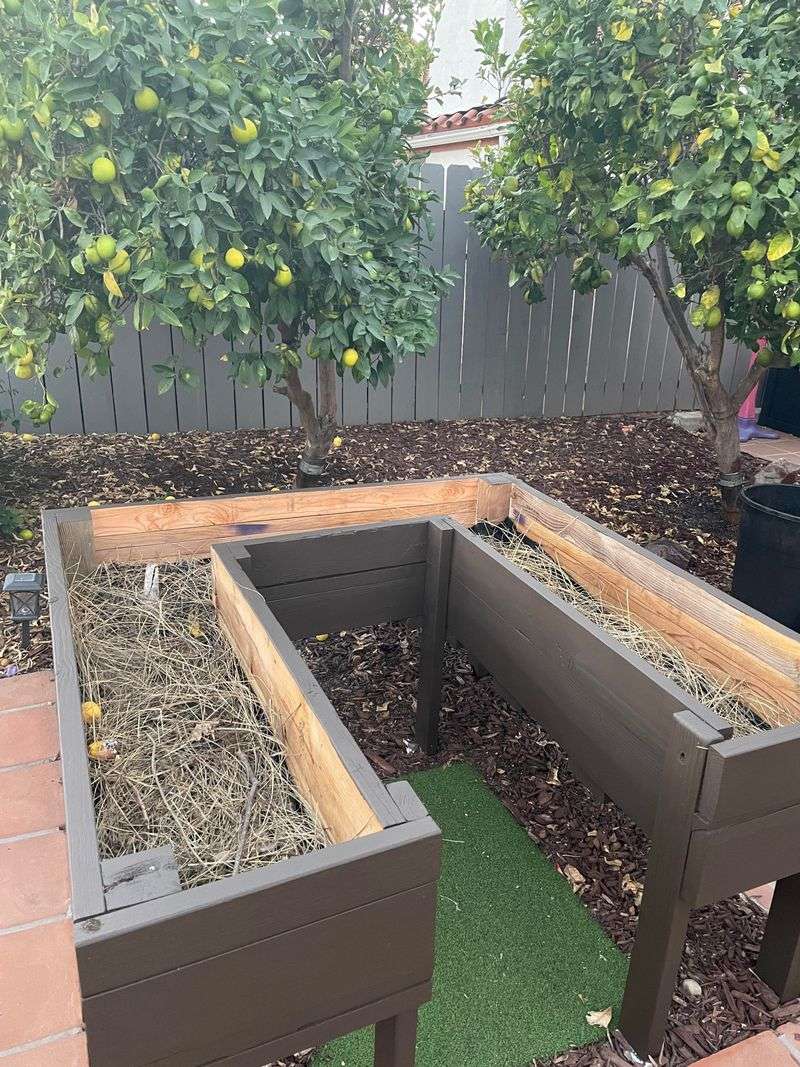
None of these jobs takes a full weekend on its own.
A clean gutter here, a stake there, and a few pots rolled under the patio roof can add up to a garden that shrugs off a storm instead of getting wrecked by it.
Consider what you’re really protecting.
Drainage checks save roots from drowning. Staking and pruning guard against wind. Moving containers and mulching beds keep plants and soil in place, while an irrigation checkup stops hidden leaks from making soggy soil even worse.
Fixing damage after the fact usually costs far more time and money than preventing it.
Replacing a split tree, a struggling citrus, or a washed-out bed can take seasons. A couple of hours spent now is a pretty good trade.
Try making a simple checklist and tackling one task each evening during the week before a storm.
Once the rain arrives, take a quick walk outside with an umbrella. Notice where water pools, which downspouts overflow, and which plants lean.
After the storm passes, check stakes, remove any fresh broken branches, and refill mulch where it washed away.
9. Bring In Or Secure Loose Yard Items
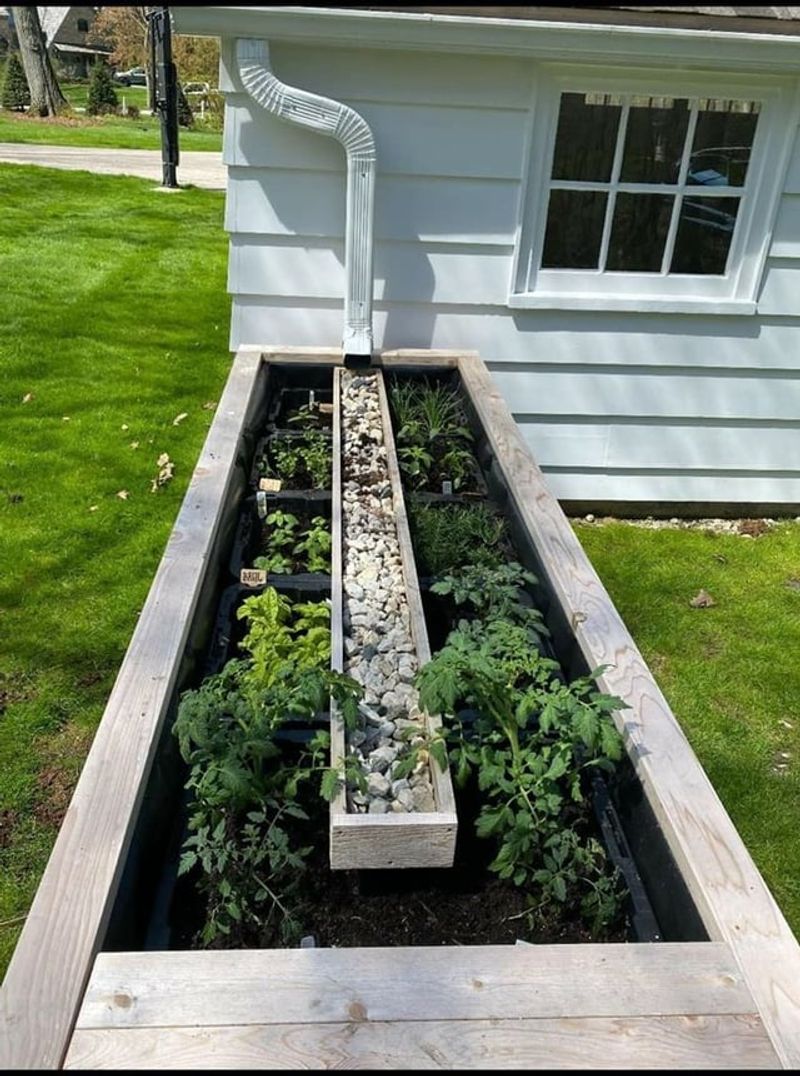
Walk the yard one more time and look at everything that isn’t a plant, a pot, or a tree, since loose items become genuine hazards the moment real wind picks up.
Empty planters, decorative garden ornaments, patio cushions, and small furniture pieces can all turn into projectiles in a strong gust, cracking against fences, windows, or a parked car before anyone realizes what happened.
Lightweight items are the biggest risk here. A hollow plastic pot or a foam kneeling pad weighs almost nothing, which means even a modest wind event can send it tumbling across the yard or straight into a neighbor’s space.
Garden tools left leaning against a shed or fence deserve a second look too. A rake or hoe forgotten against a wall can get knocked flat during a storm and become a tripping hazard once it’s buried under wet leaves the next morning.
Trellises and plant supports left standing from summer crops often outlive their usefulness by fall. A flimsy tomato cage or bamboo stake still in the ground can snap in heavy wind and take a nearby plant down with it in the process.
Hanging items like wind chimes, bird feeders, and hanging baskets swing hard once gusts arrive, sometimes cracking against siding or windows repeatedly through a long night of weather. Bringing them in or tying them down solves the problem in minutes.
Check gates and fence panels while doing this walk-through as well. A latch that seemed fine all summer can work itself loose and start slamming with every gust, which wears down hardware faster than normal use ever would.
This entire check takes about fifteen minutes and prevents the kind of scattered mess that turns a productive storm morning into a scavenger hunt across your own yard, and sometimes your neighbor’s too.