What First Frost And First Freeze Each Mean For North Carolina Garden Plants
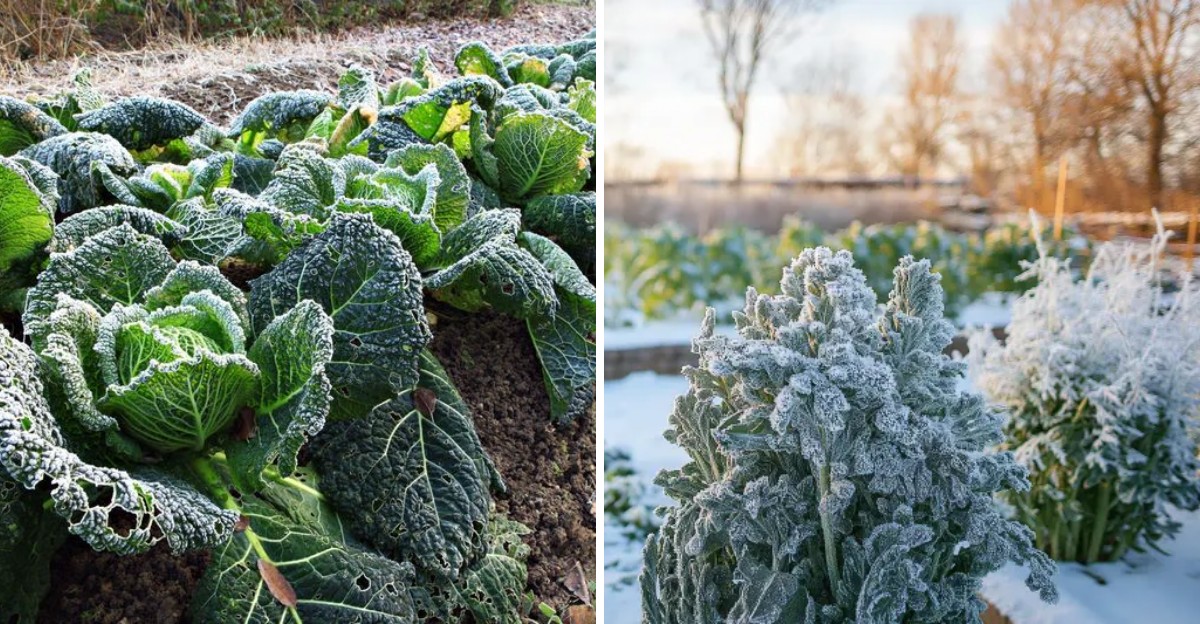
The terms first frost and first freeze get used almost interchangeably by North Carolina gardeners, but they actually describe two very different threats to plants in the yard.
A frost occurs when temperatures dip to around freezing under calm, clear conditions, forming ice crystals that can damage tender leaves and blooms without necessarily ruining the entire plant outright.
A freeze, by contrast, involves a more sustained drop in temperature that penetrates deeper into plant tissue and soil, often causing much more severe or complete damage even to plants that survived an earlier frost just fine.
Because these two events call for different levels of protection, knowing which one is actually forecast changes whether a light row cover will suffice or something more substantial is needed.
Understanding this distinction helps North Carolina gardeners respond appropriately instead of either overreacting to a mild frost or underestimating a genuine hard freeze.
1. Frost And Freeze Are Not The Same Thing
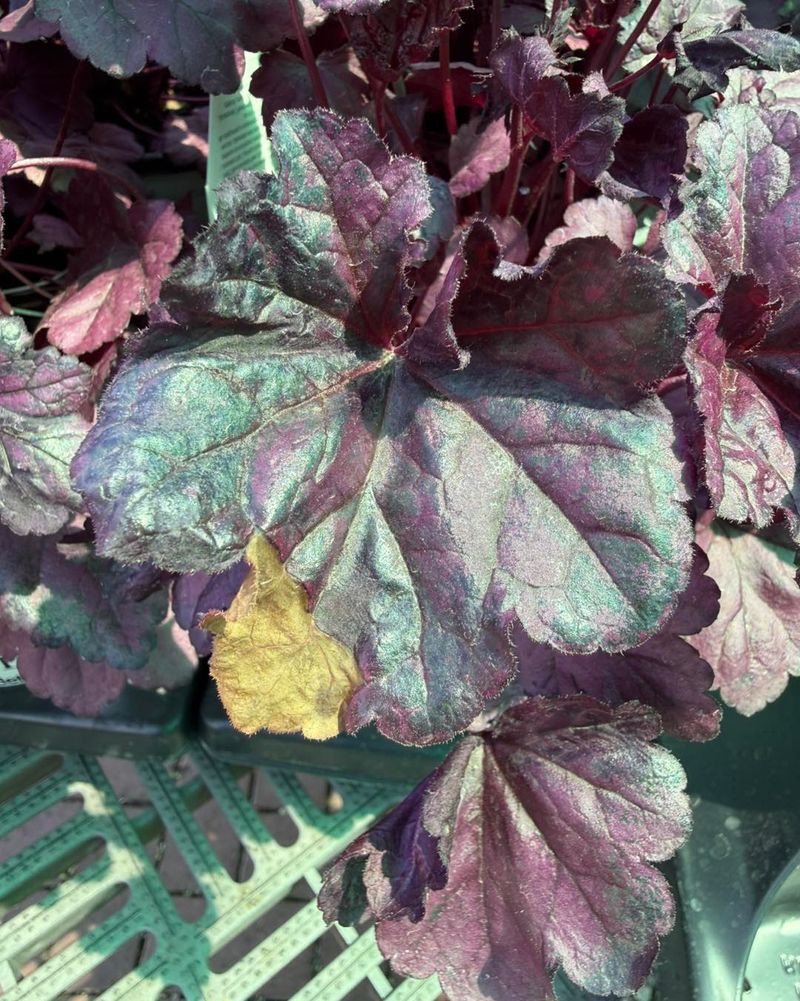
Plenty of gardeners use the words frost and freeze as if they were twins. They are more like cousins, related but not identical. Knowing how they differ can change what you do on a cold autumn evening.
Frost is the white layer of ice crystals that forms on leaves, car windshields, and grass. It shows up when surfaces get cold enough for moisture in the air to turn straight into ice.
A freeze is different, because it means the air temperature itself drops to 32°F or below. Why does that matter so much?
Frost mostly harms the outer surfaces of tender plants, while a freeze chills the whole plant from the inside out. As a result, a freeze usually causes deeper damage that spreads across the entire garden, not just the exposed leaves on top.
Weather forecasts use these terms carefully. The National Weather Service issues a frost advisory when lows are expected in the mid 30s and frost is likely.
A freeze warning comes out when temperatures are expected to reach 32°F or colder, so it signals a more serious threat.
Here in North Carolina, the gap between these two events can be surprisingly wide. Your garden might see its first frost in late October and then enjoy several mild weeks before the first true freeze arrives. Some years, the two show up only days apart.
Paying attention to which alert is in the forecast helps you decide how much effort to put into protection. A frost advisory might mean covering the basil, while a freeze warning calls for a bigger rescue plan.
2. Why Frost Can Form Above 32°F

Your weather app says the low will be 36°F, so you go to bed without a worry. The next morning, your pepper plants are coated in white. Surprises like that happen to North Carolina gardeners every fall.
The secret lies in how heat moves at night. On clear, calm evenings, leaves and other surfaces give off their warmth to the open sky very quickly.
They can cool below freezing even while the air a few feet higher, where thermometers usually sit, stays several degrees warmer.
Your North Carolina Garden Changes Every Week. Your Plan Should Too.
Gardening in North Carolina changes quickly throughout the season. Every Friday you’ll receive a simple weekly plan showing exactly what to plant, prune, fertilize, harvest, and protect so you never miss the right timing.
Cold air also behaves a lot like water. It is heavier than warm air, so it slides downhill and pools in low places. That is why the bottom of a slope often gets frost first while plants just uphill stay perfectly fine.
Watch the sky before bed. Nights with clear skies and little wind carry the highest frost risk, while cloudy or breezy nights tend to stay milder because clouds act like a blanket and wind mixes the air.
Check low areas of your yard first when you make your morning rounds. Location near structures helps too.
Plants growing close to a brick wall, under a tree canopy, or near the house often stay a little warmer, since those spots hold heat or block the open sky.
North Carolina has plenty of spots where cold air settles. The rolling hills of the Piedmont and the deep valleys of the Mountains create frost pockets that can see frost earlier than nearby higher ground. Learning where yours are is a smart habit.
3. Tender Plants Frost Damages First
Summer favorites carry a secret weakness. Basil, tomatoes, peppers, eggplant, squash, cucumbers, beans, and sweet potatoes all come from warm parts of the world. So do flowers like impatiens, coleus, and many tropical annuals.
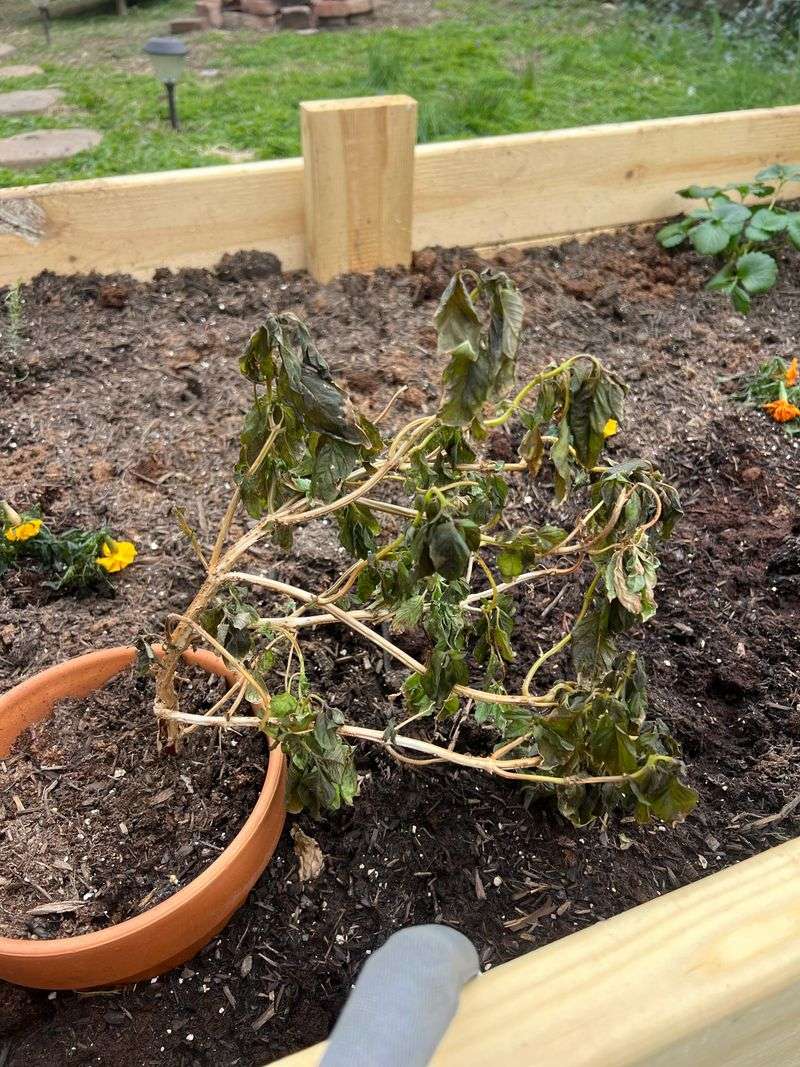
When ice forms on or inside their leaves, the plant cells break open. Afterward, the leaves turn black, mushy, or look soaked with water. One frosty night can turn a bushy pepper plant into a droopy mess by lunchtime.
Getting ahead of the cold is your best move. Harvest ripe produce before the first frost is expected, and pick larger green tomatoes too, since many will ripen indoors on a counter.
Sweet potatoes should come out of the ground before frost hits the vines, because cold soil can hurt the roots.
Basil deserves extra attention. It is so sensitive that its leaves can darken when nights dip into the 40s, well before any frost appears. Pick it early and make pesto or freeze it in ice cube trays to enjoy all winter.
For plants you want to keep going, grab a cover or bring them inside on nights when frost is likely. Potted coleus and tropical plants often make happy houseplants through the cold months.
In North Carolina, timing makes all of this extra important. Many of these warm season crops are still producing heavily in October, loaded with fruit when the first frost comes knocking. A little planning lets you save that final burst of flavor.
4. What A Light Freeze Does To The Garden
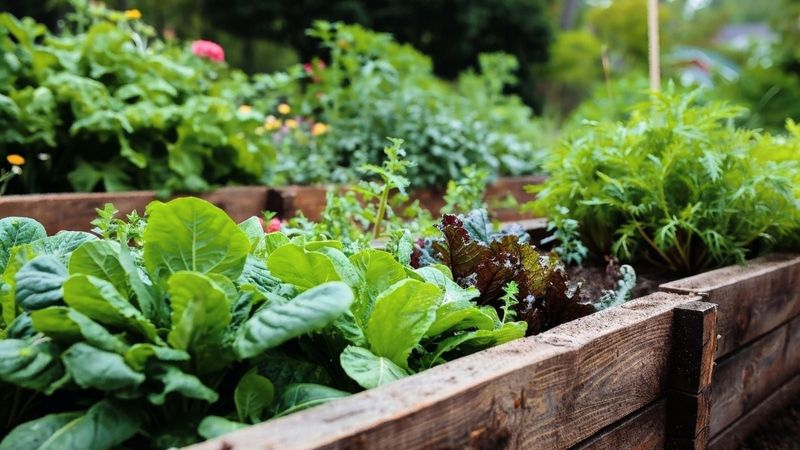
Somewhere between 29°F and 32°F, the garden story changes. Gardeners call this range a light freeze, and it hits harder than a simple frost. The cold no longer stays on the surface.
During a light freeze, tender plants get chilled all the way through. Stems, leaves, and fruit all feel the cold, not just the tips facing the sky. Afterward, most warm season vegetables and summer annuals stop producing for good.
That sounds gloomy, but plenty of plants shrug it off. Semi-hardy crops like lettuce, Swiss chard, and beets often come through with little trouble.
Fall flowers such as pansies and snapdragons may look droopy at dawn and then perk right back up once the sun warms them.
Row covers give these tougher plants an extra edge. A lightweight fabric cover can hold in a few degrees of warmth, which is often all that stands between crisp lettuce and wilted leaves.
Lay it over hoops or directly on the plants, and secure the edges with rocks or pins. Once the freeze passes, take a walk and assess.
Pull out blackened squash and bean plants and add them to the compost pile. Clearing the beds now makes room for garlic planting or a layer of shredded leaves.
Across North Carolina, a light freeze usually marks the true end of the summer garden in each region. Mountain gardens see it first, while coastal gardens might wait weeks longer, but the signal is the same everywhere.
5. Hardy Crops That Keep Going After A Freeze
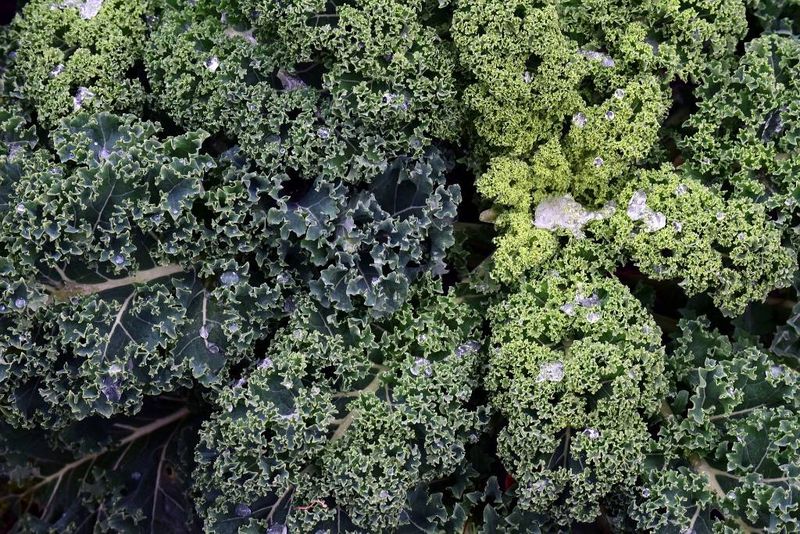
Ask any Southern cook, and they will tell you collards taste best after a good frost. They are not just repeating folklore. Science backs them up.
Cool season crops like kale, collards, cabbage, Brussels sprouts, spinach, arugula, carrots, turnips, garlic, and onions can adjust to cold weather.
As temperatures drop, many of them convert stored starches into sugars. Those sugars work a bit like antifreeze, protecting plant cells and making the harvest noticeably sweeter.
So after the first freeze, leave these crops right where they are. They will keep growing slowly on mild days and stay fresh in the ground far longer than in your fridge. Carrots and turnips especially enjoy staying tucked into the cool soil.
Extra help becomes useful when temperatures head into the low 20s. Toss a row cover over the beds on those nights to shield leaves from the harshest cold. Many gardeners keep covers folded nearby all winter so they can react quickly.
Timing your harvest makes a difference too. Wait until afternoon, after any frost on the leaves has thawed, before you pick. Frozen leaves bruise easily, but once they warm up, they bounce back crisp and ready for the kitchen.
North Carolina gardeners have a real advantage here. In the Piedmont and Coastal Plain, these hardy crops can often be harvested well into winter. A pot of fresh greens in January feels like a sweet reward for planting in late summer.
6. A Hard Freeze Ends Most Of The Season
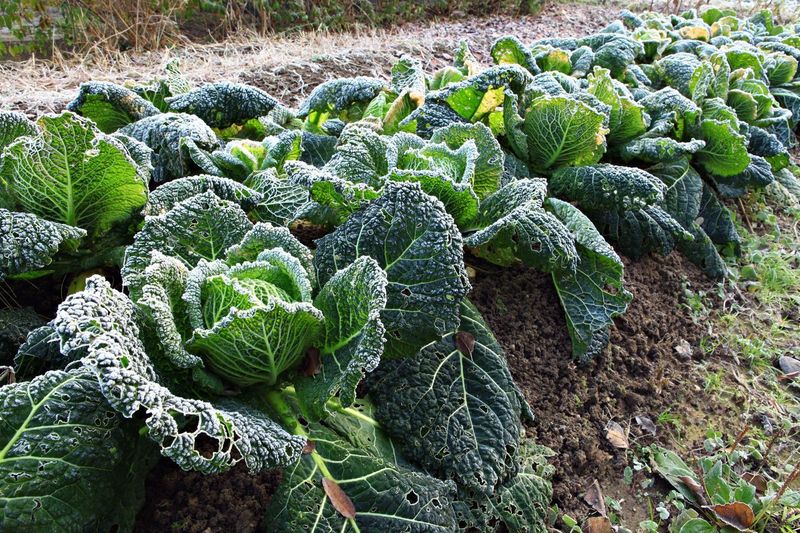
Think of a hard freeze as the final curtain call of the growing year. Most experts define it as 28°F or colder lasting for several hours. Once it arrives, the garden truly settles in for winter.
At these temperatures, most annual flowers and warm season vegetables are finished. Perennials slip into full dormancy, pulling energy down into their roots for spring.
Even some hardy crops can show damage if they sit unprotected through a long, bitter night.
Before the forecast turns that cold, finish harvesting everything except your toughest crops. Kale, collards, and carrots can usually stay, especially with covers. Softer greens like lettuce should come inside.
Patience pays off with perennials. Cut them back only after they have gone dormant and their foliage has turned brown. Some gardeners leave seed heads standing, since birds love snacking on coneflower and black-eyed Susan seeds all winter.
Mulch is your next task. Wait until the soil has cooled, then spread straw, pine needles, or shredded leaves around perennials and over garlic beds.
Mulching too early can trap warmth and confuse plants, but mulching after the chill helps keep soil temperatures steady and prevents roots from heaving during freeze and thaw cycles. North Carolina shows big differences here.
Hard freezes are a regular part of winter in the Mountains, where gardeners plan for them every year. In parts of the eastern Coastal Plain, though, they can be infrequent, and some winters bring only a handful of truly cold nights.
7. Average First Frost Dates Across North Carolina
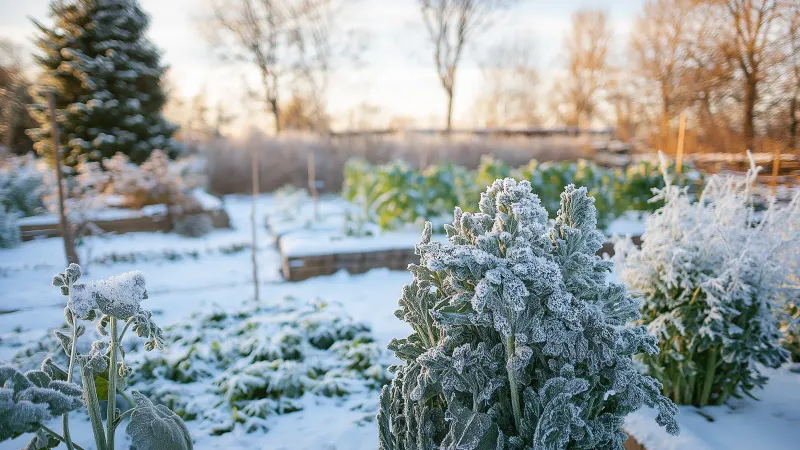
North Carolina stretches over 500 miles from the Great Smoky Mountains to the Outer Banks. Along that journey, the fall weather changes a lot. Your first frost date depends heavily on where your garden sits.
Three big factors shape the timing. Elevation matters most, since higher land cools faster. Distance from the coast plays a role too, because the ocean holds summer warmth and keeps nearby areas milder, while the shape of the land decides where cold air settles.
In much of the Mountains, first frost usually arrives in early to mid October. The highest elevations can see it even earlier, sometimes in late September. Gardeners there tend to plan their fall crops with a short window in mind.
Moving east, the Piedmont typically gets its first frost from late October to early November. Cities like Charlotte, Greensboro, and Raleigh fall into this range.
The Coastal Plain usually waits until early to mid November, and spots right near the coast often stay frost free even later.
After that first frost, the first freeze typically follows by one to several weeks. That gap gives many gardeners bonus time for hardy crops and late flowers.
Keep in mind that these dates are averages, not promises. Early or late frosts happen often in any given year, and a sudden cold snap can arrive two weeks ahead of schedule.
Watching your local forecast closely each fall, and keeping a simple garden journal of your own dates, gives you the most reliable guide of all.
8. Protecting Plants When Frost Or Freeze Is Coming
A frost advisory pops up on your phone at dinnertime. No need to panic. With a few household items and some quick action, you can guard your plants through the night.
The ground is your hidden helper. Soil soaks up heat during the day and slowly releases it after dark. Covers work by trapping that rising warmth around your plants, much like a blanket holds in body heat.
Start by watering the soil during the day before a cold night. Moist soil holds and releases more heat than dry soil, so a good drink in the afternoon gives your garden a warmer evening. Skip watering the leaves themselves.
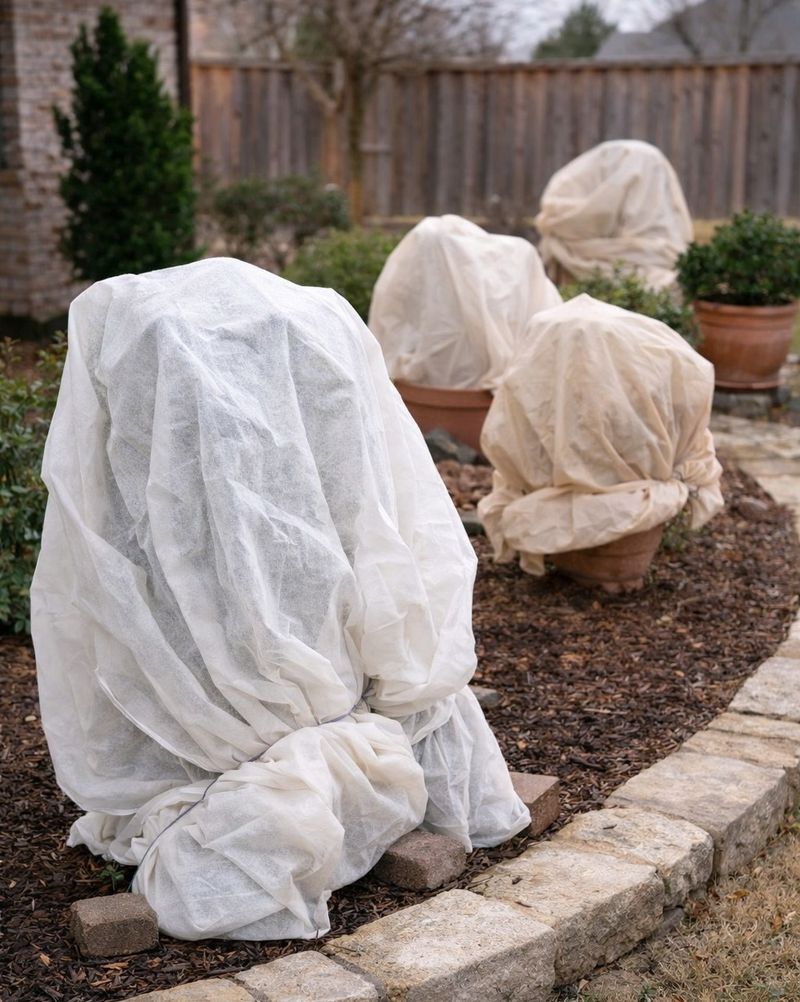
As evening falls, drape plants with row cover, old sheets, or blankets. Let the fabric reach all the way to the ground so it captures heat coming up from the soil. Weigh down the edges with bricks or rocks so wind cannot sneak underneath.
Plastic needs special care. If it touches the leaves, it passes cold straight into the plant and can cause more harm than good. Prop plastic up on stakes, or better yet, stick with fabric.
Containers are easy to rescue. Move them into a garage or push them against the house, where walls give off stored warmth. The next morning, remove covers once temperatures rise so plants can soak up sunlight.
In North Carolina, this effort often pays off wonderfully. The first frost is frequently followed by weeks of mild weather, and protected plants can keep blooming and producing long after that first chilly scare.