9 Fast-Growing Oregon Native Shrubs That Give Yards Instant Privacy
Maybe your new neighbors built a deck that looks straight into your kitchen window, or maybe you just want to sip coffee in your robe without an audience. A living screen of native shrubs can fix that, and it can also turn your yard into a snack bar and safe house for Oregon birds and bees.
The nine picks below grow quickly in the wet winters and dry summers west of the Cascades, so you will not wait a decade to feel hidden. Fair warning: once you see hummingbirds working your new hedge, you may end up buying more plants than you planned.
1. Pacific Ninebark
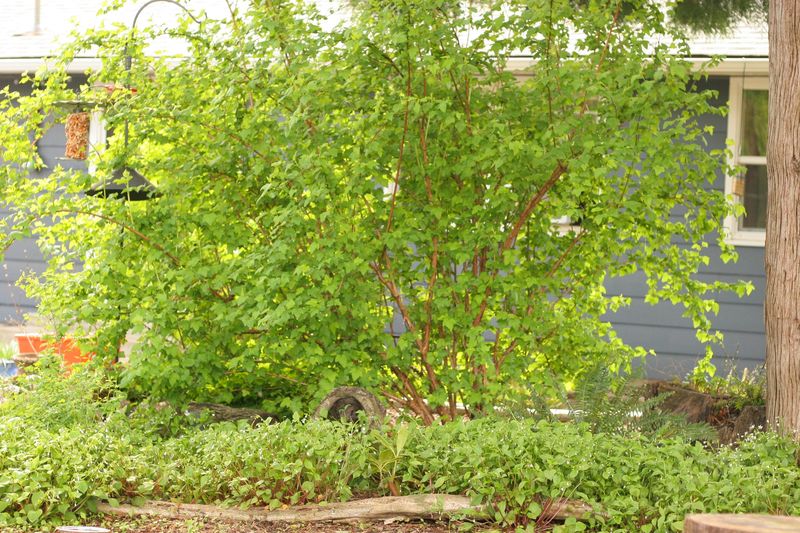
Got a soggy corner where everything else sulks and rots? Pacific ninebark shrugs off wet feet like it was born in a ditch, which, honestly, it often was.
Along creeks and low spots in western Oregon, it grows into thick walls of green without any fuss.
Expect a fast climb to 6 to 12 feet tall and nearly as wide, which is plenty to block a neighbor’s patio in a couple of seasons. Late spring brings snowball-shaped clusters of white flowers that native bees, hover flies, and small butterflies can swarm on warm days.
By fall, those blooms turn into reddish seed heads that hang on and add color after the maple leaves drop.
Winter is when the name finally makes sense. Old stems peel in thin, papery layers, supposedly nine of them, giving the bare branches a shaggy texture that looks great against gray December skies.
The twiggy, crowded growth can also give birds sheltered spots for nesting come spring.
Plant it in fall or late winter, when Oregon rains will do most of your watering for you. Sun or part shade both work, and a light trim after flowering keeps it bushy instead of leggy.
2. Tall Oregon Grape
Here is a fun bit of trivia to share at your next plant swap: Oregon grape is our official state flower. That means planting a hedge of it is basically a patriotic act, and nobody can blame you for bringing home five more pots.
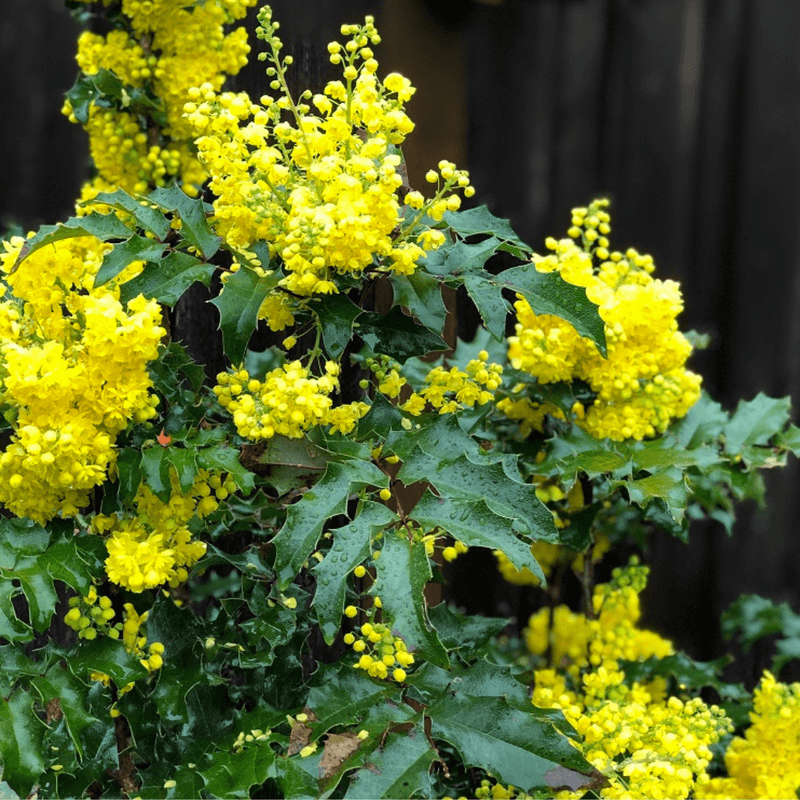
Unlike several shrubs on this list, this one keeps its leaves all year. The spiny, holly-like foliage starts out bronzy copper, turns glossy green, and can blush red and purple when a cold snap rolls through the valley.
Plants usually reach 5 to 15 feet, and their prickly leaves make a screen that people and pets tend to avoid pushing through.
Bright yellow flowers show up in late winter and early spring, right when hungry queen bumblebees and overwintering Anna’s hummingbirds are searching for food. Dusty blue berries follow, and robins and waxwings may strip them fast.
The berries are tart but edible, and some gardeners turn them into jelly.
Growth is moderate at first, then picks up once roots settle in. After the first dry summer, it handles drought well, so you can go easy on the hose in August.
Prune right after flowering if you want a tidier, thicker hedge shape.
Your Oregon Garden Changes Every Week. Your Plan Should Too.
Gardening in Oregon changes quickly throughout the season. Every Friday you’ll receive a simple weekly plan showing exactly what to plant, prune, fertilize, harvest, and protect so you never miss the right timing.
3. Pacific Wax Myrtle
Picture the Oregon coast in a winter storm, wind howling off the Pacific. Pacific wax myrtle stands out there looking completely unbothered, which tells you something about how tough it is in a Salem or Eugene backyard.
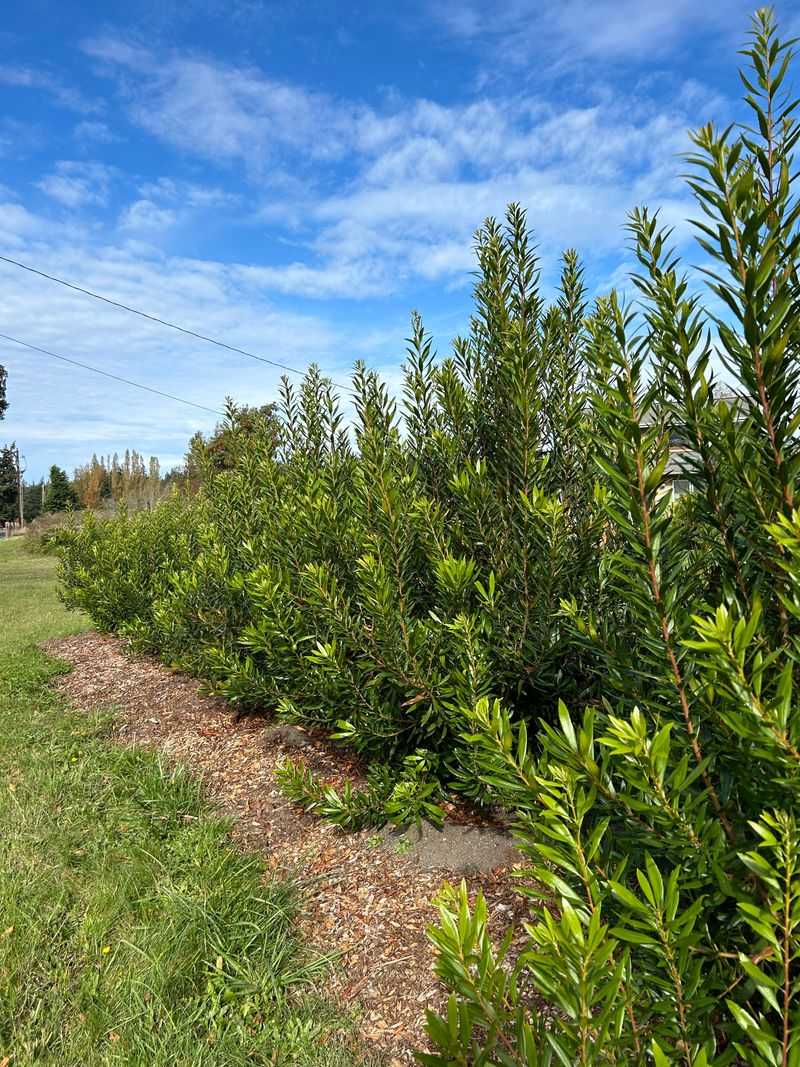
If you want a real evergreen wall, this is probably your best bet. It can put on 1 to 2 feet per year and eventually reach 10 to 20 feet or more, with narrow, glossy leaves packed tight enough to block views, wind, and some street noise.
It takes shearing well, so you can keep it as a formal hedge or let it grow loose and natural.
The spring flowers are tiny and easy to miss. The real show comes in fall, when small waxy purple berries appear and chickadees, warblers, and other songbirds may drop by to feed.
Early settlers along the coast reportedly boiled similar berries to collect wax for candles.
Wax myrtle also partners with soil microbes to pull nitrogen from the air, which can help enrich poor ground. Give it sun or part shade and decent drainage.
In the colder parts of the valley, a hard freeze can singe some leaves, but it usually bounces back by summer.
4. Blue Elderberry
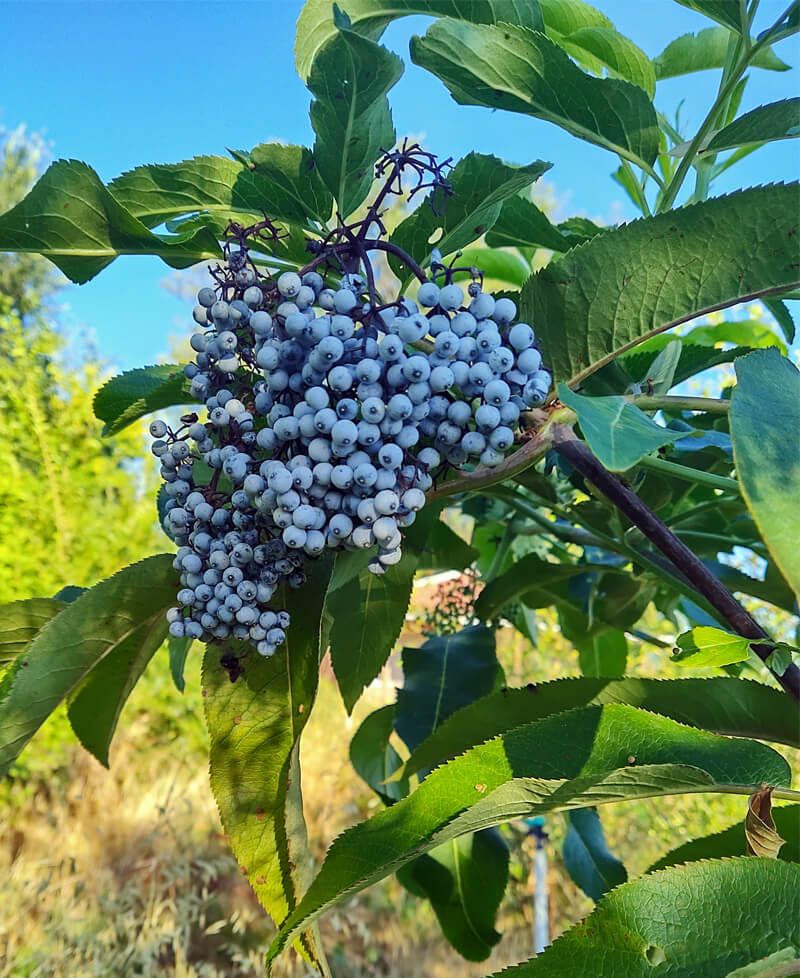
Speed demon alert. If you planted a blue elderberry in March and forgot about it, you might come back in fall to find a small tree waving at you from the fence line.
Few natives grow this fast. It can shoot up several feet in a season and eventually reach 10 to 30 feet tall and just as wide, so it suits big backyards, rural lots, and the far edge of a property better than a skinny side yard.
The payoff is quick, leafy cover from late spring into fall.
Creamy, flat-topped flower clusters open in early summer and can draw butterflies, bees, and hummingbirds. Those blooms ripen into berries with a frosty blue coating, and dozens of bird species may show up to feast, along with squirrels and chipmunks.
Watching a flock of cedar waxwings strip a branch is the kind of thing that makes all your plant-buying feel completely justified.
One safety note matters here. Raw berries, leaves, and stems can upset stomachs, so cook any fruit you harvest for syrup or jam.
Since it loses its leaves in winter, pair it with an evergreen like wax myrtle if you need year-round screening.
5. Ocean Spray
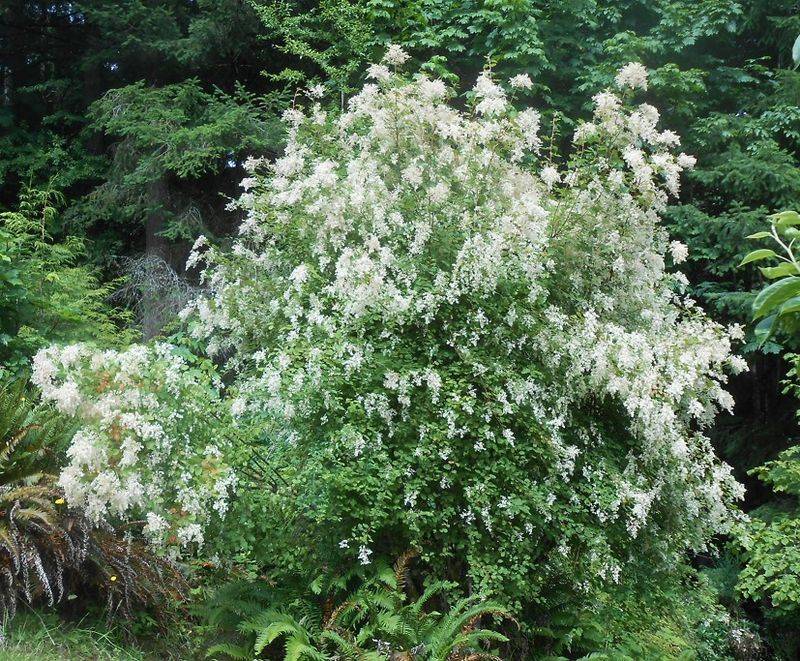
Some shrubs whisper. Ocean spray throws a full-blown party every June, draping itself in foamy, drooping plumes of creamy white flowers that really do look like sea mist breaking over the branches.
It is a big, fast grower, often hitting 10 to 20 feet tall with graceful, arching stems. Several plants in a row create a soft, airy screen that feels more woodland than wall.
That looser look works nicely if you want privacy without a stiff, boxed-in feeling.
Pollinators treat the flower clusters like a buffet, and you might spot butterflies, native bees, and even hummingbirds working them on warm afternoons. The blooms fade to tan and hang on for months, and small seeds can feed birds later in the year.
Some gardeners leave the dried plumes up all winter for texture.
Here is where ocean spray really earns its spot: it handles dry summers with very little help once established. It also tends to be low on the deer menu, which is good news for gardeners near forest edges.
Plant it in sun or part shade on a slope or in thin soil where fussier shrubs struggle.
Native peoples used its famously hard wood for tools, earning it the nickname ironwood.
6. Mock Orange
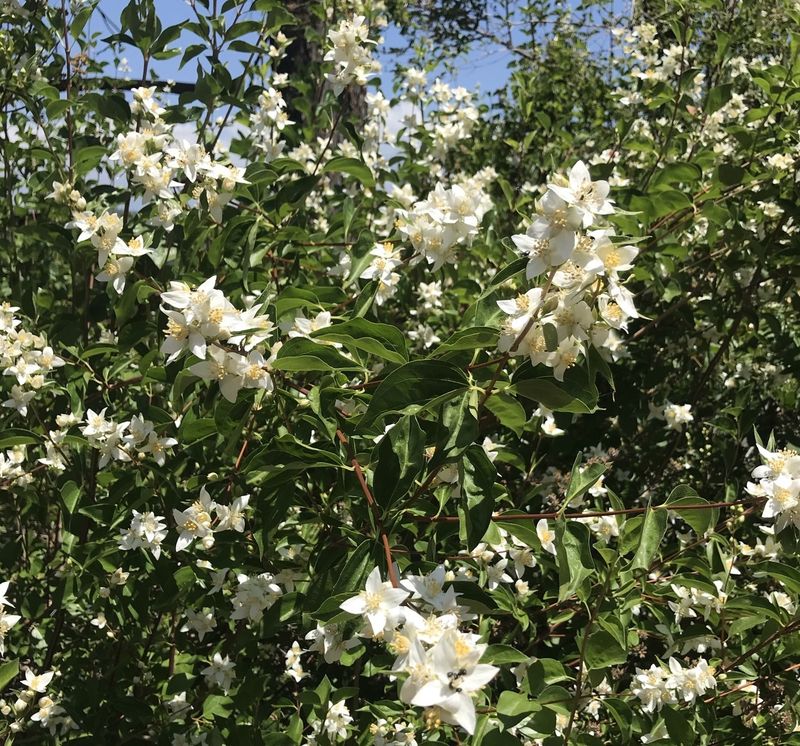
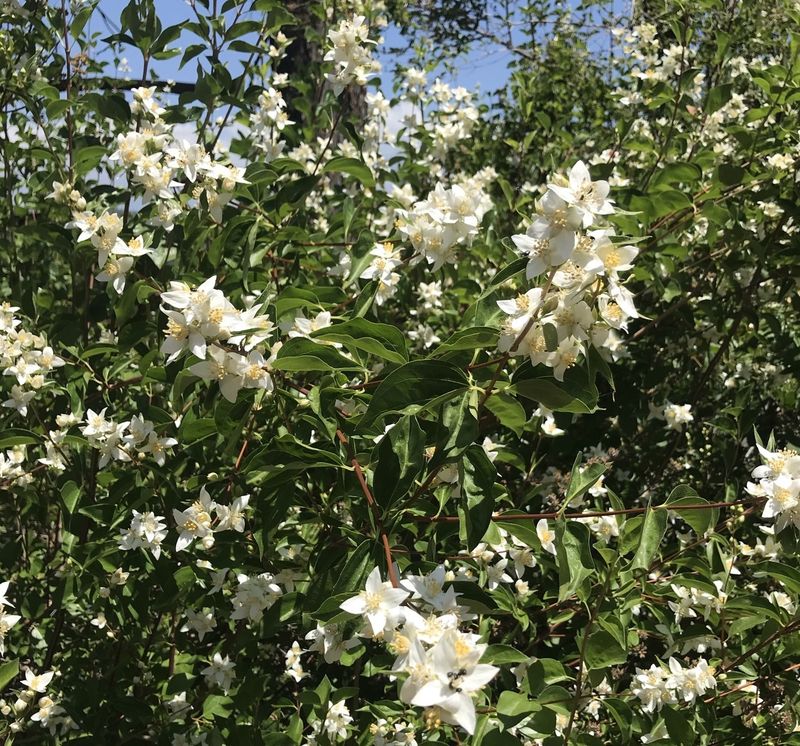
Close your eyes on a late May evening and take a deep breath. That sweet, citrusy perfume drifting over the patio might just be mock orange, and it is the kind of scent that makes you forgive every slug that ate your lettuce.
Named for Meriwether Lewis, who collected it on his famous journey west, this shrub grows quickly to around 6 to 12 feet. Its upright, bushy shape works well in a mixed hedgerow or as a screen near a seating area, where you can actually enjoy the fragrance.
Snow-white, four-petaled flowers cover the branches from late spring into early summer.
Bees and butterflies may visit the blossoms often, and the crowded branches can give birds a safe place to hide. Once the flowers fade, the plant settles into a quiet green backdrop for the rest of summer.
It drops its leaves in fall, so think of it as seasonal privacy for your outdoor living months.
Care is refreshingly simple. Mock orange handles sun or part shade and tolerates dry summers once its roots are established.
Prune just after blooming, because next year’s flowers form on this year’s growth.
7. Red Flowering Currant
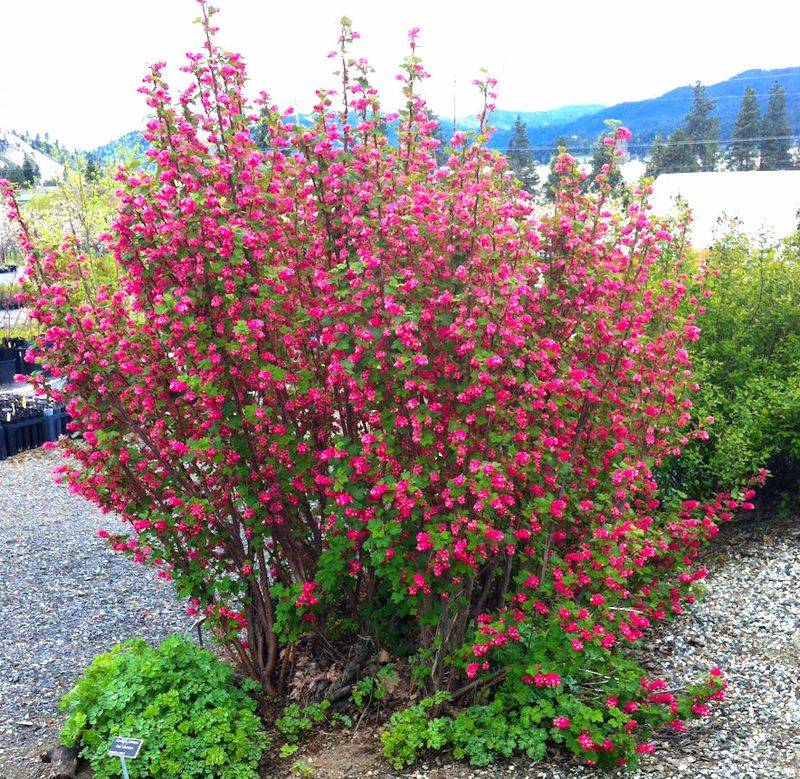
In March, when most of the garden still looks like soggy brown cardboard, one shrub lights up like a neon sign. Red flowering currant blooms early, and the timing can be a big deal for returning rufous hummingbirds and queen bumblebees looking for their first meal of the year.
Hanging clusters of pink to deep magenta flowers cover the bare branches before the leaves fully open. If you have ever felt that little pang of worry about whether your yard helps wildlife, planting one of these can feel like a sweet answer.
Many Oregon gardeners say it is the plant that turned them into hummingbird watchers.
Growth is fast, usually reaching 6 to 10 feet tall and a bit narrower. Planted in a row, currants fill in to make a medium-height screen that blocks sightlines from the street or a neighbor’s lower windows.
Blue-black berries in summer are bland for people but welcome snacks for songbirds.
It likes sun to part shade and handles dry summers once settled. Since it is deciduous, mix it with evergreens for winter coverage.
A little early-summer pruning helps keep it thick at the base.
8. Red-Osier Dogwood
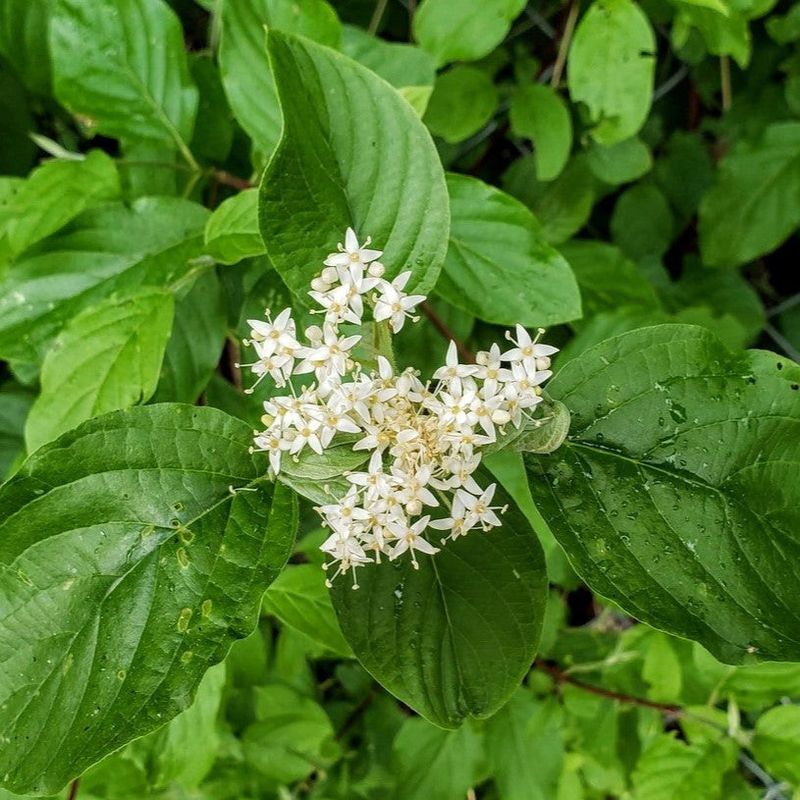
Winter privacy screens are usually all about evergreens, but red-osier dogwood takes a different approach. It drops its leaves and then shows off glowing red stems that look almost painted, making a rainy January yard feel a lot less gloomy.
This native is a quick grower, often reaching 6 to 12 feet tall and spreading as it sends up new shoots. That spreading habit is exactly what you want for a thicket-style screen.
In the growing season, the leafy stems fill in densely enough to hide a fence, a compost pile, or that neighbor’s collection of broken lawn mowers.
Red-osier dogwood loves moisture, so it shines in rain gardens, near downspouts, and along the wetter edges of a Willamette Valley lot. Flat clusters of small white flowers appear in late spring, and pale berries follow in summer.
Birds may gobble those berries quickly, and the tangled stems can give them cover year-round.
Here is a gardener secret for the brightest color: each late winter, cut out a few of the oldest, dullest stems at the base. Fresh young stems carry the reddest bark.
It is also one of the easiest shrubs to grow from cuttings, so one plant can quietly become ten.
9. Evergreen Huckleberry
Let’s be honest about this one. Evergreen huckleberry is the slowpoke of the group, so why is it on a list of fast growers?
Because shade changes the rules. Under tall Douglas firs, where most sun-lovers stall out, this shrub keeps chugging along and often grows fuller than it would in bright light.
Tuck it beneath the faster shrubs above, and it quietly fills the low gaps near the ground while its taller neighbors handle the upper screen.
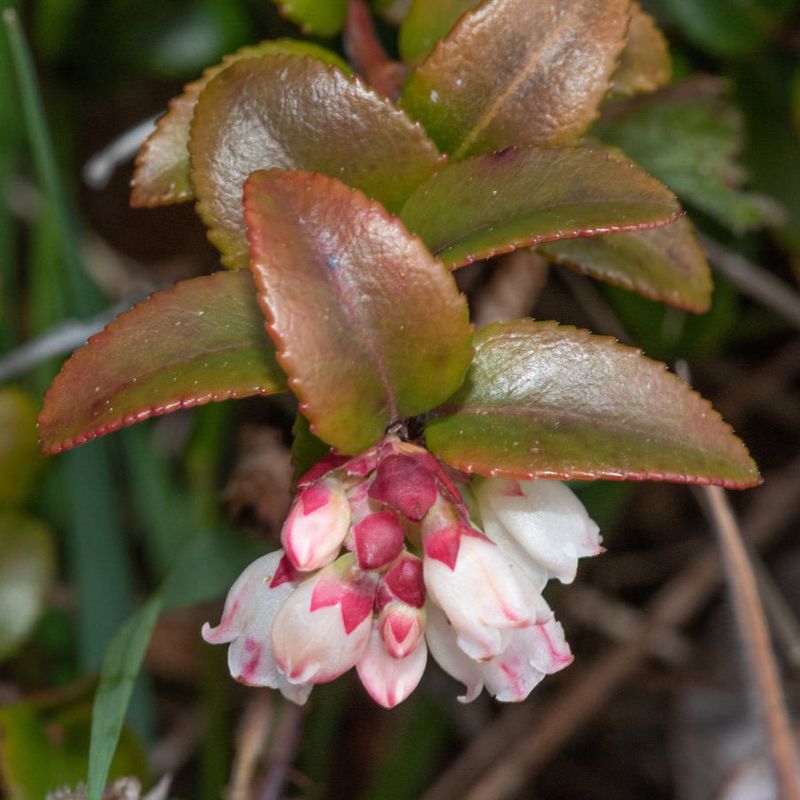
New growth comes in with a bronze-red flush before settling into small, glossy green leaves that stay put all winter. Tiny pink bell-shaped flowers in spring may attract bumblebees and hummingbirds.
By late summer, clusters of sweet blue-black berries ripen, and you will be racing robins and varied thrushes to pick them.
Those berries are delicious in pancakes, muffins, or straight off the branch while you pretend to weed. Plants usually settle between 3 and 8 feet tall, making a lovely informal hedge.
Give them acidic, well-drained soil and steady water the first couple of summers, and they will reward your patience for decades.