You Need To Do These 7 Dahlia Jobs In August For Bigger Wisconsin Blooms
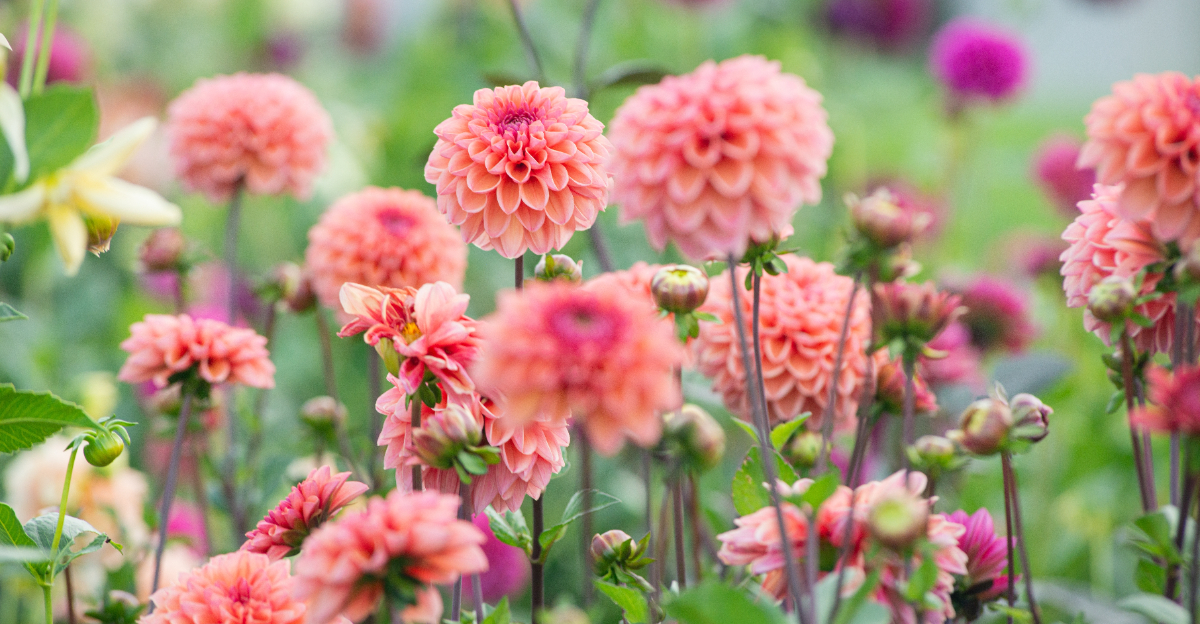
Every dahlia in Wisconsin is entering its most important stretch. Heat still lingers, but it will not last forever.
Roots you planted back in June are still working hard today. Stems are stretching toward your final surge of color.
Blooms opening right now will shape your whole season’s outcome. Wisconsin summers offer a short window to act wisely. Timing decides whether your flowers thrive or simply fade.
Waiting even a week can mean fewer blooms later. Pests can quietly multiply while your attention drifts elsewhere. Nutrients thin out exactly when your plants need support.
Support structures matter more as stems grow taller. Trimming spent blooms encourages fresh flowers to form. Small choices this week can shape your biggest results later.
Watching closely shows you exactly what your plants truly need. Cutting blooms at the right moment keeps you ahead. You have a real shot at this, and it starts now.
1. Remove Spent Blooms Regularly
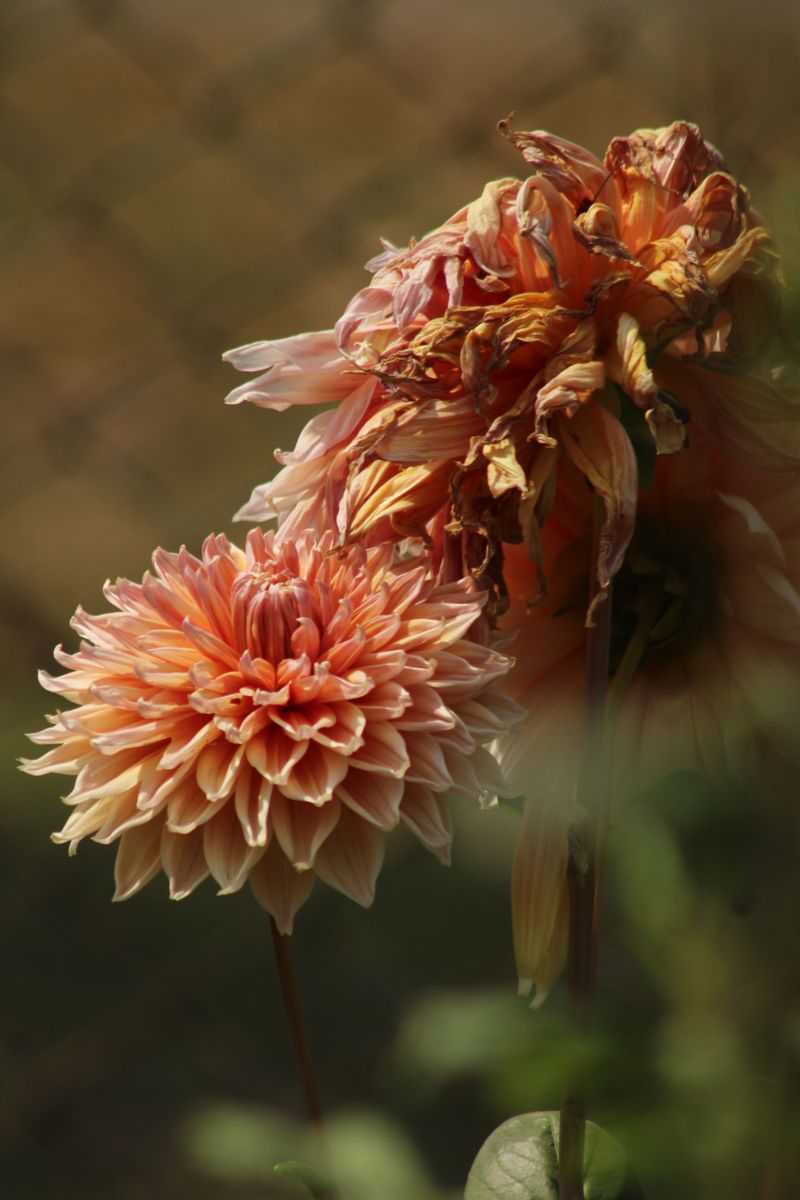
Trimming is one of the fastest ways to get more blooms from your dahlias this August. When a flower fades, the plant shifts its energy toward making seeds instead of pushing out new buds.
Snipping off spent heads sends a clear signal to keep flowering instead of quitting for the season. This one habit can make a real difference in how many blooms you enjoy before the first frost arrives.
Grab a clean pair of garden scissors or sharp pruning snips and look closely for blooms that are drooping, curling, or browning at the edges. Cut the stem back to the nearest set of healthy leaves or a strong lateral bud.
This precise cut tells the plant that more flowers are worth the effort. Try to trim every two to three days during peak bloom season for the best results.
The more consistent you are, the more flowers your plants will produce. Many gardeners notice a steady increase in bud count with regular trimming over time.
Keep your scissors sharp and clean before each session in the garden. Dull blades crush stems and leave ragged openings that invite disease. A quick wipe with rubbing alcohol between plants keeps everything sanitary.
Avoid tossing spent blooms into your compost pile if they show signs of mold or rot. Bag those and discard them to avoid spreading problems to healthy plants nearby.
Healthy clippings, though, make excellent compost material. Removing spent blooms also keeps your Wisconsin garden looking tidy, fresh, and inviting all season. Set a simple reminder so trimming becomes second nature during busy summer weeks.
2. Disbud Side Shoots For Bigger Flowers
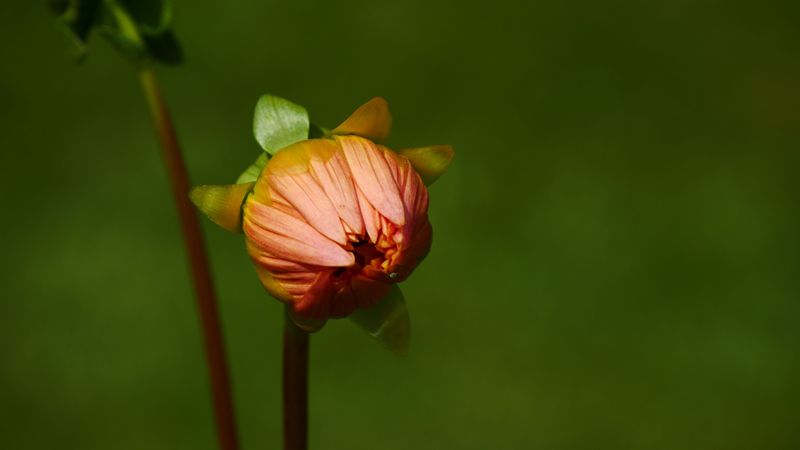
Want blooms so big they draw everyone’s attention? Disbudding is your secret weapon for dahlia success this August.
The technique sounds fancy, but it is really just removing the smaller side buds so the main flower gets all the nutrients and energy it needs to shine.
Each dahlia stem usually produces a central bud flanked by two smaller side buds. Pinch off those side buds while they are still tiny, about the size of a pea, before they start pulling resources away.
Your Wisconsin Garden Changes Every Week. Your Plan Should Too.
Gardening in Wisconsin changes quickly throughout the season. Every Friday you’ll receive a simple weekly plan showing exactly what to plant, prune, fertilize, harvest, and protect so you never miss the right timing.
The plant then channels all its energy into that one central bud, allowing it to develop fully without competition.
The result is a single flower that can grow dramatically larger and more vivid than it would otherwise. For exhibition growers and backyard gardeners alike, this technique makes a noticeable difference.
You trade quantity for quality, and the payoff is often stunning, especially closer to bloom shows or fall gatherings.
Use your fingers or small, clean scissors to remove side buds carefully and precisely. Be gentle so you do not disturb the main bud or damage the surrounding stem tissue.
A little patience here goes a long way toward achieving showstopper-sized results by season’s end.
Disbudding works best on dinner-plate and decorative dahlia varieties, where size truly matters. Smaller pompom and ball types do not need this treatment nearly as much. Focus your efforts on the bigger growers for the most noticeable impact.
Check your plants every few days, since new side buds keep forming throughout the growing season. Stay consistent, and your dahlias will reward you with exceptionally full, well-formed blooms.
3. Stake Tall Stems For Support
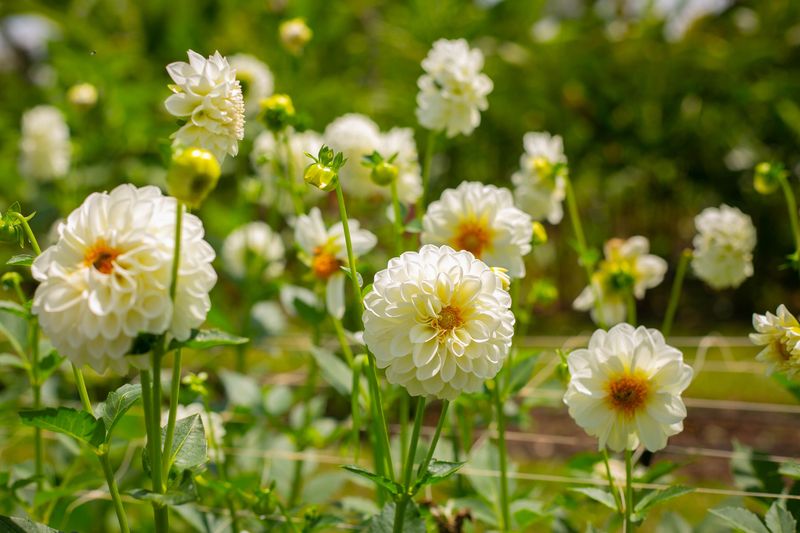
August storms in the Midwest can develop quickly and without much warning. Tall dahlia stems, especially those carrying heavy blooms, are no match for strong wind and driving rain without proper support. Staking now prevents costly stem breakage later.
Bamboo stakes are a popular and affordable choice for most home gardeners working with limited budgets. Push one firmly into the ground about three to four inches from the base of the plant, taking care not to disturb the tuber below.
Tie the stem loosely using soft garden twine or stretchy plant tape designed for delicate growth.
Avoid tying too tightly, because stems need a little room to move and grow naturally. A figure-eight knot between the stake and stem gives both support and flexibility as the plant matures. Check ties every week and loosen them if they start to look tight or restrictive.
For very tall varieties, you may need multiple stakes or a cage-style support system for extra stability.
Tomato cages work surprisingly well for bushy dahlia plants with heavy foliage. Placing the cage early in the season helps, but August is not too late to add one now.
Metal garden stakes with looped tops are another solid option for heavier stems and larger blooms. They look neat in the garden and hold up season after season with minimal wear. Investing in good stakes now saves you money, time, and heartache down the road.
A staked dahlia stands tall and proud even after a rough night of weather. Your blooms stay intact, your stems stay straight, and your Wisconsin garden keeps looking its very best.
4. Water Deeply During Dry Spells
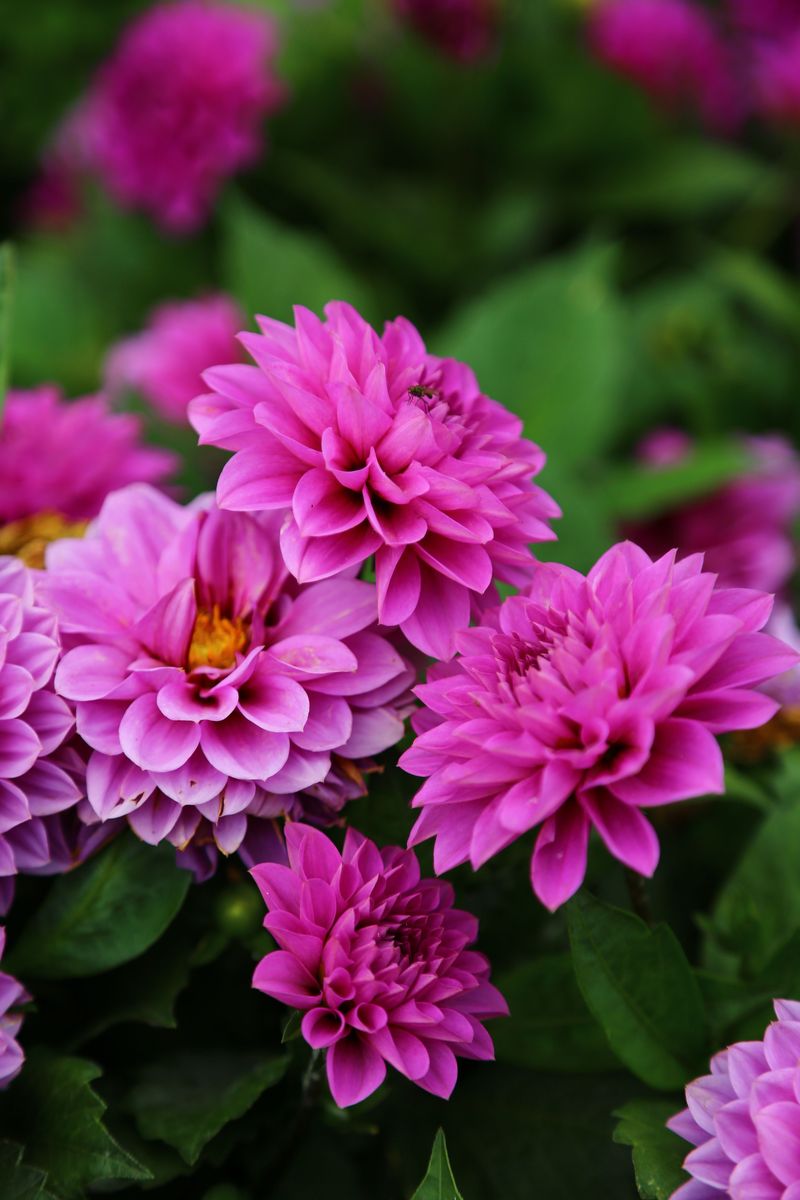
Shallow watering is one of the sneakiest mistakes dahlia growers make in August. When you only wet the top inch of soil, roots stay near the surface and struggle badly during heat waves.
Deep watering encourages roots to grow downward where moisture lasts much longer. Aim to water your dahlias two to three times per week when rain is scarce.
Each session should soak the soil to a depth of at least six inches. A long, slow watering does far more good than a quick daily sprinkle ever could.
Soaker hoses are a fantastic tool for deep, efficient watering with minimal waste. They deliver moisture directly to the root zone with very little evaporation loss.
Set one up along your dahlia row and run it long enough to soak the soil about six inches deep. Sandy soil drains faster and needs more time, while clay soil holds water longer and needs less.
Morning is the best time to water because foliage dries out well before evening arrives. Wet leaves overnight can lead to powdery mildew, which is a common and frustrating dahlia problem. Keep water aimed at the base of the plant, not the leaves themselves.
Watch for signs of drought stress like wilting in the morning or dull, slightly curled leaves. These signals mean your plants need water soon, not tomorrow or the next day. Act quickly because dahlias do not bounce back as fast as some other garden plants.
Consistent moisture during August keeps your dahlia blooms looking fresh, vibrant, and full of color. Dry conditions cause smaller flowers and noticeably shorter vase life once cut. Give your plants a good, deep drink and they will reward you with their very best blooms.
5. Fertilize With A Low-Nitrogen Formula
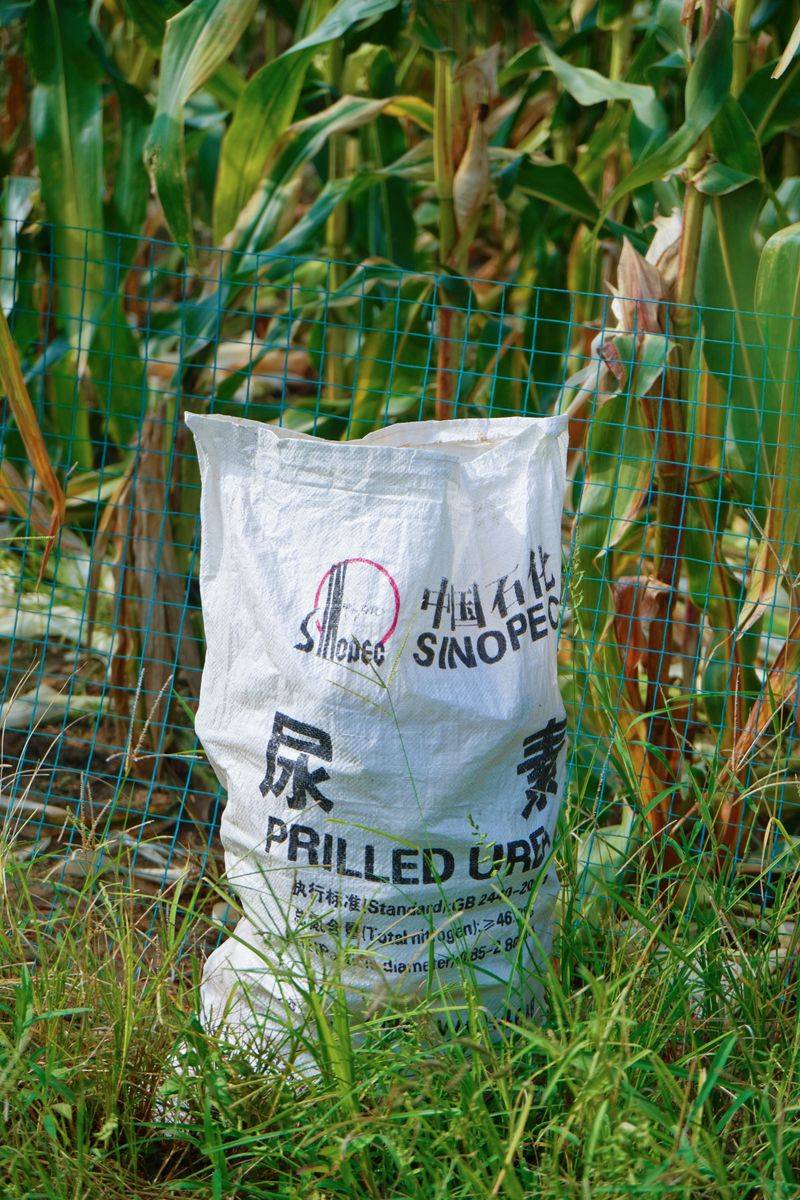
Feeding your dahlias the wrong fertilizer in August is like giving a marathon runner candy instead of a real meal.
High-nitrogen fertilizers push leafy green growth, which sounds good but actually works against blooming. What your plants need now is a formula that fuels flowers, not foliage.
Look for a fertilizer labeled with a low first number in the N-P-K ratio on the bag. Something like 5-10-10 or 0-10-10 is ideal for flowering plants in mid-summer. The higher phosphorus and potassium levels support strong root systems and big blooms.
Apply fertilizer every two to three weeks from early August through mid-September. Follow the package directions carefully to avoid over-feeding, which can stress your plants. More is not always better when it comes to fertilizing dahlias.
Liquid fertilizers are absorbed quickly and work fast, which is great for plants already in bloom. Granular options release nutrients more slowly and are easier to apply across a large garden. Choose the format that fits your schedule and garden size best.
Water your dahlias before applying granular fertilizer to avoid burning the roots. Dry soil plus concentrated fertilizer can damage plant roots. A moist base helps nutrients move into the root zone smoothly and safely.
The right feeding routine in August sets your dahlias up for strong, healthy late-season blooms. Flowers grow larger, stems grow stronger, and colors pop with more intensity. A little attention to what goes into the soil makes a huge difference in what comes out of it.
6. Mulch To Retain Soil Moisture
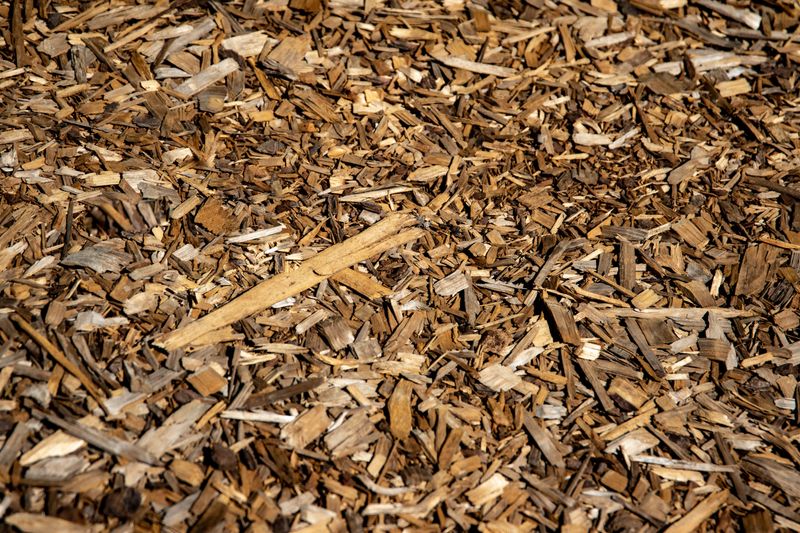
Bare soil in August heats up quickly, which stresses dahlia roots. A good layer of mulch insulates plant roots, keeping the soil cool and moist below the surface. This one step can significantly reduce how often you need to water.
Spread two to three inches of mulch around the base of each dahlia plant. Keep the mulch a few inches away from the stem to prevent rot at the crown. A small gap between mulch and stem allows for airflow and keeps fungal issues at bay.
Straw, shredded leaves, and wood chips all make excellent mulch choices. Each breaks down over time and adds organic matter back into the soil. That slow decomposition actually improves your Wisconsin garden bed for seasons to come.
Mulch also suppresses weeds, which compete with dahlias for water and nutrients. Fewer weeds mean less time pulling and more time enjoying your Wisconsin garden. That trade-off alone makes mulching one of the most effective August tasks you can do.
Check your mulch layer after heavy rain to make sure it has not shifted or compacted. Redistribute it if needed to maintain even coverage around all your plants. A quick five-minute check after storms keeps the protection consistent.
Mulching is low-effort but high-reward, especially when August heat and dry spells put extra stress on your soil. Your dahlias will stay hydrated, your soil will stay healthy, and your blooms will keep coming strong. Spread that mulch now and let it do the hard work for you.
7. Check For Pests Like Earwigs
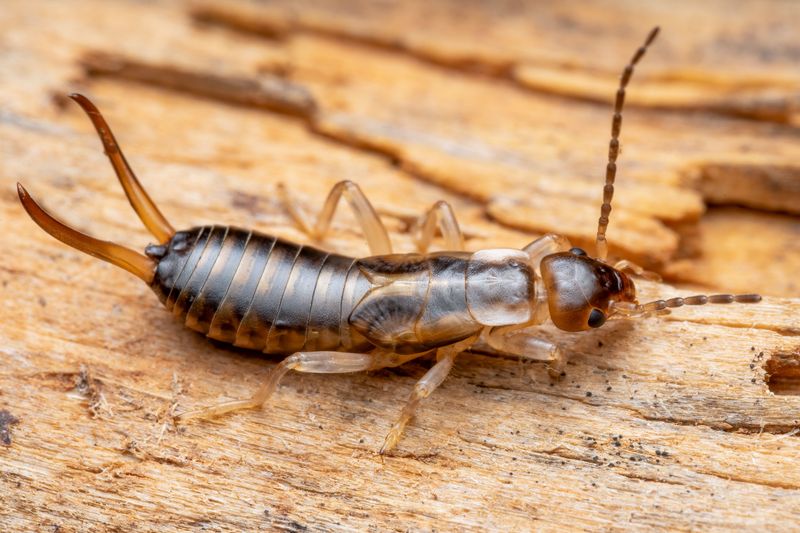
Earwigs are a common cause of nighttime feeding damage on dahlia petals. These small, pincer-tailed insects love hiding in the tight petals of dahlia blooms during the day and feeding after dark.
Catching them early makes a big difference in protecting your flowers. Check your plants in the early morning before earwigs retreat back into hiding. Look inside blooms, under leaves, and along stems for signs of feeding damage.
Ragged, irregular holes in petals are a classic earwig calling card. A simple trap can help control earwig populations without chemicals.
Roll up a damp newspaper or cardboard tube and place it near your plants in the evening. Earwigs crawl in overnight, and you can shake them into soapy water the next morning.
Diatomaceous earth sprinkled around the base of plants creates a barrier that irritates earwigs. It is a natural, non-toxic option that works well in dry conditions. Reapply after rain since moisture reduces its effectiveness significantly.
Keep your Wisconsin garden area tidy by removing debris, boards, and pots where earwigs love to hide during daylight.
Reducing their daytime shelter spots cuts down on their nighttime numbers. A cleaner garden is a less inviting one for these nocturnal feeders.
Dahlia jobs in August include staying alert to pest pressure, not just plant care. Earwigs can cause real cosmetic damage to blooms you have worked hard all season to grow.
A few minutes of inspection each morning keeps your flowers looking flawless through the end of summer.