9 Mistakes That Turn A Cozy Arizona Woodpile Into A Scorpion Hotel This Winter
That neat stack of firewood by your patio might look like a winter comfort, but to an Arizona bark scorpion it can look like a free room with a view. When nights cool down in Phoenix and Tucson, scorpions crowd into tight, sheltered spaces to stay warm and hold onto moisture.
A few small habits can make your woodpile far more inviting than it needs to be. Here are nine common slip-ups and simple fixes that can help keep your firewood cozy for you, not for them.
1. Stacking Firewood Against the House
Picture a scorpion strolling out of your woodpile at midnight and finding your stucco wall just inches away. For an Arizona bark scorpion, that short trip is basically a hallway leading straight to your front door.
Many homeowners stack wood against the house because it feels tidy and convenient, but it creates a perfect bridge.
Scorpions love tight, shaded corners, and the gap between logs and a wall is exactly that. From there, they can explore weep holes, door frames, and tiny cracks around utility lines.
Since bark scorpions climb so well, a wall is not much of an obstacle for them either.
A better plan is to move your stack at least 20 feet from the house if your yard allows it. If space is tight, even several feet of open gravel can make a real difference.
That bare strip gives you a clear view and gives scorpions less cover as they travel.
Bonus tip: carry only a day or two of wood inside at a time. Knock each log gently on the ground before bringing it in, and check it under good light.
That quick habit may help you avoid an unwanted guest hitching a ride to your fireplace on a chilly January evening.
2. Leaving the Pile Sitting on Bare Ground
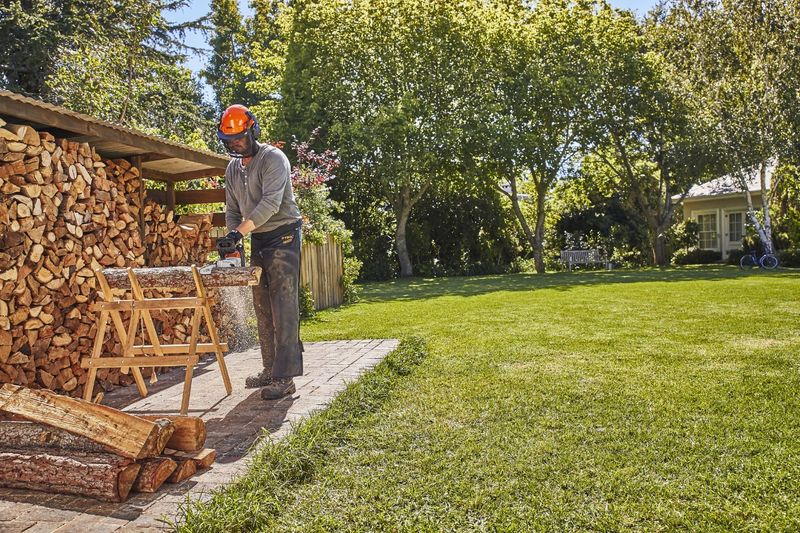
Lift the bottom log of an old ground-level woodpile in Tucson, and you might find a whole hidden world underneath. Damp soil, crickets, beetles, and, yes, possibly a scorpion or two.
The underside of a pile that touches the dirt stays dark, still, and slightly moist, which is a dream setup for these night hunters.
Even Arizona’s dry, caliche-heavy soil holds a bit of moisture under heavy wood. Scorpions can tuck themselves into that layer and stay hidden for weeks.
Wood touching dirt also tends to soften and decay faster, attracting termites and other bugs that scorpions snack on.
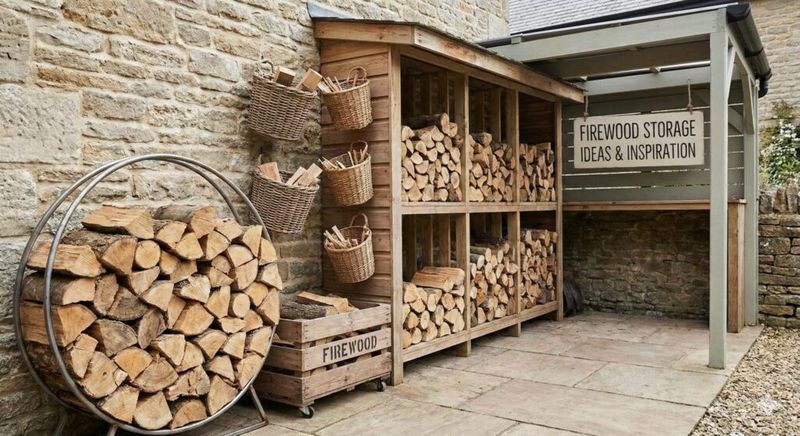
The fix is simple and inexpensive. Use a metal firewood rack that lifts logs several inches off the ground, or set the stack on cinder blocks or pavers.
Air moving underneath helps the area dry out and makes it far less comfortable for critters.
Elevated wood also burns better, since it seasons more evenly. So you get cleaner fires and a less inviting hideout in one move.
If you already have a ground-level pile, restack it carefully while wearing thick leather gloves and long sleeves, working slowly during daylight hours.
3. Letting Yard Debris Pile Up Nearby
Clutter has a sneaky way of multiplying. One stray board leans near the woodpile, then a few loose rocks, then a heap of fallen palo verde leaves after a windy week.
Your Arizona Garden Changes Every Week. Your Plan Should Too.
Gardening in Arizona changes quickly throughout the season. Every Friday you’ll receive a simple weekly plan showing exactly what to plant, prune, fertilize, harvest, and protect so you never miss the right timing.
Before long, that corner of the yard has turned into a scorpion neighborhood with plenty of spare bedrooms.
Every extra item gives scorpions another dark spot to wait out the day. Leaf litter and piled mulch also hold moisture and draw in insects like roaches and crickets.
More hiding spots plus more snacks means your woodpile area becomes a place worth staying.
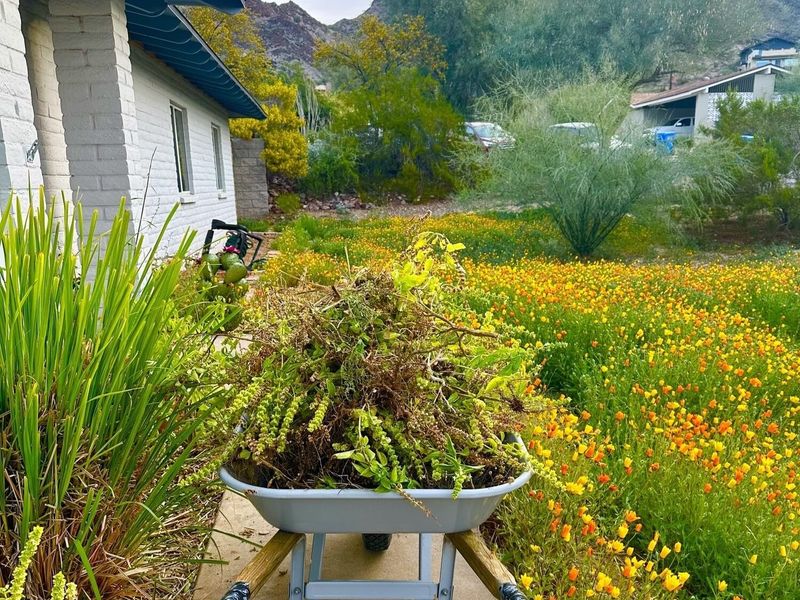
Spend a cool winter morning clearing a wide ring around the stack. Rake up leaves, move stray rocks, and toss old lumber, pots, or tarps that have been sitting untouched.
Keep a few feet of clean, open ground on every side of the pile.
Native trees like mesquite and palo verde are wonderful for shade and wildlife, so there is no need to remove them. Just tidy their litter away from the firewood zone and let it decompose somewhere farther out.
A clean perimeter can make spotting a scorpion much easier, which helps you stay a step ahead.
4. Ignoring the Bugs Scorpions Love to Eat
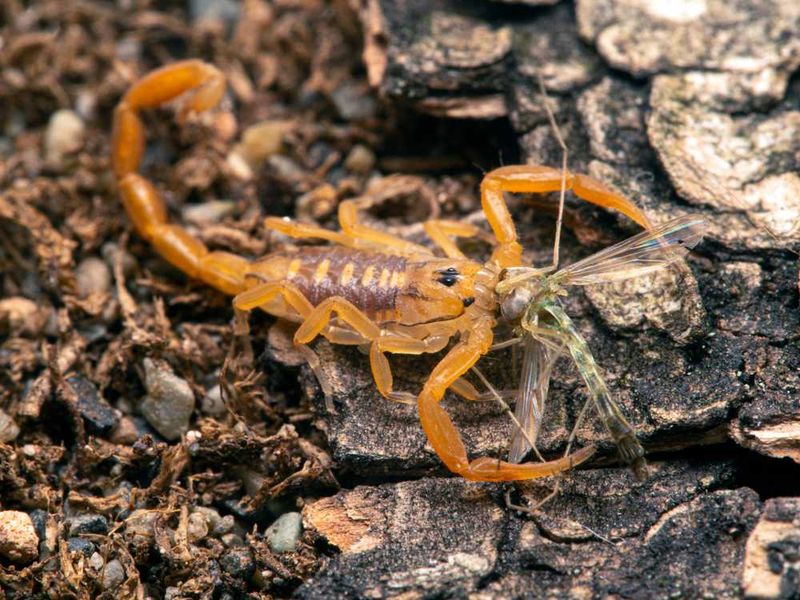
Scorpions are not picky eaters, but they are loyal ones. If your woodpile sits in the middle of a cricket buffet, they have every reason to stay.
Roaches, crickets, silverfish, and spiders are all on the menu, and a busy bug zone can turn your firewood into a steady hunting ground.
Outdoor lights are a big part of the story. A bright white porch bulb near the woodpile draws moths and other insects all night long, and scorpions happily follow the crowd.
Switching to warm yellow bug lights or motion-sensor fixtures can cut down on that evening traffic.
You can also invite helpful wildlife to do some of the work. Roadrunners, Arizona’s famous ground birds, happily hunt insects and may even snap up a scorpion.
Bats swooping at dusk tend to thin out flying insects too. Native shrubs like desert hackberry or creosote placed away from the house can offer these allies cover and perches.
Keep garbage cans sealed and pet food indoors, since both can attract roaches. Fewer bugs near the pile means less reason for scorpions to set up camp.
It is pest control that starts at the bottom of the food chain.
5. Tucking the Woodpile Into Deep Shade
Shade feels like a gift in Arizona, especially after a 115 degree summer. So it makes sense that many people tuck firewood into the darkest corner of the side yard.
Scorpions, however, appreciate that shady nook even more than we do.
These creatures are active at night and spend daylight hours hiding in cool, sheltered spots. A pile that never sees the sun stays cooler and holds moisture longer, which is exactly what they want.
In winter, that same damp darkness can turn into a long-term hideout.
Try picking a spot that gets at least a few hours of direct sun each day. Winter sunshine in Phoenix and Tucson is mild and pleasant, and it helps dry out the wood and the ground below it.
A sunny stack also seasons faster, so your logs burn hotter and cleaner.
Save the deep shade for things that truly need it, like a desert willow canopy over a patio or tender plants that dislike afternoon glare. Your firewood does not need protection from the sun.
Letting it bake a little is one of the easiest ways to make it less appealing to eight-legged tenants.
6. Allowing Moisture to Collect Around the Stack

Out here, water is precious to everyone, scorpions included. A slow drip from a cracked irrigation line can create a little oasis right beside your firewood.
For a bark scorpion in the dry desert, that damp patch is about as luxurious as it gets.
Scorpions can take in moisture from their surroundings, so wet soil is a powerful draw. Leaky hose bibs, overwatered planters, and spots where rainwater pools all add up.
Even a winter storm can leave puddles that linger under a poorly placed pile.
Walk your irrigation system and look for soggy ground, hissing emitters, or bright green weeds that hint at a leak. Redirect drip lines so they water plants, not the woodpile area.
Covering the top of your stack with a tarp during rain can help, but leave the sides open so air keeps flowing.
Here is a nice side benefit. Fixing leaks and trimming back extra watering saves money on your bill.
Choosing drought-tolerant natives like penstemon, brittlebush, or agave for nearby beds means less irrigation overall. A drier, water-wise yard tends to be less inviting to scorpions while being kinder to your wallet.
7. Leaving the Pile Untouched All Winter

Did you know Arizona bark scorpions sometimes gather in groups during the cooler months? From roughly November through March, dozens can huddle together in a sheltered spot to save warmth and moisture.
A woodpile that nobody touches for months can become that group’s winter clubhouse.
Many people stock up on firewood in fall, then barely use it because Arizona winters are mild. The pile sits quietly, collecting cobwebs and critters.
By the time someone finally grabs a log in February, they may be in for a surprise.
Only buy or cut as much wood as you realistically plan to burn. A smaller pile is easier to manage and less likely to become a long-term hideout.
Every few weeks, shift a few logs around while wearing sturdy gloves, which disturbs any settling crowd.
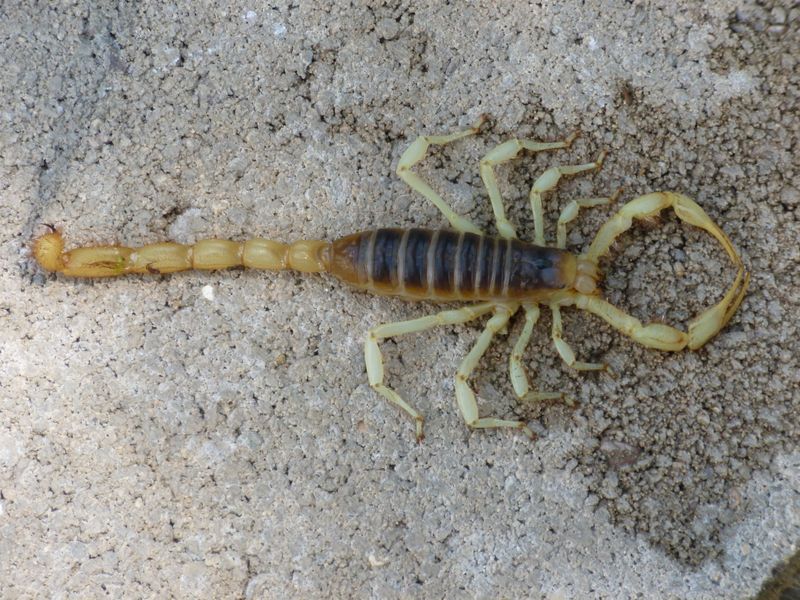
A UV blacklight is a handy tool here. Scorpions glow a bright blue-green under ultraviolet light, so a quick evening check can show you what is hiding in the stack.
Keep a safe distance, use long tongs if you need to move anything, and consider calling a pest professional if you spot a large cluster.
8. Skipping Repairs on Nearby Walls and Foundations
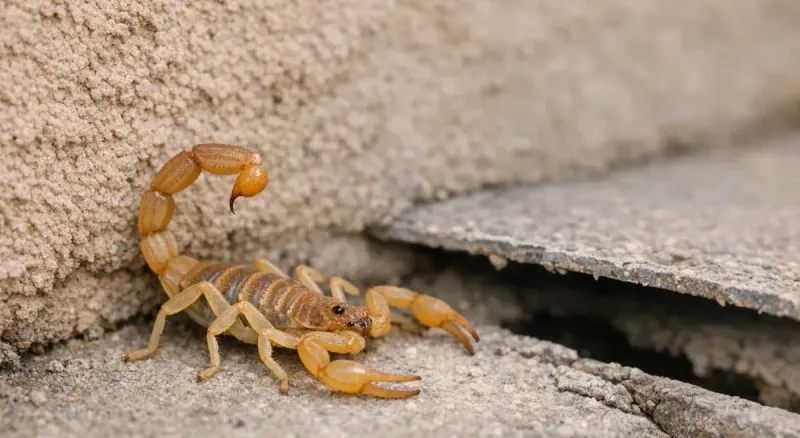
A credit card slides easily into a lot of gaps around a typical Arizona home. If a card fits, a bark scorpion probably can too, since they can squeeze through openings about one-sixteenth of an inch wide.
That small fact changes how you look at every crack near your woodpile.
Block walls are especially common in Phoenix and Tucson neighborhoods, and they often have hollow cores, weep holes, and crumbling mortar. When firewood sits close to these walls, scorpions can move freely between the logs and the hollow spaces.
The same goes for gaps along the home’s foundation.
Grab a tube of exterior silicone caulk and walk the walls closest to your pile. Seal cracks in mortar, fill gaps around pipes and wires, and check where the wall meets the ground.
For weep holes, fine mesh screens can block entry while still allowing drainage.
Doors and windows deserve a look too. Fresh weatherstripping and snug door sweeps can help keep wanderers outside.
These fixes are easiest in the mild winter months, when working outdoors feels pleasant instead of punishing. Think of it as locking the side doors of the scorpion hotel.
9. Letting Plants Touch the Woodpile or House
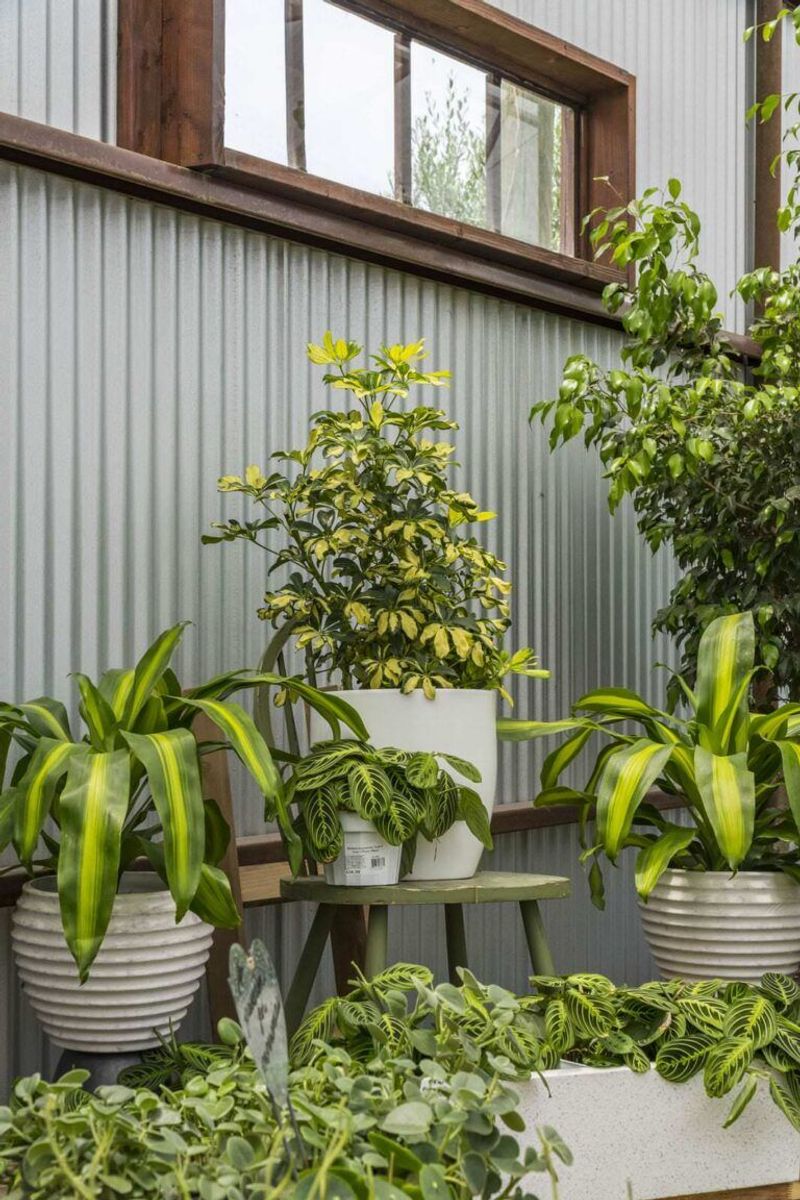
Bark scorpions are acrobats. They can walk up walls, cling to ceilings, and travel along branches like tiny tightrope artists.
So when shrubs, vines, or tree limbs touch your woodpile or roofline, you are essentially building them a highway.
A bougainvillea draped over the stack or a mesquite branch brushing the eaves gives scorpions an easy route from one shelter to the next. Dense, overgrown plants also create extra shade and debris.
Together, they turn a simple firewood corner into a connected network of hideouts.
Winter is a great time to prune in the low desert, since most plants are slower and the weather is comfortable. Trim branches so nothing touches the pile, the walls, or the roof.
Leave a gap of at least a foot or two between foliage and any structure.
You do not have to give up greenery. Native picks like desert spoon, red yucca, and globe mallow stay tidy and upright with little care, and they still feed pollinators and hummingbirds.
Placed with some breathing room, they keep your yard lively and wildlife-friendly while making the scorpions’ commute much less convenient.