Georgia Homeowners May Find Box Turtles Hiding In An Unexpected Place This November
A small reptile can survive with parts of its body briefly frozen, and it may be napping under your leaf pile right now.
Scientists have recorded this hardy trick in the wild, and it still makes me shake my head in wonder.
The creature is shy, slow, and older than some of your shrubs. Many live past 50 years, and plenty stay in the same small patch of land for most of that time.
That patch could include your yard.
I’ve learned to think twice before raking every corner bare by Thanksgiving. Now I pause before I scoop up that soggy mound near the fence.
You might feel the same once you learn who checks in for winter.
Across Georgia, cooler nights send this neighbor searching for a cozy spot to wait out the cold. So where is your quiet guest hiding this month?
1. Something Shelled Is Settling Into Your Fall Leaf Litter
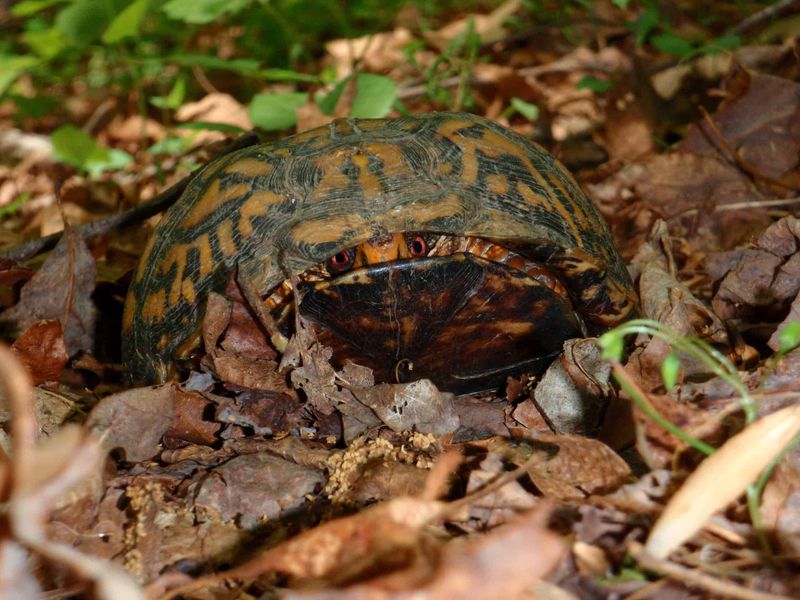
Cool November mornings flip a switch for Eastern box turtles across Georgia. Once nights stay in the 40s and 50s, these land turtles stop roaming and start looking for a place to rest until spring.
Reptiles do not hibernate the way bears do. Their winter slowdown is called brumation, and their heart rate, breathing, and digestion drop way down.
They stop eating, so they live off stored energy for months.
In north Georgia, turtles often settle in by late October or early November. Down in the warmer coastal plain, the timing can slide later, and some turtles stay a bit more active on mild days.
Here is the surprise for many homeowners. The favorite hiding spot is often not deep in the woods at all.
Loose leaf litter, mulch beds, brush piles, and soft soil under shrubs make excellent winter bedrooms.
I find it funny that the messiest part of my yard is the most popular with wildlife. That forgotten heap of oak leaves by the shed is basically a turtle motel.
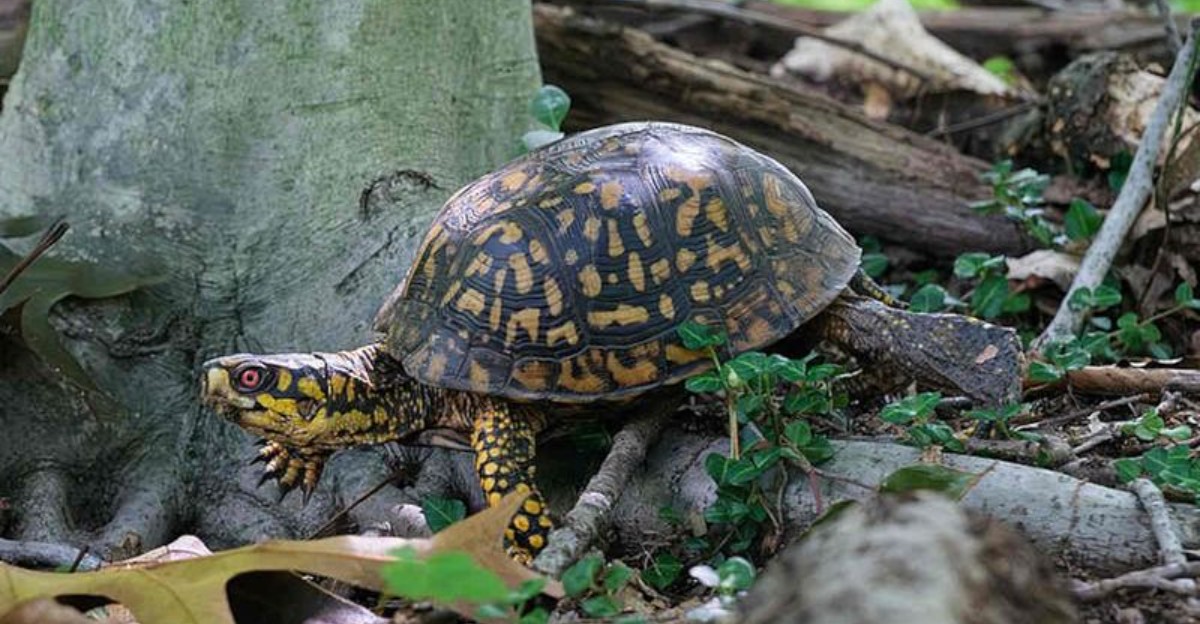
So before you grab the rake or leaf blower this month, take a slower look. A domed brown and yellow shell blends in better than you might expect.
2. Leaf Piles And Mulch Beds Make Perfect Box Turtle Bedrooms
Turtles are picky sleepers, and honestly, I respect that. A box turtle wants loose material it can push into, plus cover that holds steady moisture and keeps out the worst cold.
Thick leaf litter checks every box. So do pine straw beds, piles of brush, rotting logs, old stumps, and the soft soil under dense shrubs like hollies or azaleas.
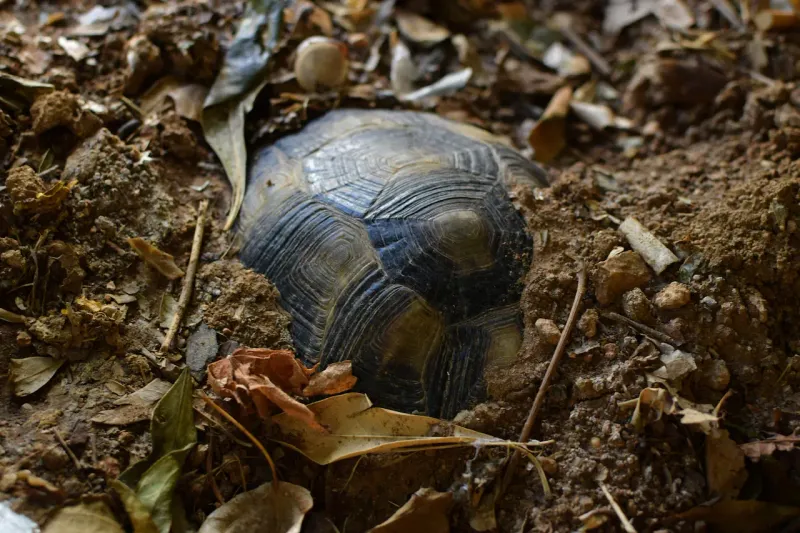
Compost edges and garden corners you skipped during cleanup can also attract them. The turtle wiggles backward or forward, nudging soil and leaves over its shell until only a bump remains.
Many box turtles return to the same general area year after year. Researchers tracking them have found that individuals often use familiar winter sites within their home range.
That means a turtle found in your flower bed last winter may come back. Some families get to know a resident turtle by its shell pattern for decades.
Your Georgia Garden Changes Every Week. Your Plan Should Too.
Gardening in Georgia changes quickly throughout the season. Every Friday you’ll receive a simple weekly plan showing exactly what to plant, prune, fertilize, harvest, and protect so you never miss the right timing.
You can use this to your advantage. Make a mental note of the quiet, leafy spots in your yard.
Those are the places to rake gently, by hand, or skip entirely until spring warms things up again.
3. Box Turtles Bury Themselves Shockingly Close To The Surface
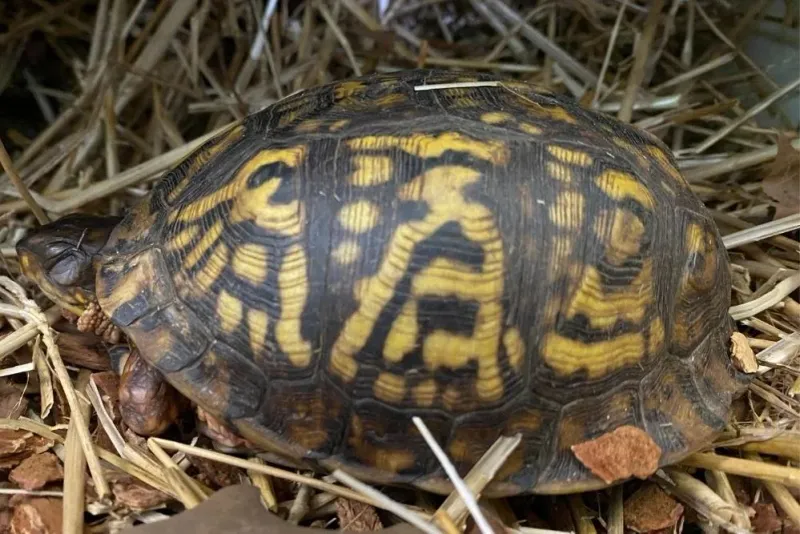
Most folks assume a turtle digs deep for winter. Box turtles often do not bother much at all.
Many settle just a few inches down, sometimes only under the leaf layer with soil barely covering the shell. In a mild Georgia winter, that shallow spot works fine.
So how do they handle a hard freeze? Studies of Eastern box turtles show they can tolerate brief, partial freezing of body fluids at temperatures a few degrees below 32°F.
Their bodies protect vital organs while ice forms in spaces outside cells.
That ability has limits, though. Long, deep cold can still harm them, which is why turtles sometimes shift deeper during cold snaps.
The shallow depth is exactly why gardeners need care. A spade, tiller, or sharp rake can reach a sleeping turtle in seconds.
I once heard a friend describe finding a turtle while planting tulip bulbs. She thought she hit a rock until the rock had a face.
Since box turtles are slow to wake in cold weather, they cannot scoot away from danger. The best protection is simply your awareness when you dig in leafy, undisturbed areas this month.
4. Found A Sleepy Turtle While Raking? Here Is What To Do
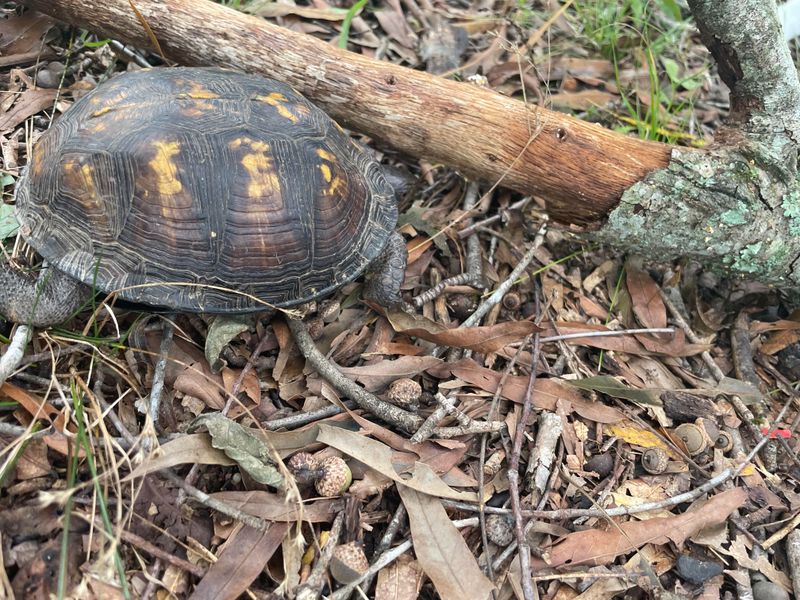
Stay calm, set down the rake, and give yourself a moment to enjoy it. Finding a box turtle in winter is a neat surprise, not an emergency.
If the turtle is unharmed and the spot is safe, simply cover it back up. Use the same leaves or loose soil, and keep the layer light and natural.
Do not bring it indoors to warm up. Sudden heat can wake it before it is ready, burning energy it needs for the rest of winter.
If it truly must move, maybe because you are pouring a patio there, shift it only a short distance. Pick a similar leafy spot nearby and tuck it in gently.
Box turtles have small home ranges and strong homing instincts. Moving one across town often leads it to wander, trying to get back, and that wandering puts it near roads and predators.
Is the turtle injured, bleeding, or cracked? Contact a licensed wildlife rehabilitator.
The Georgia Department of Natural Resources keeps a list of rehabbers who handle reptiles.
Finally, wash your hands after touching any turtle. Reptiles can carry Salmonella bacteria.
5. Georgia Protects These Long-Lived Shelled Neighbors
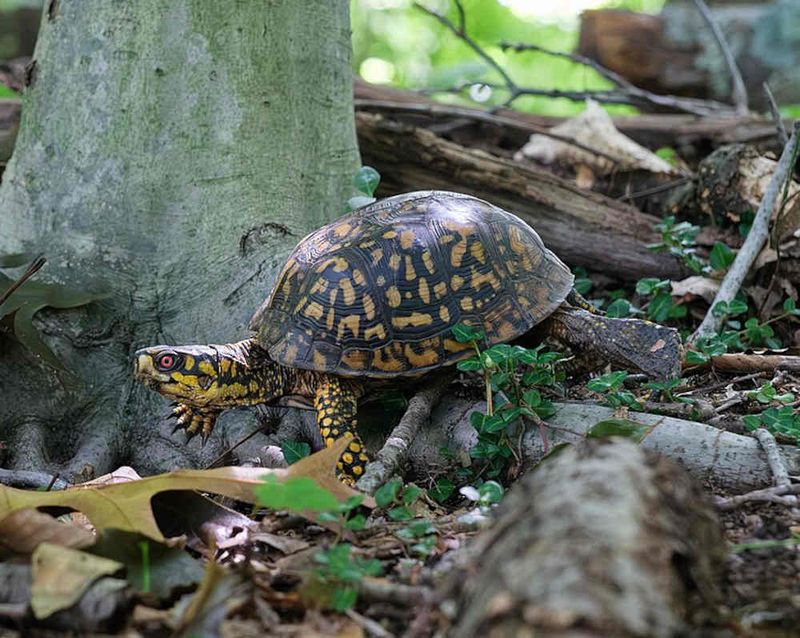
Here is a fun fact to share at dinner. An Eastern box turtle can outlive many of the people who first find it, with some reaching 50 to over 100 years.
That long life comes with a catch. Females lay only a handful of eggs each year, and few hatchlings survive to adulthood, so populations recover slowly.
The species is listed as Vulnerable by the IUCN. Habitat loss, cars, and people taking turtles home as pets have caused declines in many areas.
In Georgia, native wildlife like box turtles is protected under state rules. Keeping, selling, or collecting them from the wild without proper permits is restricted, so check current Georgia DNR regulations before handling one beyond a quick rescue.
The simplest rule? Leave wild turtles wild.
Box turtles also do real work in your yard. They eat slugs, beetles, worms, berries, and mushrooms, and they spread seeds of native plants as they wander.
I like thinking of them as quiet groundskeepers. They have been tending Southern woodlands far longer than any of us have been planting gardens.
6. Easy Fall Cleanup Tweaks That Keep Box Turtles Safe
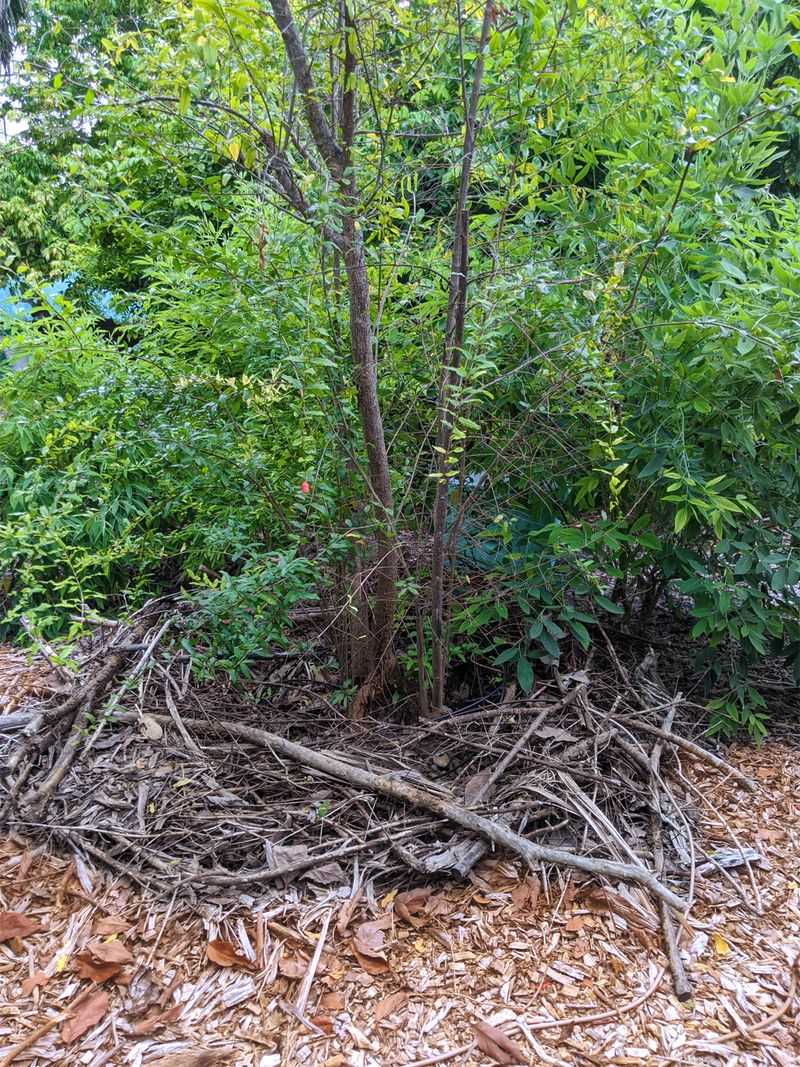
A turtle-friendly yard does not require letting everything go wild. A few small changes in your November routine can make a big difference.
Start by leaving one or two leaf piles in quiet corners. Shrub edges, fence lines, and spots behind the shed work great.
Rake by hand in leafy beds instead of using a heavy blower or mower-mulcher. You will feel a turtle shell before you harm it.
Skip tilling or deep digging in undisturbed areas until spring. If you must dig, probe gently with your hands or a small trowel first.
Mow high, or hold off mowing tall grassy edges late in the season. Turtles sometimes rest in thick grass before moving to winter cover.
A small brush pile or a rotting log can turn into a five-star hideout. Bonus, it shelters toads, beneficial insects, and overwintering butterflies too.
Keep dogs supervised in leafy zones. Curious pups love sniffing out turtles, and a chewed shell is a real problem.
Honestly, these tweaks save me time. Less raking means more cocoa on the porch, and that sounds like a fair trade to me.
7. Spring Will Bring Your Box Turtle Back Out To Wander
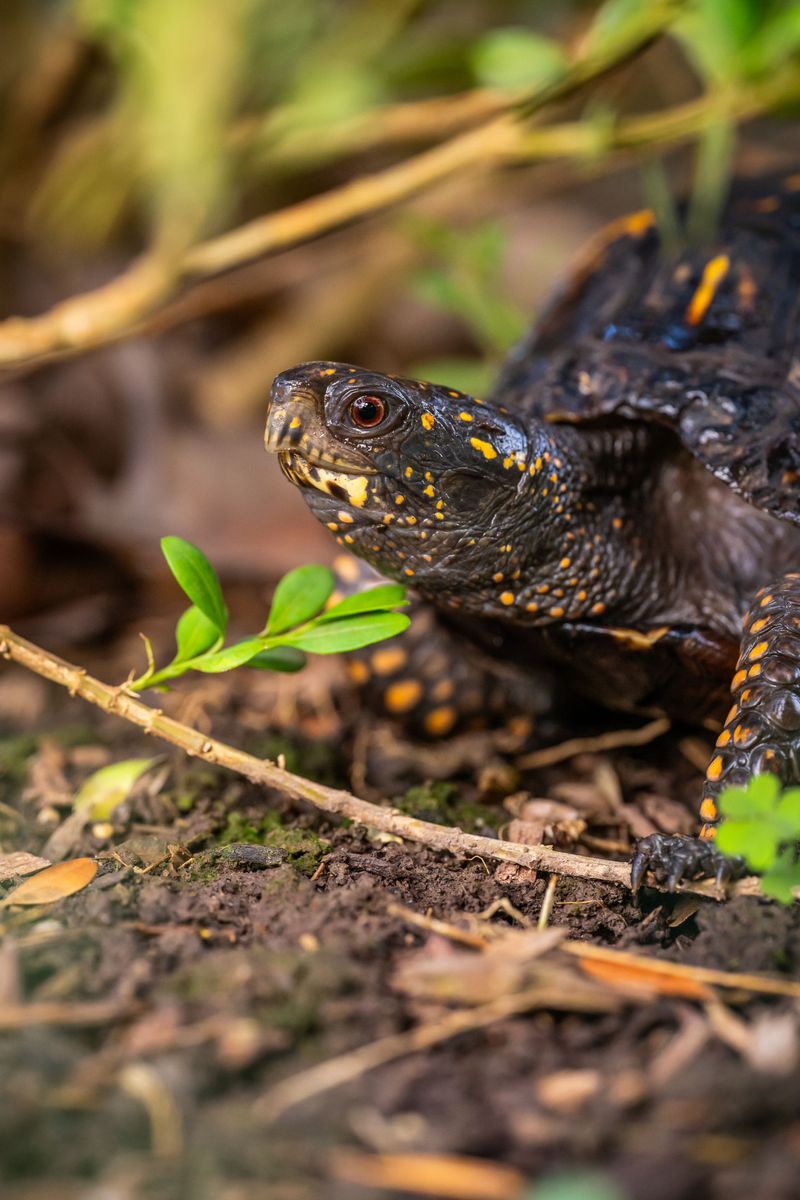
Patience pays off with these slowpokes. When soil warms in March or April, box turtles push out of their winter beds and blink at the sunshine.
Early spring is a great time to watch for them basking near the spots you left alone. You may even spot the same shell pattern you saw last year.
Plan your garden with that comeback in mind. Native plants like wild strawberries, blueberries, and mayapple offer snacks, and a shallow dish of water helps on dry days.
Avoid slug pellets and broad insect sprays where turtles roam. Turtles eat slugs and bugs, so poisons can end up in their meals.
Keep an eye on driveways and nearby roads in spring. If a turtle is crossing, carry it to the side it was heading toward, not back where it started.
Want to help science? Snap a photo and log your sighting on iNaturalist.
Records from backyards help biologists track how Georgia turtles are doing.
To me, that first spring sighting feels like a reward. Your messy leaf corner did its job, and an old neighbor made it through another winter.