9 Plants That Grow Under Mesquite Trees in Arizona
Native desert peoples ground mesquite pods into sweet flour, but the shade under those trees may be the real treasure. Scientists call mesquites nurse trees because young desert plants sprout and survive more often beneath their lacy branches.
Fallen mesquite leaves feed the soil with nitrogen, since the roots partner with helpful bacteria underground. The filtered shade can also drop soil temperatures by many degrees on a blazing Arizona afternoon.
I have to admit that I once raked everything bare under my mesquite and called it tidy. You might notice the same thing I did, a hot patch of dirt with lizards and little else.
That bare circle can become a cool pocket full of hummingbirds and quail right in your Arizona yard. So which tough natives actually want to live in that dappled shade, and which ones will surprise you most?
1. Chuparosa
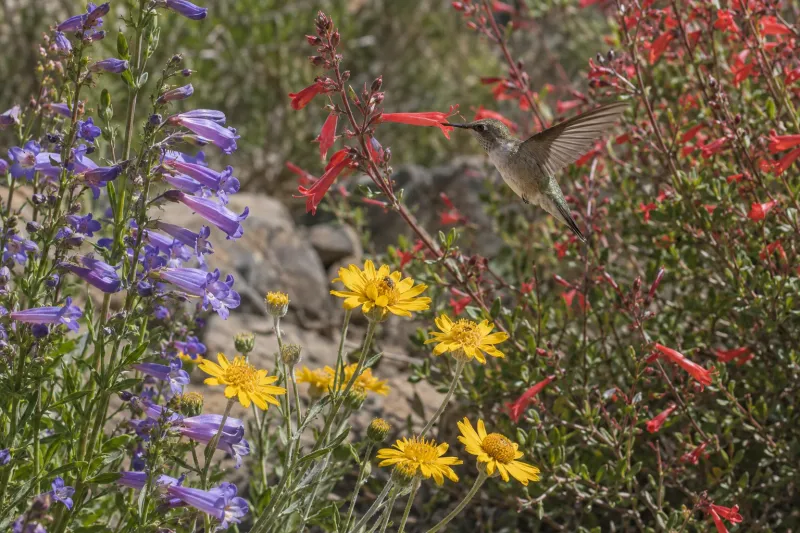
Hummingbirds treat chuparosa like a winter snack bar, zipping between its red tubular flowers while most gardens look sleepy. The Spanish name even means hummingbird, which tells you exactly who shows up first each morning.
Justicia californica grows into a sprawling mound about three to five feet tall with soft, gray-green stems. Those green stems handle photosynthesis when the small leaves drop during dry spells, which is a clever trick.
Under a mesquite, plant it near the canopy edge so it catches morning sun and afternoon relief. Deep shade makes it leggy and stingy with flowers, so a little brightness goes a long way.
October is a great planting month because cooler soil lets roots settle before the spring bloom arrives. Water young plants every week or two through winter, then taper off once they look established and sturdy.
Personally, I love how quail and small songbirds duck into its twiggy tangle for cover from hawks. A light trim after flowering in late spring keeps it tidy without stealing next year’s show.
Native bees visit the blossoms too, so your mesquite corner turns into a buzzing pollinator stop by February. It handles light frost well, though a hard freeze may nip stem tips that regrow quickly afterward.
2. Fairy Duster
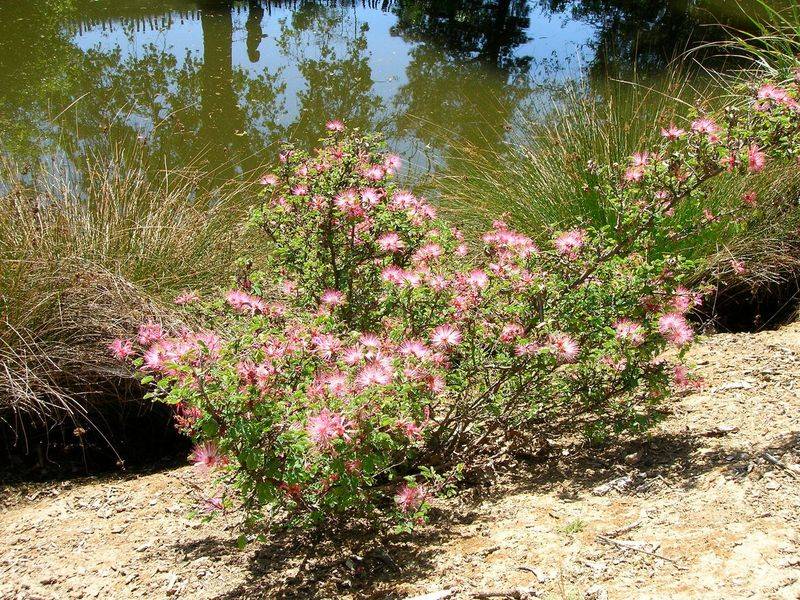
Fairy duster blooms look like tiny pink pom-poms, and each fluffy puff is really a cluster of long stamens. I can’t imagine a softer-looking shrub growing wild on rocky desert slopes, yet it thrives there happily.
Calliandra eriophylla stays low, usually one to three feet tall, which suits the space beneath a mesquite. It flowers best with some sun, so tuck it on the south or east side of the canopy.
Hummingbirds and butterflies sip from the blooms from late winter into spring, with a smaller flush sometimes in fall. Quail nibble the seeds later, so leaving the pods on the plant feeds your feathered neighbors.
It also hosts caterpillars of the marine blue butterfly, a tiny lavender flier that loves legume shrubs. You need to plant it in fast-draining soil, because soggy roots cause far more trouble than drought.
Fall planting gives roots several cool months to spread out before the heat returns next summer. Hardy to roughly ten degrees, it shrugs off most desert winters and rarely needs more than a light shaping.
Its dense, spreading roots help hold loose soil in place, which is handy on sloped yards after monsoon storms. Javelinas and rabbits may browse new growth, so a simple wire cage helps for the first season.
3. Desert Hackberry
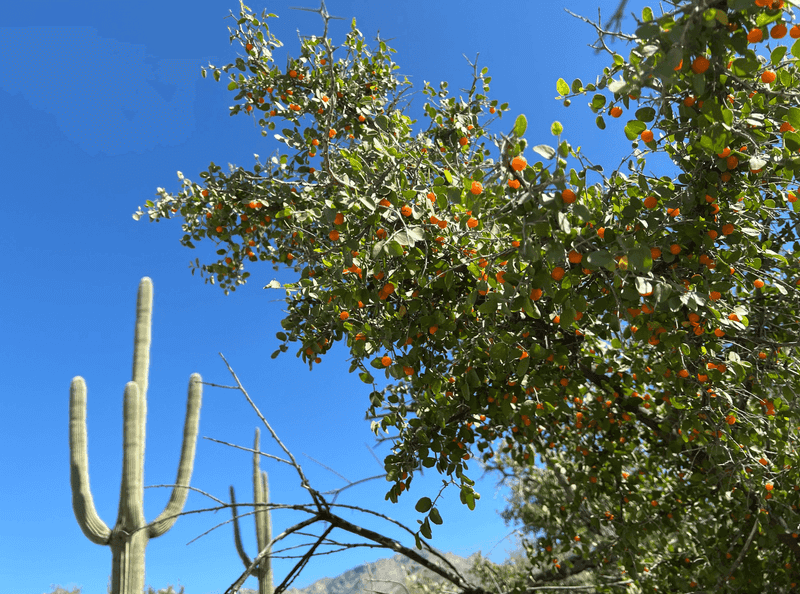
Desert hackberry is the thorny fortress of the understory, and the birds in my yard clearly know it. Its zigzag branches bristle with sharp spines, giving quail and cactus wrens a safe place to hide.
Celtis pallida naturally grows under and beside mesquites in the Sonoran Desert, so the pairing feels right. It reaches about six to ten feet tall and wide, so give it room near the canopy edge.
Small orange berries ripen in late summer and fall, and they disappear fast once birds discover them. Thrashers and cardinals gobble them up, while bees work the tiny greenish flowers earlier in the year.
The leaves also feed caterpillars of the American snout butterfly, a quirky species with a long beak-like nose. I like how one shrub can feed birds in fall and host butterflies in spring and summer.
Once established, it survives on rainfall alone in many areas, though occasional deep summer watering keeps it fuller. Plant it this October and water weekly through the cool season while the roots grow outward.
Those thorns make it a smart living barrier along a back fence or beneath a bedroom window. Wear sturdy gloves when pruning, and skip heavy shearing so the natural shape keeps its wildlife value.
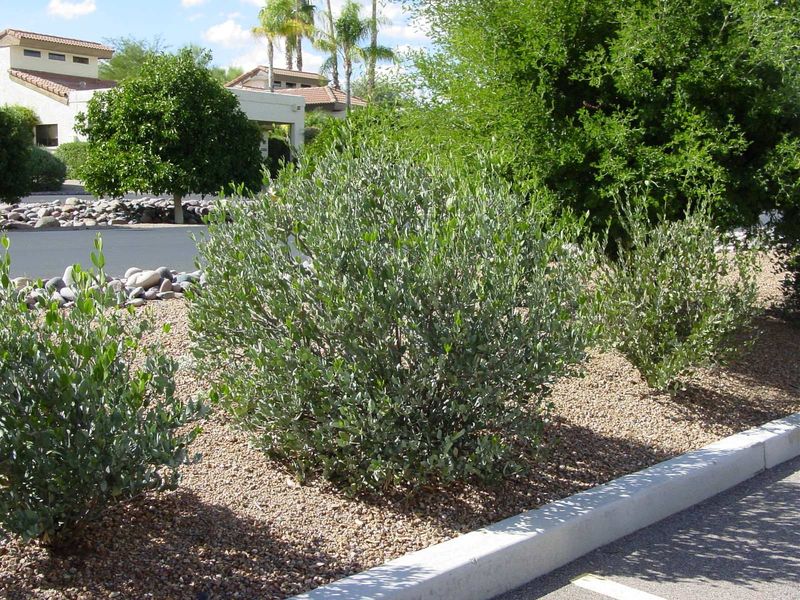
4. Jojoba
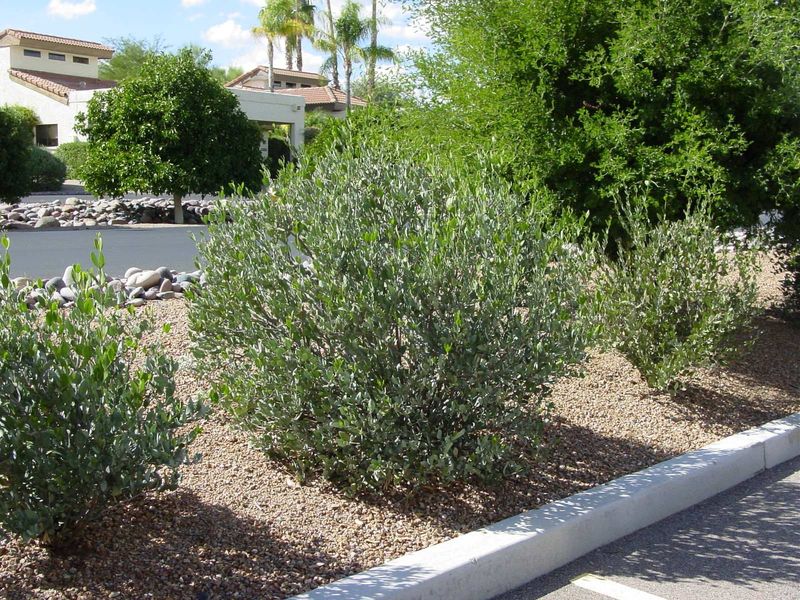
Jojoba seeds hold a liquid wax so prized that the plant built a whole skincare industry around itself. In the garden, though, I appreciate it more for its tough, leathery leaves that stay handsome all year.
Simmondsia chinensis grows slowly into a rounded shrub, often three to six feet tall in home landscapes. It tolerates full sun or partial shade, which makes the filtered light under a mesquite a comfortable fit.
Males and females grow on separate plants, so you need both nearby if you want those acorn-like seeds. Pollination happens by wind rather than insects, which explains why the small yellowish flowers look so plain.
Quail and ground squirrels go after the seeds, while deer and javelinas sometimes browse the foliage. You might notice the leaves standing edge-on at midday, a clever angle that reduces direct sun exposure.
October planting works well, and deep watering every couple of weeks helps through the first year. After that, jojoba asks for very little, making it a dependable green backdrop for flashier bloomers.
Skip heavy shearing into tight boxes, since a looser shape gives birds more places to perch and hide. It also handles light frost, though young plants appreciate a frost cloth on the coldest winter nights.
5. Arizona Milkweed
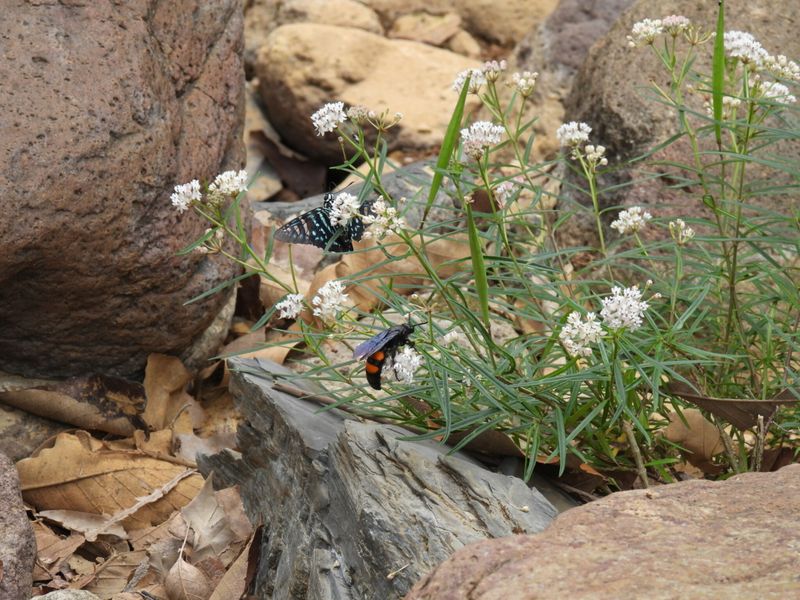
Monarch caterpillars have exactly one menu, and this slender milkweed is a dish they happily accept. Queen butterflies, the monarch’s cinnamon-colored desert cousin, lay eggs on it too, which I find delightful.
Asclepias angustifolia grows wild in shady canyons and along washes in the southeastern part of the state. That background explains why it prefers partial shade and a bit more water than most desert natives.
Under a mesquite, it gets the dappled light it loves, especially if you shield it from afternoon sun. Plan on regular watering in hot months, since its wild relatives grow where moisture lingers longer.
The plant reaches two to three feet tall, with narrow leaves and small white flowers blushed with pink. Native bees and wasps visit the blooms, adding even more pollinator traffic beneath your shady tree.
Fall is a fine time to plant, and you may still spot late caterpillars munching in October. Expect the stems to go dormant in winter, then reappear with fresh growth when the weather warms.
Like other milkweeds, its sap is toxic if eaten, so keep curious pets and toddlers away. Wash your hands after handling it too, because the milky sap can irritate eyes and sensitive skin.
6. Hopbush
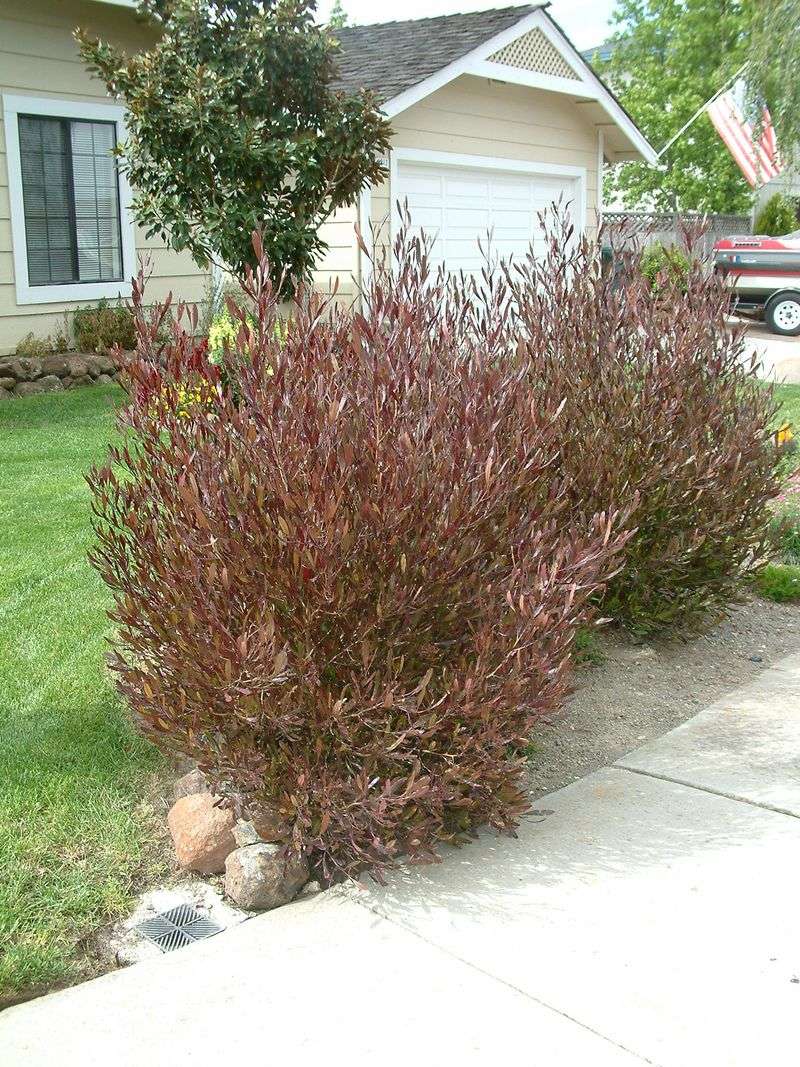
Hopbush grows naturally on several continents, yet our desert form looks right at home on rocky slopes near Tucson. I’m most charmed by the papery seed capsules, which blush pink and rustle like tiny paper lanterns.
Dodonaea viscosa is a fast-growing, thornless evergreen shrub that usually reaches eight to twelve feet tall. That height makes it handy for screening a view, especially along the outer edge of a mesquite canopy.
It handles full sun and partial shade, though deep shade can make it thin and a bit floppy. Occasional deep watering in summer keeps the foliage dense, while too much water shortens its lifespan.
Birds tuck nests into its leafy branches, and you might find a verdin or finch raising chicks there. Its sticky, resin-coated leaves also seem less appealing to browsing rabbits than many softer garden shrubs.
October is an ideal planting window, giving roots months of mild weather before the next summer scorch. Choose purple-leaved forms if you want extra color, since their foliage deepens nicely in cool weather.
Light pruning in late winter keeps it shapely, but leave some branches thick for nesting birds. Personally, I think hopbush earns its spot as the hardworking screen that makes the whole corner feel private.
7. Desert Marigold
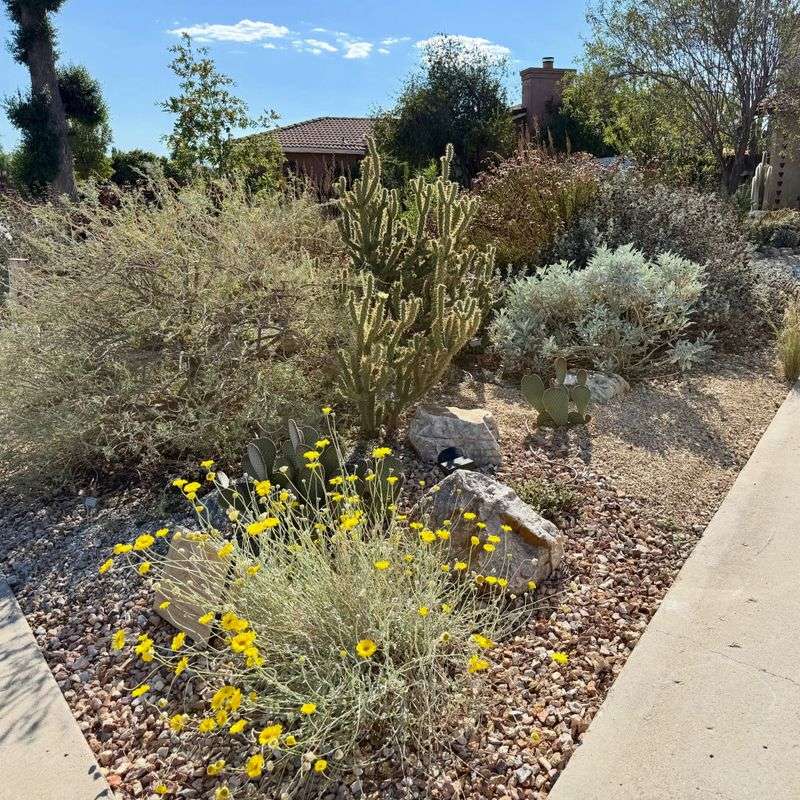
Desert marigold seems to bloom on almost every calendar page, which makes it the overachiever of this list. Those bright yellow daisies float above silvery, woolly leaves that look almost soft enough to pet.
Honestly, Baileya multiradiata prefers full sun, so it belongs at the sunny outer rim of your mesquite. Deep shade near the trunk will leave it sparse, but the bright drip line suits it nicely.
Overwatering is its biggest problem, since soggy soil can rot the crown faster than any heat wave. Gravelly, fast-draining soil and an occasional drink during long dry stretches keep it cheerful for months.
Native bees and butterflies visit the flowers, while finches and sparrows pick at the seeds later. Its foliage is known to be toxic to sheep, so keep that in mind if you raise backyard livestock.
October is perfect for scattering seed on bare ground, because winter rains help them sprout naturally. Each plant lives only a few years, yet it reseeds so freely that you rarely notice any gaps.
I love how a single starter plant quietly turns into a small golden colony within a couple of seasons. Snip spent flower stems if they look scruffy, though leaving a few lets the seeds drop.
8. Deer Grass
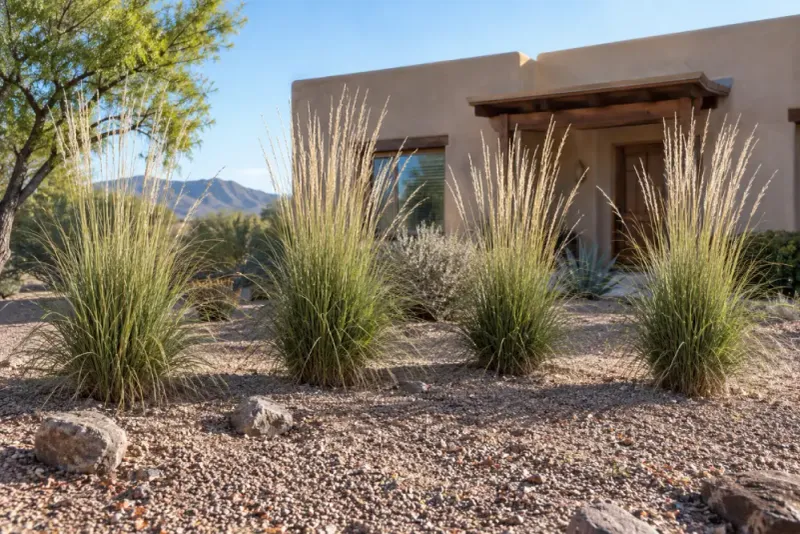
Basket weavers in California have gathered deer grass flower stalks for centuries to build sturdy coiled baskets. I like that bit of history, because it reminds me this graceful clump is useful as well as pretty.
Muhlenbergia rigens forms a fountain of fine green blades roughly three to four feet tall and wide. In late summer, slender wand-like flower spikes rise above the foliage and catch the low autumn light.
It handles full sun or partial shade, so the filtered light beneath a mesquite suits it beautifully. Once rooted, it needs only occasional deep watering, especially during the hottest weeks of early summer.
Birds pick at the seeds, and the dense base gives lizards and ground-feeding birds a shady hiding spot. You might notice quail darting between clumps, using them like little green umbrellas on bright afternoons.
Fall is an excellent planting season, and the roots grip loose soil well enough to slow erosion. Group three or five plants together for a meadow effect, spacing them about four feet apart.
Cut the clump back to a few inches in late winter to clear old brown leaves. Fresh growth returns quickly in spring, and pests rarely bother this tough, easygoing grass at all.
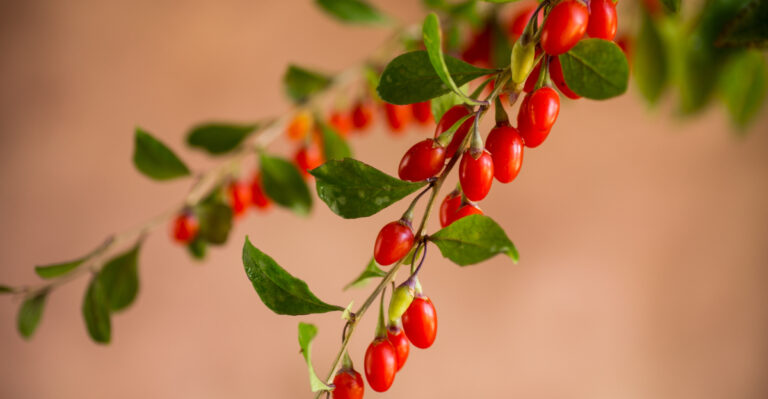
9. Chiltepin
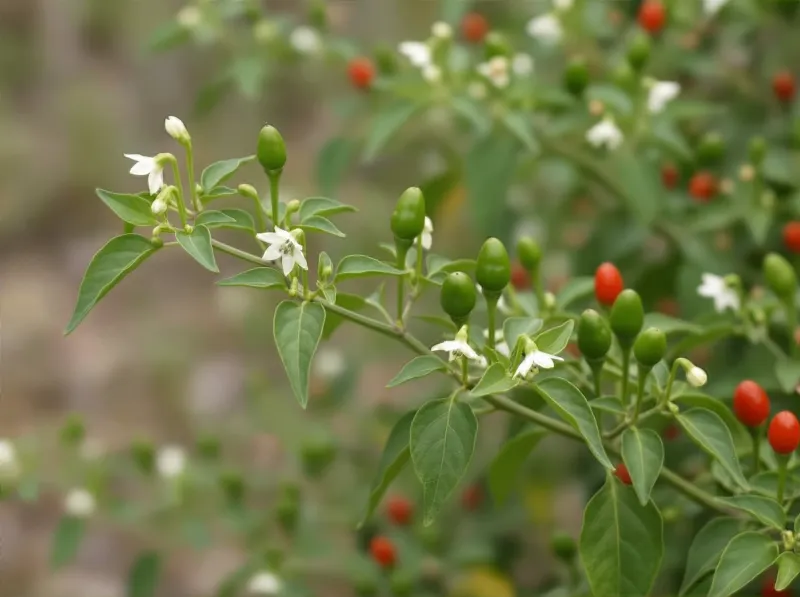
Chiltepin is the official state native pepper of Arizona, and a single tiny berry packs startling heat. You’re in for a big surprise when that pea-sized red pod hits your tongue harder than a jalapeño.
Capsicum annuum var. glabriusculum grows wild in shady canyons of southern Arizona, often beneath nurse trees like mesquite and hackberry. That natural partnership makes it one of the best plants for the deeper shade near your trunk.
Birds eat the fruit and spread the seeds, since they lack the receptors that feel chile heat. Mockingbirds and other fruit-eating birds are common fans, so expect surprise seedlings under your nearby shrubs.
Plants grow two to four feet tall and can live for years, unlike the annual peppers in vegetable beds. Frost may brown the tops, but roots usually resprout in spring when protected by the mesquite canopy.
October is harvest season, so pick ripe red berries now and dry them for winter salsas. Wear gloves while picking, and keep your fingers far from your eyes until you wash thoroughly.
Starts planted in spring establish more easily, so October is better for gathering seed than planting. I can’t imagine a more fitting finale than a wild pepper that literally grows up with mesquite.