Why Arizona Homeowners Are Growing Wolfberry Along Backyard Fences
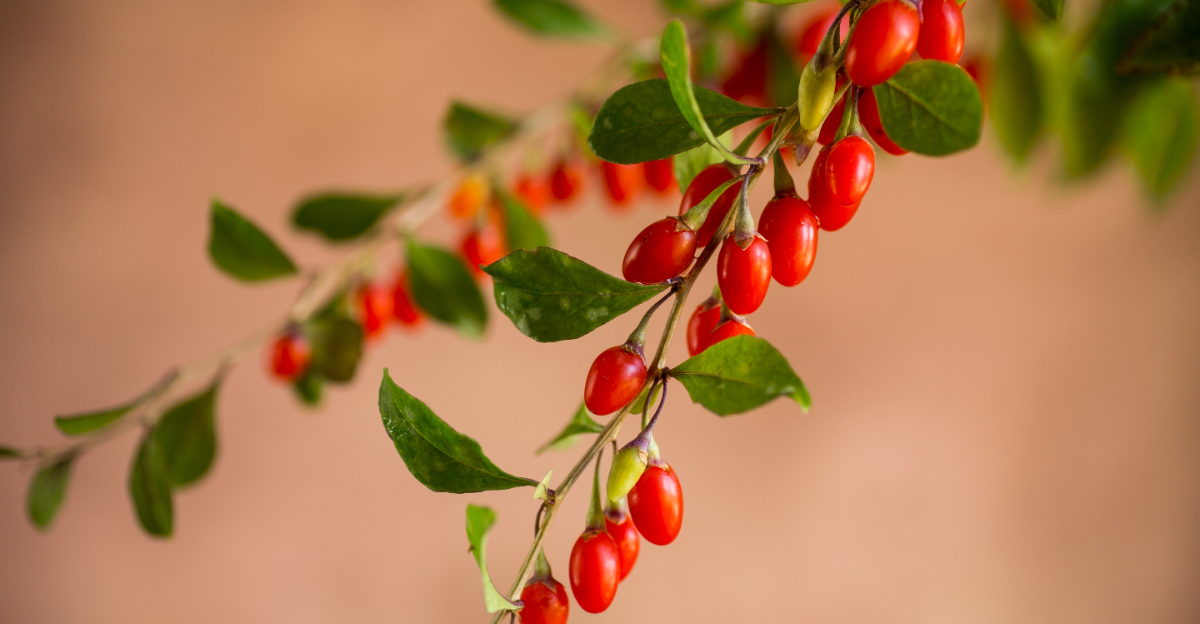
Backyard fences often leave a long stretch of unused planting space that could be doing much more for your landscape.
Wolfberry offers a different approach to filling that boundary. Its natural growth brings character without making the area feel overly formal or carefully arranged.
More Arizona homeowners are finding that this native shrub fits surprisingly well along sunny fence lines.
Give it enough room, and wolfberry can become an attractive part of the yard rather than simple background greenery. Its value goes beyond filling an empty strip.
You may also appreciate how naturally it blends with other plants suited to dry conditions.
Fence lines can become useful growing areas when the right shrub takes that space. Wolfberry brings several qualities that make this familiar native worth considering for your own backyard.
1. Wolfberry Creates A Natural Living Screen
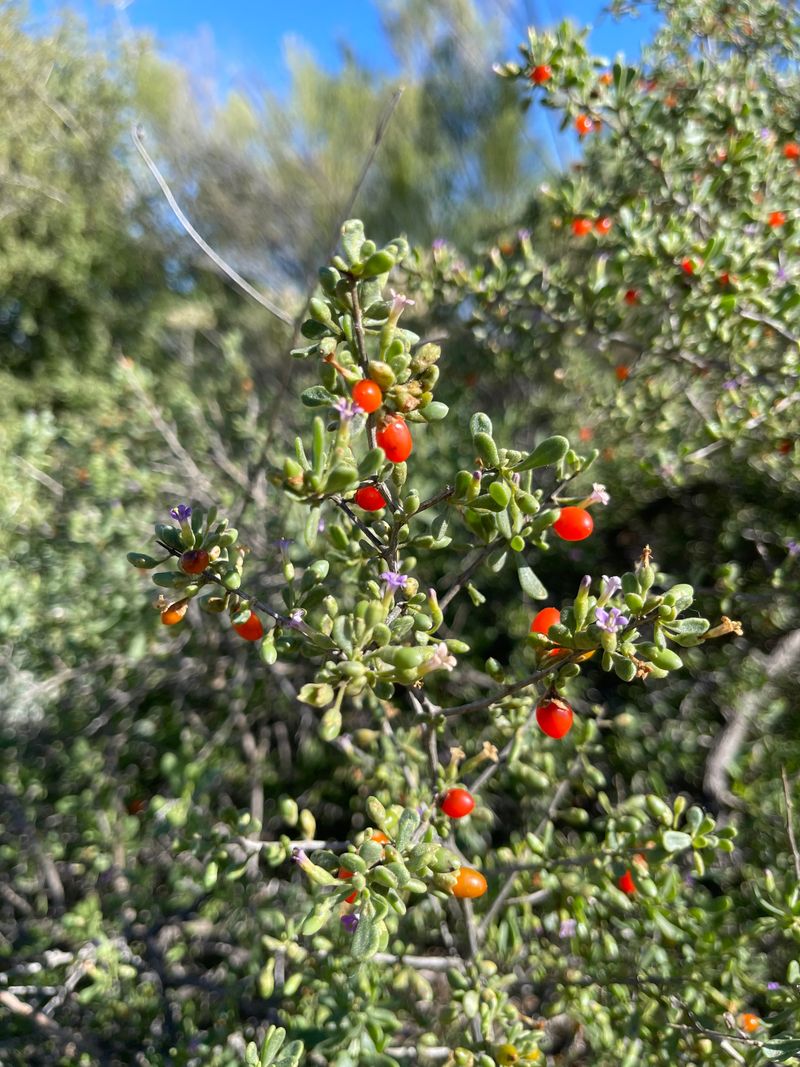
Bare fence lines leave a yard feeling exposed. Wolfberry changes that fast, growing into a dense, leafy wall that adds real privacy without requiring much from the homeowner.
Once established, the shrub fills in with overlapping branches and small green leaves. From a neighbor’s view, or the street, it creates a solid visual barrier that wood panels and chain-link fences simply cannot match on their own.
Wolfberry can reach six to ten feet tall under good conditions, though growth rates vary depending on soil quality and watering.
Planting a few shrubs spaced about four to six feet apart along a fence line gives them room to spread without crowding.
Over a couple of growing seasons, those individual plants start connecting into one continuous screen. Insects and birds use the interior of that growth as shelter, which adds a little life to an otherwise quiet yard corner.
Unlike fast-growing invasive plants, wolfberry stays roughly in its lane. It won’t creep aggressively into garden beds or paved areas without some encouragement.
That predictable, moderate growth makes it easier to manage than some other popular privacy shrubs.
For homeowners who want a living fence that looks natural and supports the local environment, wolfberry hits a practical sweet spot that few other plants in this climate can match.
2. Spreading Growth Can Fill Long Narrow Spaces
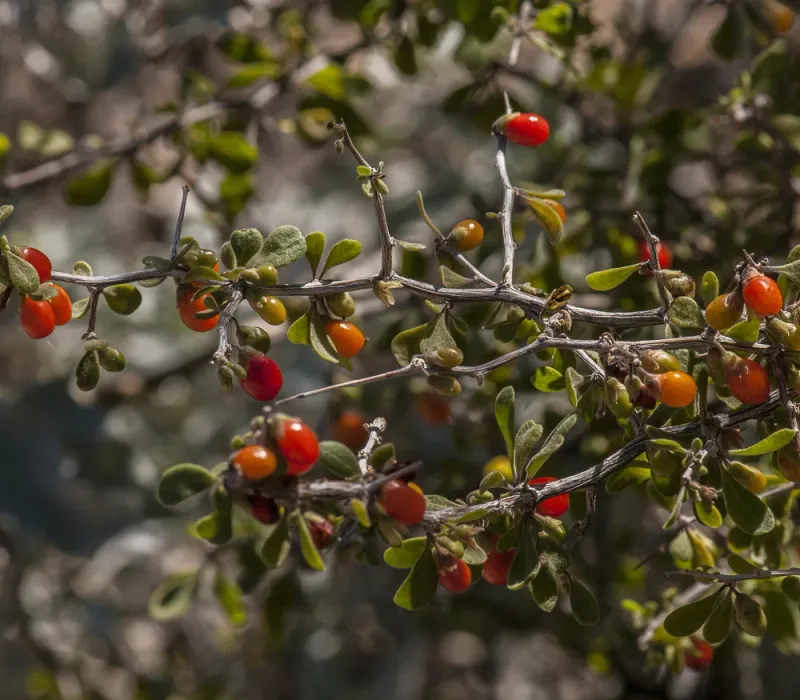
Fence lines are often narrow strips of forgotten space. Most plants either outgrow them quickly or struggle to thrive in such confined conditions, but wolfberry handles that layout surprisingly well.
Its branching pattern spreads outward as much as upward. Given a strip of soil just two to three feet wide, it can still establish itself and push branches along the fence length over time.
That horizontal spread is actually useful. Instead of growing straight up and leaving gaps at the base, wolfberry tends to branch low, which means the bottom of the fence gets covered too.
That matters for homeowners who want full coverage, not just a leafy top edge.
Planting along a long fence doesn’t require filling every foot with a new shrub. With enough time and reasonable watering during the first year, each plant can spread several feet in either direction.
Your Arizona Garden Changes Every Week. Your Plan Should Too.
Gardening in Arizona changes quickly throughout the season. Every Friday you’ll receive a simple weekly plan showing exactly what to plant, prune, fertilize, harvest, and protect so you never miss the right timing.
Soil quality does affect how well this works. Sandy or rocky desert soil may slow early growth, so adding a small amount of organic matter at planting time can help roots establish more quickly.
Once the root system is solid, the plant becomes far more self-sufficient. That first season requires the most attention.
After that, the spreading growth tends to take care of itself with minimal intervention from the homeowner.
3. Desert Conditions Suit This Native Shrub
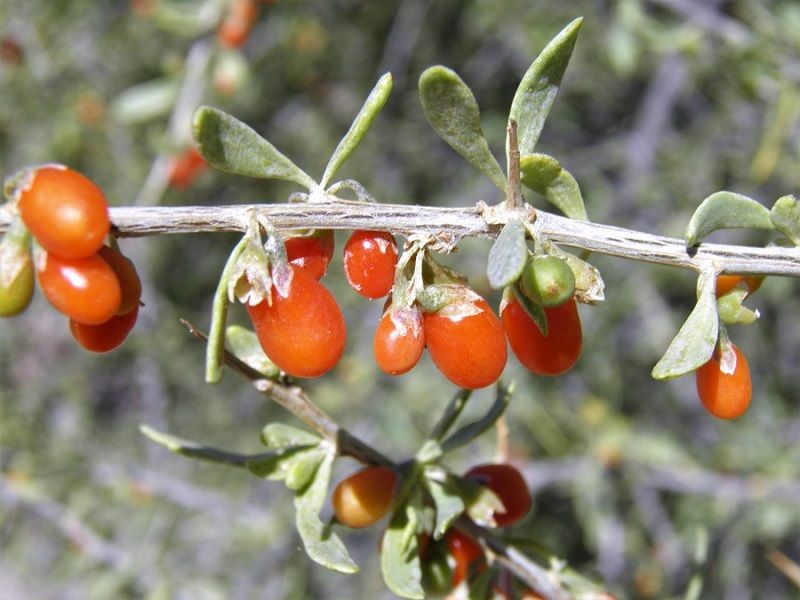
Wolfberry didn’t need to be adapted to the desert. It evolved here.
That distinction matters a lot when you’re choosing plants for a yard that bakes under triple-digit summer temperatures.
Lycium species native to the Sonoran and Mojave regions developed deep root systems and small, moisture-conserving leaves over thousands of years.
They can handle the kind of heat and drought that would stress most ornamental shrubs within a single summer.
Water requirements drop significantly once the plant is established, which usually takes one full growing season with consistent irrigation.
After that, supplemental watering a few times per month during dry stretches is often enough, though individual results vary by location and soil type.
Caliche layers in the soil can be a challenge. If your yard has a hard caliche layer close to the surface, breaking through it before planting gives roots a better chance to reach deeper moisture.
Wolfberry also handles Arizona’s monsoon season well. Sudden heavy rains don’t tend to overwhelm it the way they might affect plants from wetter climates.
Good drainage matters, but the shrub is reasonably forgiving about wet soil for short periods.
Choosing a plant that already belongs in this climate removes a lot of guesswork. Wolfberry rarely needs coaxing to perform well in the conditions that challenge nearly everything else in the yard.
4. Small Flowers Support Local Pollinators
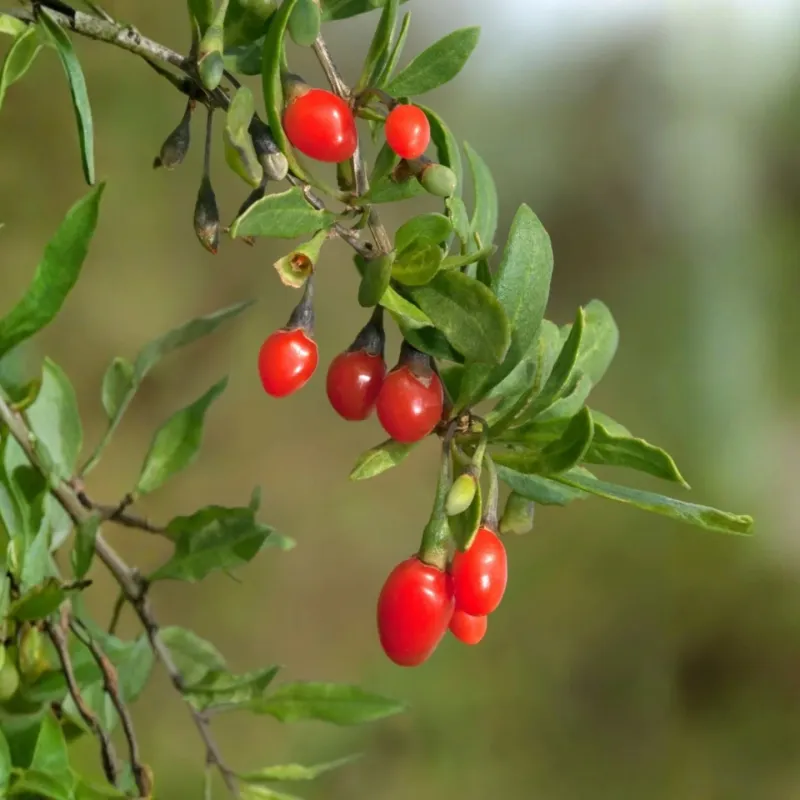
Tiny flowers can carry a lot of weight in a desert yard. Wolfberry blooms are small and easy to overlook, but native bees, moths, and other pollinators notice them quickly.
Wolfberry typically flowers in spring and again after summer monsoon rains arrive. That two-season bloom pattern gives pollinators a food source at times when other plants in a typical backyard may not be producing much.
Native bees in particular tend to favor wolfberry flowers. Many native bee species are smaller than honeybees and can access the tubular blooms more easily.
Planting wolfberry along a fence line essentially creates a feeding corridor for these insects.
Hummingbirds have also been known to visit wolfberry flowers, especially during spring migration. If you already have hummingbird feeders in your yard, adding wolfberry nearby gives those birds a natural supplement to the sugar water.
Supporting pollinators isn’t just about helping wildlife. A yard with strong pollinator activity tends to have better fruit set on vegetable gardens and fruit trees nearby.
Wolfberry can contribute to that ecosystem effect without any extra effort from the gardener.
No pesticides are needed for healthy wolfberry shrubs in most situations. Keeping the plant chemical-free protects the pollinators that visit it, which is a straightforward benefit that makes the whole setup more worthwhile for everyone involved.
5. Colorful Berries Draw In Visiting Birds
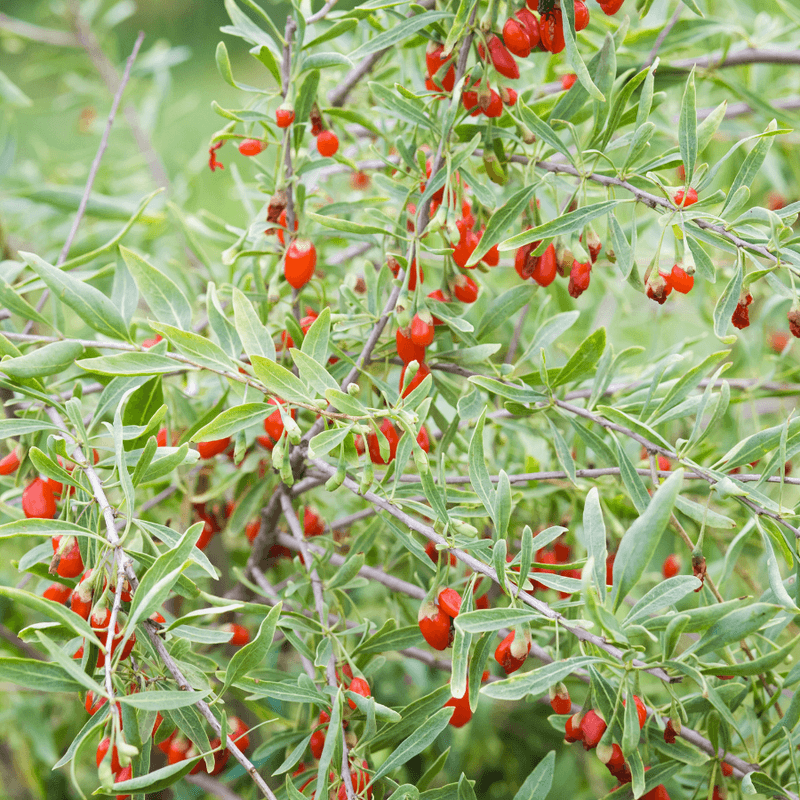
Red berries against green leaves along a fence line catch attention fast. For birds passing through the neighborhood, those berries are a reliable food stop worth revisiting.
Wolfberry produces small bright red fruits, usually appearing in late summer and into fall. Thrashers, mockingbirds, and sparrows are among the species commonly seen feeding on wolfberry in desert yards.
The fruit doesn’t last long once birds find it.
Attracting birds to a yard has practical benefits beyond just watching them. Many songbirds eat large numbers of insects, including aphids and caterpillars that can damage garden plants.
A yard that supports bird activity often has fewer pest problems overall.
Wolfberry berries are also edible for humans, though the flavor is mild and somewhat bland compared to cultivated goji berries, which come from a related species.
Eating them isn’t the main reason most homeowners plant wolfberry, but it’s a reasonable bonus for curious gardeners.
The berries develop on the same branches that flowered earlier in the season. Once birds learn the location, they return year after year with reliable timing.
That consistency turns a plain fence line into a predictable wildlife observation spot.
Setting up a water source nearby, like a simple bird bath, encourages birds to linger longer. Wolfberry and fresh water together make a corner of the yard genuinely attractive to local and migratory species alike.
6. Thorny Growth Needs Thoughtful Placement
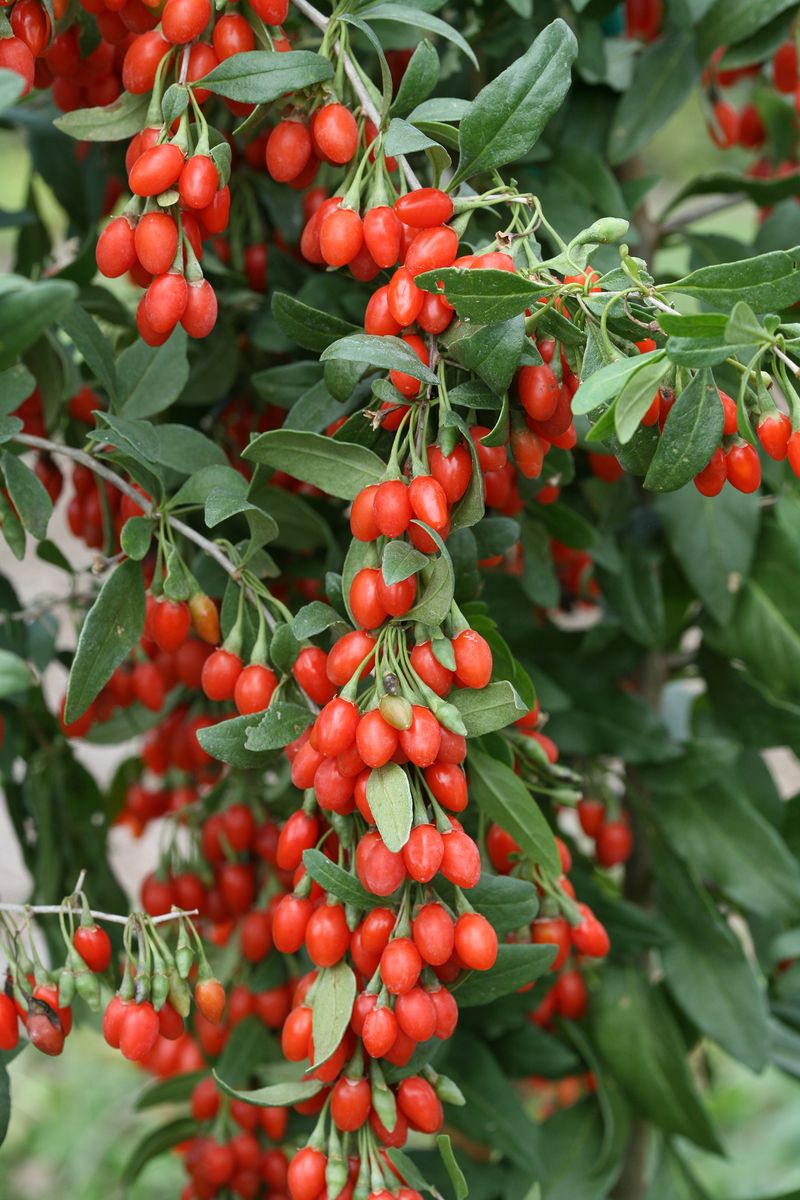
Wolfberry has thorns. That’s not a downside for every situation, but it is something to plan around before you start planting along a fence line.
The spines on wolfberry branches are sharp and can catch on clothing or scratch skin if you brush against them. Along a back fence away from foot traffic, that’s rarely a problem.
Along a path or near a play area, it deserves more thought.
One practical upside to those thorns is security. A dense, thorny wolfberry hedge along a fence line is a genuine deterrent for anyone thinking about climbing over.
It works better than most decorative shrubs for that purpose.
Placement near gates or walkways should be planned with some buffer space. Leaving two feet between the shrub and any area where people regularly pass reduces the chance of accidental contact with the branches.
Children and pets need to be considered too. Dogs that patrol the fence line may push through wolfberry branches and get scratched.
Younger kids playing near the fence could do the same. That doesn’t make wolfberry a bad choice, it just means placement matters.
Wearing thick gloves and long sleeves during any pruning or maintenance work is a straightforward precaution. The thorns don’t make the plant difficult to manage, but they do make protective gear a non-negotiable part of working with it safely.
7. Occasional Pruning Keeps Growth Manageable
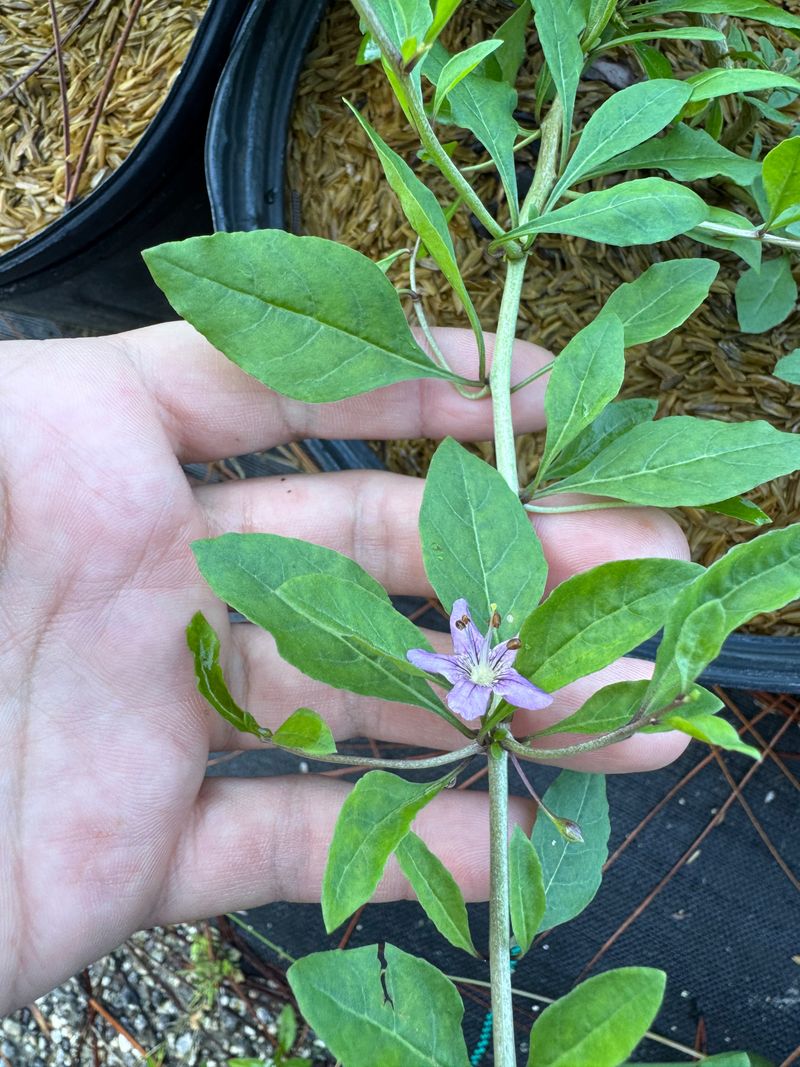
Left completely alone, wolfberry can get scraggly over time. A little pruning once or twice a year keeps the growth looking intentional rather than neglected.
Late winter is a good time for a more significant trim before new growth begins in spring. Cutting back long, arching branches encourages the plant to push out fresh growth from lower on the stem, which helps keep the base full rather than bare.
After the monsoon season, a lighter trim can clean up any branches that grew in awkward directions during the summer flush. That second round of pruning isn’t always necessary, but it helps maintain a tidy appearance along the fence line.
Wolfberry doesn’t require heavy shaping to stay healthy.
Removing crossing branches, damaged growth, and any stems growing toward a walkway is usually enough to keep the plant in good shape without stressing it.
Sharp, clean pruning tools make a real difference. Dull blades crush stems rather than cutting cleanly, which can slow the plant’s recovery.
Cleaning blades thoroughly between plants is a good habit that helps reduce the chance of spreading disease.
Wolfberry bounces back from pruning reasonably well under typical conditions.
Cutting it back harder than usual in late winter may temporarily reduce its size, but new growth usually fills back in within a few months given consistent moisture and warm temperatures.