Reasons Trees Are Painted Purple In Missouri

Missouri’s countryside has a few surprises that catch the eye, and one of the most unusual is a tree painted bright purple. At first glance, it looks like an artistic flourish, but those vivid stripes carry serious meaning.
Landowners use purple paint to mark private property, replacing traditional “No Trespassing” signs with a method that is simple, clear, and legally recognized under state law.
The practice has grown in popularity across farms, woodlands, and rural neighborhoods because it is cost-effective, durable, and highly visible against natural landscapes.
Purple paint not only signals boundaries but also reduces disputes and keeps property lines obvious to neighbors, visitors, and outdoor enthusiasts.
For anyone traveling Missouri’s backroads, understanding the story behind these colorful trees adds a layer of insight to the scenery and highlights how a splash of paint can play a big role in protecting private land while blending practicality with rural charm.
1. Purple Paint Means “No Trespassing” In Missouri
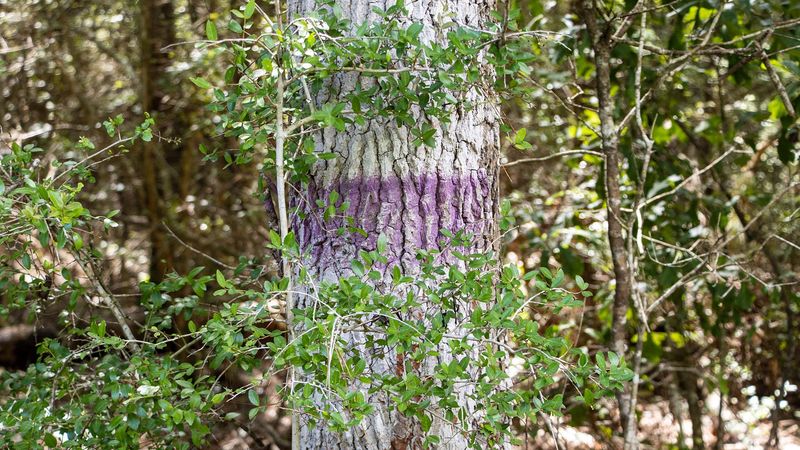
In Missouri’s rural landscapes, a bold swipe of purple paint on trees or posts can speak louder than a dozen signs. Under state law, property owners and leaseholders can use purple paint marks in place of written “No Trespassing” signs to signal that their land is private.
The key idea is simple: by marking boundary trees with this specific color following legal placement guidelines, landowners provide clear notice to anyone approaching that the property is not open to the public without permission.
The statute was passed to help people who manage large tracts of land, including farms and woodlands, where installing numerous physical signs could be impractical or expensive.
Many folks in Missouri now recognize these purple stripes as a sign that someone cares about their land and expects others to respect that space.
Because the paint is visible and long‑lasting, it serves as a straightforward way to show property limits in places where fences might be scarce and open fields stretch for hundreds of feet.
Learning what those purple marks mean can help neighbors, hikers, and harvesters understand where public access ends and private property begins, which supports peaceful use of the outdoors for everyone.
2. The Law Behind The Purple Streaks
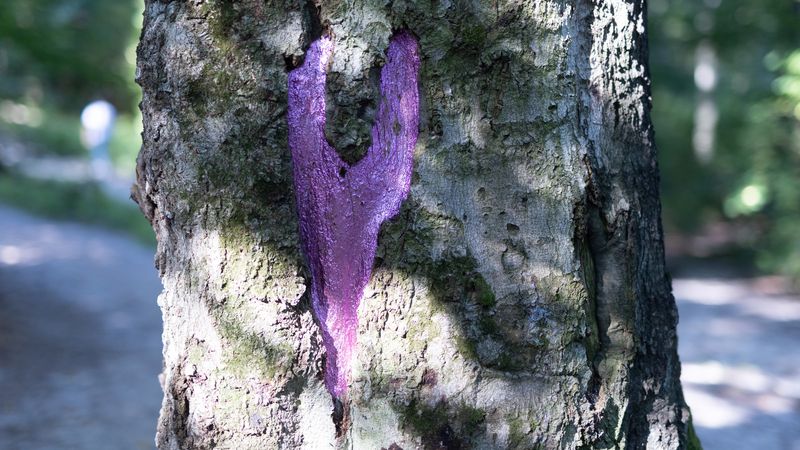
When you spot purple paint on trees in Missouri, there is actual state law supporting that practice.
Missouri Revised Statutes Section 569.145 allows landowners and leaseholders to use vertical purple marks instead of or in addition to written signs to give legal notice against uninvited entry.
To comply, the paint marks must be at least eight inches long, placed between three and five feet above ground, and spaced so that a person walking along a boundary can see them clearly.
This paint method was introduced to simplify posting requirements, especially for owners of long or irregular boundaries.
The law outlines what constitutes adequate notice, and courts in Missouri have upheld that properly applied purple paint meets legal standards for warning trespassers.
Because of this, if someone enters property marked in this way without permission, landowners may have more straightforward grounds to pursue enforcement under state trespass statutes.
Your Missouri Garden Changes Every Week. Your Plan Should Too.
Gardening in Missouri changes quickly throughout the season. Every Friday you’ll receive a simple weekly plan showing exactly what to plant, prune, fertilize, harvest, and protect so you never miss the right timing.
This legal recognition gives the purple paint its significance and distinguishes casual markings from those that carry defined legal meaning.
For people who enjoy the outdoors in Missouri, understanding that these painted stripes are backed by law helps clarify when they are on public land versus private property that is being formally posted.
3. Marking Your Land The Right Way
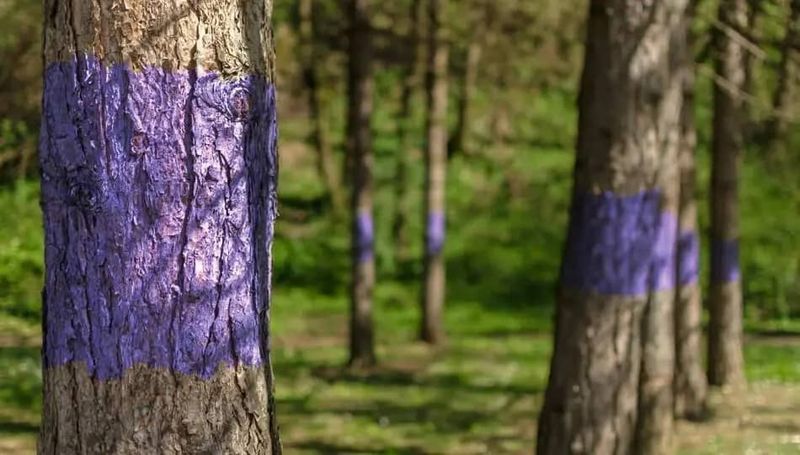
Getting the location and appearance of purple paint marks right matters for property owners in Missouri who want to post their land effectively.
Landowners should start by walking the boundary to identify trees or posts that are visible to someone approaching the property.
The law calls for vertical paint stripes at least eight inches long and between three and five feet above the ground so they are easily noticed by a person on foot.
Spacing between marks should be close enough that someone can see one before they come to the next, typically no more than 100 feet apart in open areas.
In wooded settings, closer spacing might be needed so that trees or undergrowth do not obscure the marks. Using exterior latex paint designed for wood helps the color stay vibrant through rain and changing seasons.
A bright, consistent shade of purple is key so the marks are distinct from natural bark and underbrush, making them easier for passersby to recognize.
Applying the paint with a brush or roller is straightforward, but taking time to make the application neat and consistent helps reinforce the intention behind the marks.
With thoughtful placement and attention to visibility, landowners can create a painted boundary that functions as clear notice aligned with Missouri’s legal expectations.
4. Saving Money With A Splash Of Purple
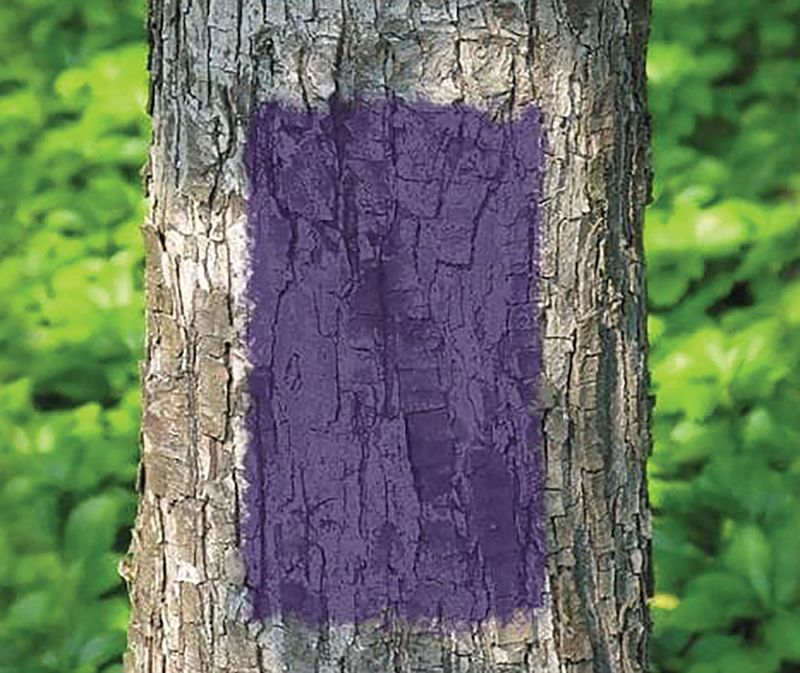
For many Missouri landowners, marking property boundaries with purple paint makes good financial sense compared to traditional metal or printed signs.
Purchasing a few cans of outdoor paint can cover hundreds of feet of boundary lines, and the materials to apply it are relatively inexpensive – a brush, gloves, and a ladder or step stool if needed.
Written signs can add up in cost as well, especially when a large area requires dozens of signs to make boundaries clear. Metal signs sometimes need to be mounted on posts, which means additional hardware and time spent digging holes or securing fasteners.
Over time, signs can loosen, tilt, or get damaged, which can lead to repeat purchases and maintenance work that adds to costs.
With paint, once the boundary trees are marked, the color tends to hold up well in Missouri’s climate, resisting fading through sun and rain longer than paper or cardboard notices would.
For landowners who are comfortable doing the work themselves, painting boundary marks can be a manageable weekend project that yields lasting visibility at a fraction of the effort and expense of traditional signs.
That practicality makes purple marking appealing to farmers, hobby growers, and others who want a cost‑effective way to define private property.
5. Built To Last: Why Paint Beats Paper
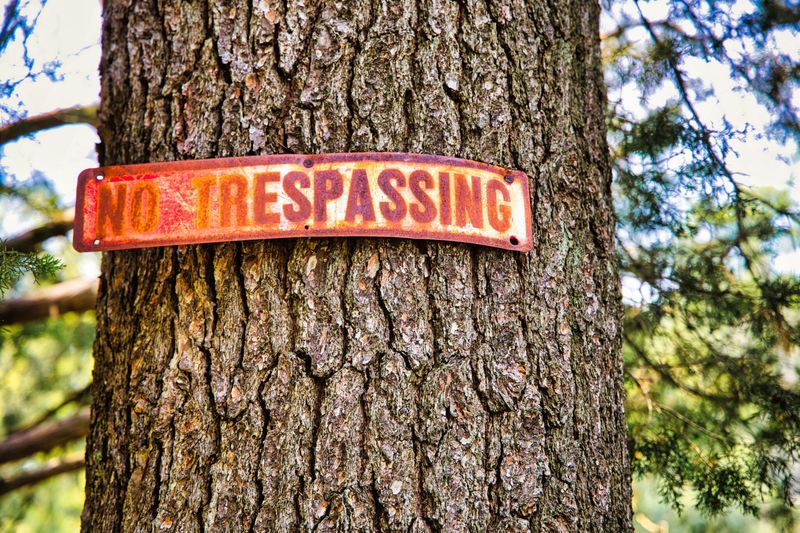
Paper or lightweight plastic signs can struggle with the weather, particularly in Missouri’s mix of hot summers, cold winters, and frequent rain. Written notices attached to trees or fences can sag, tear, or peel away when exposed to changing conditions.
In contrast, exterior paint designed for outdoor use binds to the surface of a tree or post and resists flaking in wind or moisture.
Purple paint marks are chosen because the color stands out against natural backgrounds, making them easier to spot even when leaves are thick or shadows fall across the woods.
Over months and seasons, the vibrant stripe remains a clear sign of private property without the brittleness of a paper sign that might disintegrate or fly off during a storm.
Using a paint that is formulated for outdoor wood helps the mark withstand sunny days and winter snows without losing its purpose.
This durability means landowners in Missouri may spend less time replacing worn‑out signs and more time enjoying their land.
That endurance is a practical benefit that aligns with the needs of people managing acres of countryside where regular upkeep of dozens of individual signs would be a chore.
6. Avoiding Common Painting Pitfalls
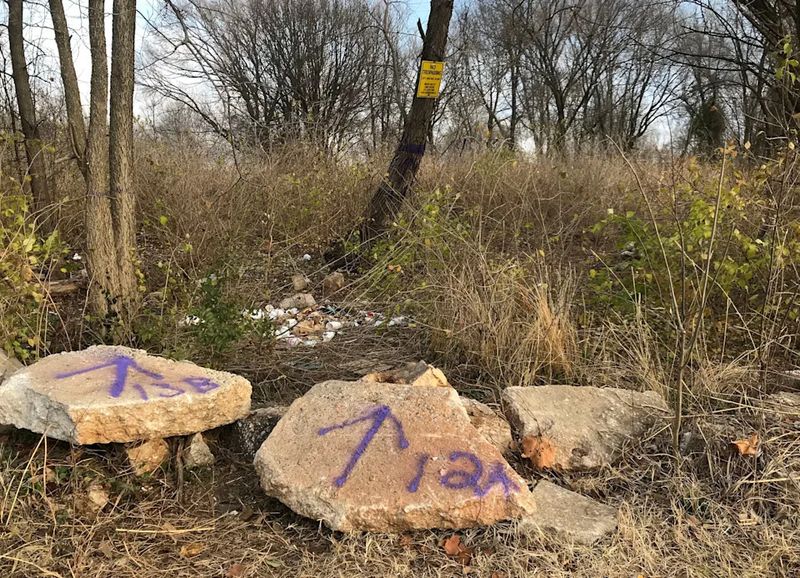
Even though painting boundary marks seems simple, there are a few things Missouri landowners should watch out for to make sure their efforts are effective.
One common mistake is placing purple paint too low on a tree trunk where undergrowth or tall grass could hide it from view.
A better approach is to aim for a height where the average adult’s eye naturally falls as they walk along the edge of the property, usually between three and five feet above ground. Another issue is uneven spacing between marks.
When paint marks are too far apart, someone might walk between them without noticing any indication of private property, which could lead to confusion about whether they have crossed a boundary.
Some people use whatever paint they have on hand, but choosing a paint designed for outdoor use helps the color stay distinct longer against weathering.
Mistaking other colors for purple or using shades that blend with tree bark can reduce visibility, so selecting a bright, crisp purple is helpful.
Taking a moment to step back and view marks from multiple angles after painting can help catch issues before they become established.
By avoiding these pitfalls, landowners can make sure their painted boundaries serve their intended purpose.
7. Taming Large Or Wooded Properties
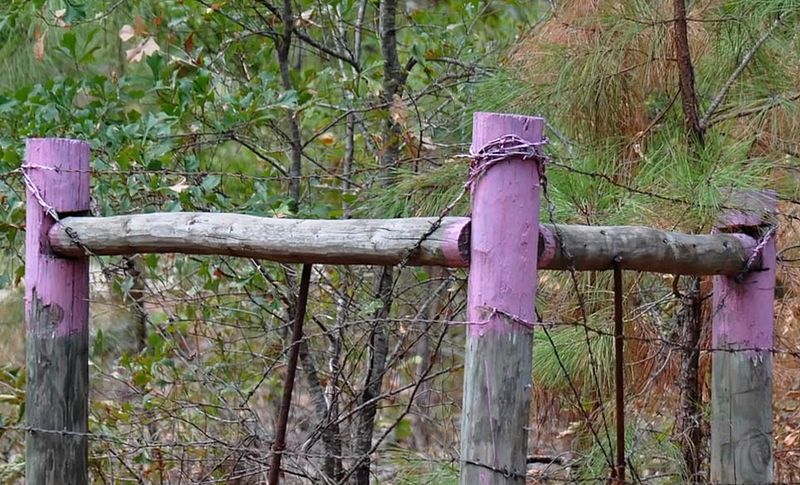
Marking boundaries on expansive tracts of timbered land in Missouri can feel daunting, but breaking the task into manageable sections helps.
In forests, tree trunks offer many natural posting points, but dense vegetation can hide paint marks if they are spaced too far apart.
Walking along property edges before painting can help identify clear sightlines where a person is most likely to approach, and concentrating paint marks in those areas improves the chance they will be seen.
In fields or open meadows, spacing marks so that one is in view before the next comes into sight helps signal the boundary continuously to someone walking along the edge.
For long stretches along roads or fence lines, keeping a consistent pattern can make the boundary intuitively understandable.
It is also useful to check property lines against a survey or legal description before marking so that paint is applied in the right places and reflects the true limits of ownership.
Whether a wooded ridge or a broad pasture, taking time to plan and execute thoughtful placement of purple marks makes large properties easier to post and helps neighbors and visitors recognize where private land begins.
8. Recognizing Purple As Private Property
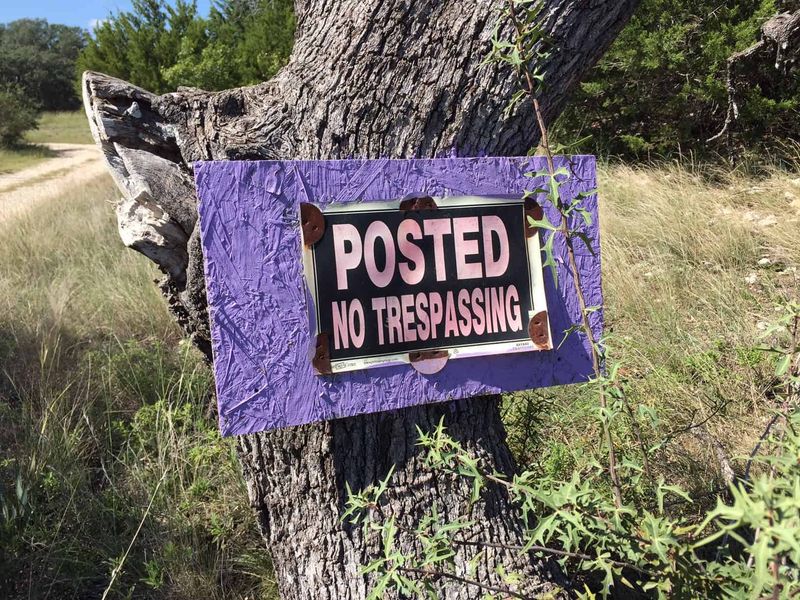
For people hiking, hunting, or driving through Missouri’s countryside, seeing purple paint on trees can prompt questions about what it means.
Understanding that these stripes signal private property and are intended to give legal notice can help outdoor enthusiasts and neighbors make informed choices about where they walk or stop.
The distinctive color was chosen because it stands out from natural browns and greens, making it easier to notice from a distance.
When someone encounters a painted boundary, stopping to check a map, look for public land signs, or contact the landowner if permission is needed can prevent misunderstandings.
While purple paint marks are most common in rural areas, they may also appear near subdivisions where private tracts abut public trails or roads.
Being aware that this practice exists and what the marks represent supports respectful use of land and reduces accidental trespassing.
For Missouri residents and visitors alike, treating purple‑painted trees as a visual cue that a space is private helps everyone enjoy outdoor life while honoring property rights.
Whether you are exploring woods or farming country, recognizing these painted boundaries contributes to smoother interactions among landowners and the public.