10 Best Fertilizers To Use In North Carolina Gardens This Fall
Fall is a great time to give your North Carolina garden some extra love. As the days get cooler, your plants start getting ready for winter, and that means they need the right kind of food to stay strong.
Good fertilizer does more than just feed your plants, it also builds healthier soil, protects roots from the cold, and sets your garden up for an even better spring. Whether you grow vegetables, flowers, or bushes, fall feeding really does make a difference.
The good news is you don’t need anything fancy. Many of the best fertilizers for fall are simple, natural, and easy to find. Some come from the ocean, some from old plants, and some even from earthworms.
Each one brings something special to your soil, whether that’s more nitrogen for leafy greens or more potassium for stronger stems. Picking the right fertilizer depends on what you’re growing and what your soil needs most.
1. Organic Compost
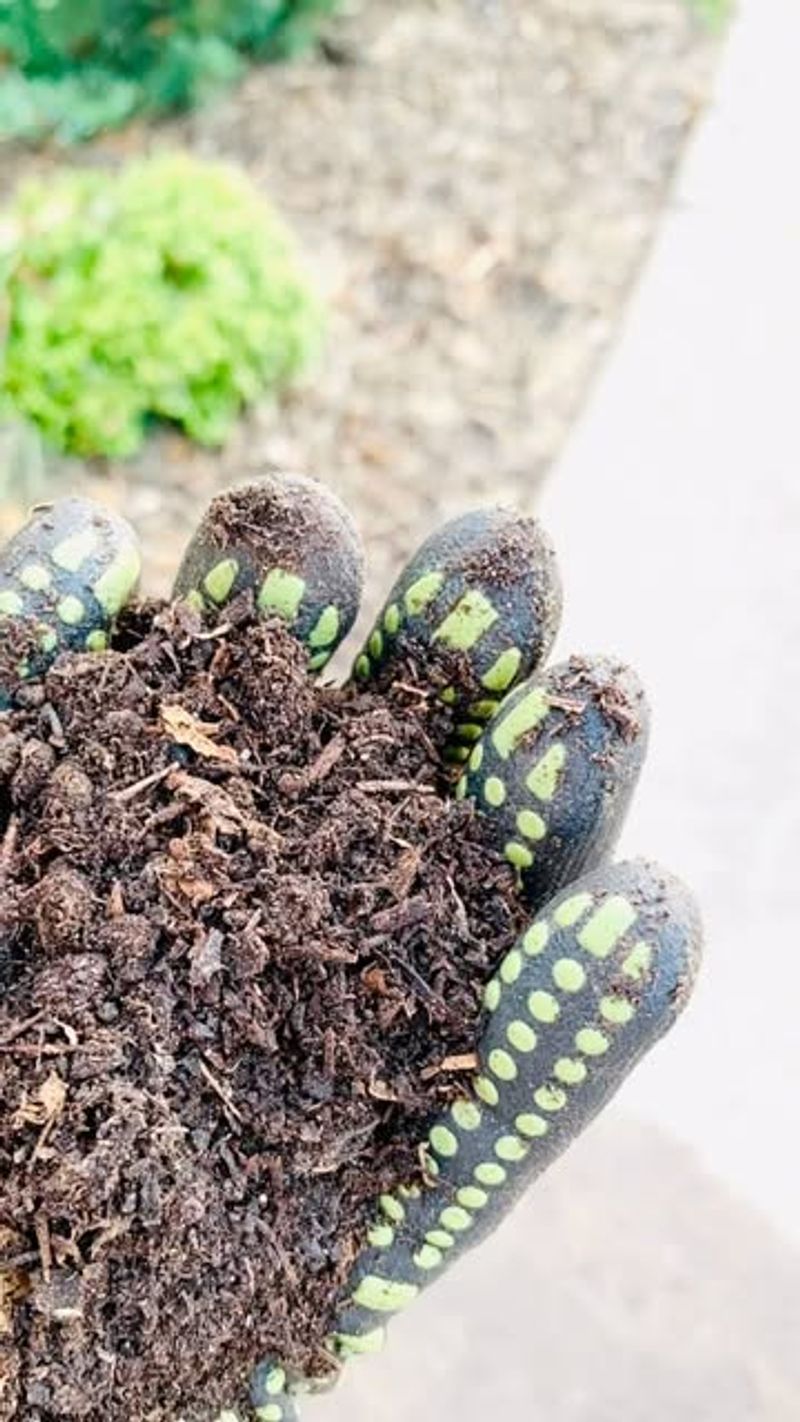
Compost is one of the easiest and most natural ways to feed your North Carolina garden this fall. It’s made from broken down plant material, like leaves, grass clippings, and old food scraps, that turns into a dark, crumbly material full of nutrients.
Compost doesn’t just feed your plants. It also improves the soil itself, making it easier for roots to grow strong and healthy.
To use it, spread a layer about two to three inches thick around your plants. Then gently mix it into the top layer of soil.
As it breaks down, it slowly releases nitrogen, phosphorus, and other important minerals that plants need to grow. Because it releases nutrients slowly, there’s little risk of overfeeding your plants.
Compost is especially helpful for North Carolina’s sandy soil, which can dry out quickly. It helps the soil hold onto water longer, which is important during fall when rain can be unpredictable.
Whether you’re growing tomatoes, flowers, or shrubs, compost gives your garden a strong, natural boost heading into the colder months. It’s also great for the environment since it reuses organic waste instead of throwing it away.
2. 10-10-10 Balanced Fertilizer
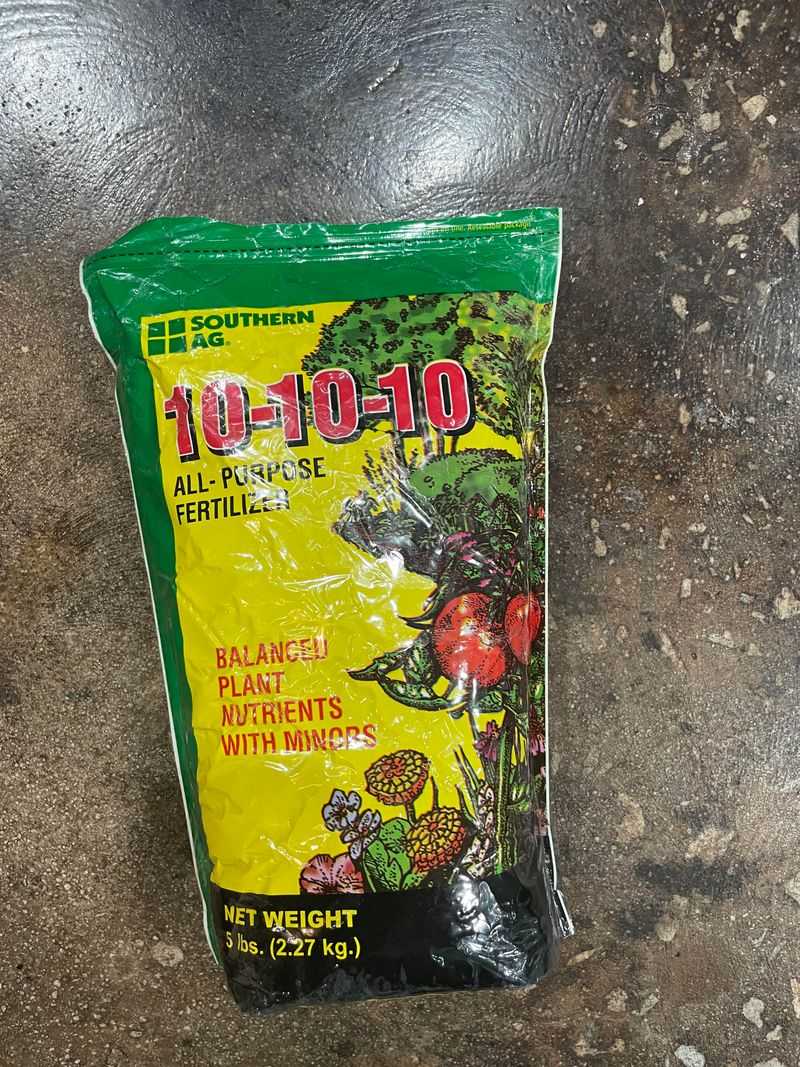
If you want something simple and reliable, 10-10-10 fertilizer is a favorite among North Carolina gardeners. The numbers stand for equal parts nitrogen, phosphorus, and potassium, three nutrients every plant needs to grow strong.
This balanced mix helps plants build healthy roots, grow sturdy stems, and get ready for the cold weather ahead. The best time to apply it is about six weeks before the first frost hits your area.
This gives plants enough time to soak up the nutrients before they slow down for winter. Simply sprinkle the granules evenly around the base of your plants, then water the area well so the fertilizer can start working.
This type of fertilizer is easy to find at most garden stores and works well for many different plants. It’s great for lawns that need a boost before winter, vegetable gardens still producing food, and flower beds full of fall blooms.
Your North Carolina Garden Changes Every Week. Your Plan Should Too.
Gardening in North Carolina changes quickly throughout the season. Every Friday you’ll receive a simple weekly plan showing exactly what to plant, prune, fertilize, harvest, and protect so you never miss the right timing.
Because it contains everything a plant needs in one bag, it takes the guesswork out of feeding your garden. For beginners especially, 10-10-10 is a smart choice.
It’s simple to use, affordable, and gives most plants exactly what they need without extra research or mixing.
3. Bone Meal
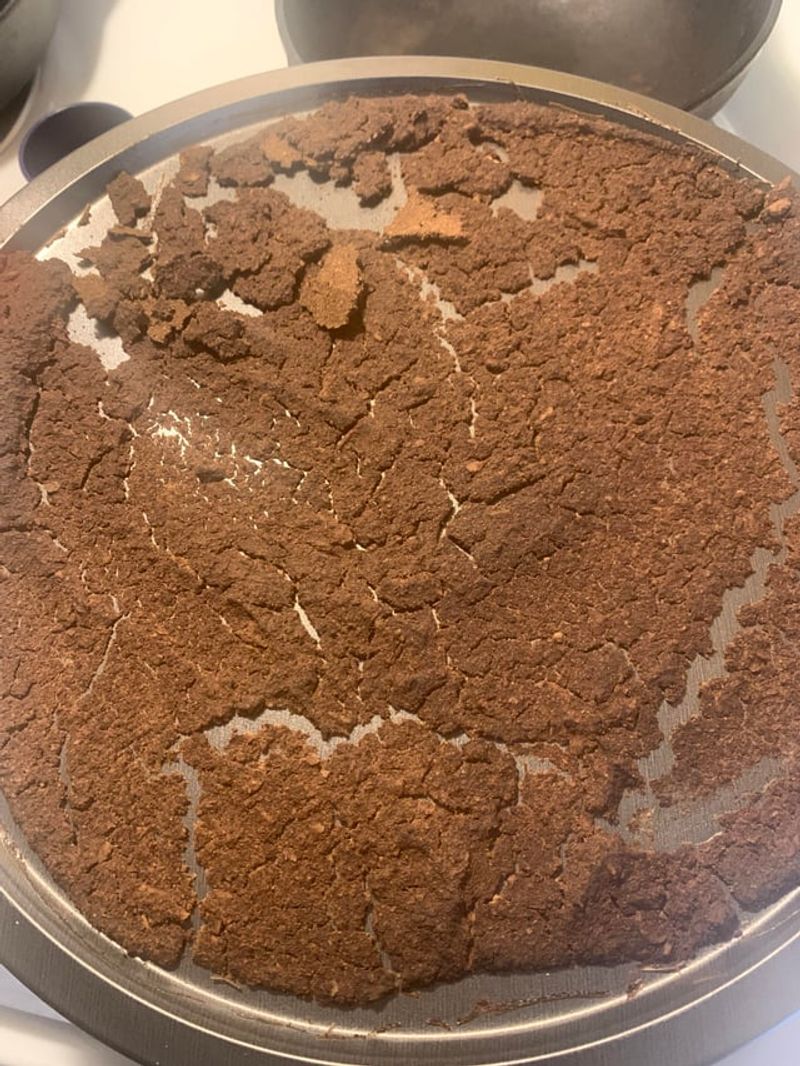
Bone meal is a fall favorite for gardeners planting bulbs in North Carolina. Made from ground animal bones, it’s packed with phosphorus and calcium, two nutrients that help plants grow strong roots.
Strong roots are especially important in fall since they help bulbs survive the winter and bloom beautifully in spring. To use bone meal, mix a handful into the hole before planting bulbs like tulips or daffodils.
The nutrients release slowly over time, feeding the bulbs even while they rest underground during the cold months. This slow release means your plants get steady nourishment without the risk of too much fertilizer at once.
Bone meal isn’t just for bulbs, though. Perennials and shrubs also benefit from it, especially as they prepare for winter dormancy.
Adding bone meal in fall helps these plants build up energy reserves they’ll need to survive the cold and come back healthy in spring. Many gardeners like bone meal because it’s a natural product that works well with organic gardening methods.
It’s easy to find at garden centers and simple to use, making it a smart addition to your fall planting routine.
4. Fish Emulsion
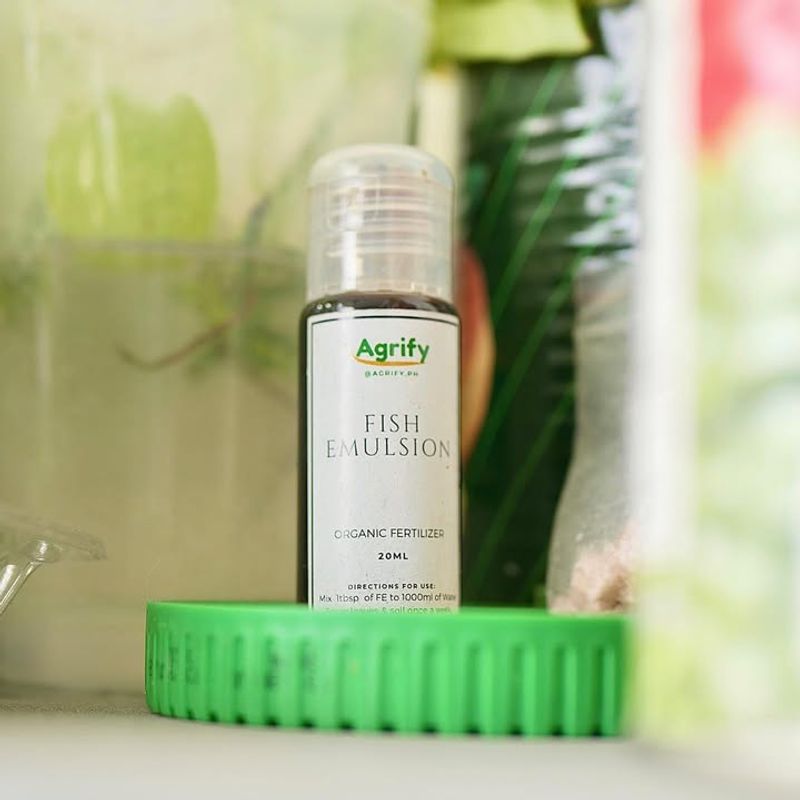
Fish emulsion is a powerful liquid fertilizer made from fish byproducts, and it’s a great choice for North Carolina gardens in the fall.
It’s especially good for leafy vegetables like kale, spinach, and lettuce, which need lots of nitrogen to grow big, healthy leaves.
Because it’s a liquid, plants absorb the nutrients quickly through both their roots and leaves. To use it, mix the fish emulsion with water following the directions on the bottle.
Then apply it to your plants every two weeks while the weather stays cool. Don’t worry about the smell.
It may seem a bit fishy at first, but it fades away within a few hours. This fertilizer works fast, which makes it perfect for fall crops that need to grow quickly before the first freeze.
Cool season vegetables really do best with regular feedings, and fish emulsion gives them exactly what they need to stay green and strong.
Gardeners who want a fast acting, natural fertilizer often turn to fish emulsion because it’s gentle on plants but still delivers real results. It’s a simple way to keep your fall garden productive right up until winter arrives.
5. Cottonseed Meal
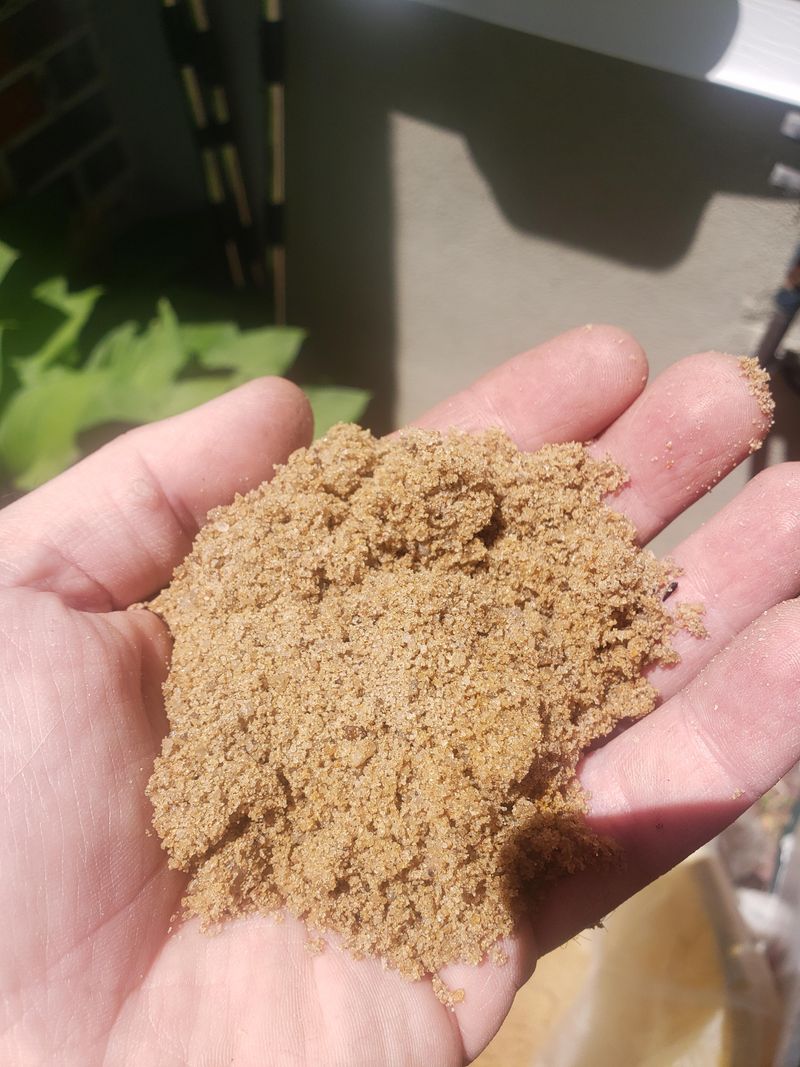
Cottonseed meal is a great option for gardeners growing acid loving plants in North Carolina. Plants like azaleas, blueberries, and camellias do best in slightly acidic soil, and cottonseed meal helps create those conditions naturally.
It’s made from the leftover seeds after cotton is processed, making it a useful byproduct turned garden helper. To use it, sprinkle cottonseed meal around the base of your plants, focusing on the area where the roots spread out underground.
A good rule of thumb is about two pounds for every hundred square feet of garden space. Because it releases nutrients slowly, there’s little risk of harming your plants, even if you apply a bit too much.
This slow release also means your plants get steady nutrition over several weeks instead of one quick burst. That’s especially helpful in fall, when plants are preparing for winter and need consistent care.
Another bonus of cottonseed meal is that it attracts earthworms. These worms help break down organic matter and improve the overall health of your soil.
Over time, this creates richer, more balanced soil that supports stronger plant growth season after season.
6. Kelp Meal
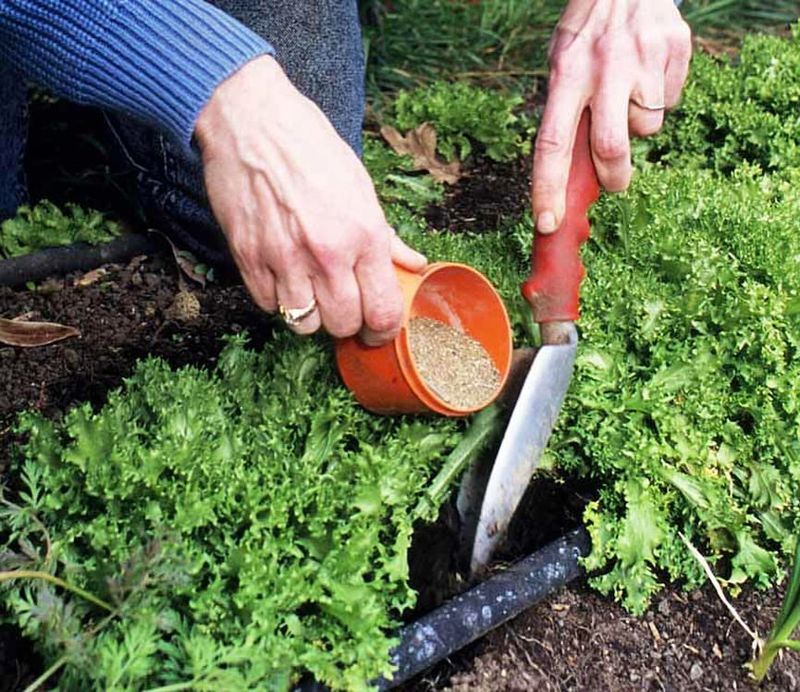
Kelp meal comes from dried seaweed and brings a surprising number of benefits to North Carolina gardens in the fall. It contains more than sixty different trace minerals, along with natural compounds that help plants grow strong and handle stress better.
This makes it especially useful as temperatures start to drop and plants need extra support. You can mix kelp meal into the soil when planting, or sprinkle it around plants that are already established.
Many gardeners apply it once a month to keep nutrients steady throughout the season. Over time, kelp meal helps plants build thicker, sturdier cell walls, which can improve their ability to handle cold weather.
Root vegetables like carrots and turnips, along with brassicas like broccoli and cabbage, often show great results when kelp meal is part of their care routine. These plants tend to grow more evenly and stay healthier through fall’s changing weather.
Because kelp meal comes from a natural ocean source, it’s a favorite among gardeners who prefer organic options. It’s an easy way to give your garden extra minerals that regular fertilizers might not include.
7. Alfalfa Meal
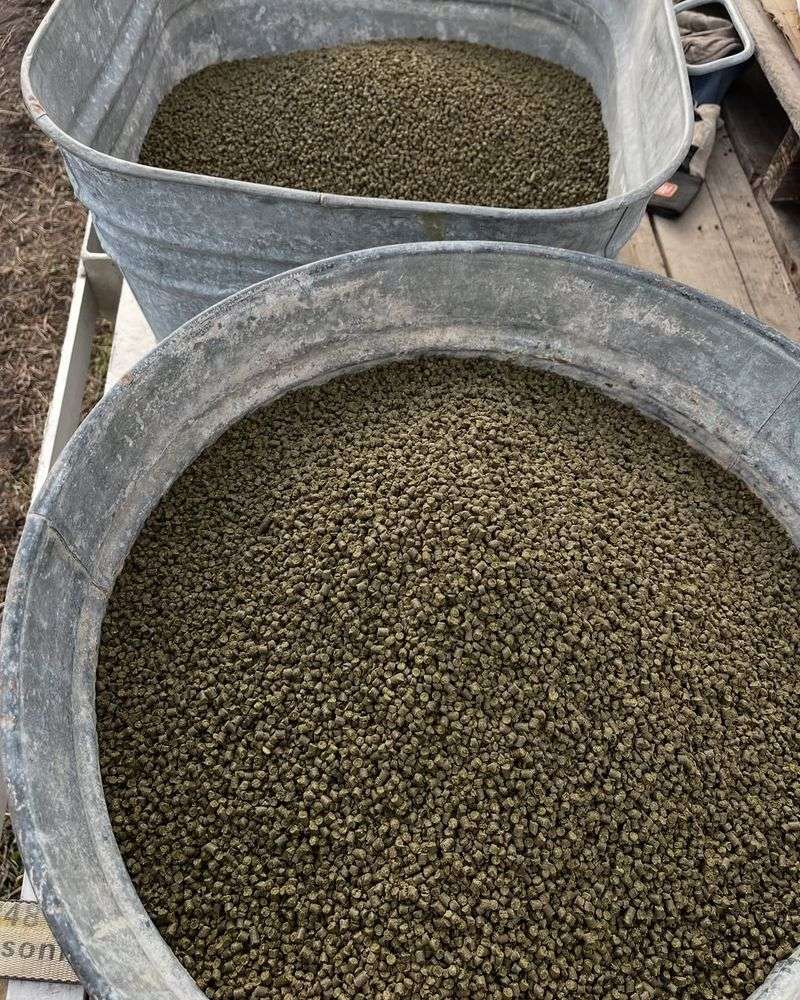
Alfalfa meal is a gentle, natural fertilizer that works especially well for roses getting ready for winter. It contains a natural compound called triacontanol, which helps plants grow more efficiently and store up energy before the cold months arrive.
This makes it a smart choice for fall care. To use it, apply about two cups around each large rose bush, then lightly scratch it into the soil surface.
This helps the nutrients soak in without disturbing the plant’s roots. Alfalfa meal isn’t just for roses, though.
Vegetables and perennials also respond well to this mild fertilizer. Because it breaks down slowly, alfalfa meal feeds plants steadily over time instead of all at once.
This slow process also helps improve the texture of your soil, making it easier for roots to grow and spread. Better soil texture means better drainage and airflow, both of which are important during unpredictable fall weather.
Gardeners who want a natural way to help their plants build strength before winter often choose alfalfa meal. It’s simple to apply and provides long lasting benefits throughout the cooler months.
8. Blood Meal
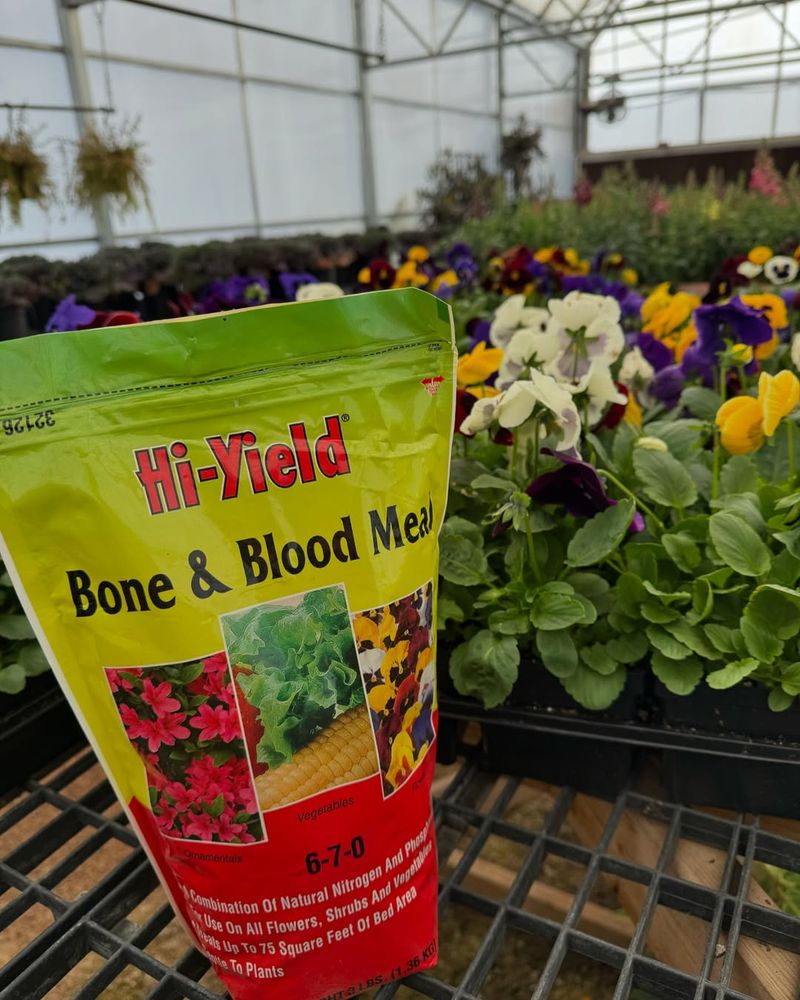
Blood meal is a strong, nitrogen rich fertilizer that works great for leafy greens planted in fall. Vegetables like lettuce, spinach, and chard need plenty of nitrogen to grow quickly and produce tender, dark green leaves.
Blood meal gives them a fast boost exactly when they need it most. Because it’s so powerful, a little goes a long way.
Most gardeners use about one cup for every twenty five square feet of garden space. After applying it, water the area thoroughly.
This helps the nutrients soak into the soil and reduces the chance of the fertilizer being too strong for your plants’ roots. Blood meal works fast, making it a smart pick for gardeners who want quick results before the first frost hits.
Cool season greens especially benefit from this extra nitrogen since it helps them grow full, healthy leaves in a short amount of time. An unexpected bonus of blood meal is that deer often avoid gardens where it’s been used.
This makes it a helpful tool for keeping unwanted visitors away while also feeding your plants. It’s a simple, effective option for anyone growing fall greens.
9. Greensand
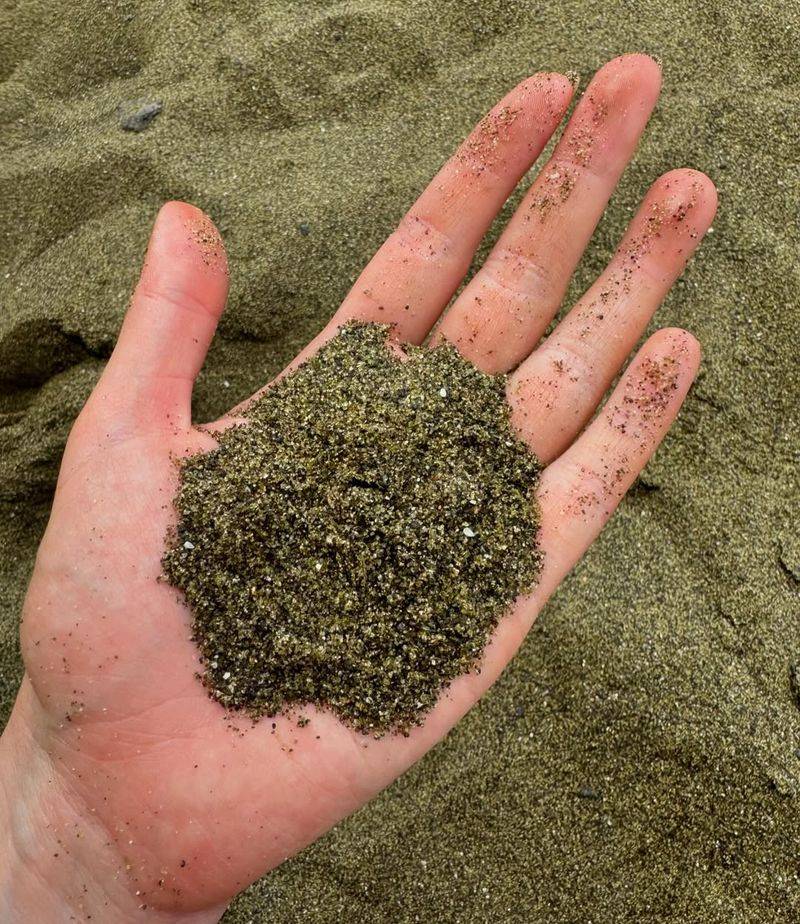
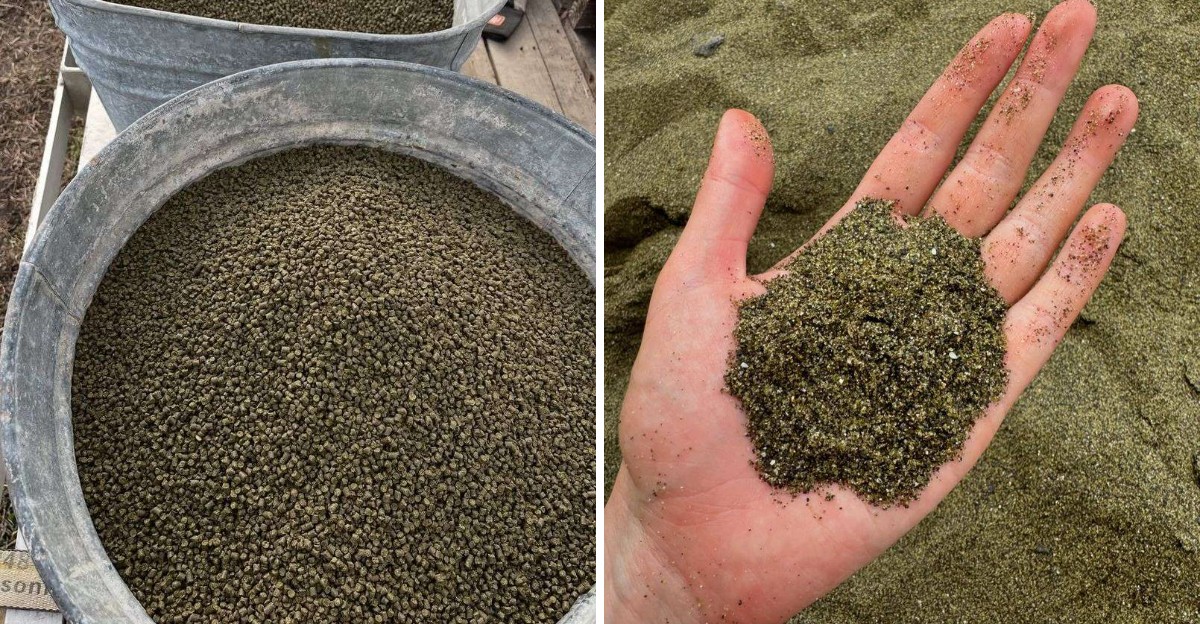
Greensand is a unique fertilizer made from ancient ocean sediment, and it’s a great source of potassium for North Carolina gardens.
Potassium plays a big role in helping plants build strong cell walls and resist disease, which becomes especially important as fall weather turns unpredictable.
To use greensand, spread it across your garden beds before planting fall crops. A good amount is about five to ten pounds for every hundred square feet.
It works especially well in Carolina’s clay heavy soil, helping to loosen it up and improve drainage so roots can grow more easily. Unlike some fast acting fertilizers, greensand releases its nutrients slowly over time.
This means you won’t see results overnight, but the long term benefits are worth the wait. As it breaks down, it continues to improve your soil’s structure season after season.
Many gardeners like greensand because it’s a natural, long lasting option that doesn’t require constant reapplication. Adding it to your fall routine can lead to healthier, more resilient plants and better soil for years to come.
10. Worm Castings
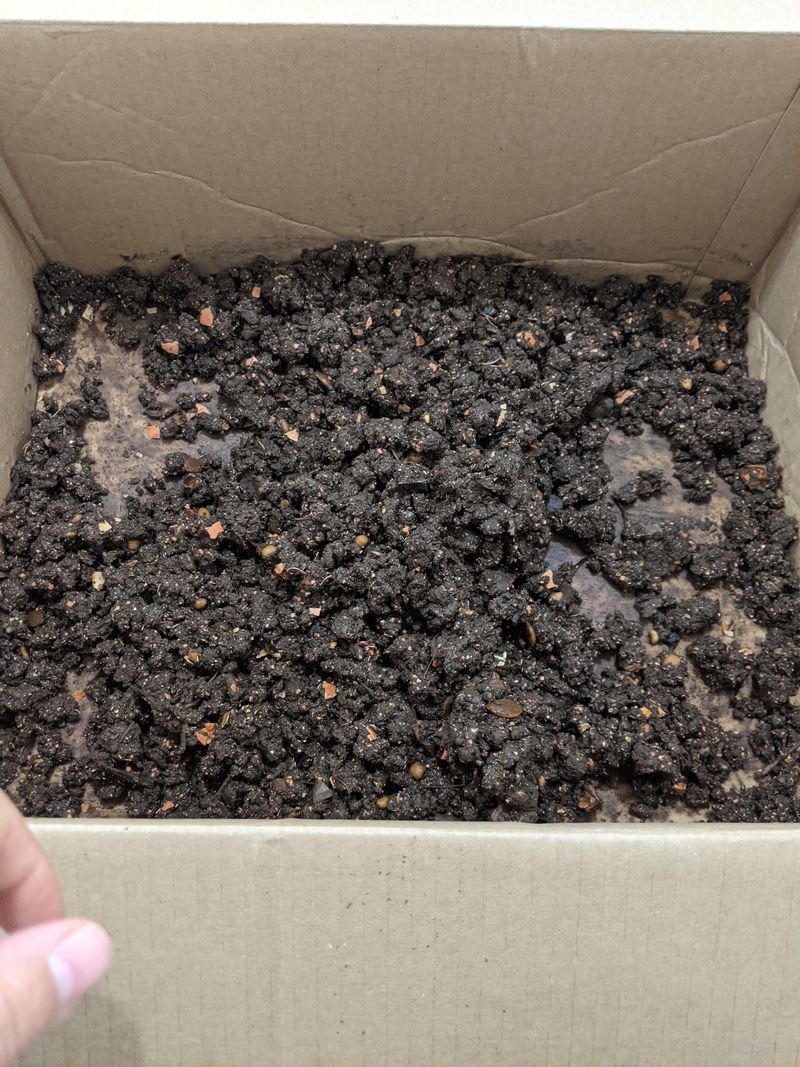
Worm castings are one of nature’s most gentle and effective fertilizers, and they come from a surprising source, earthworm waste. As worms eat organic material, they break it down into rich, nutrient packed castings that are safe and gentle for almost any plant.
Because they’re so mild, worm castings won’t harm even the most delicate roots. There are several easy ways to use them.
You can mix worm castings into potting soil, sprinkle them around new transplants, or steep them in water to make a nutrient rich tea for feeding plant leaves.
Along with nutrients, worm castings also contain helpful microbes that improve the overall health of your soil.
Fall plantings especially benefit from worm castings because they help young plants establish strong roots quickly. This is important as the growing season winds down and plants need to build strength before winter arrives.
Because they’re completely natural and gentle, worm castings are a favorite among organic gardeners. Whether you’re starting new plants or supporting older ones, this simple fertilizer helps your garden stay healthy through fall and beyond.