8 Reasons North Carolina Hydrangea Flowers Turn Brown
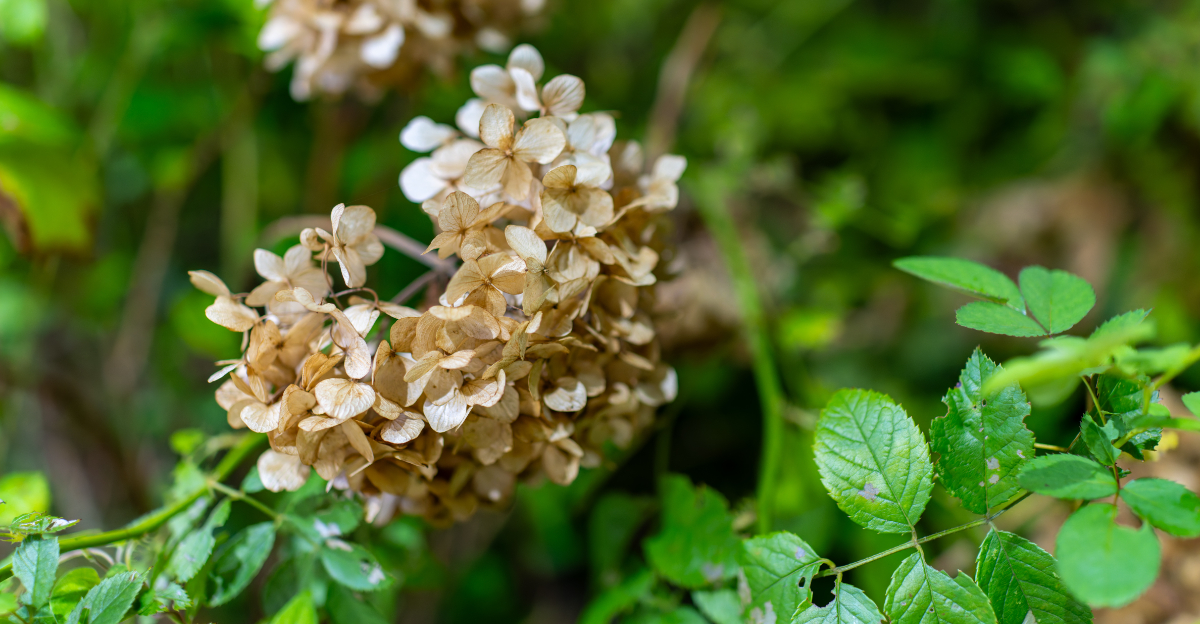
Brown, crispy hydrangea blooms leave plenty of North Carolina gardeners frustrated, especially when the rest of the plant still looks perfectly green and healthy.
Most people assume there’s a single obvious cause, reaching for the same fix every time regardless of what’s actually happening.
But browning flowers can actually stem from several completely different issues, each requiring its own specific solution to properly address.
Understanding the full range of possible causes changes how effectively you can respond the next time your hydrangea blooms start turning an unwanted shade of brown.
Many gardeners waste time and effort treating the wrong problem entirely, missing the actual explanation behind their specific situation.
Once you know all eight potential reasons, diagnosing your own hydrangea becomes a much more straightforward process.
This list could finally solve a frustration that’s been following your plant for more than one season.
1. The Flowers May Simply Be Getting Older
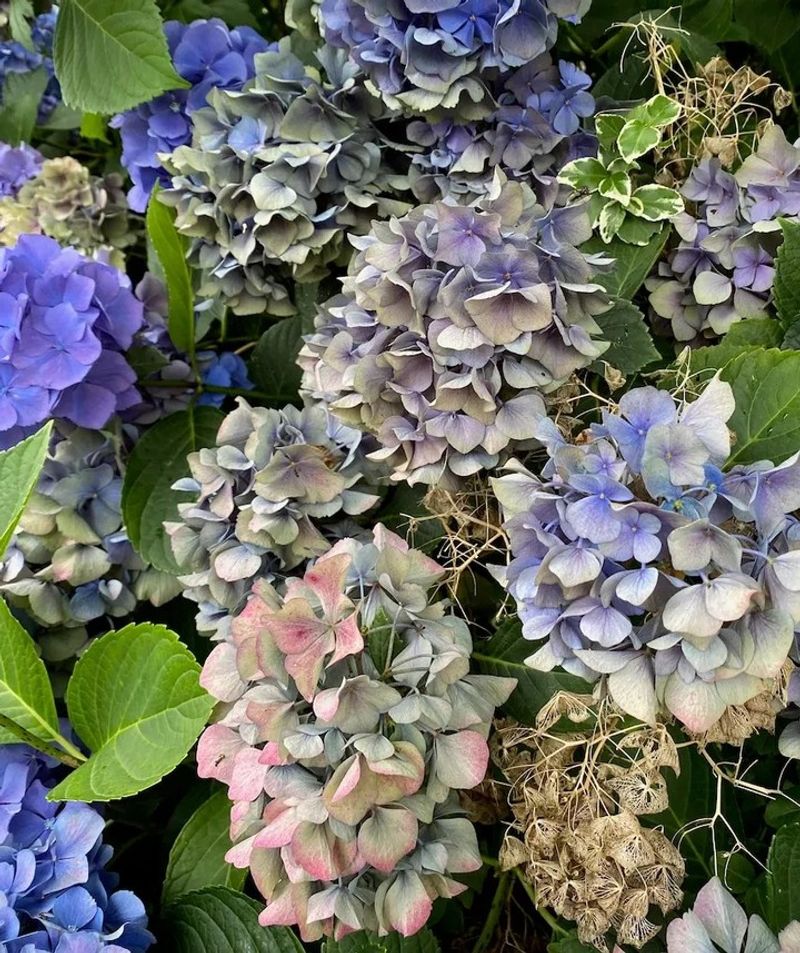
Every flower has a natural life span, and hydrangea blooms are no different. When a flower has been open for several weeks, it slowly changes color, dries out, and finally turns brown. That does not mean anything is wrong with your shrub.
Older blooms often shift from bright pink, blue, or white into softer, papery shades before they fade completely.
This is part of the plant’s normal cycle. Many gardeners actually love this stage because dried hydrangea flowers look pretty in vases and wreaths.
You can tell aging apart from a real problem by looking at the whole plant. If the leaves stay green and healthy while only the oldest flowers brown, aging is almost always the answer. Fresh buds and new growth are good signs too.
To keep your shrub tidy, snip off the faded blooms with clean pruning shears. This is called deadheading, and it helps the plant look neat while sending energy toward roots and leaves.
Just be careful with types that bloom on old wood, since cutting too much can remove next year’s flowers.
Timing your pruning matters in North Carolina gardens. For bigleaf hydrangeas, trim right after flowering finishes in summer. For panicle and smooth types, late winter works well.
Aging blooms are simply a sign that your plant did its job and put on a wonderful show. Enjoy the flowers while they last, dry a few for crafts, and look forward to another round of color next season without any worry.
2. Hot Afternoon Sun Can Scorch The Blooms
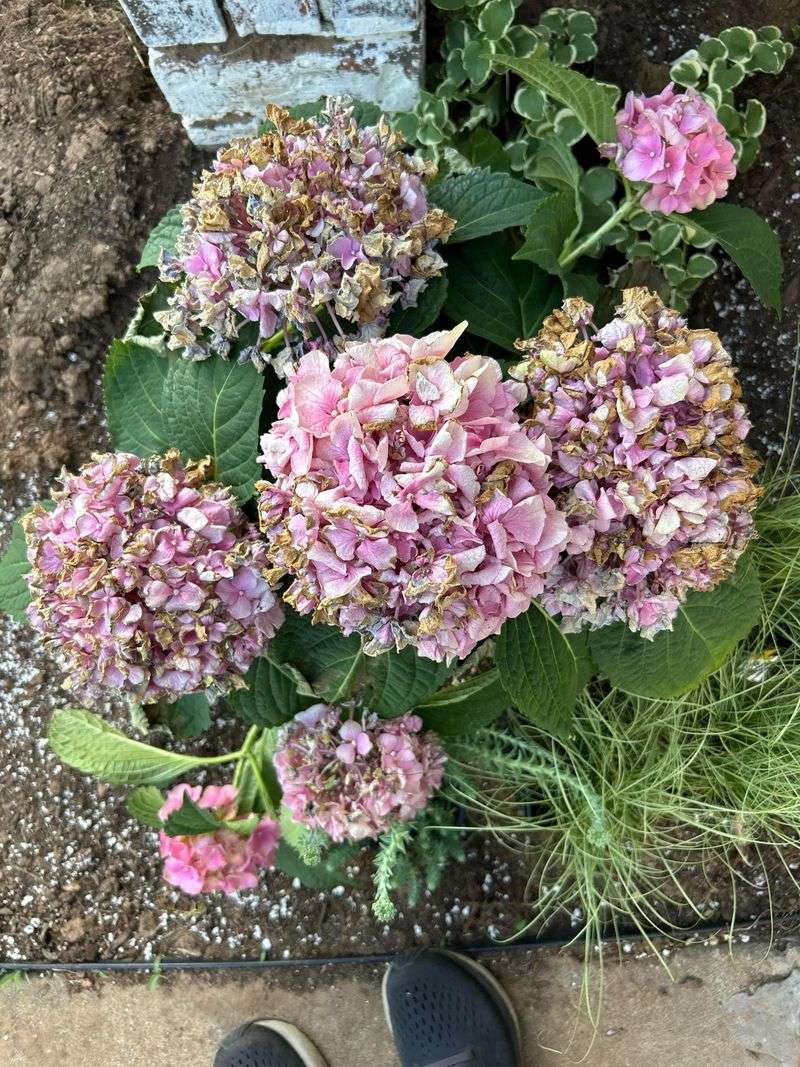
Sunlight helps plants grow, but too much of the strong afternoon kind can be rough on delicate hydrangea petals. In North Carolina, the sun beats down hardest in the middle and later parts of the day, and that heat can toast tender flowers quickly.
Bigleaf hydrangeas are the most sensitive. Their soft, wide petals lose moisture fast when the sun hits them directly. You might notice the edges turning crispy and brown while the centers still hold some color.
Morning sun is much gentler. Ideally, these shrubs want bright light early in the day and cool shade during those harsh afternoon hours. That mix keeps blooms fresh and full of color much longer.
Your North Carolina Garden Changes Every Week. Your Plan Should Too.
Gardening in North Carolina changes quickly throughout the season. Every Friday you’ll receive a simple weekly plan showing exactly what to plant, prune, fertilize, harvest, and protect so you never miss the right timing.
If your hydrangea sits in a spot that bakes all afternoon, you have a few choices. You can plant a taller shrub or small tree nearby to cast shade, or add a shade cloth during heat waves. Both tricks give your flowers a break.
Watering also helps plants handle bright light. A well hydrated shrub cools itself better and resists scorching, so keep the soil evenly moist during sunny stretches.
When you plant a new hydrangea, think carefully about the location. The east side of a house often works great, since it gets soft morning rays and afternoon shelter.
Choosing the right spot saves you a lot of trouble down the road. With smarter placement and steady water, your blooms can shrug off even the toughest Carolina sunshine and stay bright and cheerful all season long.
3. Summer Heat Can Speed Up Flower Fading
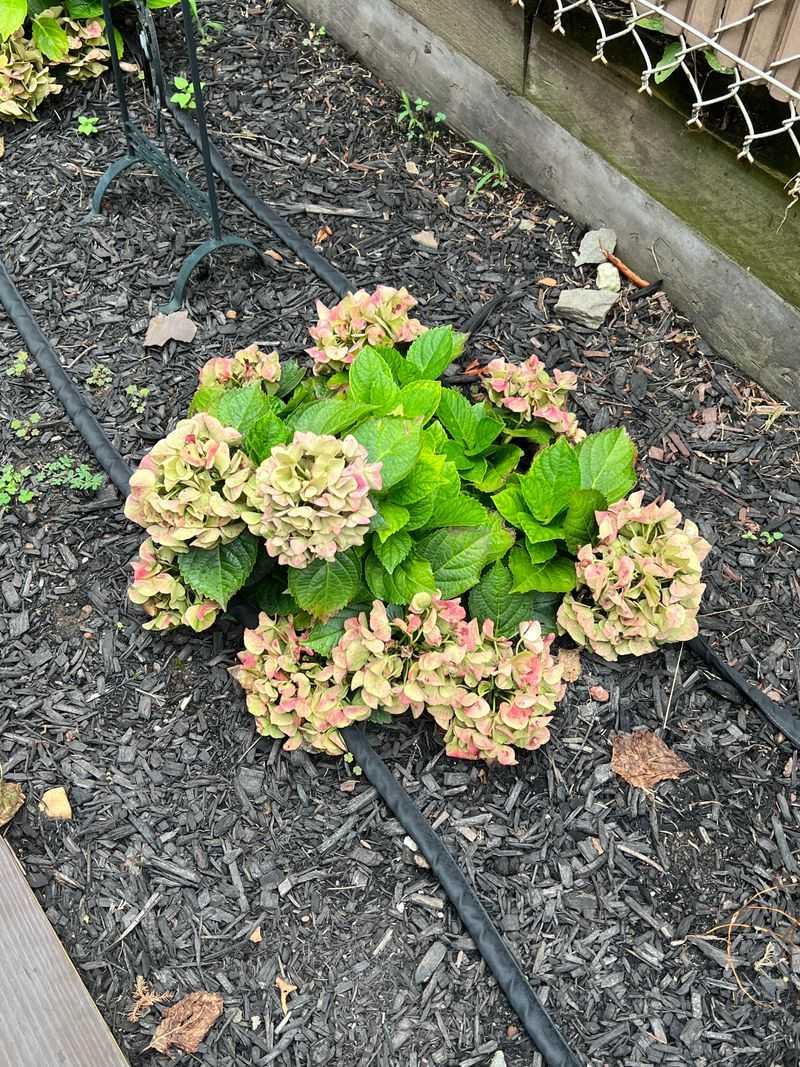
North Carolina summers can turn seriously hot, and that heat does more than make you sweat. When temperatures climb high and stay there for days, hydrangea flowers simply cannot hold their color as long.
Even with plenty of water in the soil, extreme warmth pushes blooms to age faster. The petals lose moisture through tiny pores quicker than the plant can replace it. That leads to fading, drooping, and eventually brown edges.
Heat waves are especially tough during July and August. A bloom that might last a month in mild weather could brown in a couple of weeks when the air feels like an oven.
You can help your shrub cope in a few easy ways. Spreading a thick layer of mulch around the base keeps roots cooler and holds moisture in the ground. Aim for two to three inches, but keep it away from the main stems.
Watering deeply in the early morning also gives plants a strong start before the heat peaks. Cool roots handle stress much better than dry, warm ones.
Some hydrangea types take heat better than others. Panicle hydrangeas, for example, tend to shrug off high temperatures more easily than bigleaf types, so they are a smart pick for sunny Carolina spots.
Heat is something you cannot control, but smart care makes a real difference. With mulch, steady moisture, and the right varieties, your hydrangeas can push through the hottest stretches and still give you weeks of beautiful, colorful blooms worth showing off.
4. Dry Soil Can Brown Flowers Quickly
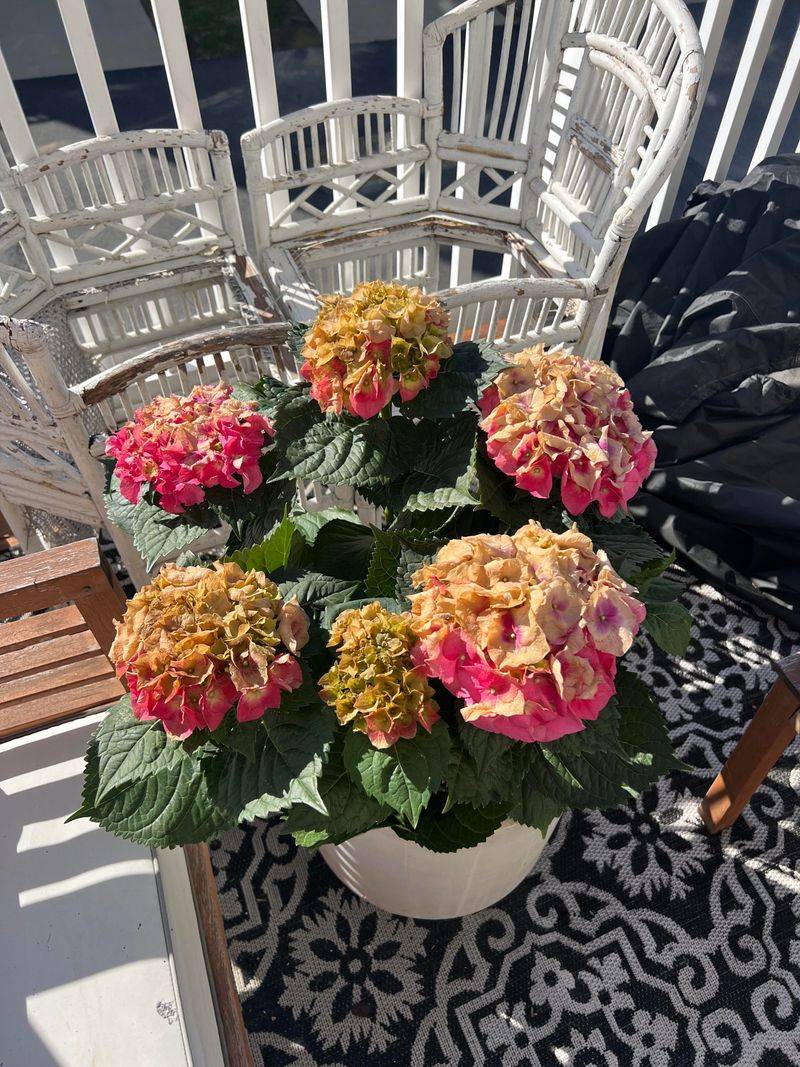
The word hydrangea even has “hydra” in it, which hints at how much these plants love water. When the soil dries out, blooms are usually the first part to show trouble.
During hot Carolina weather, hydrangeas drink up moisture at a fast pace. Their big leaves release lots of water into the air, and if the ground cannot keep up, the whole plant starts to droop.
You will often spot wilting first, especially in the afternoon. If the soil stays dry too long, the flowers begin to fade and their edges turn crispy brown. The color simply drains away.
Checking soil moisture is easy. Push your finger a couple of inches into the ground near the plant. If it feels dry down there, it is time to water.
Deep, slow watering beats quick sprinkles every time. A long soak lets moisture reach the roots where it counts, helping the plant stay strong through the day. Watering two or three times a week during dry spells usually does the trick.
Mulch is your best friend here too. A good layer slows down evaporation, so the soil stays damp much longer between waterings.
Container hydrangeas need even closer attention. Pots dry out fast, sometimes needing water every single day in summer heat.
Keeping the soil evenly moist, not soggy and not bone dry, is the sweet spot. Once you get into a good watering rhythm, you will notice fewer brown blooms and a plant that looks lush, happy, and full of life.
5. Too Much Water Can Stress The Roots
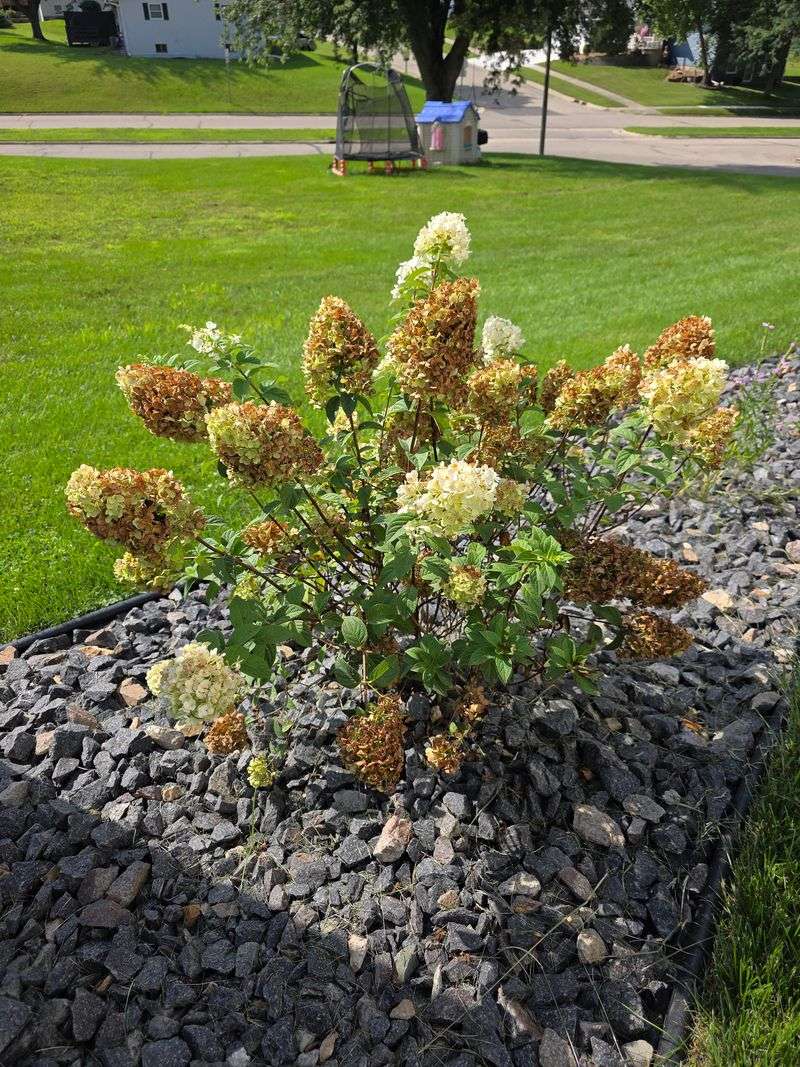
Watering is important, but there really is such a thing as too much. When soil stays soaked all the time, hydrangea roots start to struggle in a big way.
Roots need air just as much as they need water. Soggy ground pushes out the oxygen pockets in the soil, leaving roots gasping. Stressed roots cannot feed the plant well, and that stress shows up in both the leaves and the flowers.
You might notice yellowing leaves, mushy stems near the base, or blooms that brown for no clear reason. These signs often point to a drainage problem rather than a lack of care.
Heavy clay soil, which is common in parts of North Carolina, holds water for a long time. Low spots in the yard can turn into little ponds after storms, and hydrangeas planted there suffer.
Improving drainage helps a lot. Mixing compost into the soil before planting loosens it up and lets extra water escape. Raised beds are another smart fix for wet areas.
Try to water only when the top inch or two of soil feels dry. That simple check keeps you from overdoing it.
Container plants need pots with drainage holes, and those holes should never sit blocked in a saucer full of water.
Balance is really the goal with moisture. Give your hydrangeas steady water without drowning them, and their roots will stay healthy and strong. Happy roots mean vibrant leaves and blooms that hold their color the way they should.
6. Wet Flowers Can Develop Botrytis Blight
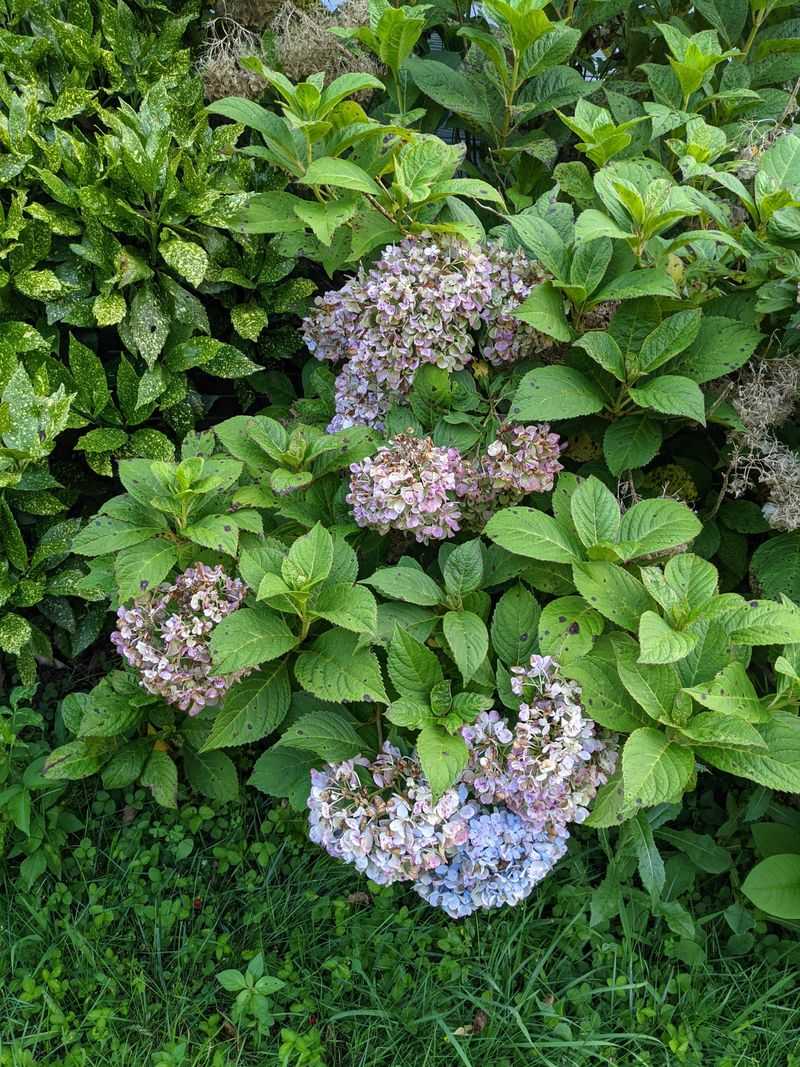
Long stretches of rain and humidity can be beautiful for the garden, but they also open the door to a sneaky fungus called Botrytis. This blight loves damp, still conditions and targets soft flower petals.
It usually starts as small water soaked spots on the blooms. Those spots then grow larger, turning into brown, mushy patches that spread across the petals. In really humid weather, you might even see fuzzy gray growth on top.
North Carolina’s muggy summers create perfect conditions for this problem. Flowers that stay wet for hours, especially in crowded or shady spots, are the most likely to be hit.
Good airflow is one of the best defenses. Space your hydrangeas so breezes can move between them, and avoid crowding them against walls or other plants. Air movement helps petals dry quickly after rain.
Watering at the base instead of overhead also keeps flowers drier. Wet blooms invite trouble, so aim your hose or watering can at the soil.
Removing affected flowers right away slows the spread. Snip off browned blooms and toss them in the trash rather than the compost pile.
Keeping the area under your shrub clean matters too. Fallen petals and old plant bits can hold fungus and cause new outbreaks.
With smart spacing, careful watering, and quick cleanup, you can keep Botrytis from taking over. A little prevention goes a long way, and your hydrangeas will reward you with cleaner, brighter blooms even during the rainiest Carolina summers.
7. Anthracnose Can Spot The Petals
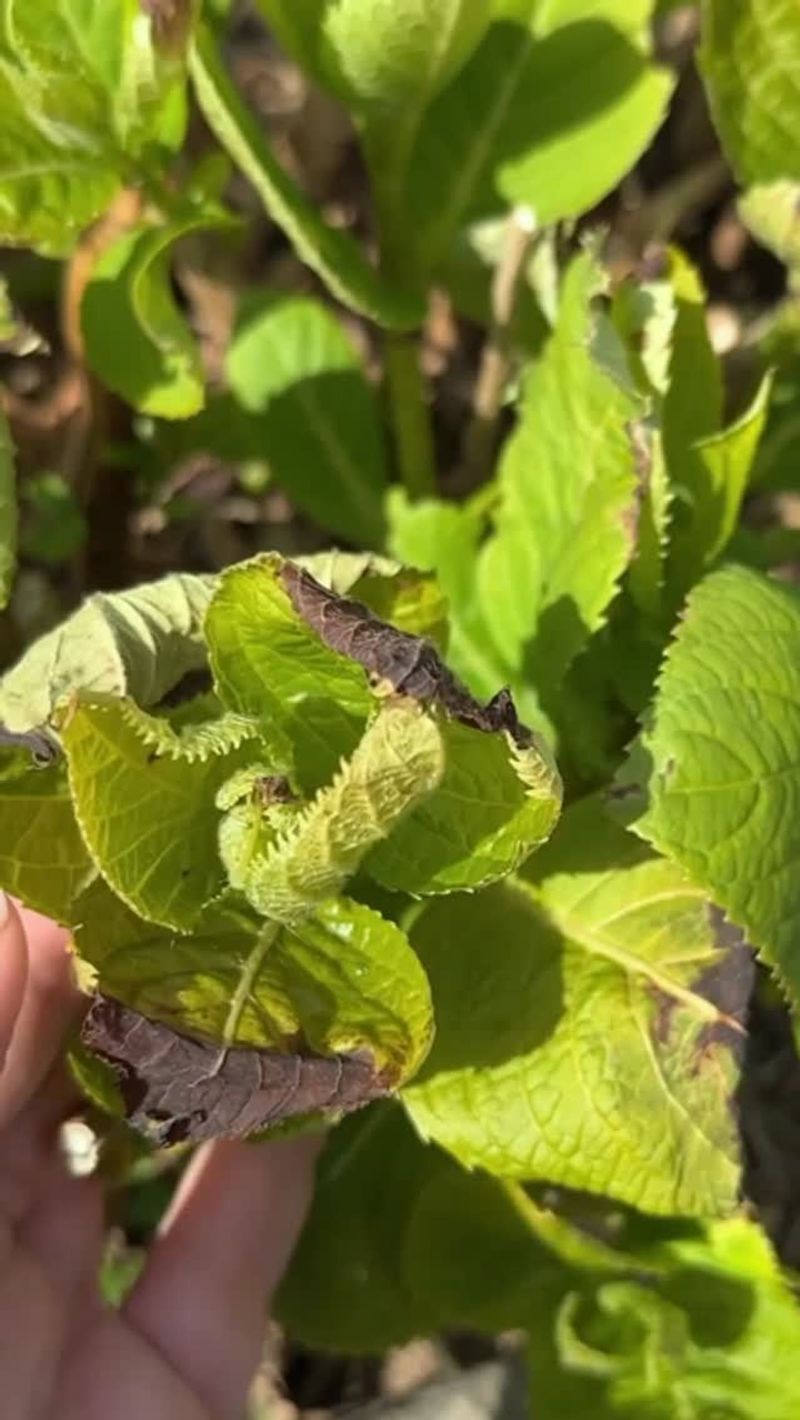
Another fungal troublemaker worth knowing about is anthracnose. This one leaves behind irregular brown spots that can show up on both the flowers and the leaves of your hydrangea.
The spots often look uneven and blotchy, sometimes with lighter centers and darker rings. On flowers, they can spread and make the blooms look ragged and messy pretty fast.
Warm and wet weather is exactly what this fungus wants. North Carolina’s summer mix of heat and frequent rain creates ideal conditions for it to grow and spread from plant to plant.
Splashing water helps carry the fungus around. When rain or a sprinkler hits infected leaves, tiny spores bounce onto healthy parts of the plant. That is why watering at the base is so helpful.
Spotting the problem early gives you the best chance to stop it. Look over your shrub regularly and remove any leaves or flowers showing those telltale brown blotches.
Cleaning up fallen debris around the plant is a key step too. The fungus can survive in old leaves on the ground and start fresh trouble the next season.
Good air circulation makes a real difference here as well. Pruning to open up crowded branches lets sunlight and breezes dry things out faster.
If anthracnose keeps coming back, a garden fungicide labeled for it can offer extra protection when used as directed.
Combine that with clean habits and smart watering, and you will keep those unsightly spots away, letting your hydrangea blooms stay fresh and lovely.
8. A Late Freeze May Have Damaged The Flowers Early
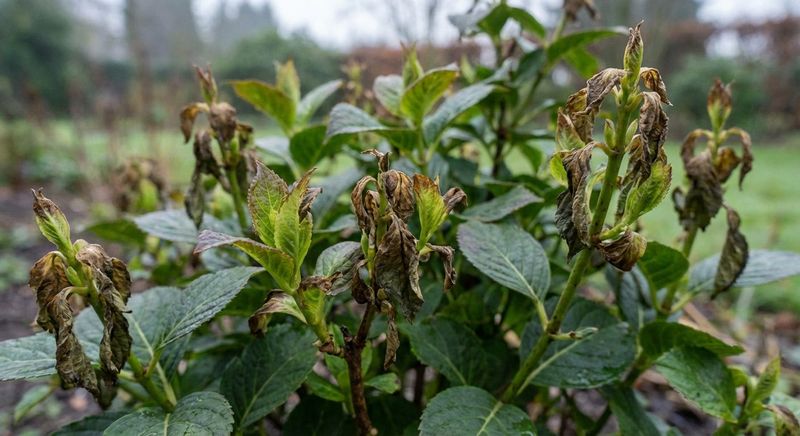
Spring weather in North Carolina can be a real rollercoaster. One week feels warm and sunny, and then a surprise cold snap rolls in and catches everyone off guard, including your hydrangeas.
When warm days wake up the plant, tender flower buds begin to swell and grow. A sudden freeze after that can injure those young buds before they ever get the chance to open properly.
The damage might not show right away. Weeks later, those buds may produce blooms that come out brown, distorted, or partly developed instead of full and colorful.
Bigleaf hydrangeas face the biggest risk. These types flower on old wood, meaning the buds form the previous year and wait through winter. A late freeze can wipe out an entire season of flowers.
Watching the forecast helps you stay ahead of trouble. When a chilly night threatens after a warm spell, cover your shrubs with a sheet, blanket, or frost cloth in the evening.
Remove the cover in the morning once temperatures rise so the plant can breathe and soak up light. This simple routine can save your buds during risky spring nights.
Planting in a sheltered spot also gives some protection. Areas near the house or under taller plants often stay a touch warmer.
If a freeze does get your buds, do not lose hope. Reblooming varieties can still flower on new growth later in the season, giving you a second chance at those gorgeous blooms you were waiting for.