What You Really Need To Know About Plant Watering In Winter
I used to treat winter like a long pause button for my plants, assuming they needed barely a sip until spring.
I learned quickly that this mindset can send even the toughest houseplant into a tailspin.
My first clue came from a droopy fern that looked as if it had given up on life.
That moment pushed me to rethink how winter truly affects watering. I found that cold months change everything indoors, light shifts, heaters dry the air, and soil stays wet far longer than it does in summer.
I began checking the soil with my fingers instead of guessing, and suddenly my plants started to perk up again.
Some needed more water than I expected, while others preferred to sit tight and stay dry.
Once I tuned into those subtle cues, winter plant care stopped feeling like a mystery.
It became a slow, steady rhythm that kept my indoor garden thriving through the darkest season.
1. Plants Need Less Water During Cold Months
Cold weather changes everything about how your plants behave.
Growth slows down dramatically when temperatures drop, and most plants enter a kind of resting phase.
Think of it like they’re taking a long nap.
When they’re not actively growing, they don’t need nearly as much water as they do during spring and summer when they’re putting out new leaves and flowers.
The soil stays moist much longer in winter too.
Lower temperatures mean less evaporation, so that water you add sticks around for days or even weeks.
If you keep watering on your summer schedule, you’re basically drowning your plants while they sleep.
Root rot becomes a real problem when soil stays soggy for too long.
Check the soil before you water.
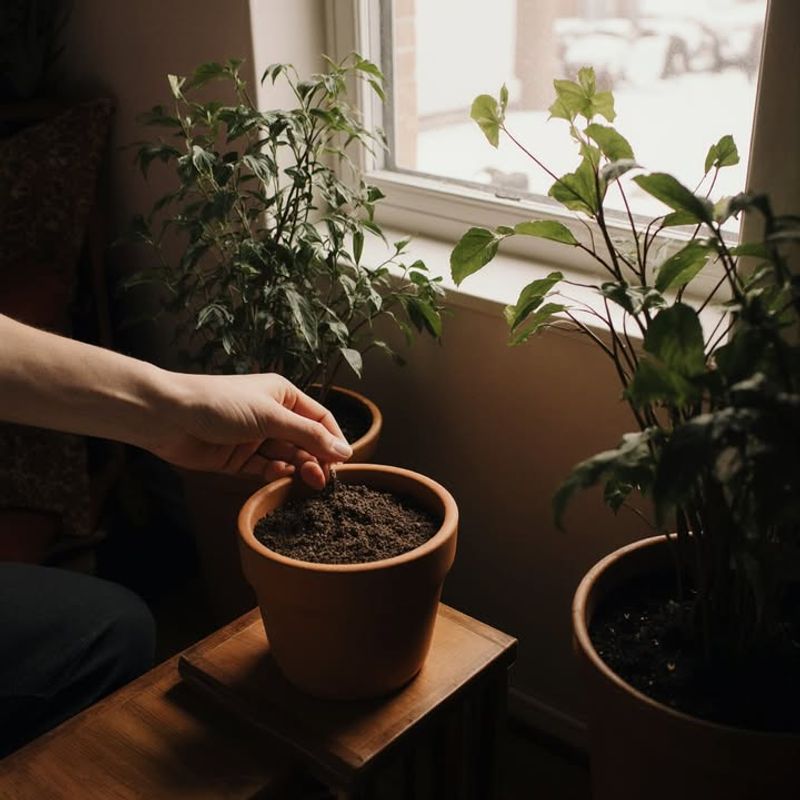
Stick your finger about two inches down into the pot.
If it feels damp, skip the watering and check again in a few days.
Your plants will thank you for being patient.
Most indoor plants only need water every two to three weeks during winter, though this varies by plant type and your home’s conditions.
2. Dormancy Changes Water Requirements Completely
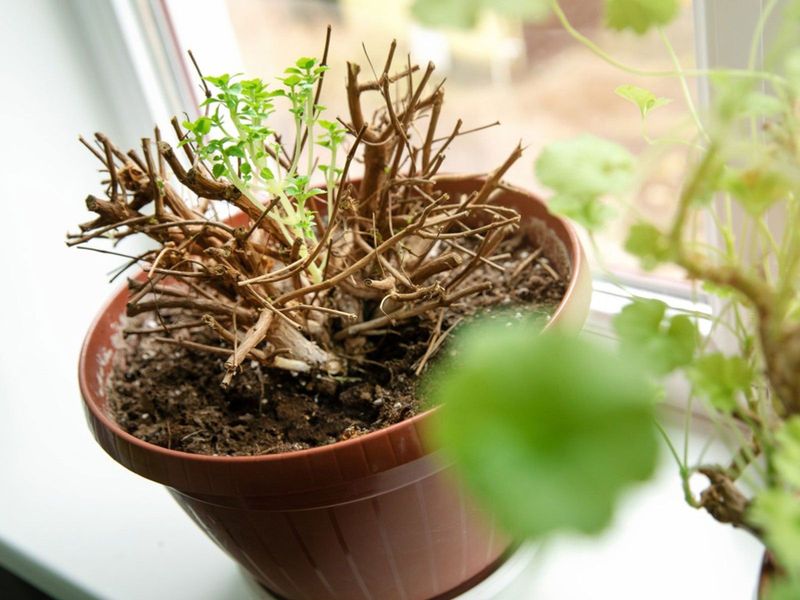
Many plants go dormant when winter arrives, especially outdoor varieties and some houseplants too.
Dormancy is nature’s way of helping plants survive tough conditions.
During this time, plants stop growing and focus on conserving energy.
Their roots barely absorb any water, and their leaves might even drop off completely.
Watering a dormant plant too much is like forcing food on someone who’s not hungry.
The plant simply can’t use what you’re giving it, and the excess moisture just sits there causing problems.
Some plants, like certain succulents and cacti, want almost no water at all during their dormant period.
Others might appreciate a tiny drink once a month just to keep their roots from completely drying out.
Pay attention to the signals your plants send.
Dropped leaves, no new growth, and a general look of stillness all point to dormancy.
Respect this natural cycle instead of fighting it.
When spring comes around and you see new buds forming, that’s your cue to gradually increase watering again.
Understanding dormancy helps you become a better plant parent overall.
3. Indoor Heating Systems Affect Moisture Levels
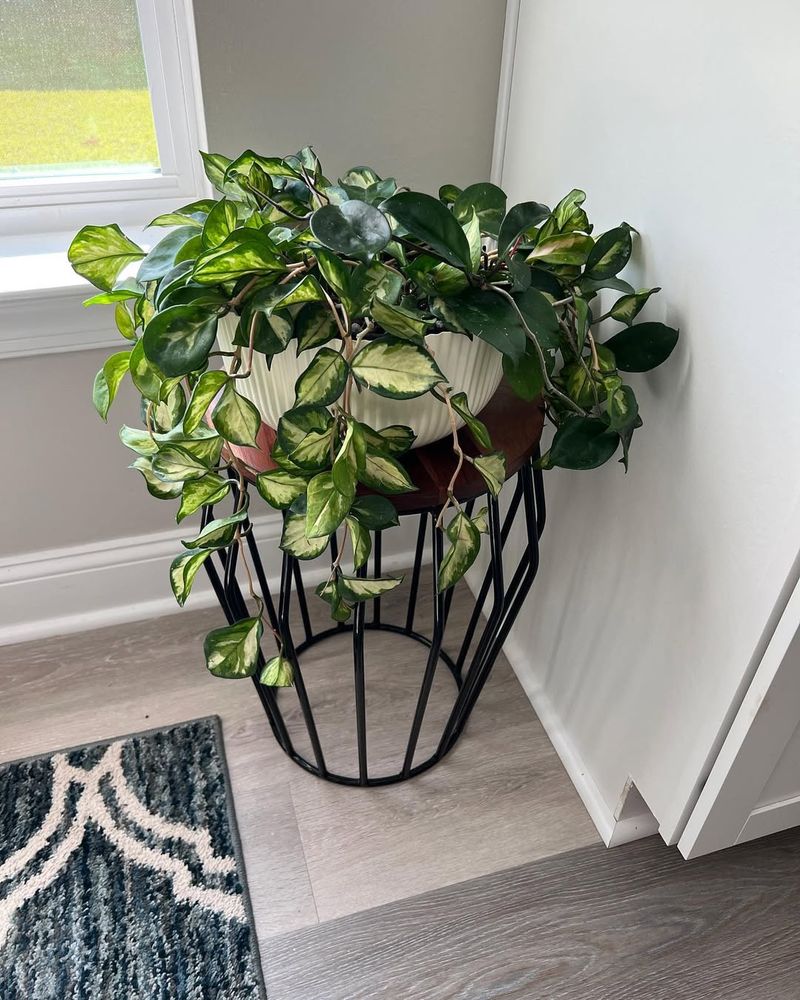
Your furnace or heating system changes the game for indoor plants during winter.
While outdoor plants deal with cold and moisture, indoor plants face a different challenge altogether.
Heating systems dry out the air inside your home significantly.
This means the soil in your pots might dry out faster than you’d expect, even though it’s winter.
Plants near vents or radiators suffer the most from this dry air.
The constant warm breeze pulls moisture from both the soil and the leaves themselves.
You might notice brown leaf tips or crispy edges appearing on your plants.
These are classic signs that the air is too dry, even if you’re watering appropriately.
Consider moving plants away from direct heat sources if possible.
A few feet can make a big difference in how quickly they dry out.
Some plant parents use humidifiers during winter to combat the dry indoor air.
Others group plants together so they create their own little humid microclimate.
Misting can help temporarily, but it’s not a complete solution.
Check your soil regularly and adjust your watering based on how quickly it dries, not just the calendar.
4. Different Plant Types Have Unique Winter Needs
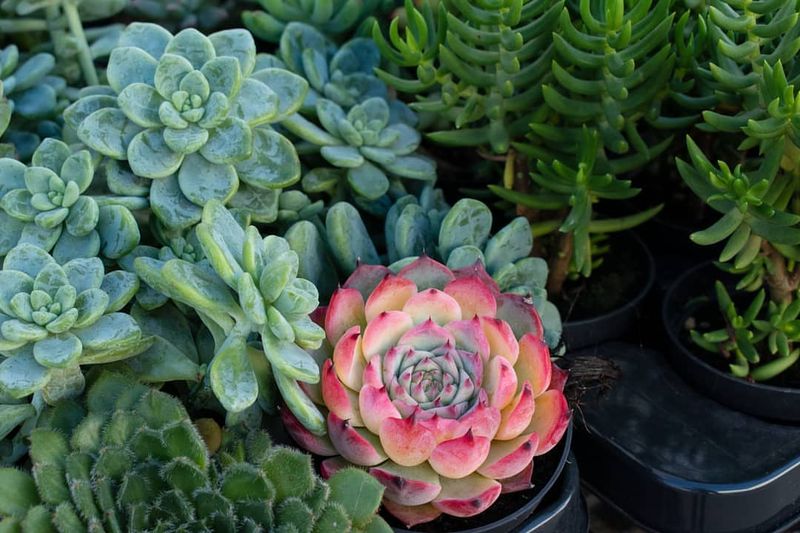
Not all plants follow the same rules when winter arrives.
Tropical plants, succulents, ferns, and flowering plants each have their own preferences and requirements.
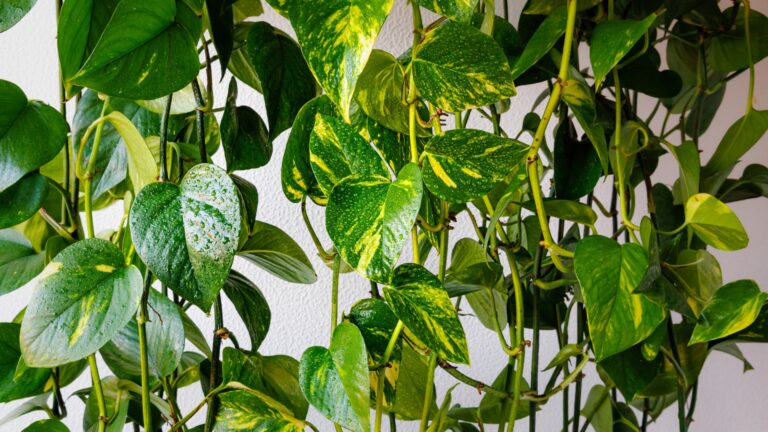
Tropical plants like pothos and philodendrons come from warm, humid environments.
They still need regular watering in winter, though less than summer, and they really appreciate higher humidity levels.
Succulents and cacti are the opposite.
These desert dwellers want very little water during cold months, sometimes going six weeks or more between drinks.
Ferns can be tricky because they don’t like to dry out completely, but they also don’t want to sit in soggy soil.
They need that perfect middle ground of slightly moist soil.
Flowering plants that bloom in winter, like Christmas cacti or amaryllis, actually need more consistent watering because they’re actively growing and producing flowers.
They’re working hard during a time when most plants rest.
Research your specific plants to understand their individual needs.
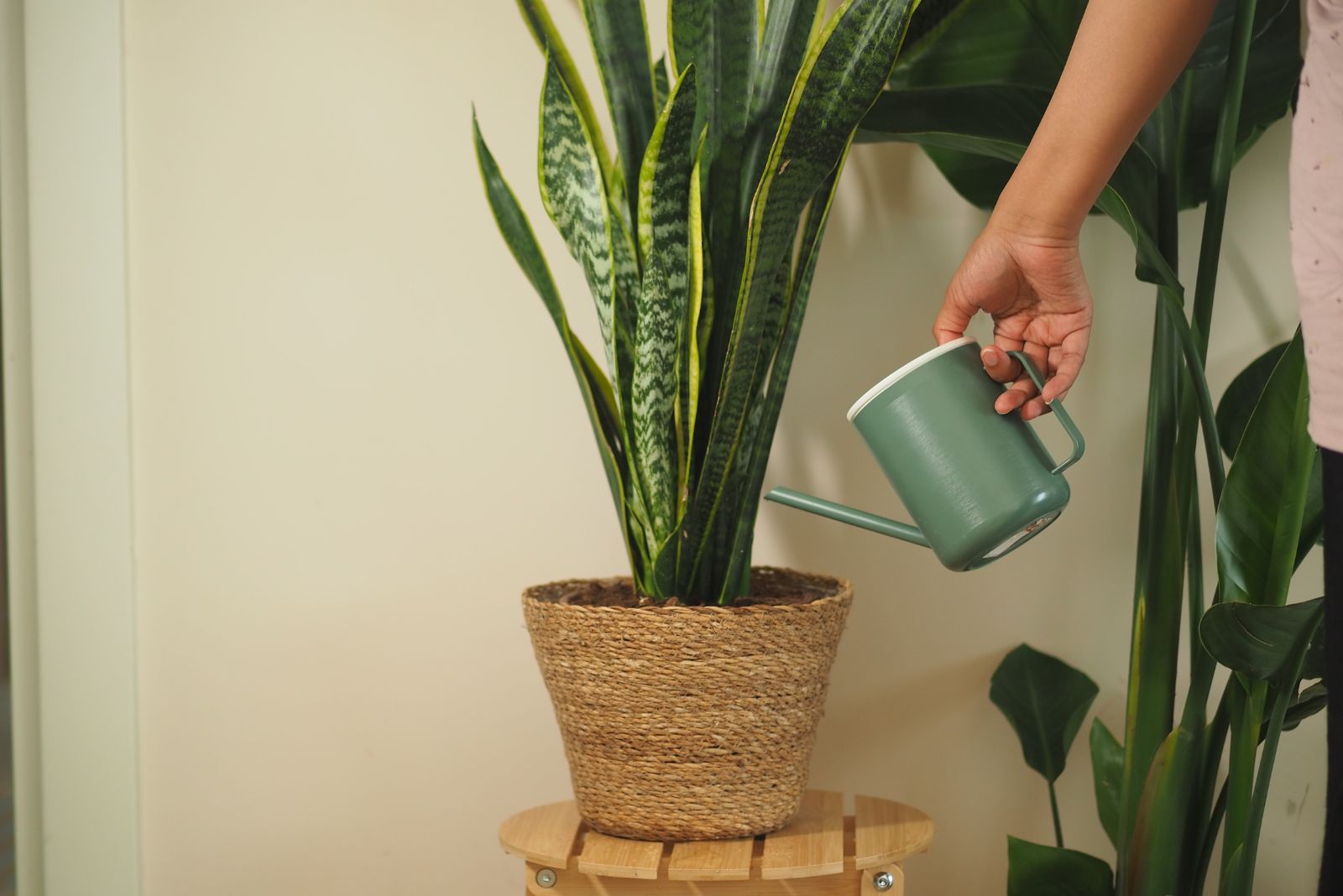
What works for your snake plant won’t work for your African violet.
Keeping a simple list or journal helps you remember who needs what and when.
5. Overwatering Causes More Winter Problems Than Underwatering
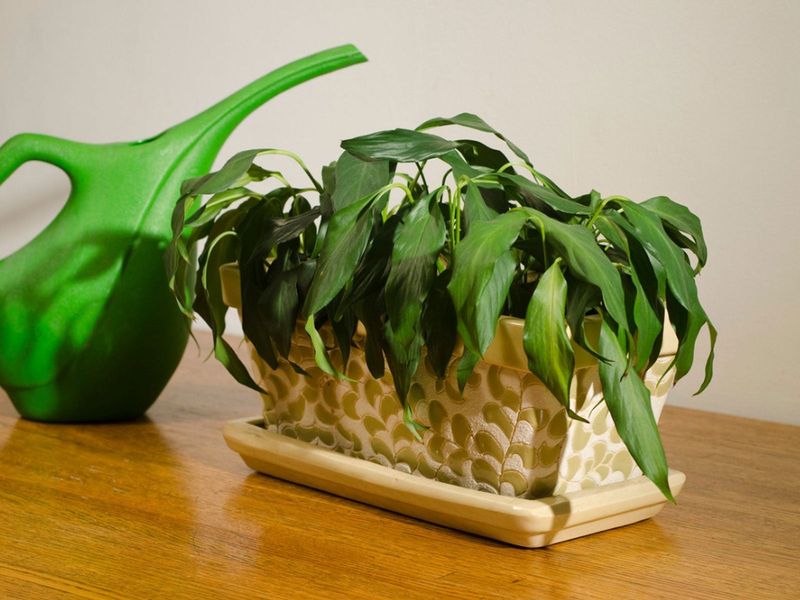
Here’s something many plant parents learn the hard way.
Giving too much water in winter causes far more damage than giving too little.
When soil stays constantly wet in cold conditions, roots can’t breathe properly.
They start to rot, turning brown and mushy instead of staying firm and white.
Once root rot sets in, it spreads quickly and can be really hard to reverse.
Your plant might look fine above the soil for a while, but underneath, serious damage is happening.
Yellow leaves, wilting despite wet soil, and a musty smell from the pot all signal overwatering problems.
By the time you notice these signs, the roots might already be in bad shape.
Fungus gnats also love constantly moist soil.
These annoying little flies multiply rapidly in overwatered pots and become a household nuisance.
If you’re unsure whether to water, wait another day or two.
Most plants can handle being slightly too dry much better than being too wet.
It’s easier to revive a thirsty plant than to save one with rotted roots.
When in doubt, hold off on watering and observe your plant carefully.
6. Water Quality And Temperature Matter More In Winter
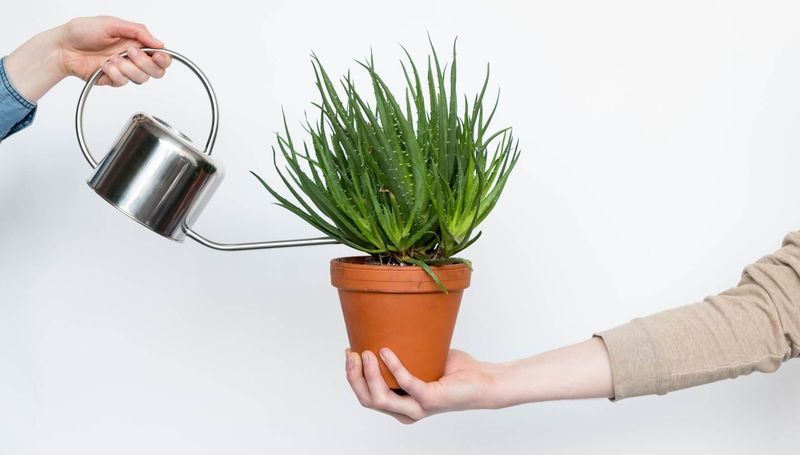
The water you use becomes extra important during the colder months.
Cold tap water can shock plant roots, especially when they’re already stressed from lower light and temperatures.
Room temperature water is always the best choice.
Let your watering can sit out overnight so the water warms up naturally before you use it.
This also gives chlorine time to evaporate if you have treated tap water.
Some plants are sensitive to chlorine and fluoride, and letting water sit helps reduce these chemicals.
Hard water with lots of minerals can build up in soil faster during winter because you’re watering less frequently, giving salts time to accumulate.
You might notice white crusty deposits on the soil surface or around drainage holes.
Filtered or distilled water works well for sensitive plants like calatheas or ferns.
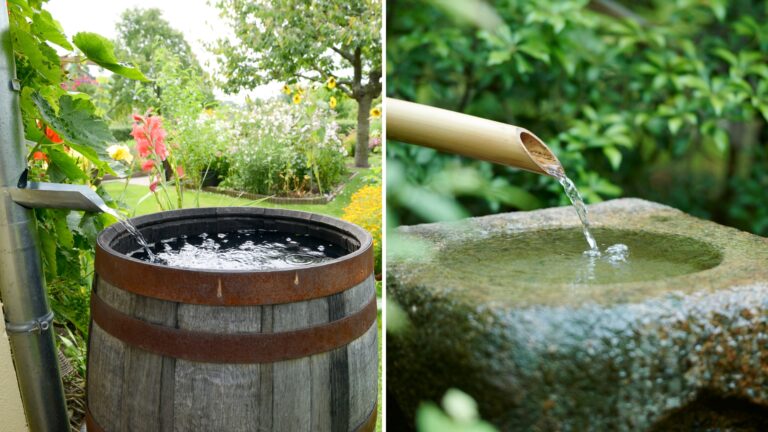
Rainwater is fantastic if you can collect it, even in winter.
The temperature shock from cold water can cause roots to stop absorbing moisture temporarily.
This means even though you watered, your plant might still show signs of thirst.
Taking these extra moments to prepare your water properly shows real care for your green companions.
7. Proper Drainage Becomes Critical During Winter Months
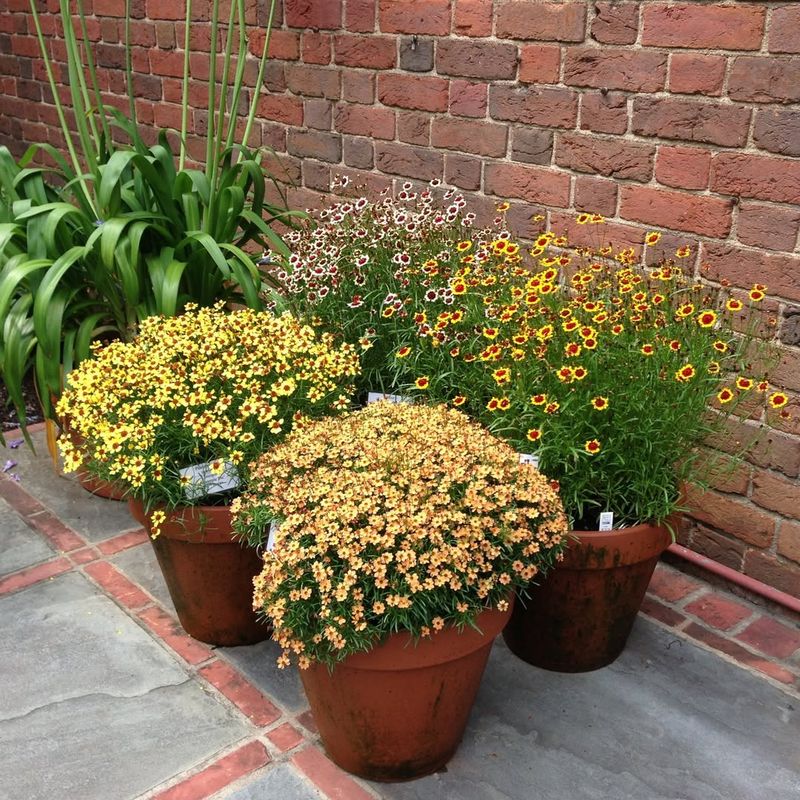
Good drainage matters all year, but it becomes absolutely essential when winter arrives.
Without proper drainage, even careful watering can lead to problems.
Every pot needs holes in the bottom.
These holes let excess water escape so roots aren’t sitting in a puddle.
Always empty the saucer under your pot after watering.
Leaving plants sitting in standing water invites all sorts of trouble, especially when growth is slow and roots aren’t actively taking up moisture.
The type of soil you use affects drainage too.
Heavy, dense soil holds water much longer than light, airy mixes with perlite or bark mixed in.
If your plants are in pots without drainage, winter is the time to be extra cautious.
Water very sparingly and consider repotting into proper containers when spring arrives.
Some people add a layer of pebbles at the bottom of pots, thinking this improves drainage.
Actually, this creates a perched water table and can make problems worse.
Focus instead on using well-draining soil and pots with adequate holes.
Check that those holes haven’t become clogged with roots or soil over time.
Good drainage gives you much more wiggle room with watering mistakes.