Why California Homeowners Are Turning To Water-Saving Native Gardens And It Is Paying Off
California soil feels the squeeze as drought waves roll in like unwelcome houseguests.
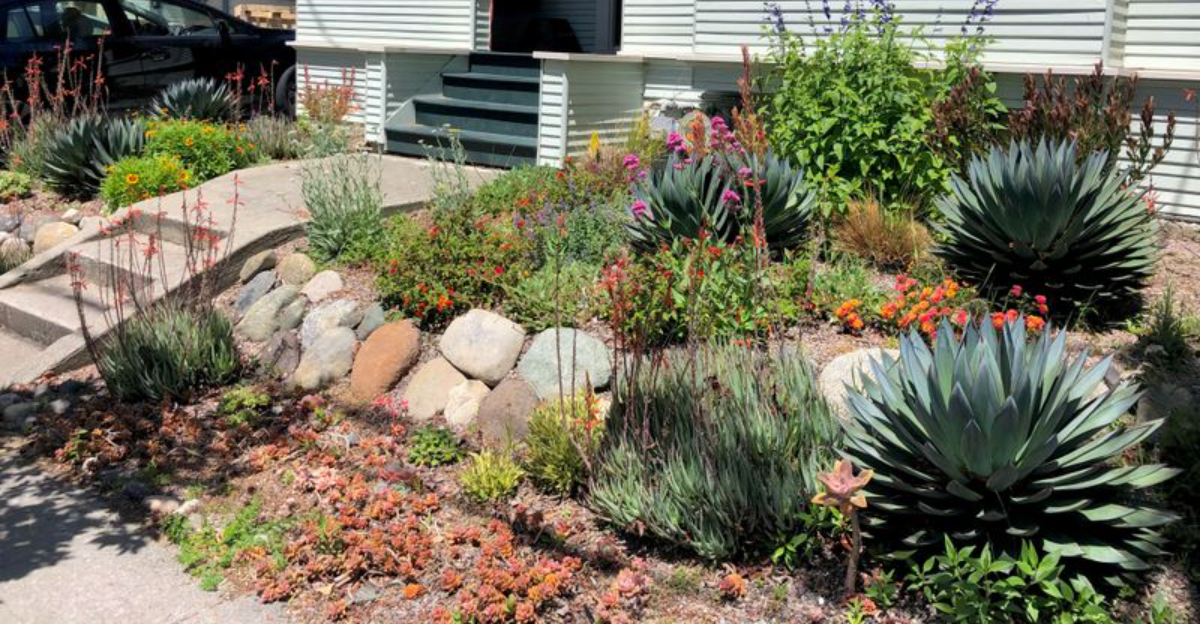
Yet a quiet shift sweeps across neighborhoods, and homeowners now place their bets on native gardens that sip instead of gulp.
Yards once ruled by thirsty lawns now burst with color that stands tall under blistering skies.
Every blossom, every sculpted shrub, turns into proof that smart choices outshine old habits.
The payoff comes fast: lower bills, stronger ecosystems, and landscapes that hold their ground when the heat turns fierce.
In the Golden State, a new kind of garden rises to the occasion and shows that beauty thrives when water stays in the bank.
Lower Water Bills Make A Huge Difference
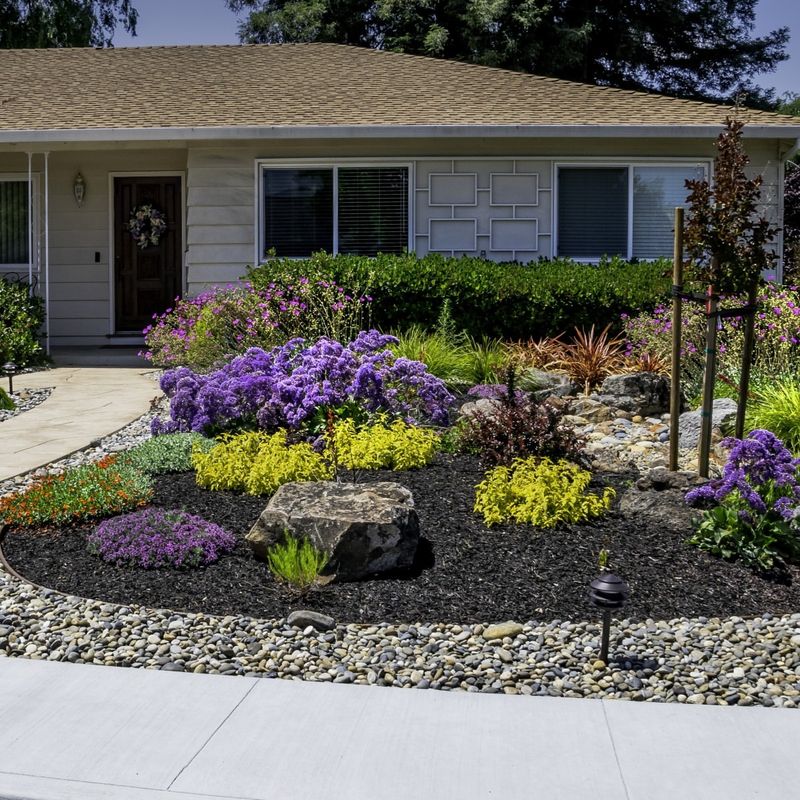
Switching to native plants can slash your water bill by up to seventy-five percent compared to traditional grass lawns.
California native plants evolved over thousands of years to survive on rainfall alone, meaning they need very little extra watering once established.
Homeowners across the state report saving hundreds of dollars every year after making the change.
Traditional lawns require constant watering, especially during hot summer months when water rates often spike.
Native gardens, on the other hand, thrive with minimal moisture because their roots grow deep into the soil to find water.
Many water districts even offer rebates to homeowners who replace their lawns with native landscaping, putting even more money back in your pocket.
The savings add up quickly, making this an investment that pays for itself within just a few years.
Families can use that extra cash for vacations, home improvements, or simply building their savings.
With water becoming more expensive and less available, choosing native plants is one of the smartest financial moves a homeowner can make.
Your wallet will thank you every month when that water bill arrives.
Maintenance Becomes Much Easier And Less Time-Consuming
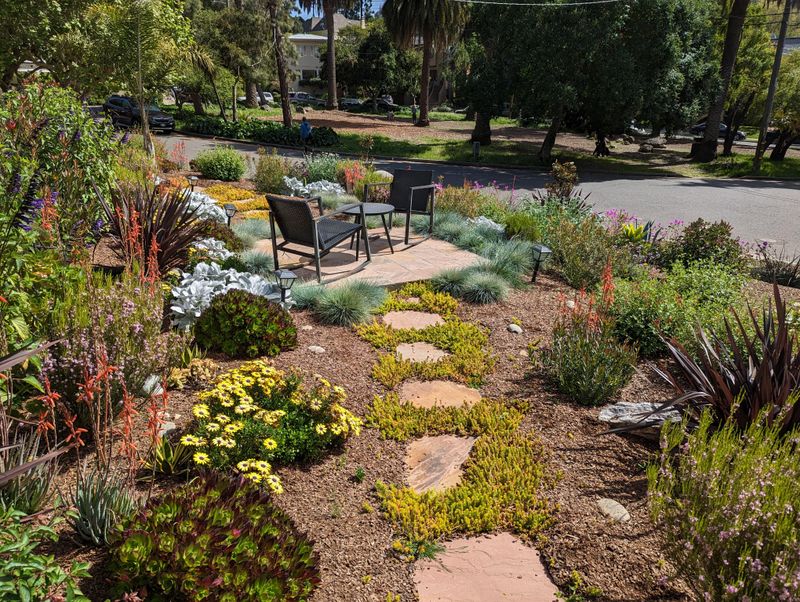
Native gardens require far less work than traditional lawns, giving you back your weekends.
Forget about mowing every week, edging sidewalks, or spending hours trimming and fertilizing grass.
California native plants naturally grow in shapes that fit the landscape without needing constant pruning or shaping.
Most native species only need occasional trimming once or twice a year to keep them looking their best.
They do not need chemical fertilizers because they are adapted to California soil exactly as it is.
This means less money spent on lawn care products and less time spent applying them.
Weeding also becomes simpler because native plants grow thick and full, crowding out unwanted plants naturally.
Homeowners who switch often say they spend about eighty percent less time on yard work compared to before.
That extra time can go toward hobbies, family activities, or just relaxing in your beautiful new garden.
Native gardens practically take care of themselves once they get established, usually within the first year or two.
This low-maintenance approach is perfect for busy families or anyone who would rather enjoy their yard than work in it constantly.
Drought Resistance Provides Peace Of Mind During Dry Seasons
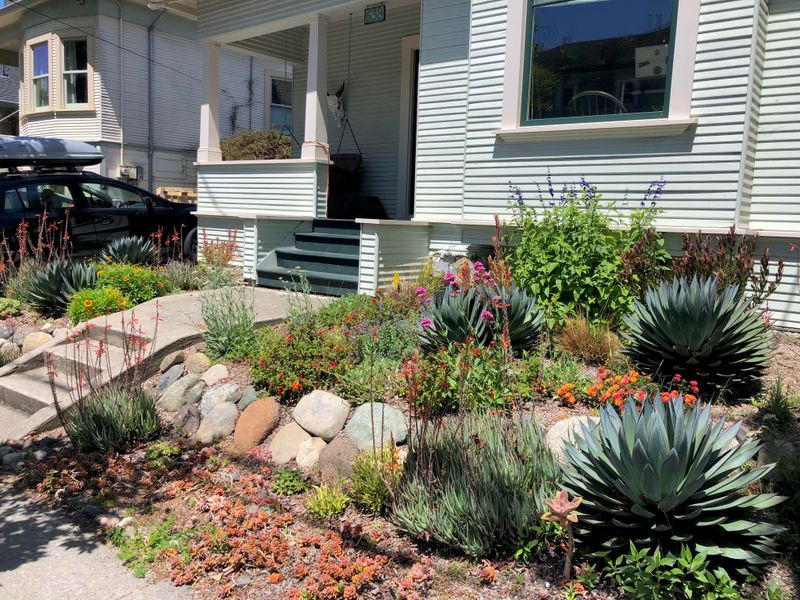
California faces regular droughts, and native plants are built to handle these tough conditions without breaking a sweat.
Your California Garden Changes Every Week. Your Plan Should Too.
Gardening in California changes quickly throughout the season. Every Friday you’ll receive a simple weekly plan showing exactly what to plant, prune, fertilize, harvest, and protect so you never miss the right timing.
While neighbors with traditional lawns watch their grass turn brown and struggle with water restrictions, native gardens stay vibrant and healthy.
These plants have special adaptations like waxy leaves, deep root systems, and the ability to go dormant during extreme heat.
Homeowners no longer have to worry about their landscape suffering when water restrictions are put in place.
Native species such as California poppies, sage, and manzanita can survive months without supplemental watering once established.
This resilience means your garden will look great year-round, regardless of rainfall patterns or drought declarations.
The stress of watching a lawn slowly fade away during hot summers becomes a thing of the past.
Instead, you can feel confident knowing your landscape is designed to thrive in California’s natural climate.
This peace of mind is priceless, especially as climate patterns become less predictable.
Native gardens prove that working with nature instead of against it creates landscapes that are both beautiful and reliable.
Your yard becomes a source of pride rather than worry during every dry spell.
Wildlife Attraction Creates A Backyard Ecosystem
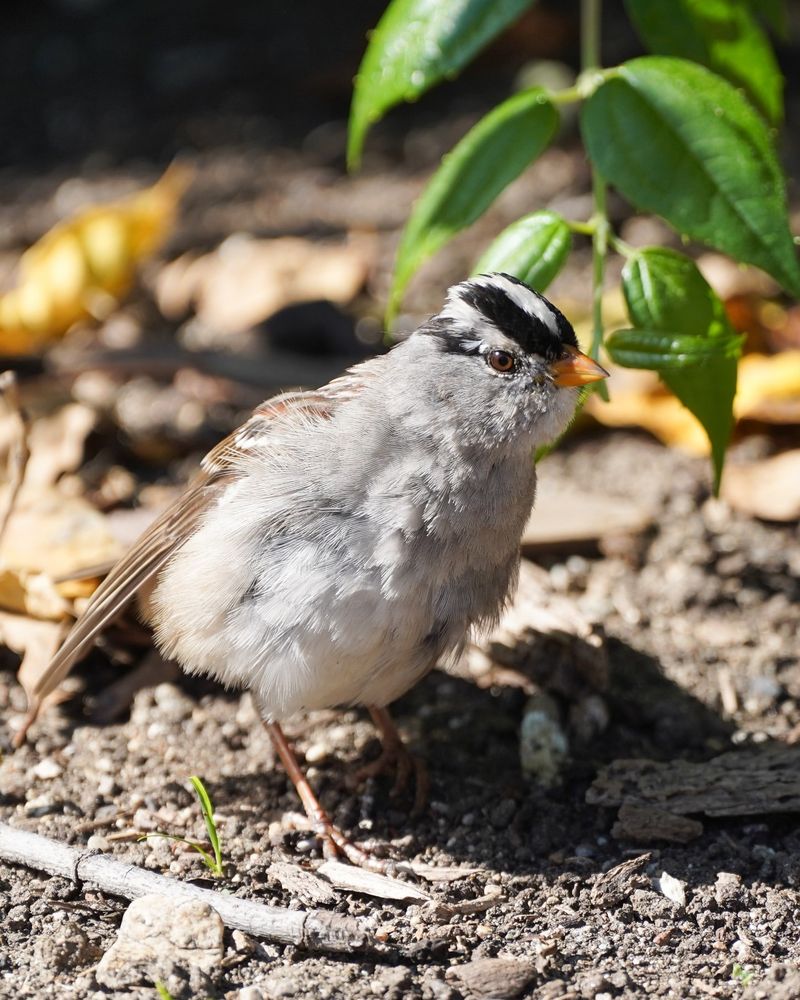
Native gardens transform your yard into a haven for butterflies, hummingbirds, bees, and other beneficial creatures.
California native plants provide exactly the food and shelter that local wildlife species need to survive.
Homeowners report seeing colorful butterflies they have never noticed before, along with hummingbirds visiting throughout the day.
Native bees, which are important pollinators, find native flowers much more attractive than non-native ornamental plants.
Creating this mini-ecosystem helps support declining pollinator populations while giving you a front-row seat to nature.
Children especially love watching butterflies land on milkweed or hummingbirds zip between blooming salvias.
These gardens also attract helpful insects that naturally control pests, reducing the need for chemical sprays.
Ladybugs, lacewings, and other beneficial bugs make their homes in native plantings and keep harmful insects in check.
The result is a balanced, healthy garden that feels alive with activity and movement.
Your yard becomes more than just a pretty space; it becomes an important habitat that supports local biodiversity.
This connection to nature right outside your door enriches daily life in ways that traditional lawns simply cannot match.
Property Values Often Increase With Attractive Native Landscaping
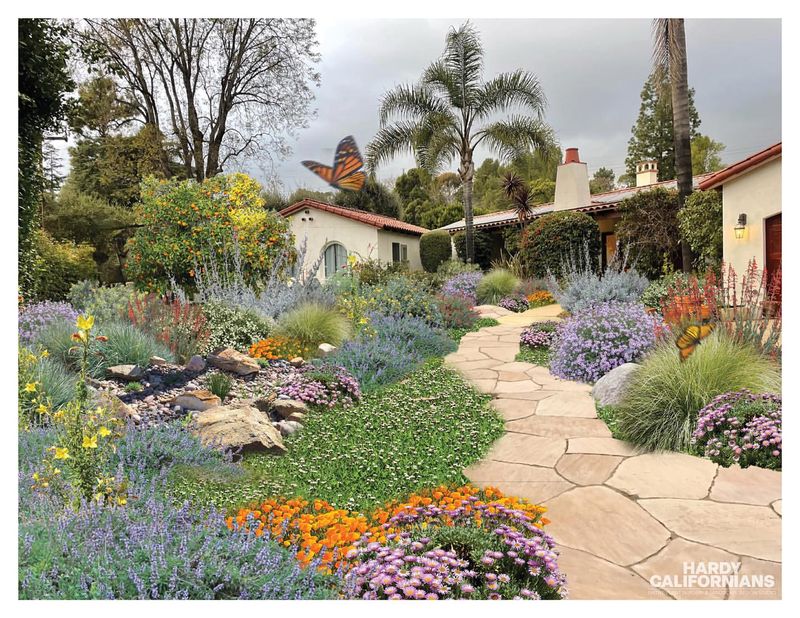
Well-designed native gardens boost curb appeal and can increase your home’s market value significantly.
Real estate agents across California report that homes with established native landscapes often sell faster and for higher prices.
Buyers appreciate the lower maintenance requirements and reduced water costs that come with these gardens.
Native landscaping shows that a homeowner cares about sustainability, which appeals to environmentally conscious buyers.
The unique beauty of native plants creates visual interest that stands out from cookie-cutter lawn landscapes.
Colorful blooms, interesting textures, and seasonal changes make native gardens eye-catching throughout the year.
Professional landscapers can design native gardens that look polished and intentional rather than wild or neglected.
This combination of beauty and practicality makes properties more desirable in competitive real estate markets.
Appraisers recognize that native landscaping represents a valuable upgrade that reduces future owner expenses.
Homeowners who invest in native gardens often see returns of several thousand dollars when they eventually sell.
Even if you are not planning to move soon, knowing your investment is adding value provides great satisfaction and financial security for the future.
Environmental Impact Reduction Benefits The Entire Community
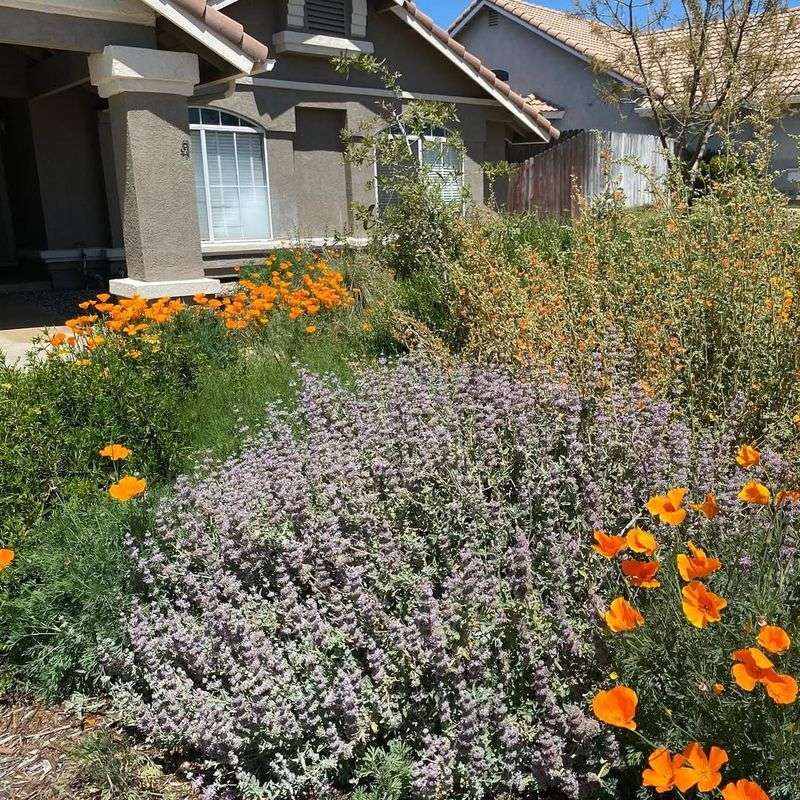
Choosing native plants helps protect California’s water supply and reduces your environmental footprint considerably.
Traditional lawns require enormous amounts of water, fertilizers, and pesticides that eventually run off into streams and oceans.
Native gardens eliminate the need for these chemicals, preventing pollution and protecting aquatic ecosystems.
By using less water, homeowners help preserve this precious resource for everyone in their community.
California’s water infrastructure is strained, and every gallon saved makes a difference during shortages.
Native plants also capture carbon dioxide and produce oxygen, helping to combat climate change right in your own yard.
Their deep roots prevent soil erosion and improve soil health over time without synthetic amendments.
Many homeowners feel good knowing their landscaping choices align with their values about environmental stewardship.
This positive impact extends beyond individual properties to benefit entire neighborhoods and watersheds.
Communities with more native landscaping experience less strain on water systems and fewer pollution problems.
Your choice to go native becomes part of a larger movement toward sustainable living that future generations will appreciate and benefit from greatly.
Year-Round Beauty Provides Constant Visual Interest
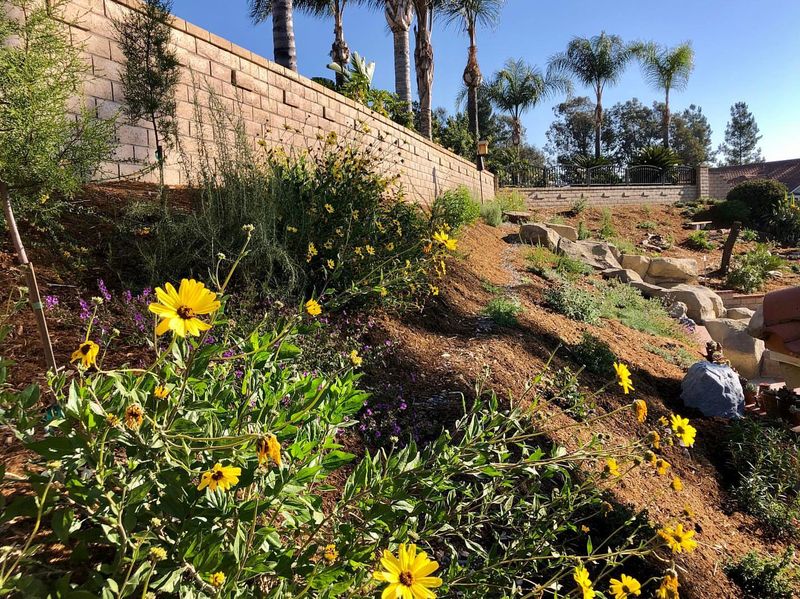
Native California plants offer changing colors, textures, and blooms throughout all four seasons.
Unlike grass lawns that look the same month after month, native gardens transform with the seasons.
Spring brings explosions of colorful wildflowers like poppies, lupines, and clarkias that blanket the landscape.
Summer showcases blooming sages, penstemons, and buckwheats that attract pollinators with their vibrant hues.
Fall offers seed heads, changing foliage colors, and late-blooming flowers that keep the garden interesting.
Even winter has its charm, with evergreen shrubs, interesting bark textures, and structure that looks intentional rather than bare.
Many native plants produce berries that add pops of color while providing food for birds.
This constant change means there is always something new to notice and enjoy in your garden.
Homeowners find themselves spending more time outside, appreciating the natural rhythms and beauty unfolding around them.
Guests often comment on how unique and attractive native landscapes look compared to standard lawns.
The visual variety keeps your outdoor space feeling fresh and exciting rather than monotonous, creating a landscape you will never get tired of admiring throughout the year.
Rebates And Incentives Make the Switch More Affordable
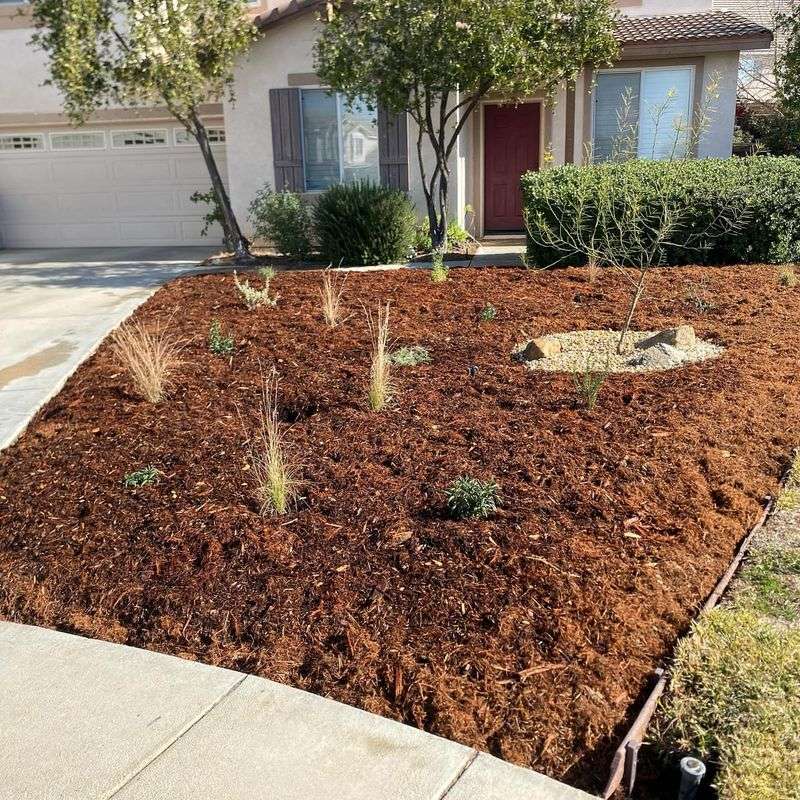
Many California water districts offer generous cash rebates to homeowners who replace lawns with native gardens.
These programs can cover a significant portion of your conversion costs, sometimes up to several thousand dollars.
The Metropolitan Water District, for example, has provided rebates of two dollars per square foot for lawn replacement.
Local agencies throughout the state run similar programs designed to encourage water-wise landscaping.
Some utilities also offer free consultations with landscape professionals who can help design your native garden.
Educational workshops and plant giveaways are common, making it easier to learn about and start your project.
Tax credits and deductions may also be available for sustainable landscaping improvements in certain areas.
These financial incentives significantly reduce the upfront investment required to make the switch.
Many homeowners find that between rebates and water savings, their native garden pays for itself within just two to three years.
Taking advantage of these programs makes sustainable landscaping accessible to more families regardless of budget.
Checking with your local water district is a smart first step before starting any landscaping project in California today.
Cultural Connection Celebrates California’s Natural Heritage
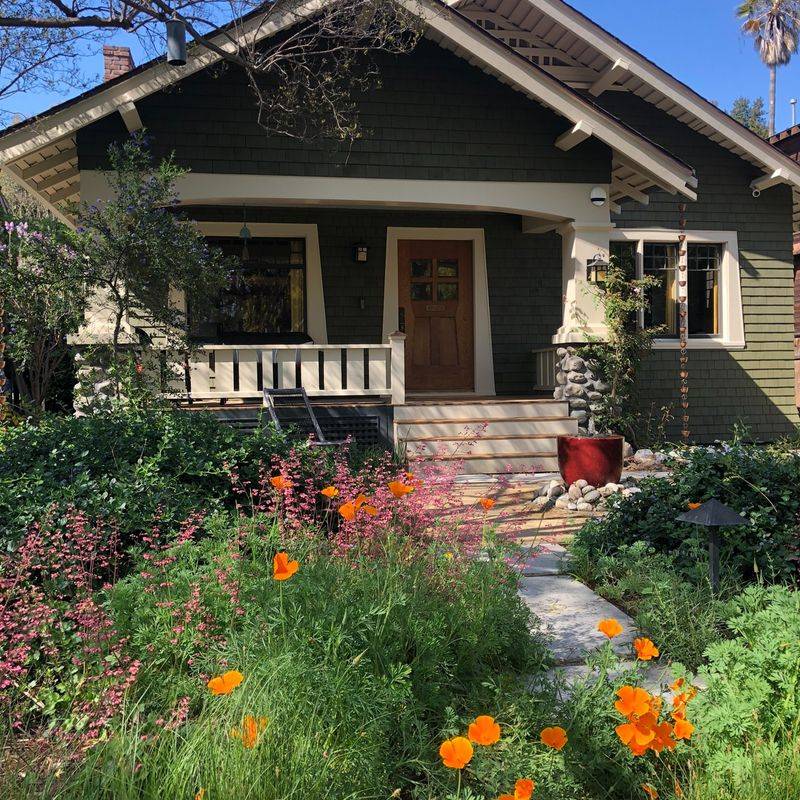
Native gardens help homeowners connect with the plants that have shaped California’s landscape for thousands of years.
These species were here long before European settlers arrived, growing naturally in the region’s unique climate.
Indigenous peoples used many native plants for food, medicine, and materials, creating deep cultural significance.
Growing these plants honors that heritage while educating families about California’s natural history.
Children who grow up around native gardens learn to identify local species and understand their ecological importance.
This knowledge creates a sense of place and appreciation for the unique environment that makes California special.
Native gardens tell a story about the land itself, connecting present-day homeowners to centuries of natural history.
Many people find this connection meaningful and fulfilling in ways that generic landscaping cannot provide.
Preserving and propagating native species also helps protect them from habitat loss and decline.
Your garden becomes a living museum that showcases the beauty and diversity of California’s botanical treasures.
This cultural and educational aspect adds depth and meaning to your landscaping choices, creating a legacy that extends far beyond simple yard maintenance or aesthetic preferences alone.