How To Keep Potted California Porch Plants Alive During Extreme Heat
A California porch can turn against its plants faster than the weather app suggests.
Morning leaves look full. By midafternoon, stems sag, potting mix pulls away from the container wall, and a plant that seemed perfectly watered hours earlier suddenly looks close to collapse.
The trouble is not always obvious from the top of the pot.
Containers create their own little climate, and during extreme heat that climate can become much harsher than the surrounding yard.
Roots have less soil around them, hard surfaces radiate stored warmth, and one missed moisture check can matter far more than it did the week before.
So what keeps a porch collection from unraveling during the hottest stretch?
The answer starts with noticing what the container is doing before reacting to what the leaves are showing. A few small decisions can change how fast roots heat, how evenly water moves, and how much stress builds before evening.
The plants may look dramatic. The rescue should be much calmer during a punishing California heatwave outdoors.
1. Move Pots Out Of Brutal Afternoon Sun
A container that looked comfortable in June can become a much harsher place once a heatwave settles over California.
West-facing walls, concrete, stone, and metal railings can radiate stored heat back toward leaves and roots. Moving a pot even a short distance away from that reflected heat can reduce the stress load without changing the plant’s long-term home.
Containers near hot hardscape are often among the first plants to show heat stress.
Use temporary shade rather than permanent darkness.
Morning sun followed by afternoon protection works well for many porch plants during an extreme event. A north-facing corner, the shadow of a larger plant, or shade cloth held above the foliage can soften the worst hours while still allowing useful light.
Thirty to fifty percent shade cloth is a practical temporary range for many container plants during severe heat.
Keep the cloth off the leaves and leave room for air movement.
Sun-loving plants can return to their usual exposure once the heat breaks. The goal is not to retrain a rosemary, citrus, or flowering annual as a shade plant. It is to remove a few brutal afternoon hours from the equation.
Treat the move like storm preparation.
A temporary relocation before the porch reaches full heat is much easier on the plant than waiting until the leaves are already folded and the root ball is hot.
2. Water Before The Porch Heats Up
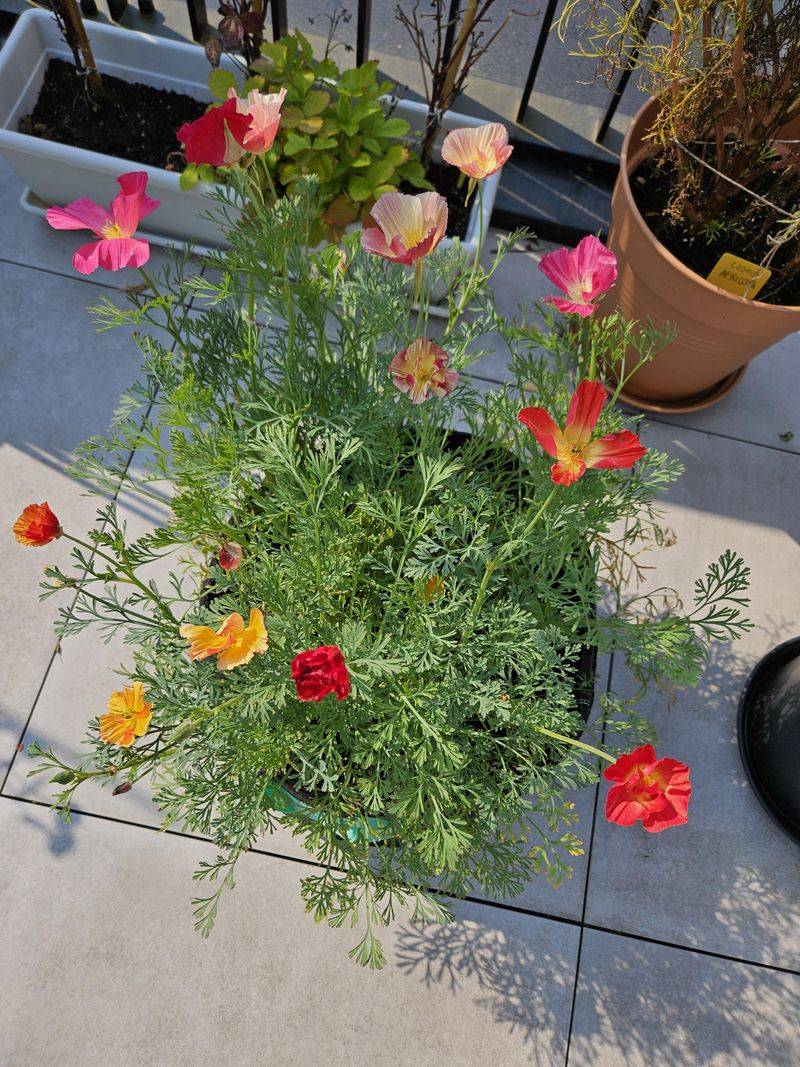
The best watering session usually happens before the container spends hours under blazing afternoon conditions.
Early morning watering gives the root ball time to absorb moisture before evaporation and plant demand climb.
During a heatwave, some containers may also need another check later in the day, especially small pots, hanging baskets, and plants exposed to wind.
Water the whole root ball.
A quick splash across the surface can leave the center of the pot surprisingly dry. Apply water slowly enough for the mix to absorb it, then continue until some water leaves the drainage holes.
Your California Garden Changes Every Week. Your Plan Should Too.
Gardening in California changes quickly throughout the season. Every Friday you’ll receive a simple weekly plan showing exactly what to plant, prune, fertilize, harvest, and protect so you never miss the right timing.
Container guidance recommends checking moisture regularly and watering thoroughly rather than relying on surface appearance alone.
A genuinely dry plant still needs water rather than spending several more hours under severe stress.
Aim water at the potting mix, let sun-heated hose water run until it cools, and restore moisture without blasting soil out of the container.
Drainage must remain open.
Water should move through the root zone rather than collect around roots for hours.
The morning routine gives the plant a head start. Later checks handle the exceptions. That is far more useful than treating one watering time as a rule carved into the patio.
3. Check Small Containers Again By Evening
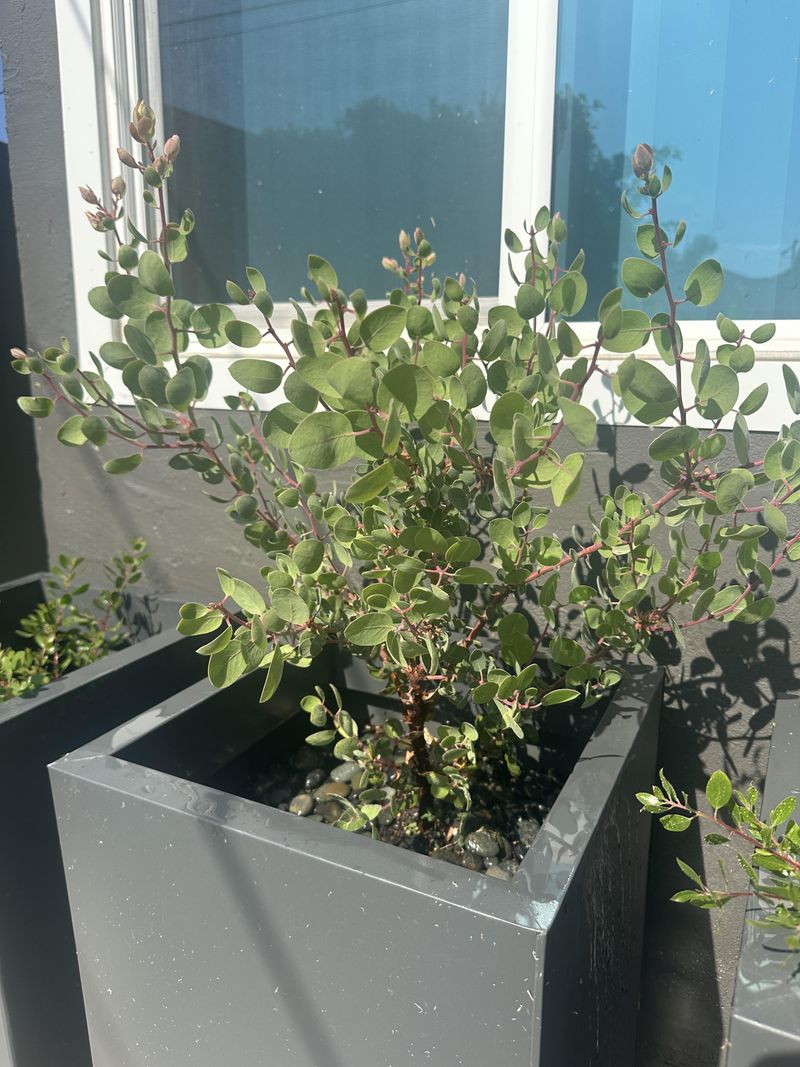
Tiny pots can turn an ordinary hot day into a moisture sprint.
Small containers hold less potting mix, which means less stored water around the roots. Terracotta adds another challenge because its porous walls allow moisture to escape faster.
Hanging baskets also dry quickly because moving air reaches nearly every side. Larger containers generally hold moisture longer and give roots more room to reach cooler portions of the mix.
Check the root zone rather than watering by habit.
Push a finger into the upper inch or two of mix, use a moisture probe, or learn the weight of smaller pots when they are well hydrated.
A dry root zone and a stressed plant justify another thorough watering. Damp mix does not need another automatic soak simply because the afternoon was hot.
Containers can need daily watering during midsummer heat and wind, and some may need both morning and evening attention during an extreme event.
That does not mean every pot gets two drinks.
A large glazed ceramic container may still be moist while a nearby four-inch terracotta pot has already dried sharply. Treating both the same creates one thirsty plant and one soggy one.
Size, material, sun, wind, and plant type all change the schedule.
The second check is simply insurance. Let the pot tell you what happened during the day before deciding what it needs for the night.
4. Group Pots To Build A Cooler Microclimate
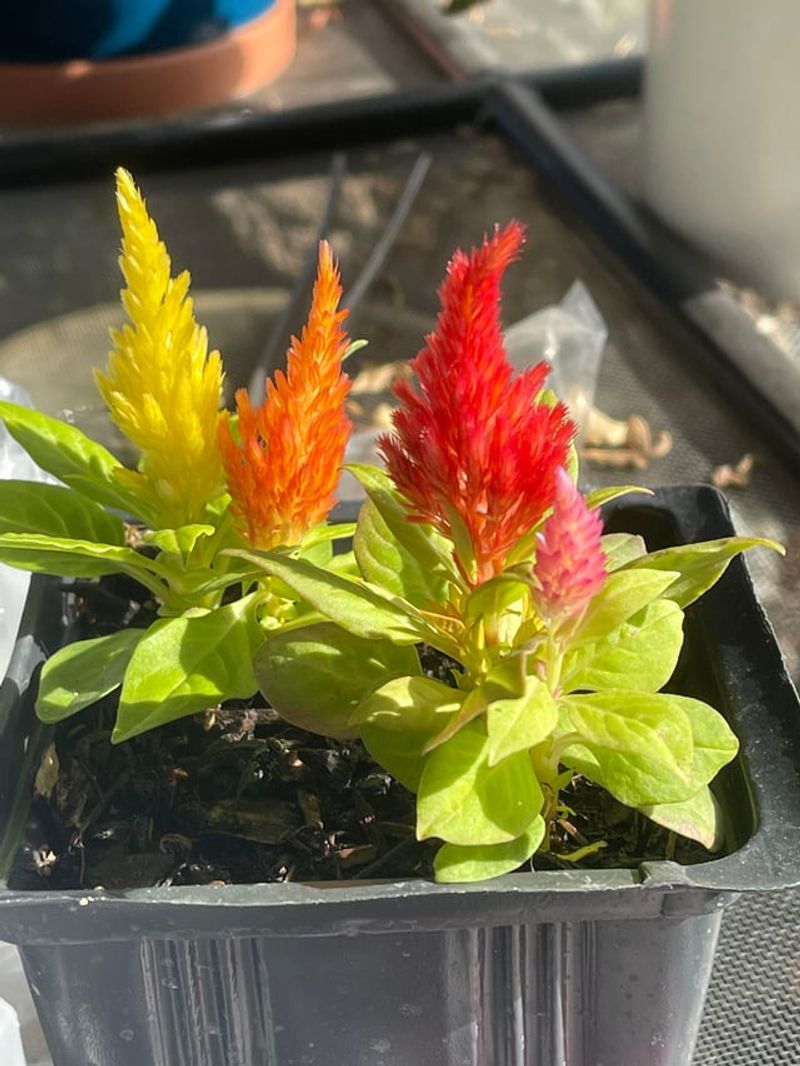
A scattered porch collection gives the sun access to every exposed container wall.
Moving pots into a loose cluster can reduce some of that exposure. Larger plants can cast partial shade over smaller containers, and neighboring pots can shield one another from direct radiant heat.
Grouping containers may also create a slightly more buffered microclimate during extreme weather.
Build the group around the toughest plants.
Place taller or broader foliage on the hotter south or west side, then tuck more sensitive pots where they receive some afternoon protection.
Keep each plant’s normal light needs in mind so the arrangement remains temporary rather than turning a sun lover into a permanent understory resident.
Leave gaps for air.
Containers pressed tightly together can make watering difficult and can slow leaf drying after irrigation. A few inches between pots preserves circulation while still letting the group provide useful shade.
Watch drainage paths too.
Water leaving one pot should not collect beneath another container or turn a decorative tray into a warm puddle. Raise pots where needed and keep drainage holes clear.
Grouping works especially well during a short heat event because it can be undone quickly.
No repotting, digging, or major pruning is required. The porch simply gets rearranged for a few days.
The result may look less like a catalog display and more like a plant huddle.
That is fine. During triple-digit weather, teamwork is a perfectly respectable design style.
5. Mulch The Mix To Protect Hot Roots
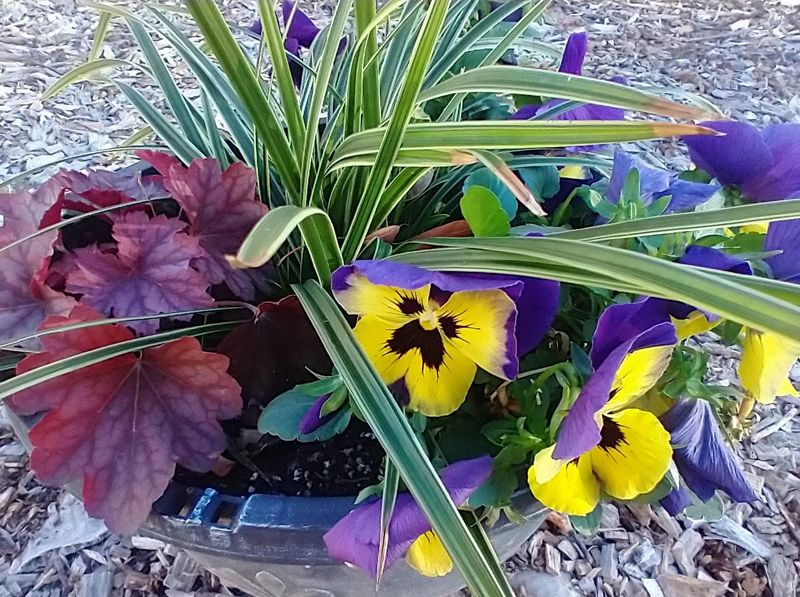
Bare potting mix can lose moisture quickly under direct summer sun.
A mulch layer reduces evaporation and insulates the surface, helping the root zone stay cooler and moist for longer.
Organic materials such as fine bark can work well in containers that have enough room for a proper layer without crowding the plant’s crown.
Keep mulch away from stems and trunks.
Material piled directly against plant tissue can hold moisture where it is not wanted. Leave a small open ring around the base while covering the exposed mix farther out.
Choose the material carefully.
Dark rock or gravel can absorb and reradiate heat, so it is not always the best choice for a pot already baking beside concrete.
Organic mulch is usually more useful when the immediate goal is reducing evaporation and moderating root-zone temperature.
The layer should not block irrigation.
Water still needs to reach the potting mix evenly and drain through the container. Check beneath the mulch rather than assuming the surface appearance tells the whole moisture story.
Mulch also changes how fast the pot dries.
Once it is in place, the old watering rhythm may be too frequent. Test the mix before repeating a routine automatically.
This is not a magic lid for the pot.
It simply slows the pace of heat and moisture loss, which can buy valuable time between morning watering and the hardest part of a California afternoon.
6. Keep Dark Pots Away From Full Sun
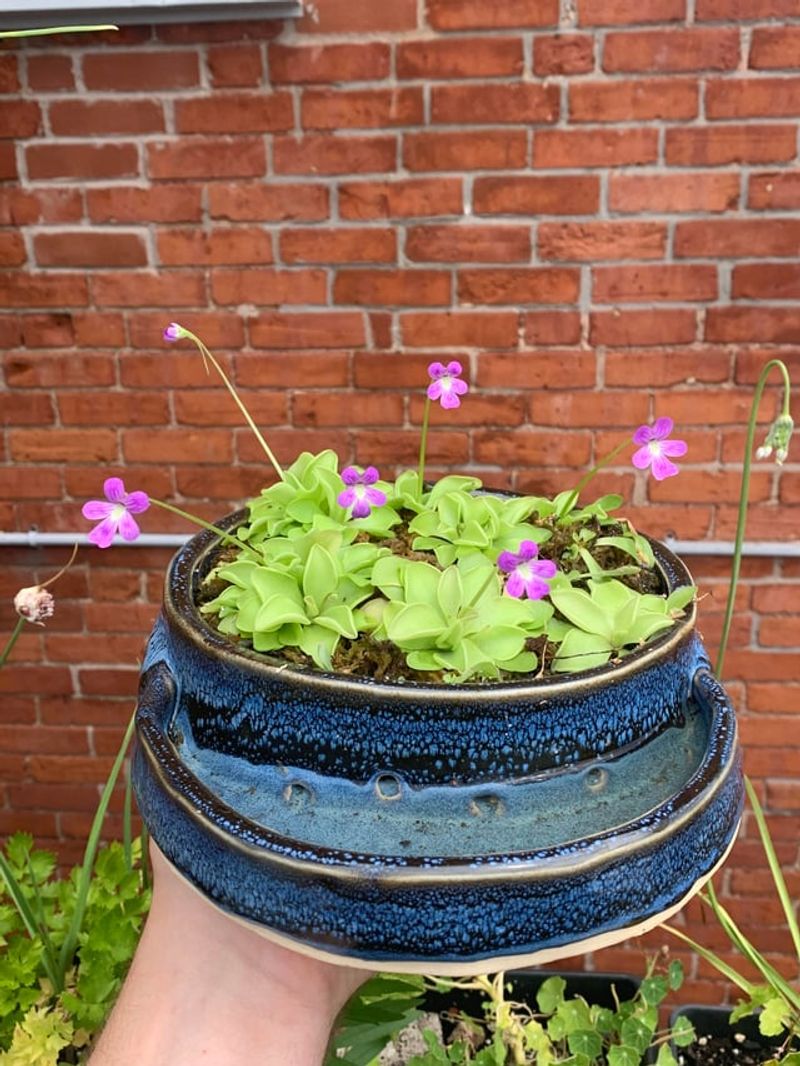
Container color and material can change what roots experience.
Thin black nursery pots absorb heat readily, and dark containers can raise root-zone temperatures enough to stress tender roots in full sun.
Terracotta loses moisture quickly through its porous walls, while thick plastic, glazed ceramic, and other less porous materials tend to hold water more consistently.
Do not repot a badly stressed plant just to change colors.
Afternoon shade is the gentler first move. A decorative outer pot can also shield a black nursery pot, provided excess water still drains freely and does not collect around the inner container.
Raise pots off hot cement where practical.
Plant trivets, wood, or bricks can reduce direct contact with a heated surface and improve airflow beneath drainage holes.
Larger containers offer another advantage.
More potting mix gives roots a larger moisture reserve and a deeper zone where temperatures can stay more stable than at the exposed edge.
Save repotting for calmer weather unless the current container presents an immediate problem.
Root disturbance during extreme heat can add stress to a plant already struggling to balance water.
The goal is not buying matching pale pots overnight.
Block the strongest heat, protect drainage, and protect roots from blazing surfaces.
A plain black nursery pot can work for months. During a heatwave, it simply should not be left doing solar experiments on the porch.
7. Rewet Mix That Starts Repelling Water
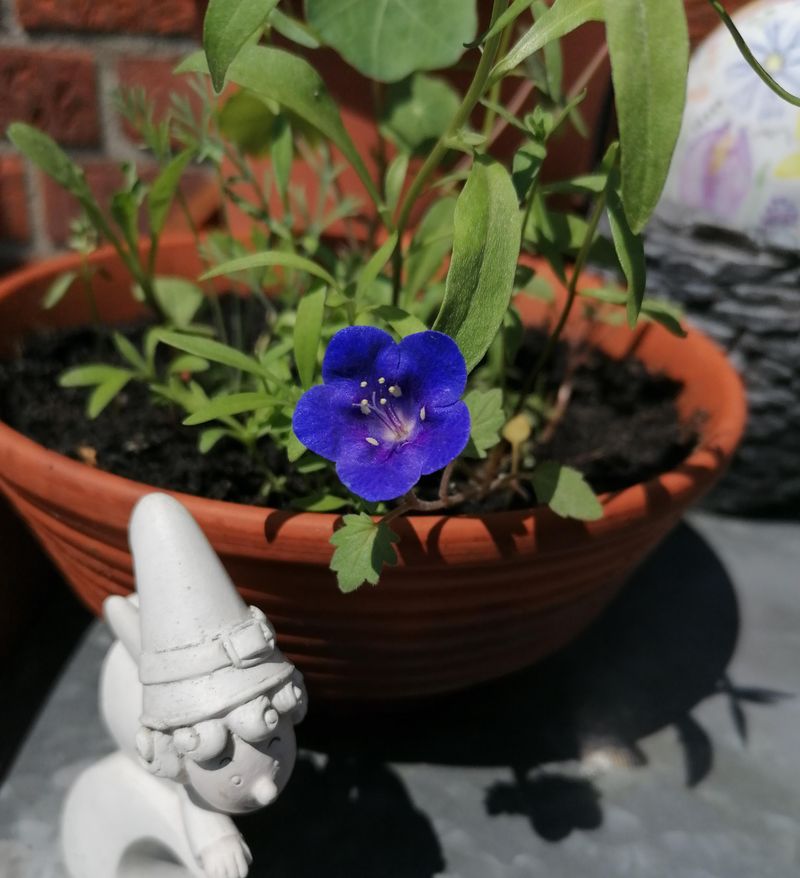
A pot can drain water immediately and still have a dry root ball.
Many potting mixes contain peat or other organic materials that become difficult to rewet after drying completely. Water may race down the gap between the mix and the container wall, then leave the drainage hole while the center remains dry.
Slow the process down.
For a large container, apply a gentle trickle and give the mix time to absorb moisture. Repeated small applications can gradually rehydrate dry material without sending every drop around the outside edge.
Smaller pots can be bottom-watered.
Set the container in shallow water and allow moisture to move upward through the drainage holes. Check it after an hour or two, then remove the pot once the root ball has rehydrated. Continuous soaking is not the goal.
Skip household dish soap.
A potting mix that resists water needs patient rehydration, not an improvised chemical treatment around stressed roots. Slow watering, bottom watering, or a temporary soak provides a cleaner solution.
Learn the weight of the pot afterward.
A properly hydrated container feels noticeably heavier than a dry one, which gives you another quick way to catch trouble before the mix becomes fully water-repellent again.
This problem can fool careful gardeners because drainage normally signals success.
During extreme heat, make sure the water actually entered the root ball before congratulating the hose.
8. Ease Back Watering When Heat Breaks
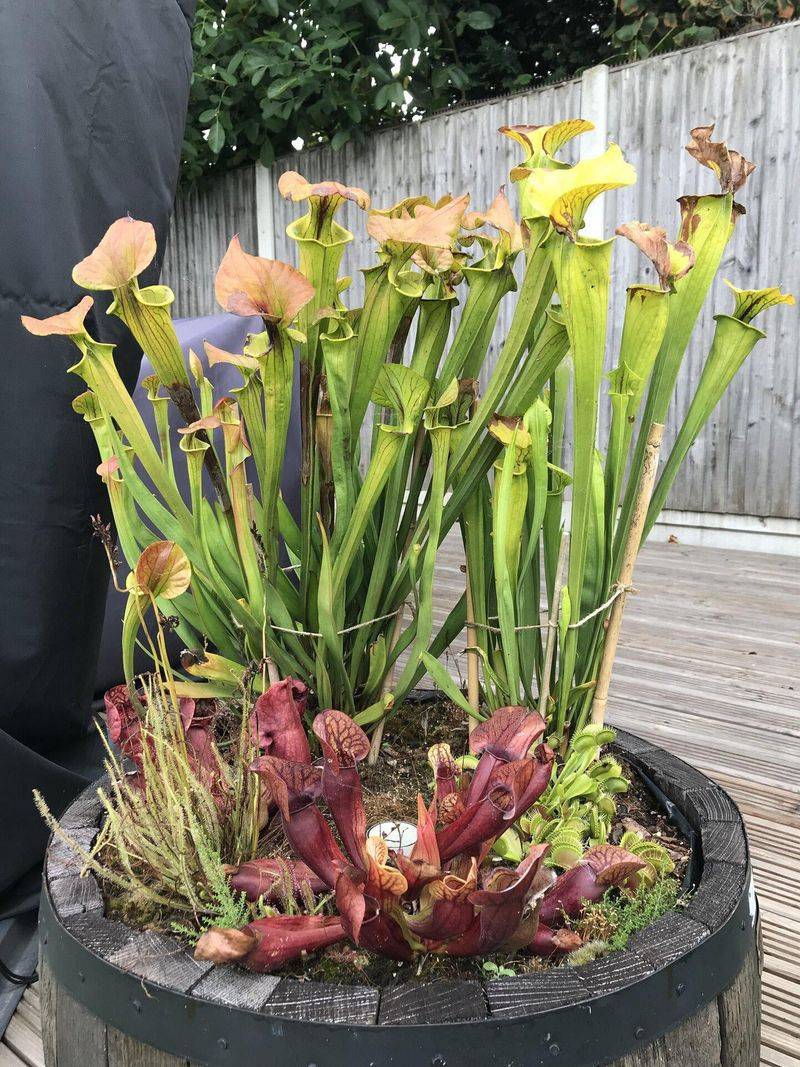
A successful heatwave routine can become too much care once normal weather returns.
Containers dry more slowly when temperatures fall, afternoon sun weakens, or hot wind disappears. Continuing the same emergency watering schedule can leave potting mix constantly wet and reduce the air available around roots.
Heatwave guidance specifically recommends reducing extra watering after temperatures cool.
Return to checking instead of scheduling.
Push a finger into the mix, lift smaller pots, or use a moisture probe before watering. Container needs vary with pot size, material, exposure, and plant type, so yesterday’s successful routine is not automatically tomorrow’s.
Move temporary shade gradually where sun-loving plants are involved.
A plant protected during the harshest days can return to its normal exposure as conditions moderate. There is no prize for keeping every umbrella and shade panel up until October.
Hold off on major cleanup too.
Heat-scorched foliage can look terrible while the plant beneath it remains viable. Give stressed plants time to show where healthy growth remains before making aggressive cuts.
Heavy feeding immediately after severe heat can also push growth before the plant has fully stabilized.
Recovery should feel quieter than the emergency.
Normal watering, normal light, and a little patience are usually more useful than another round of drastic intervention.
The heatwave required extra attention because conditions were unusual.
Once the weather stops acting unusual, the porch care routine should stop acting that way too.