12 Houseplants Perfect For Small New Jersey Apartments
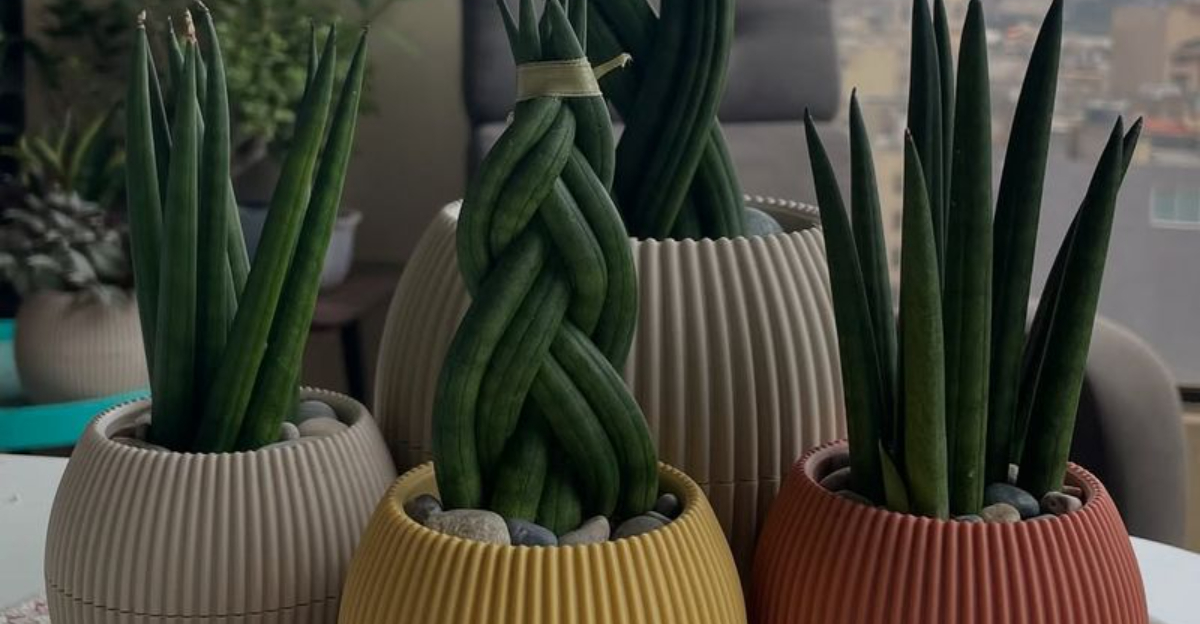
Living in a small New Jersey apartment doesn’t mean you have to miss out on the joys of greenery and nature.
Houseplants bring life, color, and fresh air into compact spaces, transforming even the tiniest studio into a cozy oasis.
Many plants thrive in limited square footage, requiring minimal care while offering maximum beauty and health benefits.
Whether you’re dealing with low light from neighboring buildings or limited floor space, there’s a perfect plant waiting to brighten your home.
From air-purifying varieties to low-maintenance options that forgive occasional neglect, these green companions adapt beautifully to apartment living.
They improve air quality, boost your mood, and create a calming atmosphere after a long day.
Best of all, most of these plants are budget-friendly and easy to find at local New Jersey garden centers.
Ready to discover which plants will thrive in your space?
1. Snake Plant
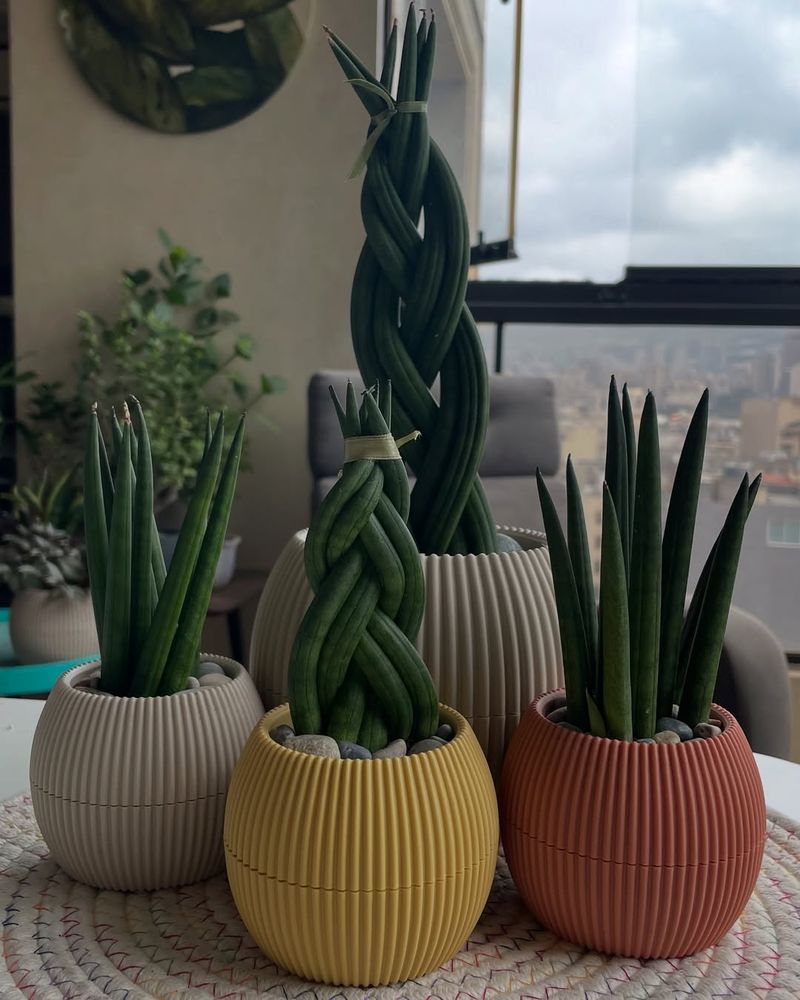
Few plants match the resilience and striking appearance of the snake plant, making it an ideal choice for busy New Jersey apartment dwellers.
Its tall, sword-shaped leaves grow vertically, taking up minimal floor space while adding dramatic height to any room.
This plant tolerates low light conditions exceptionally well, perfect for apartments with limited window access or north-facing exposures.
You can forget to water it for weeks without causing harm, as it stores moisture in its thick leaves.
NASA studies have shown that snake plants remove toxins like formaldehyde and benzene from indoor air, improving your breathing environment.
They release oxygen at night, unlike most plants, making them excellent bedroom companions for better sleep quality.
New Jersey’s varying indoor temperatures don’t bother these hardy plants, which adapt to both warm summers and cooler winters.
Place yours in a corner to maximize space while enjoying its architectural beauty.
With varieties ranging from deep green to yellow-edged, you’ll find one matching your decor style.
Propagation is simple through leaf cuttings, letting you expand your collection or share with neighbors.
2. Pothos
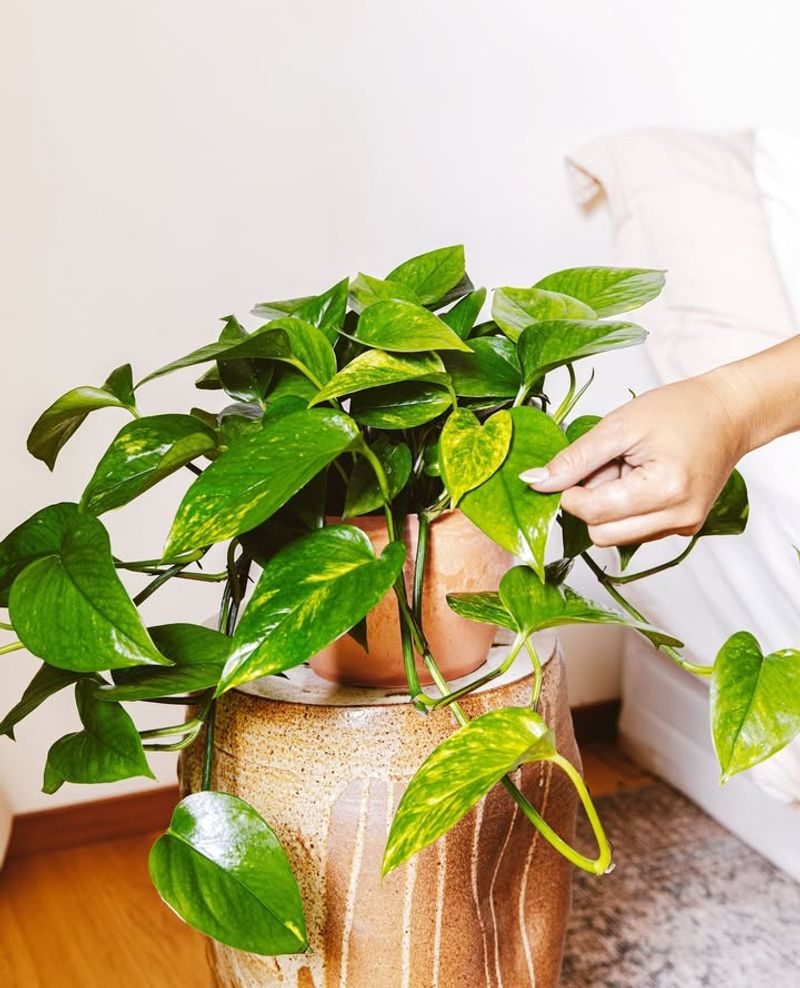
Cascading gracefully from shelves or hanging planters, pothos brings a waterfall of green into cramped quarters.
This vining beauty grows quickly, creating lush greenery that softens hard apartment edges and adds natural movement to your space.
Apartment dwellers in New Jersey appreciate how forgiving pothos is when life gets hectic and watering schedules slip.
The heart-shaped leaves come in various patterns, from solid green to marbled with white, cream, or golden yellow.
Low to medium light suits pothos perfectly, thriving even in bathrooms with small windows or interior rooms without direct sun.
As vines grow longer, you can train them along walls, around windows, or across bookcases for creative vertical displays.
Trimming encourages bushier growth, and those cuttings root easily in water, giving you free plants to spread throughout your apartment.
Pothos actively filters airborne toxins, contributing to cleaner indoor air quality in your New Jersey home.
Water when the soil feels dry an inch down, typically once weekly.
Its adaptability and rapid growth make it perfect for renters wanting instant green impact without long-term commitment.
Your New Jersey Garden Changes Every Week. Your Plan Should Too.
Gardening in New Jersey changes quickly throughout the season. Every Friday you’ll receive a simple weekly plan showing exactly what to plant, prune, fertilize, harvest, and protect so you never miss the right timing.
3. ZZ Plant

Glossy, waxy leaves that shine like they’ve been polished make the ZZ plant a showstopper in any New Jersey apartment.
This plant practically thrives on neglect, perfect for frequent travelers or those new to plant parenthood.
Underground rhizomes store water, allowing the ZZ plant to survive extended periods without watering.
It tolerates everything from bright indirect light to dim corners, adapting to whatever your apartment offers.
The upright growth habit keeps it compact, fitting beautifully on desks, nightstands, or narrow shelves.
Slow growth means you won’t need to repot frequently, saving money and effort in small living spaces.
New Jersey’s dry winter air from heating systems doesn’t faze this tough plant, unlike more sensitive tropical varieties.
The deep green foliage adds sophistication and elegance, complementing both modern and traditional decor styles.
Dust leaves occasionally with a damp cloth to maintain their signature shine and help them photosynthesize efficiently.
ZZ plants rarely suffer from pests, eliminating worries about infestations spreading through your apartment.
Water only when soil is completely dry, usually every two to three weeks.
Its carefree nature makes it ideal for anyone wanting greenery without demanding maintenance schedules.
4. Spider Plant
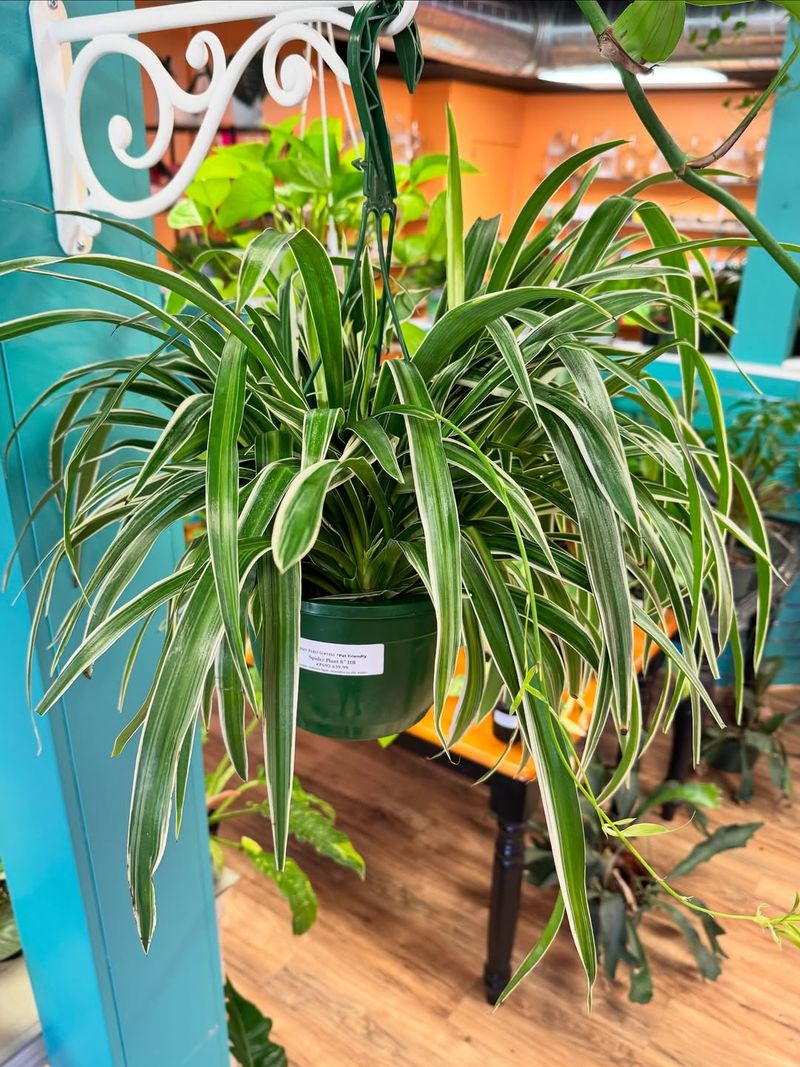
Arching leaves striped with cream and green create a fountain-like display that livens up any New Jersey apartment corner.
Spider plants produce adorable baby plantlets called spiderettes that dangle from long stems, adding whimsical character.
These offspring are incredibly easy to propagate, giving you endless free plants to share or expand your collection.
Air purification is a standout feature, with spider plants removing carbon monoxide and xylene from indoor environments.
They adapt to various light conditions, from bright indirect to moderate shade, making placement flexible in tight spaces.
Compact root systems mean they don’t need large pots, conserving precious floor and shelf space.
New Jersey tap water sometimes contains fluoride that can brown leaf tips, so consider using filtered or distilled water.
Regular watering keeps the soil lightly moist but not soggy, usually requiring attention once or twice weekly.
These plants grow quickly, filling in bare spots and creating lush greenery within months.
Hanging baskets showcase their cascading form beautifully, utilizing vertical space often wasted in apartments.
Spider plants tolerate occasional neglect, bouncing back even after drying out completely.
Their cheerful appearance and easy care make them perfect for beginners seeking reliable green companions.
5. Peace Lily
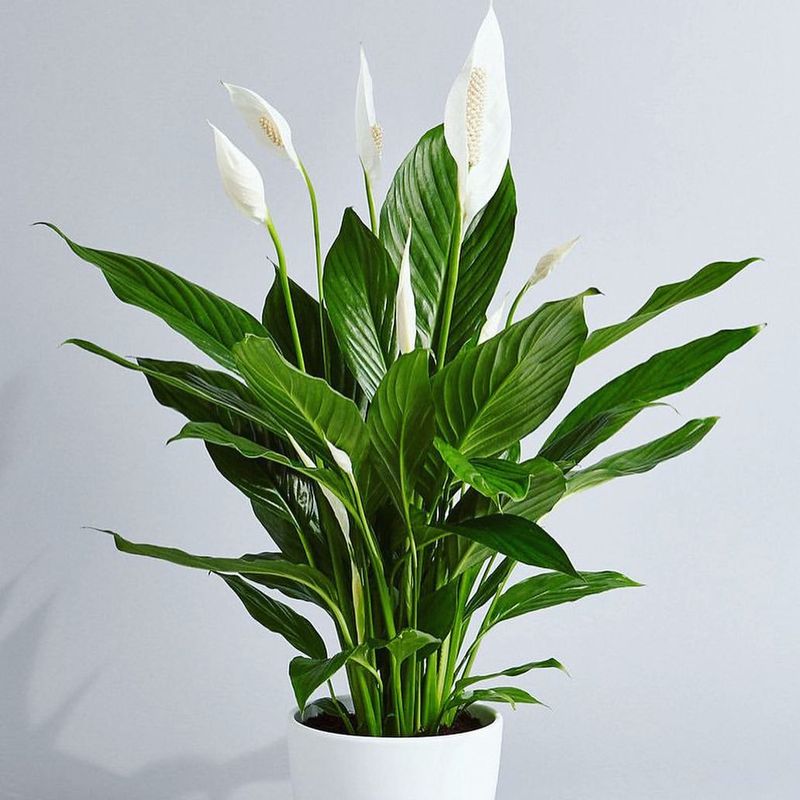
Elegant white blooms rise above deep green foliage, bringing a touch of serenity to cramped New Jersey living spaces.
Peace lilies actually tell you when they need water by drooping slightly, making care foolproof even for complete beginners.
After a good drink, they perk up within hours, rewarding your attention with renewed vigor.
These plants excel in low-light conditions, thriving in bathrooms, bedrooms, or interior rooms without windows.
NASA ranks peace lilies among the top air-purifying plants, removing mold spores, formaldehyde, and benzene from indoor air.
The humidity from New Jersey bathrooms creates ideal growing conditions, making them perfect for that often-neglected space.
Flowers appear periodically throughout the year, lasting several weeks and adding elegant beauty without requiring a green thumb.
Compact varieties stay under two feet tall, fitting perfectly on counters, desks, or small plant stands.
Wipe leaves monthly to remove dust and keep them glossy and healthy-looking.
They prefer consistently moist soil but forgive occasional drying out between waterings.
Peace lilies add a calming, spa-like atmosphere to apartments, promoting relaxation after stressful days.
Their classic beauty complements any decor style from minimalist to bohemian.
6. Rubber Plant
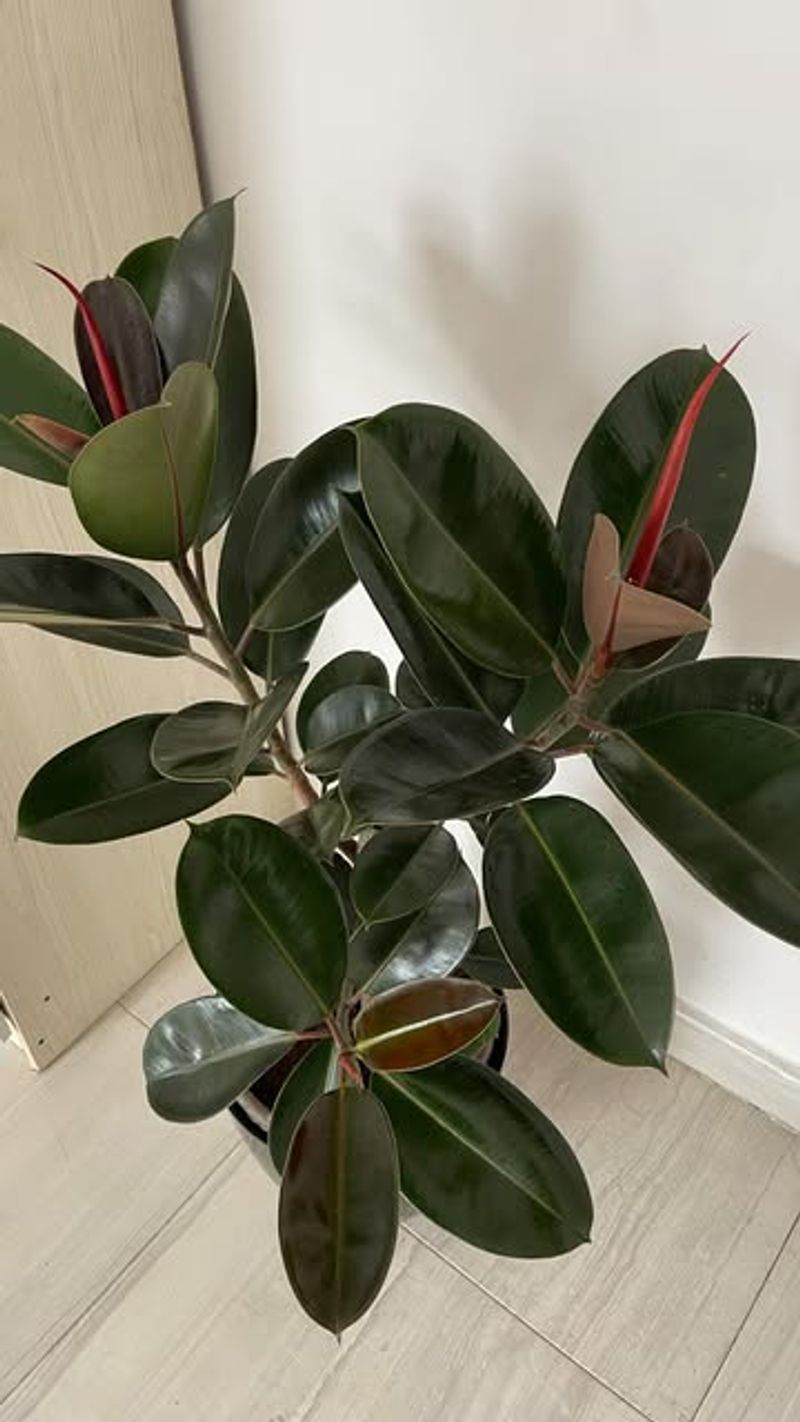
Bold, oversized leaves in deep green or burgundy make the rubber plant a stunning focal point in any New Jersey apartment.
Its upright growth habit maximizes vertical space while maintaining a compact footprint, perfect for corners or beside furniture.
Young rubber plants start small but grow steadily, allowing you to enjoy them at various sizes as your space allows.
Bright, indirect light brings out the richest leaf colors, though they tolerate medium light reasonably well.
The thick, waxy leaves naturally repel dust and require only occasional wiping to maintain their signature shine.
Rubber plants prefer their soil to dry out partially between waterings, making them forgiving for busy schedules.
New Jersey’s indoor humidity levels suit them well, though they appreciate occasional misting during dry winter months.
Pruning controls height and encourages bushier growth, giving you control over the plant’s size and shape.
These plants rarely suffer from pest problems, maintaining their good looks with minimal intervention.
Their substantial presence creates an instant jungle vibe, transforming even the plainest apartment into a green sanctuary.
Burgundy varieties add dramatic color contrast against white walls or neutral furnishings.
Stable temperatures indoors suit rubber plants perfectly, avoiding temperature swings that stress other species.
7. Philodendron Heartleaf
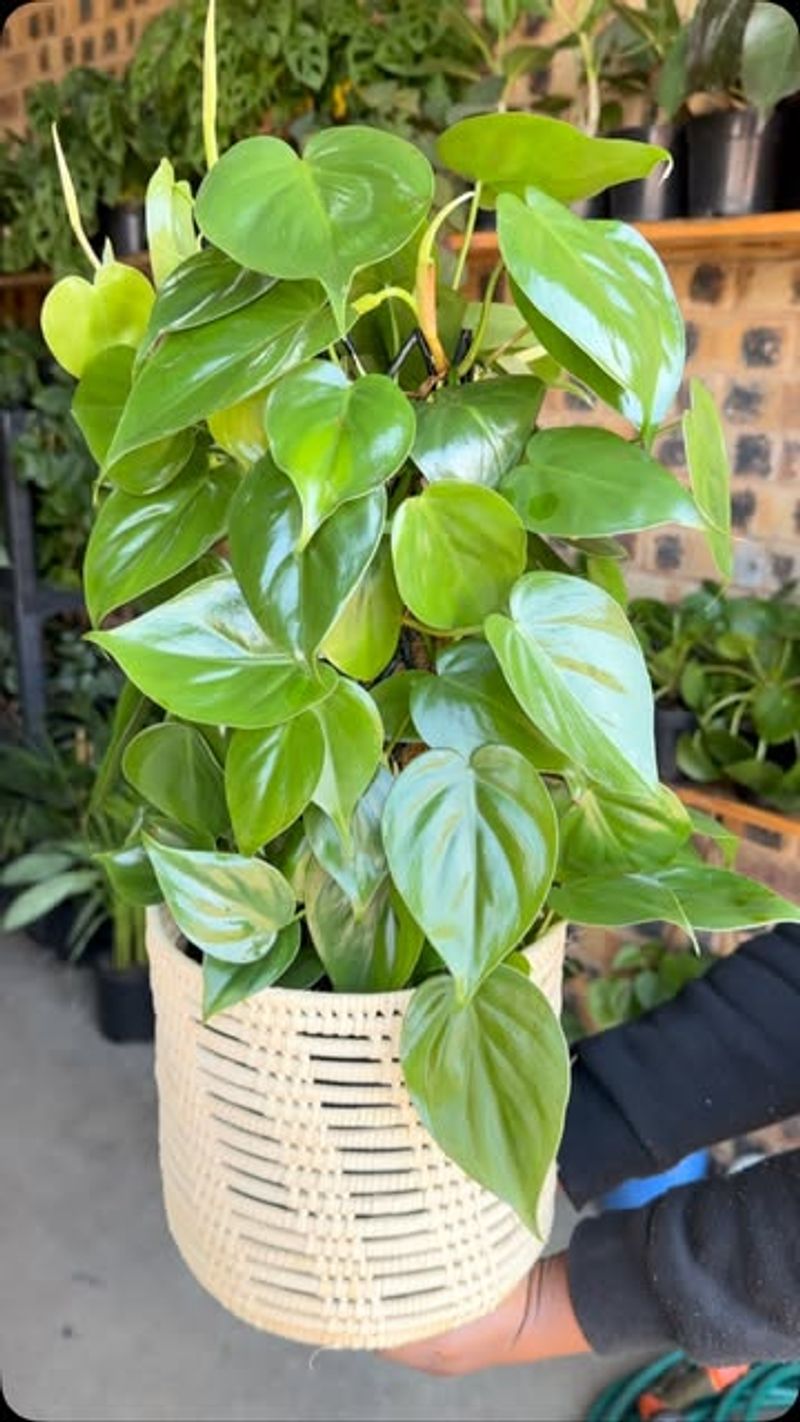
Charming heart-shaped leaves trail elegantly from shelves and cabinets, softening the hard lines of small New Jersey apartments.
This fast-growing vine quickly creates lush greenery, transforming bare walls into living art within just a few months.
Philodendrons adapt to nearly any light condition except direct sun, making them incredibly versatile for various room exposures.
Their vining nature means you can train them along picture rails, around windows, or up moss poles for creative displays.
Cuttings root easily in water, producing new plants that you can share with friends or use to fill out sparse areas.
Low maintenance requirements make heartleaf philodendrons perfect for beginners or anyone with a packed schedule.
Water when the top inch of soil feels dry, typically once weekly depending on your apartment’s humidity levels.
The deep green foliage creates a calming backdrop, reducing stress and improving mental well-being in confined spaces.
These plants tolerate the occasional missed watering, bouncing back quickly once their soil receives moisture again.
Compact root systems mean small pots work perfectly, conserving valuable counter or shelf space.
New Jersey apartment dwellers love how philodendrons add instant character without requiring expensive containers or complicated care.
Their easygoing personality and rapid growth deliver maximum impact with minimal effort.
8. Aloe Vera
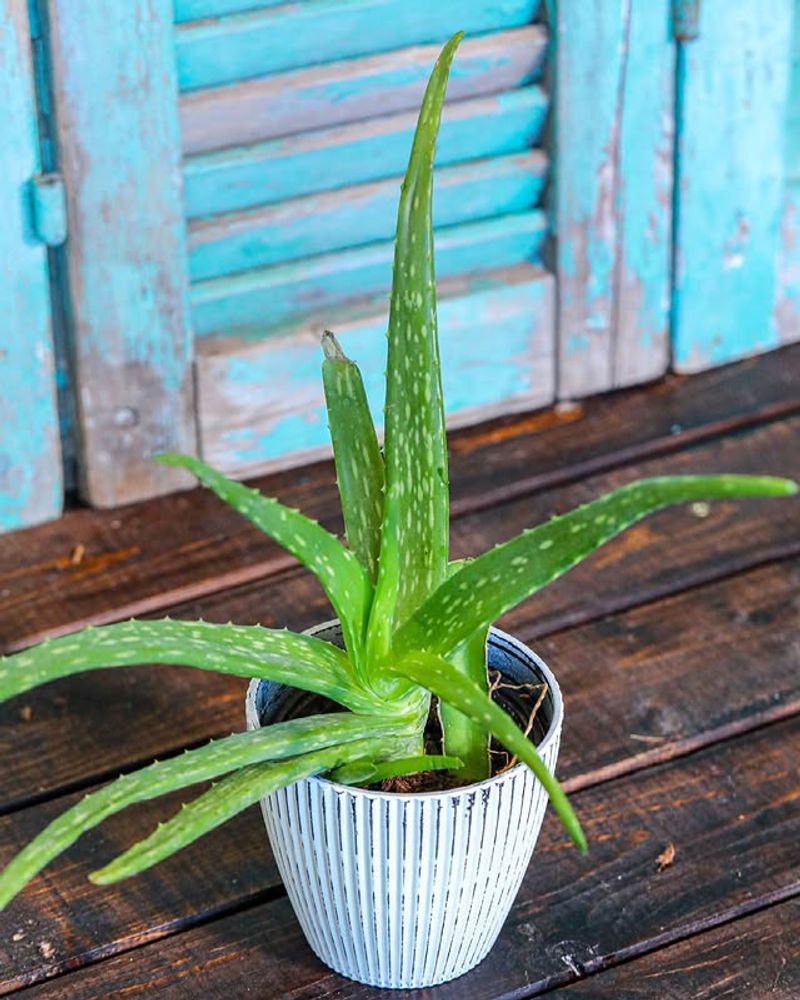
Sculptural rosettes of thick, fleshy leaves bring both beauty and practical benefits to New Jersey apartment dwellers.
Aloe gel inside the leaves soothes minor burns, cuts, and skin irritations, making this plant a natural first-aid kit.
Simply snap off a leaf, squeeze out the gel, and apply it directly to irritated skin for instant relief.
Bright light from south or west-facing windows keeps aloe compact and healthy, preventing the leggy growth that occurs in shade.
As a succulent, aloe stores water in its leaves, requiring infrequent watering every two to three weeks.
Overwatering causes more problems than underwatering, making it perfect for forgetful plant parents.
Small varieties stay under a foot tall, fitting perfectly on windowsills, desks, or narrow shelves.
Aloe produces baby offsets called pups that you can separate and pot individually, multiplying your collection for free.
The architectural form adds modern, minimalist appeal to contemporary New Jersey apartments.
Well-draining soil and pots with drainage holes prevent root rot, the main threat to these hardy plants.
Aloe tolerates dry indoor air beautifully, thriving during New Jersey’s heated winter months when other plants struggle.
Its low-maintenance nature and functional benefits make it a smart choice for practical apartment living.
9. Chinese Evergreen
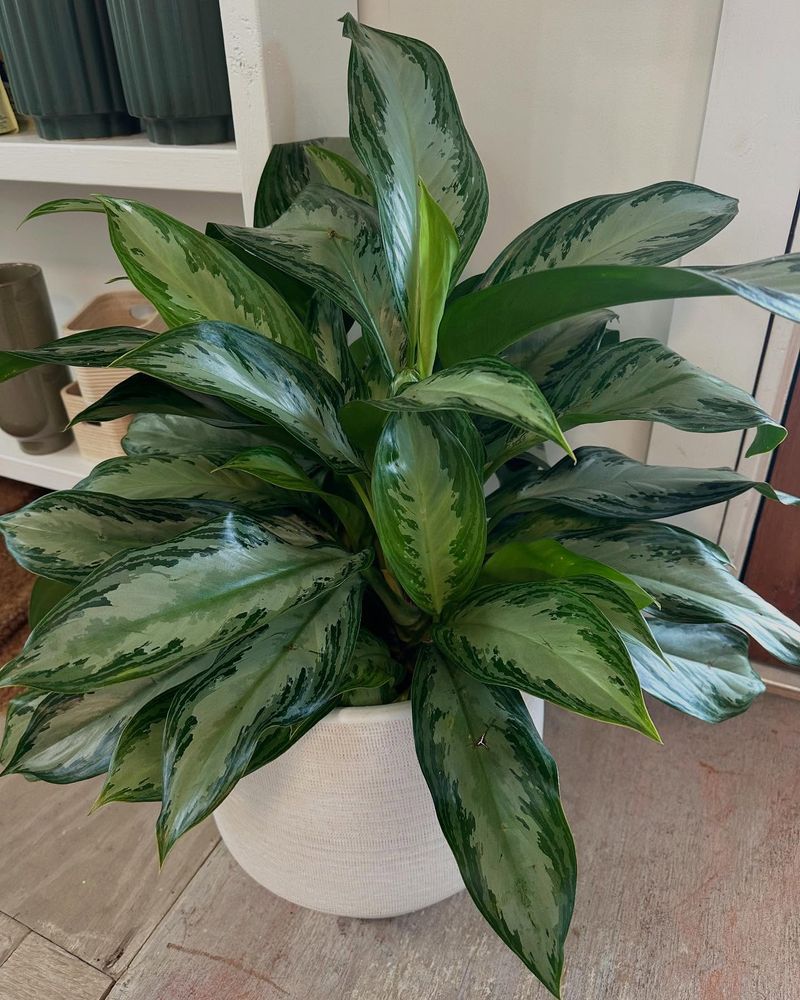
Striking leaf patterns in silver, pink, or red against deep green backgrounds create living artwork for your New Jersey apartment.
Chinese evergreens rank among the most shade-tolerant houseplants, thriving in dim corners where other plants would languish.
This makes them perfect for interior rooms, north-facing spaces, or apartments with limited natural light.
Slow, steady growth keeps them manageable in small spaces, rarely requiring repotting or aggressive pruning.
The bushy, compact form fills space beautifully without sprawling or taking over precious floor area.
Variegated varieties add pops of color without flowers, brightening rooms year-round with their decorative foliage.
These plants tolerate irregular watering better than most, surviving if you forget them for a week or two.
Keep soil lightly moist but never soggy, checking before watering to prevent overwatering problems.
Chinese evergreens filter toxins like formaldehyde and benzene, contributing to healthier indoor air quality.
New Jersey’s typical indoor temperatures suit them perfectly, avoiding the temperature sensitivity of more finicky tropical plants.
Their tolerance for neglect and low light makes them ideal for busy professionals or students in cramped quarters.
Mature plants occasionally produce small white flowers, adding unexpected beauty to their already attractive foliage.
10. Dracaena
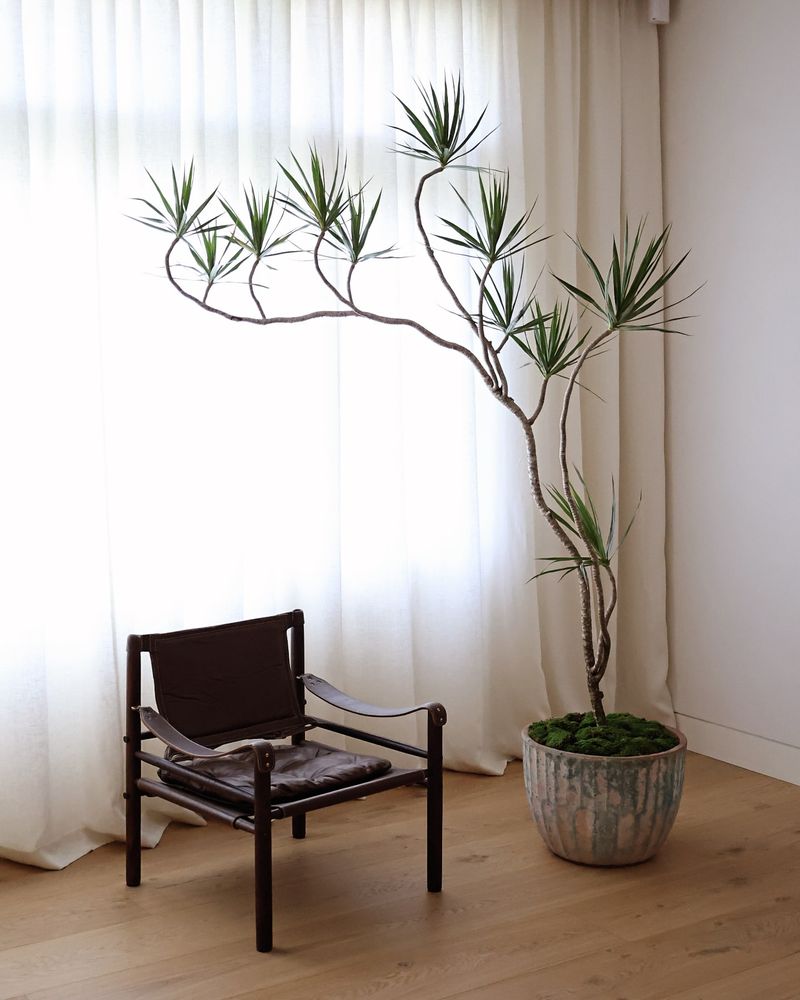
Tall, slender growth creates dramatic vertical interest without consuming valuable floor space in tight New Jersey apartments.
Striped or solid leaves in shades of green, yellow, or burgundy offer variety to match any decorating scheme.
Dracaenas tolerate low to medium light, adapting to whatever your apartment’s orientation provides.
Their narrow footprint makes them perfect for corners, beside furniture, or in entryways where wider plants wouldn’t fit.
Slow growth means they maintain their shape and size for years without constant pruning or repotting.
These plants remove harmful chemicals like trichloroethylene and xylene from indoor air, improving your breathing environment.
Water when the top two inches of soil feel dry, typically every one to two weeks depending on conditions.
Dracaenas tolerate some neglect, making them suitable for busy lifestyles or occasional travel.
Brown leaf tips sometimes appear from fluoride in New Jersey tap water, easily remedied by using filtered water.
Multiple stems can be planted together for a fuller appearance, creating more visual impact in minimal space.
Their tree-like form adds sophistication and elegance, elevating apartment aesthetics without expensive furniture.
Varieties range from compact tabletop sizes to floor-standing specimens, accommodating different space constraints and preferences.
11. English Ivy
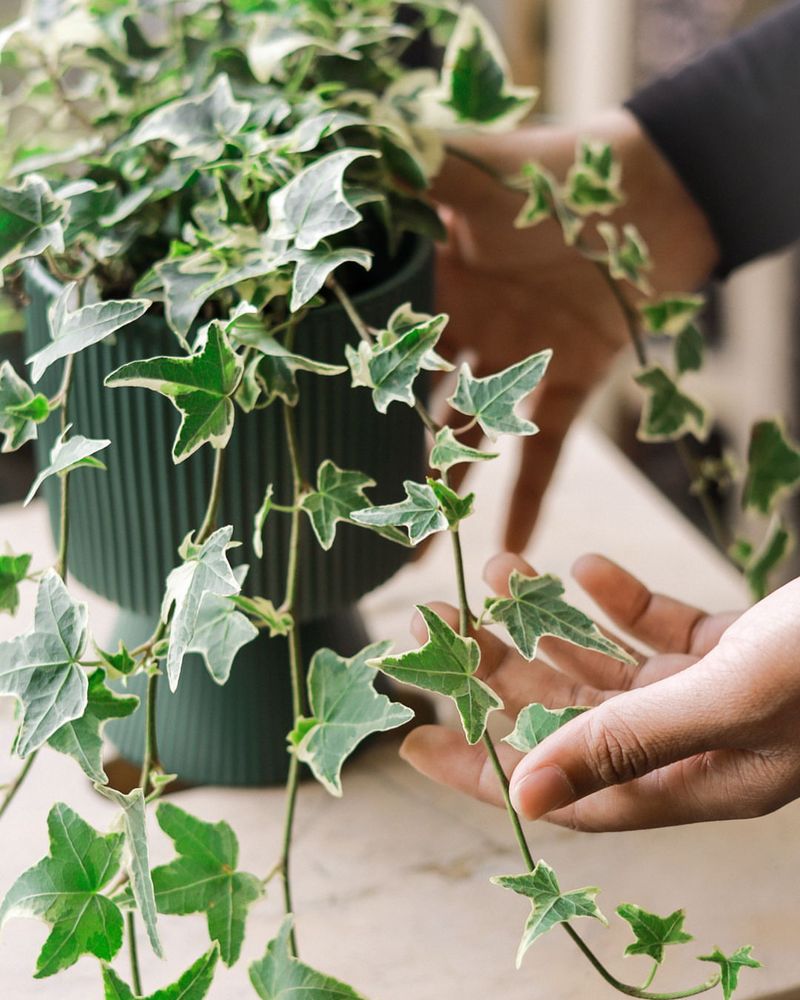
Cascading vines covered in classic lobed leaves bring timeless charm to New Jersey apartments, especially when displayed in hanging containers.
English ivy grows vigorously, quickly filling in bare spaces and creating lush, romantic displays.
Cool temperatures suit this plant perfectly, making it ideal for apartments that stay on the cooler side during winter.
Bright, indirect light keeps ivy healthy and compact, though it tolerates some shade reasonably well.
The trailing habit utilizes vertical space efficiently, perfect for small apartments where floor space is limited.
Studies show English ivy removes airborne mold particles, beneficial for New Jersey apartments with humidity issues.
Regular pinching encourages bushier growth and prevents the legginess that can occur in low light.
Ivy prefers consistently moist soil, requiring more frequent watering than drought-tolerant varieties, typically twice weekly.
Variegated forms with white or yellow markings add extra visual interest and brighten darker corners.
Train vines along shelves, around mirrors, or across walls for creative, living decoration.
Cuttings root easily in water, providing free plants to expand your collection or share with neighbors.
English ivy’s classic appearance complements both traditional and cottage-style decor, adding nostalgic charm to modern apartments.
12. Jade Plant
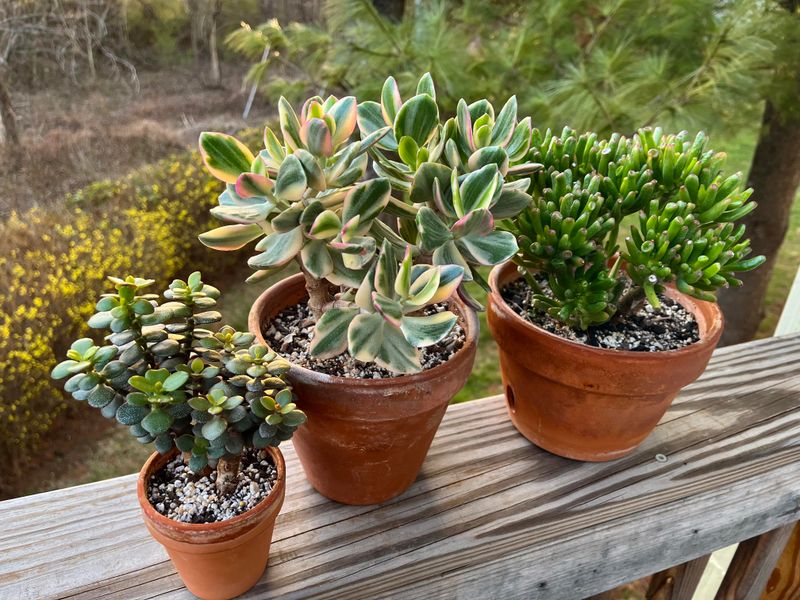
Thick, oval leaves resembling gemstones give jade plants their name and create miniature tree-like forms perfect for small spaces.
These succulents develop woody stems over time, taking on bonsai-like character that adds interest to New Jersey apartment windowsills.
Jade plants thrive on neglect, storing water in their plump leaves and tolerating weeks without watering.
Bright light from south or west windows keeps them compact and encourages the reddish edges that make mature plants stunning.
Slow growth keeps jade plants manageable for years, rarely outgrowing their pots or requiring aggressive pruning.
Their sculptural form provides year-round beauty without flowers, though mature plants occasionally bloom with delicate pink or white stars.
Well-draining cactus soil and pots with drainage holes prevent the root rot that threatens succulents in regular potting mix.
Water deeply but infrequently, allowing soil to dry completely between waterings, typically every two to three weeks.
Jade plants tolerate dry indoor air beautifully, thriving during heated New Jersey winters when humidity drops.
Their compact size fits perfectly on desks, nightstands, or narrow shelves without overwhelming small spaces.
Propagation from leaf or stem cuttings is remarkably easy, letting you grow new plants from a single specimen.
Low maintenance and distinctive appearance make jade plants ideal for minimalist apartment aesthetics.