Why Arizona Homeowners Are Embracing Desert-Modern Garden Design
Arizona homeowners are giving their outdoor spaces a fresh new look, and desert-modern garden design is stealing the spotlight.
This style blends clean lines with rugged beauty, creating yards that feel both stylish and grounded in the local landscape.
The desert offers a palette of striking plants, warm earth tones, and bold textures that shine under Arizona’s bright sun.
Homeowners are discovering that this approach turns heat and drought into advantages rather than obstacles.
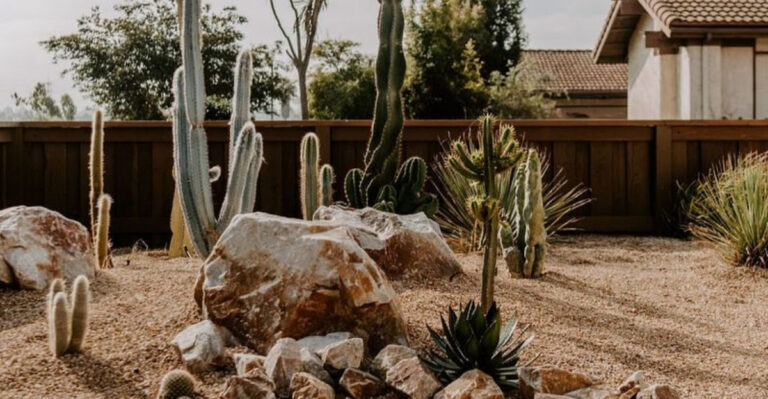
Sculptural cacti, smooth gravel paths, and pops of color from hardy blooms come together like pieces of a well-planned puzzle.
The result feels crisp, inviting, and perfectly suited for the Southwest.
Low water use and minimal upkeep sweeten the deal, giving busy residents a yard that stays sharp without constant fuss.
As trends shift toward sustainable living and cleaner aesthetics, the desert-modern look fits the moment like a glove, turning everyday yards into contemporary desert retreats.
1. The Desert-Modern Garden Design

A desert-modern garden design blends sleek, contemporary style with the rugged beauty of desert landscapes, creating outdoor spaces that feel both polished and naturally grounded.
This approach uses clean lines, geometric paths, and open layouts paired with drought-tolerant plants like cacti, agave, yucca, and ornamental grasses.
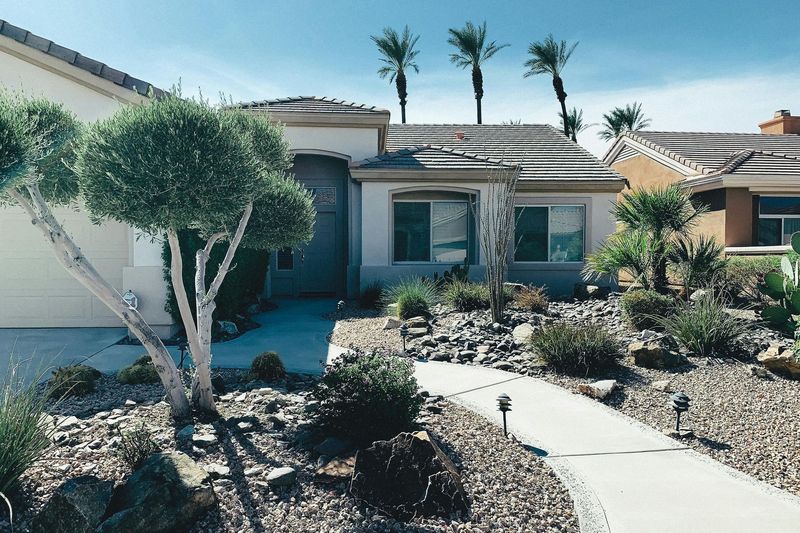
Gravel, stone, and warm-toned concrete replace thirsty lawns, giving the garden a sculptural, low-maintenance appeal.
The result is a space that thrives in heat, conserves water, and highlights bold plant shapes and textures.
By mixing modern architecture with the desert’s striking simplicity, this style delivers a calm, sustainable, and visually striking retreat.
2. Water Conservation Makes Financial And Environmental Sense
Arizona faces ongoing water challenges, making conservation a top priority for responsible homeowners throughout the state.
Desert-modern gardens use native and drought-tolerant plants that need far less water than traditional lawns and thirsty ornamental plants.
Switching to this landscaping style can cut your water bill by hundreds of dollars each year while helping preserve precious resources for future generations.
Native plants like palo verde trees, agave, and desert marigolds have adapted over thousands of years to survive on minimal rainfall.
They develop deep root systems that tap into underground moisture, so they rarely need supplemental watering once established.
This means less time standing outside with a hose and lower utility costs every month.
Many Arizona cities offer rebates and incentives for homeowners who remove grass and install water-wise landscaping.
Phoenix, Scottsdale, and Tucson all have programs that can reimburse you for converting to desert-appropriate plants.
These financial benefits make the initial investment more affordable and speed up your return on investment.
Beyond the money you’ll save, reducing water consumption helps the entire community.
Arizona’s rivers and aquifers face increasing pressure from population growth and climate patterns.
Every gallon you conserve through smart landscaping choices contributes to a more sustainable future for everyone living in the desert Southwest.
3. Low Maintenance Lifestyle Fits Busy Schedules

Weekends should be for relaxing, not spending hours mowing, edging, and fighting weeds in your yard.
Desert-modern gardens require dramatically less upkeep than traditional landscapes, giving Arizona homeowners more free time to enjoy their outdoor spaces instead of constantly working on them.
Your Arizona Garden Changes Every Week. Your Plan Should Too.
Gardening in Arizona changes quickly throughout the season. Every Friday you’ll receive a simple weekly plan showing exactly what to plant, prune, fertilize, harvest, and protect so you never miss the right timing.
Forget about weekly lawn care routines that eat up your Saturday mornings and leave you exhausted.
Native desert plants grow slowly and maintain their natural shape without constant pruning or trimming.
Unlike fast-growing shrubs that need shaping every few weeks, plants like brittlebush and fairy duster look beautiful with minimal intervention.
You might only need to do light cleanup a few times per year rather than weekly maintenance sessions.
Gravel, decomposed granite, and rock mulches replace grass and traditional mulch, eliminating the need for mowing and reducing weeding significantly.
These hardscape elements don’t decompose like wood chips, so you won’t need to replenish them annually.
A quick rake or leaf blower session keeps these surfaces looking fresh with very little effort.
The desert-modern approach also means fewer fertilizers, pesticides, and soil amendments.
Native plants thrive in Arizona’s natural soil conditions without chemical assistance.
This saves money on products and eliminates time spent applying treatments throughout the growing season, making garden care simpler and more environmentally friendly for homeowners across the state.
4. Climate-Appropriate Plants Thrive In Extreme Heat
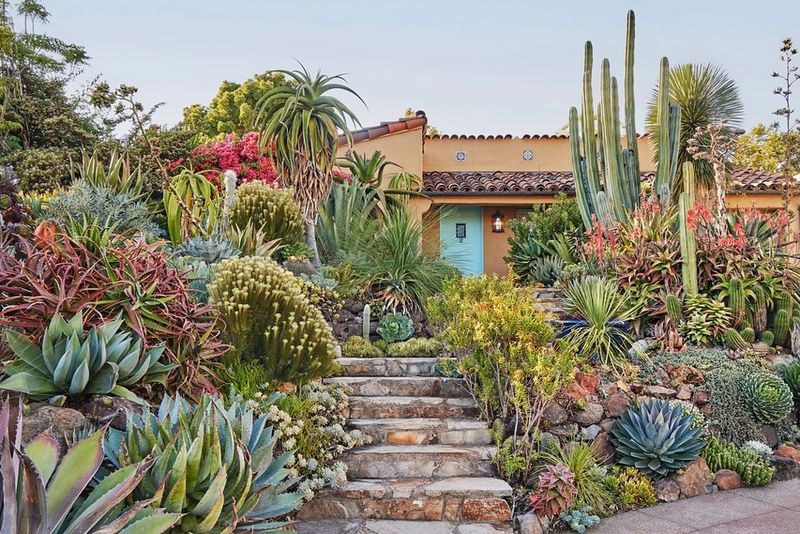
Watching plants struggle through Arizona’s scorching summers is frustrating and wasteful.
Desert-modern design embraces vegetation that actually loves the intense heat and bright sunshine that define our climate.
These tough, resilient plants don’t just survive, they flourish when temperatures soar above 110 degrees, creating lush, vibrant landscapes even during the hottest months.
Cacti, succulents, and native desert shrubs have special adaptations that help them handle extreme conditions.
Thick, waxy coatings on leaves reduce water loss, while light-colored foliage reflects harsh sunlight.
Some plants like ocotillo actually thrive in heat, producing brilliant red blooms when temperatures climb.
These natural survivors look better and healthier than struggling non-native plants that wilt and brown in summer.
Traditional garden plants from wetter climates often require shade cloth, extra watering, and constant attention just to stay alive through Arizona summers.
Even with all that effort, they frequently look stressed and unattractive.
Desert-adapted species skip this struggle entirely, maintaining their beauty naturally without special protection or excessive care.
Choosing climate-appropriate plants also means better long-term success and less replacement cost.
Plants well-suited to Arizona conditions establish quickly and live for many years, while inappropriate choices often perish within a season or two.
Homeowners in Tempe, Mesa, and throughout the Valley have discovered that working with the climate rather than against it creates more beautiful, sustainable gardens.
5. Modern Aesthetic Appeals To Contemporary Tastes
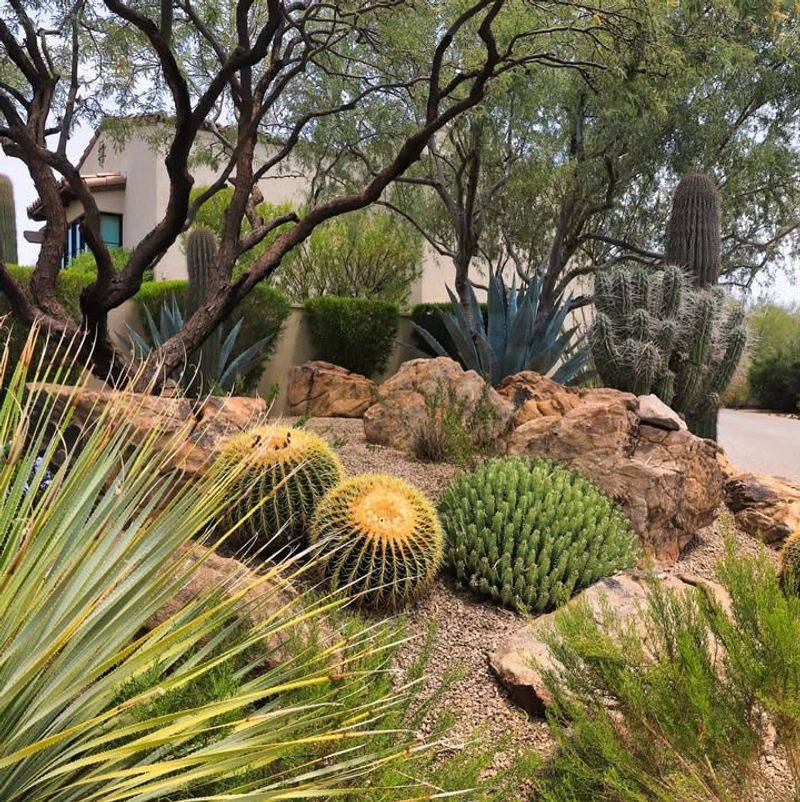
Clean lines, minimalist design, and natural textures define the desert-modern look that’s captured the imagination of Arizona homeowners.
This style perfectly complements contemporary architecture with its emphasis on simplicity, functionality, and honest materials.
Rather than fussy, overly decorated spaces, desert-modern gardens feature carefully selected elements that create visual impact through thoughtful placement and contrast.
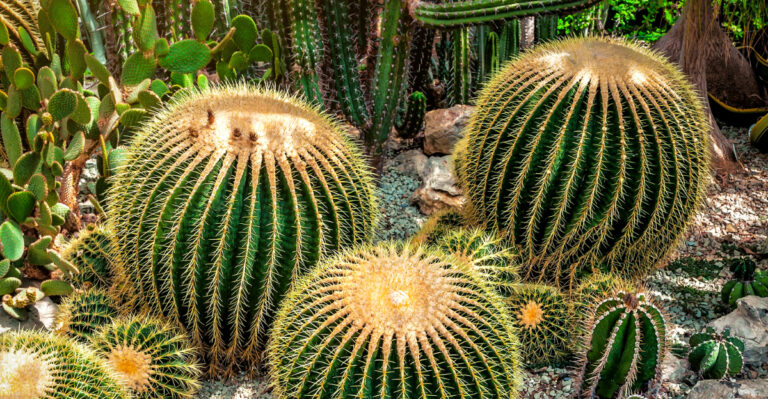
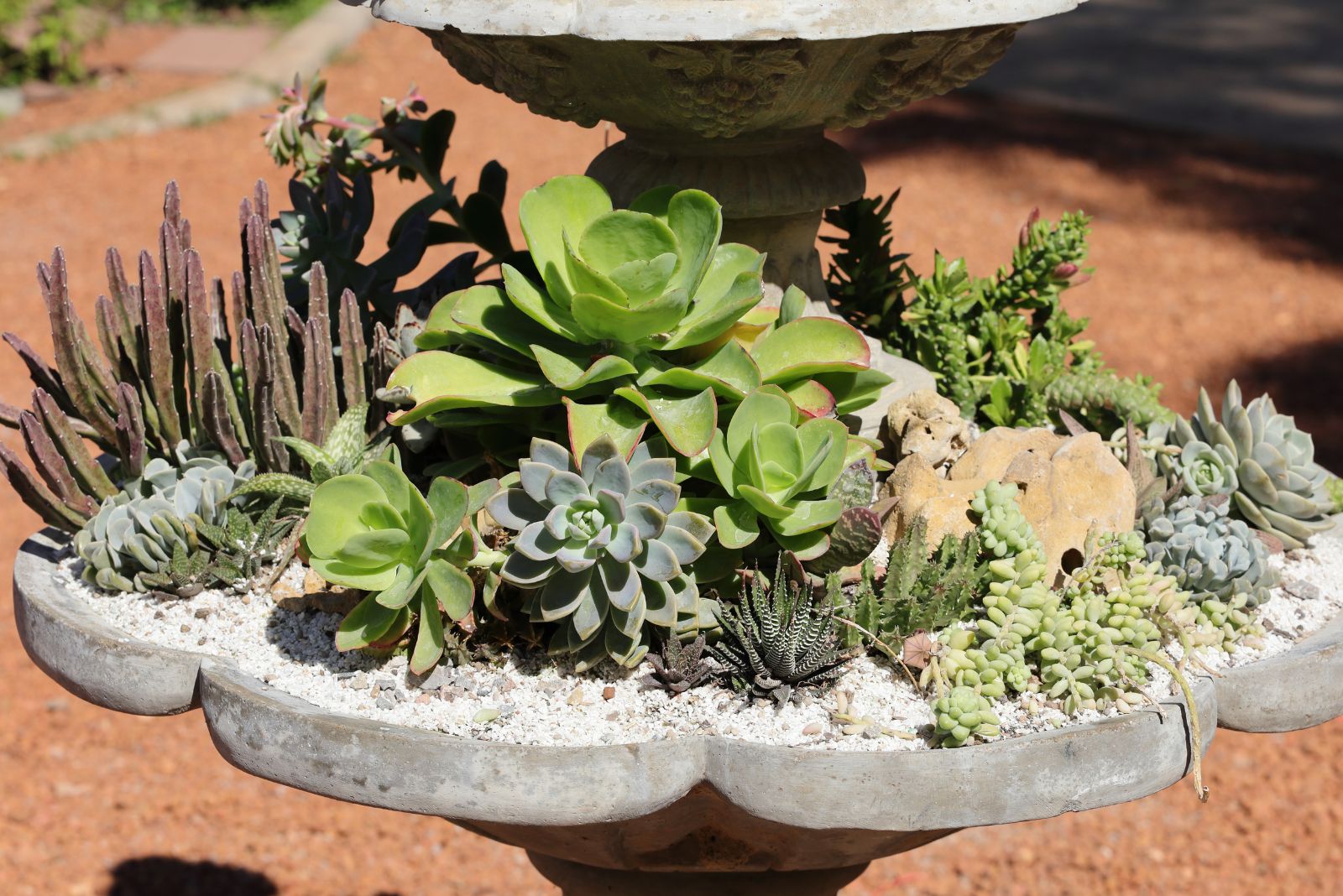
Architectural plants like agave, yucca, and barrel cacti serve as living sculptures in the landscape.
Their bold, geometric forms create striking focal points that look intentional and artistic.
Paired with smooth river rocks, weathered steel planters, or concrete retaining walls, these plants become design statements rather than just greenery filling space.
The color palette of desert-modern design feels sophisticated and calming.
Soft grays, warm tans, and earthy browns provide a neutral backdrop that lets pops of color from blooming plants really stand out.
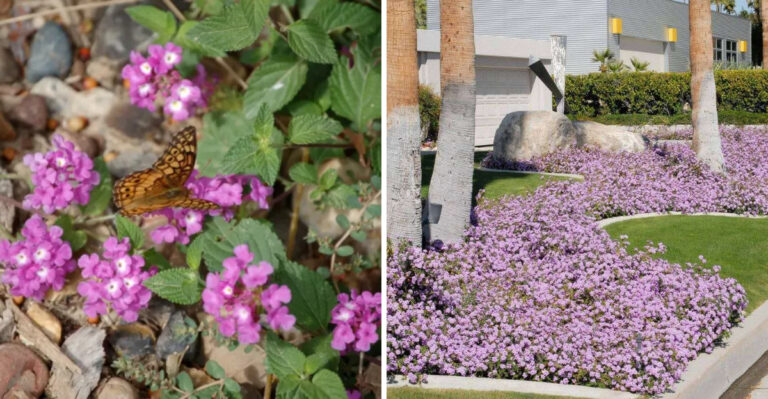
Occasional bursts of yellow from brittlebush or purple from desert verbena become more dramatic against the restrained background colors throughout the garden.
This aesthetic works beautifully with the mid-century modern and contemporary homes common across Arizona’s cities.
The outdoor space becomes a seamless extension of indoor living areas, with consistent design language flowing from inside to outside.
Homeowners appreciate how desert-modern landscaping increases their property’s visual appeal and feels current rather than dated or overly traditional.
6. Increased Property Value Attracts Smart Investors
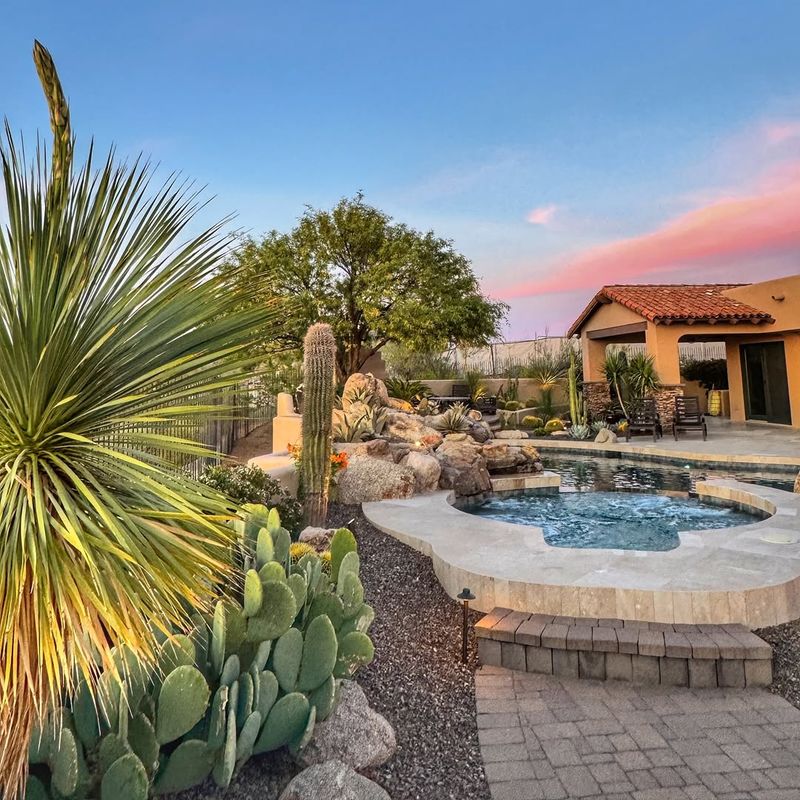
Real estate professionals across Arizona report that well-designed desert landscaping significantly boosts home values and speeds up sales.
Buyers increasingly recognize the long-term benefits of water-wise, low-maintenance yards and are willing to pay premium prices for properties with quality desert-modern gardens already installed.
This makes the investment in professional landscaping one that pays dividends when it’s time to sell.
Curb appeal matters tremendously in Arizona’s competitive housing market.
A stunning desert garden creates an impressive first impression that sets your property apart from homes with plain gravel yards or struggling grass lawns.
Potential buyers often decide whether to even tour a home based on exterior photos, so attractive landscaping can literally determine if people walk through your door.
The practical advantages of desert-modern design also appeal to savvy buyers.
They understand that lower water bills, reduced maintenance costs, and climate-appropriate plants mean fewer headaches and expenses after moving in.
This practical value translates directly into higher offers and faster closing times throughout Arizona’s cities.
Professional appraisers recognize quality landscaping as a valuable home improvement.
Unlike some upgrades that don’t recoup their costs, desert-modern gardens typically return 100 percent or more of the installation investment in increased property value.
For homeowners in growing areas like Gilbert, Chandler, and Surprise, this represents a smart financial decision that enhances both daily enjoyment and future resale potential.
7. Native Wildlife Creates Living Connections To Nature
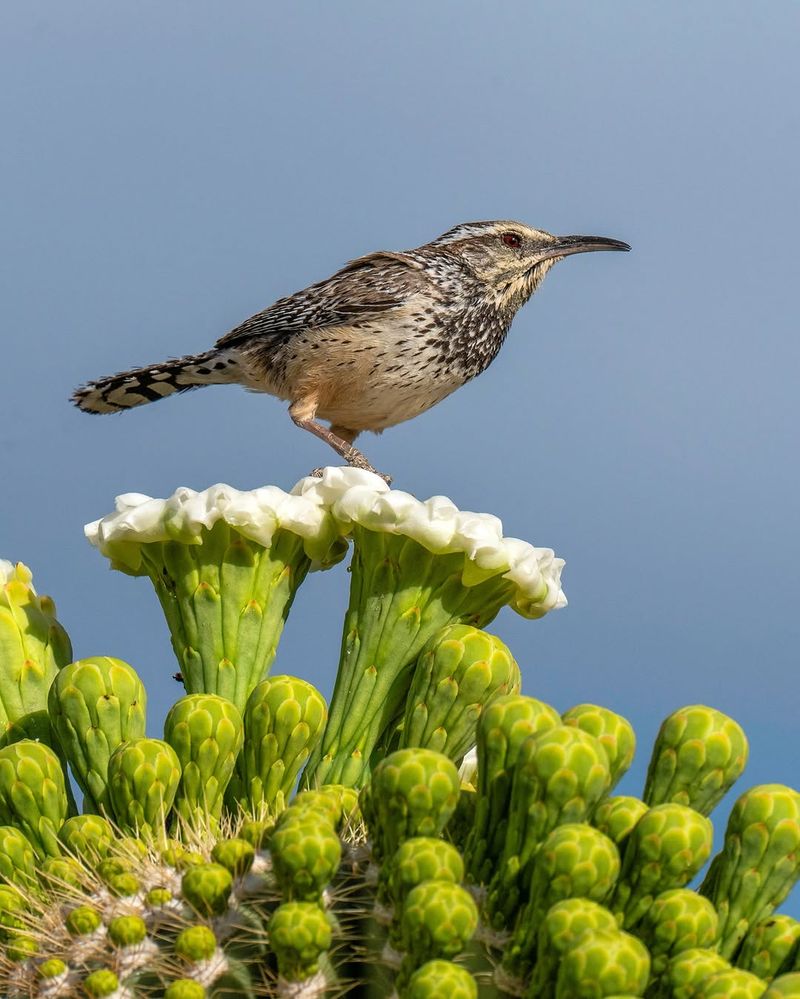
Hummingbirds zipping between red tubular flowers, colorful butterflies dancing over blooming shrubs, and lizards basking on warm rocks bring desert gardens to life.
Native plants support local wildlife by providing food, shelter, and nesting sites that non-native species simply can’t offer.
This creates a dynamic, ever-changing landscape where nature puts on daily shows right outside your window.
Arizona’s native pollinators have evolved alongside desert plants over millennia.
Hummingbirds recognize the specific flowers that offer them nectar, while native bees know which blooms provide the pollen they need.
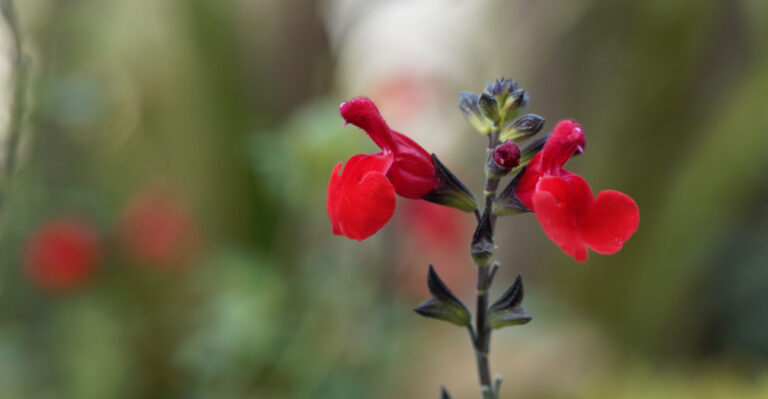
When you plant penstemons, salvias, and fairy dusters, you’re essentially hanging a welcome sign for these beneficial creatures that help your garden thrive.
Watching wildlife adds entertainment and educational value, especially for families with children.
Kids can observe hummingbird behavior, identify different butterfly species, and learn about desert ecology right in their own backyard.
These experiences foster environmental awareness and appreciation for Arizona’s unique ecosystems in ways that textbooks and screens cannot match.
Supporting native wildlife also contributes to broader conservation efforts across the region.
As natural desert habitats face development pressure, residential gardens that include native plants become important refuges for pollinators and other creatures.
Homeowners throughout Tucson, Flagstaff, and the Phoenix metro area are creating a network of wildlife-friendly spaces that help preserve Arizona’s biological diversity for future generations to enjoy and study.
8. Year-Round Interest Provides Changing Seasonal Beauty

Desert gardens surprise many people with their dynamic seasonal changes and constant visual interest throughout the year.
While traditional landscapes often look dormant and brown during winter months, well-designed desert-modern gardens showcase different plants taking center stage as seasons shift.
This creates an ever-evolving landscape that never feels static or boring, even in the middle of Arizona’s mild winters.
Spring brings explosive blooms from palo verde trees, brittlebush, and desert wildflowers that paint the landscape in brilliant yellows, purples, and oranges.
These spectacular displays rival any traditional flower garden and attract attention from neighbors and passersby.
The intensity of spring color against clear blue Arizona skies creates postcard-worthy scenes right in your own yard.
Summer showcases the architectural forms of cacti and succulents, with dramatic flower stalks shooting up from agaves and vibrant red blooms appearing on ocotillo after monsoon rains.
The changing light throughout long summer days highlights different textures and shadows in the garden.
Evening brings cooler temperatures perfect for enjoying outdoor spaces surrounded by fragrant desert plants.
Fall and winter offer their own subtle beauty as seed heads develop, foliage takes on bronze tones, and evergreen plants provide structure.
Many desert plants bloom during cooler months, providing unexpected pops of color when traditional gardens go dormant.
This year-round progression keeps Arizona homeowners engaged with their landscapes and provides reasons to spend time outdoors during every season.