Why Fewer Fireflies Show Up In Arizona Yards Now – And What Actually Brings Them Back
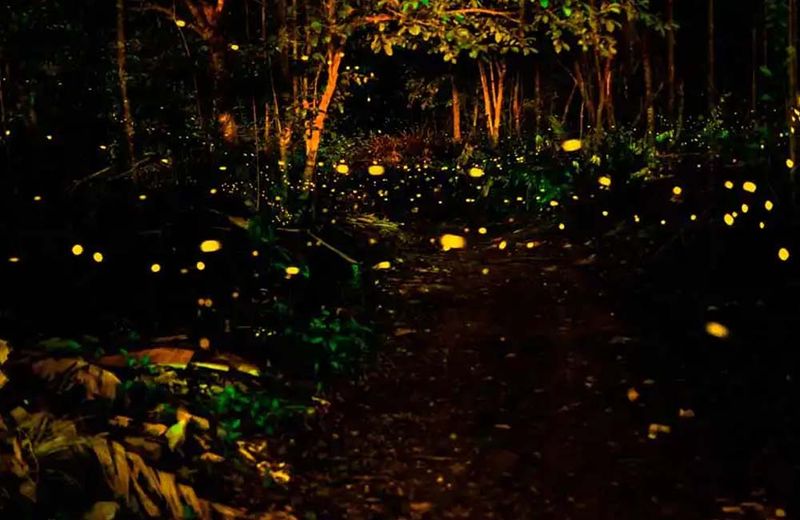
Summer nights in Arizona can feel surprisingly quiet when you expect to see tiny lights blinking through the dark. Many low-desert homeowners in Phoenix and Tucson remember spotting fireflies at some point, and they want to know where those flickers went.
The honest answer is more complicated than a simple disappearance story, and understanding what is really happening can help you make smarter choices for your yard.
Arizona Has Fireflies, but Residential Decline Remains Unproven
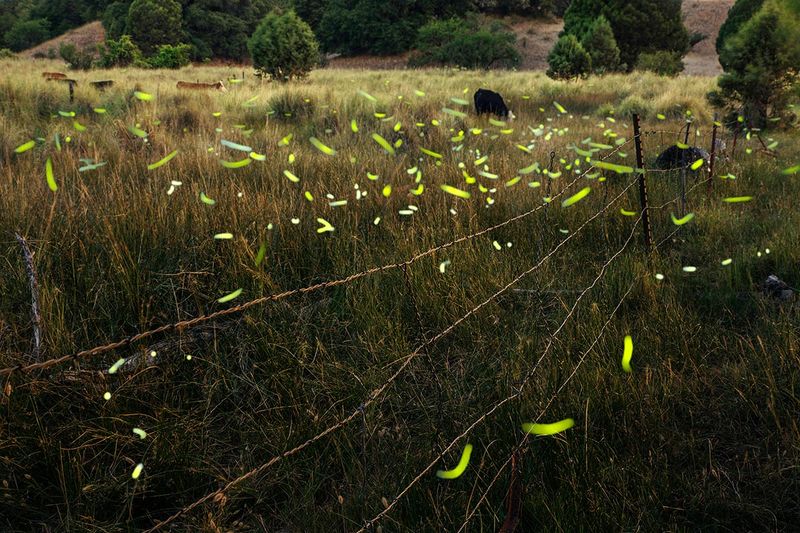
Most Arizona homeowners assume the fireflies they no longer see have simply vanished from the state, but that conclusion moves well ahead of what monitoring data actually shows. Arizona is genuinely home to a diverse Lampyridae community, even if that community is rarely centered in a gravel-covered Phoenix or Tucson front yard.
The distribution of Arizona fireflies follows water, shade, and cover rather than neighborhood lot lines. Most documented populations cluster in southern Arizona mountain ranges, desert canyons, riparian corridors, wetlands, springs, and stream margins – habitats that share little with a bright, dry, heavily disturbed low-desert yard.
Arid parts of the region host few fireflies except near major rivers or other persistent water sources, which means the gap between a typical suburban yard and documented firefly habitat can be substantial.
Habitat mismatch is one plausible explanation for why an Arizona homeowner might see few or no fireflies, but it is not the only one. Year-to-year weather variability, monsoon timing, species-specific behavior, and the simple fact that Arizona residential firefly populations are poorly monitored all contribute to uncertainty.
Researchers and conservation groups classify many western firefly species as data deficient, so a claim that fireflies are broadly disappearing from Arizona yards statewide is not supported by available evidence. The more defensible framing is that fewer visible flashes in a particular yard may reflect habitat conditions, local population status, or seasonal timing rather than a proven statewide trend.
Species and Weather Change What Homeowners See
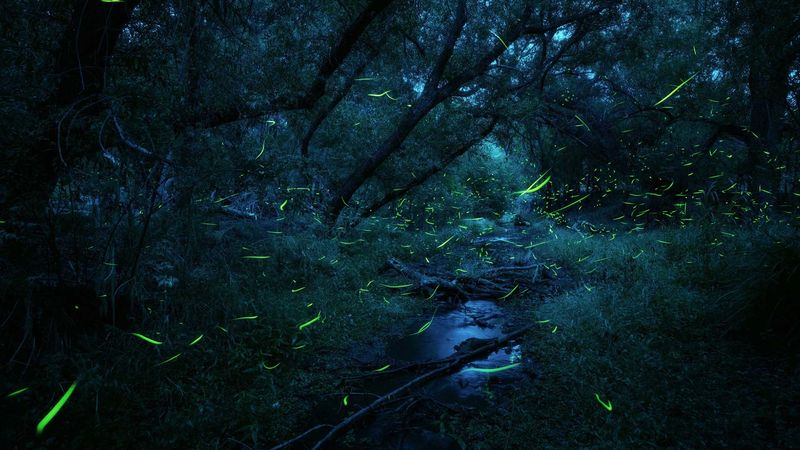
Fewer visible flashes on an Arizona summer night do not automatically mean fewer fireflies in the area. Glow-worm species and dark firefly species make up the majority of Arizona’s documented diversity, and some may be day-active or glow primarily as larvae or flightless females rather than as flying adults blinking across a backyard.
Even among Arizona’s flashing species, activity is tightly tied to seasonal conditions. The Southwest synchronous firefly is a monsoon-linked species whose adult activity typically begins after the first summer rains in July and continues into August or September.
A quiet June night in an Arizona yard is not evidence that a population has disappeared – it may simply mean the monsoon has not yet triggered adult emergence. Timing observations to match species-specific activity windows matters more than most homeowners realize.
Weather variability adds another layer of complexity to what Arizona residents observe from year to year. Research on firefly phenology found that both unusually high and unusually low precipitation can delay or reduce adult activity, meaning a poor display in one Arizona season is not proof of a long-term decline.
Your Arizona Garden Changes Every Week. Your Plan Should Too.
Gardening in Arizona changes quickly throughout the season. Every Friday you’ll receive a simple weekly plan showing exactly what to plant, prune, fertilize, harvest, and protect so you never miss the right timing.
Temperature swings, humidity levels, and the persistence of water in local washes and low spots all interact to shape when and how many adults appear. One underwhelming monsoon season followed by a better one the next year is a pattern consistent with normal weather-driven variation, not necessarily a sign that Arizona fireflies are in trouble.
Water Shapes Habitat for Some Arizona Fireflies
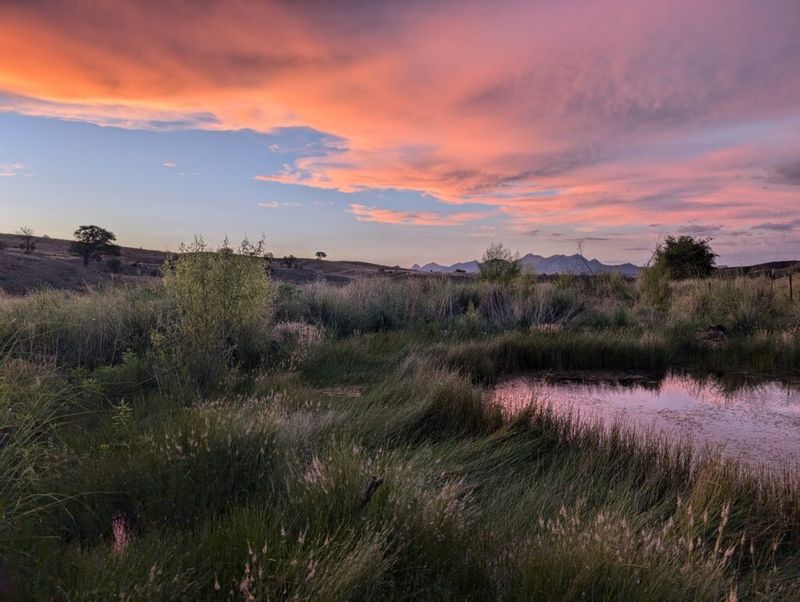
Water is one of the most important factors shaping where certain Arizona firefly species can survive, but the relationship is more specific than a simple rule that all fireflies need a pond. Some species tolerate drier conditions in desert canyons or riparian corridors that go seasonally dry, while others depend on something far more permanent.
The Southwest spring firefly offers the clearest Arizona example of a wetland specialist: it is associated with marshes, seeps, riparian areas, and other wetland habitats, and recent modeling indicates that perennial water during the hottest, driest months of the year is a major predictor of where this species occurs.
That kind of perennial moisture is largely absent from a standard Phoenix or Tucson residential lot. A rain garden, a damp planting basin, or a carefully placed drip-irrigation zone can create localized humidity and support soil moisture at the edges of a yard.
Those features may improve conditions for common or opportunistic species that happen to be nearby, but they are not functional substitutes for a spring-fed marsh or a year-round riparian corridor. Arizona homeowners should set expectations accordingly: small moisture improvements are worthwhile, but they do not replicate the landscape-scale hydrology that wetland specialists require.
The broader takeaway for Arizona yards is that water works as a supporting condition rather than a master switch. Retaining soil moisture through mulch and ground cover, directing rainwater into planted basins, and avoiding unnecessary evaporation can make a corner of a yard more hospitable to firefly species that are already present in the surrounding area.
For the Southwest spring firefly and similar wetland-dependent species, however, the habitat constraint operates at a scale well beyond what any single Arizona property can address on its own.
Reducing Artificial Light May Help Flashing Fireflies
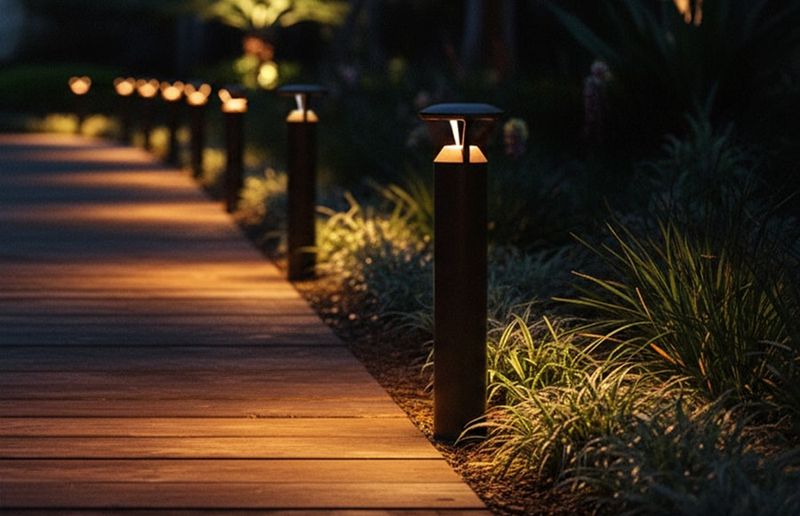
Outdoor lighting is one of the most direct pressures a low-desert Arizona homeowner can reduce. When background light overwhelms those signals, communication breaks down.
The effect is most relevant for flashing species, and sensitivity varies across species, light intensities, spectral qualities, and habitat types, so no single claim covers all Arizona fireflies equally.
A practical hierarchy for Arizona yards starts with removal rather than replacement. Turning off lights that serve no essential nighttime purpose – decorative string lights, accent floods aimed at vegetation, and fixtures shining toward drainage areas or washes – eliminates the problem entirely for those zones.
Where security or safety lighting is genuinely needed, shielding fixtures to direct light downward, lowering brightness to the minimum effective level, and using timers or motion sensors to limit hours of operation all reduce the footprint meaningfully.
Switching to red or amber bulbs is sometimes suggested as a fix, and some research points to longer wavelengths being less disruptive for certain insects. However, darkness and reduced intensity are the more broadly supported recommendations, and species responses differ enough that no color swap should be treated as a universal solution for Arizona firefly habitat.
The goal is to create genuinely dark periods in the parts of the yard closest to natural cover, water edges, or leaf-litter zones, which is where any flashing activity is most likely to occur in an Arizona setting.
Protect a Low-Traffic Zone at Ground Level
Firefly life cycles are heavily ground-oriented. Eggs are laid in soil or leaf litter, larvae hunt soft-bodied prey near the surface for up to two years before pupating, and mating activity often occurs at or just above ground level.
In an Arizona yard, that means the most supportive real estate is not a flowering shrub but a quiet, undisturbed patch of earth with some organic material on top.
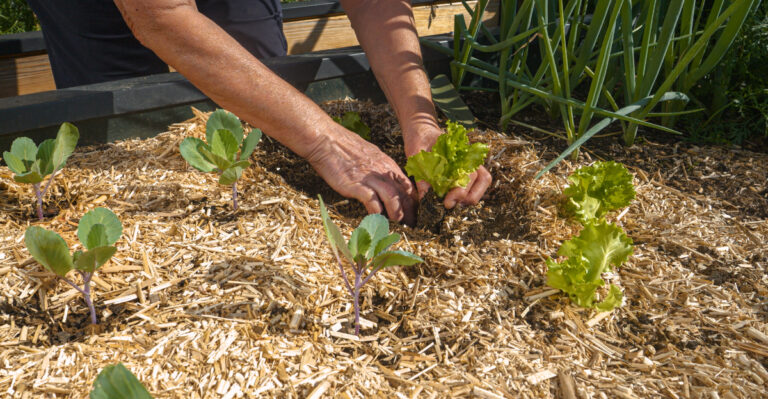
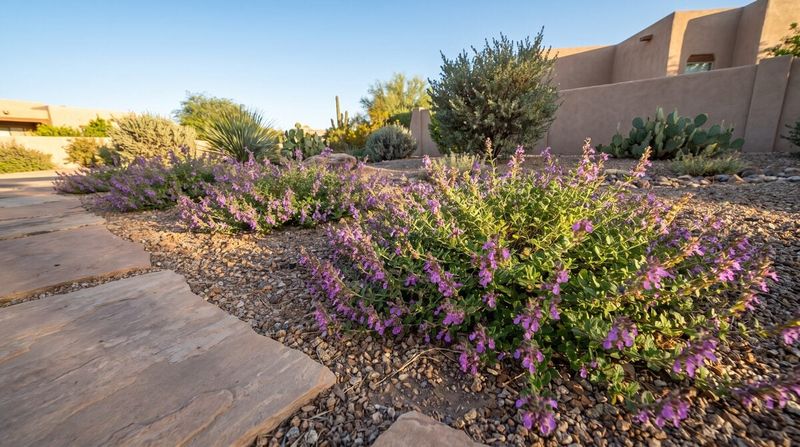
Setting aside even a small corner of an Arizona yard as a low-traffic refuge can reduce that pressure. Letting fallen leaves accumulate under a native tree, placing flat rocks along a shaded edge, and allowing groundcover plants to fill in without frequent disturbance creates the layered, stable microhabitat that supports ground-dwelling insects broadly.
Regionally appropriate native and desert-adapted plants contribute to this zone by providing shade, humidity, structural cover, and the soft-bodied invertebrate prey that firefly larvae depend on in an Arizona setting.
No single Arizona plant can guarantee firefly attraction on its own. Mesquite, palo verde, desert willow, and similar species support the broader conditions – cooling the soil, moderating humidity, and providing habitat complexity – but they work as part of a system rather than as individual magnets.
The Central Arizona Urban Desert Landscape Guide and Arizona Water Wise both support native, drought-tolerant landscaping as a foundation for functional yards, and that foundation happens to align well with what firefly habitat requires at ground level. Combining low disturbance, retained litter, and regionally appropriate plants gives any nearby firefly population a more welcoming edge to work with.
Manage Yard Moisture Without Breeding Mosquitoes
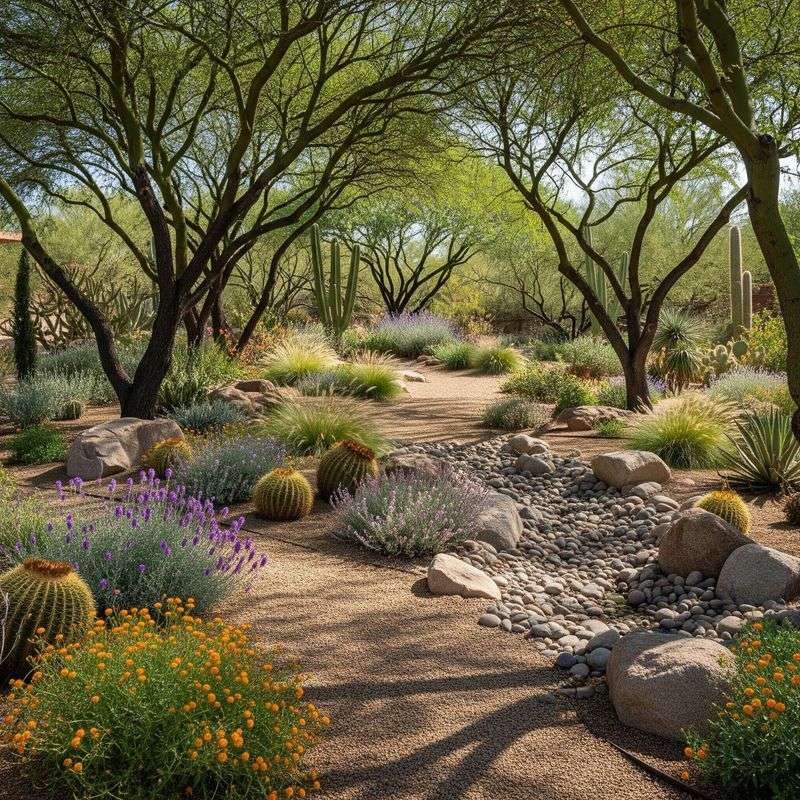
Adding localized moisture to an Arizona yard can make a real difference for ground-level habitat, but the approach matters as much as the intention. University of Arizona Cooperative Extension guidance on passive rainwater harvesting describes how Arizona homeowners can shape berms and basins to direct monsoon runoff into planted areas and root zones, keeping water in the soil rather than letting it sheet off pavement and evaporate.
That kind of designed infiltration supports plants, cools soil, and can sustain a patch of humidity in an otherwise arid Arizona yard without wasting water.
The public-health boundary around unmanaged standing water is firm and non-negotiable in Arizona. Mosquitoes can breed in as little as a bottle cap of stagnant water, and Arizona health officials warn that standing water poses serious disease risks during monsoon season, when mosquito populations surge.
Uncovered rain barrels, clogged containers, forgotten saucers under pots, and poorly drained low spots all become potential breeding sites. Source reduction – removing or draining anything that holds water unnecessarily – is the first and most effective step.
Where water features or storage are intentional, covers, drainage outlets, water circulation, and properly labeled mosquito-control products provide the necessary safeguards. The University of Arizona’s July gardening guide for Pima County reinforces the importance of checking Arizona yards after every monsoon rain for new water accumulation.
A yard that supports localized moisture for firefly habitat and simultaneously eliminates mosquito-breeding opportunities is achievable in Arizona, but it requires active management rather than a set-it-and-forget-it approach. Designed infiltration and covered storage are the tools; indiscriminate puddles are the hazard.
Reduce Pesticide Pressure on Fireflies and Their Prey
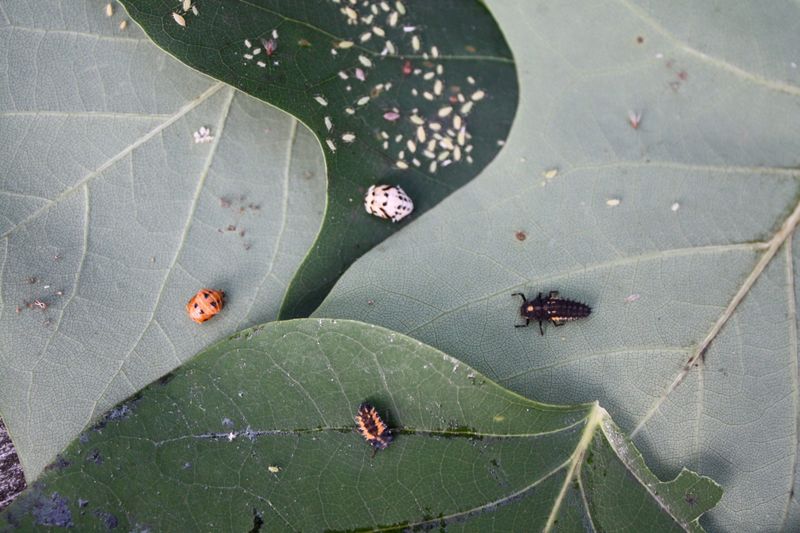
Routine broad-spectrum insecticide applications in and around Arizona yards can harm fireflies through two overlapping pathways. Direct exposure to pesticide residues can affect adult and larval fireflies, and widespread elimination of soft-bodied invertebrates – snails, worms, and other small prey – removes the food supply that Arizona firefly larvae depend on during their multi-year development in the soil.
Arizona homeowners face genuine pest pressures – scorpions, mosquitoes, and other insects are real concerns in the low desert – and the goal is not to eliminate all pest management but to reduce unnecessary broad-spectrum applications. Nonchemical controls such as physical exclusion, targeted trapping, and habitat modification address many common Arizona pest problems without saturating the soil and vegetation with residues.
When chemical treatment is genuinely needed, choosing products labeled for the specific target pest and applying them only where needed limits collateral damage to non-target insects including fireflies.
Bti, a bacterial larvicide, is sometimes raised as a more selective alternative for mosquito-larval control in Arizona water features. The EPA describes Bti as targeting mosquito, blackfly, and fungus-gnat larvae specifically, making it less broadly toxic than many conventional insecticides.
Even so, Bti should be used only as its label directs, and it should not be described as harmless to every Arizona firefly species without species-specific evidence to back that claim. The practical standard for an Arizona yard that aims to support fireflies is to treat chemical control as a last resort rather than a routine maintenance step.
Track Local Evidence Instead of Relying on Memory
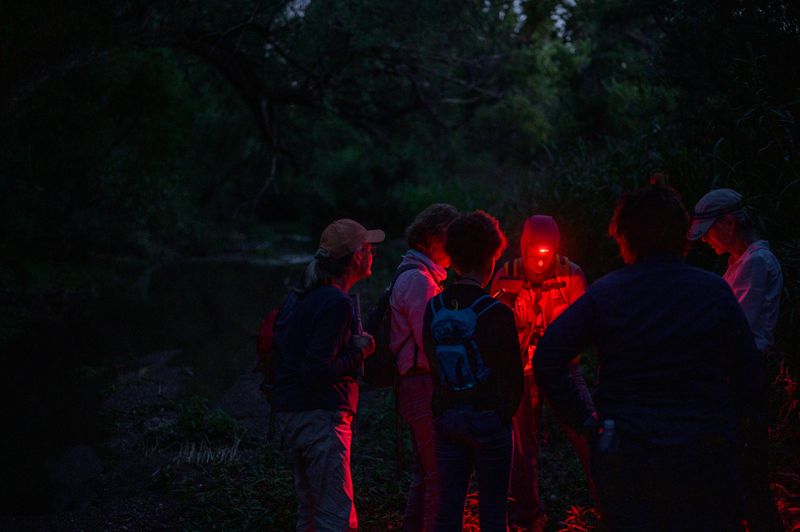
A yard that feels darker, less disturbed, and better managed than it was a few years ago may genuinely be more supportive of firefly activity. But no combination of habitat improvements can guarantee colonization if no nearby source population exists and if the surrounding Arizona landscape does not provide the larger habitat context that fireflies need to persist.
The honest promise is an improved edge condition, not a guaranteed display. Tracking what actually appears, and when, is the most useful thing an Arizona homeowner can do to move beyond guesswork.
The Firefly Atlas offers a structured way to contribute. That level of detail transforms a casual memory into a data point that researchers can use to track Arizona populations over time.
Relying on impressions of how many fireflies appeared in a single summer is far less useful than a dated, located, habitat-described record submitted consistently across multiple seasons.
The conservation stakes for some Arizona species are real, even if statewide residential trends are unproven. The U.S.
Fish and Wildlife Service issued a 90-day finding in January 2024 that a petition to list the Southwest spring firefly presented substantial information indicating that listing may be warranted, initiating a formal status review – not a final endangered-species listing. Separately, the Southwest synchronous firefly has shown uneven local outcomes, with some historical Arizona sites appearing to have lost populations while survey counts increased at another site in a later year.
Those local variations are exactly what careful observation records help distinguish from broader population trends, and Arizona residents are well positioned to fill that data gap.
Build a More Supportive Yard, Not a Guaranteed Firefly Display
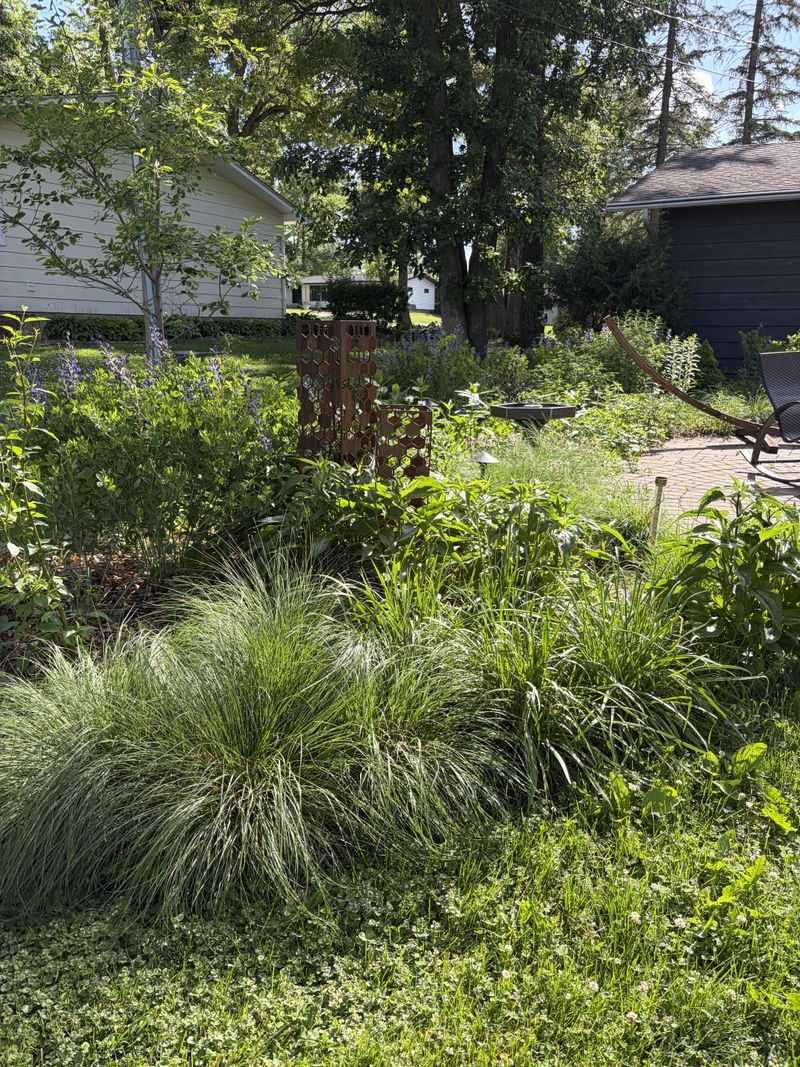
Pulling together the changes that matter most for an Arizona yard starts with the simplest one: turn off or shield outdoor lights that serve no essential purpose, especially any fixtures shining toward vegetation edges, drainage areas, or the shaded corners where ground-level habitat exists. From there, retaining a low-traffic zone with leaf litter, flat rocks, and native groundcover costs nothing except the willingness to leave that patch alone.
Xerces Society firefly guidelines consistently identify these two steps – reduced light and protected ground habitat – as the most broadly applicable actions across firefly species and regions.
Layering in passive rainwater harvesting, Arizona-adapted native vegetation, limited soil disturbance, and reduced broad-spectrum pesticide use builds on that foundation. For monsoon-linked flashing species such as the Southwest synchronous firefly, the most productive observation window in Arizona runs from the first summer rains through August or September, so timing surveys to that period gives a more accurate picture than a mid-June check.
For other Arizona species, survey timing should follow the target species and its documented habitat.
None of these steps can replace the wetlands, springs, and riparian systems that some Arizona firefly species depend on at a landscape scale. A well-managed low-desert yard can reduce local pressure, improve a habitat edge, and contribute real data through the Firefly Atlas field records for Arizona, but it cannot conjure a population where none exists nearby.
The most useful shift in expectation is this: build a yard that earns a visit, and pay close enough attention to know when one actually happens.